







Search Results for: Chengdu culture and tourism
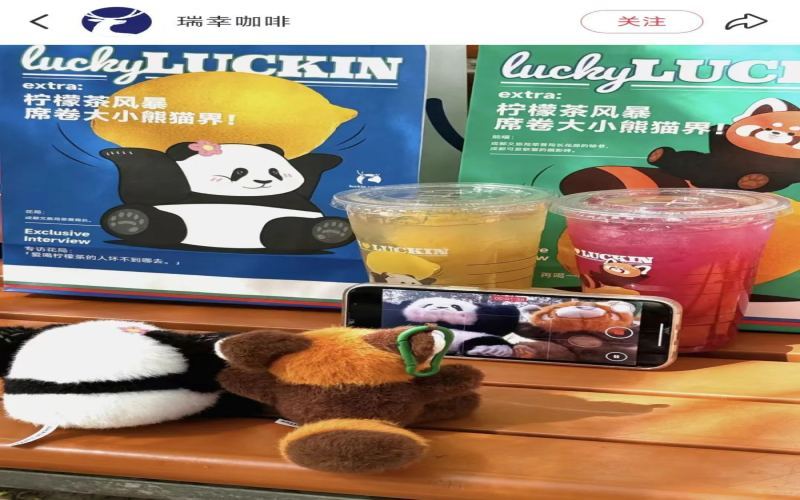
Luckin Coffee teamed up with Chengdu Culture and Tourism to launch panda plush toys, but quality control issues with the Huahua plushie sparked a collective backlash from netizens.
Luckin Coffee recently teamed up with Chengdu Culture and Tourism to launch a co-branded series, creating ice cups, paper bags, cup sleeves, and merchandise inspired by giant pandas, with a plush keychain modeled after the top-tier panda "Huahua" highly anticipated. However, after the campaign launched, many consumers found the actual products they received fell far short of the promotional images—with skewed facial features and bizarre expressions, mockingly dubbed "underbite," while the red panda version also suffered quality control issues, sparking a wave of "ugly panda" posts on social media. What was originally intended to win fans through this collaboration unexpectedly turned into a discussion about merchandise quality and fidelity. [more…]
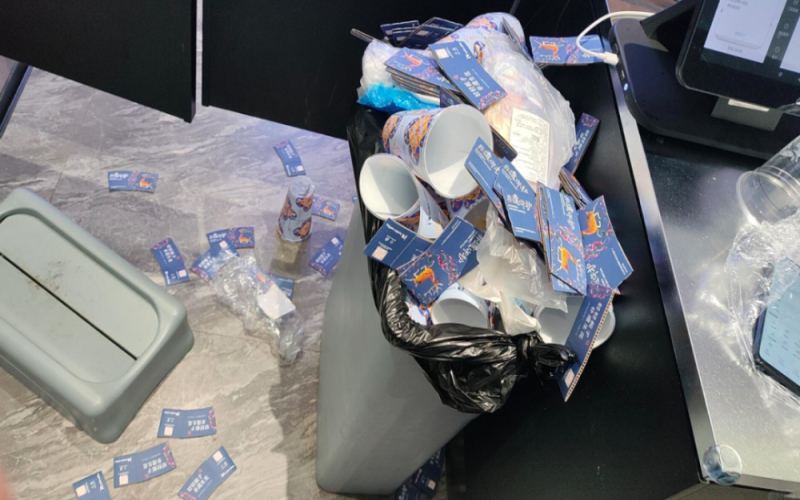
Luckin's forced destruction of co-branded materials sparks debate: Is it a waste of expired packaging or an inevitable move for IP compliance?
Recently, a Luckin Coffee employee posted footage on social media showing a store destroying co-branded packaging overnight, with trash bins full of unopened cup sleeves and takeaway cups, quickly sparking discussions among netizens about waste and environmental protection. According to the employee, on the eve of the end of each co-branding campaign, stores must cut and destroy remaining materials under surveillance, including previously co-branded Chengdu Cultural Tourism small panda keychains. Some netizens compared this with Cotti Coffee's approach, arguing that continuing to use expired packaging materials both reduces waste and gives customers surprises; others with knowledge of the matter pointed out that the destruction may be forced by the licensing period granted by the co-branding partner, and using them beyond the period could lead to breach-of-contract compensation. Behind this controversy lies the dilemma of materials management and intellectual property compliance amid the co-branding boom. [more…]
Yunnan Baoshan Lujiang Small-Bean Coffee: Brand Recommendations and a Full Analysis of Flavor Advantages
Lujiang Town in Baoshan, Yunnan, is known as China's No. 1 Coffee Village, and the small-bean coffee produced here has won a world gold award. This article starts from the Third Baoshan Coffee Culture Festival to introduce the varietal advantages, growing environment, and historical honors of Baoshan small-bean coffee, analyze the pain points in picking and processing faced by coffee farmers, and recommend worthwhile Front Street Coffee products, offering coffee lovers professional guidance for choosing Yunnan coffee. [more…]
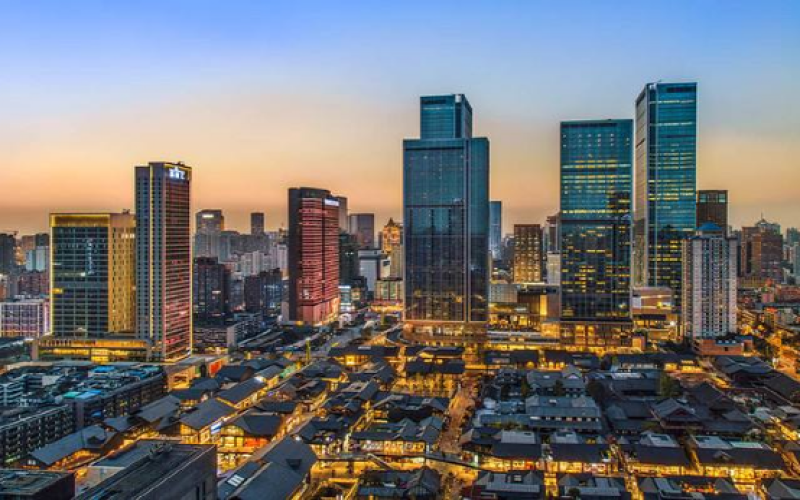
China's Coffee Market Landscape Shifts: Shanghai Loses Momentum Under Pandemic Impact, Chengdu Accelerates Its Rise
For a long time in the past, Shanghai was regarded as the city with the highest coffee density in China. However, the nearly three-month suspension of dine-in services dealt a heavy blow to Shanghai's catering industry, and coffee brands began to turn their attention to Chengdu. Data shows that Chengdu now has more than 7,000 coffee shops, ranking second nationwide, with independent coffee shops accounting for as much as 81.07%, far exceeding Shanghai's 57.01%. Luxury brands have also chosen to open coffee shops in Chengdu one after another, including LV, Cartier, Ralph's Bar, and Maison Margiela Café. Wangping Street, Mengzhuiwan, and Tangpa Street in Chengdu have become popular coffee districts, where teahouse culture and coffee consumption blend together. This article will analyze the data and trends behind this round of changes in the coffee city landscape. [more…]
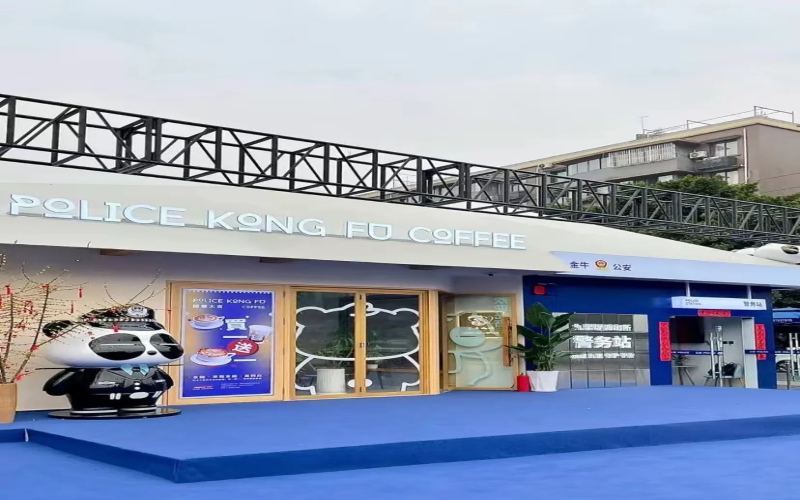
Chengdu Jiulidi Police Station Partners with CapitaLand Plaza to Launch an Anti-Fraud Themed Coffee Shop, Integrating Police Outreach into Coffee Culture
Recently, the Jiu lid堤 Police Station in Jinniu District, Chengdu, teamed up with CapitaLand Plaza to create an anti-fraud-themed coffee shop, cleverly combining police outreach with coffee culture and attracting many citizens to visit. This coffee shop not only offers coffee but has also become a new hub for spreading anti-fraud knowledge. The interior uses a black-and-white color scheme, and at the entrance there is a cute panda police officer figure, creating a striking contrast. The police hope that through this novel approach, young people can easily learn fraud prevention knowledge while enjoying coffee and pass it on to their families, raising anti-fraud awareness across society. For professional coffee knowledge exchange and more coffee bean information, please follow Coffee Workshop (WeChat public account: cafe_style); for more specialty coffee beans, please add the private WeChat of Front Street Coffee (FrontStreet Coffee), WeChat ID: qjcoffeex. [more…]
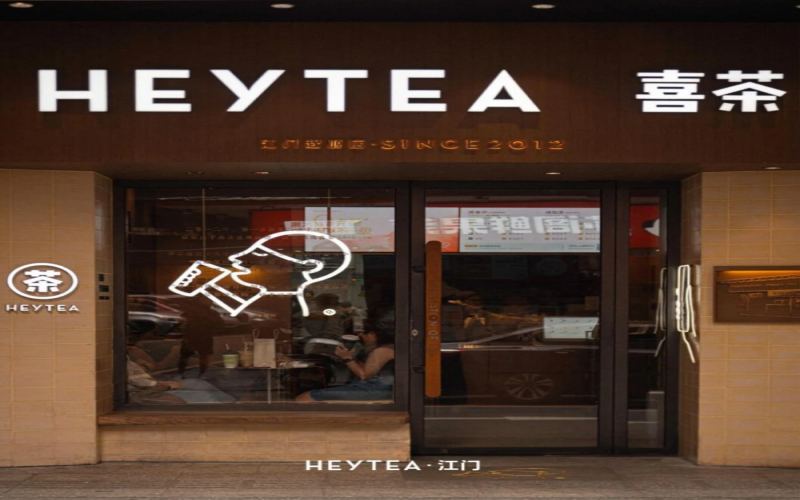
National Day at Heytea's original store: 4,500 cups in a single day, queues over two hours, staff so exhausted they fell asleep on the spot
During the recent National Day holiday, sales at multiple Heytea stores experienced explosive growth, with some stores seeing increases of over 600%. Among them, the Heytea original store located in Jiangbianli, Jiangmen, Guangdong became the focus: both total sales and single-store single-day sales topped the lists, with overall sales rising 210% compared to before the holiday, and the highest single-day sales exceeding 4,500 cups. On social platforms, many consumers posted screenshots of queues with waits of over 140 minutes, while store employees worked overtime for consecutive days, with some so exhausted they fell asleep on the spot. This cup of Jiangbianli-exclusive Zhizhi Ganpu reached a peak single-day sales of 3,500 cups, a 550% increase compared to before the holiday. This article takes you through the real situation of this original store during the holiday. [more…]
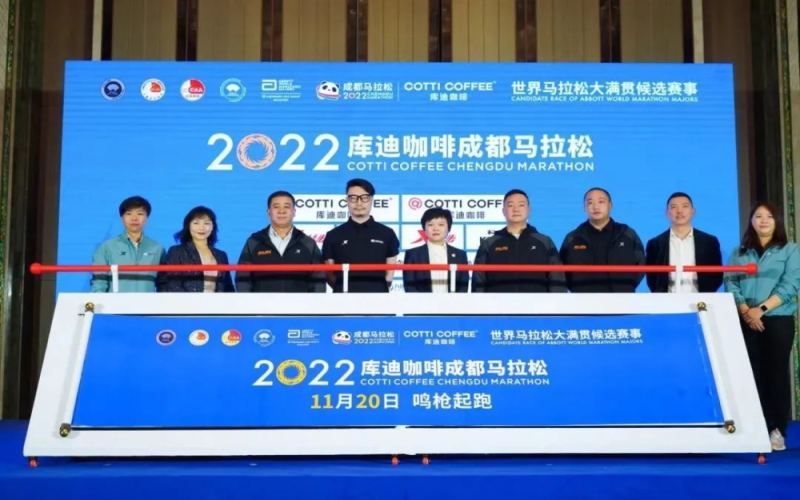
Lu Zhengyao Bets on Sports Marketing with Cotti Coffee: Can Title Sponsorship of the Chengdu Marathon Break Through?
Since the opening of its first store, Cotti Coffee has made frequent moves, first becoming the sponsor of the Argentine national football team in China, and then immediately securing the title sponsorship of the 2022 Chengdu Marathon. This new brand, jointly created by Lu Zhengyao and Qian Zhiya, the founders of Luckin Coffee, is trying to quickly build market awareness with the help of top-level sports events. At the same time, Cotti Coffee has announced a plan for ten thousand stores in three years and has already been laying out locations in many parts of the country. This article sorts out its sports marketing path and expansion strategy, and attaches the professional information channels of Front Street Coffee for coffee lovers to gain a deeper understanding of industry trends. [more…]
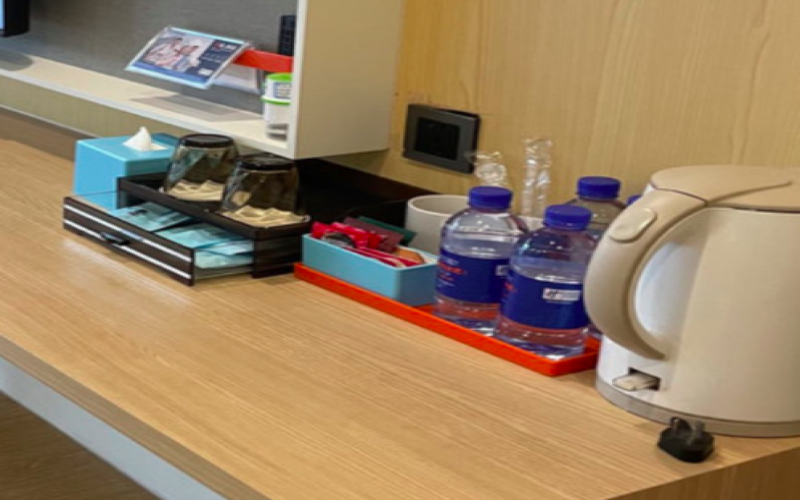
Chengdu Holiday Inn instant coffee expired for half a year; customer felt unwell after drinking it; market supervision authorities have stepped in.
A traveler from Zhengzhou on a business trip to Chengdu drank the complimentary instant coffee provided in his room after checking into a local Holiday Inn, and subsequently suffered gastrointestinal discomfort. Upon inspecting the packaging, the coffee was produced in March 2022 with a 24-month shelf life, meaning it was nearly half a year past its expiration date when the guest drank it. After the customer reported the matter to the hotel, the hotel offered to refund the room fee and provide 2,000 yuan in compensation, but stressed that the payment was a "reward for discovering the problem" rather than compensation, which the customer did not accept. At present, the Chengdu market regulatory authorities have intervened in the investigation, and the matter is still being handled. This case has also sounded an alarm for food safety management in guest rooms across the hotel industry. [more…]
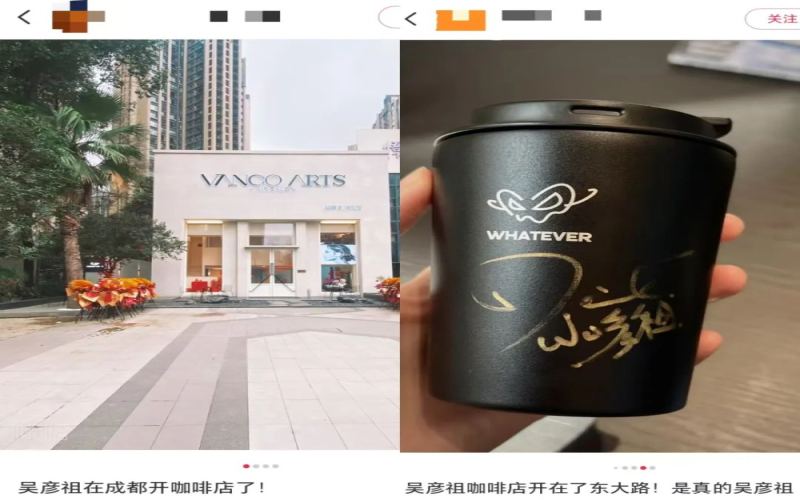
Daniel Wu Opens WHATEVER COFFEE in Chengdu: Minimalist Philosophy and Market Scrutiny Under Star Power
Recently, the coffee brand WHATEVER COFFEE, founded by actor Daniel Wu, opened its first physical store on Dongda Road in Chengdu, sparking a wave of social media check-ins. This shop-in-shop, sharing space with a barbershop, features a minimalist black, white, and gray aesthetic. Its menu focuses on classic coffees and simple flavored drinks, priced between 20 and 34 yuan. The brand logo, a mask hand-drawn by Daniel Wu, symbolizes shedding pretense and returning to authenticity. In fact, the brand entered the coffee market as early as last June. Now, with the Chengdu store serving as a test outlet, a second independent location is already being scouted. Celebrities opening coffee shops is nothing new—from JJ Lin to Jay Chou—but behind the built-in traffic, whether the products and services themselves can withstand market scrutiny remains a topic worth watching. [more…]

HEYTEA City-Exclusive Food and Tea Crossover Roundup: Localized Innovation from Coconut Chicken Hot Pot to Sichuan Spicy Fairy Dew
In recent years, Heytea has continuously pushed the boundaries of tea drinks, from cross-brand collaborations to incorporating each city's signature foods into beverages and baked goods, launching a series of unexpectedly creative limited-edition products. Shenzhen's coconut chicken hot pot, Guangzhou's rice roll cake, Changsha's mini clay pot bubble rice wine, Chengdu's Sichuan spicy fairy dew… each one precisely captures the taste memories of local people. These products are not only wildly imaginative but also build emotional resonance by awakening shared city memories. This article will comprehensively review the limited-edition items Heytea has launched in various cities and explore the communication logic and secrets behind its "neglecting its proper business." [more…]
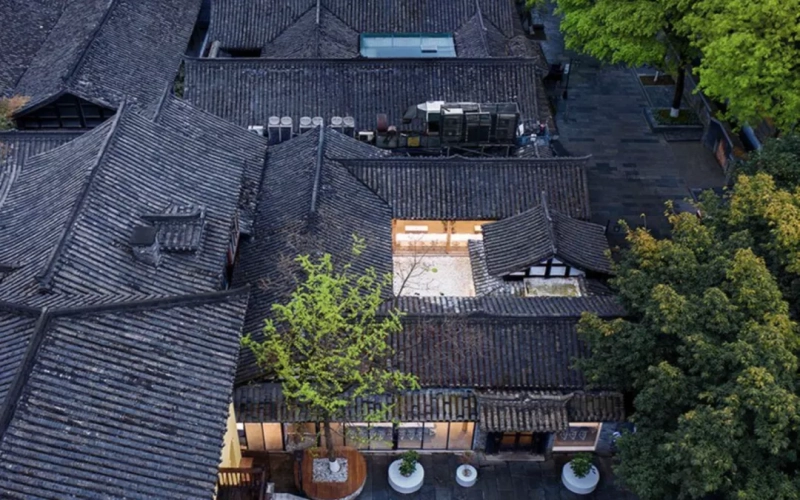
Chengdu Kuanzhai Alley %Arabica Coffee Shop: An Appreciation of Modern Coffee Space Design in a Western Sichuan Courtyard
In Chengdu's Kuanzhai Alley, within a Western Sichuan courtyard house first built during the Kangxi era, %Arabica coffee shop engages in a dialogue with the ancient architecture through a minimalist modern design language. The designers retained the original wooden structure and reinforced it with steel, paving the pathways and seating areas with gray bricks, allowing the café to blend seamlessly with the blue bricks and dark tiles. In the central courtyard, stones, floor-to-ceiling glass, and water lily leaves create the imagery of a "water pool," which not only continues the traditional feng shui symbolism of gathering wealth but also reduces the actual maintenance difficulty. The pure white bar counter blends with the building's natural tones, and as guests move through the space, the spatial experience flows and shifts accordingly. This café not only serves coffee but also lets people feel the fusion of history and modernity in the tranquility of old times. At the end of the article, there is also information about Front Street Coffee's specialty beans, which is worth the attention of coffee lovers. [more…]
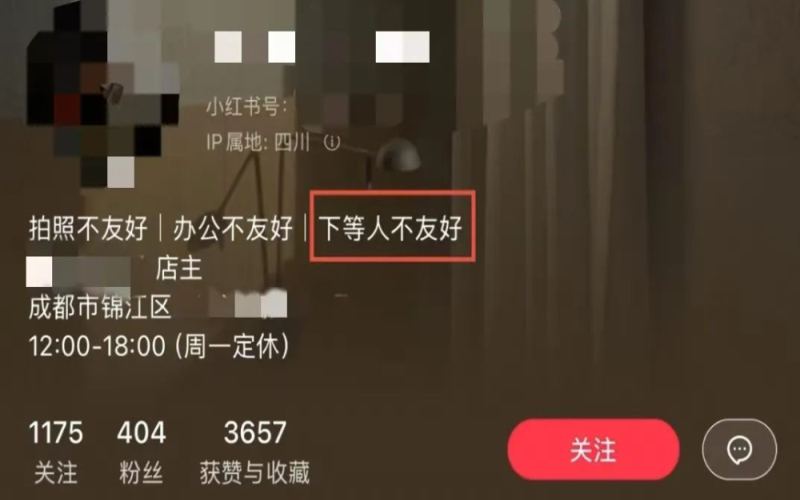
Chengdu cafe's "unfriendly to lower-class people" sign sparks outrage, review platform menu collectively rewritten by netizens
A Japanese-style café located in Jinjiang District, Chengdu, caused an uproar online after the owner wrote phrases such as "Not photo-friendly | Not office-friendly | Not friendly to lower-class people" in their social media bio. What were originally just in-store rules prohibiting standing photos and photos after changing seats were interpreted by netizens as a public belittlement of customers due to the insulting wording "lower-class people." After the incident escalated, the café's recommended menu on review platforms was collectively edited, with joking names such as "Lower-Class Coffee" and "Lower-Class Latte" topping the list. Although the owner once posted an explanation of what "lower-class people" referred to, both the bio and the post have been deleted. This conflict also sparked widespread discussion about the boundaries of merchant rules and customer dignity. [more…]
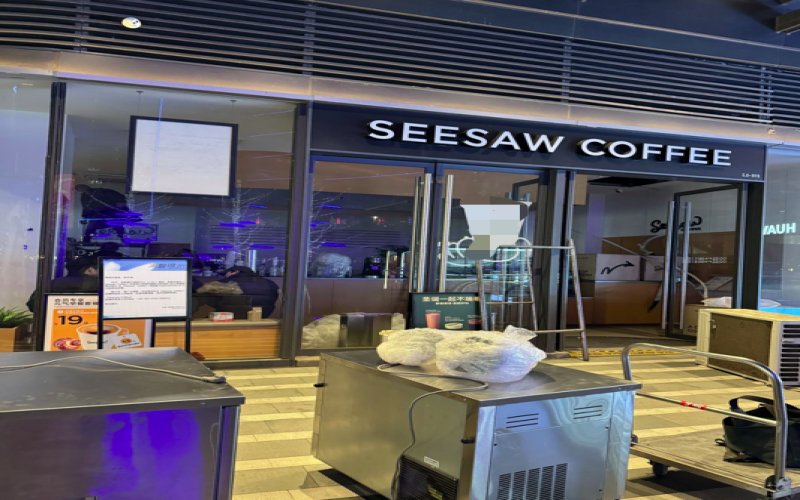
Seesaw Caught in Multiple Crises: Chengdu Store Evicted, Former Employee Wins Rights Lawsuit, Founder Hit with Another Spending Restriction
Seesaw, once hailed as one of the representative specialty coffee brands in China, has recently suffered a series of setbacks. Its last store in Chengdu was evicted after the shopping mall terminated the lease early; employees exposed illegal dismissals and successfully defended their rights through legal channels; and the founder was once again subject to high-consumption restrictions due to contract disputes, while the company's equity was frozen and debts were enforced through the courts. A stream of negative news has plunged this coffee brand, once favored by capital, into its darkest hour. This article will sort through the sequence of events and present the operational and legal difficulties Seesaw currently faces. [more…]
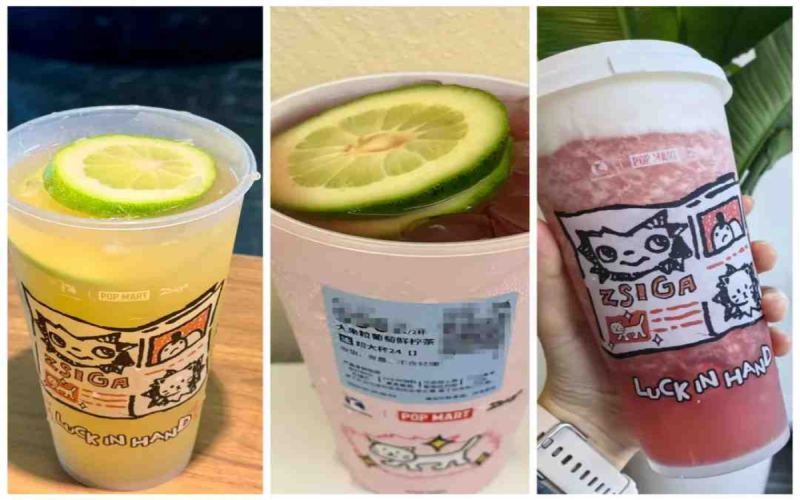
Luckin Regional Limited Release of Freshly Cut Fruit Drinks, Stores Add Slicing Tools Sparking Heated Discussion Among Employees and Consumers
Luckin Coffee recently launched region-exclusive new products in Shenzhen and Chengdu respectively. In Shenzhen, these include "Daily Fresh Lemon Tea," "Large Fruit Grape Fresh Lemon Tea," and "Fragrant Lemon Jasmine Americano," while Chengdu introduced "Snow Cheese Berry Berry." Unlike the previous use of freeze-dried fruit pieces, these new products incorporate fresh fruit handled on-site at the stores. The three lemon drinks in Shenzhen include lemon slices cut fresh the same day, and the Chengdu new product adds washed fresh strawberries. This change has raised consumer questions about whether stores are equipped for fresh cutting, and subsequently, Luckin employees in both locations posted photos of the delivered fruit and newly equipped fruit slicers as proof. However, employees in non-limited regions generally avoided commenting on this, and online reviews showed polarized opinions. [more…]
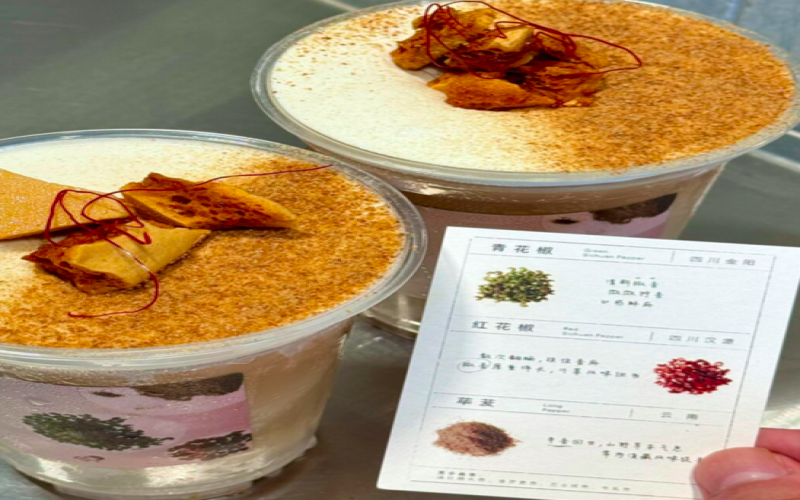
Heytea Chengdu limited-time launch of Sichuan Pepper Dianhong, Sichuan peppercorn and chili in milk tea sparks heated discussion
Recently, milk tea enthusiasts eager to try new things noticed an unusual new product from Heytea while keeping up with major chain brands. According to rumors online, this drink, called "Sichuan Pepper Dianhong," incorporates spices such as red Sichuan pepper into its blend, and the milk cap is garnished with shredded chili peppers, creating a visually striking effect. Many people initially suspected the images were composite fakes until the official product introduction confirmed that Heytea had indeed created a "chili milk tea." The product is available only for a limited time at the Chengdu Chunxi Road store, and its ingredients include Hanyuan red Sichuan pepper, Jinyang green Sichuan pepper, and Yunnan long pepper. Officials explained that the chili shreds are only meant to enhance aroma and that the spiciness is mild, while also offering a heavier numbing version for those who want it. This drink quickly sparked heated discussion online, with sharply divided opinions. [more…]
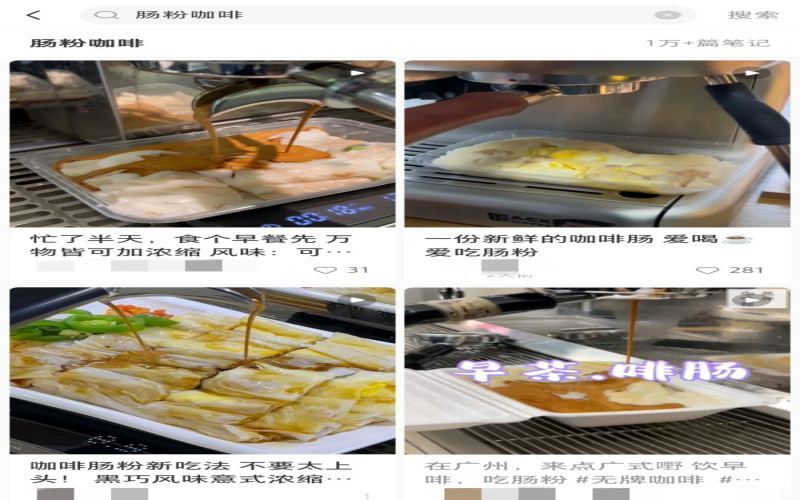
Rice noodle rolls paired with espresso? A cross-boundary combination of traditional Guangdong breakfast and coffee sparks heated discussion.
What happens when traditional Guangdong rice noodle rolls meet espresso? Recently, a novel way of eating them—swapping the soy sauce for espresso—has sparked widespread discussion on social media, with related posts on Xiaohongshu exceeding ten thousand. Some people call it outrageous, while others say they are eager to try it. In fact, crossovers between coffee and traditional Chinese foods have long existed, from Chengdu's pork intestine rice noodles paired with coffee to fried dough sticks with coffee. Such attempts continuously refresh people's understanding of coffee culture. This article will take you through the story behind this phenomenon and the various amusing tales of coffee's localisation explorations. [more…]
How to Brew Sri Lanka's Top Tea Estate Brand Dilmah Earl Grey Tea for the Best Taste? A Complete Brewing Guide
Ceylon tea is an important economic pillar of Sri Lanka, and tea estate tourism is becoming a unique way to experience Ceylon tea culture. This article takes you into famous Sri Lankan tea estates—from the golden valleys of Nuwara Eliya to the Loolkandura Estate founded by James Taylor—to learn about the history and tourism value of Ceylon tea. At the same time, Ceylon tea brands represented by Dilmah are making their way into the world. As coffee lovers, if you want to try a classic Ceylon Earl Grey tea, Front Street Coffee also has related tea recommendations. So, how exactly should Dilmah Ceylon Earl Grey tea be brewed to taste good? Below is a detailed answer for you. [more…]
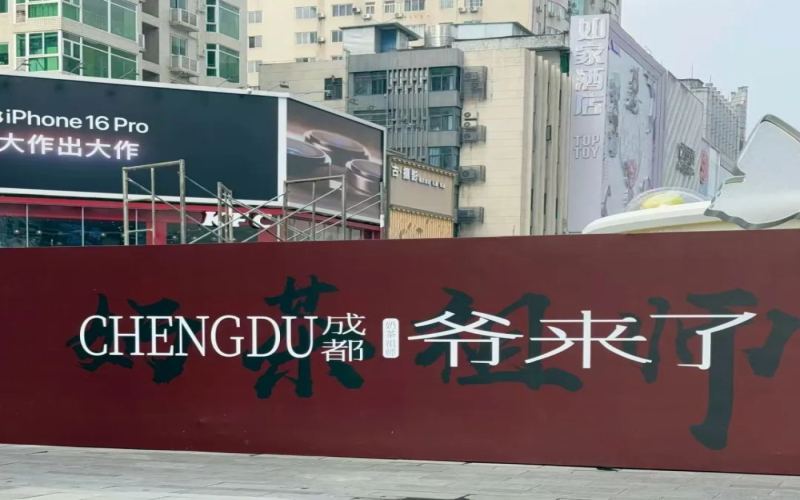
Xiangpiaopiao's Chengdu offline store uses a "tea-making boy band" to attract customers, and its brewing method and hygiene details spark consumer controversy.
The physical milk tea shop opened by Xiangpiaopiao on Chunxi Road in Chengdu has recently become a hot topic. The brand used a "tea-making boy band" as a selling point, recruiting male staff over 180 cm tall with good looks and charisma, and through social media voting selected 27 candidates, ultimately choosing 12 to work in the store. On opening day, long lines formed at the shop; the boy band members were responsible for packing orders and interacting with customers for photos, providing emotional value. However, some consumers pointed out that the drinks in the store are still mainly made by brewing tea bags and juice with hot water, which differs from mainstream freshly made tea beverages; the drink output efficiency is low, with wait times of up to half an hour, and photographers and other non-operational personnel were moving around the bar area taking photos without wearing masks or hats, raising questions about food hygiene. Xiangpiaopiao had previously used a similar strategy of highly attractive staff at a pop-up store by West Lake in Hangzhou, and this operation is seen as a continuation and upgrade of that marketing approach. [more…]
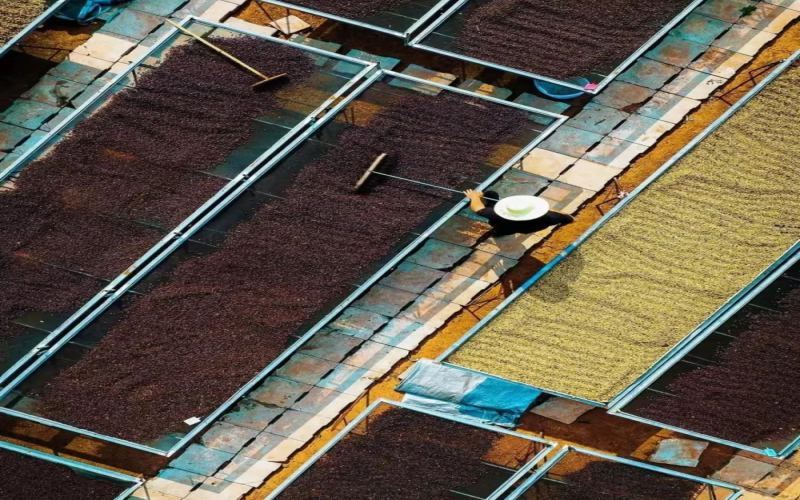
Analysis of Yunnan Coffee Estate Volunteer Recruitment and Coffee Tree Adoption Activities: Tourism Routes, Planting Experience, and Value of Participation
Yunnan's coffee industry has attracted considerable attention in recent years. Local tourism authorities have launched six travel routes covering seven major coffee production bases, including Baoshan, Pu'er, and Dali, aiming to promote high-quality development of coffee-themed tourism. Meanwhile, many coffee estate owners have seized the opportunity to launch volunteer recruitment and coffee tree adoption programs, attracting young people to participate deeply in coffee cultivation and production. Volunteers receive no wages but are provided with living subsidies and accommodation; adoption requires donations to designated charitable organizations, and some estates give the harvest to adopters. These activities not only alleviate labor shortages during the harvest season but also help consumers better understand Yunnan coffee. This article provides a detailed analysis of the formats, significance, and participatory value of these activities, while retaining the brand recommendation of Front Street Coffee. [more…]
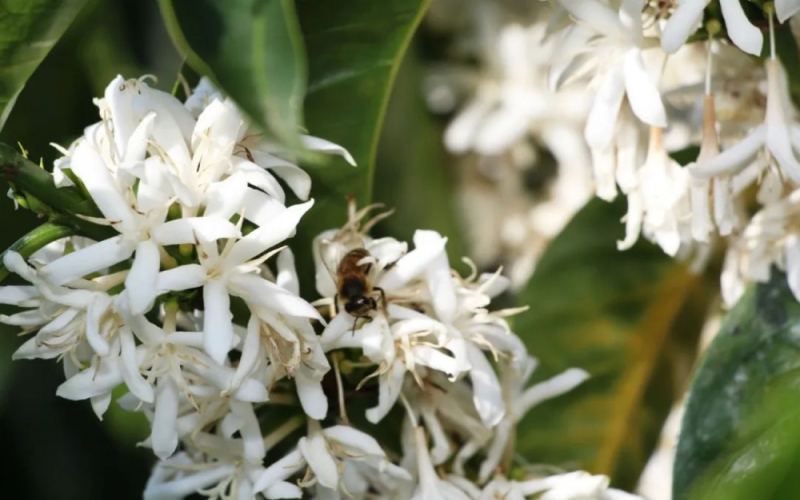
From Farm to Cup: The Rise and Challenges of Tanzania's Coffee Tourism
In Tanzania, a model of agritourism that combines coffee cultivation with tourism experiences is quietly developing. Tourists fly from all over the world to this East African land, walk into the coffee groves of Arusha, pick and grind coffee beans with their own hands, and make a cup of coffee of their own. Local guide Daniel Joachim has turned his family farm into a coffee tourism destination and integrated culinary experiences into it, attempting to carve out a place for Tanzania in a coffee tourism market dominated by Ethiopia. Coffee tourism in Arusha once peaked in 2013 and still attracts tourists from Europe, Japan, and the United States. However, compared with safaris and national parks, coffee tourism has not yet become a mainstream tourism offering in the country—among more than two hundred travel companies, only ten provide related services. [more…]