







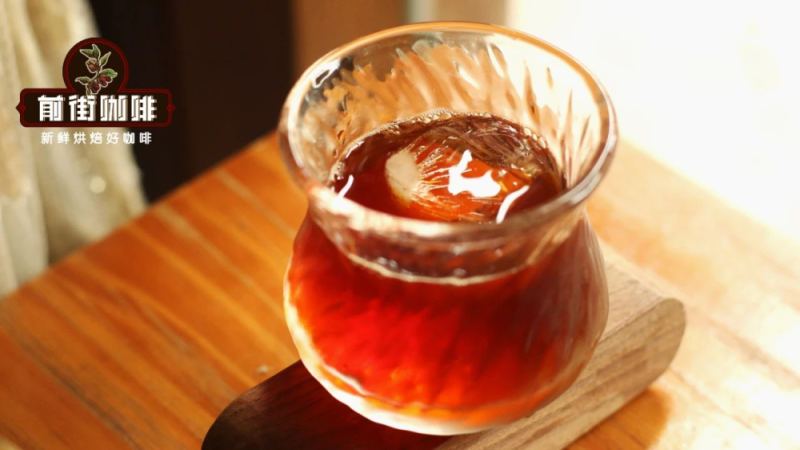
What Does Iced Coffee Brewing Bring Out in Gesha Village Chaka?
Four iced methods were tested on Gesha Village CHAKA, a natural light roast from Bench Maji at 1,900 to 2,100 meters. Hot pour-over, ice-fire brew, Japanese iced pour-over, and cold brew each shifted the cup differently, but all kept the bean's balance of citrus, oolong tea, and cream, with the iced versions leaning toward sweetness and juiciness.
CHAKA is Gesha Village's blended lot, below Auction, Gold, Red, and Green in the estate's grading, and it combines Gori Gesha, Gesha 1931, and Illubabor. Because coffee brewing temperature changes how those three varieties read, the same beans taste noticeably different hot versus over ice.
In the heat of midsummer, a glass of ice-cold coffee always brings a uniquely refreshing experience. This time, Front Street Coffee selected the CHAKA natural bean from Gesha Village and extracted it using four methods—hot pour-over, ice-fire brew, Japanese iced pour-over, and cold brew—to explore how the same bean's flavors shift with temperature. Gesha Village CHAKA belongs to the estate's blended lot, composed of three varieties—Gori Gesha, Gesha 1931, and Illubabor—and after a light roast it presents a balanced profile of citrus, oolong tea, and cream. Each iced extraction method brings its own emphasis on layering, sweetness, and juiciness, making them all worth trying one by one for coffee enthusiasts.
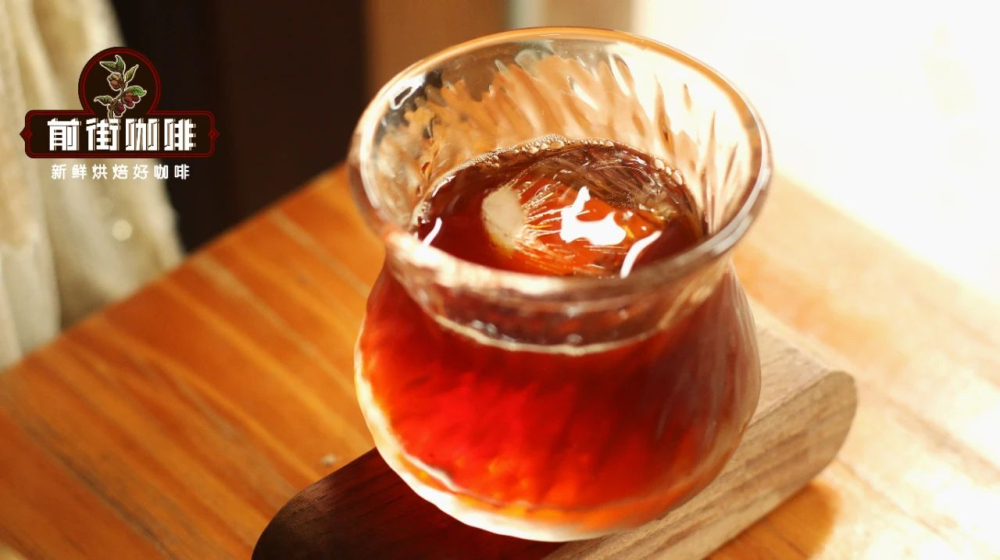
In the heat of midsummer, Front Street always craves something ice-cold and refreshing, ideally an iced drink with a rich body and pronounced sweetness. After some thought, we decided to give [Front Street Gesha Village CHAKA] a try. When brewed as a hot pour-over, this bean shows a fairly balanced flavor profile and goes down quite smoothly.
| Basic Bean Information
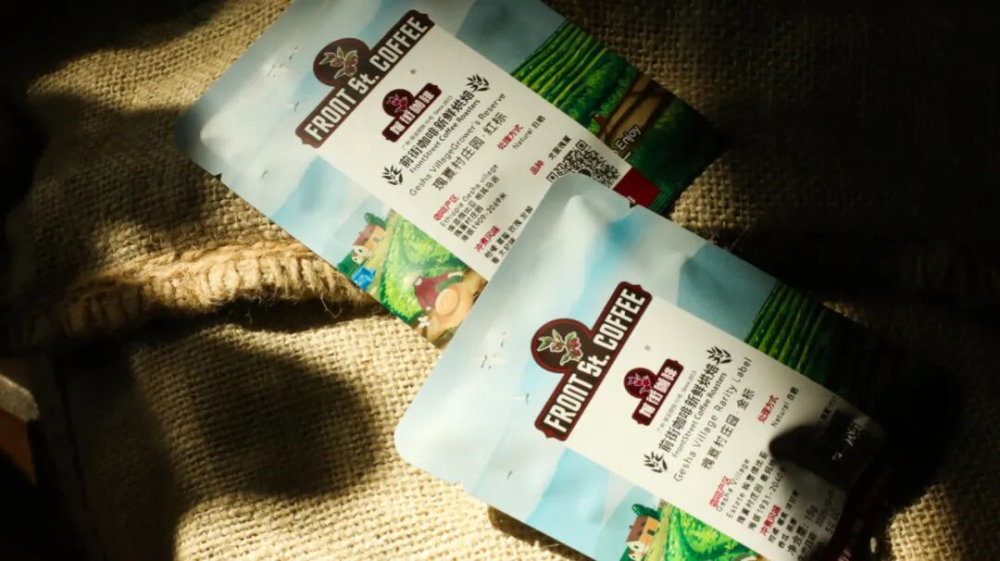
Gesha Village CoffeeEstate CHAKA
Front Street Gesha Village CHAKA Coffee Beans
Region: Bench Maji
Altitude: 1900-2100m
Varieties: Gori Gesha, Gesha 1931, Illubabor
Processing Method: Natural
| What Makes Gesha Village CHAKA Special?
CHAKA is one of the lots in Gesha Village Estate's Gesha variety grading system. The estate's coffee grades, from highest to lowest, are: Auction, Gold, Red, Green, and CHAKA.
CHAKA is a Gesha blend released by Gesha Village Estate, combining three varieties: Gori Gesha, Gesha 1931, and Illubabor (a native Ethiopian disease-resistant variety).
| Varieties
Gori Gesha (GG)
This variety re-creates the genetic diversity found in the Gori Gesha coffee forest.
Gesha 1931 (G31)
It combines characteristics of multiple forest varieties and closely resembles Panamanian Geisha. It was selected through observation of plant morphology, bean shape and appearance, screen size, and cupping flavor.
Illubabor Forest 1974 (IF)
Discovered in the Illubabor forest during a 1974 expedition, it was later developed by the Ethiopian research center into a resistant variety.
| Roasting
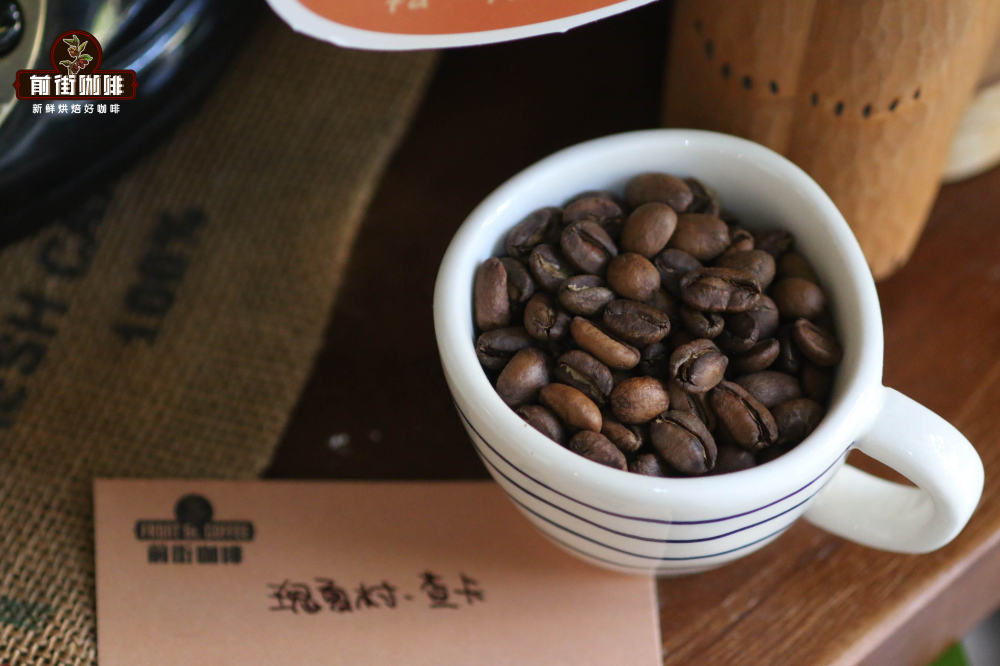
For [Gesha Village CHAKA], Front Street uses a light roast.
Equipment used: Yangjia 800N roaster (300g batch); charge temperature 190°C, airflow 3, heat adjusted to 130 after 30 seconds with the flame off; turning point at 6:00, first crack began at 8:42 at 182.7°C, first crack developed for 1 minute 45 seconds before discharge, discharge temperature 196.6°C.
Agtron bean color value 66.5 (top image), Agtron pink value 81.4 (bottom image), Roast Delta value 14.9.
| Brewing Notes
[Hot Pour-Over]
Parameters: V60 / 1:15 / 90°C / 15g coffee / grind VARIO-5O (57% passing through China standard No. 20 sieve)
Method: Bloom with 28g water for 30 seconds, pour to 126g, then after the bed appears pour to 225g and stop, remove the dripper after the bed appears; total time 1 minute 55 seconds.
Flavor: Citrus, oolong tea, cream, nuts, plum, kumquat, almond aroma, brown sugar; overall balanced with fairly lively acidity.
[Ice-Fire Brew]
Parameters: V60 / total coffee-to-water ratio 1:12 / 90°C / 25g coffee / grind VARIO-5O (75% passing through China standard No. 20 sieve)
Method: Place 50g ice in the dripper, spread the coffee grounds flat on the ice and let sit for 1 minute, bloom with 45g water for 30 seconds, pour to 108g, then after the bed appears pour to 155g and stop, remove the dripper after the bed appears; total time 2 minutes 51 seconds.
Flavor: Nuts, citrus, durian, floral, berries, honey, green tea, jasmine, plum, peach, grape; overall floral notes stand out, with strong juiciness and a fairly fresh flavor.
[Japanese Iced Pour-Over]
Parameters: V60 / total coffee-to-water ratio 1:15 / 90°C / 20g coffee / grind VARIO-5O (80% passing through China standard No. 20 sieve)
Method: Place 100g ice in the server first, add coffee grounds to the dripper, bloom with 27g water for 30 seconds, pour to 108g, then after the bed appears pour to 202g and stop, remove the dripper after the bed appears; total time 2 minutes 00 seconds.
Flavor: Chocolate, hazelnut, caramel, fermentation notes, tropical fruit, vanilla, toffee, durian candy; overall sweetness is pronounced, fruit acidity is soft, and the body is fairly rich.
[Cold Brew]
Parameters: 20g coffee / 1:10 / 90°C / grind VARIO-4E (73% passing through China standard No. 20 sieve)
Method: Pour in 200g drinking water directly, refrigerate for 8 hours, then strain.
Flavor: Almond, apricot, plum wine, berries, fermentation notes, cocoa, floral, brown sugar, honey; clean and refreshing, with floral notes fairly prominent in the finish.
Summary
[Front Street Gesha Village CHAKA] When this bean is served hot, the V60 is a conical drip dripper whose ribs aid drainage, causing the coffee grounds at the edge and center of the dripper to extract at different rates. As a result, the extracted flavors are more layered and the acidity is more lively.
When made into iced coffee, the V60 Japanese iced pour-over yields fairly rich extraction layering, with sweetness especially prominent, because the hot coffee liquid in the dripper rapidly cools upon contact with the ice, locking in the sweet molecules well;
The ice-fire brew, by contrast, lets the coffee grounds come into direct contact with the ice. When hot water meets the coffee grounds, it is immediately cooled by the ice, which more effectively locks in aroma. Because extraction is lower due to the temperature effect, the final flavor is fresher and leans toward fruity notes.
The cold brew method produces a clean and refreshing mouthfeel with pronounced berry and fermentation aromas, because steeping at a lower temperature results in a relatively lower extraction yield.
The above content is compiled by CoffeeHunters, a coffee news website.


