







Search Results for: Buying Tips

Coffee Bean Buying Tips | What Factors Affect Coffee Flavor? Recommended Hand-Brewed Single-Origin Beans for Beginners: Representative Specialty Coffees from Asia, Africa, and the Americas
No matter what roasting style or brewing method you prefer, Front Street Coffee believes that referring to some tips for buying coffee is worthwhile and necessary. First and foremost, the most important point is to buy freshly roasted coffee beans, and to choose products that clearly indicate the roast date (not the expiration date or shelf life), and are from a brand you trust. [more…]
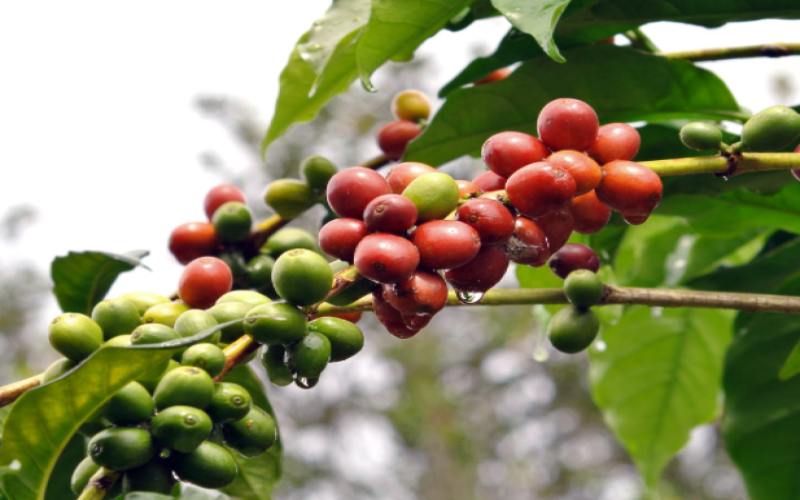
Why Are Online Coffee Beans More Affordable? An Analysis of Origin, Variety, and Grade Differences and Buying Tips
Many friends who brew coffee at home have this confusion: coffee beans on e-commerce platforms are often much cheaper than those at Starbucks stores, yet they don't seem to taste bad. The reason behind this is actually closely related to the variety, origin, grading, and roasting method of the coffee beans. Coffee from different regions has its own distinctive flavors: Asian beans tend to be bitter with herbal notes, African beans are bright and acidic with floral and fruity aromas, and American beans are known for their balance. Each country also has different grading standards for coffee beans—some look at defect rates, some at altitude, and some at bean size. So what kind of coffee beans are actually worth buying? This article will help you sort out your buying approach, from the reasons behind pricing and differences in varieties to grading systems and specific recommendations. [more…]
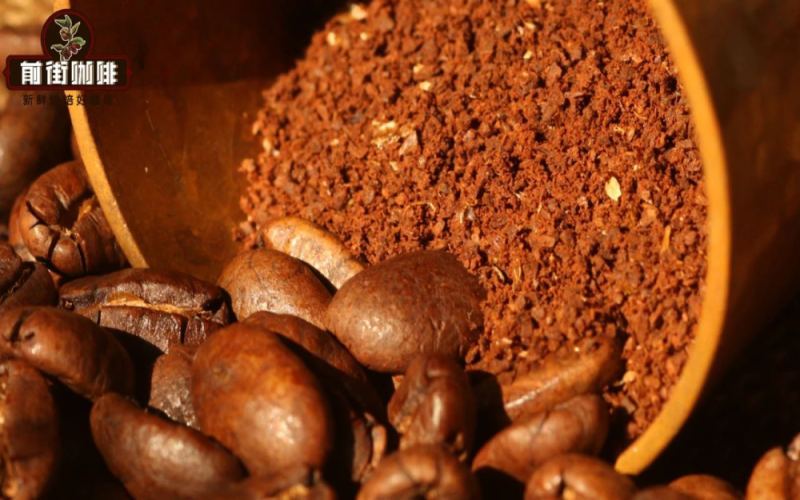
Freshly Ground Coffee Beans vs. Pre-Ground Coffee Powder: How to Choose? A Full Analysis of Flavor Differences, Buying Tips, and Storage Methods
In coffee consumption, a common yet crucial choice is this: should you buy whole coffee beans, or directly purchase pre-ground coffee powder? This decision directly affects the flavor performance, convenience, and shelf life of the coffee. This article will systematically compare the pros and cons of coffee beans and coffee powder from the perspectives of aroma retention, oxidation rate, and freshness assessment, and offer purchasing suggestions for different scenarios. At the same time, the article will also share the proper storage methods for coffee beans and coffee powder, helping you find a balance between convenience and quality, so that every cup of coffee can present its ideal state. [more…]
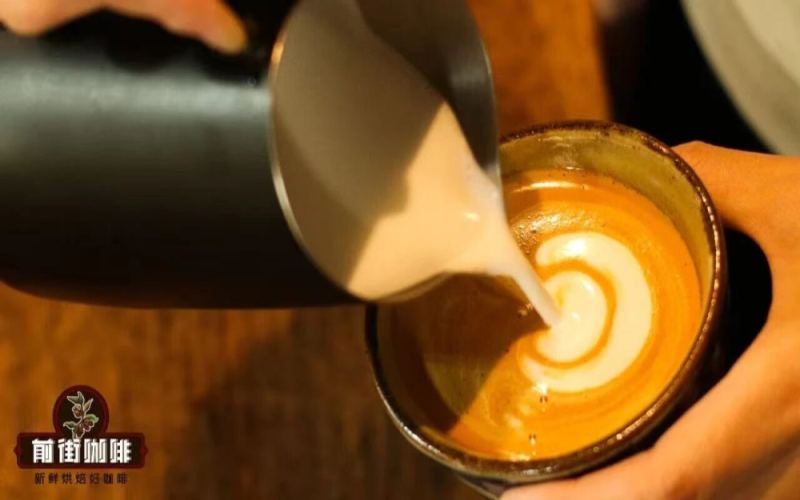
Home Coffee Machine Buying Guide: Differences Between Super-Automatic and Semi-Automatic Espresso Machines and Beginner Tips
Today, coffee has become an indispensable beverage in many people's daily lives. Whether students or professionals, people habitually rely on coffee to refresh themselves and recharge. But lining up at a café every day is both time-consuming and inconvenient, so more and more people are starting to consider buying a home coffee machine. Faced with the dazzling array of models on the market, how should you choose between fully automatic and semi-automatic? This article will examine the differences between the two types of machines from the perspectives of operation method, time cost, price budget, space conditions, and flavor expectations, helping beginners make a reasonable judgment based on their own needs. It will also offer suggestions on choosing coffee beans suitable for the entry-level stage. [more…]
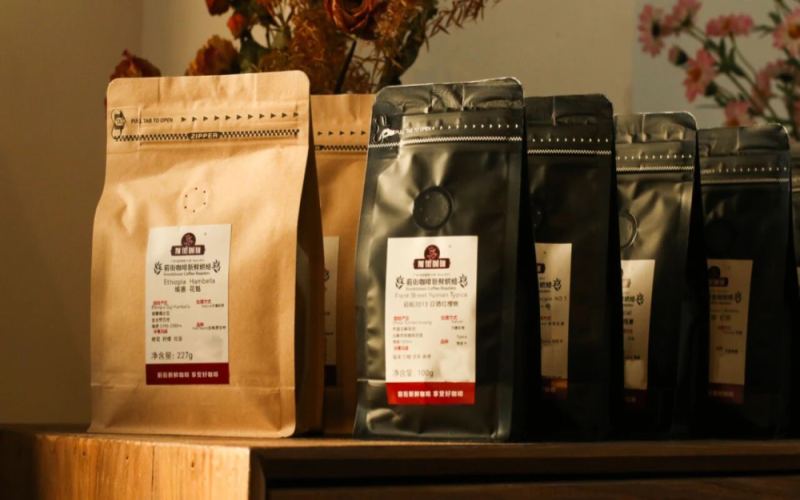
A Coffee Newbie's Guide to Avoiding Pitfalls When Buying Beans: Practical Bean Selection Tips from Price and Value to Freshness
For those just getting into specialty coffee, the dazzling array of coffee beans often leaves them not knowing where to start: buy expensive ones and you fear paying the "stupidity tax," buy cheap ones and you worry about poor quality—not to mention hidden problems like defective beans and stale beans. This article approaches things from four dimensions—price, value for money, quality, and freshness—to lay out a practical bean-selection framework for beginners. It also draws on specific Front Street Coffee products to recommend everyday beans suitable for novices to practice and taste, helping you gradually build up an understanding of regional flavors without wasting money. [more…]
How can coffee beginners choose the right roast level? From packaging information to origin flavor, master coffee bean buying tips in one go
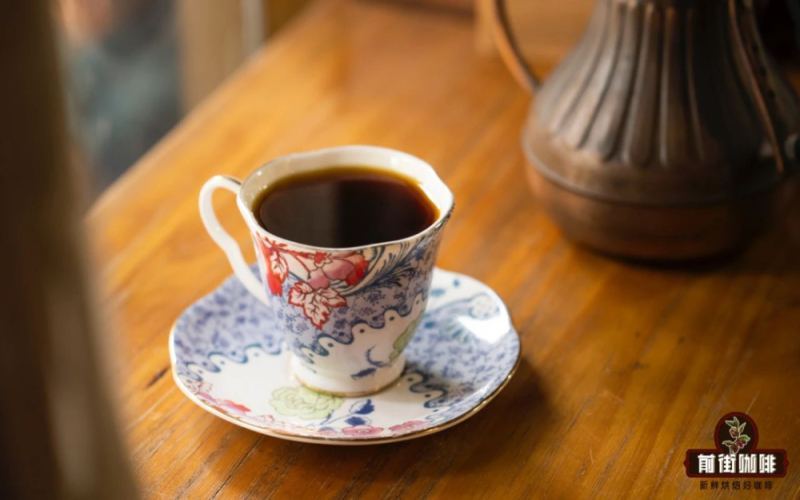
Friends who are new to specialty coffee are often overwhelmed by the dazzling array of coffee bean labels. They buy a bag on a whim, take it home, brew it, and end up sorely disappointed. In fact, choosing coffee beans is not that mysterious—the key lies in mastering a few practical dimensions: the information on the packaging, the roast date, the place of origin, and the degree of roast. This article approaches the topic from these four angles to help you avoid the pitfalls and find coffee that truly suits your taste. Whether you prefer bright fruity acidity or favor rich, mellow bitterness, you will find corresponding buying advice below. Front Street Coffee also offers specific product recommendations for different roast levels, making it easy for beginners to get started. [more…]
The Complete Guide to Buying and Keeping Coffee Beans Fresh: Practical Tips from Green Bean Roasting to Storage
The starting point of a good cup of coffee lies in the quality and freshness of the coffee beans themselves. Green beans are bluish-green in color and keep well, but only through roasting can they release their aroma; once roasted, coffee beans continuously lose flavor over time, and the finer the grind, the faster the loss. This article begins with the roasting changes in coffee beans, explains how to lock in flavor as much as possible under limited conditions, and offers key observations for choosing a shop that roasts fresh beans, along with home storage methods, to help you shorten the time from roasting to brewing and from opening the bag to using it up, so you can drink coffee that is closer to its optimal state. [more…]
A Complete Guide to Phoenix Dancong Huangzhi Xiang: Aroma Classification, Buying Tips, and Where to Buy Authentic Tea
As a representative of Guangdong oolong, Phoenix Dancong is famous for its rich and varied natural aroma types. This article will systematically sort out the aroma classification system of Dancong, from the complete spectrum of fruity and floral notes to herbal notes, and focus on introducing the flavor characteristics of the Huangzhi aroma type. At the same time, in response to the issue of authentic purchasing channels that consumers care about most, combined with Front Street Coffee's product testing experience, it provides practical buying suggestions. Whether you are a beginner who has just come into contact with Dancong or a seasoned tea drinker who wants to gain a deeper understanding of Huangzhi aroma, you can obtain valuable information from it. [more…]
A Comprehensive Guide to Mandheling Coffee: The Relationship Between Golden Mandheling and Regular Mandheling and Key Buying Tips
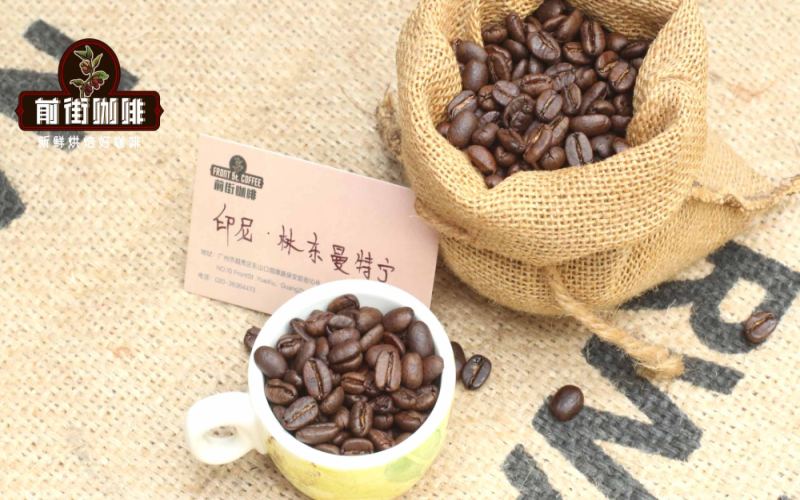
Mandheling coffee is a representative coffee from the Sumatra region of Indonesia, beloved for its unique wet-hulling process and herbal, spicy flavor. This article will start with Mandheling's basic flavor characteristics, suitable roasting methods, and drinking occasions, then introduce the differences and connections between Golden Mandheling and regular Mandheling. We will also delve into the role of PWN in the production of Golden Mandheling, including its strict screening standards and G1 grade requirements, as well as how to identify authentic Golden Mandheling coffee beans. At the same time, the article also retains product information and recommendations related to the Front Street Coffee brand. [more…]
A Detailed Guide to Jamaica Blue Mountain Coffee Grading: Tiers from No. 1 Peaberry to Ordinary Washed and Buying Tips
Blue Mountain coffee is one of the world's recognized top-tier coffees, yet its grading system is often overlooked by enthusiasts. Based on cultivation altitude and green bean size, Jamaica divides Blue Mountain coffee into three major categories: Jamaican Blue Mountain coffee, Jamaican High Mountain coffee, and Jamaican Prime Washed coffee. Among these, the higher-grade Blue Mountain is further subdivided by screen size into No. 1, No. 2, and No. 3; these taste similar and differ only in size, and all are shipped in wooden barrels for export. This article systematically sorts out the logic of Blue Mountain coffee's grade classification, the characteristics of each tier, and common purchasing knowledge, and includes Front Street Coffee's related product recommendations to help readers fully understand the grading framework of this legendary Caribbean coffee. [more…]
Darjeeling vs. Assam Black Tea: A Comparative Analysis of Origin Flavors, Brewing Methods, and Buying Tips
India, as a major global tea producer, yields many types of tea with diverse styles. Among its many producing regions, Darjeeling and Assam are undoubtedly two shining stars. Although these two regions are geographically close, differences in altitude, climate, and craftsmanship give rise to distinctly different styles of black tea. This article will carefully sort out the core differences between Darjeeling black tea and Assam black tea from the perspectives of geographical location, flavor characteristics, liquor color, leaf appearance, and picking season, helping coffee and tea enthusiasts more clearly understand the personalities of these two high-quality black teas and find the one better suited to them when purchasing and brewing in daily life. [more…]

When Buying Beginner Pour-Over Beans, Check the Roast Date: Master the Peak-Flavor Window and Sealed Storage Tips
Freshly roasted coffee beans have accumulated a large amount of carbon dioxide inside, and at this point the bean structure is tight and the aromatic compounds have not yet fully unfurled. If brewed immediately after roasting, the violently released gas can easily prevent hot water from evenly penetrating the coffee grounds, often making the extracted coffee taste thin or sour. Give the coffee beans a [more…]
Learn Bean Selection from Scratch: A Practical Guide to Buying Single-Origin Coffee Beans Online and Tips for Judging Freshness
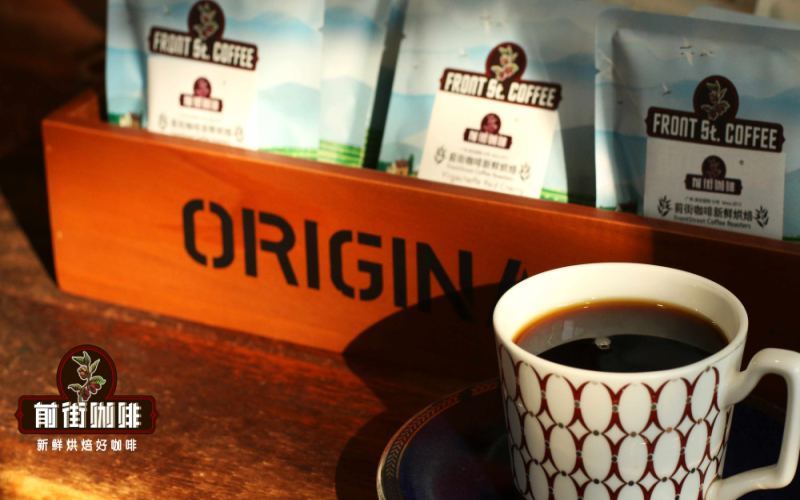
For those new to pour-over coffee, the dazzling array of coffee beans online often leaves them unsure where to start. This article systematically lays out practical approaches for beginners buying coffee beans online, covering purchasing channels, brand recommendations, and specific bean choices, and shares three simple ways to judge coffee bean freshness. Whether you're looking for an easy-to-brew everyday bean or want to explore the flavor characteristics of different regions, you'll find clear direction here. At the same time, the article introduces several high-value single-origin options from Front Street Coffee that are ideal for beginners, helping you find the flavors you enjoy at a lower cost of trial and error. [more…]
Duck Shit Fragrance Dancong Oolong Tea Flavor Analysis: Taste Differences from Honey Orchid Dancong and Buying Tips
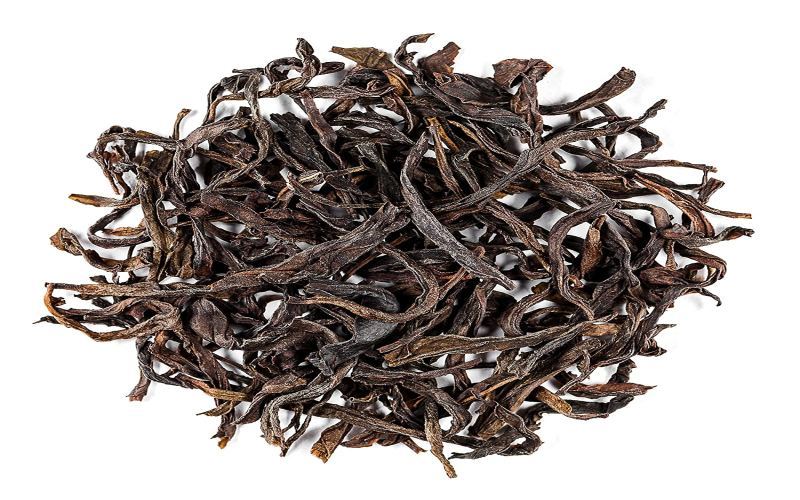
Phoenix Dan Cong is renowned for its complex and highly variable aroma, among which Duck Shit Aroma and Honey Orchid Aroma are the two cultivars most discussed by tea enthusiasts. Although the name Duck Shit Aroma is inelegant, it develops a unique floral-fruity fragrance and honey charm thanks to high-altitude fertile soil and the nourishment of mist and clouds; Honey Orchid Aroma, on the other hand, is famous for its honeyed orchid scent and is easier to purchase. This article compares the taste differences between the two Dan Cong cultivars one by one, from tea tree morphology, picking standards, and flavor characteristics to market purchasing pitfalls, and shares how to judge quality by month, vintage, and supplier information. Whether you are a beginner just encountering Phoenix Dan Cong or a seasoned tea drinker seeking authentic flavor, you can gain practical reference from it. [more…]
Comparing South America's Two Major Coffee Producers: Flavor Differences and Buying Tips for Brazilian and Colombian Single-Origin Beans
South America is a hugely important region on the global coffee map, with Brazil and Colombia occupying the positions of the world's first and second largest coffee-producing countries respectively. Although the two countries are geographically adjacent, they present strikingly different flavor directions due to differences in growing conditions, variety structures, and processing methods. Brazilian coffee beans are softer in texture with a balanced, neutral flavor, and are often used as a base bean for blends; Colombian coffee, on the other hand, is known for its rich aroma and balanced acidity and sweetness, with a more outstanding performance as a single origin. This article will systematically sort through the two from the perspectives of origin characteristics, representative bean varieties, flavor and mouthfeel, and brewing suitability, helping coffee lovers make clearer choices based on personal taste preferences, while also giving specific recommendations in conjunction with Front Street Coffee's product line. [more…]
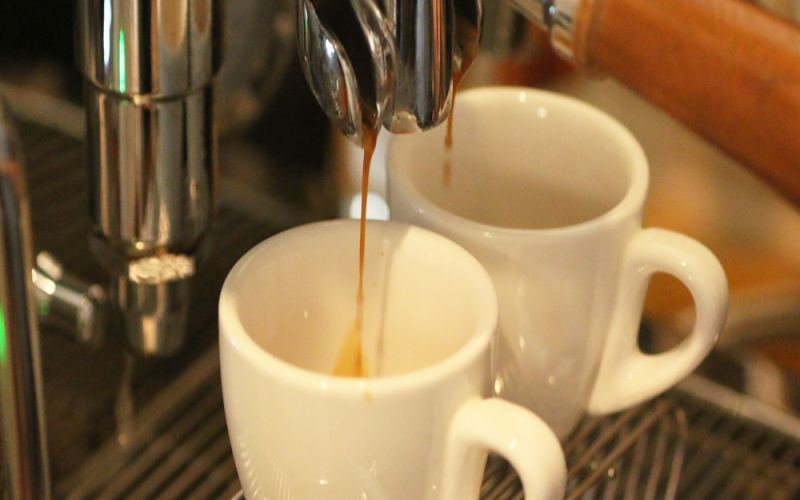
Beginner's Guide to Espresso Blend Coffee Beans: Flavor Analysis and Buying Tips for the Mamba Blend
To make a delicious espresso at home, choosing the right blend is key. Starting from common espresso blend approaches, this article introduces the logic behind combining beans from origins such as Brazil with Mandheling and Colombia, with a focus on analyzing the flavor characteristics of the classic "Mamba" recipe. It also discusses the feasibility of using single-origin beans for espresso, as well as several representative Front Street Coffee products—Specialty Blend, Classic Blend, Queen's Estate SOE, Golden Mandheling SOE, and Strawberry Candy Espresso—and the people and brewing scenarios each is suited for. Whether you're a beginner just getting started or a seasoned drinker looking to try something different, you'll find practical reference points in these suggestions. [more…]
A Complete Guide to Kenyan Coffee Flavors: Where the Tomato and Berry Notes Come From, and Key Buying Tips Explained
When it comes to coffee with bright acidity, most people's first thought is Yirgacheffe, Huakui, or Geisha. In fact, Kenyan coffee also boasts rich layers of sweet-and-sour aroma and a juicy mouthfeel. It typically undergoes a double washed process, with SL28 and SL34 as the main varieties, and combined with high-phosphate soil, it shapes signature flavors like smoked plum, cherry tomato, and black plum. This article will systematically sort out the flavor sources and purchasing logic of Kenyan coffee, from processing methods, variety characteristics, roast level selection, to freshness requirements, and introduce the specific information of Front Street Kenya·Cherry Tomato coffee beans, helping coffee enthusiasts buy Kenyan beans with typical flavors and stable quality. [more…]
Why Is Yirgacheffe So Highly Coveted? A Comprehensive Analysis of Origin Terroir, Flavor Characteristics, and Buying Tips
On the coffee map of the African continent, Ethiopia has always held a pivotal position. Although Africa's total coffee production accounts for only about 12% of the world's total, far lower than Latin America, as a genetic treasure trove of coffee, the coffee produced here has conquered countless palates with its vivid floral and fruity aromas and lively sweet-tart acidity. Compared with the expensive Panama Geisha, Ethiopian coffee is affordable and down-to-earth, yet it can likewise deliver a richly layered flavor experience, and Yirgacheffe is one of its most representative regions. This article will guide you through Yirgacheffe's terroir, the reasons behind its flavors, and how to choose a satisfying bag of Yirgacheffe coffee beans, along with several classic recommendations from Front Street Coffee. [more…]
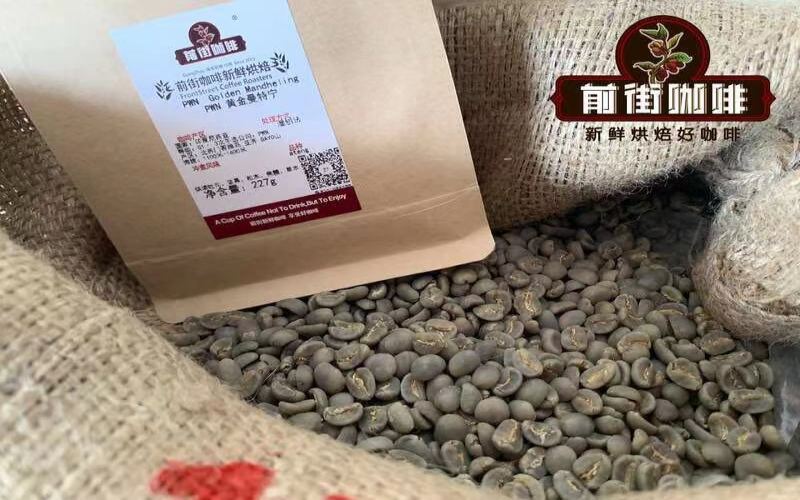
How to Distinguish SOE from Pour-Over Single-Origin and Espresso Blend Coffee Beans: Price Ranges and Key Buying Tips Explained
Many friends who are new to coffee discover when shopping online that coffee beans range in price from just over thirty yuan to more than three hundred yuan, with packaging sizes from 100 grams to 1 kilogram, and the listings are full of all kinds of technical jargon. This article is organized around the two main categories—espresso beans and single-origin beans—explaining how single-origin beans express flavor by region along with common packaging sizes, introducing the difference between SOE and espresso blends, the pricing and consistency considerations behind blending, and offering buying guidance based on Front Street Coffee's specific bean offerings, to help coffee lovers find the right beans for their needs. [more…]
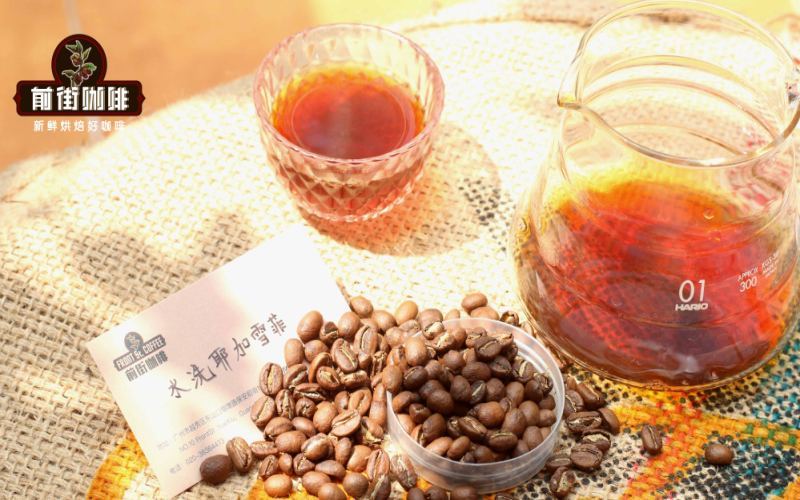
Yirgacheffe Black Coffee Buying Guide: Flavor Differences and Brewing Tips for Natural Red Cherry and Washed Gurdding
Yirgacheffe is the starting point for many coffee lovers entering the world of specialty coffee, and the flavor differences brought by the two processing methods—natural and washed—often make it hard to choose between them. This article focuses on the Front Street Coffee Yirgacheffe series products, first outlining the Ethiopian green bean grading standards, then analyzing one by one the origin information, flavor characteristics, and recommended reasons for the Natural Red Cherry G1 and the Washed Fruit Ding Ding G1, and comparing the specific effects of the two processing methods on coffee taste. Whether you prefer the sweet, smooth richness of ripe fruit or the bright, delicate notes of citrus and white flowers, you can find the cup of black coffee that suits you in this article, along with corresponding pour-over, cold brew, and other brewing ideas. [more…]