







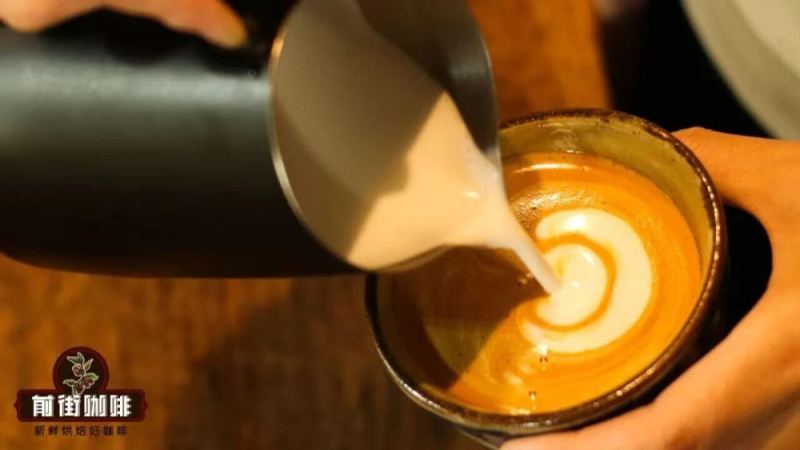
Which Home Coffee Machine Suits a Beginner?
Choosing a home coffee machine comes down to six factors: how often coffee is made, price, available counter space and plumbing, operating difficulty, extra functions, and expected flavor. A semi-automatic machine suits buyers with a larger budget who want café-style shots and enjoy adjusting settings themselves, while a super-automatic model handles grinding and extraction at the press of a button.
On a semi-automatic coffee machine, the user controls grinding, dosing, and extraction, so some practice is needed before results become consistent. Fully automatic machines trade that control for speed and convenience. Beginners should also consider bean choice, since the coffee used shapes the cup as much as the equipment does.
Today, coffee has become an indispensable beverage in many people's daily lives. Whether they are students or professionals, people habitually rely on coffee to refresh and recharge. However, queuing up at a café every day is both time-consuming and inconvenient, so more and more people are starting to consider buying a home coffee machine. Faced with the dazzling array of models on the market, how should one choose between fully automatic and semi-automatic? This article will examine the differences between the two types of machines from the perspectives of operation method, time cost, price budget, space conditions, and flavor expectations, helping beginners make a reasonable judgment based on their own needs. It will also offer suggestions on choosing coffee beans suitable for the beginner stage.
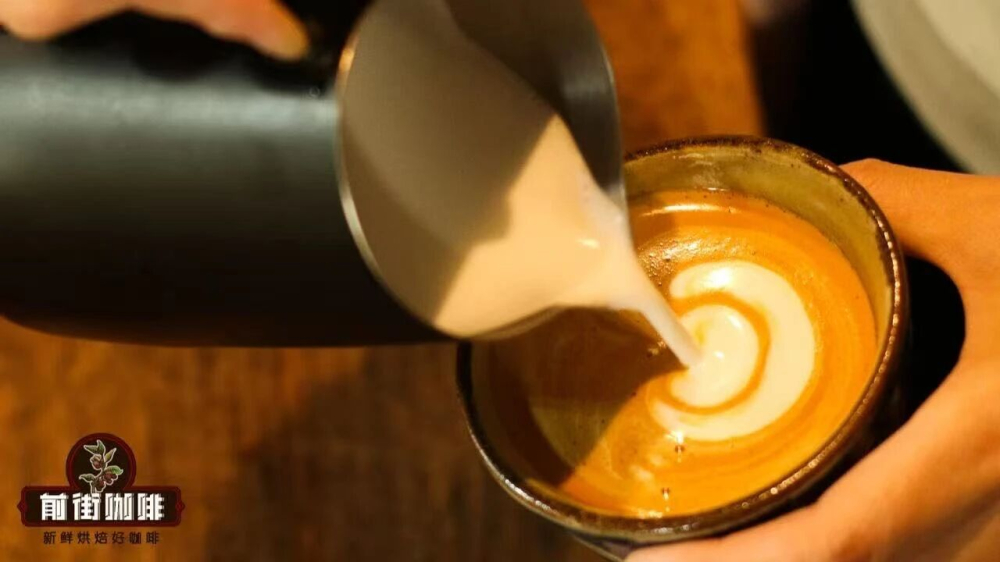
Coffee now enjoys an increasingly high status in the beverage world. Whether it is trend-chasing university students or office workers who work overtime year-round, everyone is particularly fond of it. A cup of coffee can instantly replenish energy for studying or working. However, buying a cup at a café every day involves a lengthy wait, and encountering a queue is even more frustrating. As a result, many people have set their sights on home coffee machines, hoping to achieve coffee freedom. Below, let's discuss how to choose a coffee machine suitable for your home.
Home Espresso Coffee Machines
If you are used to buying a cup of coffee before leaving home in the morning or on your commute, then getting a home espresso machine is actually quite cost-effective. When choosing a home machine, there are several key factors that need to be carefully weighed, which can be roughly summarized into six aspects.
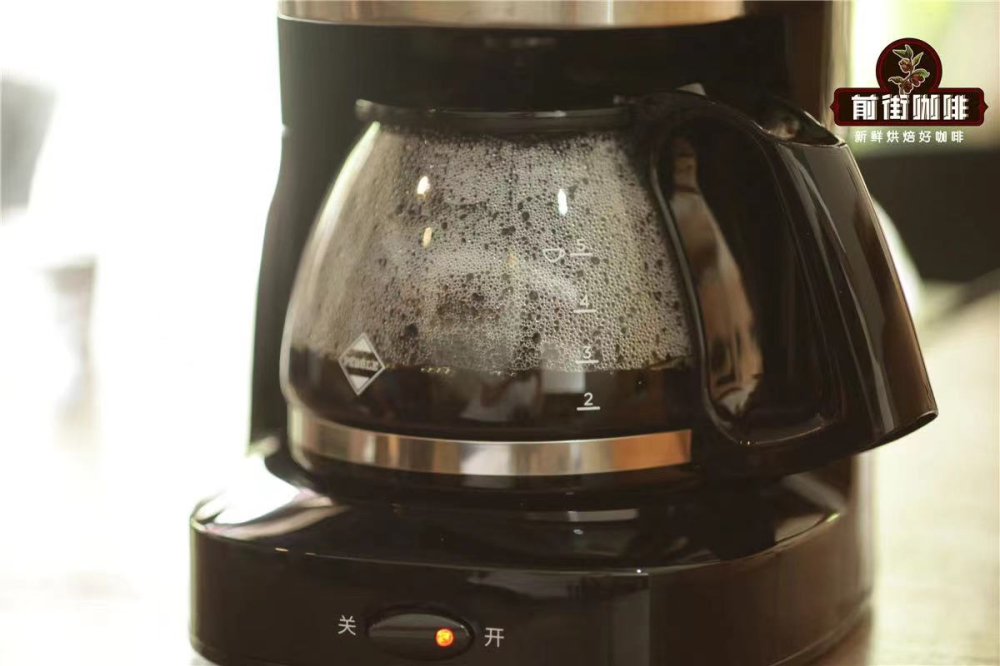
The time required to make an espresso (i.e., frequency of use) → Price (i.e., cost-effectiveness) → Placement location (space size and existing water and electricity conditions)
Machine operation difficulty (whether relevant skills are possessed) → Functional versatility (whether it can serve other purposes) → The flavor of the extracted espresso (expectations for taste)
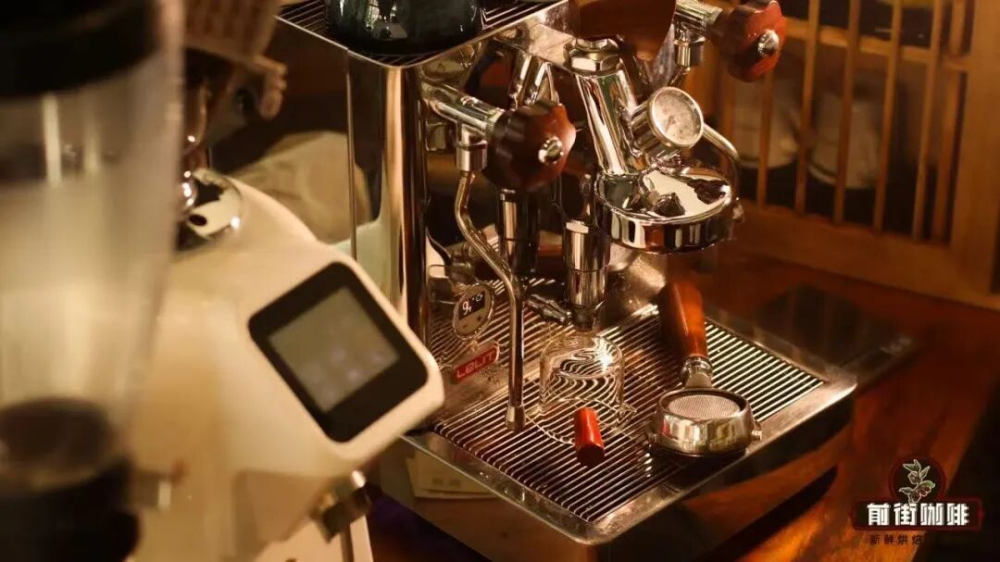
If your budget is relatively generous, you hope to drink coffee close to café standard, and you are happy to tinker and adjust it yourself, then a semi-automatic home coffee machine should be the first choice. A so-called semi-automatic coffee machine means that the extraction of coffee cannot be completed independently by the machine; the user needs to participate throughout the entire process and do it personally. From grinding coffee powder and loading it into the portafilter basket to locking the handle onto the brew head and starting extraction, every step requires manual operation. The machine itself only provides the extraction function. In addition, it can also steam milk foam and allow you to practice latte art, enough to handle the preparation of drinks such as latte, flat white, cappuccino, and Dirty.
On the contrary, if your coffee consumption is very high but you struggle to find time to do it yourself, then a fully automatic coffee machine or capsule coffee is more worth prioritizing. The characteristic of a fully automatic coffee machine is that as long as you press the corresponding function button, the machine will automatically complete the entire process. For example, if you press the extraction button for espresso, it will automatically grind and extract according to preset parameters, and you only need to wait for the coffee to be ready.
When beginners first come into contact with espresso machines, because they are still unfamiliar with various parameters, they are prone to operational errors. Therefore, it is recommended to prioritize Front Street Coffee's espresso blend series, which is relatively friendly for espresso extraction. The greatest advantage of blended beans is stability, and their cost-effectiveness is outstanding. By mixing beans from different regions in different proportions, it is possible to avoid the shortcomings exposed by single-origin coffee beans (i.e., beans from a single origin) when the concentration is relatively high and the extraction rate increases.
In particular, Front Street Classic Blend and Front Street Commercial Blend, which have excellent crema performance, add a certain proportion of Robusta beans on top of Arabica beans, so the crema is rich and delicate in texture.
If you do not particularly like coffee that is too bitter, you can try Front Street Strawberry Candy espresso. The espresso extracted with it naturally carries rose aroma, as well as the sweet and sour flavors of raisins and dried blueberries.
The above content is compiled by CoffeeHunters, a coffee news website.


