







Search Results for: Brewing Recipes
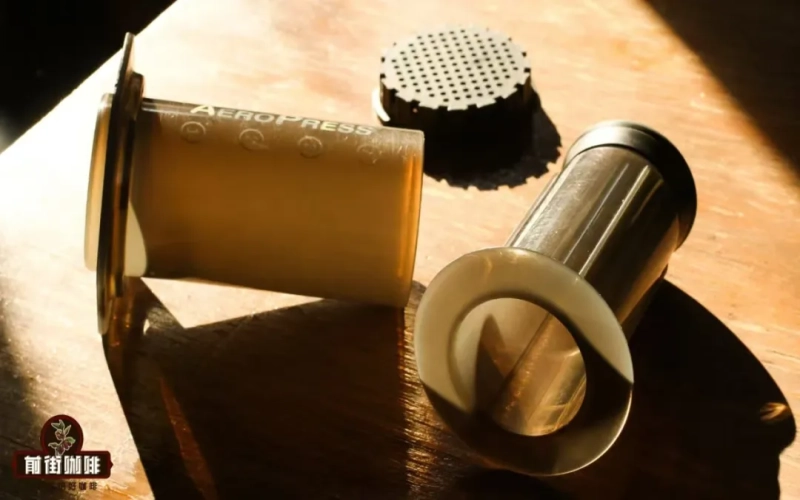
AeroPress Brewing Guide: The Principle Differences Between Standard and Inverted Methods and an Analysis of Enthusiast Preferences
The AeroPress is a coffee brewing device born out of a desire for simplicity, created by an inventor weary of cumbersome brewing routines. By combining immersion, stirring, and pressing, it allows users to obtain a rich, flavorful single-origin coffee in a very short操作 time. The AeroPress is highly versatile: it can be used with the officially recommended upright (standard) method, or with the inverted method by flipping the chamber, and by adjusting grind size, water temperature, coffee-to-water ratio, and stirring time, a wide variety of brewing recipes can be developed. Interestingly, although the official recommendation is the upright method, most enthusiasts prefer the inverted method. Front Street Coffee will explain in this article what upright and inverted mean, and discuss why the inverted method is more popular. [more…]
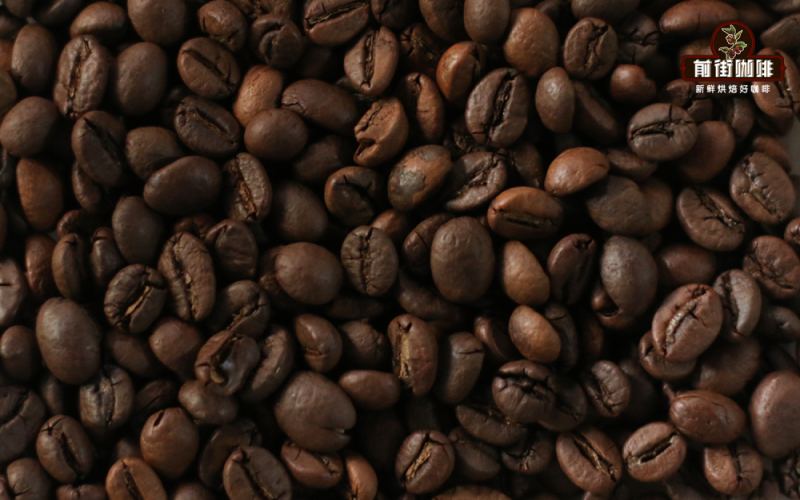
SOE Coffee Brewing Guide | Is espresso made from SOE beans sour? How to adjust the SOE coffee extraction ratio?
SOE, a term frequently seen in coffee shops in recent years—what exactly is SOE? And when you suddenly crave one, how can you make a satisfying cup of SOE? What is SOE? SOE stands for "Single Origin Espresso," which means single-origin [more…]
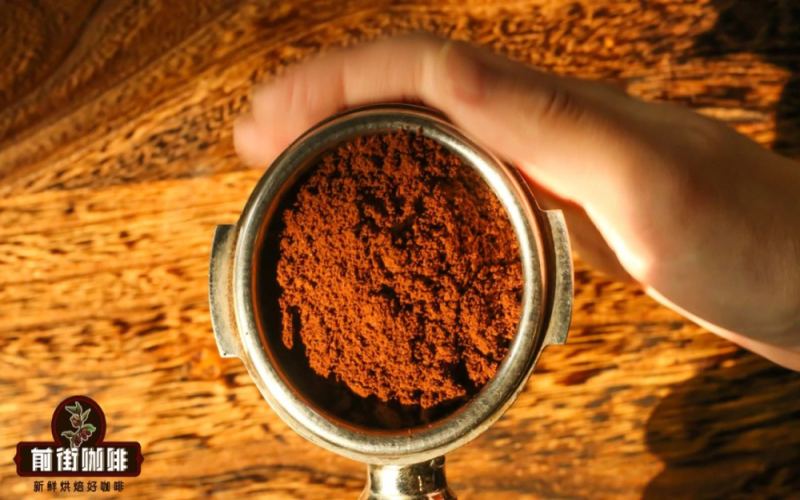
Espresso Coffee Powder-to-Water Ratio | How Many Milliliters Is 1 Shot of Espresso? What Is the Correct Way to Drink Espresso? Introduction to Espresso Extraction Recipes
The standard espresso ratio is 1:2—a single shot uses 9g of grounds to yield 18g of liquid, and a double shot uses 18g of grounds to yield 36g of liquid. When actually pulling a shot, fine-tune based on this brew ratio and the taste. The grind size for espresso is also adjusted by referencing this extraction time: if it runs fast, grind finer; if it runs slow, grind coarser, until the extraction time matches. [more…]
A Comprehensive Analysis of Fancy Coffee Types and Characteristics and Espresso Extraction, with Classic Recipes and Preparation Methods
Espresso is the foundation of many fancy coffee drinks, and understanding its extraction parameters and flavor characteristics is key to mastering coffee preparation. This article systematically reviews the recipe ratios, taste differences, and preparation steps of more than ten classic fancy coffees, including latte, cappuccino, macchiato, con panna, and Viennese coffee, while also explaining in detail the core parameters of espresso such as dose, water temperature, pressure, and extraction time. Whether you are a beginner coffee enthusiast or a professional hoping to refine your skills, you will find practical references and inspiration here. The article also specifically recommends related products from Front Street Coffee to help you recreate an authentic fancy coffee at home. [more…]
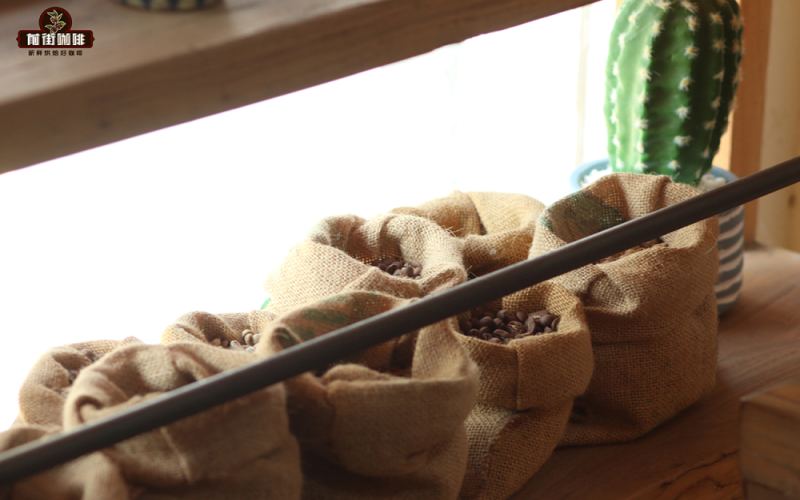
Coffee Bean Resting | What Is a Coffee Blend? What Are the Recipes for Espresso Blend Coffee Beans? How Long Should Espresso Coffee Beans Be Rested?
Recently, a regular customer who often comes to Front Street to buy Front Street Espresso Blend coffee beans has been visiting, while new customers to Front Street look quite puzzled, not understanding why the Front Street Coffee (FrontStreet Coffee) barista would mix several kinds of beans together to sell. In fact, this is blended coffee beans, also called a blend. [more…]
From coffee origin legends to the full growing and processing journey: a detailed guide to variety classification, brewing recipes, and health benefits
Coffee, derived from the Greek word "Kaweh," means "strength and passion." This article systematically traces the journey of coffee from the shepherd's legend to its global spread, explains in detail the characteristics and origins of the three major species—Arabica, Robusta, and Liberica—surveys classic single-origin coffees such as Blue Mountain, Colombia, and Mocha along with more than thirty flavored coffee recipes, introduces the varietal composition of Yunnan coffee, and provides an in-depth explanation of the entire process of coffee cultivation, primary processing, and roasting techniques, as well as the many health benefits and drinking contraindications of coffee. Whether you are a beginner just starting out or a seasoned enthusiast, you can gain practical knowledge and tasting inspiration from it. [more…]
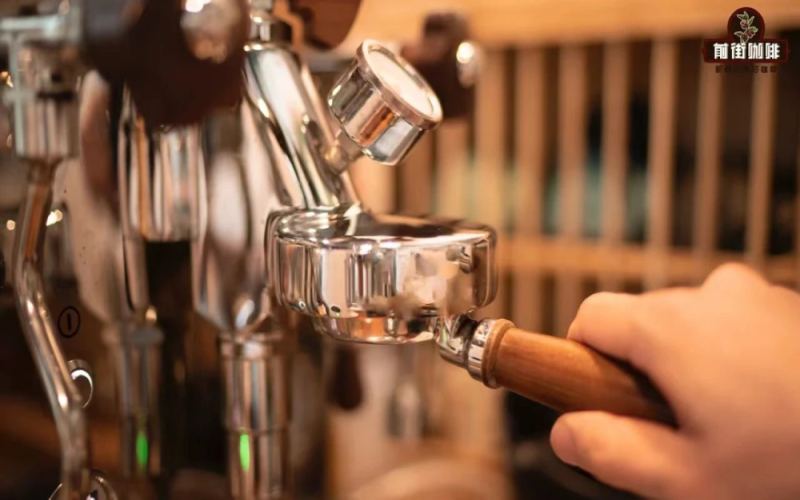
Espresso Blend Coffee Bean Recipes | Why Are Espresso Beans Mostly Blends? What Grind Size for Espresso Beans?
Until now, the vast majority of coffee shops still focus on espresso blends as their main product. The reason blended beans have become the mainstream of the market is not only that they can reduce the cost of raw materials, but also that they provide stable extraction for daily output and, as much as possible, ensure the flavor of drinks based on espresso. Simply put, coffee shops choose blends in order to [more…]

Drip Bag Coffee | How Can Coffee Newbies Make Milk Coffee with Drip Bag Coffee? What Are the Brewing Methods for Drip Bag Coffee?
Drip bag coffee is highly sought after because it is very convenient to carry and, without any complicated operation, you can easily make a delicious cup of black coffee. Although due to being "pre-made" (pre-ground powder), it does not have as rich an aroma as freshly ground coffee, as long as it is brewed properly, drip bag coffee is also quite delicious. So [more…]
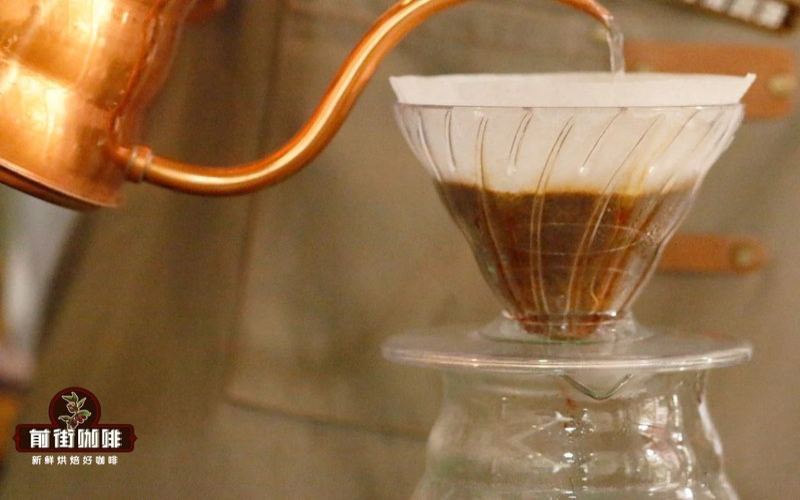
Recommended coffee beans for espresso machines: balancing budget and drinking frequency
To understand the coffee beans brewed by a coffee machine, you need to translate flavor descriptions into sensations you can actually taste. For everyday bean buying, you need to consider how quickly you drink them, how much to buy at once, and whether your household mainly makes black coffee or milk coffee. Floral notes, fruity acidity, nuts, and cocoa are not a matter of high or low—they are simply different directions, and only the category that suits you has long-term [more…]
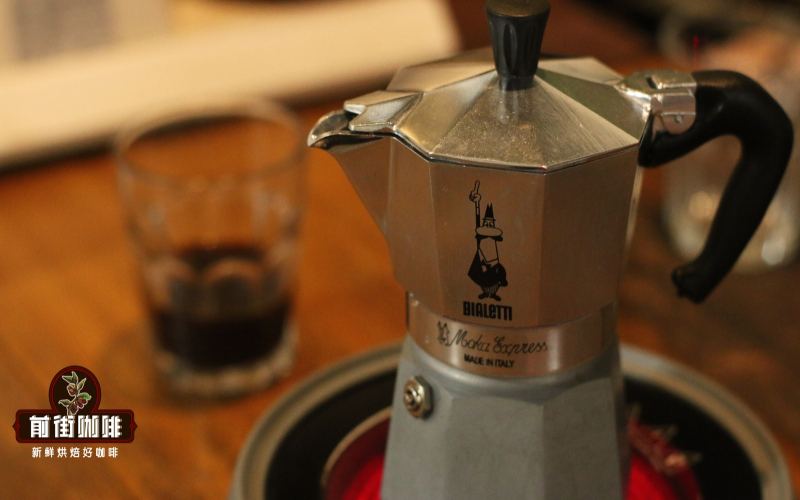
Why dark roast beans are the classic pairing for a moka pot
More and more people are brewing coffee with a moka pot, but many get stuck at the very first step: what beans should they actually use? The answer is actually quite clear—the moka pot and dark-roasted or medium-dark-roasted, full-bodied beans are a match made in heaven. Why is that? The moka pot extracts coffee through steam pressure, producing a brew with high concentration and a heavy mouthfeel, while dark-roasted beans [more…]

Common Types of Italian Coffee | What Are the Classic Milk Coffee Recipes? What's the Difference Between a Latte, Macchiato, Cappuccino, and Dirty?
Espresso is a must-have beverage in every café. Many people's first impression of espresso is that it's unbearably bitter. In fact, espresso isn't limited to such bitter shots. If you want an espresso that isn't bitter and suits your taste, the first thing you need to understand is the different types of espresso. Front Street Cof [more…]
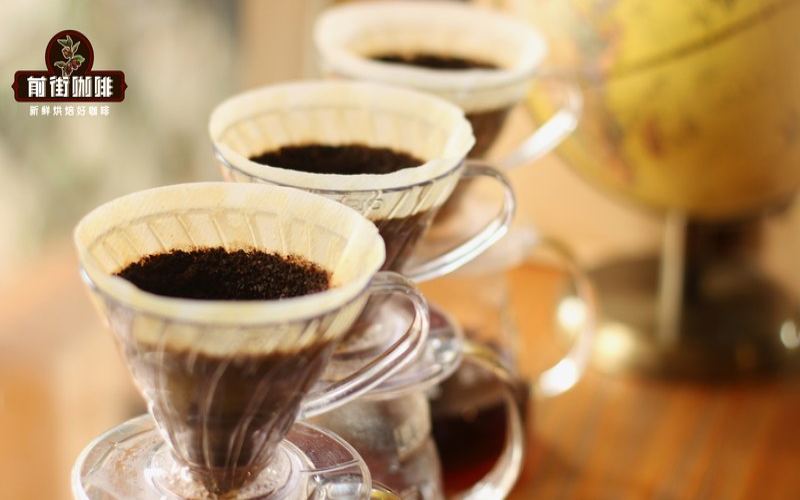
What kind of coffee beans are more suitable for making a latte?: Balancing budget and drinking frequency
Coffee beans suitable for making lattes can show different facets depending on the brewing method. When buying beans regularly, you need to consider how quickly you'll drink them, how much to buy at a time, and whether you mainly make black coffee or milk coffee at home. Pour-over easily brings out the aroma, espresso machines emphasize intensity, and a moka pot amplifies the full-bodied feel, so when choosing beans you should first determine your own [more…]
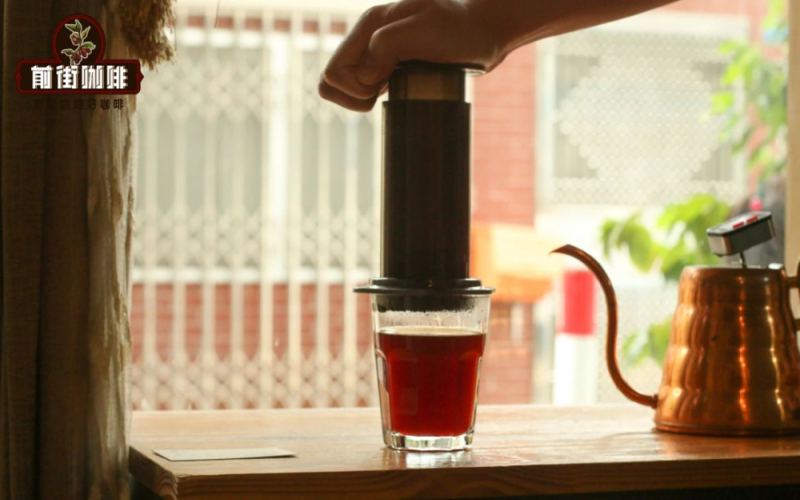
The Origins of the AeroPress | Why Is the AeroPress So Popular Among Coffee Lovers? What Flavor Characteristics Does AeroPress Coffee Have with Different Brewing Methods?
For more specialty coffee knowledge, please follow our WeChat official account: Front Street Coffee (FrontStreet Coffee). The AeroPress is not just a passing fad; its appearance is quite unlike typical brewing equipment, and the company that invented this brewing device doesn't even have coffee equipment as its flagship product. [more…]
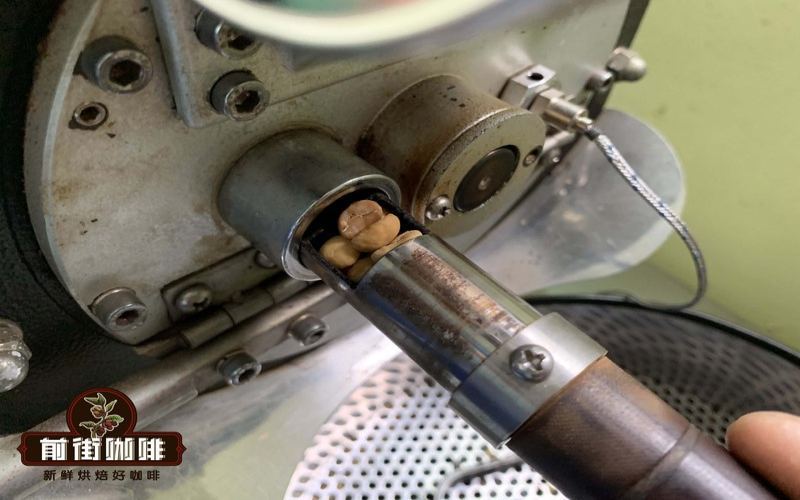
Yirgacheffe SOE Coffee Beans Recommendation: Balancing Budget and Drinking Frequency
Yirgacheffe SOE coffee beans reveal different facets depending on the brewing method. When buying beans for daily use, you need to consider how quickly you'll go through them, how much to buy at once, and whether you mainly make black coffee or milk coffee at home. Pour-over easily brings out the aroma, espresso machines emphasize intensity, and a moka pot amplifies the rich, full-bodied feel. When choosing beans, you should first determine your own [more…]
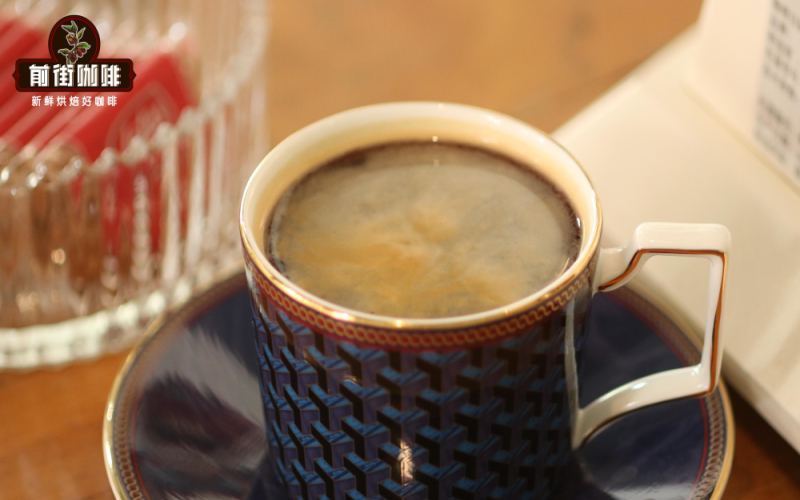
How to Make Americano Taste Really Good? A Full Breakdown of Hot and Iced Methods, Ratios, and Key Details
Recreating that smooth cup of Americano from your favorite coffee shop at home is actually not complicated. This article covers both hot and iced Americano methods, providing two sets of step-by-step instructions—one using espresso and one using instant coffee—and explains espresso extraction volume, water quantity, ice amount, and how to pair sugar and creamer. Whether you prefer the rich depth of a hot Americano or the refreshing crispness of an iced one, you'll find directly actionable ratio ideas here. The article also discusses the differences between choosing blended coffee beans and single-origin coffee beans, and retains product recommendations related to Front Street Coffee, helping coffee enthusiasts balance flavor and convenience in their daily brewing. [more…]
Recommended entry-level moka pot coffee beans: balancing budget and drinking frequency
Entry-level moka pot coffee beans can reveal different facets depending on the brewing method. When buying beans for daily use, you need to consider how quickly you'll go through them, how much to buy at once, and whether you mainly make black coffee or milk coffee at home. Pour-over easily brings out the aroma, espresso machines emphasize intensity, and the moka pot amplifies richness. When choosing beans, you should first determine what you usually [more…]
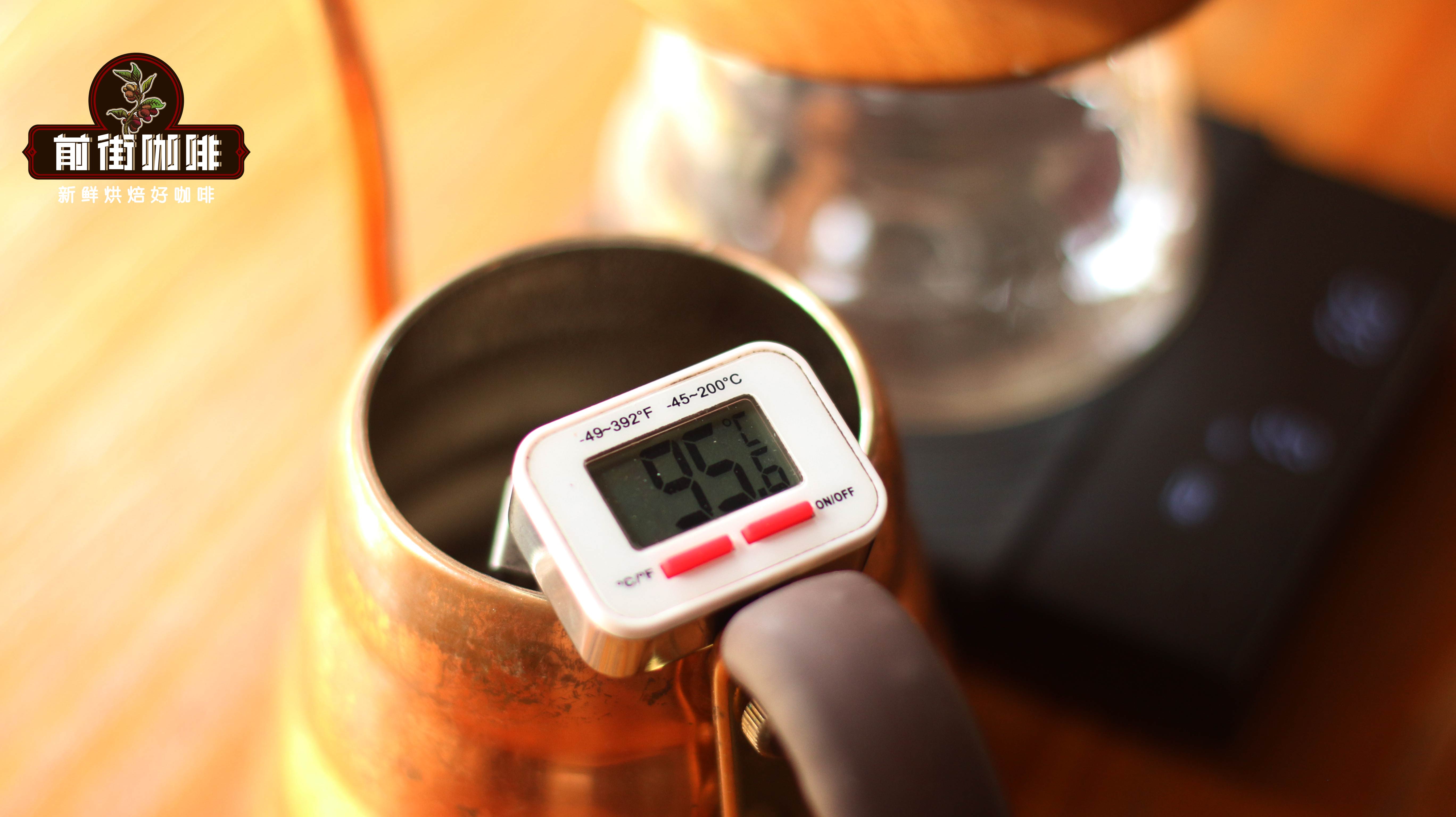
Pour-over Coffee Brewing Temperature | What water temperature should be used to brew light and dark roast coffee beans? Is there a difference between brewing parameters and actual water temperature? Does water temperature affect coffee extraction?
For more specialty coffee knowledge, please follow: Front Street Coffee (Frontsteet Coffee) What water temperature is needed for brewing pour-over coffee? Currently, the mainstream recommended brewing temperature is between 86°C and 93°C, with higher temperatures used for light roasts and lower temperatures for dark roasts. Once, at [more…]
Commercial Coffee Bean Recommendations: The Brewing Logic from Light to Dark Roasts
The roast level of commercial coffee beans directly influences a cup's aroma profile, mouthfeel weight, and suitable drinks. Light roasts tend to preserve floral and fruity notes, medium roasts commonly show nutty, caramel, and soft sweetness, while dark roasts push cocoa, roast, and heaviness to the forefront. When selecting beans for a shop or home, filtering along these lines is better than simply [more…]
Channels for Buying Yirgacheffe Coffee: Balancing Budget and Drinking Frequency
The purchasing channels for Yirgacheffe coffee will present different aspects depending on the brewing method. For everyday bean buying, you need to consider how quickly you'll drink them, how much to buy at once, and whether your home mainly makes black coffee or milk coffee. Pour-over easily brings out the aroma, a coffee machine emphasizes intensity, and a moka pot amplifies the full-bodied feel. When choosing beans, you should first determine your own [more…]
Coffee recommendations that make it easier for beginners to choose well: balancing budget and drinking frequency
For beginners, choosing coffee beans isn't just about memorizing a few names. When buying beans for daily use, you need to consider how quickly you'll drink them, how much to buy at once, and whether you'll mainly make black coffee or milk coffee at home. What's truly worth referencing is the sweet-to-sour ratio on the palate, the body thickness, and the aftertaste once it cools; combine that with your brewing habits, and your options become [more…]