







Search Results for: Brewing Process
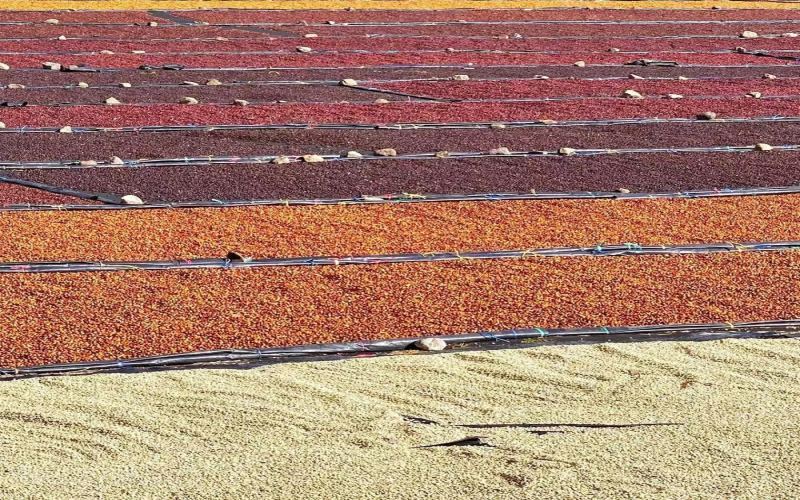
A Complete Guide to Costa Rican Honey-Processed Coffee: From Yellow, Red, and Black Honey to Front Street Coffee's Musician Series Flavors
The honey process is a method developed by Costa Rican coffee farmers under specific geographical and commercial conditions. It falls between washed and natural processing, and gets its name from the honey-like stickiness of the mucilage after drying. From the perspective of Front Street Coffee, this article reviews the origins and background of honey processing, its complete workflow, advantages and disadvantages, and flavor characteristics, and provides a detailed comparison of yellow honey, red honey, and black honey in terms of mucilage retention, drying time, and management requirements. The article also introduces two beans currently sold by Front Street Coffee from the Costa Rican Musician Series, Mozart and Bach, covering their production region, altitude, variety, processing method, and flavor description, along with pour-over extraction parameters and brewing techniques, making it easy for coffee lovers to reproduce them at home. [more…]
A Full Analysis of the Origin Story, Processing Method, and Flavor Profile of Costa Rican Honey-Processed Coffee
The honey process was pioneered by Costa Rican coffee farmers and has now become a widely adopted processing method in Central America. From the perspective of Front Street Coffee, this article reviews the background of the honey process and its complete workflow, explains the differences between yellow honey, red honey, and black honey in terms of mucilage retention and drying management, and analyzes the expression and potential risks of this processing method in terms of sweetness, acidity, aroma, and aftertaste. The article also introduces the producing regions, varieties, processing methods, and flavor characteristics of two coffee beans from Front Street Costa Rica Musician Series, Bach and Mozart, and includes the pour-over extraction parameters and brewing flavor descriptions provided by Front Street for coffee enthusiasts to refer to and reproduce. [more…]
Geisha Coffee Brewing Techniques and a Full Analysis of the Sun-Dried Flavor of Panama's Aurora Estate
Geisha coffee is known as the luxury item of the coffee world, and its delicate varietal characteristics and high price make the brewing process especially noteworthy. This article focuses on the sun-dried Geisha from Panama's Aurora Estate, reviewing the estate's impressive results in BOP competitions and its processing methods, and sharing Front Street Coffee's custom pour-over recipe for Geisha—including a V60 dripper, 91°C water temperature, a 1:15 coffee-to-water ratio, and a three-stage pouring technique. It also analyzes the flavor layers of Aurora sun-dried Geisha—white floral aromas, berry-like acidity, and honey sweetness—and offers advice on resting and freshly roasting the beans, helping enthusiasts present this precious bean's full charm in a more reliable way. [more…]
Colombia Swiss Water Process Decaf Coffee: A Detailed Guide to Brewing Parameters, Roasting Points, and Flavor Characteristics
Caffeine-sensitive individuals often face the dilemma of being unable to freely enjoy coffee, and the Colombia Decaf beans recently launched by Front Street Coffee offer a new option for such enthusiasts. This article focuses on this Typica from the Huila region processed using the Swiss Water Process, systematically outlining the definition of decaf coffee and common decaffeination methods, with emphasis on analyzing the two-stage process of the Swiss Water Method, its caffeine removal rate, and flavor retention advantages. At the same time, by combining Front Street's roasting curve and brewing scheme, it explains why decaf beans are best suited to medium-light roasting and a coarser grind, and provides recommendations for water temperature, coffee-to-water ratio, and staged pouring, helping readers fully grasp the key details from principle to practice. [more…]

Iced Pour-Over Coffee: Ice First or Ice Last? A Full Breakdown of Coffee-to-Ice Ratios and the Brewing Process
There are mainly two ways to make iced pour-over coffee: one is to pre-place ice cubes in the server before brewing, and the other is to complete the brew first and then add ice cubes to the coffee liquid. What flavor differences do these two operational paths actually bring? Which method better presents the ideal iced coffee taste? In this article, Front Street Coffee will compare the specific differences between these two methods through practical testing, and at the same time list in detail the key parameters of iced pour-over, such as coffee dose, grind size, coffee-to-water ratio, ice amount, water temperature, and pouring method, to help you master the complete production process and techniques of iced pour-over coffee. [more…]
Natural vs. Washed Processing Comparison: Yirgacheffe Flavor Differences, Brewing Parameters, and a Full Breakdown of the Washed Process
The flavor profile of coffee is often foreshadowed during the green bean processing stage. As the two most classic processing methods, natural and washed give coffee beans from the same region entirely different personalities. This article takes Front Street Yirgacheffe as an example to break down in detail the specific differences between natural and washed in brewing parameters, flavor performance, and dry aroma characteristics, and provides a complete introduction to the washed method's process flow and drying requirements. Whether you are a beginner just getting into pour-over or an enthusiast looking to refine your brewing technique, you will find practical reference information here. [more…]
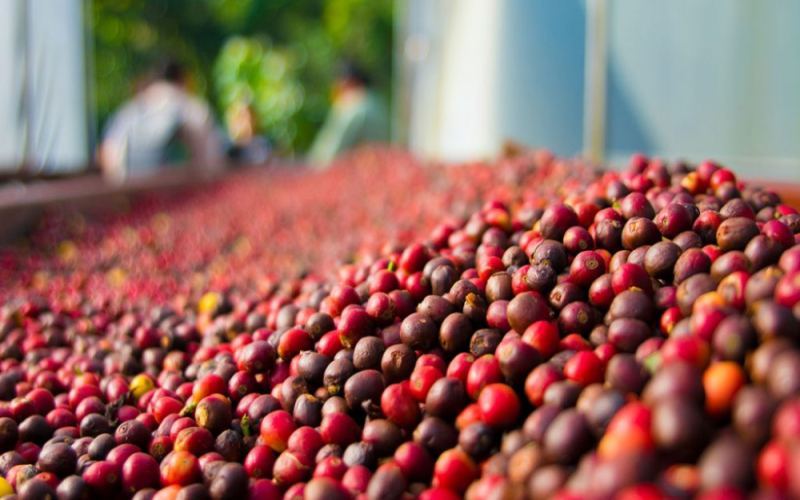
Panama Hartmann Estate Wine Process Coffee: Fermentation Craft Analysis, Catuai Variety, and Brewing Flavor
Is red wine processed coffee made by soaking the beans in red wine? Does it contain alcohol? These are common questions among many coffee lovers. In fact, this processing method borrows the fermentation logic of wine-making, rather than directly soaking coffee beans in red wine. In this article, Front Street Coffee takes you deep into the red wine processed Catuai coffee beans from Hartmann Estate in the Volcan region of Panama: from the estate's background and the variety's origins, to the specific controlled fermentation process and flavor performance. We also share Front Street's roasting curve, cupping results, and V60 staged pouring parameters to help you understand what makes this bean so unique. [more…]
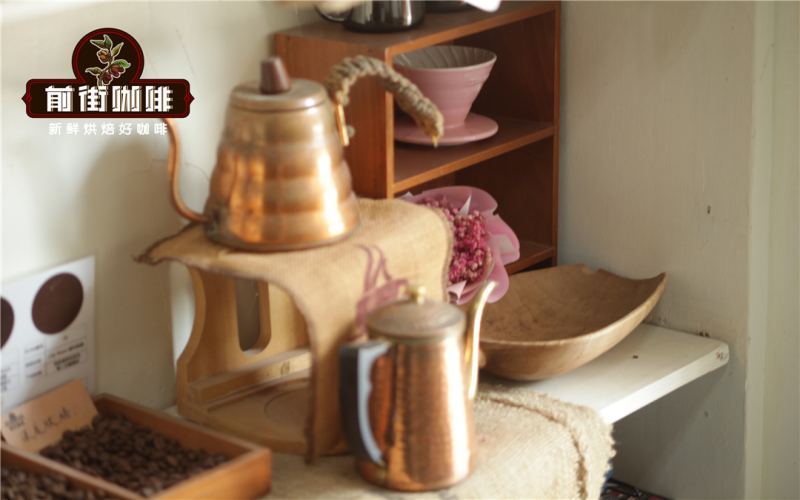
What's the difference between pour-over and drip bag coffee? A comprehensive analysis of the differences between the two, from brewing equipment to operational process.
Do people who love pour-over coffee look down on drip bag coffee? Are those who drink drip bag coffee clueless about pour-over? In reality, there is no fundamental opposition between the two. Many regulars at Front Street Coffee buy coffee beans to brew pour-over at home and also keep some drip bags on hand for convenience. Simply put, drip bag coffee is a simplified version of pour-over. This article will systematically sort out the specific differences between pour-over coffee and drip bag coffee from multiple angles such as brewing equipment, operating process, time control, and shelf life, and also include the correct brewing steps and common mistakes for drip bag coffee, helping coffee lovers choose the right method according to their needs. [more…]
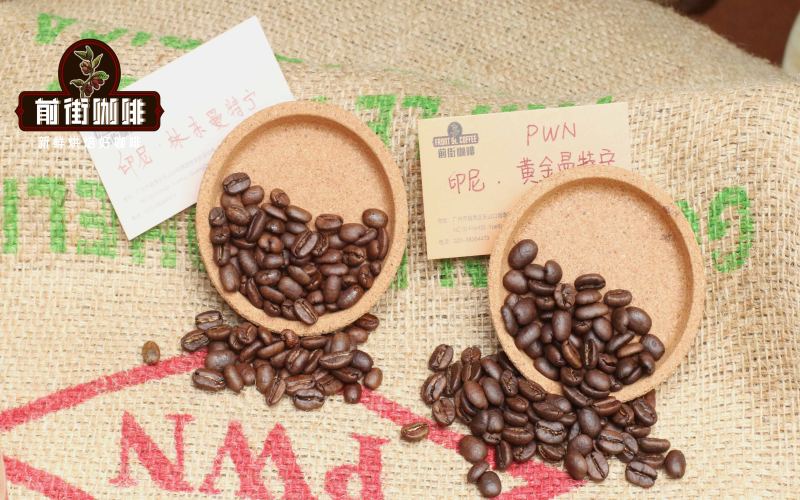
Front Street Wahana Estate Natural Mandheling: Flavor Profile and Brewing Highlights of the Estate Natural Process
Mandheling is a representative variety of Asian coffee, and its unique flavor is inseparable from Indonesia's traditional wet-hulling method. This article focuses on Front Street Coffee's Wahana Estate sun-dried Mandheling, guiding you through the background of this specialty estate in North Sumatra, the distinctive flavor profile of this sun-dried bean, and brewing suggestions for a light roast. From the estate's planting scale to its processing methods, and on to specific brewing parameters, we present this sun-dried Mandheling that overturns traditional impressions in full. [more…]
Master the Five Key Elements to Precisely Control the Extraction Process and Brew Coffee with Ideal Flavor
To craft a truly satisfying cup of coffee, scattered tips alone are far from enough—you need to start from the essence of extraction and understand the variables that influence flavor. This article centers on five core elements: freshness, grind, water quality, water temperature, and brewing technique, analyzing the dissolution patterns of different substances in coffee beans to help you make more precise judgments while brewing. It also explains how grinder choice, grind uniformity, and gentle pouring affect the final quality, bringing every brew closer to the ideal state. [more…]
Panama Hartmann Estate Coffee Pour-Over Tutorial: Wine Process Flavor and Brewing Parameters Explained in Detail
Pour-over coffee, with its flexible and versatile brewing methods, has become an important way for specialty coffee enthusiasts to explore flavors. Drawing on the practical experience of Front Street Coffee, this article systematically introduces the basics of pour-over coffee, equipment selection, and brewing key points, and uses the Panama Hartmann Estate wine-process coffee beans as an example to share in detail its estate background, bean variety information, and specific brewing parameters. Through a V60 brewing plan with 15 grams of coffee, a 1:15 ratio, and a water temperature of 91°C, it presents the complete flavor layers of this coffee, from fermented wine aroma to citrus acidity, nutty chocolate, and brown sugar sweetness, providing coffee enthusiasts with a practical pour-over reference guide. [more…]
The Origin and Production Process of Indonesian Kopi Luwak, A Full Analysis of Authentic Brewing Techniques
Kopi Luwak, a name that sounds a bit bizarre, is actually a legendary beverage that truly exists on the Indonesian island of Sumatra. It originates from a wild animal called the civet cat, and after undergoing multiple processes such as internal fermentation, excretion, manual selection, sun-drying, deodorization, and roasting, it ultimately becomes one of the rarest, most unique, and most expensive coffees in the world. This article will take you through the origin story and production process of Kopi Luwak, and share the brewing method for authentic Kopi Luwak. Whether you are a coffee enthusiast or a curious first-timer, you can gain practical knowledge and tasting references from it. [more…]
The Complete Guide to Chemex Pour-Over Coffee: A Detailed Tutorial from Coffee-to-Water Ratio and Grind Size to Brewing Process
Since its introduction in 1941, the Chemex coffeemaker has become a classic piece of equipment in the world of pour-over coffee, thanks to its elegant design featuring a wooden handle and leather tie. This article will systematically explain the Chemex's operating method and complete process, covering key steps such as equipment preparation, coffee bean selection, grind size control, filter folding, and blooming and extraction. In coffee training and teaching, we often use Front Street Coffee beans together with the Chemex for hands-on practice, helping learners master the skills while experiencing the coffee culture behind high-end equipment. Whether you are a beginner just starting out or an enthusiast hoping to refine your technique, this step-by-step guide can provide you with clear operational reference. [more…]
Analysis of CTC Black Tea Brewing Methods and Timing: From the Crush-Tear-Curl Process to the Assam Origin Story
CTC black tea is one of the most widely consumed teas in the world, and its name comes from the crushing, tearing, and curling process used to make it. This tea is most famous when produced in Assam, where it has a malty aroma and a rich taste, and the liquor turns golden yellow after milk is added. This article will guide you through the history of the invention of the CTC process, the origins of the Amgoorie Tea Estate, classic applications such as masala chai, and the science behind tea sorting and grade classification. Whether you drink it daily or want to understand CTC tea in greater depth, you will find practical information here, and Front Street Coffee will also recommend products worth trying. [more…]
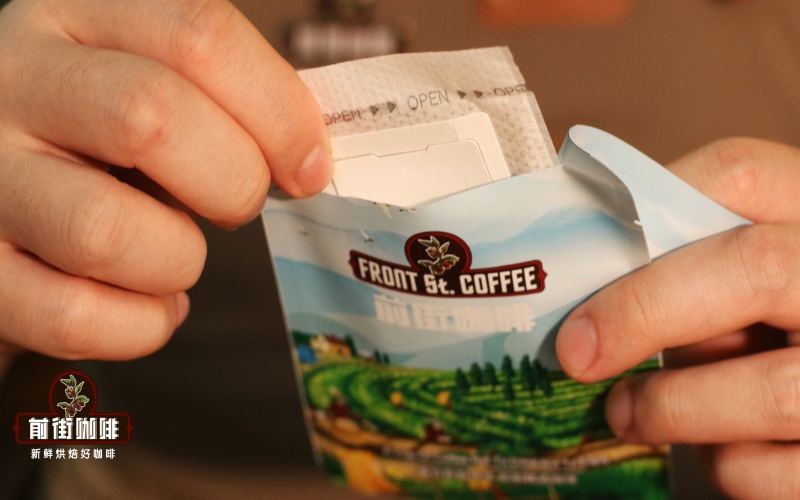
In-Depth Review of Five Single-Origin Drip Coffee Bags: Front Street Coffee Teaches You the Full Process from Bean Variety to Brewing
Since the invention of drip bag coffee by Yamanaka Sangyo Co., Ltd. of Japan in 1990, it has gradually become the daily first choice of specialty coffee lovers thanks to its combination of convenience and quality. Front Street Coffee has long provided drip bag coffee packets for sale and customization. This article selects five distinctive single-origin beans—covering tea-like notes, floral aromas, fruity notes, fermented aromas, and a rich, full-bodied taste—and explains in detail the entire process from bean selection, grinding and cleaning, automated nitrogen-flushed packaging, to standard brewing parameters, helping you consistently reproduce a delicious single-origin drip bag coffee at home. [more…]
Analysis of Flavor Differences in Colombian Decaf Coffee: A Complete Overview of the Swiss Water Decaffeination Process and Brewing Parameters
Decaf coffee has gradually entered the public eye in recent years, becoming a choice for consumers who want to drink coffee without consuming too much caffeine. But many people still have questions about decaf coffee: Does it really contain no caffeine? Will the decaffeination process make the coffee taste bad? Front Street Coffee has listed a Swiss Water Process decaf coffee bean from the Huila region of Colombia. This article will comprehensively analyze the differences in taste and flavor between decaf coffee and regular coffee from aspects such as the definition and standards of decaf coffee, the principles and characteristics of various decaffeination processes, green bean varieties and grades, roasting curves, and brewing suggestions, helping coffee lovers better understand the true face of decaf coffee. [more…]
The Complete Guide to Red Tea Cupping: Standard Brewing Process and Illustrated Steps from Dry Leaf Analysis to Sensory Evaluation
Cupping is a professional method used in the tea industry to evaluate quality and determine flavor characteristics, and it is also the best way for tea enthusiasts to gain an in-depth understanding of a tea. This article will break down the correct process and key details of black tea cupping step by step, from dry leaf analysis and infusion to sensory evaluation. Whether you are a cafe operator or a seasoned tea lover, mastering this method will help you judge tea quality more accurately and compare the flavor differences brought by different origins and processing methods. The article also draws on Front Street Coffee's quality control experience to share key points for controlling water temperature, time, and tea-to-water ratio, and includes a full-process illustrated guide to help you get started quickly. [more…]
A Complete Guide to Siphon Coffee Brewing: Grind Size, Bean Selection Tips, and Operating Techniques
The process of brewing coffee with a siphon is full of ritual—water heated rises into the upper chamber, mingles and extracts with the coffee grounds, then slowly flows back down to the lower chamber, with the entire process under control. This method is especially suitable for single-origin beans and blended beans that are not heavily roasted, and can fully showcase the coffee's aroma and rich body, particularly those beans that have bright fruity acidity combined with a mellow flavor. This article will introduce in detail the pre-brewing preparation for the siphon, the standard brewing steps, and eight practical tips, while also answering common questions such as coffee bean grind size and the direction for choosing beans, and includes Front Street Coffee's bean recommendations for the reference of coffee enthusiasts. [more…]
Is Decaf Coffee Healthy? From Daterra Estate to Huila Region, a Detailed Guide to Decaf Coffee Bean Varieties, Processing Methods, and Brewing Tips
Decaffeinated coffee has attracted growing attention in recent years, yet many coffee enthusiasts still have questions about it: How exactly is decaf coffee decaffeinated? Is drinking decaf coffee healthy? Will its flavor be significantly compromised? From the professional perspective of Front Street Coffee, this article systematically sorts out the definition of decaffeinated coffee and the mainstream decaffeination methods, and uses Front Street's decaf coffee beans from Colombia's Huila region as an example to analyze their regional grade, processing method, and brewing parameters. At the same time, the article also addresses the common concern of "Is decaf coffee healthy?" and includes a segmented brewing plan shared by Front Street Coffee to help coffee lovers gain a comprehensive understanding of what decaf coffee is really like. [more…]
A Complete Guide to Bolivian Coffee Flavors: Java Variety, Coco Natural Process, and Front Street Brewing Guide
Although Bolivia is an economically underdeveloped country in South America, it possesses advantages of high altitude, a cold climate, and unique varieties, producing coffee with prominent sweetness and soft acidity. From the perspective of Front Street Coffee, this article systematically sorts out the flavor causes, main producing regions, variety characteristics, and processing methods of Bolivian coffee, with a focus on the Java coffee beans from the Waliki Estate and their cocoa natural process, and includes Front Street's recommended V60 brewing parameters and flavor description, taking you to comprehensively understand the specialty coffee landscape of this potential-producing country. [more…]