





Search Results for: Black Coffee Brewing Methods
A Comprehensive Analysis of Indian Assam Black Tea: Origin, Varieties, Flavor Characteristics, Brewing Methods, and Health Benefits
Assam black tea originates from the Assam region in northeastern India and is made from the Assam variety of the tea plant, making it one of the most renowned strong black teas in the world. Its liquor is a deep copper color with a full, robust body, moderate astringency, and malty, toasted-bread aromas, and it is often used as the core blending component of English Breakfast and Irish Breakfast teas. Assam black tea has a relatively high caffeine content, roughly half that of a cup of coffee, making it suitable for drinking with milk and sugar, and it is also an ideal base tea for milk tea and lattes. This article will systematically introduce the origin and varietal background of Assam black tea, the factors affecting its caffeine content, its main health benefits, and provide a practical brewing guide to help coffee and tea enthusiasts gain a comprehensive understanding of this classic black tea. [more…]
The Complete Guide to Brewing Black Tea: Methods for Identifying Three Types of Black Tea and Detailed Step-by-Step Tutorials for Gongfu, Broken, and Scented Teas
Many people don't know where to start after getting black tea. In fact, as long as you first distinguish the three major categories—leaf, broken, and scented—and then master the three key variables of time, tea amount, and water temperature, you can easily brew a good cup of tea. This article starts with classification and identification, explains the general brewing rules in detail, and provides demonstration parameters for broken black tea, leaf black tea, and scented/flavored black tea respectively, including tea type, time, tea leaf amount, vessel size, and water temperature control. Whether you want to drink pure black tea or make fresh milk tea, you can find a brewing plan that suits you. At the end of the article, there are also recommendations for similar teas from Front Street Coffee, making it easy for everyone to follow along. [more…]
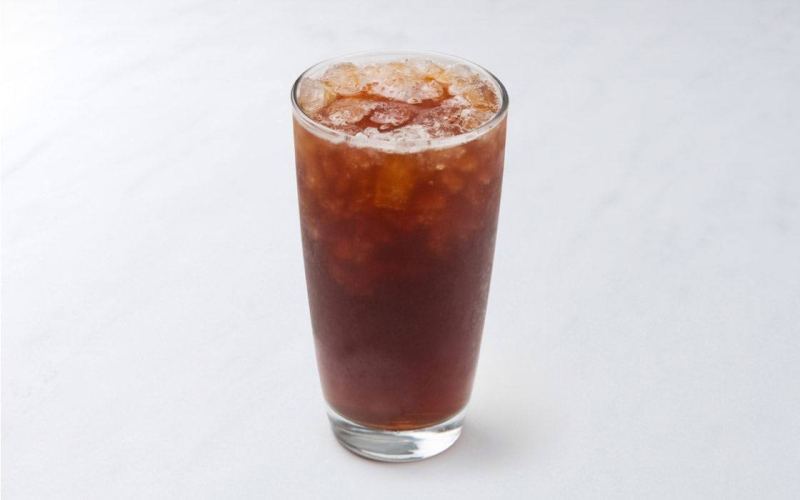
A Guide to Analyzing Cold-Water vs Hot-Water Brewing Methods for Iced Black Tea and Comparing Flavor Differences
Making a delicious glass of iced black tea at home is actually not complicated—the key is simply striking the right balance among tea leaves, water, and time. This article will introduce two ways to make iced black tea: cold brewing and hot brewing. It will go over the steps for each, the types of tea they suit, and the occasions they are best for, and compare the flavor differences between the two methods. The article uses loose-leaf tea for demonstration, but tea bags work just as well. In addition, it will recommend oolong and herbal teas suitable for cold brewing, as well as Front Street Coffee's teaware and tea selections, to help you easily make a satisfying glass of iced black tea at home. [more…]
Darjeeling vs. Assam Black Tea: A Comparative Analysis of Origin Flavors, Brewing Methods, and Buying Tips
India, as a major global tea producer, yields many types of tea with diverse styles. Among its many producing regions, Darjeeling and Assam are undoubtedly two shining stars. Although these two regions are geographically close, differences in altitude, climate, and craftsmanship give rise to distinctly different styles of black tea. This article will carefully sort out the core differences between Darjeeling black tea and Assam black tea from the perspectives of geographical location, flavor characteristics, liquor color, leaf appearance, and picking season, helping coffee and tea enthusiasts more clearly understand the personalities of these two high-quality black teas and find the one better suited to them when purchasing and brewing in daily life. [more…]
Ceylon Black Tea Brewing Tips: Master the Tea-to-Water Ratio, Temperature, and Time to Say Goodbye to Bitter Taste
Ceylon black tea is renowned for its rich, robust flavor, but improper brewing can easily produce a bitter and astringent taste. This article provides a detailed analysis of the flavoring processes for Ceylon black tea, including internal substances, natural extraction, artificial flavorings, and smoking methods, and introduces classic flavored black teas such as Earl Grey, ginger, cinnamon, and Masala. At the same time, drawing on the practical experience of Front Street Coffee, we share the key parameters for brewing Ceylon black tea—the tea-to-water ratio, water temperature, and time—to help you easily brew a cup of good tea that is neither bitter nor astringent and full of aroma. Whether you are a black tea enthusiast or a beginner, these practical tips can take your tasting experience to the next level. [more…]
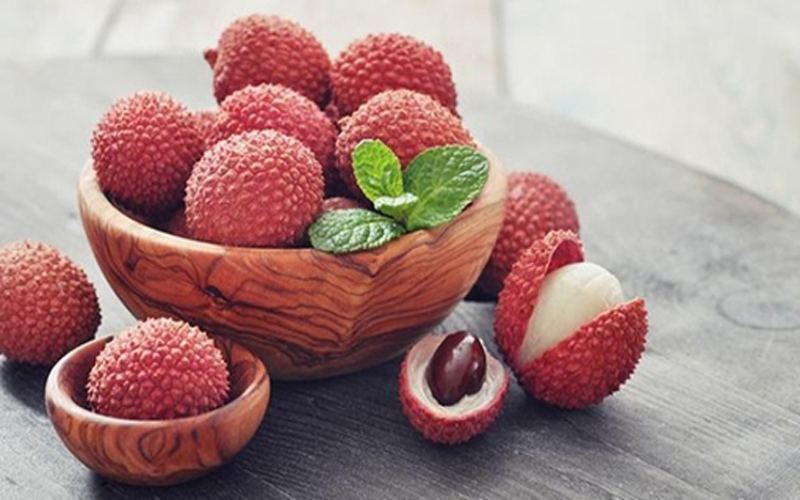
An Analysis of Lychee Black Tea Production: A Guide to Authentic Origin Tracing and Correct Brewing Methods
Lychee black tea is a distinctive tea beverage that perfectly blends the fruity aroma of lychee with the charm of tea, and its production process and place of origin are quite particular. This article will start with the production process and provide a detailed analysis of how lychee black tea skillfully combines fresh lychee with tea leaves while preserving the natural sweet fragrance; at the same time, it will trace its authentic place of origin and explore the historical stories and cultural heritage behind this tea. In addition, we will also share the correct brewing techniques, including water temperature, choice of utensils, and steeping time, to help you brew a cup of fragrant lychee black tea at home. Whether served cold or hot, you can taste its unique floral and fruity charm. Front Street Coffee also recommends related products for you, allowing you to easily experience the authentic flavor. [more…]
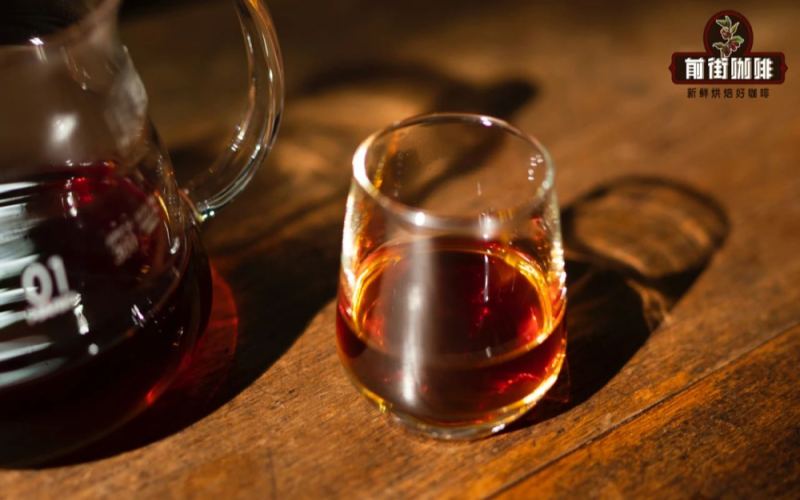
Is Arabica Coffee Considered Black Coffee? A Complete Analysis from Variety Characteristics to Three Black Coffee Brewing Methods
You often see "pure Arabica coffee beans" printed on packaging, but what exactly is Arabica? Does it count as black coffee? In fact, Arabica is just one major category among coffee varieties, and about seventy-five percent of the world's coffee comes from it. The raw coffee beans we buy day to day and the coffee served in coffee shops are almost invariably Arabica. Grinding it and pouring hot water over it produces coffee liquid, which is black coffee. This article starts with the varietal characteristics of Arabica, then introduces one by one three ways of making black coffee—pour-over, French press, and cold brew—including practical parameters such as equipment pairing, water temperature, and coffee-to-water ratio, to help you consistently make a delicious cup of black coffee at home. [more…]
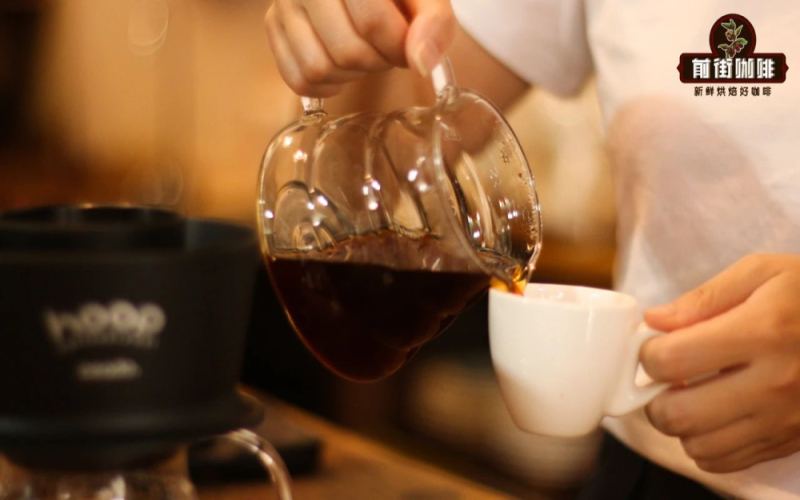
New to Coffee? How to Choose Beans: Flavor Profiles and Brewing Tips for Three Classic Black Coffee Varieties
Those new to coffee tasting are often overwhelmed by the dazzling array of bean varieties and flavor descriptions, unsure where to begin. In fact, beginners can start with beans from regions known for their distinctive flavors—such as Brazilian beans representing the Americas, Mandheling representing Asian growing regions, and Kenyan beans representing Africa. These three beans differ markedly in style, helping you quickly build an understanding of coffee flavors. This article focuses on these three classic black coffee beans, detailing their origins, roast levels, suitable brewing methods, and respective flavor characteristics, along with specific Front Street product recommendations, offering beginners a practical guide to choosing beans. [more…]
What Are the Flavor Differences Between Semi-Washed and Honey-Processed Coffee Beans? A Full Breakdown of the Processing Methods, Grading, and Brewing
Semi-washed and honey processing both belong to the category of processing methods where the fruit skin is removed and the beans are dried directly, yet a single key difference has led them to evolve into completely different flavor profiles. Semi-washed originated in Brazil, skips the water tank fermentation step, and is suitable for commercial large-scale operations; honey processing was improved by Costa Rican farmers building on semi-washed, and is further divided into yellow honey, red honey, and black honey based on the amount of mucilage retained. This article will comprehensively sort out the operational procedures, flavor characteristics, and grading logic of these two processing methods, and, combining Front Street Coffee's Brazil Red Bourbon and honey-processed beans, provide targeted brewing parameters and technique suggestions to help coffee enthusiasts understand exactly how the two differ and what taste preferences each suits. [more…]
Analysis of Flavor Differences Between Semi-Washed and Honey-Processed Coffee: Processing Methods, Taste Characteristics, and Brewing Suggestions for Front Street Coffee Beans
Semi-washed and honey processing both belong to the category of methods where the fruit skin is removed and the beans are dried directly, yet they present截然不同的 flavor directions due to differences in how much pectin is retained and the drying conditions. Semi-washed originated in Brazil; it is simple to operate and suitable for large-scale production, with a flavor profile leaning toward nuts, chocolate, and caramel; honey processing began in Costa Rica and, depending on the proportion of pectin retained, is classified into yellow, red, and black grades, with sweetness and aroma being more prominent. This article will systematically sort out the process steps, flavor characteristics, and grading logic of the two, and, combined with Front Street Coffee's Brazil Red Bourbon and Costa Rica Honey Process Geisha, provide specific brewing parameters and technique suggestions to help coffee enthusiasts understand the differences and apply them to daily brewing. [more…]
Where Does the Citrus Aroma of Earl Grey Tea Come From? Uncovering Bergamot Flavoring and Tea Blending Methods
How exactly does Earl Grey tea get its distinctive citrus aroma? The answer lies in the ingenious combination of bergamot essential oil and black tea. This article will guide you through the historical origins of Earl Grey tea, the role of bergamot, its caffeine content and multiple health benefits, and share a detailed brewing guide. Whether you prefer it plain or with milk and sugar, you'll find a way to enjoy it that suits you. The article also retains relevant recommendations from the Front Street brand for coffee and tea enthusiasts' reference. [more…]
Black Coffee Brewing Methods | How to Use a Moka Pot to Brew Espresso-Style Black Coffee? Recommended Medium-Dark Roast Specialty Coffee Beans for Espresso Machines and Moka Pots
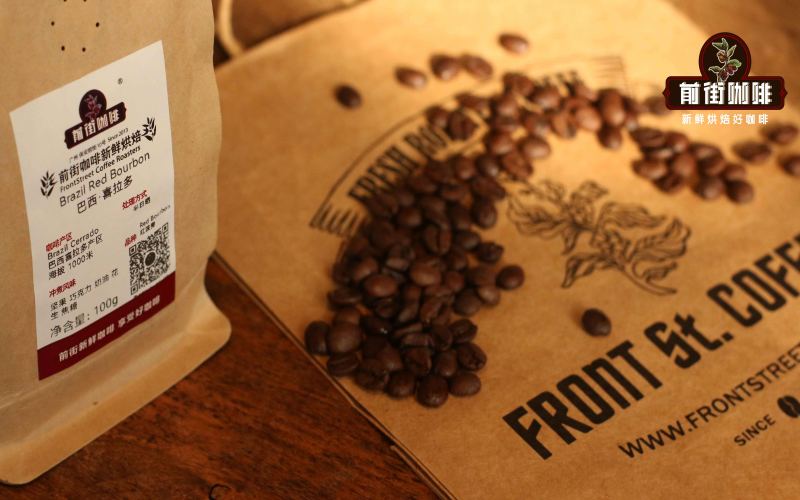
I. Brazil (South America) Front Street Red Bourbon Coffee: smooth and mellow flavor, neutral, can be brewed directly in a moka pot, with a touch of medium acidity and a strong nutty aroma; known for its balanced taste, it can also be combined with milk to make a latte, rich and smooth; II. Colombia (South America) Front Street Huila Coffee: rich flavor [more…]
Italian Black Coffee Family Analysis: Differences and Preparation Methods of Americano, Long Black, and Lungo
Among the many coffee categories, black coffee is often seen as less appealing than a latte—it lacks the visual allure of latte art, and its flavor is hard to put into words. But Front Street Coffee believes that black coffee is an important bridge from milk coffee to espresso, and a properly extracted cup of black coffee can overturn your preconceived impression of coffee as bitterly burnt and intensely strong. This article focuses on three drinks that are also made from espresso and water—Americano, Long Black, and Lungo—and sorts out their origins, preparation methods, and taste differences. It also introduces the characteristics of Front Street Coffee's classic espresso blend beans, as well as the calorie advantages and home-brewing method of Americano, helping you understand the world of Italian-style black coffee more comprehensively. [more…]
How Many Flavor Types of Americano Are There? From Brewing Methods to the Correct Way to Drink It, Explained Clearly in One Go
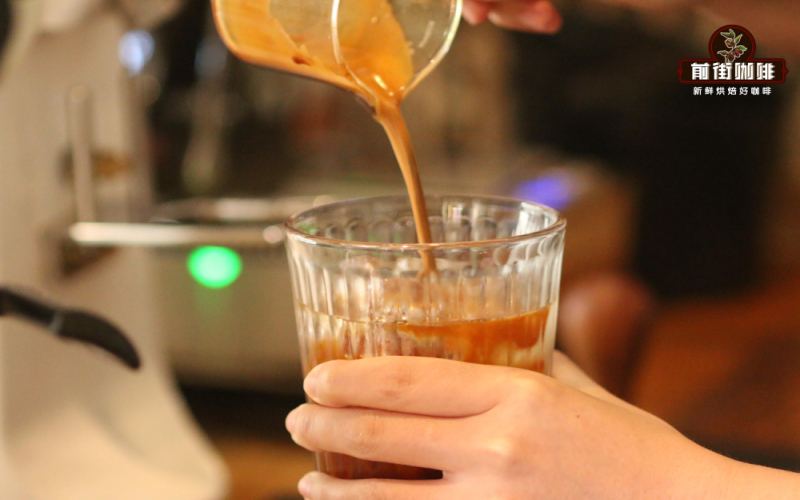
Americano has long ranked at the top of coffee shop order lists, enjoyable both hot and iced, but many people may not be able to explain clearly its origins, its preparation ratios, how it differs from a Long Black, and what kind of beans are suitable for making it. Starting from Front Street Coffee's production experience, this article sorts out the legends surrounding the origin of Americano, the blending ratio of espresso and water, the two methods of iced and hot preparation, and compares the differences between Americano and Long Black in terms of water volume and flavor. It will also explain the logic behind choosing espresso blend beans, introduce four blend products on Front Street Coffee's bean list, and help coffee lovers make a cup of Americano with both aroma and taste at home. [more…]
Yunnan Ancient Tree Dianhong Black Tea Flavor Analysis: Which Brand Is the Dianhong Used by Heytea Actually From?
Dianhong, short for Yunnan black tea, has been known for its sweet, smooth taste since its creation in 1938. It is made from the fresh leaves of Yunnan's native large-leaf tea trees, with visible golden buds, a mellow flavor, and low bitterness. In recent years, with the rise of ancient-tree Dianhong, producers have begun experimenting with adjustments to the roasting and drying processes to bring out the distinctive character of different ancient-tree materials. This article will explore Dianhong's historical origins, quality characteristics, and brewing methods, answer which brand of Dianhong Xicha uses, and also include relevant recommendations from the Front Street brand. [more…]
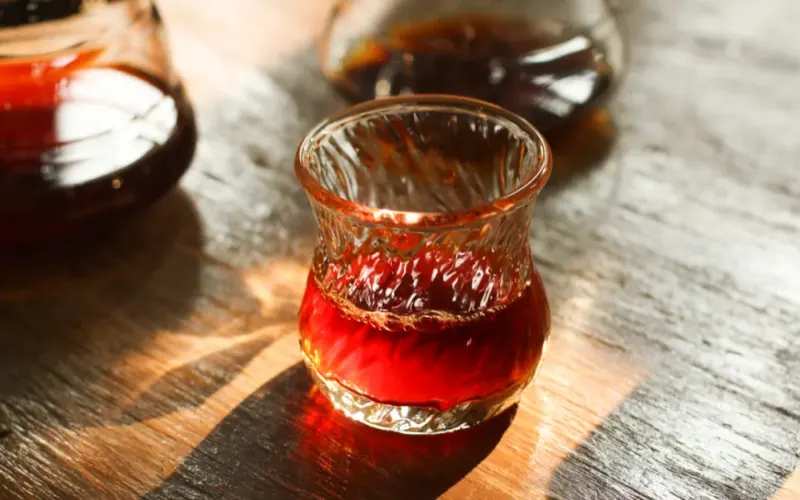
Why Is Coffee Liquid Cloudy? Causes, Oil Sources, Brewing Methods, and Whether It's Safe to Drink
Many people are used to judging the quality of a cup of black coffee by observing with the naked eye whether the coffee liquid is clear. But when coffee liquid appears cloudy with floating oils, is it an extraction problem or a normal phenomenon? This article explores the determining factors of coffee clarity, analyzes the effects of extraction methods and filtering equipment on coffee's appearance, and answers whether cloudy coffee is still safe to drink. Front Street also suggests that instead of drawing conclusions based on sight, it's better to focus on tasting itself and use flavor to judge a coffee's true quality. [more…]
Beginner's Guide to Black Coffee Tasting: Flavor Characteristics of Three Major Producing Regions and Analysis of Classic Coffee Varieties
For enthusiasts who have just stepped into the world of coffee tasting, building flavor perception can start with coffees from distinctive producing regions. Coffees from the three major regions of the Americas, Asia, and Africa each have their own signature flavors, and several classic coffee beans under the Front Street Coffee brand happen to represent the typical characteristics of these regions. This article will focus on three entry-level coffees from Brazil, Mandheling, and Kenya to help readers quickly build an understanding of regional flavors, and further introduce the regional information, roast levels, suitable brewing methods, and flavor characteristics of three classic black coffees: Indonesian Mandheling, Kenyan Little Tomato, and Costa Rican Tarrazu, providing practical reference for everyday purchasing and tasting. [more…]
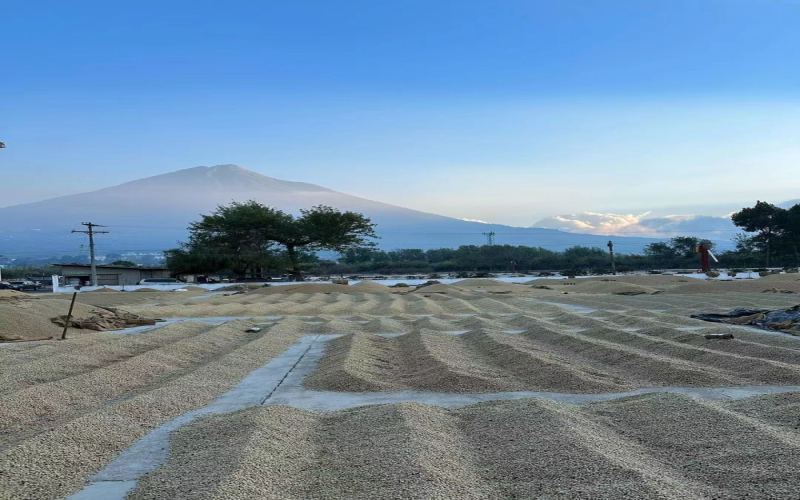
A Complete Analysis of Costa Rican Honey-Processed Coffee Bean Flavors and Processing Methods: From Semi-Washed to Yellow, Red, and Black Honey
The honey processing method originated in Costa Rica and represents an improvement and refinement of Brazil's pulped natural process. After removing the skin and pulp, it retains varying proportions of mucilage for sun-drying. Depending on the amount of mucilage retained and the duration of sunlight exposure, it is further classified into three grades—yellow honey, red honey, and black honey—with flavors ranging from balanced and sweet to intense and rich. This article systematically reviews the operational procedures, flavor characteristics, and grading logic of pulped natural and honey processing, and offers brewing recommendations for two representative beans from Front Street Coffee—the Brazil Red Bourbon and the Costa Rica Geisha—to help coffee enthusiasts gain a deeper understanding of the intricacies of this processing method. [more…]
Analyzing the Flavor Characteristics of Honey-Processed Coffee Beans: From White Honey to Black Honey, and Suitable Brewing Methods
In the world of specialty coffee, honey processing has won the hearts of many coffee lovers with its distinctive fruity fermented sweetness and full body. Front Street Coffee's Costa Rica Canet Estate Musician Series is a representative work of honey processing, presenting fermented sweet aromas of candied fruit and tropical fruit when pour-over brewed, and is deeply favored by female customers. So how exactly is honey processing defined? What are the differences between white honey, yellow honey, red honey, and black honey? And what innovative technique is raisin honey processing? This article will systematically sort out the classification and flavor characteristics of honey processing, and share the pour-over parameters recommended by Front Street as well as the specific flavor performance of two raisin honey processed beans, helping you understand this processing method more comprehensively. [more…]
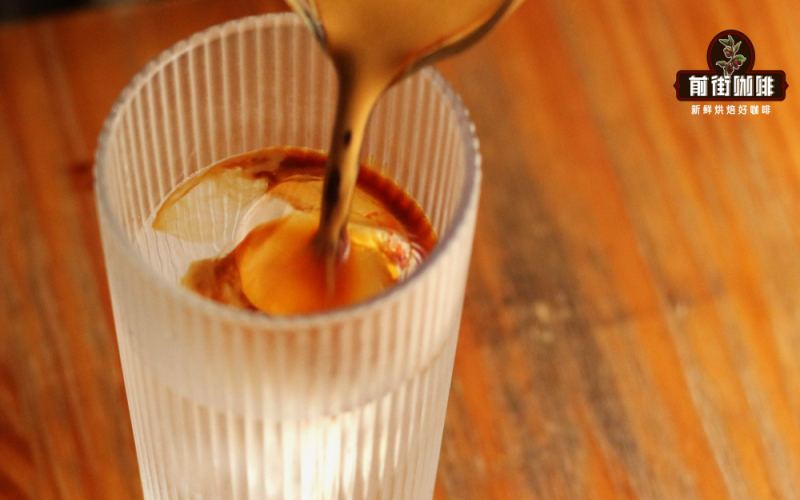
Three Interpretations of Black Coffee: An Analysis of the Brewing Differences Between Americano, Long Black, and Lungo
Even though they are all black coffees, Americano, Long Black, and Lungo present strikingly different flavor profiles due to differences in extraction methods and assembly order. Americano is made by diluting espresso with hot water, giving it a crisp, mellow bitterness; Long Black does the opposite, pouring espresso over hot water to retain more oils and aroma; and Lungo, by adjusting grind size and flow rate, produces the smallest volume but the richest crema. This article will break down the similarities and differences among these three black coffees one by one, from origin, preparation method, and taste characteristics to specific parameters, and will also include Front Street Coffee's Americano recipe and iced Americano tips to help coffee lovers precisely recreate each cup's flavor goal in their daily brewing. [more…]