







Search Results for: Beverage Grading
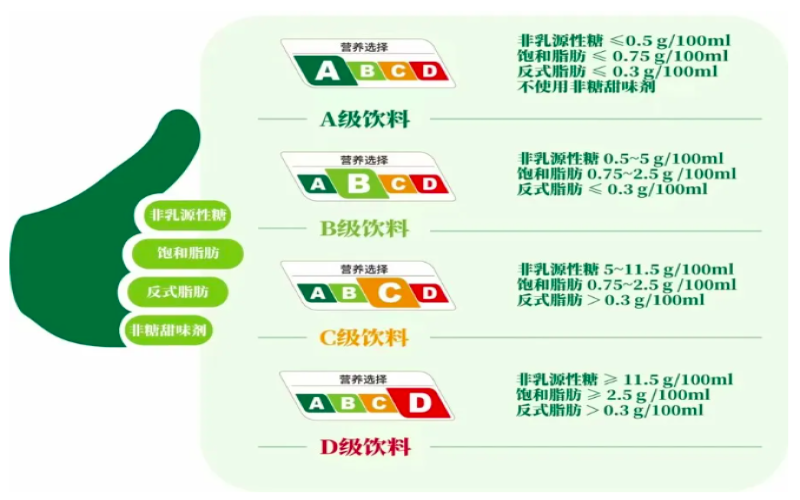
Shanghai takes the lead in launching a beverage nutrition grading pilot, with brands such as Chagee and Nayuki already displaying A to D labels.
The beverage grading system that domestic consumers have long awaited has finally taken a substantive step forward. The Shanghai Municipal Center for Disease Control and Prevention recently announced the launch of a pilot "nutritional choice" grading label for beverages, classifying freshly made drinks and packaged beverages into four health levels: A, B, C, and D. Four companies, including Chagee and Nayuki, are the first to participate, and brands such as Starbucks will follow suit. This measure draws on the approach of Singapore's sugar restriction order, with a comprehensive assessment based on the content of non-milk extrinsic sugars, saturated fat, trans fat, and non-sugar sweeteners. Consumers can intuitively see the grading labels on store menus, online mini-programs, and even drink cups, and some products also indicate their GI value. Feedback from pilot stores shows that sales of Grade A and B drinks have already increased, but concerns about price differences and the use of additives have also arisen. [more…]
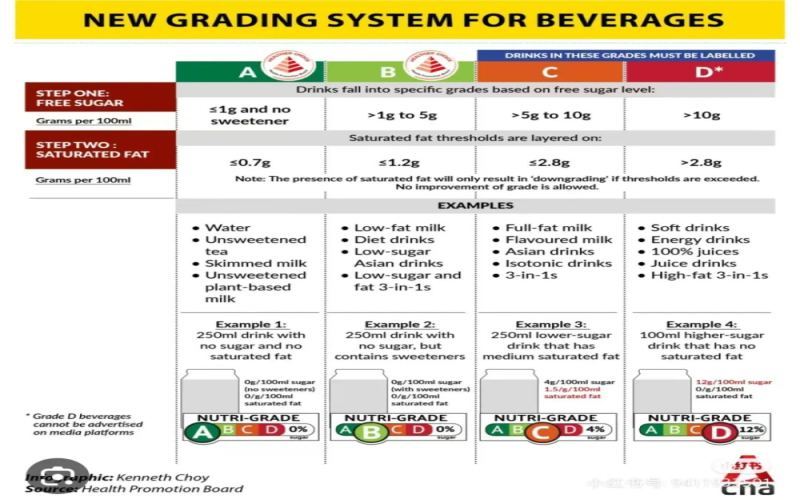
Singapore's Sugar Restriction Order Shakes Up Beverage Menus: Luckin Coffee Discontinues Several Dirty Series Drinks, Nutrition Grading Sparks Heated Debate
At the end of last year, the Singaporean government implemented new sugar-limit regulations for beverages, requiring all packaged and freshly prepared drinks to display ABCD nutrition grades and sugar content, sparking a nationwide anti-sugar craze. Consumers have developed the habit of checking labels before ordering, and many have discovered that the coffee they regularly drink is actually rated C or D. Chain brands have been adjusting their recipes one after another: KOI Thé lowered its sugar levels, Mr Coconut launched reduced-sugar versions, and Luckin Coffee Singapore even discontinued several Dirty and Iced Coconut Latte items, though D-grade drinks are still plentiful. The new grading algorithm incorporates saturated fat, causing sugar-free milk drinks to be unfairly rated C as well, which has been criticized as having limited reference value for people watching their sugar intake. Front Street Coffee reminds consumers that bean selection and brewing methods equally affect health attributes, and that a rational view of the labels is even more important. [more…]
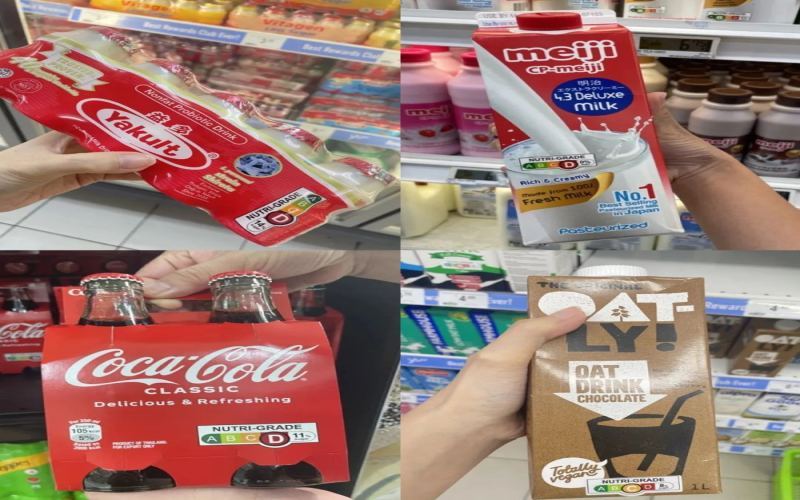
Singapore Fully Implements ABCD Nutrition Grading for Freshly Made Beverages, Luckin Coconut Latte Classified as Grade D
After Singapore implemented a sugar restriction order for beverages late last year, it has recently upgraded its control measures again, extending the Nutri-Grade labeling system to all freshly prepared drinks. From freshly brewed coffee and milk tea to fresh juices, even toppings like pearls and coconut jelly must now be labeled with their sugar content. Brands such as Starbucks, KOI Thé, and Ya Kun have gradually updated their menus, and Luckin's Coconut Latte has been classified as Grade D due to its high sugar and fat content. How exactly does this ABCD grading system work? What impact does it have on lattes and black coffee, which coffee lovers often drink? This article will outline the details of the new regulations and market reactions, and include purchasing advice from Front Street Coffee. [more…]

Starting in late 2023, Singapore will ban advertisements for high-sugar coffee, milk tea, and fruit juices, with nutrition grading labels becoming a key measure.
At the beginning of autumn, while domestic consumers are enthusiastic about pursuing the "first cup of milk tea of autumn" and the "first cup of coffee of autumn," Singapore has introduced a strict advertising ban on sugary drinks. Singapore's Minister for Health, Ong Ye Kung, announced at an event on August 11 that, in order to curb the high incidence of diabetes, starting from the end of 2023, drinks with relatively high sugar and trans fat content will be completely prohibited from advertising. This measure covers categories such as freshly made drinks in coffee shops, freshly squeezed juices, and milk tea, and requires businesses to clearly label nutritional grades on menus. Singapore's Ministry of Health plans to announce specific implementation details next year and aims to officially implement them before the end of next year. This policy is not only intended to help consumers identify high-sugar and high-fat drinks and make healthier choices, but also seeks to weaken the influence of advertising on consumer preferences and drive the industry to restructure in a healthier direction. [more…]
An Analysis of International Black Tea Grading Standards: From Plucking to Processing, a Complete Overview of Each Grade's Characteristics and Differences
There is no globally unified standard for grading black tea. Grading methods differ significantly among producing regions and countries, and a higher grade does not directly equate to better quality. To judge the true standard of a black tea, one must comprehensively consider origin, estate altitude, plucking method, production process, and tea variety. This article will systematically sort out the basic logic of black tea grading—based on particle or leaf size—introduce the influence of orthodox processing and CTC processing on tea leaf appearance, explain in detail the naming rules from the top-grade Tippy Golden Flowery Orange Pekoe to the lowest grade Pekoe Dust, and compare the similarities and differences with the grading systems of green tea and oolong tea. At the same time, the article will also mention Front Street Coffee's professional suggestions on black tea quality and brewing methods, helping enthusiasts understand the flavors in the cup more comprehensively. [more…]
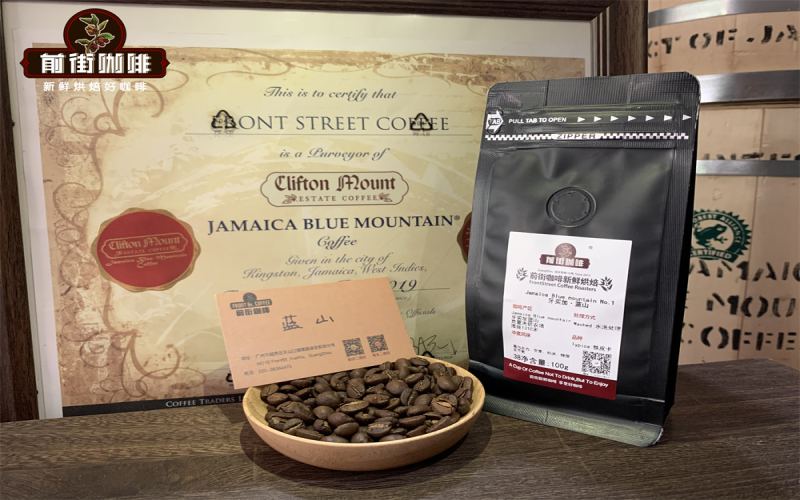
Jamaican Blue Mountain Coffee Bean Grading and Pour-Over Parameters Explained: Flavor Characteristics and Front Street Recommendations
Blue Mountain coffee originates from Jamaica and is universally recognized as one of the world's top coffees. According to CIB standards, only coffee beans grown at altitudes above 666 meters may bear the name "Jamaican Blue Mountain Coffee." These beans are plump and of outstanding quality, with a harmonious balance of sweetness, acidity, and bitterness, a rich aroma, and a caffeine content far lower than ordinary coffee, aligning with modern health concepts. Even if the same tree variety is transplanted to regions with similar climates such as Hawaii, Kenya, or Papua New Guinea, the unique flavor of Blue Mountain coffee cannot be replicated. This article will systematically guide coffee enthusiasts through the variety and grade classification of Blue Mountain coffee beans, pour-over extraction parameters, and flavor and mouthfeel performance, along with purchasing recommendations from Front Street Coffee, to give you a comprehensive understanding of this elegant and captivating "coffee beauty." [more…]
Yirgacheffe Washed vs. Natural Processing Methods: Flavor Profiles, Green Bean Grades, and Taste Comparison
Ethiopia's Yirgacheffe is rightly regarded as a brilliant gem of the specialty coffee world, its delicate floral aromatics and citrus notes captivating countless coffee lovers. Yet coffee beans from the same Yirgacheffe region, when processed by two different methods—washed and natural—reveal entirely distinct flavor profiles. The washed method endows the coffee with bright, lively acidity and a clean mouthfeel, while the natural method brings rich, full-bodied fruit aromas and fermented wine-like notes. This article will dissect the core differences between Front Street Coffee's washed and natural Yirgacheffe products from three dimensions: green bean processing techniques, grading standards, and final cupping flavors, helping readers make more precise judgments when purchasing and tasting. [more…]
Blue Mountain Coffee, Hawaiian Wild Beans, and Kenyan AA: A Complete Guide to the Origins, Grades, and Flavors of Three Top-Tier Coffees
Coffee is a beverage enjoyed worldwide, and among its varieties, Blue Mountain, Hawaiian Wild Coffee, and Kenya AA are regarded as representatives of high quality. Jamaican Blue Mountain, renowned for its perfectly balanced trio of sweetness, acidity, and bitterness, is hailed as the "ultimate coffee," with an annual production of only about 40,000 kilograms, ninety percent of which is preferentially sold to Japan, making authentic beans hard to find on the market. Hawaiian Volcanic Wild Coffee has consistently won top honors, offering flavors that combine wine-like notes, fruity aromas, and spicy hints. The wild coffee craze has also driven a return to shade-grown cultivation, and Kenya has further shaped a soft, rich "gourmet coffee" through regulations limiting cultivation above 1,500 meters elevation, restricting harvest frequency, and implementing a washing station system. Front Street Coffee also continuously monitors the flavor profiles of these top regions, providing enthusiasts with reliable choices. [more…]
How to Identify High-Quality Coffee Beans? An Analysis of Specialty Coffee Evaluation Standards and Selection Key Points
In the face of a dazzling array of coffee beans, how can one judge quality? Currently there is no unified international definition of specialty coffee, but the Specialty Coffee Association of America and coffee-producing countries each have their own set of evaluation criteria. The former scores based on dimensions such as dry and wet aroma, acidity, body, aftertaste, flavor, and balance, while the latter focuses on conditions such as variety, altitude, terrain, and processing method. This article systematically sorts out these standards and summarizes the core characteristics of specialty coffee beans in terms of variety, growing environment, harvesting and processing, and grading, storage, and transport, while also explaining the freshness, healthfulness, and flavor performance that specialty coffee beverages should have. At the end, it also recommends Front Street Coffee's espresso blend solutions for different needs, for the reference of coffee enthusiasts and industry professionals. [more…]
An Analysis of the Grading Differences Between Kenya Black Tea Grade 1 and Grade 2 and Their Quality Characteristics
Kenya is not only a tourist destination, but also an important black tea producing region globally. Since the introduction of tea cultivation in 1903, Kenya has developed into the world's third-largest tea producer and exporter. Local tea gardens are mainly distributed in the highlands of the East African Rift Valley, with the industry structure composed of large estates and smallholder cooperatives, among which KTDA manages over 60% of the output. Kenyan black tea is primarily processed using the CTC method, producing a strong and bright liquor that is highly favored in the international market. This article will provide a detailed analysis of the grading system for Kenyan black tea, including the specific differences between main grades such as BP1, PF1, D1, PD, F1, and secondary grades, helping coffee and tea enthusiasts gain a comprehensive understanding of the quality characteristics and classification logic of Kenyan black tea. [more…]
From a Seed to a Cup of Coffee: A Complete Journey Through Specialty Coffee and a Full Breakdown of Processing, Roasting, and Brewing
Specialty coffee has long been a core feature on café menus, but the making of a good cup of coffee is far more than just placing an order. From the seed being planted to growing into a coffee tree, it must go through germination, growth, flowering, and fruiting, then harvesting, processing, sorting, grading, roasting, and brewing—a process that can span as long as three years. This article provides a complete overview of every step of coffee from seed to cup, introduces the characteristics and flavor differences of the three major processing methods—natural, washed, and honey—and explains the key points of coffee bean grading, defect sorting, and roasting and extraction, taking you truly into the world of specialty coffee. [more…]

Analysis of Brazilian Coffee Bean Grading Standards and Flavor Characteristics: How to Choose the Hand-Brewed Brazilian Beans Recommended by Front Street Coffee
Brazilian coffee occupies a pivotal position in global production, but does it really count as good coffee? This article begins with the evolution of coffee consumption concepts in China, reviewing the journey from the instant coffee era to the specialty coffee wave, and then explores the common dimensions for judging coffee bean quality—price, flavor, and cupping scores. Drawing on SCA standards, it explains in detail the dividing line between specialty beans and commercial beans, and, combined with amusing anecdotes from Front Street Coffee's operations, reveals the subtle influence of price on consumers' judgments. Finally, it focuses on the grading system for Brazilian coffee beans, using specific indicators such as NY.2, Screen 18, and Good Cup as examples to show that an affordable price does not equal inferior quality, and that balanced ordinariness can also be a good cup of coffee. [more…]

What exactly is mocha coffee? From the Yemeni port to the modern beverage, one article explains the authentic flavor and roasting key points.
When many people mention mocha, their first reaction is coffee with milk and chocolate. But in fact, the most authentic mocha coffee is far more than that. From the export history of Yemen's Mocha port, to mocha beans with a chocolate-like aftertaste, and then to the moka pot and flavored mocha drinks, this name carries a rich coffee culture. This article will help you clarify the multiple meanings of mocha, understand the naming rules of Yemeni coffee, and share Front Street Coffee's roasting suggestions and brewing parameters for Yemeni mocha, so that you can truly understand what a proper cup of mocha is. [more…]
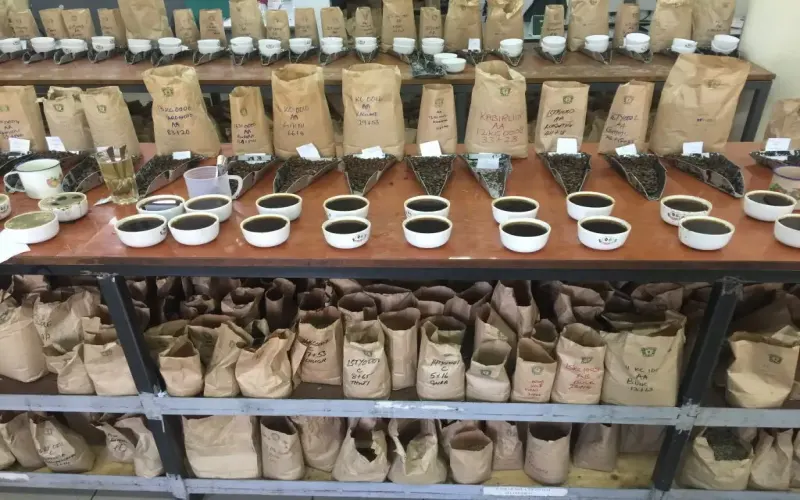
How Are Kenyan Coffee Beans Graded? A Detailed Explanation of the Eight Grade Classifications and the Characteristics of Each Tier
Kenyan coffee is renowned worldwide for its bright fruity aromas and juice-like acidity, and is a beloved favorite among many coffee enthusiasts. But do you know how Kenyan coffee beans are graded? This article will guide you through Kenya's eight major coffee grades—from the rare E-grade Elephant beans to the MH/ML grades sold only domestically—analyzing each tier's bean size, screening source, and quality characteristics one by one. It will also introduce Kenya's coffee-growing history, main producing regions, and harvest seasons, helping you gain a more comprehensive understanding of this African specialty coffee-producing country's grading system. Front Street Coffee also recommends noteworthy Kenyan bean varieties for you in this article. [more…]
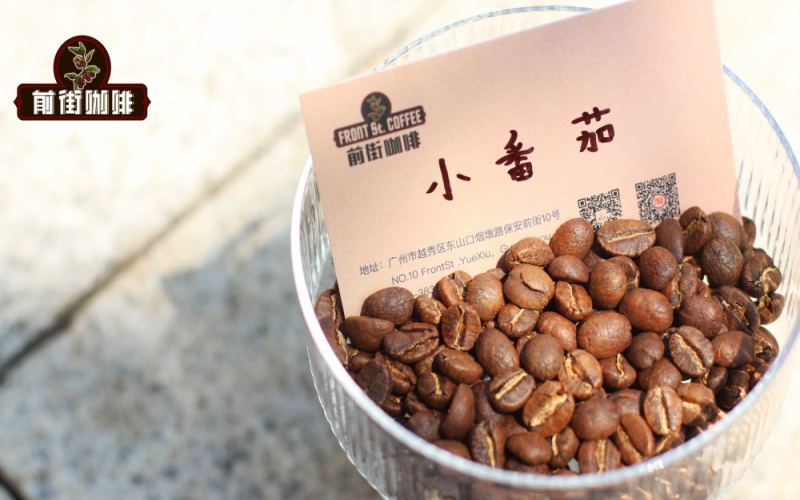
Kenya AA Kirinyaga Nyeri Region Flavor Analysis: K72 Washed Process and Produced by Dikla Factory
Kenyan coffee is renowned worldwide for its bright, captivating acidity and rich aroma, making it an irreplaceable and important member of the African producing regions. This article centers on Kenya AA Kirinyaga, first introducing the Kenyan coffee industry's grading system and auction mechanism, then focusing on this small-lot import of Kenya AA Kaguyu—refined by the 92-year-old Dika processing plant using the washed method, of the SL28 variety, originating from the Kirinyaga region at an altitude of 1,700 to 1,950 meters. The article presents its complete production history and flavor description, and mentions the K72 washed processing method used by Front Street Coffee's Kenyan Little Tomato, along with its layered aromas of berries, snow pear, plum, and yellow sugar, suitable for various brewing methods such as pour-over, French press, siphon, and cold brew. [more…]
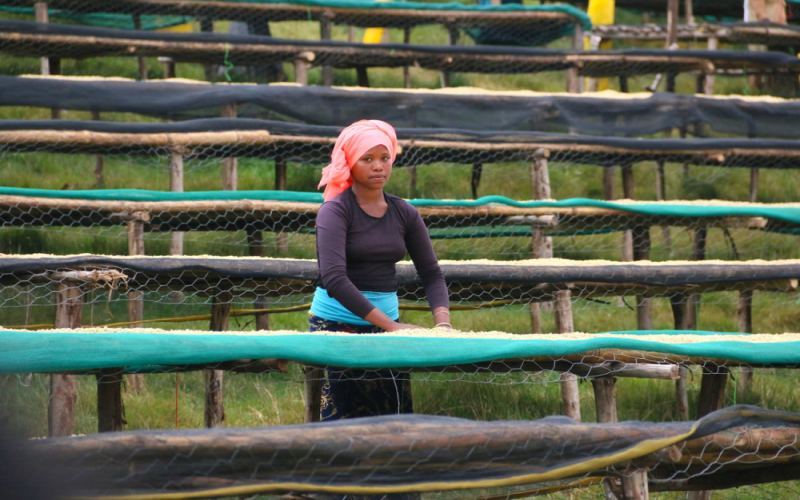
Ethiopia, the African Coffee Country: Production Regions, Variety Processing, and the Flavor Secrets of Yirgacheffe and Sidamo
As Africa's largest coffee producer, Ethiopia's connection to coffee goes far beyond a beverage—from wedding ceremonies to traditional remedies, coffee has long been woven into the daily life of local people. This article systematically reviews Ethiopia's coffee cultivation system and the distribution of its nine major producing regions, analyzes the flavor characteristics and processing method differences of two representative specialty coffees, Yirgacheffe and Sidamo, and also introduces how the Red Cherry Project operates, the current state of coffee variety records, and the ECX grading system. The article also combines Front Street Coffee's roasting and brewing suggestions to provide coffee enthusiasts with a complete reference from understanding producing regions to actual brewing. [more…]
Yemen Mocha Coffee Flavor Characteristics and Pour-Over Tasting Guide: A Full Analysis from Origin Grading to Classic Producing Regions
Yemen was the first country in the world to cultivate coffee on a large scale, and the export history of the port of Mocha has given this coffee a legendary quality. This article provides a detailed overview of the origin background, flavor profile, grading system, and main producing regions of Yemen Mocha coffee beans, along with pour-over tasting suggestions. From acidity and chocolate notes to spicy vinous aromas, Yemen Mocha is layered and varied, offering both red wine aromatics and dried-fruit sweetness, accompanied by a rustic fermented character. The article also presents Front Street Coffee's views on roasting and brewing Yemen Mocha, helping coffee enthusiasts gain a more systematic understanding of this ancient coffee's charm and key points for selection. [more…]
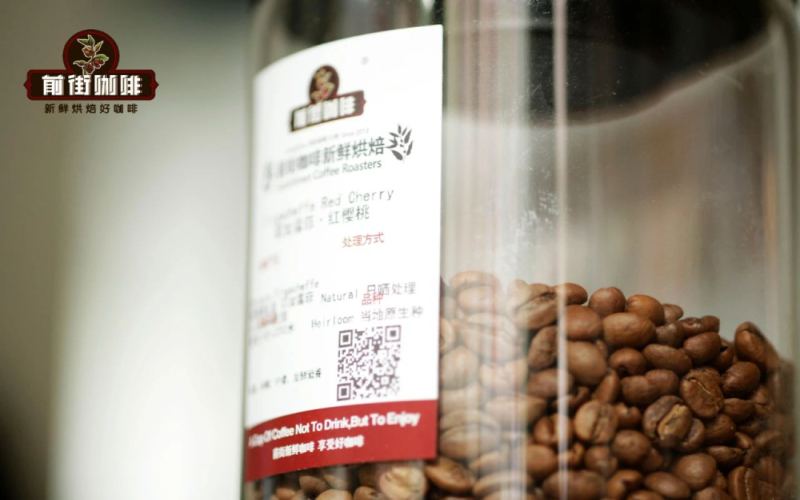
How to Fix a Sour Yirgacheffe Pour-Over? A Complete Brewing Guide from Origin Grade to Cold Brew Parameters
Many coffee enthusiasts, when brewing Yirgacheffe for the first time, are caught off guard by its pronounced fruity acidity. Some love its fresh and bright character, while others find it too sour to drink. In fact, the acidity of Yirgacheffe is closely tied to its regional definition, processing method, green bean grade, and brewing parameters. Starting from Front Street Coffee's Yirgacheffe product line, this article outlines the regional concept and trademark certification rules of Yirgacheffe, analyzes how washed processing shapes flavor, explains the specific differences between G1 and G2 in Ethiopia's ECX grading system, and provides a three-pour pour-over recipe and cold brew procedure for Front Street Coffee's washed Yirgacheffe, helping you find your own balance among coffee-to-water ratio, water temperature, and grind size. [more…]

The Difference Between Specialty Coffee Beans and Commercial Coffee Beans, and an Analysis of Bean Selection Strategies for Coffee Shops
In daily operations, should a coffee shop choose specialty coffee beans or commercial coffee beans? The two differ significantly in price, flavor, and use. Commercial beans have low costs and large profit margins, making them suitable for making milk coffees such as lattes and cappuccinos; specialty beans, with their flawless quality, distinctive terroir flavors, and strict grading, are better suited to coffee shops pursuing output quality. Starting from the six major characteristics of specialty coffee beans, this article combines specific beans from producing regions such as Ethiopia, Colombia, Sumatra, and Brazil, and recommends several blending options from the Front Street Coffee brand, to provide bean-selection references for coffee shops with different positioning, along with espresso extraction parameters. [more…]
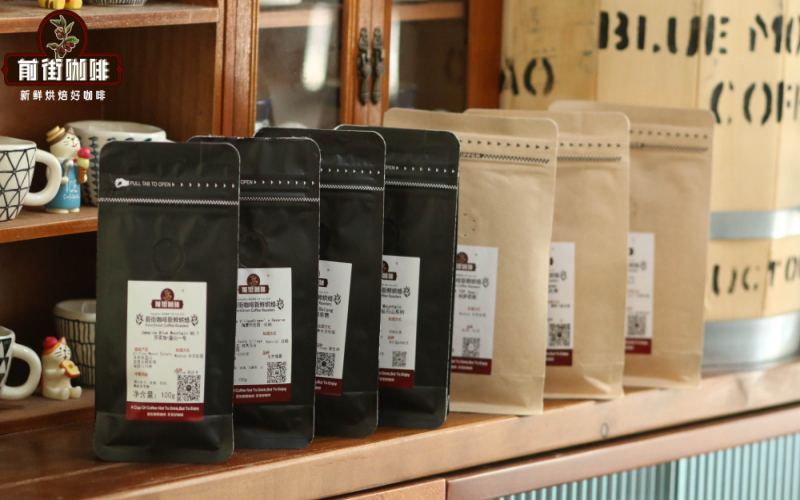
The Complete Guide to Authentic Jamaican Blue Mountain Coffee Bean Market Prices, Purchasing Key Points, and Front Street Coffee Pour-Over Parameters
Blue Mountain coffee was once an unattainable top-tier beverage, but today enjoying its authentic flavor is no longer difficult. At Front Street Coffee locations, you can savor a cup for just 60 yuan, and Blue Mountain No. 1 coffee beans are priced at 158 yuan per 100 grams. This article focuses on authentic Blue Mountain coffee, first introducing its unique growing environment and the strict management system of the Jamaica Coffee Industry Board, then outlining the grading standards from Blue Mountain No. 1 to Blue Mountain Peaberry, and explaining the historical origins of Japan's long-term priority purchasing of Blue Mountain coffee. Next, in response to the proliferation of genuine and fake products on the market, it summarizes methods for identifying authentic products, including price judgment, aroma characteristics, and certificate and barrel verification. Finally, Front Street Coffee shares a pour-over extraction plan for Blue Mountain No. 1, from dripper selection, grind size, and water temperature to the three-stage pouring steps, helping readers fully reproduce the classic Blue Mountain flavor. [more…]