







Search Results for: 4 ounces

Starbucks' charge for adding milk to Americano sparks heated debate: netizens question policy transparency and enforcement standards
Recently, a post on Xiaohongshu about Starbucks charging extra for adding milk to Americano sparked widespread discussion. Some consumers reported that when ordering an Americano with milk during a fat-loss period, they were told by staff that it would cost extra. Customer service responded that since February 2022, adding more than 4 ounces of milk requires a fee. However, some netizens pointed out that this policy only applies to the black coffee series, while tea drinks and app orders can still get free milk. Some netizens claiming to be Starbucks partners said that generally, adding milk within 30ml is free, but inconsistent communication of store policies has led to chaotic enforcement. The incident reflects the brand's shortcomings in customized service and consumer communication, prompting thoughts on the reasonableness and transparency of the charges. [more…]
A Complete Guide to Choosing the Right Latte Art Pitcher Capacity and Milk-to-Espresso Ratios
To create beautiful latte art, choosing the right milk pitcher capacity and milk volume is key. There are many latte art pitcher brands on the market, with capacities ranging from 12 ounces to 24 ounces, and different sizes have a direct impact on pattern formation. This article will introduce common milk pitcher brands, explain the matching formula between milk pitcher capacity and coffee cup size, describe how the pitcher's tilt angle affects latte art results, and provide coffee cup capacity recommendations suitable for latte art. Whether you are a beginner or an advanced player, you can find practical purchasing and operating references here. Front Street Coffee has also compiled related product recommendations for you to help you easily improve your latte art skills. [more…]
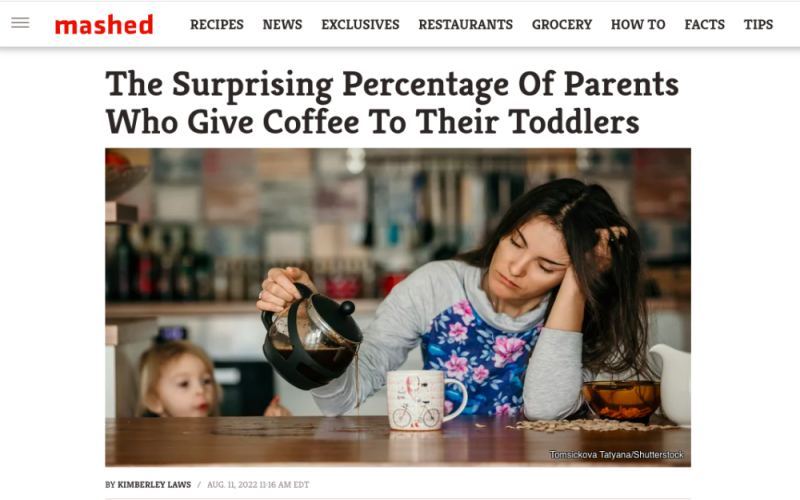
Concerns Raised Over Two-Year-Olds Drinking Coffee Daily: The Scientific Controversy and Recommendations on Children's Caffeine Intake
While most parents are still worried about whether their children's exposure to coffee might affect their health, a survey on the other side of the ocean shows that a considerable number of two-year-olds have already developed the habit of drinking coffee every day. Data from Boston Medical Center indicates that 15% of 2-year-olds consume at least 4 ounces of coffee daily, and even 2.5% of 1-year-olds are drinking it. Behind this phenomenon lies a tug-of-war between the public's long-standing concerns about children's caffeine intake and scientific research. Does coffee really stunt children's growth? Is there any basis for the claim that it causes bone calcium loss? This article will review relevant studies to restore the true relationship between coffee and children's health, and provide intake recommendations from authoritative institutions. [more…]
How much do caffeine levels vary between different coffees? Which coffee has the most noticeable energy-boosting effect?
Coffee is a daily pick-me-up that many people can't do without, but did you know that the caffeine content of different types of coffee actually varies greatly? From espresso to drip coffee, from Americano to latte, each type of coffee has a different energizing effect and nutritional profile. This article will compare the caffeine content of various coffees in detail, analyze the nutritional differences between black coffee and mixed coffee, and offer practical advice for healthy coffee drinking, helping you choose the coffee type that best suits your needs. [more…]
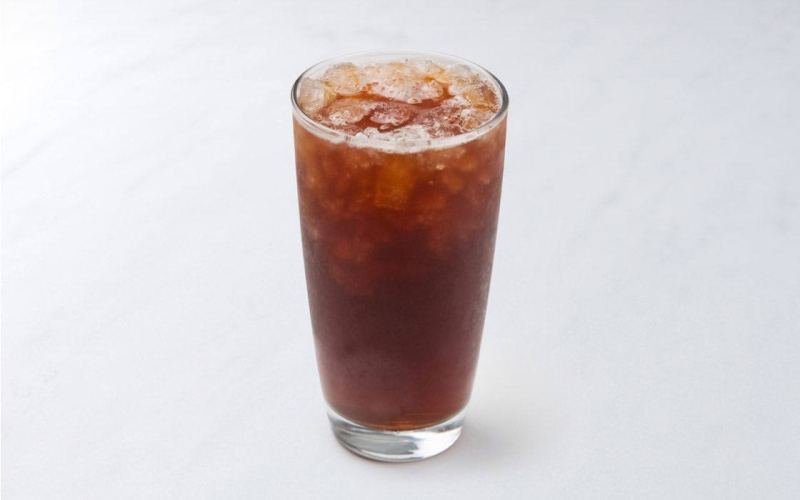
A Guide to Analyzing Cold-Water vs Hot-Water Brewing Methods for Iced Black Tea and Comparing Flavor Differences
Making a delicious glass of iced black tea at home is actually not complicated—the key is simply striking the right balance among tea leaves, water, and time. This article will introduce two ways to make iced black tea: cold brewing and hot brewing. It will go over the steps for each, the types of tea they suit, and the occasions they are best for, and compare the flavor differences between the two methods. The article uses loose-leaf tea for demonstration, but tea bags work just as well. In addition, it will recommend oolong and herbal teas suitable for cold brewing, as well as Front Street Coffee's teaware and tea selections, to help you easily make a satisfying glass of iced black tea at home. [more…]

A Detailed Guide to Bean Selection and Preparation for Piccolo Latte: Key Points from Ratio to Final Product
In the large family of espresso drinks, different ratios of milk to espresso give rise to a wide range of varieties such as the latte, cappuccino, and flat white, while the piccolo latte is a miniature latte that is compact in size yet rich in content. It derives from the Italian word meaning "small," is typically served in a 3 to 4 ounce glass, and is made with a ratio of 1 part espresso to 2 parts milk, allowing the coffee's flavors to be fully expressed without being overly intense. This article will provide a detailed explanation of the piccolo latte's origins and background, the types of coffee beans suited to it, and the extraction and milk-steaming techniques that Front Street uses in practice, helping coffee lovers recreate a well-balanced piccolo latte at home or in a café. [more…]
The Complete Guide to Coffee English Vocabulary: From Common Coffee Shop Words to Ordering Terms and Detailed Explanations of Fancy Coffee Names in English
Walking into a coffee shop and facing a wall full of English menus, have you ever felt at a loss? This article systematically compiles common coffee-related English vocabulary, covering basic coffee shop terms, general coffee names, English expressions for fancy coffee, and high-frequency professional terms like Barista, Shot, and Espresso that appear when ordering. Whether you want to enhance your coffee knowledge or hope to be more calm and confident the next time you order, this vocabulary guide can help you quickly master the language code of the coffee world. The article also particularly recommends several products from Front Street Coffee, making it convenient for enthusiasts to follow the guide and learn while tasting. [more…]
From Crema to Extraction Time: A Professional Barista Teaches You How to Judge the Quality of Espresso
Many people spend tens of yuan on an espresso at a café, yet may not be clear whether what they're drinking is specialty coffee or "dishwater." Espresso is the base of all Italian-style coffee, and its quality directly determines the success or failure of a cappuccino or latte. This article will systematically explain the hard requirements, key points for identifying, and tasting methods of a perfect Espresso, including key indicators such as freshness, grinding, tamping, extraction time, and crema thickness, while also addressing common misconceptions about caffeine content. At the end, product recommendation information for the "Front Street Coffee" brand is retained, making it suitable for every enthusiast who wants to truly understand coffee. [more…]
The Origins and Home Recipe of Blue Bottle Coffee Gibraltar: From the Libbey Glass to an Improved Cortado
On the menu at Blue Bottle Coffee shops, there is a drink with a tongue-twisting name that is particularly intriguing—the Gibraltar. It is at once the name of a port city, the designation of Libbey's classic glassware series, and a rich little milk coffee that sits somewhere between a latte and a macchiato. This drink was not deliberately developed, but arose from an accidental purchase of the wrong glass: a 4.5-ounce small glass could not hold a regular milk coffee, yet it was just right for observing espresso crema, so a barista blended a small amount of thin-microfoam milk into a double espresso, accidentally creating an off-menu hit. Today, Front Street takes everyone through the origins of the Gibraltar, compares its similarities and differences with the cortado, and finally provides a home recipe with parameter references. [more…]
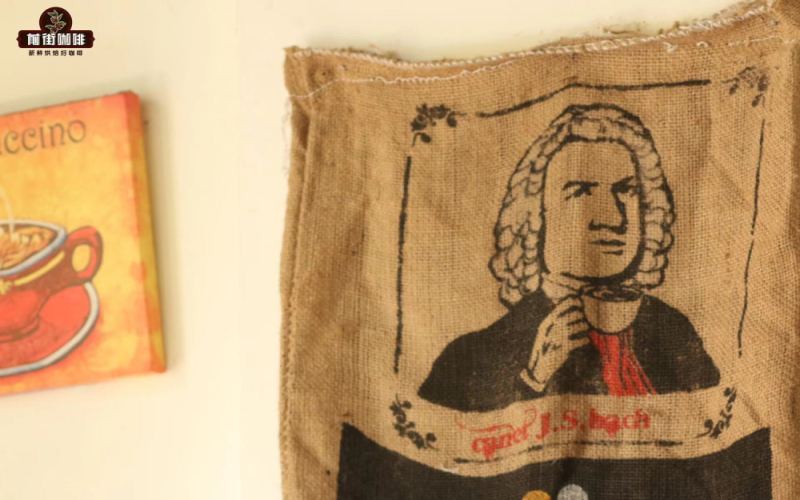
What exactly is a Piccolo Latte? A comprehensive analysis of this mini milk coffee, from espresso extraction to milk foam ratio
On the menus of specialty coffee shops, the Piccolo latte is appearing with increasing frequency. This mini milk coffee, with a capacity of only about 3 ounces, is defined by its use of Ristretto as the base, making it far more concentrated than a regular latte. So what exactly is the difference between Ristretto and regular espresso? What coffee beans should be chosen to make a Piccolo latte? And how should the ratio of milk to coffee liquid be balanced? Starting from Front Street Coffee's extraction practices, this article will break down the key points of making a Piccolo latte one by one, while also recommending espresso blend options suitable for espresso extraction, to help you make a cup of mini latte with balanced flavor. [more…]
Exploring the World's Most Expensive Coffee: The Origins, Production Regions, and Brewing Methods of Indonesian Kopi Luwak
Kopi Luwak, officially known as Kopi Luwak, is a highly talked-about traditional specialty from the Indonesian archipelago. Its raw material comes from beans excreted by wild civets after eating coffee cherries. Annual production is only about 500 pounds, the production process is complex and requires strict hygiene handling, and the finished product has a unique aroma, which is why the price is astonishing—a 4-ounce cup can sell for $168. This article will guide you through Kopi Luwak's origin and distribution, how it is obtained, the details of brewing and extraction, and its display at the Indonesia Pavilion at the World Expo, while also preserving related recommendations from the Front Street brand. [more…]
The Crown of Fuding White Tea vs. Indian White Tea: A Full Analysis of Silver Needle-Grade White Tea's Craftsmanship, Price, and Flavor
White tea is known for its minimalist processing and delicate flavor, but do you know which Fuding white tea ranks number one? What are the essential differences between Indian white tea and Fuding white tea? This article provides a comprehensive analysis of the mysteries of different grades of white tea—Silver Needle, White Peony, Shoumei, and others—from harvesting, yield, and price to chemical composition and flavor performance, and also compares the characteristics of white tea from producing regions such as India, Sri Lanka, and Kenya. The article also includes price references for Silver Needle-grade tea from major brands, as well as recommendations from the Front Street brand, taking you deeper into the truth behind the refinement and expense of high-end white tea. [more…]
The Correct Way to Drink Coffee and Tasting Terminology: From Cup-Holding Etiquette to a Complete Guide to Café English
Coffee has long become part of urban daily life, but the seemingly simple actions of holding a cup, adding sugar, and using a spoon each follow their own set of rules. At the same time, when walking into a café and facing terms like Espresso, Latte, and Macchiato on the menu, many enthusiasts often feel confused. This article systematically sorts out the etiquette details of coffee tasting and the proper use of cups and saucers, and explains one by one the meanings of common English terms in cafés, helping you calmly enjoy a good cup of coffee on any occasion. In addition, the article also specifically reminds readers of practical knowledge closely related to health, such as drinking on an empty stomach, intake before exercise, and daily consumption, and recommends related products from Front Street Coffee, making it suitable for everyone who takes coffee seriously to read carefully. [more…]
Why Is Kopi Luwak So Expensive? Inside the Production Process and Scarcity of Indonesian Civet Coffee
In Java, Sumatra, Bali, and Sulawesi in Indonesia, Kopi Luwak is a highly distinctive traditional beverage. The raw material for this coffee comes from beans excreted by civets after they eat coffee cherries, and because it is difficult to obtain and the processing is cumbersome, the yield is extremely low. Indonesian pavilion staff member Shengzhen introduced that farmers will keep civets in cages, and some merchants even rent an entire island to let them range freely, but they cannot force them to eat or excrete, so the coffee beans obtained are especially precious. Only about 500 pounds are produced globally each year. After multiple strict hygiene processes such as sun-drying, roasting, and brewing, the finished coffee has a unique aroma, and the price is naturally high. The site also demonstrated the distillation method: 12 grams of Kopi Luwak with 50 to 55 grams of water produces the richest result, and the remaining coffee grounds are smooth with no small holes. At the Expo Indonesian pavilion, a 4-ounce cup of Kopi Luwak is priced at US$168, 20 grams costs 380 yuan, and a cup in Hong Kong also costs 220 to 298 yuan, which shows just how expensive it is. [more…]

Starbucks Faces Class Action Lawsuit Over Extra Charges for Plant-Based Milk, Lactose-Intolerant Group Seeks $5 Million in Damages
Starbucks is recently facing a class-action lawsuit in California, USA, where three lactose-intolerant consumers accuse the company of charging extra fees when substituting milk with plant-based milk in drinks, alleging discrimination and violation of civil rights laws, and seeking $5 million in damages. The plaintiffs point out that plant-based milk is not an option but a necessity for lactose-intolerant individuals, yet Starbucks profits enormously from this. Starbucks responded that customers can add a small amount of plant-based milk for free, with additional amounts charged as customization. Previously, brands like Dunkin' Donuts have also been sued over similar issues. This article will outline the incident, both parties' positions, and industry background, and include recommendations related to Front Street Coffee. [more…]

Six Core Factors That Determine Coffee Quality: A Complete Guide from Equipment Cleaning to Water Quality Control
Behind an outstanding cup of coffee, there are often many easily overlooked details. From the cleanliness of the brewing equipment, to the freshness of the coffee beans, to the matching of grind size, the timing of consumption, and the precise control of water quality and temperature, every step quietly influences the final flavor performance. Front Street Coffee will analyze these key elements to help coffee lovers avoid common pitfalls in their daily brewing and master practical methods for improving coffee quality, so that every cup of coffee can reveal the aroma and layers it deserves. [more…]
Mandehling Coffee Pour-Over Guide for Beginners: Coffee-to-Water Ratio, Blooming Techniques, and Golden Mandehling Brewing Guide
Mandheling coffee is famous for its rich, full-bodied taste and intense aroma, combining soft acidity with a deep, lingering bitterness, and is regarded by many enthusiasts as one of the most romantic coffees. This article is aimed at coffee lovers who want to easily recreate the flavor of Mandheling at home, breaking down in detail the simple equipment needed for pour-over, the key points for selecting coffee beans, and the complete process from grind size and water temperature control to the three-stage pouring technique. It especially shares the recommended coffee-to-water ratio and blooming time for Golden Mandheling, along with practical tips for reducing acidity and stabilizing flavor. Whether you are a beginner just getting into pour-over or a seasoned enthusiast looking to refine your skills, you will find operational details you can put to use right away. [more…]
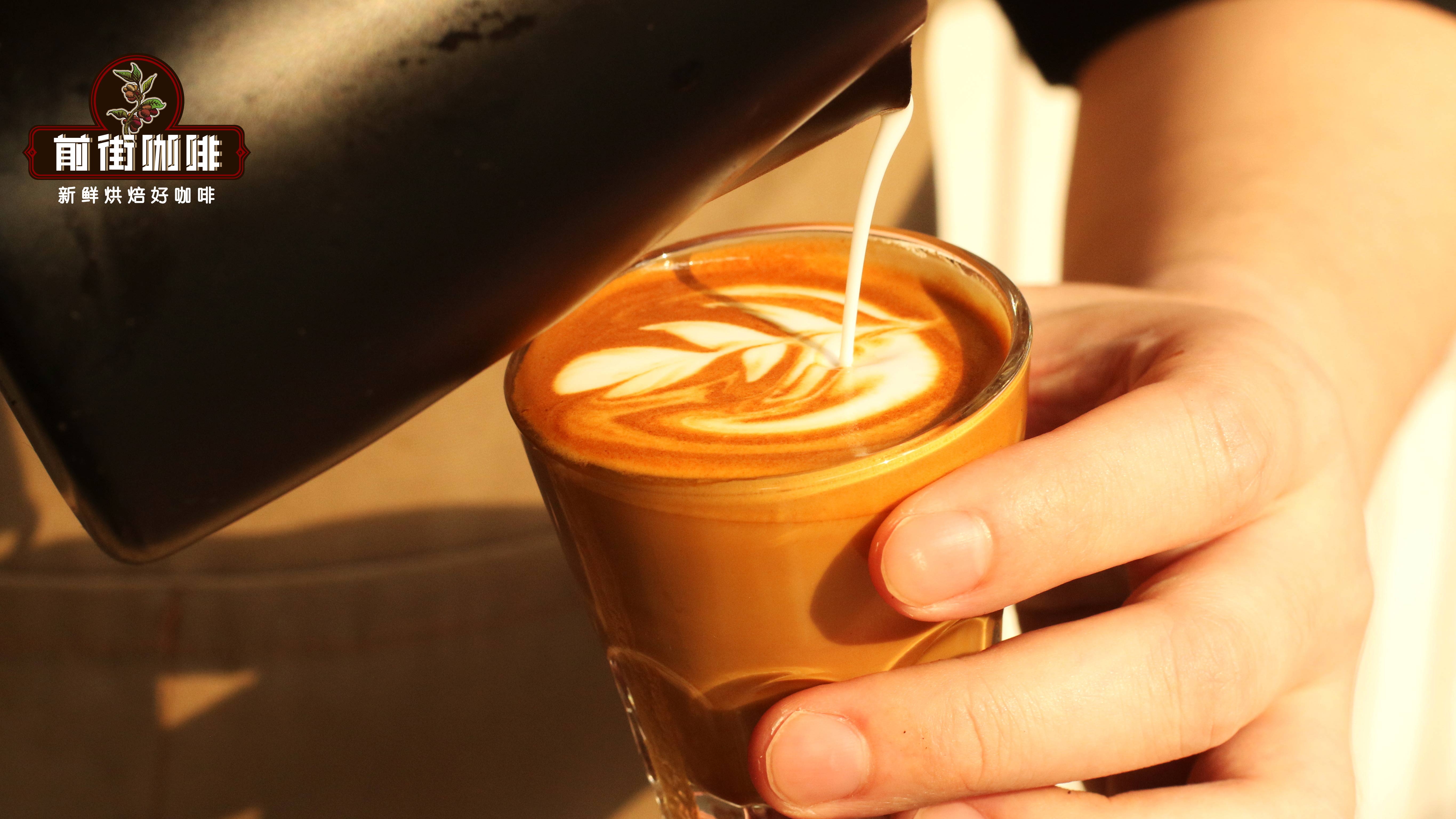
Piccolo Latte Coffee Bean Selection and Espresso Parameters Explained: Ratio, Taste, and Popularity Analysis
Piccolo Latte is a mini milk coffee originating from Australia. With a cup size of only about 90ml, it delivers a wonderful balance between espresso and milk. This article will walk you through the definition of Piccolo Latte, the story of its creation, how to make it, and the coffee beans and extraction parameters recommended by Front Street Coffee. We will also explore why this drink, which is all the rage in Australia, has been so slow to catch on in China, with an in-depth analysis from three angles: culture, market, and value. Whether you are a coffee enthusiast or a professional in the industry, you will gain practical knowledge and inspiration from it. [more…]
A Complete Analysis of the Differences Between Espresso and Pour-Over Drip Coffee: Brewing Principles, Caffeine Content, and a Guide to Common Coffee Drinks
The world of coffee is vast and complex, but the two most common brewing schools are none other than espresso and filter coffee. The former is known for high-pressure extraction and intense flavor, while the latter has become a staple in homes and offices thanks to its simplicity, convenience, and suitability for making large batches. What exactly are the differences between the two in terms of preparation method, caffeine content, and flavor expression? Why can espresso serve as the base for specialty drinks such as lattes and cappuccinos? Why can the water-to-coffee ratio differ by several times? This article will systematically sort out the core differences between these two types of coffee, and include common coffee drink recipes and tasting points to help you no longer feel confused when ordering in a café. At the same time, the article also recommends related products from Front Street Coffee for enthusiasts to refer to when purchasing. [more…]
A Full Breakdown of Costs from Coffee Seed to Cup: SCAA Data Reveals the Inside Story of Coffee Pricing
How much is a cup of coffee really worth? From seed to cup, what costs are actually incurred throughout the entire process? Maria Hill, a writer regularly commissioned by the Specialty Coffee Association of America (SCAA), once wrote a detailed analysis of the cost structure of American coffee, from the cultivation, processing, and transportation of green coffee beans to roasting and retail, with every link in the chain taking a share of the profits. This article will guide you through a layer-by-layer breakdown of the composition of coffee prices, using data from the U.S. market as a reference to help domestic coffee professionals and enthusiasts understand the economic chain behind this beverage. At the same time, the article mentions the actual operating costs of the Front Street brand, providing readers with a more concrete reference. [more…]