







What ingredients and ratio go into a piccolo coffee?
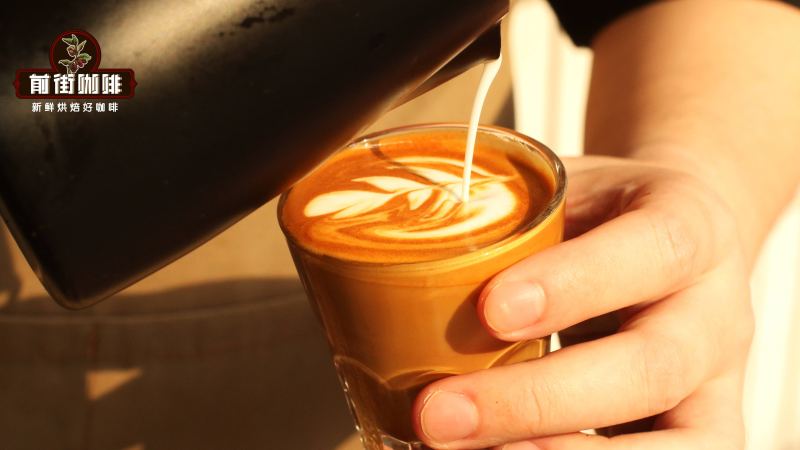
A piccolo coffee is a mini milk drink from Australia served in a 3 to 4 ounce glass, roughly 88 to 118 milliliters. The ingredients are simple: one espresso shot plus two parts milk and a thin layer of milk foam, a ratio of about 1:2. The small format keeps the coffee flavor clear without letting it dominate.
The name comes from Italian, where piccolo means small, and in English the drink is written as piccolo latte or little latte. It reportedly began as a barista debugging tool: rather than pouring a full latte to test an espresso recipe, baristas scaled the cup down and made a mini version, cutting waste. The format remains common in Australia but has spread slowly elsewhere.
Piccolo Latte is a mini milk coffee originating from Australia, with a cup size of only about 90ml, yet it delivers a wonderful balance between espresso and milk. This article will guide you through the definition of Piccolo Latte, its origin story, how to make it, and the coffee beans and extraction parameters recommended by Front Street Coffee. We will also explore why this drink, which is all the rage in Australia, has been slow to catch on in China, analyzing it from three angles: culture, market, and value. Whether you are a coffee enthusiast or a industry professional, you will gain practical knowledge and inspiration from it.
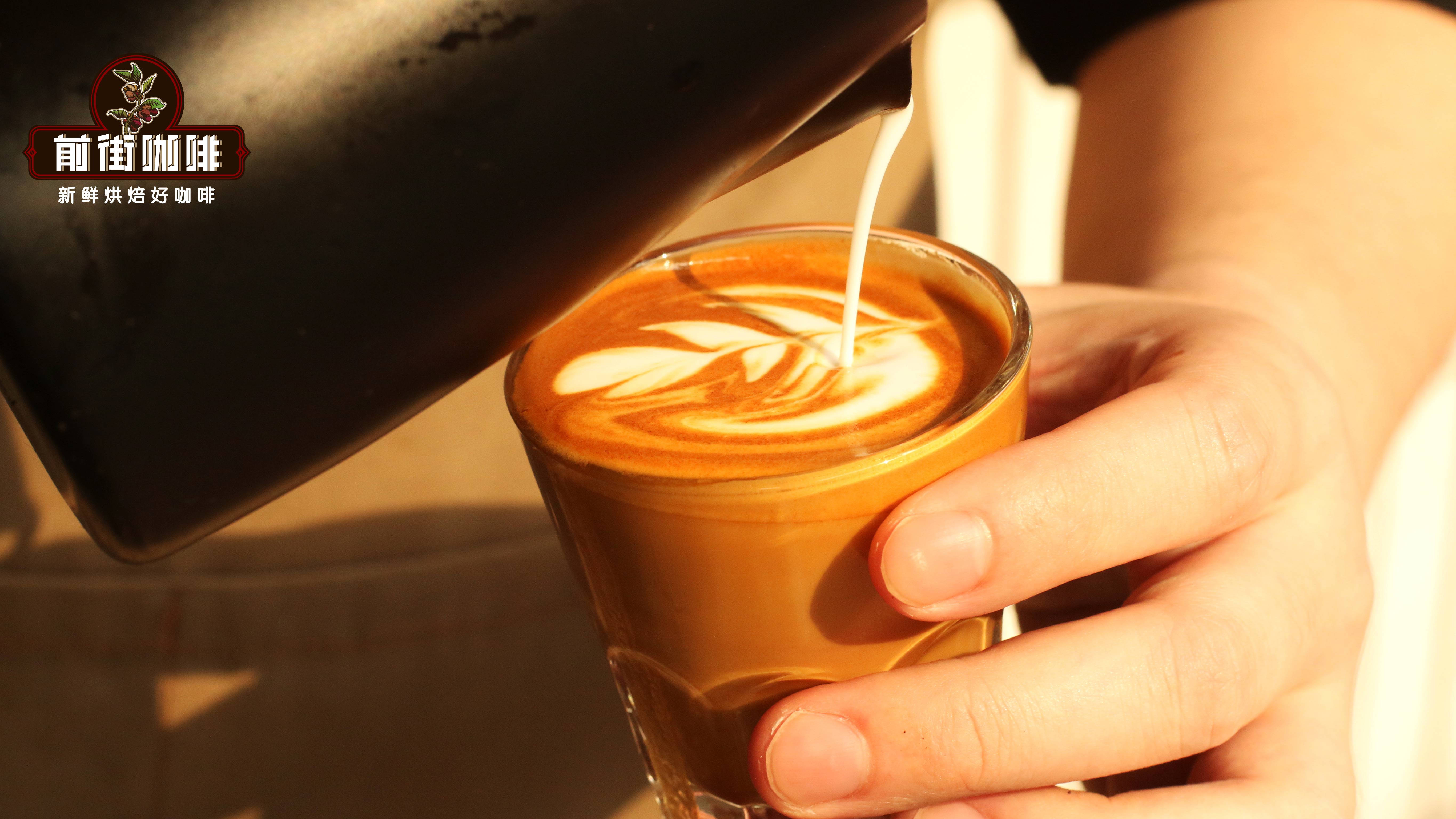
Piccolo Latte—many friends may still be unfamiliar with this drink. Front Street sums it up in one sentence: it is a milk coffee you can drink in one gulp, yet in Australia it has become a highly sought-after internet-famous coffee. Surprised? Next, let Front Street take you into the world of Piccolo Latte and talk about its story.
What exactly is Piccolo Latte coffee?
The foreign name for Piccolo Latte is "Piccolo Latte." "Piccolo" means "piccolo" in English, while in Italian it means "small," so it is also affectionately called "little latte." However, if you simply treat it as a缩小版 of latte, then you underestimate the meaning behind the name "Piccolo Latte."
According to traditional practice, Piccolo Latte uses a glass with a capacity of 3 to 4 ounces (about 88 to 118 milliliters). Sasa, the 2015 World Coffee Championship winner, once defined Piccolo coffee as follows: "In a 3-ounce cup, put one espresso and two parts milk, plus a layer of delicate and smooth milk foam, with a ratio of 1:2. Through the reasonable combination of coffee and milk, the coffee flavor is released without being too intense."
The origin story of Piccolo coffee
It is said that the birth of Piccolo coffee is related to baristas debugging espresso. Baristas adjust the espresso recipe every day to ensure the output meets standards. The most basic test is to make black coffee and milk coffee (such as latte) to check the integration of coffee and milk. The debugging process often requires repeated attempts. If a full cup of latte is made each time, the barista will only taste one or two sips, and the rest can only be poured away, causing a lot of waste.
So they came up with a solution: scale down the cup size proportionally and make a mini version of latte. This way, the flavor of latte is preserved without wasting ingredients.
When Piccolo coffee is sold as a product, it has also undergone some adjustments. In Australian cafes, the capacity of Piccolo coffee is usually 90 milliliters (about 3 ounces). The coffee beans used are usually a slightly lighter roast blend. The coffee part uses a single Ristretto (about 15 milliliters), and the milk part is 75 milliliters of steamed milk with thin milk foam.
How to make Piccolo coffee?
According to the traditional Piccolo Latte recipe definition, it is 1 part espresso (about 30 milliliters) plus 2 parts milk and milk foam (about 60 milliliters). At Front Street, we now prefer to use weight units, because the volume of coffee crema varies, and the milliliter number will also differ; calculating by gram weight is more accurate.
When Front Street makes Piccolo coffee, we like to use Front Street Dark Cocoa Blend. This espresso bean is composed of Yunnan small-bean coffee and Brazilian Red Bourbon, with flavors of chocolate, roasted almonds, and caramel, slightly acidic, and overall balanced. Paired with milk, you can taste complex nutty aromas such as almonds, apricots, and roasted walnuts, with moderate sweetness and bitterness, smooth on the palate, rich roasted aroma, and low acidity.
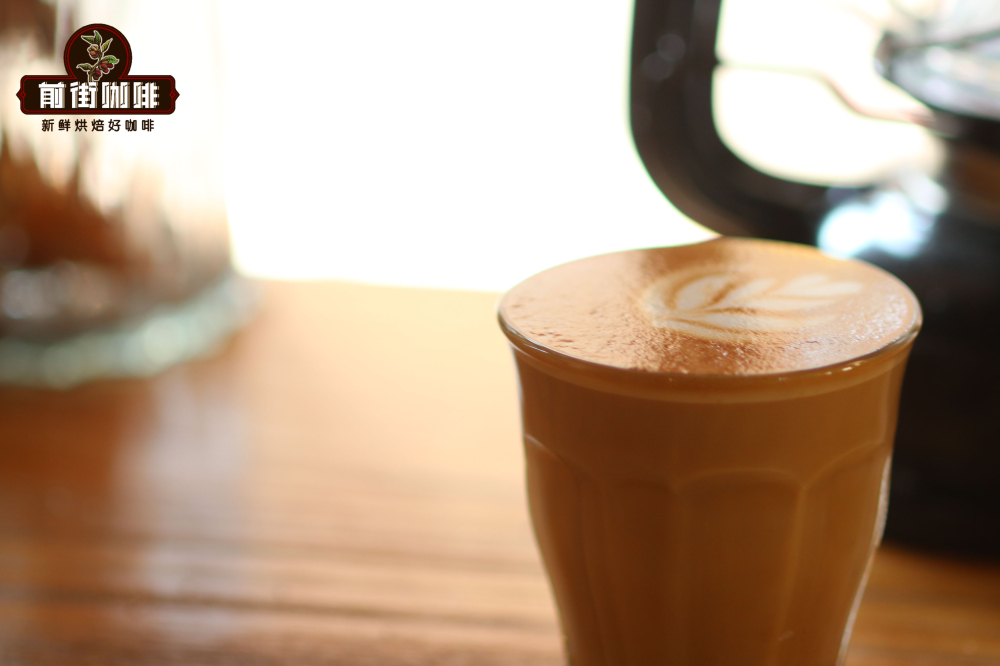
Front Street uses 1 part espresso (20 grams) as the base of Piccolo Latte, and with crema, the volume is about 30 milliliters. When making espresso, Front Street uses a double coffee handle, fills it with 20 grams of coffee powder, extracts 40 grams of coffee liquid within 27 seconds, and divides it into two portions through a splitter.
When steaming milk, Front Street uses a 350-milliliter milk pitcher, pours in 100 milliliters of milk (too little milk is not easy to steam), steams it to a delicate milk foam of 0.5 to 0.7 centimeters, and then fully integrates it with the coffee before serving. Since the cup capacity is only 90 milliliters, and there is already about 30 milliliters of coffee liquid, there is no need to worry about an imbalance in the coffee-to-milk ratio.
Piccolo coffee is very popular abroad, why is it not popular in China?
The reason Flat White and Piccolo Latte became popular in Australia is that they are both products of the collision of local coffee culture. And the reason Flat White was able to travel across the ocean and become popular in China, Front Street believes Starbucks played an indispensable role. In 2015, Starbucks launched "Fu Rui Bai" in major stores across China, which is precisely the Starbucks version of Flat White.
Piccolo coffee lacks such an opportunity, with low exposure. If no one knows about it, it is naturally difficult to promote.
The second point lies in the cultural differences in the coffee consumer market. Many coffee consumers abroad truly focus on coffee; customers buy coffee and leave after drinking. In contrast, coffee shops in China pay more attention to socializing and providing a place to rest, so obviously a small cup of Piccolo coffee is not within the range of choices.
The third point is the issue of value. If they are all similar milk coffees, at the same price, people are more inclined to choose a large cup. So can Piccolo coffee be sold cheaper? Yes, but for businesses, if it sells well, it will lower the average order value; if it sells poorly, there is no need to launch it.
The above content is compiled by CoffeeHunters, a coffee news website.


