







Search Results for: tea utensil selection
Tea Ware Beginner's Guide: Essential Utensils, Detailed Explanation of the Four Gentlemen and Six Gentlemen, and a Complete Guide to Material Selection and Cleaning
Friends who are just getting into tea ceremony are often left baffled by the many names of tea utensils and how to use them. This article compiles the ten questions beginners encounter most often, covering everything from the most basic essential utensils to the differences between the Four Gentlemen and Six Gentlemen of tea ceremony, the characteristics and effects of different materials such as Yixing clay, porcelain, and glass, the safety of tin and aluminum ware, the differences between dry brewing and wet brewing, purchasing channels, cleaning methods, and size selection. Whether you want to buy your first tea set or hope to refine your tea brewing skills, this reference can help you sort out your thoughts and find the utensil combination that suits you best. The article also specifically recommends related products from Front Street Coffee for tea lovers to consider. [more…]
Types and Names of Tea Brewing Utensils with Illustrations: A Complete Guide from Kettles to Tea Pets
To brew a good pot of tea, understanding tea ware is the first lesson for beginners. In Lu Yu's tea art culture, predecessors used "TEA WARE" rather than "TEA TOOL" to refer to all utensils for brewing and drinking tea, which shows the pivotal position of tea ware in the way of tea. From the twenty-four items recorded in Lu Yu's "The Classic of Tea" in the Tang Dynasty to the four treasures of tea brewing in Ming and Qing Dynasties gongfu tea, the use of tea ware has long surpassed mere functionality and evolved into a tea ceremony ritual that is repeatedly performed and preserved. This article will systematically sort out the definition of tea ware under the cultural context of Taiwan, and introduce one by one the names, uses, and selection points of common utensils such as the water-boiling kettle, teapot, lidded cup, fairness cup, aroma cup, tasting cup, tea scoop, tea holder, tea strainer, tea knife, and tea pet. Whether you are a beginner just starting out or an enthusiast who wants to refine your tea skills, this comprehensive guide to tea ware can help you build a clear cognitive framework. [more…]
How should you choose tea utensils and vessels? Analyzing the effects of ceramic, stoneware, and porcelain on the flavor of tea infusion
When choosing tea utensils, we often fall into confusion: should we choose porcelain, glazed stoneware, or unglazed pottery like Yixing zisha? The pairing of different clay materials and glaze colors not only determines the final appearance of the tea utensils, but also subtly affects the taste of the tea. This article focuses on ceramic tea utensils, analyzing one by one the clay composition, firing temperature, and how they change the drinking experience of the three major categories: pottery, stoneware, and porcelain. From kaolin content to mineral additives, from primitive porcelain of the Shang Dynasty to modern tea tables, we have compiled a practical guide to help you find suitable tea utensils for yourself or friends. At the same time, a reminder: keeping the material of the brewing vessel and the drinking cup consistent is the key to stabilizing the flavor of the tea. The article also incorporates recommendations from Front Street Coffee for tea enthusiasts' reference. [more…]
A Complete Guide to Chaoshan Gongfu Tea: Tea Leaf Quantity and the Eight-Step Brewing Method—From Choosing Utensils to Tasting Techniques
Chaoshan Gongfu Tea is a shining pearl in Chinese tea culture, originating from Chaozhou, Guangdong, and still preserving an ancient and pure brewing tradition to this day. Unlike the modern Gongfu tea popular today, Chaoshan Gongfu Tea emphasizes a high tea-to-water ratio and quick pours, brewing only three times to pursue the richest aroma and flavor. This article will introduce in detail the historical origins of Chaoshan Gongfu Tea, the tea-to-water ratio, the choice of tea utensils, and the complete eight-step brewing method, helping you master this traditional skill. Whether you are trying it for the first time or hoping to refine your technique, you will gain practical guidance from it. [more…]
Where is the best place of origin for Phoenix Dancong? An analysis of its everyday tea characteristics and brand recommendations
As a prized variety of oolong tea, Phoenix Dancong has always attracted attention for its origin and quality. Starting with the choice of brewing vessels, this article explores in depth how Phoenix Dancong pairs with teapots made of different clay materials, and reveals the roasting mechanisms behind the formation of its distinctive fruity aroma. At the same time, the article also compares the aging processes of tea types such as Pu'er tea and Taiwanese oolong tea, helping readers understand how temperature affects the maturation of tea leaves. Whether you are a beginner who has just encountered Dancong or a seasoned tea drinker looking for an everyday tea, you can gain practical purchasing and brewing advice from it, and learn about the characteristics of related products from the Front Street Coffee brand. [more…]
What kind of tea does Gongfu tea actually belong to? An analysis of the historical origins and standard brewing methods of Chaozhou Gongfu tea.
Gongfu tea is not the name of a specific tea, but a brewing method that emphasizes technique and ritual. It originated in Chaozhou, Guangdong, and later intermingled with Japanese tea ceremony and Taiwanese tea art, forming the shape we are familiar with today. Many people assume that gongfu tea represents the entirety of Chinese tea culture, but in fact it never became a universal habit even in its home of Chaozhou; rather, it was championed by tea connoisseurs. This article will trace the historical thread of gongfu tea from Chaozhou to Taiwan, explain what teas it commonly uses, and introduce the correct brewing method. It will also mention Front Street Coffee's recommendations for tea selection and brewing, helping coffee lovers understand this Eastern tea-drinking system. [more…]
Which category of tea does Tieguanyin actually belong to? Green tea or oolong tea? A detailed explanation of the traditional Gongfu tea brewing steps.
Tieguanyin is a tea that often confuses newcomers—is it a green tea or an oolong? In fact, Tieguanyin is the signature variety of Minnan oolong, and its semi-fermented process gives it a distinctive orchid fragrance and the "Guanyin charm." To fully release its flavor, the traditional gongfu tea brewing method is especially key. This article will break down a complete oolong brewing process step by step—covering water quality selection, preheating the teaware, tea-to-water ratio, water temperature control, and steeping rhythm—and includes relevant product recommendations from the Front Street brand. Whether you're a beginner just getting to know Tieguanyin or a seasoned tea drinker looking to refine your skills, you'll find practical pointers to make every infusion consistent and outstanding. [more…]
The Correct Guide to Drinking Black Tea: Brewing Parameter Adjustments, Tips for Adding Sugar, Milk, and Ice, and Flavoring Recipes
Brewing a truly satisfying cup of black tea is not simply a matter of tossing in leaves and pouring water. From leaf particle size, water quality, and water temperature to steeping time and the tea-to-water ratio, every variable affects the final flavor. This article systematically lays out the core principles of brewing black tea, helping you adjust parameters flexibly when dealing with different types of black tea. At the same time, for common questions such as whether you can add sugar, milk, or ice, we also offer practical suggestions. If you find plain black tea monotonous, at the end of the article we provide a recipe for lemon-mint black tea, especially suited for iced drinks in summer. Whether you are a beginner just getting into black tea or a seasoned drinker looking to refine your brewing technique, this content is worth consulting. Front Street Coffee also emphasizes in its daily recommendations that good tea must be treated with care in order to release its best state. [more…]
Can Drip Coffee Bags Be Directly Soaked? Is There Still Coffee Flavor After Repeated Brewing? Professional Analysis and Correct Brewing Guide
Drip bag coffee, with its portability and convenience, has become the choice of many coffee lovers who want to enjoy freshly ground flavor at the office or while traveling. But many people have questions about how to brew drip bag coffee: Can it be steeped directly in a cup like a tea bag? After repeated brewing, does it still have coffee flavor? This article will provide a detailed explanation of the essence of drip bag coffee, the correct brewing steps, the number of times it can be brewed, key points for purchasing, its advantages, and common misunderstandings, while also introducing Front Street Coffee's drip bag products, to help you fully understand drip bag coffee, avoid incorrect practices, and fully enjoy a good cup of coffee. [more…]
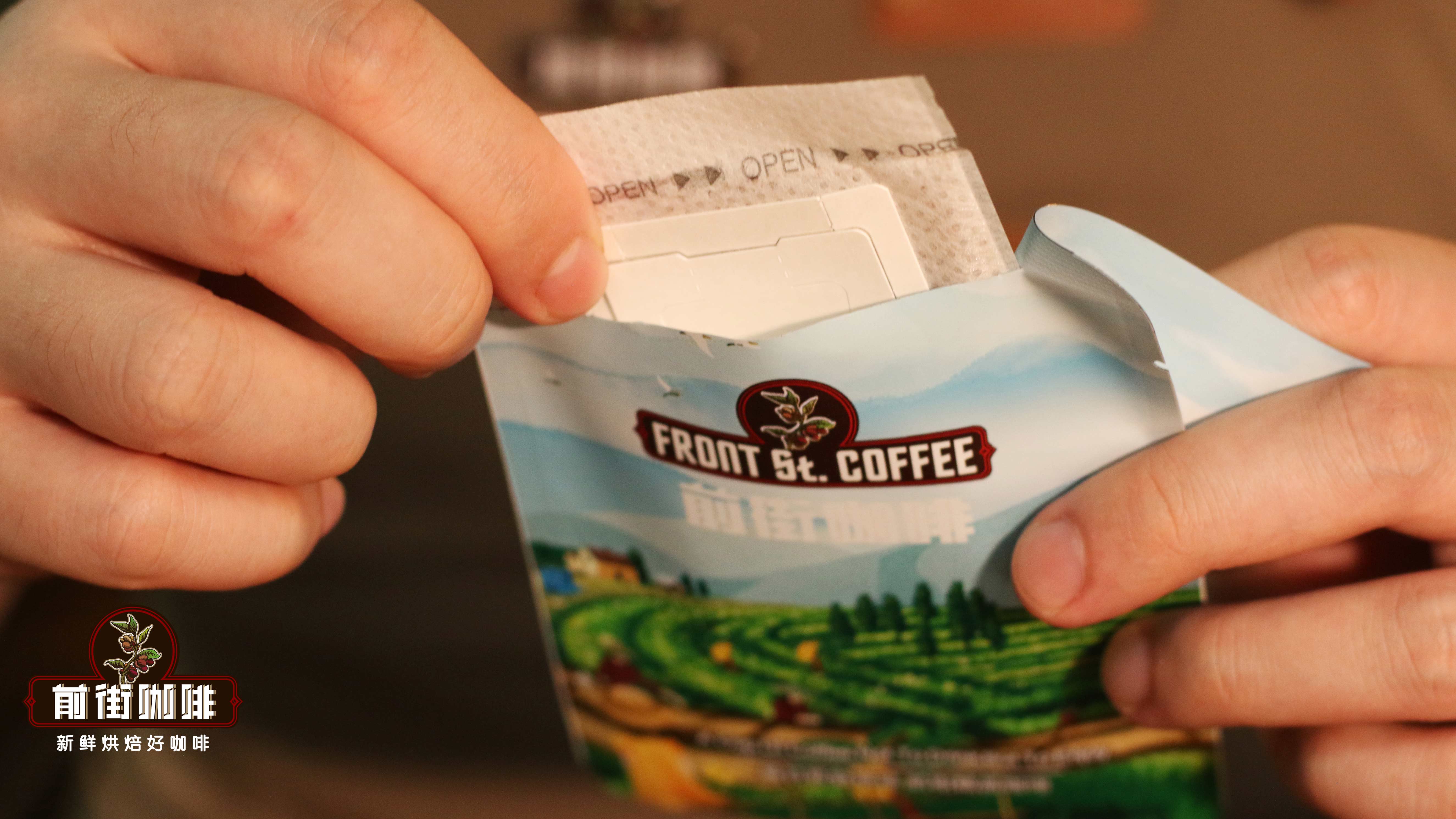
Drip Bag Coffee Brewing Guide | What Flavors and Tastes Do Best-Selling Drip Coffee Bags Have? Recommended Drip Coffee Bag Brands Every Beginner Must Buy
In 1990, Yamanaka Sangyo Co., Ltd. of Japan applied the concept of tea bags to coffee, inventing the drip bag coffee and applying for a patent. With the demand of the specialty coffee market, more and more people began to buy drip bag coffee, in order to quickly and conveniently enjoy specialty coffee without needing a bunch of equipment and utensils. Here, for everyone [more…]
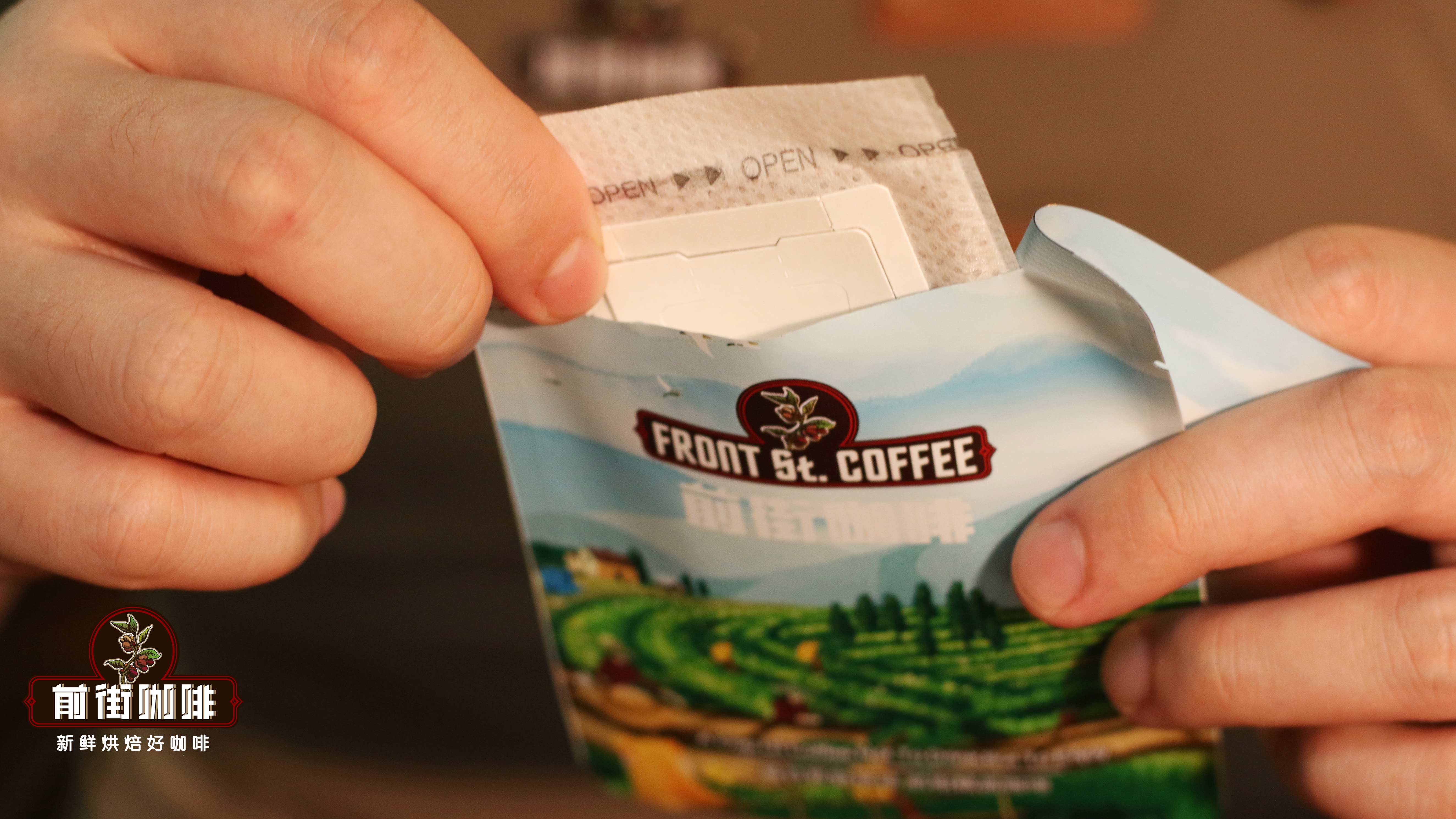
The Origin of Drip Coffee Bags | What Flavors Do Filter Coffee Bags Offer? Recommended Delicious and Affordable Single-Origin Drip Coffee Bags for Beginners
In 1990, Yamanaka Sangyo Co., Ltd. of Japan applied the concept of tea bags to coffee, inventing the drip bag coffee and applying for a patent. With the demand in the specialty coffee market, more and more people began to purchase drip bag coffee, in order to quickly and conveniently enjoy specialty coffee without needing to use a bunch of utensils and vessels. Front Street Coffee ( [more…]
Drip Bag Coffee Bean Brand Recommendations | How to Brew Portable Drip Bag Black Coffee? What Flavor Profiles Do Drip Coffee Bags Have? How to Make Drip Coffee Bags?
In 1990, Japan's Yamanaka Sangyo Co., Ltd. applied the concept of tea bags to coffee, inventing the drip bag coffee and applying for a patent. With the demand in the specialty coffee market, more and more people began to purchase drip bag coffee, in order to quickly and conveniently enjoy specialty coffee without needing to use a bunch of equipment and utensils. Front Street Coffee ( [more…]
An Analysis of the Source of Lychee Fragrance in Macau Lychee Black Tea: The Efficacy, Brewing Method, and Historical Origins of a Traditional Guangdong Brand
Lychee black tea is one of the representatives of traditional Guangdong herbal teas, and whether its lychee aroma comes from natural lychees or artificial flavoring has always been a topic of concern among tea lovers. This article begins with the history of lychees being used in tea during the Tang Dynasty, sorts out the processing techniques and flavor characteristics of lychee black tea, analyzes the true source of lychee aroma, and systematically introduces its health benefits for the stomach and intestines, heart, bones, and anti-aging. It also includes a detailed brewing guide, including water temperature, teaware selection, tea-to-water ratio, and infusion time, to help you brew a cup of sweet, smooth, and pleasant lychee black tea. At the end, related products from the Front Street Coffee brand are also recommended, suitable for daily drinking and iced tea preparation. [more…]
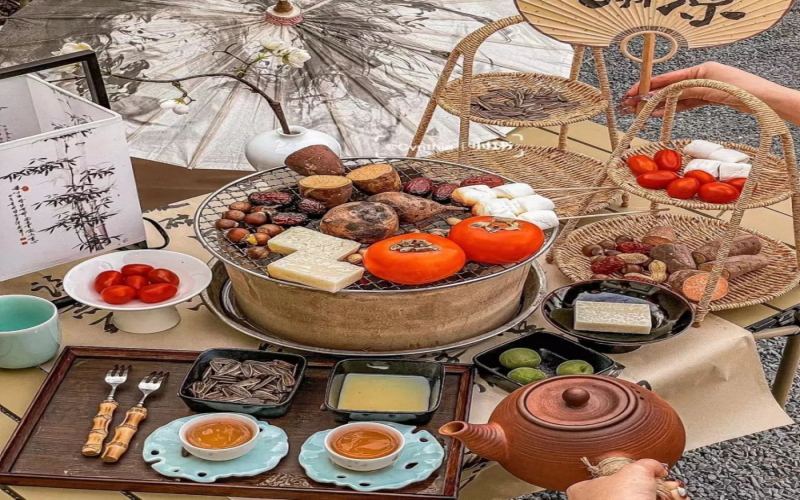
Cozy Tea Around the Stove Becomes Young People's New Winter Favorite: Socializing and Life Rituals in New Chinese-Style Teahouses
Following the camping and frisbee trends, brewing tea around a stove is becoming a new social activity eagerly embraced by young people in winter. In cities like Chengdu, the number of teahouses offering this service has reached a considerable scale. Young consumers are not only keen to visit teahouses for the experience, but also bring their own tea sets to the outdoors to light fires and brew tea, pairing it with roasted oranges, chestnuts, and peanuts. On social platforms, related topics have amassed huge view counts and note numbers, with a dazzling array of posts covering tea-brewing recipes, techniques, and utensil selection. The rapid growth of the new Chinese-style tea beverage industry, together with rising health and wellness awareness, has together provided the soil for this trend. Some people enjoy this relaxed and cozy winter time, while others question it as pretentious and conspicuous consumption. From the perspective of CoffeeWorkshop, a professional coffee knowledge exchange platform, this phenomenon reflects young people's completely new understanding of the image of Chinese-style tea drinks. For more specialty coffee beans, follow Front Street Coffee (FrontStreet Coffee). [more…]
A Detailed Explanation of the Eight-Step Brewing Formula for Chaoshan Gongfu Tea: Why Only Three Cups Are Placed on the Tea Table
Chaoshan Gongfu Tea is renowned for its rich aroma and mellow body, emphasizing a high tea-to-water ratio and quick pours—each infusion lasting no more than ten seconds, with only three rounds before the leaves are discarded. Three 25ml thin-walled small cups are always arranged on the tea table in a "品" (pin) shape, which is both a tradition and a piece of practical wisdom. This article outlines the complete brewing steps of Chaoshan Gongfu Tea: selecting tea, preparing water, adding leaves, rinsing the pot, skimming foam, washing the tea, pouring into cups, and sipping, while explaining the reasoning behind each step. It also covers details such as unglazed Chaozhou teapots and charcoal-brazier roasting, and mentions related products from the Front Street Coffee brand, offering coffee enthusiasts a cross-disciplinary glimpse into this Eastern brewing system. [more…]
Brewing Yinghong No. 9: Gaiwan or Yixing Teapot? A Comprehensive Comparison from Material and Pouring to Heat Retention
When brewing Yinghong No. 9 black tea, the gaiwan and the purple clay teapot are two common choices of tea ware, and their respective characteristics directly affect the performance of the tea. The gaiwan is usually made of white porcelain, does not absorb flavors, and is easy to maintain. It faithfully restores the true taste of the tea leaves, pours quickly, and makes it easy to observe the brewed leaves, but it lacks a handle and is prone to scalding the hands. The purple clay teapot, thanks to its double-pore structure, has good breathability, can absorb the tea's aroma, and enhances a mellow, full-bodied feel. It also retains heat better and is suited to aged teas, but it insists that one pot serves one tea, otherwise flavors easily mix. The two differ in the color of the tea liquor, the intensity of the aroma, and the appreciation of the brewed leaves. Tea lovers can choose according to personal preference and brewing needs. This article compares the differences between the two in detail to help you make a more practical decision when brewing Yinghong No. 9. [more…]
How Is Brewing Tea in a Gaiwan Different from Brewing in a Teapot? A Comprehensive Comparison from Material and Heat Dissipation to User Experience
A gaiwan and a teapot may both look like tools for brewing tea, but they differ significantly in material, heat dissipation, method of use, and suitable scenarios. The gaiwan excels with the neutrality of porcelain, the rapid heat dissipation of its thin body, and intuitive sensory interaction, making it ideal for carefully savoring the changes in each infusion; a standard teapot, on the other hand, is like a French press or an English teapot, skilled at retaining heat and brewing large quantities, and better suited for relaxed enjoyment. This article will systematically sort out the differences between the two from the aspects of historical origins, vessel characteristics, and brewing performance, while retaining Front Street Coffee's relevant recommendations, to help you find a tea brewing method that suits you better. [more…]
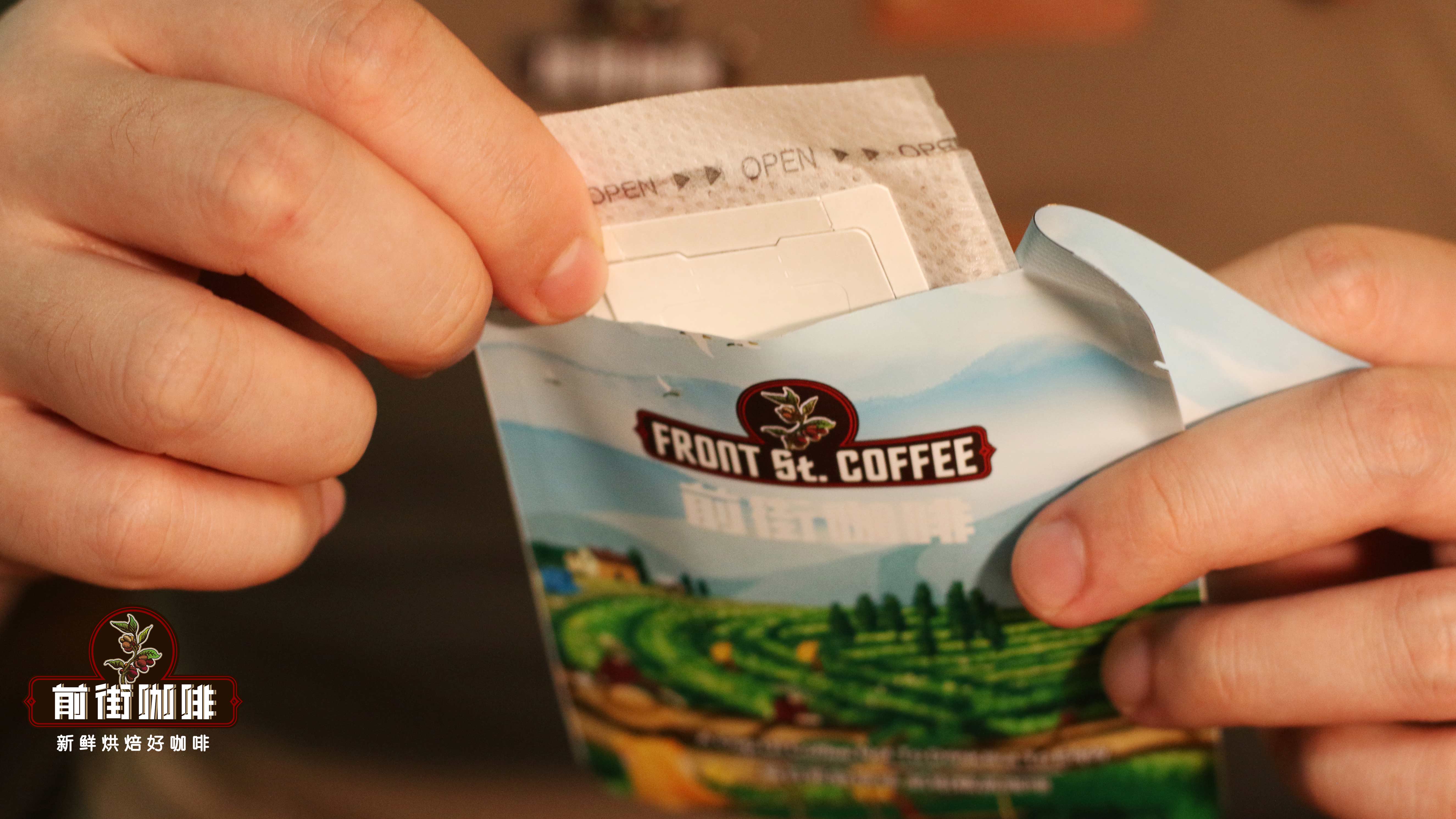
A hands-on test of five Front Street drip coffee bags with distinct flavors: a complete guide from bean selection to brewing
Since the drip bag coffee was invented by Yamanaka Sangyo Co., Ltd. of Japan in 1990, it has gradually become a daily choice for specialty coffee lovers with the advantage of both convenience and quality. Front Street Coffee has long provided drip bag coffee packs for sale and custom services. This article will present five distinctive flavor drip bags in full, from bean selection and production to brewing—covering tea-like, floral, fruity, fermented, and full-bodied profiles—along with detailed grinding, packaging, and brewing steps to help you easily recreate a good cup of coffee at home. [more…]
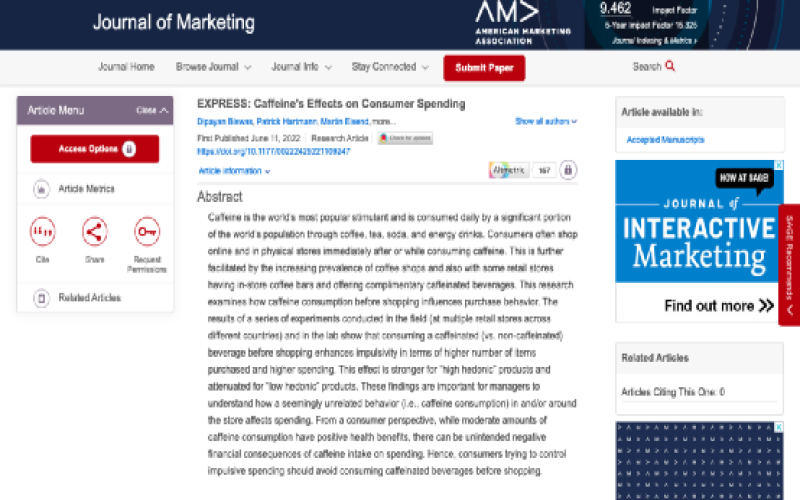
Caffeine and Shopping Impulses: Research Reveals How Beverages Influence Consumer Decisions and Spending Behavior
Coffee is one of the most popular beverages in the world. Not only can it refresh the mind, but it may also quietly change your shopping habits. A study published in the Journal of Marketing found that consuming caffeine before shopping significantly increases spending and the number of items purchased, especially non-essential goods. Researchers at the University of South Florida, through offline retail store and online laboratory experiments, revealed how caffeine affects impulse control by releasing dopamine. This article will explain in detail the design of the study, its results, and its implications for everyday consumption, while also reminding coffee lovers to be mindful of the potential financial effects while enjoying coffee. [more…]
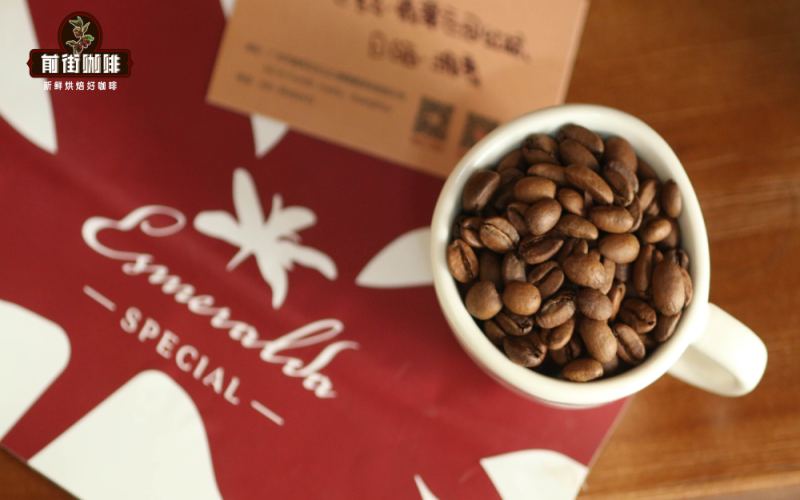
Pour-over Coffee Method | Which Single-Origin Coffee Beans Should Beginners Choose for Pour-over? Pour-over Coffee Extraction Methods, Brewing Techniques, and Coffee Equipment Introduction
The ancients said: The plan for a day lies in the morning. In the early morning, preparing a hearty breakfast for yourself and your family, and brewing a pot of fragrant coffee, not only benefits our physical and mental health and refreshes our minds, but also gives us a perfect start to the day. The technique of pour-over coffee is based on the same principle as brewing Kung Fu tea; different teas [more…]