







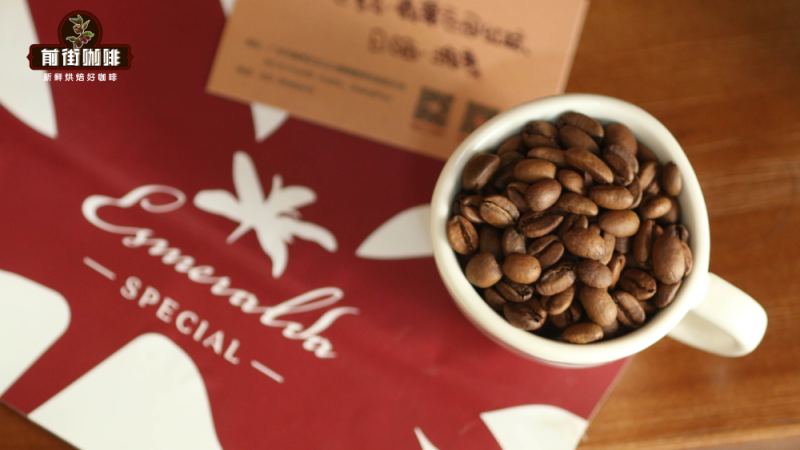
The ancients said: "The plan for a day begins in the morning." In the early morning, preparing a hearty breakfast for yourself and your family, and brewing a pot of aromatic coffee, not only benefits our physical and mental health and refreshes the mind, but also gives us a perfect start to the day. The techniques of pour-over coffee are based on the same principles as brewing Gongfu tea; different types of tea require different water temperatures, utensils, and brewing times. Tasting a good cup of coffee is no different.
Compared to machine brewing, the extraction techniques of pour-over coffee allow for better control over water temperature and flow, can restore the original flavors of different coffee beans, and can be adjusted based on personal preferences for coffee taste. In the process of brewing coffee, one learns to appreciate coffee, develops calmness and focus, and can easily entertain visitors through coffee, sparking conversations and expanding one's social circle. This is why pour-over coffee has become popular in recent years.

Pour-over coffee is actually not difficult. If you are a beginner, just follow the steps below to brew a cup of coffee with your own unique flavor.
What coffee beans are suitable for pour-over?
There are actually many coffee beans to choose from for pour-over. Here, Front Street briefly lists a few types suitable for most people to choose from: For those who like floral flavors, we recommend Front Street Panama Hacienda La Esmeralda Red Label Geisha coffee, one of the most expensive coffees in the world; for those who enjoy fresh, slightly acidic coffee, we recommend Front Street Huakui coffee, which has notes of black tea and berries;

For those who prefer a balanced taste—neither sour nor bitter—we recommend Front Street Brazil Red Bourbon coffee; and finally, for those who love a solid, rich mouthfeel, we suggest purchasing the highest-grade Front Street Golden Mandheling coffee. This bean undergoes multiple hand selections, minimizing the defect rate and making the coffee aroma clearer with a better sweet aftertaste. All the above coffee beans can be purchased at Front Street stores and the Front Street Tmall flagship store. To ensure you experience the full flavor period of the beans, all coffee beans shipped by Front Street are roasted within 5 days.

Prepare Basic Brewing Equipment
There are actually many choices for pour-over brewing equipment, but if you are a beginner, at the start, you only need the simplest brewing equipment, and later you can add related equipment according to your preferences.
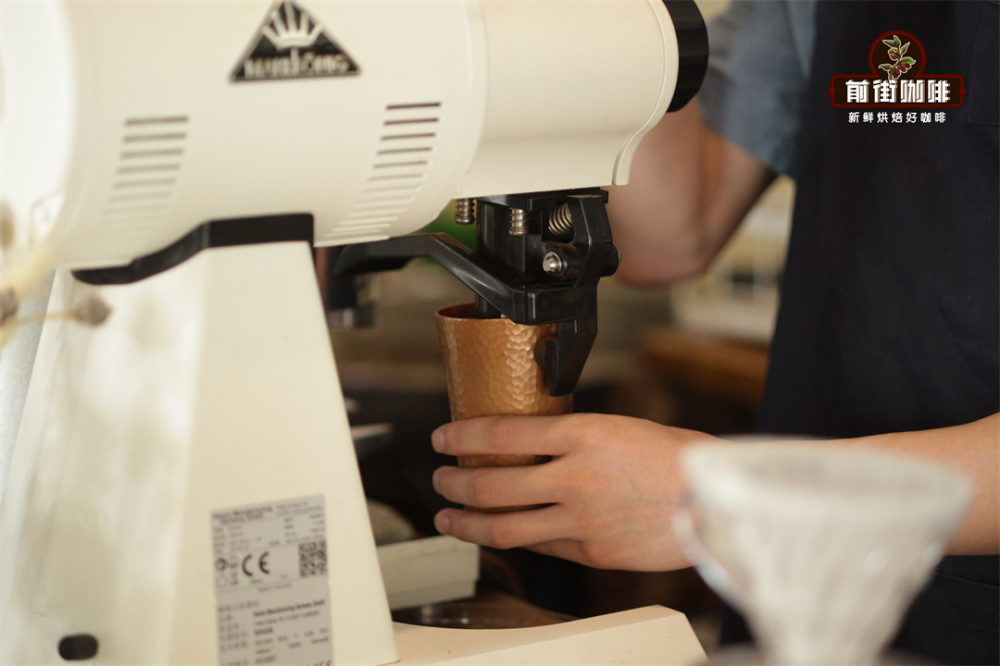
Grinder:
Get a good quality "burr grinder." A higher price does not necessarily correlate with better grinding quality, but choosing a grinder with better grind uniformity gives you the chance to achieve even extraction and express the correct flavor of the coffee.
Digital Scale:
Just like roasting, to precisely brew and replicate the flavor of coffee, you need to master the correct extraction rate, and a digital scale is an essential tool. It is best to choose a digital scale with a sensitivity of 0.1 grams, helping you precisely control each brewing process.
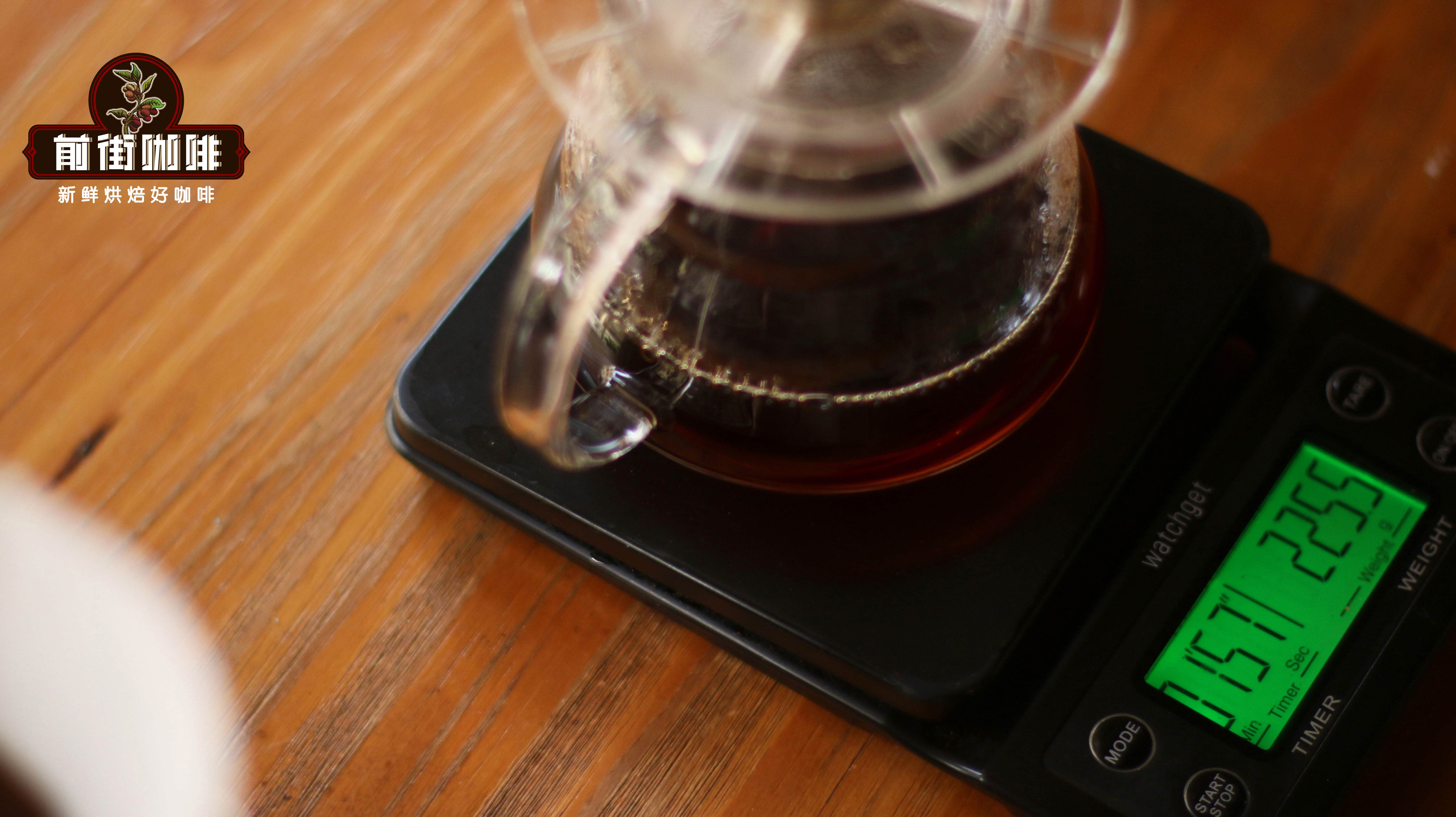
Pour-Over Kettle:
Beginners are advised to use a gooseneck kettle, which allows flexible control of the water flow speed, the size of the pour, and even the way the coffee grounds roll during brewing.

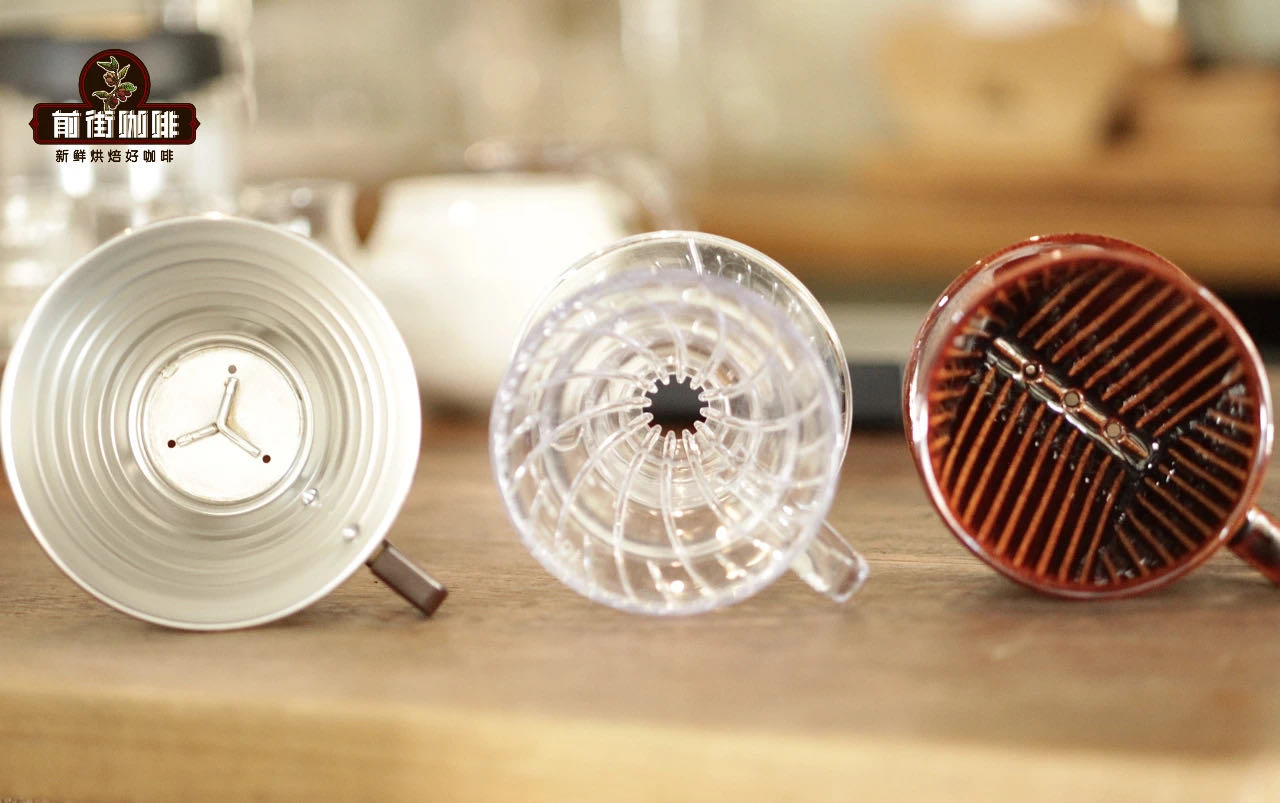
Dripper:
Pour-over drippers come in various shapes, sizes, number of drainage holes, and materials. Every coffee enthusiast has different opinions on their favorite style. In short, as long as you can master the principles and techniques of pour-over coffee extraction, any style will work.
Filter Material:
The filter material placed in the dripper can be divided into cloth, paper, and metal. Beginners are advised to use the most common paper filter. Besides the convenience of disposing it with the coffee grounds after one use, it is also recognized for leaving the least sediment in the coffee while filtering out the coffee oils.

Pour-Over Coffee Extraction Method
Preparation:
Boil a kettle of water
Prepare a bag of freshly roasted Front Street Panama Emerald Red Label Geisha coffee beans
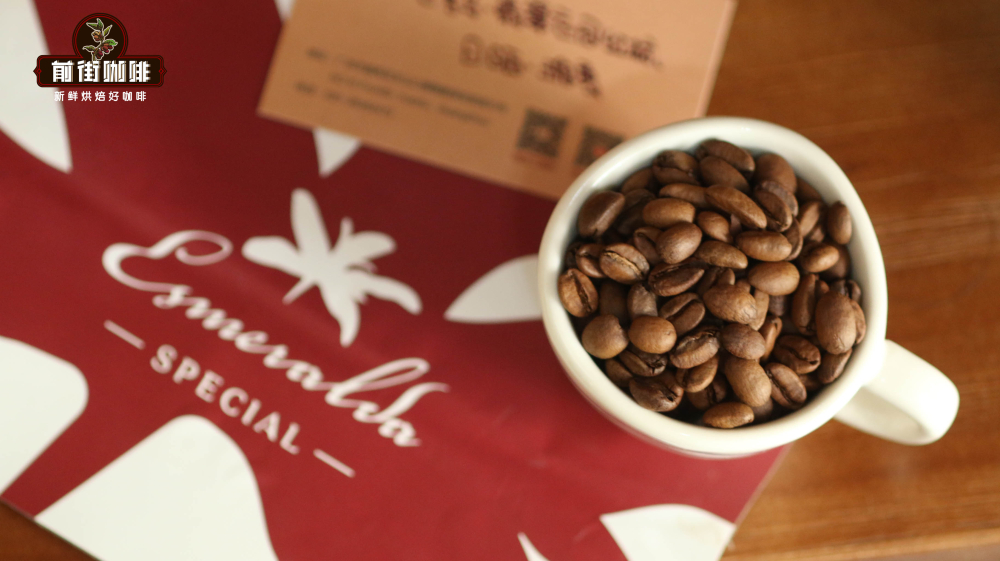
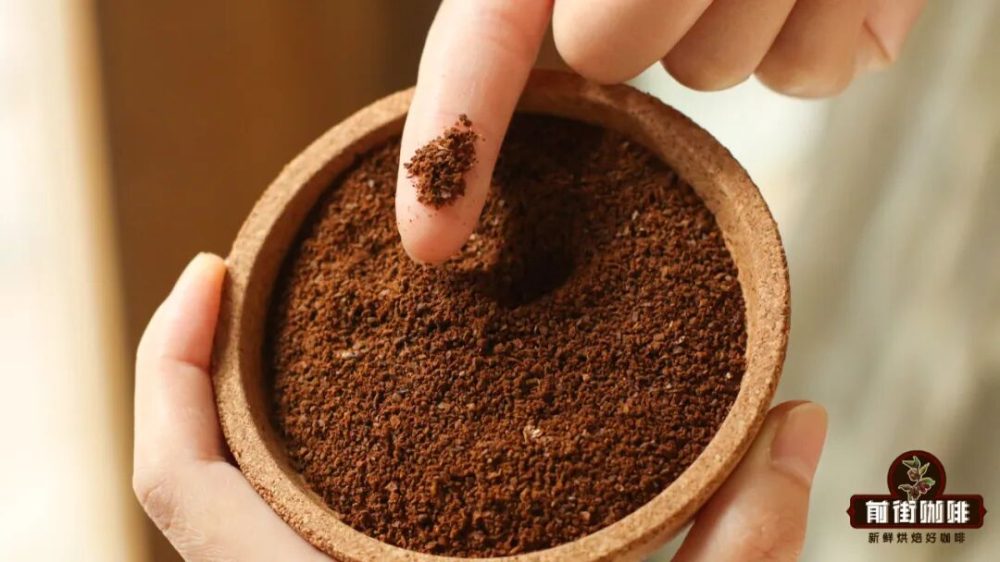
Take 15 grams of coffee beans and grind them (fine sugar consistency, 80% passing rate using a No. 20 sieve)
Recommended coffee powder to water ratio: (1:15 or 1:16)
Rinse the Filter Paper:
First, place the dripper on top of a mug or pitcher, put the filter paper in the dripper, and rinse the filter paper with hot water to reduce the excessive papery taste of some filter papers getting into the coffee, while also preheating the brewing equipment. Then pour out the water inside.

Front Street uses a three-stage brewing method:
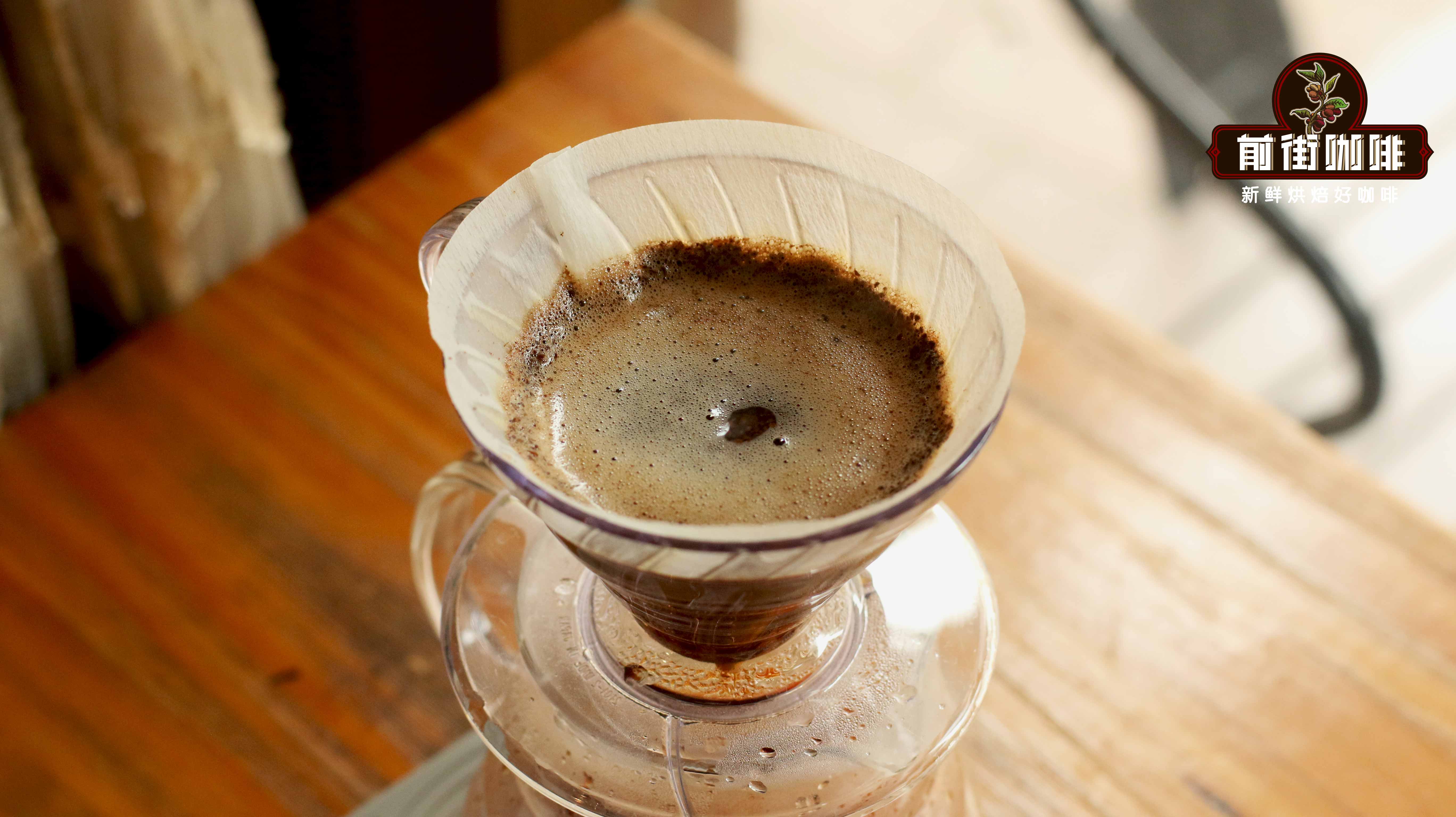
First, pour 15 grams of coffee powder into the dripper and tare the weight. For the first stage, pour 30g of water for a 30-second bloom, and start the timer at the same time. Use a small stream of water, starting from the center and spiraling outward, making sure to saturate the entire coffee bed.

For the second stage, use a slightly larger stream to pour 120g of water, aiming to raise the entire coffee bed. The water stream should be poured vertically and evenly. At this point, the scale shows 150g, and the pour is completed in about 55 seconds.

When the water level drops to about half, begin using a small stream to pour the third stage of 90 grams in a small circle. Try to control the stream so it doesn't swirl too much, as this can easily disrupt the coffee bed and cause under-extraction. The final total water amount is 240 grams, and the drip completion time is about 2 minutes and 10 seconds. After removing the dripper, swirl the coffee in the server to mix evenly and it's ready to taste.
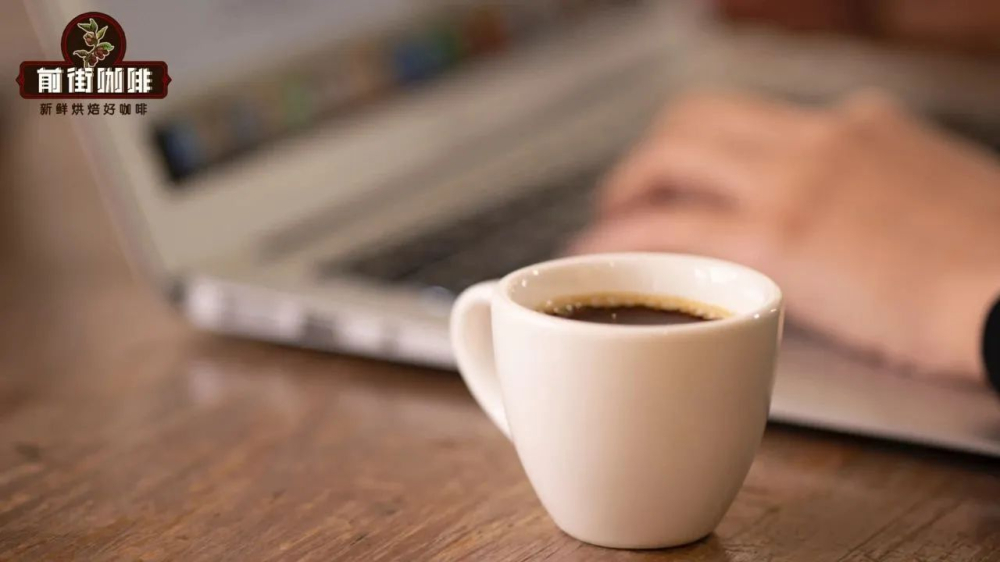
The pour-over Emerald Red Label Geisha coffee has an elegant acidity of roses, citrus, strawberries, and tropical fruits, with a lingering and pleasant black tea aftertaste. The flavor layers change with temperature, and the overall mouthfeel is smooth.
The Influence of Different Pour-Over Coffee Parameters on Flavor
If you are a beginner, pour-over coffee water flow, water temperature, and time control require a period of practice. In this process, you will learn to adjust the strength and, based on the roast level of different coffee beans, achieve the best flavor.
The above content is compiled by CoffeeHunters, a coffee news website.


