







Search Results for: sweet and fragrant
Complete Collection of Espresso and Fancy Specialty Coffee Recipes: 10 Ways from Jam Coffee to Rainbow Iced Coffee
Want to recreate café-quality fancy coffee at home? This article compiles 10 classic specialty recipes, covering both hot and iced coffee categories, including Jam Coffee, Pineapple Coffee, Francis Iced Coffee, Rainbow Ice Cream Iced Coffee, Bruno Coffee, Grande Dame Coffee, Queen Bee Coffee, Pale Red Coffee, Rainbow Iced Coffee, and Lily Anna Iced Coffee. Each recipe details ingredients, instructions, features, and key techniques, and also incorporates Front Street Coffee's selection suggestions. Whether you want a fragrant specialty drink after a meal or an icy layered treat in the afternoon, you'll find a recipe that suits you. [more…]
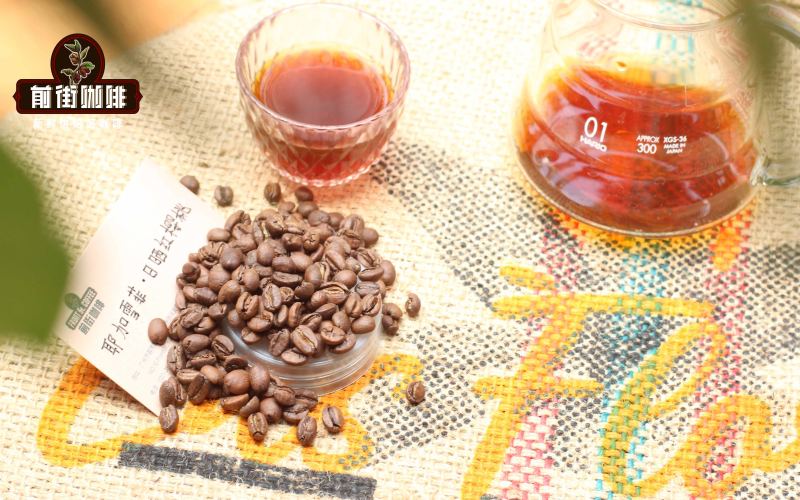
How to brew Anaerobic Natural Geisha for a sweet, fragrant cup? Analyzing the key brewing points for Panama 90+ Estate Eleta and the reasons behind Ninety Plus's rise to fame
Anaerobic natural Geisha has an intense aroma and complex flavors, yet many coffee enthusiasts find it easy to end up with an extreme cup that is both bitter and sour when brewing. This article uses Eleta from Panama's 90+ estate as an example to explain why this bean adopts the anaerobic natural process, and how it differs from regular Geisha in density, drainage speed, and extraction efficiency. Front Street will combine brewing experience to share how to adjust grind size and water temperature for heavily fermented beans, so that sweetness notes like wine, longan, sweet orange, and pineapple come through more clearly, while also touching on why 90+ estate and Ninety Plus Geisha are so famous in the specialty coffee world. [more…]
Cocoa-flavored moka pot beans, even more fragrant when enjoyed at the right time.
If you want to taste flavors like cocoa, nuts, and caramel from a moka pot, don't just look at the flavor labels when buying beans—pay attention to the roast date and how quickly you open and finish the bag. When coffee beans first leave the roaster, they still hold a large amount of carbon dioxide internally, and their aroma hasn't yet stabilized; leave them too long, and the aroma and sweetness gradually fade. When choosing and drinking beans, [more…]
Pour-over espresso has a rich aroma but tastes bitter on the palate? Analyzing the difference between smelling and tasting from a sensory mechanism perspective
Many coffee enthusiasts, when grinding and brewing specialty coffee, are drawn in by alluring aromas like strawberry, jasmine, citrus, and honey, yet after one sip, they often taste pronounced bitterness and acidity, a far cry from the expected sweetness. This phenomenon of smelling fragrant but tasting bitter actually stems from the different sensory systems we engage when smelling versus tasting. This article, starting from this topic often discussed at Front Street, will analyze in detail the mechanisms of orthonasal and retronasal olfaction, explain the changes in aroma compounds within the oral cavity, and why the impact of taste overshadows aroma perception. At the same time, we will also share a simple and practical tip—closed-mouth exhale—to help you capture richer layers of aroma after swallowing coffee, and demonstrate flavor expression with practical examples. [more…]
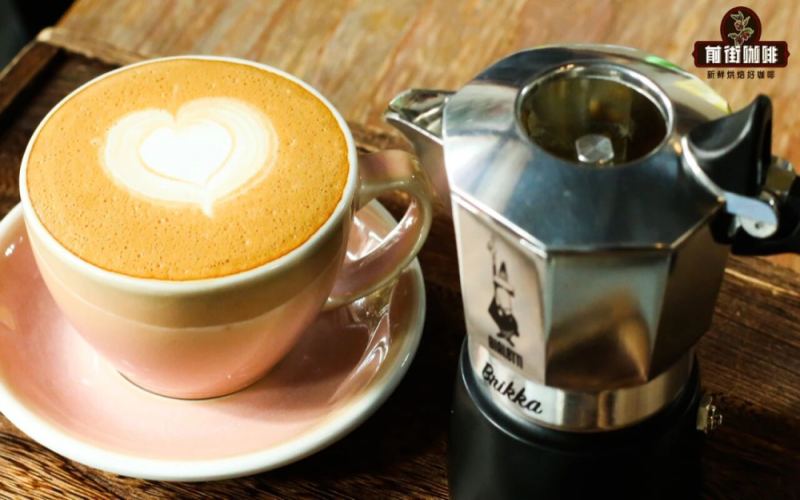
Brewing a Latte with a Moka Pot | How to Make an Americano Latte with a Moka Pot? How to Increase the Strength of Moka Pot Coffee? Moka Pot Usage Tips and Safety Precautions
"It can serve as a substitute for an espresso machine" — this is a reason that convinces many friends to make up their minds to buy a moka pot. Since the moka pot, like an espresso machine, uses pressure extraction, it can produce coffee with a higher concentration than atmospheric pressure extraction. And the reason many friends need this high concentration [more…]

Making a rich, sweet hot latte at home: a complete guide from choosing milk and beans to pulling the espresso
As the weather turns cooler, a warm, sweetly fragrant hot latte becomes many people's go-to daily choice once again. But many friends always run into the same problems when recreating it at home: the latte they make either has bitterness that steals the show, or has such a heavy milk flavor that it overwhelms the coffee aroma, making it hard to achieve the balanced, rich, and sweet taste found in cafés. In fact, a delicious hot latte is not just a simple mix of espresso and milk—bean selection, milk choice, extraction, and ratio all directly affect the final flavor. This article will start from two dimensions—ingredient selection and the production process—to sort out the key ideas for making a balanced, rich hot latte at home, including the roast level and blending direction of coffee beans suitable for milk coffee, the logic of pairing milk with beans, reference formulas for espresso extraction, and methods for adjusting the ratio of milk to coffee, helping you find your own golden recipe at home. [more…]
Latte Coffee Making Guide: From Coffee Bean and Milk Selection to Extraction Ratio, Crafting a Fragrant, Sweet Hot Latte
As the weather turns cooler, a hot latte has once again become the daily go-to for many people. However, recreating a café-quality rich and sweet latte at home is no easy task—friends often report that their lattes either let bitterness steal the show, or the milk flavor completely overwhelms the coffee aroma. In fact, the key to a delicious latte lies in the coordination of three elements: bean selection, extraction, and ratio. Starting from Front Street's backend inquiries, this article systematically breaks down how coffee bean roast level affects latte flavor, how whole milk pairs best with beans, how to adjust espresso extraction parameters, and the golden ratio range between milk and coffee—helping you consistently make a balanced, mellow, and distinctly sweet hot latte at home. [more…]
A Review of Eight Instant Coffee Brands: Nescafé Tops the List, with Each Brand's Features and Taste Explained One by One
The instant coffee market is crowded with brands, each with its own distinct character. This article reviews eight well-known instant coffee brands—from Nestlé, the inventor of instant coffee, to the popular Korean brand Maxwell, Germany's Cless, Japan's UCC, Colombia, Grant, Ming Coffee, and Hong Kong's Tsit Wing—introducing each brand's background, product features, and taste profile one by one. Nestlé sells 4,000 cups globally every second, Maxwell wins on value for money, UCC sticks to a quality-focused path, Grant specializes in Italian-style cappuccino, and Tsit Wing offers a low-calorie light series. Whether you're an office worker seeking a caffeine boost or a coffee enthusiast who cares about flavor, you'll find something useful in this roundup. [more…]
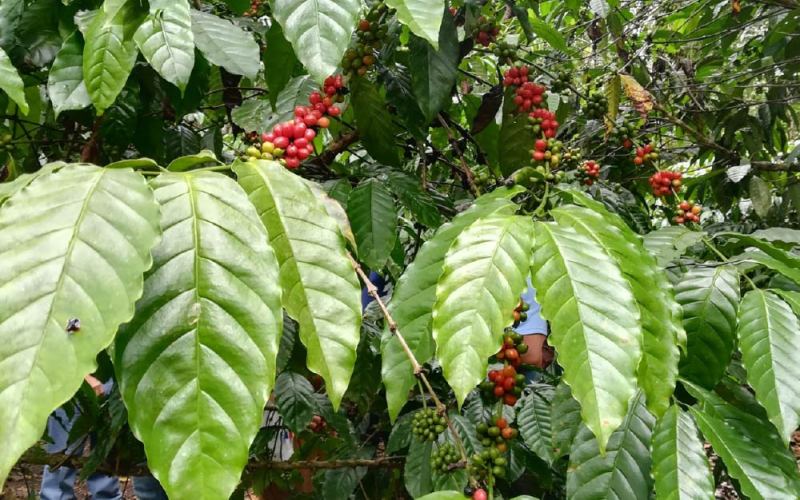
Analysis of Geisha Coffee Flavor Characteristics: How to Identify Authentic Panamanian Geisha Coffee Beans
Geisha coffee is famous for its rich floral aroma, complex fruit acidity weaving together citrus and peach, creamy smooth mouthfeel, and a sweet oolong tea-like finish, making drinkers feel as if they are enjoying a fragrant fruit tea rather than coffee. Among these, Geisha produced in the Panama region is especially outstanding. This article will take you through Geisha's legendary journey from the forests of Ethiopia to becoming a competition champion in Panama, analyze its delicate growing conditions and the reasons for its low yield, and compare the differences in bean shape and flavor between Panamanian and Ethiopian Geisha. It will also recommend products worth trying, such as Front Street Coffee. Emerald Red Label Geisha, helping coffee lovers build a systematic approach to identification. [more…]
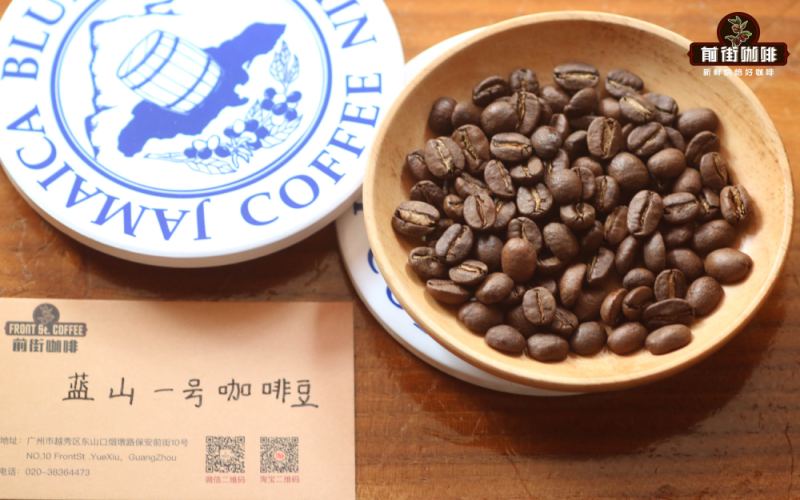
An Analysis of Jamaican Blue Mountain Coffee Flavor Characteristics: A Complete Guide to the Taste of Classic Coffees Such as Blue Mountain, Mandheling, and Mocha, and Italian-Style Drinking Methods
On a weekend afternoon, whether you're enjoying the quiet alone at a corner café or inviting friends over to drink together, choosing the right cup of coffee often determines the atmosphere for the whole afternoon. Faced with a dazzling array of American-style and Italian-style coffees, are you clear about the flavor characteristics of each one? This article systematically sorts out the origins and tastes of classic American-style coffees such as Blue Mountain, Mandheling, Mocha, Brazil, and Kenya, and introduces the composition and drinking methods of Italian-style drinks such as latte, cappuccino, Irish coffee, macchiato, and con panna, helping you make a more suitable choice based on your taste preferences. It also includes related recommendations from Front Street Coffee. [more…]
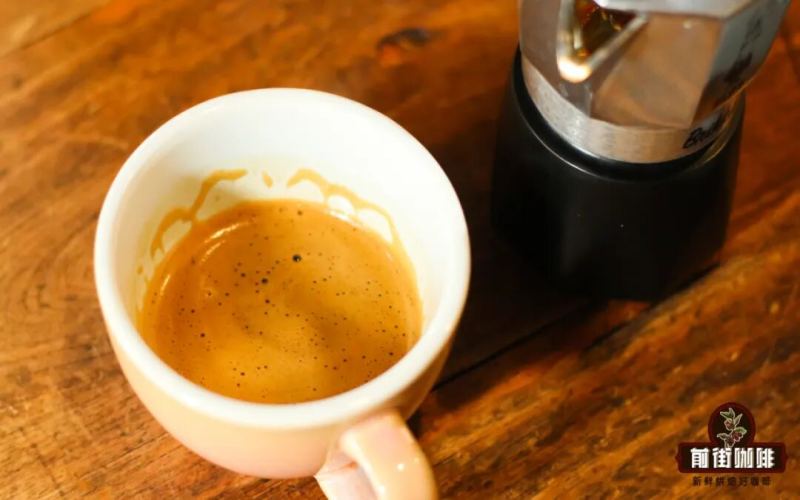
Moka Pot Coffee | How to Make a Latte with a Moka Pot? What Are the Brewing Parameters for Making Milk Coffee with a Moka Pot?
“It can serve as a stand-in for an espresso machine” — this is the reason that convinces many friends to make up their minds to buy a moka pot. Since the moka pot, like an espresso machine, uses pressure extraction, it can produce coffee with a higher concentration than atmospheric-pressure extraction. And the reason many friends need this high concentration [more…]
Authentic Americano Flavor Profile Analysis and Standard Brewing Ratio Guide
As a widely popular coffee category, Americano's taste characteristics and brewing standards have always been a focus of attention for coffee enthusiasts. This article will provide an in-depth analysis of the flavor performance that authentic Americano should have, including the balance of aroma, acidity, bitterness, and sweet aftertaste, while also clarifying the powder-to-water ratio for standard Americano. In addition, the article also compiles the flavor characteristics of several classic coffee beans under the Front Street Coffee brand, covering origins such as Blue Mountain, Mandheling, Mocha, Brazil, and Kenya, helping readers fully understand the making and tasting of Americano from bean selection to extraction ratio. [more…]

A Complete Guide to Brewing Colombian Coffee: Sidra Fruit-Forward Beans, Huila Region Flavors, and Pour-Over Parameters
Colombian coffee is renowned for its diverse styles, featuring both fresh and fragrant fruity notes and the classic expression of mellow balance with a chocolate-sweet finish. This wide-ranging flavor profile makes it unique in the global specialty coffee landscape. This article, from the perspective of Front Street Coffee, will examine how the volcanic soil regions of southern Colombia—Huila, Cauca, Nariño, and Tolima—nurture delicate acidity and berry sweetness through their high altitudes and equatorial advantages, and will highlight the flavor characteristics and roasting approaches of two beans sold by Front Street: Huila Washed and Sidra Double Anaerobic Natural. The article will then provide a complete breakdown of the pour-over process for medium-roast Colombian coffee, covering equipment preparation, grind size selection, coffee-to-water ratio, water temperature control, and the three-stage pouring rhythm, helping enthusiasts consistently recreate a fragrant cup of Colombian pour-over at home. [more…]
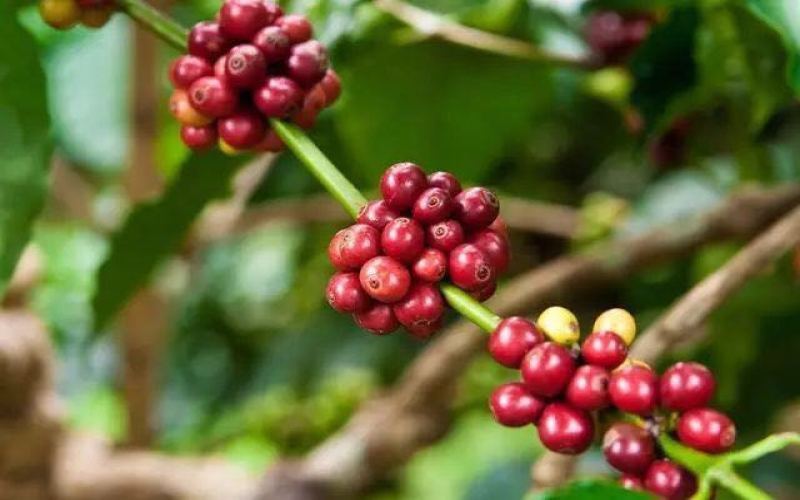
A Comprehensive Analysis of Hainan Coffee Bean Varieties and Processing Techniques: The Unique Flavor of Robusta and the Traditional Sugar-Roasting Method
When it comes to Chinese coffee, most people first think of Yunnan, but Hainan is in fact also one of the country's important coffee-producing regions. Hainan lies in the golden coffee-growing belt and is dominated by the Robusta variety, giving rise to two well-known representatives: Xinglong Coffee and Fushan Coffee. Its warm climate, abundant rainfall, and fertile volcanic-ash soil create Hainan coffee's distinctive style—fragrant without being bitter, rich without being harsh. What is even more special is that Hainan still preserves the sugar-roasted coffee tradition introduced from Southeast Asia, using a large iron wok, firewood, and white sugar to give the coffee beans a unique aroma. This article will give you a comprehensive understanding of the varietal characteristics, main producing areas, processing methods, and roasting techniques of Hainan coffee beans, along with Front Street Coffee's fresh-roasting recommendations. [more…]

The Complete Iced Coffee Family: From Ice Drip to Cold Brew, Flavor Differences and Key Production Points of Various Iced Coffees
On a scorching summer day, a glass of iced coffee always brings refreshing coolness that delights the senses. But the world of iced coffee is far more than just iced Americano—from the distinctly layered iced latte and the cool, fragrant café au lait, to the rich and creamy iced mocha, and the cold brew and iced drip that have gained great popularity in recent years, each has its own unique brewing process and flavor profile. This article will systematically sort out the types and characteristics of common iced coffees, while also extending to introduce the basics of classic coffees such as Americano, cappuccino, mocha, espresso, macchiato, and con panna, helping coffee enthusiasts clarify the differences between them and find the cup that best suits their taste. [more…]
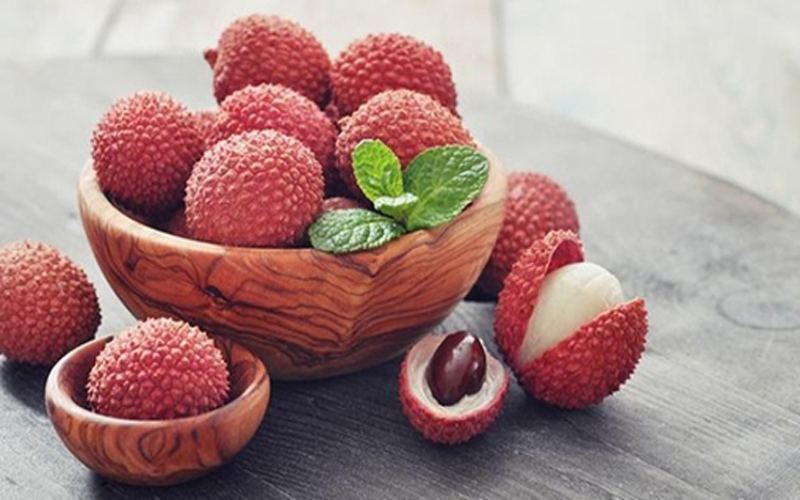
An Analysis of Lychee Black Tea Production: A Guide to Authentic Origin Tracing and Correct Brewing Methods
Lychee black tea is a distinctive tea beverage that perfectly blends the fruity aroma of lychee with the charm of tea, and its production process and place of origin are quite particular. This article will start with the production process and provide a detailed analysis of how lychee black tea skillfully combines fresh lychee with tea leaves while preserving the natural sweet fragrance; at the same time, it will trace its authentic place of origin and explore the historical stories and cultural heritage behind this tea. In addition, we will also share the correct brewing techniques, including water temperature, choice of utensils, and steeping time, to help you brew a cup of fragrant lychee black tea at home. Whether served cold or hot, you can taste its unique floral and fruity charm. Front Street Coffee also recommends related products for you, allowing you to easily experience the authentic flavor. [more…]
A Full Analysis of Espresso Blend Coffee Bean Recipes: Sharing Front Street's Three Blends and Bean-Blending Tips
Blending coffee beans means mixing single-origin beans from different regions in certain proportions so that their respective strengths complement or reinforce one another, thereby achieving a more balanced and stable flavor performance. This practice is especially common in Italian-style coffee: beverages such as Espresso, Americano, Latte, and Cappuccino are mostly based on blended beans. Blending can involve mixing green beans before roasting, or roasting each separately and then blending; the specific choice depends on the characteristics of each bean in the recipe. This article centers on the basic logic of blending, and, in conjunction with Front Street Coffee's three espresso blend formulas—Specialty Blend, Commercial Espresso Blend, and Basic Espresso Blend—introduces the flavor characteristics of the origin beans used, the roasting approach, and the final presentation, while also sharing the principle of primary-secondary pairing in blending, to help coffee enthusiasts and shop owners find the right balance between flavor and cost. [more…]

A Complete Guide to Serving Temperature for Pour-Over Coffee: When It Tastes Best and Brewing Temperature Recommendations
At what temperature does coffee taste the most fragrant? This is actually closely tied to how our taste buds perceive flavor. The tongue's sensitivity to sweet, sour, and bitter changes with temperature, and since aromas are released to different degrees at different temperatures, hot pour-over coffee has an ideal tasting range. From the perspective of Front Street, this article explains how temperature affects flavor, analyzes why freshly brewed coffee shouldn't be drunk right away, and answers related questions about thermos cups, reheating, and iced pour-over. Finally, Front Street will also share its consistent advice on "hot vs. iced." [more…]

A Complete Guide to Coffee Flavors: From Classic Americano to Italian-Style Specialty Drinks—Understanding Blue Mountain, Mandheling, and More in One Go
On a weekend afternoon, whether you're enjoying the quiet alone at a corner café or inviting friends over to drink together at home, choosing the right cup of coffee often sets the tone for the entire experience. Do you truly understand the flavor differences among various types of coffee? Starting from the two main branches—American-style and Italian-style—this article breaks down one by one the taste characteristics of classic single-origin coffees such as Front Street Blue Mountain, Front Street Mandheling, Mocha, Brazil, and Kenya, as well as Italian-style specialty drinks like Latte, Cappuccino, Irish Coffee, Macchiato, and Con Panna, helping you find the cup that best suits your taste buds. [more…]
Front Street Brazil Oberon Estate Natural Beans: A Recommended Pulped Natural Single-Origin from the 1,500m Minas Plateau
Brazil, as the world's largest coffee-producing country, has long been known for its commercial beans, but the rise of coffee competitions after 2000 brought specialty estates in the Cerrado Mineiro region to prominence. Front Street Coffee's Brazil Oberon Estate natural bean comes from the Cerrado Mineiro at an altitude of 1,500 meters, processed using the natural sun-dried method, with green beans sized 17-18 screen, yellowish-brown in color, and a yellow center line. This bean reveals peanut-nut aromas and tropical fruit sweetness at a light roast, and can be roasted even lighter to present a rare fruity fermented wine aroma; at a dark roast, it brings honey milk-candy sweetness and dark chocolate aromas, with a creamy, mellow mouthfeel. Whether served as a single origin or used as a blend base, it is a stable, fragrant Brazilian natural bean with ample sweetness. [more…]