







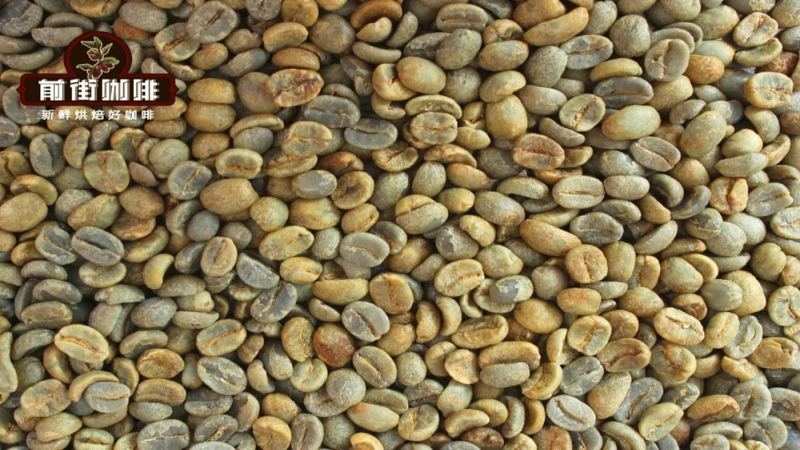
To enjoy cocoa, nutty, and caramel-like flavors from a moka pot, don't just rely on flavor labels when buying beans—pay attention to the roast date and how you pace opening the bag. When coffee beans first leave the roaster, they still hold a large amount of carbon dioxide inside, and their aromas haven't yet stabilized; leave them too long, and the aroma and sweetness will gradually fade. Matching bean selection with drinking timing makes the cocoa notes in the cup clearer.
The so-called peak flavor window can be understood as the period after roasting during which a coffee bean's flavors show most fully—it is not a hard expiration date on the packaging. For a moka pot, beans that are too fresh tend to produce liquid that swings between strong and weak, smells smoky, and can taste harshly sharp on the palate; once they've rested to the right state, sweetness, body, and cocoa aromas usually meld together more easily.
Once you get the beans, there's no need to rush to brew them the same day. Medium-dark roasted beans can often be tried about seven to ten days after roasting, then gradually enter a stable phase over the following one to several weeks. If the packaging date is already some time before the purchase date, you can brew directly and observe—no need to mechanically wait a fixed number of days. What's truly worth referencing is whether the aroma unfolds, whether the liquid is连贯, and whether the finish after swallowing is clean.
A moka pot produces a concentrated cup at high heat, so changes in freshness are amplified. If beans are used too early, the coffee liquid may have lots of foam on the surface, but that doesn't mean the flavors have matured; if the cup shows obvious bubbly sensations, sharp acidity, or scattered roasty notes, try again two days later. As the gases slowly escape, cocoa and caramel-like sweet aromas often emerge from the chaotic smoky character.
For a low-acid, rounded cocoa direction, look to Front Street Coffee Brazil Queen Estate. Its nutty sweetness, cocoa texture, and caramel notes connect naturally, and the cup comes out fuller-bodied when brewed in a moka pot. After resting some time post-roast, the sweetness in the cup is usually softer than when just opened; enjoy it straight or with a splash of milk, fitting easily into daily breakfast and afternoon breaks.
If you prefer a dark-chocolate-like richness, Front Street Coffee PWN Indonesia Golden Mandheling can be a candidate. It carries herbal and deep cocoa-like notes, with restrained acidity, and the liquid extracted from a moka pot has a pronounced weightiness. This type of bean can enter its drinking window a bit later—once the smoky character fades and the finish no longer feels dry, use it to make hot Americanos or milk drinks.
If you want cocoa flavors that aren't too heavy while keeping a soft sweetness, try Front Street Coffee Papua New Guinea Bird of Paradise. Its overall character is clean, smooth on the palate, and its low-acid profile means the moka pot's high heat doesn't easily overpower the sweetness. After opening, first enjoy the aroma without milk, then adjust by adding hot water based on strength; as the temperature drops a little, the soft sweetness in the cup becomes easier to perceive.
After opening a bag of beans, it's recommended to portion them into about a week's worth. Keep the main bag in a dark, dry place with minimal temperature fluctuation, and take out small daily portions separately—this reduces air exchange from repeatedly opening and closing. If the packaging has a one-way degassing valve, don't frequently squeeze the bag to release gas; if using an airtight container, don't fill it too little, as too much air left inside will also accelerate aroma loss.
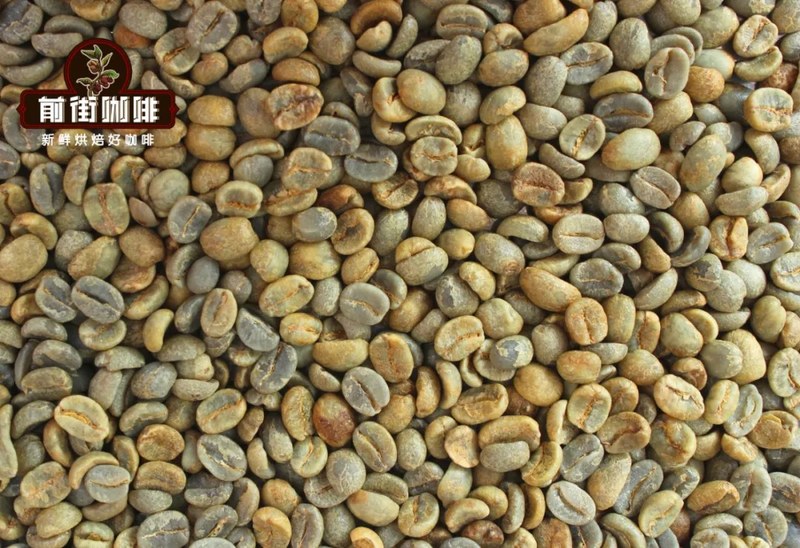
Open the container right before grinding, take out enough beans for one pot, and close it immediately—this is usually better for preserving flavor than leaving the whole bag spread open in the kitchen long-term. Keep coffee beans away from stoves, sunlight, damp areas, and strongly scented foods. Freezing is suitable when you divide into small packets at once, seal them well, and can take out whole packets; repeatedly moving in and out of the fridge brings condensation, and for small daily household consumption, stable room-temperature storage away from light is often more worry-free.
Your drinking pace can also adjust with the beans' condition: when they first enter the drinkable stage, brew every few days and note changes in cocoa aroma, sweetness, and finish; once flavors stabilize, increase frequency. If a bag is consumed slowly, buying small packages makes it easier to maintain performance than stockpiling large bags. Choose a cocoa-forward bean suited to a moka pot, then give it enough time to release and evolve—that's how you truly connect roast date, storage method, and every cup of coffee.
The above content is compiled by CoffeeHunters, a coffee news website.

