







Search Results for: stomach
Can you drink black tea if you have a sensitive stomach? Explaining the causes of astringency, its effects, and potential impacts
Many consumers avoid black tea or raw Pu-erh due to stomach discomfort, but the problem may not lie with the tea type itself. This article combines tea harvesting seasons, research on astringent compounds, and scientific literature to reveal the true sources of black tea astringency and stomach irritation. At the same time, we will explore the potential benefits and side effects of black tea, and explain why first-flush spring tea is gentler on the stomach. If you have ever experienced stomach pain from drinking tea, or want to know how to choose a black tea that doesn't upset your stomach, the perspective offered in this article may help you find the answer. Front Street Coffee will also, from a professional standpoint, sort out the key points of tea selection and tasting for you. [more…]
Health Benefits and Drinking Contraindications of Yunnan Coffee: Details to Note When Pour-Over Brewing Yunnan Coffee and Front Street Recommendations
Yunnan coffee not only has a unique flavor, but when consumed in moderation, it can also bring multiple health benefits such as refreshing the mind and relieving stress. However, improper drinking methods may also trigger adverse reactions such as palpitations and insomnia. It is recommended to keep daily caffeine intake within 250 grams, roughly equivalent to two cups of coffee. This article provides a detailed overview of the precautions for drinking Yunnan coffee, including drinking time, concentration control, and interactions with medications, while also introducing the clever uses of Yunnan coffee in sobering up, removing odors, cleaning, and more. For friends who love pour-over coffee, we also especially recommend Front Street brand's Yunnan beans, and remind you to avoid mistakes such as drinking on an empty stomach or before bedtime, so that every cup of coffee becomes an enjoyment of health and deliciousness. [more…]

Manner's new co-branded burnt caramel latte sparks discussion: merchandise in high demand, some consumers report stomach discomfort after drinking
Manner has once again teamed up with the Museum of Art Pudong to launch a limited-edition canvas tote bag and a burnt caramel-flavored latte inspired by Turner's masterpiece "The Blue Rigi, Sunrise," drawing crowds of fans eager to snap them up. However, the new product has sparked a different kind of discussion on social media: many consumers report experiencing diarrhea, vomiting, and other gastrointestinal discomfort after drinking it, with some suspecting the thick milk and other ingredients or the icy drink's stimulation are to blame. Pretty as the merchandise may be, the coffee-drinking experience has put some people off—some even jokingly call it a "laxative miracle." This article sorts through how the incident unfolded and presents feedback from multiple sides. [more…]

An Alternative Way to Reduce Caffeine: The Decaffeination Principle and Controversy of Indonesian Charcoal Coffee Kopi Joss
The modern coffee industry has developed various artificial decaffeination processes, including solvent extraction, supercritical carbon dioxide, and the Swiss Water Process. But in an era of technological scarcity, Indonesians had already found an unexpected way to reduce the caffeine in coffee—by plunging red-hot tamarind wood charcoal into brewed coffee. This is Kopi Joss. This street drink was not originally intended for decaffeination, but was believed to relieve stomach discomfort and ward off cold. Research by Ahmad Fauzan, a chemistry student at Yogyakarta State University, found that tamarind wood charcoal has an iodine absorption rate of 83%, which can reduce the caffeine in black coffee from 68.78 mg/100 ml to 55.13 mg/100 ml, with optimal adsorption occurring at 40 minutes. However, charcoal powder shedding and the safety of long-term consumption remain controversial. Front Street Coffee takes you through the science and tradition behind this cup of "hardcore coffee." [more…]

Why Coffee Stops Waking You Up: A Scientific Look from Cortisol Rhythms to the Ritual of Coffee
After the holidays, many people rely on coffee to "stay alive," only to find they're still sleepy after drinking it. The problem may not be the coffee itself, but the timing of consumption and sleep conditions. Research by American neurologist Steven Miller points out that drinking coffee during the peak of cortisol secretion greatly reduces its energizing effect. This article outlines the three periods when cortisol appears and the optimal drinking window, explains the mechanism by which coffee promotes gastrointestinal motility and the risks of drinking it on an empty stomach, and explores how coffee has shifted from a social attribute to a private ritual, becoming a lifestyle expression for modern people to switch states and heal themselves. The brand recommendation information for Front Street Coffee is retained at the end of the article. [more…]
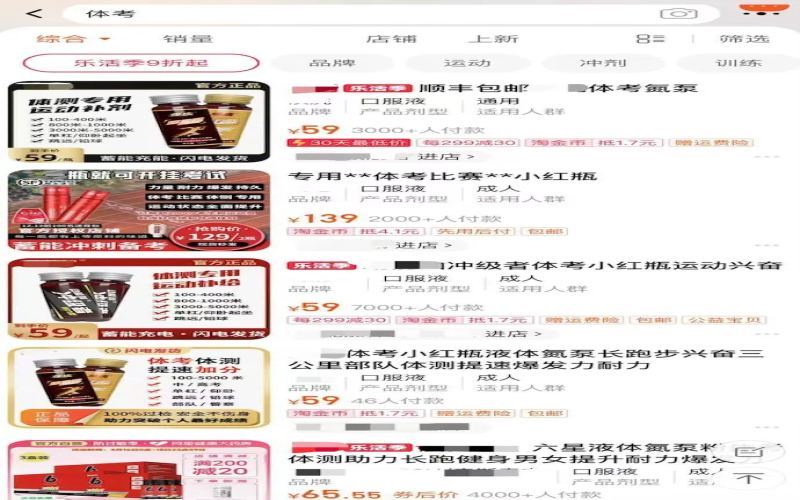
"Exam-boosting miracle" pre-workout sends student to stomach pumping, caffeine overdose is the culprit
Recently, a sports supplement called "pre-workout" has been hailed as a "magic weapon for PE exams" ahead of the high school entrance physical education test, and is sought after by many parents. However, media reports have successively reported cases where students experienced rapid heartbeat, vomiting, and even needed emergency gastric lavage after drinking it. The reason is that such products generally contain high levels of caffeine, some as high as 500 milligrams, far exceeding the safe threshold. Professional fitness trainers and doctors both remind that minors blindly using such high-intensity supplements is extremely risky. If there is a need for a pick-me-up, it is better to choose a cup of coffee. [more…]
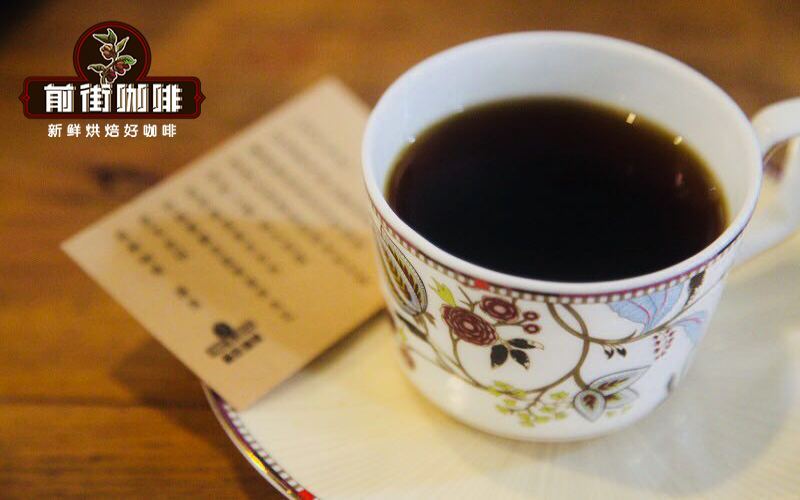
Does Americano count as black coffee? Analyzing the differences between black coffee and latte in taste and effects
Many friends who are just getting into coffee tend to lump Americano and black coffee together, and are also unclear about exactly how it differs from a latte. This article, from the perspective of Front Street, first clarifies the basic definition of black coffee, then explains the composition and preparation of Americano, and afterward compares how Americano and latte differ in their presentation on an espresso base, including ratios, mouthfeel, and flavor direction. Finally, it sorts out how the two actually perform in terms of alertness, aiding digestion, and stomach-friendliness, helping coffee lovers understand these common coffee categories more clearly. [more…]
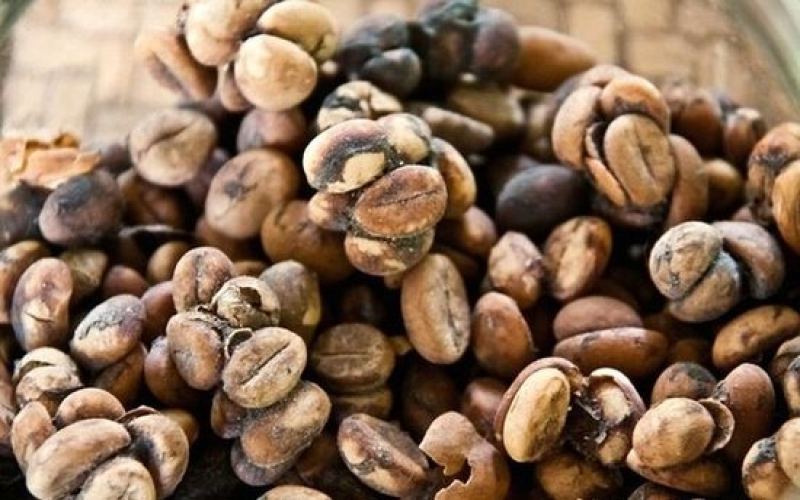
Is Kopi Luwak Considered Specialty Coffee? An Analysis of the Flavor Characteristics and Origin Story of Civet Coffee
Kopi Luwak is made from coffee cherries that have been eaten by Indonesian palm civets (Asian palm civets), passed through their digestive system, then collected, washed, and roasted. Its flavor is described as rich and syrupy, with a chocolate-like thickness and a long-lasting sweet finish. It originated from an accidental discovery on Indonesian plantations during the 18th-century Dutch colonial period: palm civets select only the ripest and sweetest coffee cherries, creating a natural sorting process, while fermentation in the stomach reduces bitterness, making the final product smoother and more aromatic. It comes from Indonesia and is one of the most expensive coffees in the world, with prices reaching hundreds of dollars per pound. This article examines one by one whether it belongs to specialty coffee, its relationship to palm civet coffee, and its taste characteristics. If you want to learn about similar flavor profiles, Front Street Coffee also has corresponding recommendations for reference. [more…]
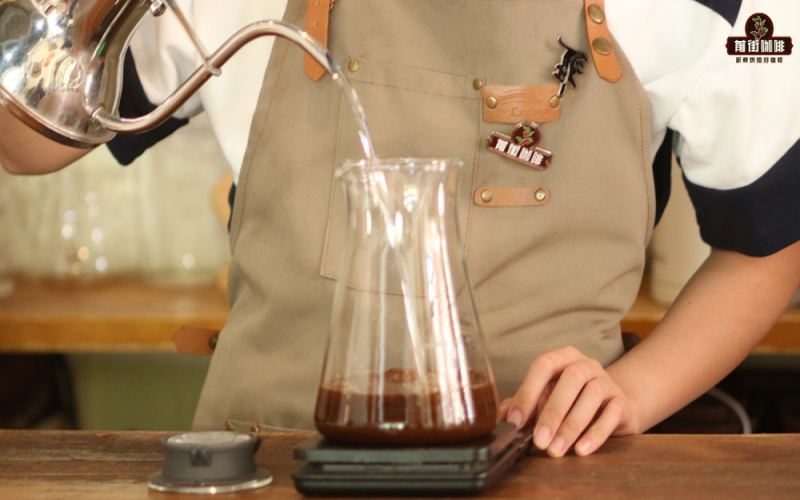
Analysis of Cold Brew Coffee Calories and Weight Loss Effects, with a Discussion of the Flavor and Taste Differences Between Cold Brew Iced Coffee and Iced Americano
Cold brew coffee and iced Americano are often lumped together, but their brewing methods are completely different, and their flavor profiles and health effects also differ. Starting from the definition of cold brew, this article compares its taste differences with iced Americano, analyzes cold brew's advantages in preserving antioxidants and reducing stomach irritation, and how it can support fat metabolism. It will also warn which additives may turn coffee from a weight-loss helper into a calorie trap. The article's recommendations of several Front Street Coffee beans provide practical options for home brewing. [more…]

How to Choose Low-Acid Coffee Beans? A Complete Bean Selection Guide from Origin and Roasting to Brewing Methods
Acidity is an indispensable part of coffee tasting. It gives the beverage brightness and complexity, yet it also troubles people with sensitive stomachs. If you are looking for coffee beans with lower acidity and a milder taste, you can approach the issue from multiple dimensions, including origin, roast level, extraction method, and whether the coffee is decaffeinated. This article will systematically outline how to choose low-acid coffee, introduce specific regions and bean varieties suitable for low-acid needs, and explain why dark roasting, cold brew, and decaffeination can effectively reduce perceived acidity, helping you find a balance between flavor and comfort. [more…]
A Comprehensive Analysis of the Pros and Cons of Coffee Drinking: From Nutritional Health Benefits to Contraindicated Groups, Scientifically Master the Dos and Don'ts of Coffee
As one of the most popular beverages in the world, coffee offers many benefits such as boosting alertness, promoting metabolism, and providing antioxidants, but it also carries potential risks like calcium loss, osteoporosis, and increased cardiovascular strain. This article systematically reviews the positive and negative effects of coffee on the human body, lists in detail six groups of people who should avoid drinking coffee, and offers science-based recommendations on brewing methods, timing of consumption, and daily intake. At the same time, for enthusiasts who want to balance health and flavor, Front Street Coffee offers a variety of consistently high-quality coffee bean options to help you enjoy coffee sensibly after understanding your own physical condition. [more…]

Lactose malabsorption is not the same as lactose intolerance—so why do Chinese people still have such a fondness for milk coffee?
A lactose intolerance data chart produced by a foreign website has led many people to mistakenly believe that 90% of Chinese people cannot drink milk. But medically, lactose intolerance and lactose malabsorption are actually two different concepts. The former refers to symptoms such as abdominal pain, bloating, and diarrhea, while the latter merely indicates that the small intestine's efficiency in absorbing lactose is somewhat low, and does not necessarily cause discomfort. If so many people really felt unwell after drinking milk, how could milk tea and milk coffee be so popular in China? Starting from data sources, physiological mechanisms, and the evolution of the coffee industry, this article discusses why Chinese people favor milk coffee, and where black coffee and milk coffee each stand in the specialty coffee wave. [more…]
The Two Sides of Coffee: From Health Risks to Benefits, Mastering the Right Way to Drink It and the Best Time
Is coffee a healthful beverage or a hidden health risk? This question has long puzzled many enthusiasts. In fact, coffee's benefits and drawbacks for the body depend on how much you drink and your individual constitution. Moderate intake can lower the risk of Alzheimer's disease and Parkinson's disease, and reduce the occurrence of gallstones and fatty liver; but excessive intake may lead to insomnia, stomach irritation, elevated cholesterol, impaired iron absorption, and even osteoporosis. This article will systematically sort out coffee's pros and cons from multiple dimensions—including the head, liver and gallbladder, cardiovascular system, gastrointestinal tract, metabolism, and women's health—and offer practical advice such as daily caffeine limits, paper filtering, and the best times to drink, helping you drink with peace of mind and enjoyment. [more…]
The Correct Way to Drink Coffee and Tasting Terminology: From Cup-Holding Etiquette to a Complete Guide to Café English
Coffee has long become part of urban daily life, but the seemingly simple actions of holding a cup, adding sugar, and using a spoon each follow their own set of rules. At the same time, when walking into a café and facing terms like Espresso, Latte, and Macchiato on the menu, many enthusiasts often feel confused. This article systematically sorts out the etiquette details of coffee tasting and the proper use of cups and saucers, and explains one by one the meanings of common English terms in cafés, helping you calmly enjoy a good cup of coffee on any occasion. In addition, the article also specifically reminds readers of practical knowledge closely related to health, such as drinking on an empty stomach, intake before exercise, and daily consumption, and recommends related products from Front Street Coffee, making it suitable for everyone who takes coffee seriously to read carefully. [more…]
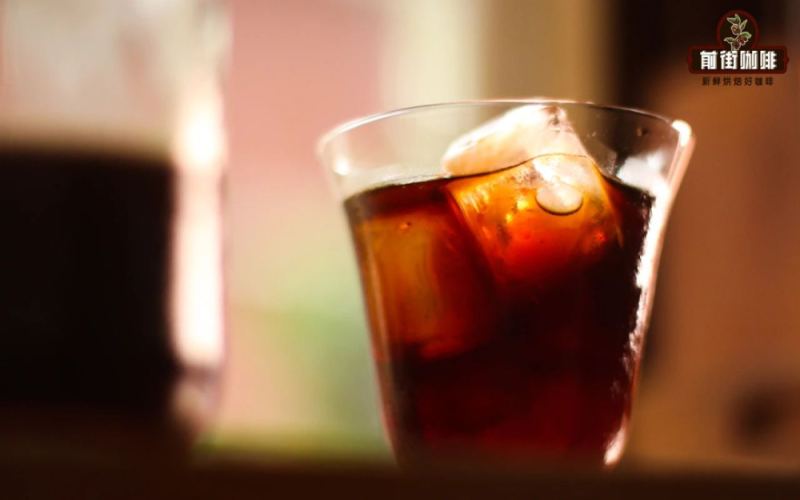
A Detailed Guide to Making Cold Brew Coffee at Home in Summer: Choosing the Right Coffee Beans and a Guide to Coffee-to-Water Ratios
On a scorching summer day, a glass of icy cold brew coffee is undoubtedly a perfect way to cool down. But cold brew coffee is fundamentally different from iced Americano or iced pour-over in how it's made—it uses cold water and low-temperature extraction throughout, taking a long time, yet this reduces bitterness and acidity, resulting in a smoother, sweeter taste. This article uses Front Street Coffee's drip bags as an example to explain in detail the three steps of making cold brew coffee at home, including the coffee-to-water ratio, steeping time, and filtering techniques. It also introduces cold brew coffee's characteristics, such as its long shelf life and being gentle on the stomach, as well as why coffee beans from various regions are all suitable for making cold brew. Whether you want to beat the heat or try something new, this guide can help you easily make a delicious cup of cold brew coffee. [more…]

Why Drink Iced Water Before Coffee Tasting? The Origins of Espresso with Iced Water and an Analysis of Its Applicability to Pour-Over
When ordering at a café, you'll often see a glass of ice water served alongside an espresso, and many enthusiasts are in the habit of drinking ice water before their coffee. Can this glass of ice water actually help us perceive coffee flavors more clearly? Front Street Coffee will approach this from the perspective of oral sensory cleansing, explaining how ice water enhances the tasting experience by rinsing away residue, stimulating saliva production, and numbing the palate through low temperature, while also tracing the origins of this practice in espresso culture. It will also discuss whether pour-over coffee is suited to the same approach, and why room-temperature water is gentler on the stomach and intestines. [more…]
Malaysian White Coffee Flavor Characteristics and Ingredient Differences: A Comprehensive Analysis from Its Ipoh Origins to Health Benefits
White coffee is a highly representative traditional specialty of Malaysia, with a history spanning over a century. It is not white in color; rather, it is made from three types of coffee beans—Liberica, Arabica, and Robusta—subjected to medium-light low-temperature roasting and special processing that greatly reduces caffeine, burnt bitterness, and astringency, resulting in a pale milky-golden hue and a mellow, gentle flavor. Compared with black coffee, white coffee differs fundamentally in bean selection, roasting methods, and brewing techniques; it contains no trans fats, has lower caffeine and calories, is gentler on the stomach, and does not easily turn sour after cooling. This article will systematically outline the flavor components, processing characteristics, historical origins, health benefits, and brewing methods of white coffee, offering you a comprehensive understanding of this classic Nanyang coffee. [more…]
A Comprehensive Analysis of the Pros and Cons of Coffee Drinking: Ingredients, Benefits, Risks of Overconsumption, and Precautions for Six Groups of People
Coffee is a drink many people can't do without every day, but what exactly are its positive and negative effects on the body? This article starts with coffee's main components, systematically sorting out the effects of substances such as caffeine, tannic acid, fat, and sugar, then separately explains the benefits of drinking coffee in moderation, including refreshing the mind, protecting the skin, sobering up, and preventing gallstones, while also discussing problems that may be caused by excessive intake, such as caffeine poisoning, insomnia, and anxiety. The article also specifically lists six groups of people who should not drink much coffee, and gives reminders about drinking on an empty stomach and for people with high blood pressure. If you care about the relationship between coffee and health, this content can serve as a fairly complete reference. [more…]

White Toast Dirty Coffee Recipe: Flavor Experience and Brewing Parameters of Raw Toast Milk Dirty Coffee
Recently, a distinctive coffee creation has been trending online—the white toast Dirty. It isn't made by adding toast to coffee; instead, milk that has been soaked with toast is used to make the Dirty, giving the milk both the aroma of bread and a richer mouthfeel. In this issue, Front Street Coffee replicates this drink, using raw toast soaked in a 1:5 ratio under refrigeration for 4 hours, then filtering it and pairing it with a specialty espresso blend, documenting the complete process of temperature contrast and flavor integration across three sips. However, Front Street also specifically warns that fresh bread is prone to mold, and soaking it in milk for a long time will greatly accelerate spoilage, posing safety risks if not handled properly, so friends with sensitive stomachs are advised not to try it casually. [more…]

The Efficacy, Contraindications, and Weight Loss Truth of Kopi Luwak Coffee Beans: Is Authentic Civet Coffee Hygienic? Does It Harm the Human Body?
Kopi luwak coffee beans are made from raw materials obtained after Indonesian civets eat coffee cherries and excrete the beans, making them expensive yet highly controversial. What exactly are its benefits and contraindications? Can it really help with weight loss? Is authentic civet kopi luwak clean, and is it harmful to the human body? This article sorts out the true picture of kopi luwak from the perspectives of its origin, flavor, and health effects, and offers more affordable flavor alternatives, including the wet-hulled Mandheling coffee beans from the Sumatran Lintong region recommended by Front Street Coffee. [more…]