







Search Results for: slight
Moka Pot Grind Size: Pair It with the Right Roast Level
Coffee brewed in a moka pot can have bright fruity notes, or it can show the depth of cocoa and nuts. An important clue that determines the difference is the roast level of the coffee beans. Light-roasted beans have a tighter structure, and the release of flavor needs more push; dark-roasted beans are easier to extract, and if the grounds are too fine, bitterness and a burnt taste will quickly [more…]

Characteristics of Americano | How do coffee shops make Americano black coffee? Which coffee beans are suitable for making Americano? What coffee flavors does a standard Americano present?
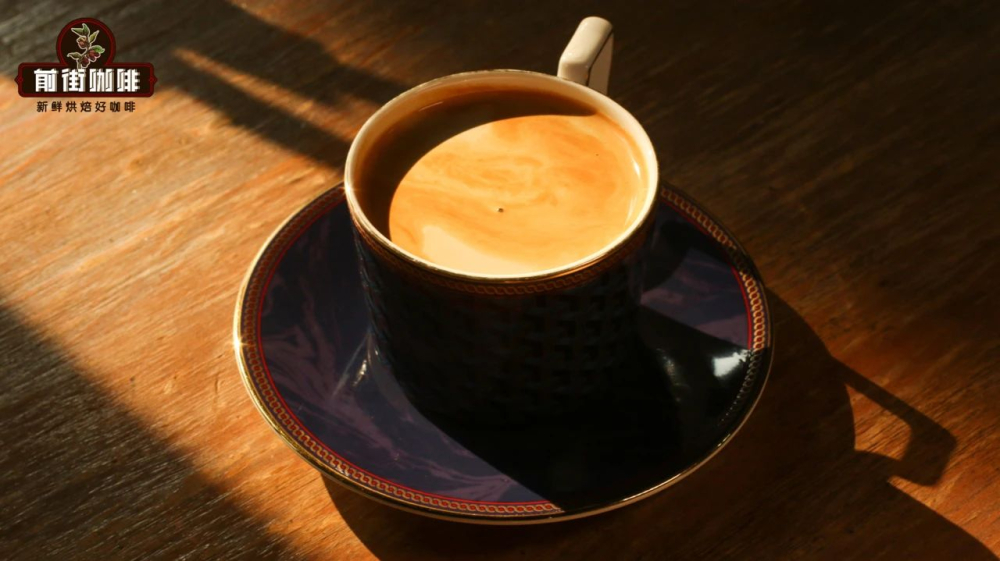
Americano is made by diluting espresso with water, typically using dark-roasted Italian-style coffee beans. Front Street's Americano beans are a blend of single-origin beans from two different regions, which has the advantage of compensating for the low acidity of traditional Italian-style coffee and making the flavor richer. Many people ask about Americano beans. [more…]
Iced and Hot Americano Methods | Is There a Big Difference Between Espresso and Americano Coffee Beans? Which Coffee Beans Are Suitable for Iced Americano? What Are the Steps for Tasting Americano Coffee?
For more specialty coffee knowledge, please follow: Front Street Coffee (Frontsteet Coffee). Americano is made by diluting espresso with water, typically using dark-roasted Italian-style coffee beans. The Americano beans used by Front Street are a blend of single-origin beans from two different regions. This [more…]
How to Choose the Grind Size for a Moka Pot? Adjusting by Roast Level Is More Accurate
For the same moka pot, when you switch to light, medium, or dark roast beans, the ideal grind won't be exactly the same. You can think of the grind size for a moka pot as a range: overall coarser than espresso machine grounds, finer than pour-over grounds, with a texture somewhere between fine and regular granulated sugar. The lighter the roast, the closer you generally move toward the finer end; the darker the roast, [more…]

Blended Coffee Bean Recommendations | Which Coffee Beans Are Suitable for Espresso? What Are the Coffee-to-Milk Ratios for Lattes and Flat Whites?
For more specialty coffee knowledge, please follow: Front Street Coffee (Frontsteet Coffee). Coffee enthusiasts who have tried a flat white know that flat white is not served iced—if you add ice cubes, it will most likely become a latte, which means that a flat white is more [more…]
Flat White | Which coffee beans are suitable for making a Flat White? Is there a difference in the coffee-to-milk ratio between a Flat White, a Latte, and a Cappuccino?
For more specialty coffee knowledge, please follow our WeChat public account: Front Street Coffee (FrontStreet Coffee). When it comes to espresso, everyone will definitely think of lattes, cappuccinos, mochas, and so on, but very few people mention the Flat White. So what kind of drink is this? [more…]

The Origin Story of Latte | Which Tastes Better: Iced Latte or Hot Latte? What Is the Proper Way to Drink a Latte? Which Coffee Beans Are Suitable for Making an Espresso Latte?
Among the many espresso coffee choices, if someone asks which espresso coffee has the highest milk content, Front Street Coffee will definitely answer that it is a latte, and latte is further divided into iced latte and hot latte; their methods are slightly different, but the recipe is the same [more…]

Latte Art Illustrated Guide | How Can Coffee Beginners Learn Latte Art? What Should Be Noted in Latte Art? Instructional Guide on Swan, Tulip, and Rosetta Latte Art
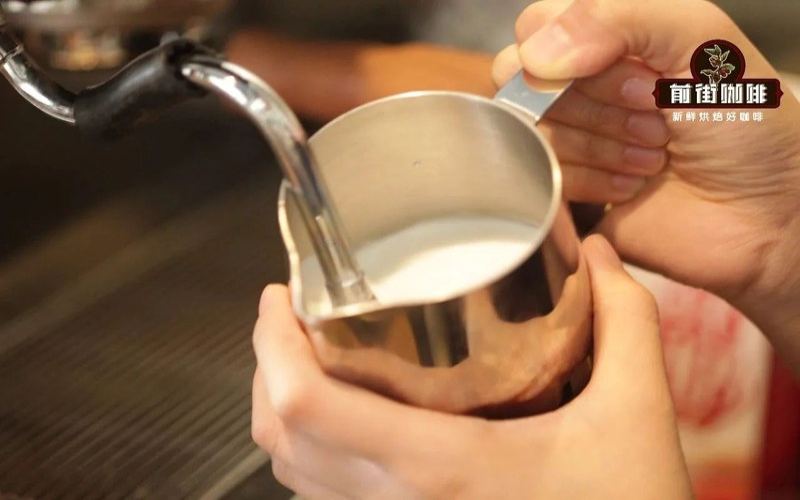
Latte art mainly takes three forms: free pouring, etching, and stenciling. Stenciling uses a stencil to dust cocoa powder, chocolate powder, or cinnamon powder onto the coffee to create a pattern. Free pouring and etching are together known as Latte Art: the former involves pouring steamed [more…]
Floral Aromas from Bright to Mellow: How to Read Coffee Roast Levels
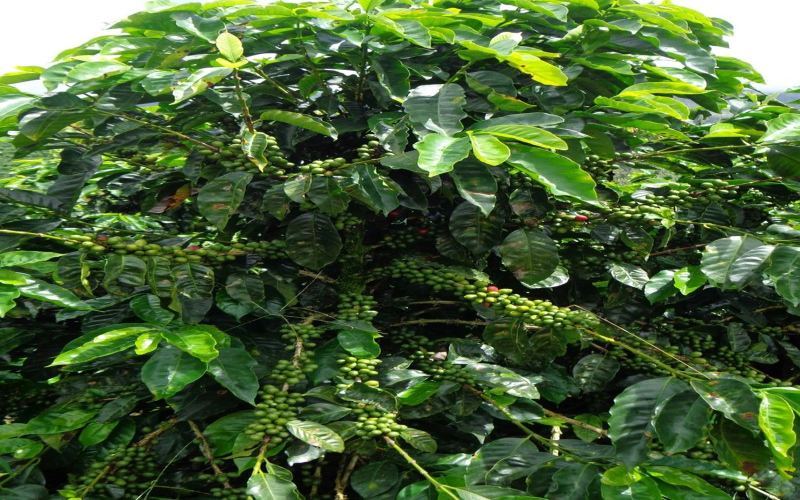
Floral coffee is not just one flavor. Light roasts more easily preserve notes of white flowers, orange blossom, jasmine, and tea; medium roasts bring florals together with caramel sweetness; and dark roasts usually push the florals into the background and shift toward cocoa, nuts, and roasted aromas. To choose a cup that suits your taste, you can first look at the roast level, then judge [more…]
A Guide to Selecting Coffee Beans for Americano by Roast Level
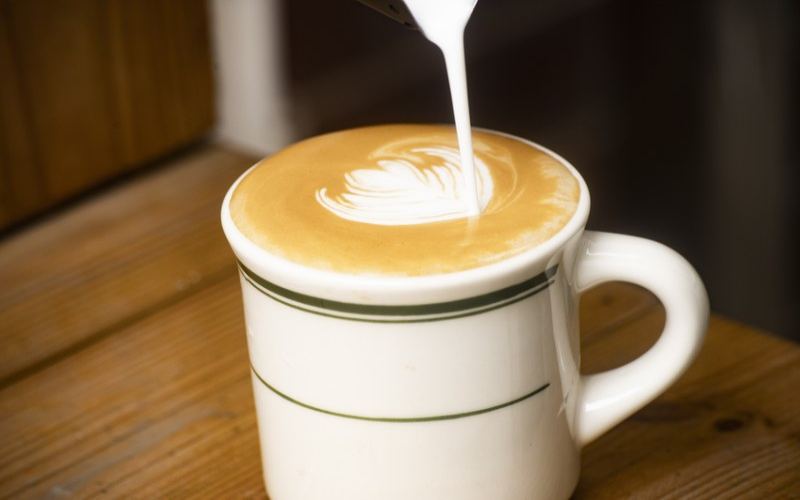
The crispness, richness, or slight bitterness of Americano black coffee is first influenced by the roast level. Light-roasted beans easily bring floral notes, fruity acidity, and a tea-like quality into the cup, making them suitable for those who want to taste the character of the region; medium-roasted beans have a more stable sweetness and are more relaxed for everyday drinking; dark-roasted beans have cocoa, nutty, and roasted aromas, and pair well with ice or breakfast. [more…]

Latte Art | What is latte art? How do beginners make latte art? What are the techniques for making a tulip pattern?
Latte art mainly includes three forms: free pouring, etching, and stenciling. Stenciling uses a stencil to sprinkle cocoa powder, chocolate powder, or cinnamon powder onto the coffee to create a pattern. Free pouring and etching are collectively known as Latte Art; the former involves pouring hot [more…]
Let Fruit and Sweetness Land in the Cup: A Guide to Roast Levels for Pour-Over Beans
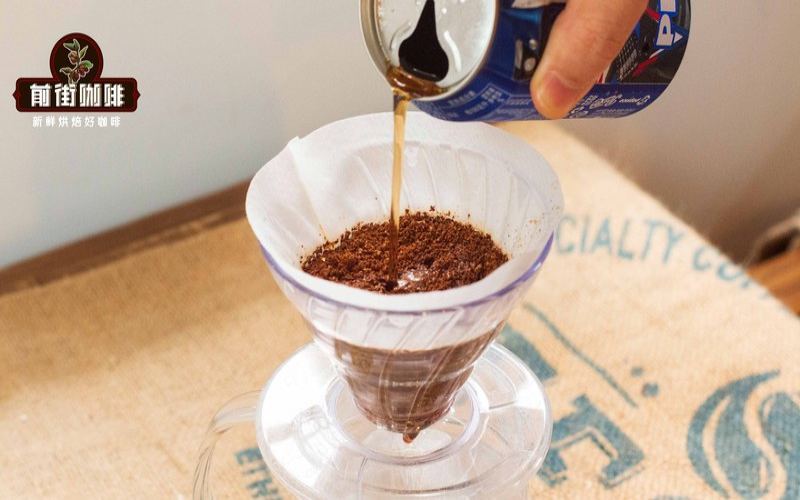
If you want to brew a pour-over coffee with clear sweetness and noticeable fruity aromas, roast level is a very useful screening clue. It affects how well the beans retain their aroma, how the acidity expresses itself, and the body of the cup, and it also determines how much force you need during brewing. Light roasts are lighter and brighter, while medium roasts are rounder and fuller—choose the right direction, and the fruity notes and sweetness will come through more easily [more…]

Hand-brewed Blend Coffee Beans | Can Espresso Beans Be Used for Hand-brewed Coffee? How to Blend Single-Origin Beans for Hand-brewing? Hand-brewed Blend Bean Roasting Parameters and Flavor Introduction?
As autumn turns to winter and the weather gradually cools, Front Street Coffee created the Front Street Sunflower Warm Sun espresso blend, suited to espresso, quite some time ago. Following this line of thinking, Front Street also wanted to make a blended coffee bean suitable for autumn drinking and usable for pour-over coffee. Front Street Coffee (FrontStreet C [more…]
Espresso Tasting | Which specialty coffee beans make good-tasting espresso? What are the ways to drink Italian-style espresso?
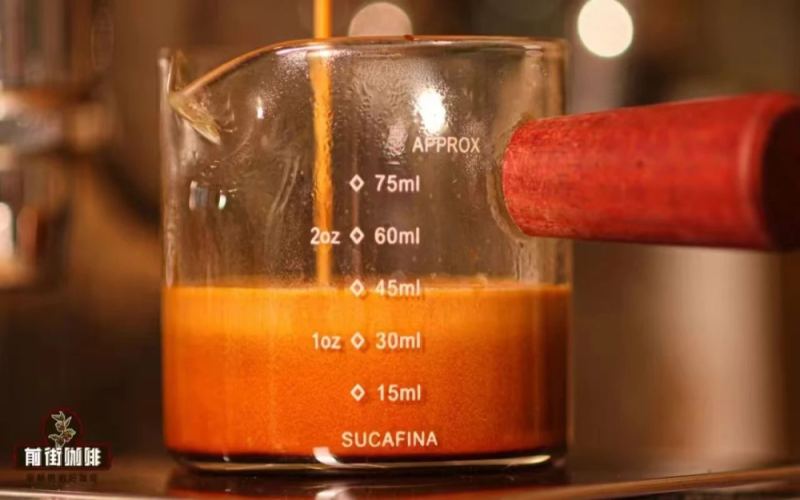
For more specialty coffee knowledge, please follow: Front Street Coffee (Frontsteet Coffee) Espresso has always been known as the "soul of coffee"! However, because Espresso has a rich mouthfeel and strong flavor, it is often hard for people to accept. But once [more…]
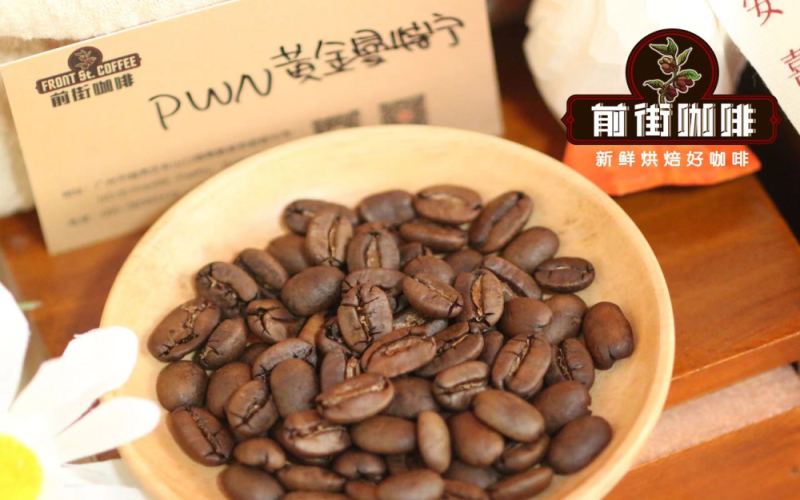
Moka Pot Tutorial Illustrated | Comparison of Coffee Ground Coarseness Between Moka Pot and Espresso Machine What Kinds of Coffee Beans Are Suitable for Moka Pot
The moka pot is the most affordable type of machine for brewing espresso coffee, and it is commonly used in Italian households. It was invented in 1933 by the Italian Alfanso Bialetti, and it brews coffee by heating the base, making it a type of steam-distillation method. The moka pot and 19 [more…]
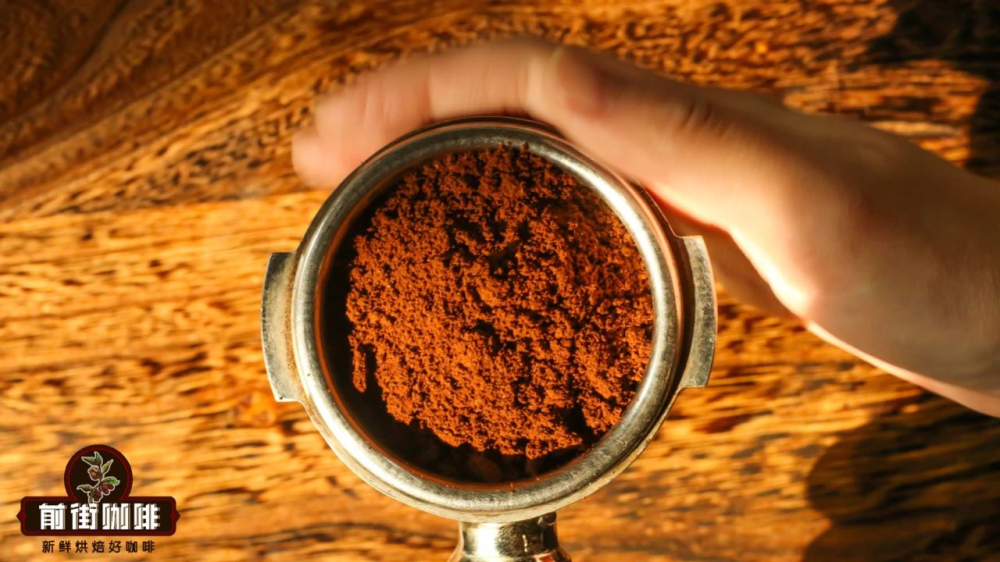
Espresso Coffee Beans | How to Choose Coffee Beans for Making Espresso? What Are the Espresso Bean Price, Extraction Time, Coffee Grounds Dose, and Ratio Parameters?
Each espresso extraction has different restrictions on the amount of coffee used depending on the size of the portafilter basket. Front Street Coffee, when making a single shot of espresso (1 shot), uses 10-11g of coffee grounds to extract 20-25g of espresso liquid. [more…]
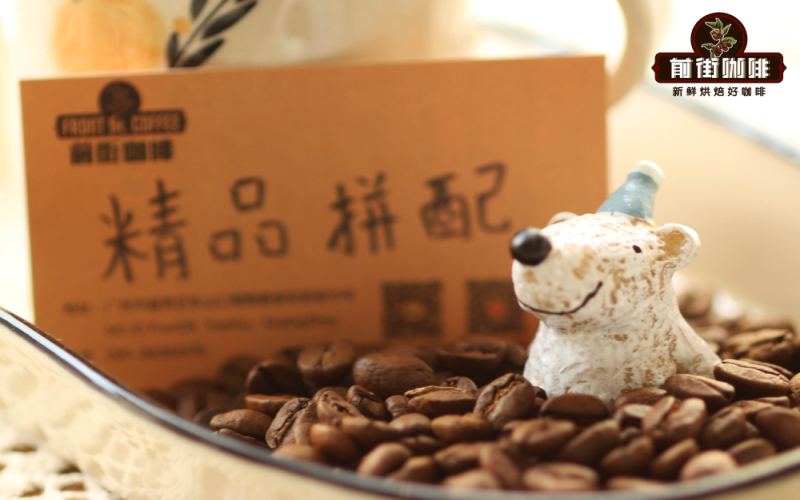
Criteria for Judging Espresso Bean Quality | SOE Coffee Beans vs. Espresso Blend Beans: Which Is Better? What Specialty Espresso Coffee Beans Are Recommended for Opening a Coffee Shop?
First, espresso beans—obviously, these are the coffee beans used in espresso machines. In the past, this generally referred to blend beans, but not anymore. Nowadays, it's not just blend beans that can be used as espresso beans; single-origin coffee beans can also be used as espresso beans. Let's first take a look at what blend beans are. Blend beans are made by combining various [more…]
Indonesian Coffee | What is the difference between Mandheling SOE and espresso blends? Can hand-brewed single-origin beans be used to make espresso?
Front Street Coffee has found that beginner coffee enthusiasts often perceive Front Street Mandheling as very bitter, and espresso as bitter too (though of course it's not bitter after adding milk and sugar), so sometimes they even think the two should taste the same, or they may make some comparisons in their minds. [more…]
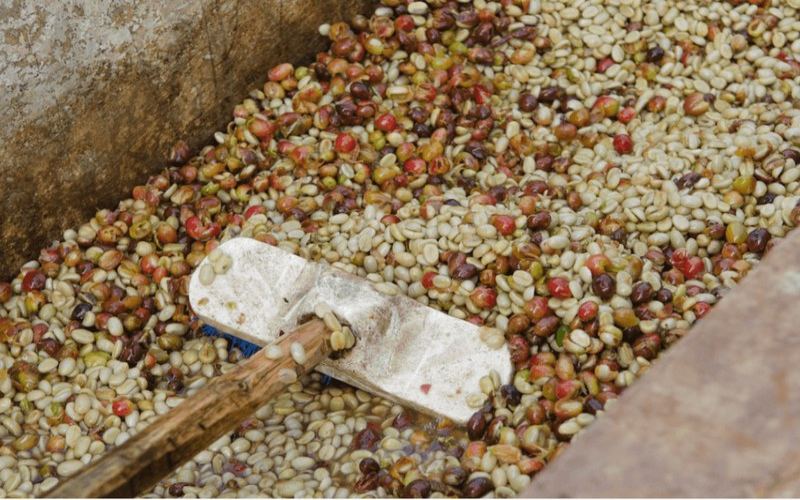
Yirgacheffe pour-over beans, each roast level has its own brewing method
When Yirgacheffe is brewed in a pour-over, the differences you taste come not only from the growing region but also from the roast level. For the same floral and fruity character, a light roast may taste like citrus blossom tea, a medium roast gains riper fruit sweetness, and a dark roast shifts toward cocoa and roasted aromas. When buying beans, first look at the roast direction, then imagine what kind of cup you'd be happy to drink every day. Light-roast Yir [more…]

SOE Before and After Dial-In: How Bean Age Rewrites Extraction Parameters
When coffee beans have just finished roasting, they are still continuously releasing carbon dioxide internally, and the aromatic compounds are also in a stage of re-stabilizing. If you make an SOE directly at this point, the espresso may have abundant foam, but not necessarily a clear sweetness. Home espresso machines can absolutely make SOE; the key is to treat bean age as one of the extraction conditions, so that the grind [more…]