







Search Results for: simultaneously
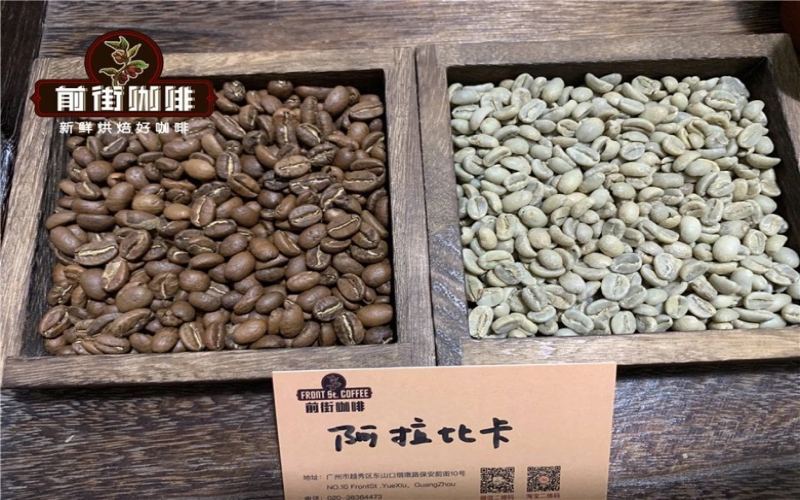
Bean blend combinations for commercial espresso blends: the ratio logic of Arabica and Robusta
There is a clear difference between commercial blends and home-use beans: they must simultaneously satisfy three conditions—flavor, cost, and consistency. And the combination of bean varieties in a blend, especially the ratio of Arabica to Robusta, is often the key to whether these three conditions can be balanced. Arabica beans are the flavor powerhouse. They bring floral notes, fruity acidity, and a solid [more…]

From Surfactants to Foam Stability: A Beginner's Guide to Latte Art and the Principles of Fluid Dynamics
Latte art is a romantic expression of a barista's skill, with white milk foam blooming into heart or leaf patterns on the surface of dark brown espresso. Latte art is divided into two types: free-pour latte art and etched latte art created after pouring. The wonder of the former lies in the pattern forming simultaneously with the pour, while the latter offers a wider range of designs because the stable foam allows for leisurely drawing. From a physics perspective, the core of latte art lies in surfactants—molecules that possess both hydrophilic and hydrophobic groups, capable of stabilizing the interface between air and liquid to form lasting foam. Milk proteins and coffee lipids act together as surfactants, enabling the two micron-scale foams to remain clearly separated for a long time after mixing, thereby allowing the pattern to persist. This article will guide you from the basic principles of surfactants to understand espresso's crema, the formation of hot milk foam, and why foam mixing rather than liquid mixing is the key to successful latte art, while also revealing the widespread applications of surfactants in daily life and industry. [more…]

Panama Geisha Pour-Over Coffee | Is the coffee-to-water ratio for pour-over always 1:15? What grind size is suitable for pour-over single-origin beans?
Pour-over coffee is a process where flavor extraction and filtration happen simultaneously, with extraction occurring centered around the spot where water is poured, and the key lies in how to control and balance it. At Front Street, when adjusting pour-over coffee parameters, we usually consider the grind size of the coffee beans and the brewing water temperature first, but in fact the coffee-to-water ratio is also very important. During brewing, the water [more…]
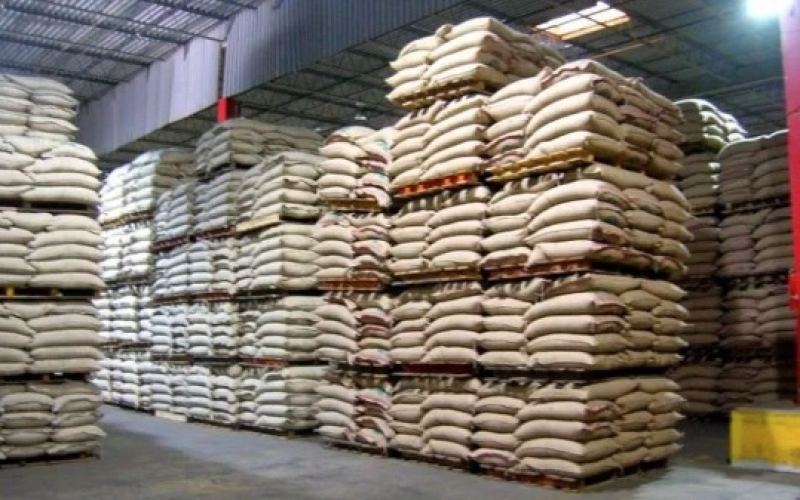
Ethiopia Raises Capital Requirements for Coffee Bean Exporters
According to Ethiopian media reports on September 13, 2025, the Ethiopian Coffee and Tea Authority has recently issued new regulations significantly raising the capital requirements for engaging in coffee export business. Under the latest Coffee Mark [more…]

Ethiopian Coffee Exports Set New Record, Five-Year Plan Aims for $6 Billion Target
Recently, Ethiopia announced that its coffee export revenue for the 2025/26 fiscal year exceeded US$3 billion for the first time, reaching a historic high. Ethiopian Minister of Agriculture Adisu Arega stated that coffee export revenue for this fiscal year grew by 13% compared with the previous fiscal year, and the coffee industry continues to remain the country's largest agricultural [more…]

Coffee Shop Espresso + Pour-Over Dual-Line Bean Selection Plan
A well-established coffee shop usually needs to manage two product lines simultaneously: the espresso line and the pour-over line. The espresso line handles daily cup volume and revenue, while the pour-over line showcases professionalism and increases the average transaction value. The two lines use different bean strategies, but both require careful configuration. Espresso line: stable output, controlled costs, memorable highlights [more…]

The Daily Rhythm of Home Espresso: The Time and Cost of a Latte
Integrating a home espresso machine into daily life comes down to turning the brewing process into a stable, repeatable habit. From start-up to cleanup, the full rhythm of making a latte takes about eight to ten minutes, and once you're proficient, the routine flows naturally, like brushing your teeth in the morning—no need to think twice. The machine takes about five minutes to preheat, and during that time you can grind and weigh the coffee. [more…]

Tomorrow will officially take effect! China and Ecuador mutually cancel tariffs.
According to the news of the Chinese business website, on May 11, 2023, China and Ecuador signed the "Free Trade Agreement between the Government of the People's Republic of China and the Government of the Republic of Ecuador". At present, both China [more…]

Officials of the African Coffee Association urged traders to specially handle the export of special processing method coffee.
Traders of the special processing method coffee should reduce the export of coffee with traditional processing methods. From February 6th to 10th, the 20th African Fine Coffee Conference and Exhibition was held in Addis Ababa, the capital of Ethiopia [more…]
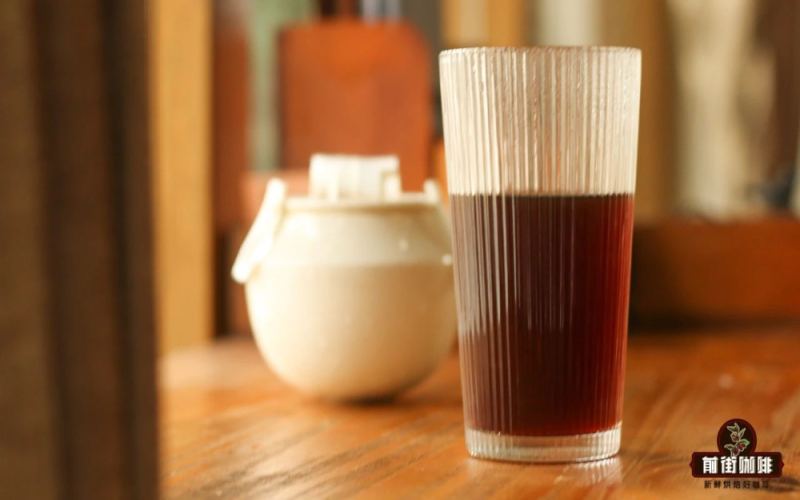
Yunnan Coffee Drip Bags | Is Yunnan Coffee Acidic? Can Yunnan Small-Bean Coffee Be Used for Drip Bag Pour-Over? Beginner-Friendly, High-Value Single-Origin Yunnan Drip Coffee Bags
No matter which type of drip bag coffee you choose, the prerequisite for good flavor is that the coffee you buy must be fresh, ideally within its optimal flavor period; otherwise, no matter how delicious it may be, you won't truly taste a delicious cup of coffee. Generally, experienced baristas or even enthusiasts can judge how long coffee has been sitting by its smell, but like [more…]
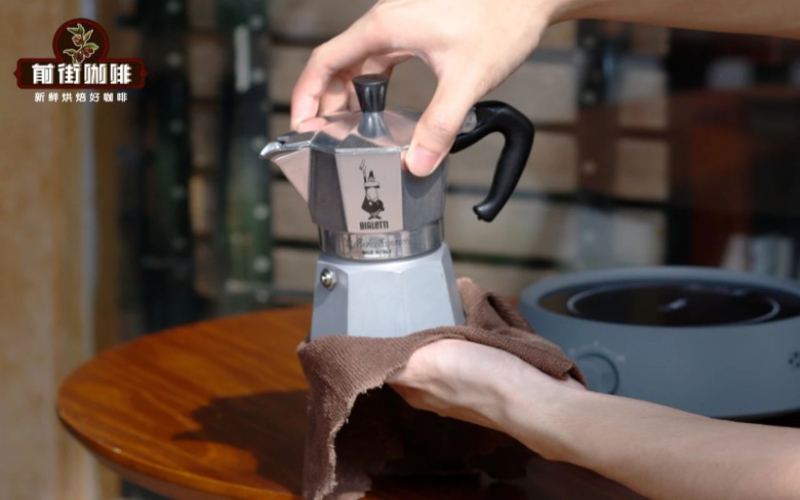
What is the difference between a single-valve and double-valve moka pot? Which is better?: A selection sequence from taste to equipment
Changes in roast level shift both the flavor focus and the extraction rhythm—light roasts preserve floral and fruity notes and bright acidity, medium roasts present sweetness and balance, and dark roasts lean toward nuts, cocoa, and a fuller body. None of the three directions is superior; what suits your drinking style is what's right. How to use a moka pot—the key lies in respecting its steam-pressure extraction logic. [more…]
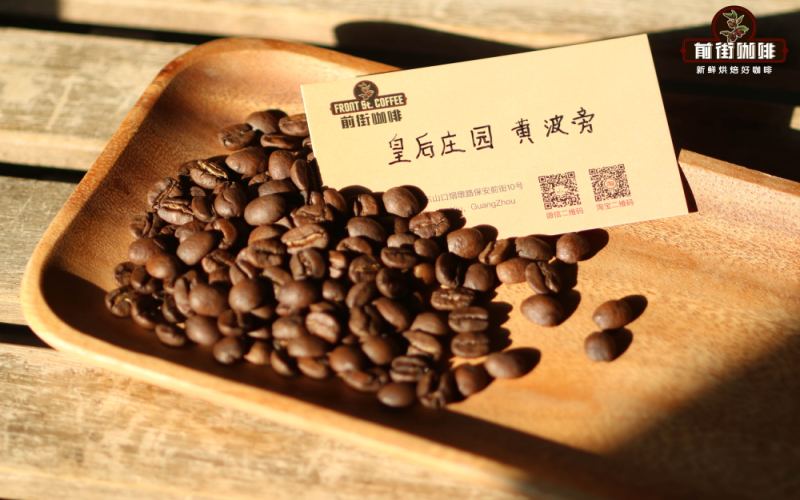
Nutty-Flavored Americano Coffee Beans Recommendation | How to Make a Delicious Americano at Home? 3 Key Steps for Beginners to Make Café-Style Black Coffee!
American coffee has attracted many office workers because it lets you enjoy the coffee aroma brought by espresso—refreshing and mellow, without being masked by milk. But in fact, if we have a home coffee machine at home, we can easily make the same American coffee as in a coffee shop, though there are a few details to pay attention to. 1. Purchasing [more…]
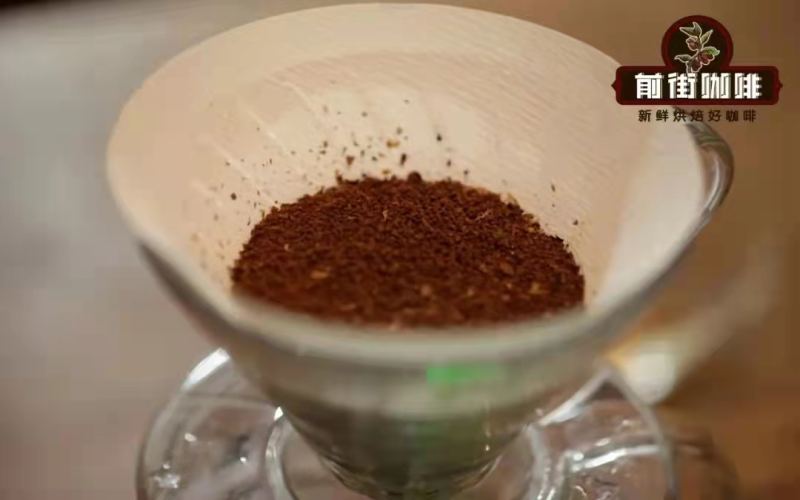
How to determine the grind size (coarseness/fineness) for pour-over coffee beans? How do you adjust the settings on a coffee grinder?
Among the parameters of pour-over coffee, Front Street believes that grind size is the hardest to master. It doesn't have intuitive data like water temperature or coffee-to-water ratio, nor can it be compensated for through practice like technique. As a result, many beginners are stumped by grind size. So Front Street will teach you how to get grind size right. First, I [more…]
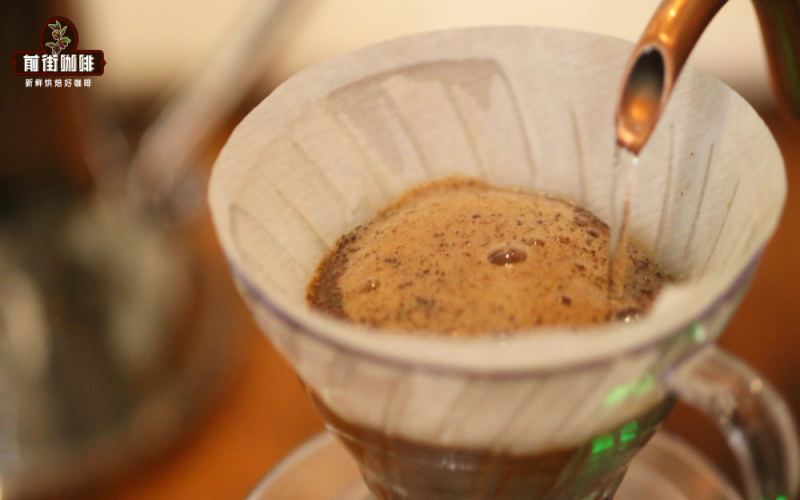
Specialty Geisha Brands | What Makes Panamanian Geisha Coffee So Special? Recommendations for Floral, Rich, Delicious, and Affordable Light-Roast Pour-Over Coffee Beans
The Geisha variety originated in Ethiopia, the birthplace of coffee. It was discovered in Ethiopia's Geisha forest in 1931 and sent to the Kenyan Coffee Research Institute. It was subsequently introduced to countries such as Uganda, Tanzania, and Costa Rica, and was brought to Panama in 1970. At first, Geisha was planted in Panama [more…]

Australian White Coffee Taste and Mouthfeel | Flat White vs Latte: Which Tastes Better and Has a Stronger Coffee Flavor? Is There a Big Difference Between a Latte and an Aussie White?
Sometimes, just coffee and milk alone can be played with in endless variations, leaving outsiders utterly confused about the differences. Take latte and Flat White, for example—both are made by mixing espresso with milk, yet they offer two entirely different experiences. If [more…]
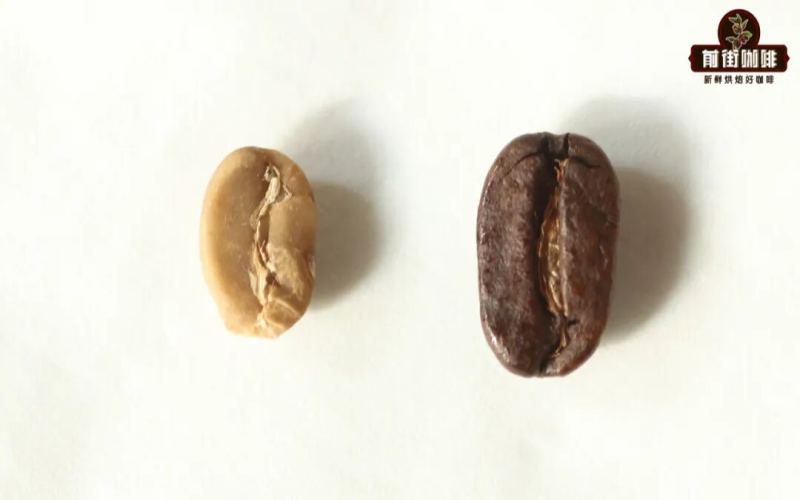
Coffee Bean Oil Release | What factors cause roasted coffee beans to become oily? Does coffee bean oil release mean poor coffee quality?
If you often buy beans and brew them at home, you've probably noticed that some coffee beans start to show oil on their surface after sitting for a while. Other beans, no matter how long they're stored, still look dry on the surface. This leads to a rather interesting phenomenon: some people believe that coffee beans [more…]

AeroPress Inverted Method Coffee Tutorial | What coffee beans are suitable for the AeroPress? What flavor characteristics does black coffee brewed with the AeroPress have?
The AeroPress brewing method is versatile, with no absolute rules—use your imagination to make a great cup of coffee. Use it however you like. It is precisely because of the AeroPress's varied techniques, its operability, and the controllability of coffee extraction factors that the World AeroPress Championship exists today. [more…]

Moka Pot Italian-Style Bean Recommendations | Is coffee brewed in a moka pot as strong as espresso? How should moka pot beginners choose coffee beans?
The moka pot is often called a "stovetop espresso maker" because it can produce a relatively concentrated coffee liquid, and if you are very skilled and use freshly roasted coffee beans, it will also have a layer of aromatic crema. The magic behind the moka pot lies in its brewing method. It is divided internally into three chambers: [more…]

Moka Pot Medium-Dark Roast Beans: Timing Every Cup from Roast Date
Making medium-dark roast coffee beans with a moka pot is fascinating because the cocoa, caramel, and roasted aromas are concentrated, but these aromas do not settle into their proper place immediately after roasting is completed. When degassing is still vigorous, the flow may seem hurried and the aroma slightly dispersed; if left to rest too long, the fragrance in the nasal passages gradually narrows. Therefore, when selecting beans, besides [more…]

Crema Abundance Starts from Roast Day: The Flavor Schedule of a Bag of Beans
Coffee with a full-bodied crema often has a velvety mouthfeel on the palate, and espresso more easily forms a fine foam on its surface. However, a shiny bean surface is not the sole criterion for judging thickness in the cup; the state of degassing after roasting, the timing of grinding, and the number of days since opening all alter the aroma and texture. If you want to taste notes of nuts, cocoa, and caramel, first [more…]