







Search Results for: roasting suggestions
A Roundup of Today's Most Popular Coffee Categories: Flavor Characteristics and Roasting Suggestions from Blue Mountain to Iced Latte
Coffee, tea, and cocoa are together celebrated as the world's three major beverages. The coffee tree is an evergreen small tree belonging to the Rubiaceae family. The coffee we drink daily is made by extracting the beans from the fruit of the coffee tree, roasting them appropriately, and then brewing them with various devices. There are many popular coffee varieties on the market, each with its own distinctive flavor. This article will systematically cover classic single-origin coffees such as Blue Mountain, Cuba Crystal Mountain, Colombia Supremo, Brazil Santos, Mandheling, Mocha, Hawaii Kona, Java, Guatemala, and Kilimanjaro, as well as flavored preparations like milk coffee, Viennese iced coffee, and iced latte, along with their suitable roast levels and taste characteristics, making it easy for coffee lovers to choose according to their preferences. Front Street Coffee will also provide you with a stable supply of beans and roasting recommendations. [more…]

Ice Drip Coffee Powder-to-Water Ratio | How to Replicate Starbucks' Ice Drip? Affordable Single-Origin Coffee Bean Recommendations for Beginners to Make Cold Brew and Ice Drip
Choosing coffee beans—coffee beans actually determine the flavor of the coffee you make. Many people are used to coffee being bitter, especially those who love drinking coffee from a certain American coffee chain. If you are already used to drinking bitter coffee, I suggest you first try iced-drip Mandheling coffee; it lets you taste the difference between iced drip and what you usually drink. [more…]
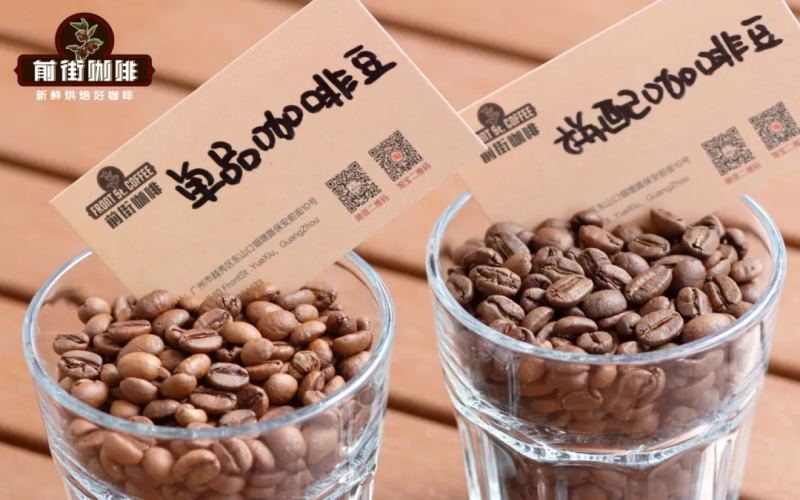
Everyday Coffee Beans for Home | What coffee beans are suitable for hand grinding? What single-origin pour-over beans with mild acidity and a sweet aftertaste are recommended?
When you want to buy coffee beans, do you ever feel overwhelmed by a dazzling list of beans? When you go to a coffee shop that roasts its own beans, do you ever feel torn by the dazzling array of coffee beans? No worries! Just remember these few points, and you can easily choose the coffee beans that suit you! "Choose coffee according to your brewing method. [more…]
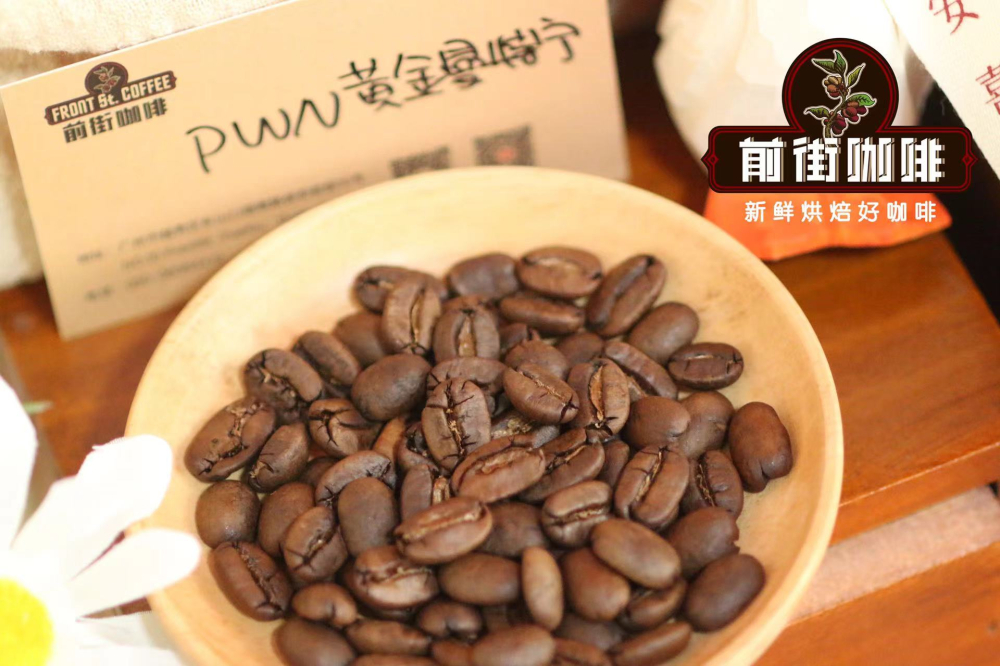
Espresso Brewing Guide | How to Make Espresso Black Coffee Without an Espresso Machine? Medium-Dark Roast Single-Origin Bean Recommendations for Beginners Using a Moka Pot
Technically speaking, due to functional limitations, a moka pot cannot produce espresso like an espresso machine. However, a moka pot can easily make a freshly ground strong coffee base at home at a lower cost, which can then be turned into a flavorful Americano or latte. And if you want to make rich, aromatic coffee with a moka pot, you need to start with a pack of [more…]
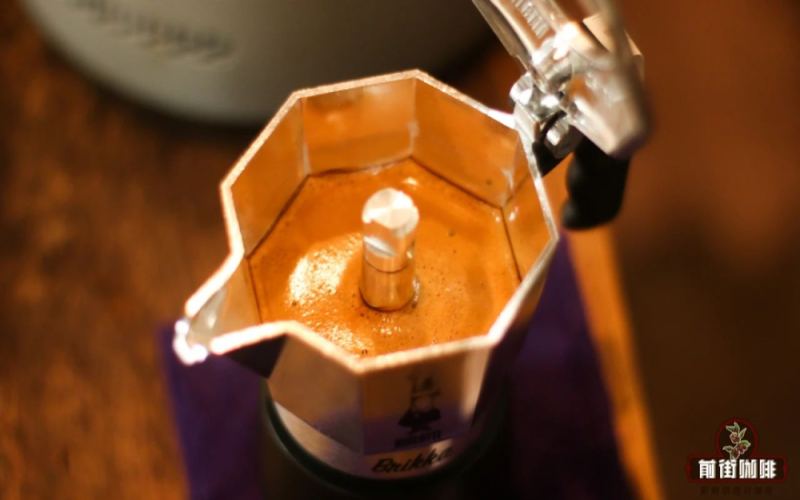
Brewing with a Moka Pot | What's the secret to making delicious moka pot coffee? Which selected medium-dark roasted single-origin coffee beans are recommended for moka pots?
Using a moka pot is very simple, but the brewing process can still sometimes result in bitterness, excessive strength, or insufficient flavor. Today we're sharing some tips for using a moka pot, hoping to help moka pot enthusiasts make delicious espresso-style black coffee at home. Let's think through everything from bean selection and brewing to tasting. 1. During use [more…]
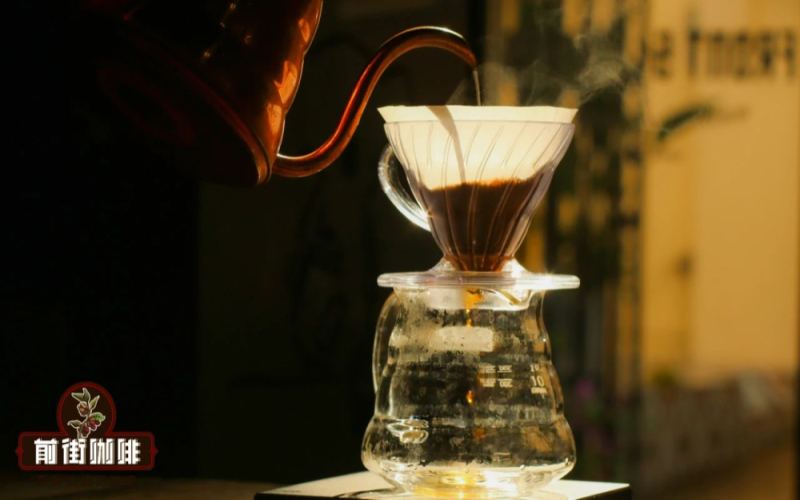
Recommended Varieties of Specialty Coffee Beans for Pour-Over | How Should Coffee Beginners Choose Single-Origin Beans for Pour-Over? What Are the Flavor Characteristics of Washed Gedeb, Golden Mandheling, and Panama Geisha When Made as Pour-Over Coffee?
More and more friends are now joining the ranks of pour-over coffee enthusiasts, and with so many coffee beans to choose from, many are once again struggling with choice paralysis. Generally speaking, the coffee beans used for pour-over coffee are single-origin beans. Single-origin beans refer to beans from a single region (from one estate/cooperative, or from multiple estates/cooperatives within a single origin). [more…]
Coffee Bean Buying Guide | Whole Beans or Ground Coffee: Which Is Better? Which Coffee Beans Suit Pour-Over, French Press, Espresso Machines, and Clever Drippers?
Aroma is the soul of coffee beans, and freshness is the guarantee of their quality. Therefore, Front Street Coffee believes that to buy coffee rich in aroma, you need to choose freshly roasted coffee beans. Below are six tips and guidelines on buying coffee beans that Front Street Coffee has compiled for you, as a gift to those who love coffee. When buying roasted coffee beans, [more…]
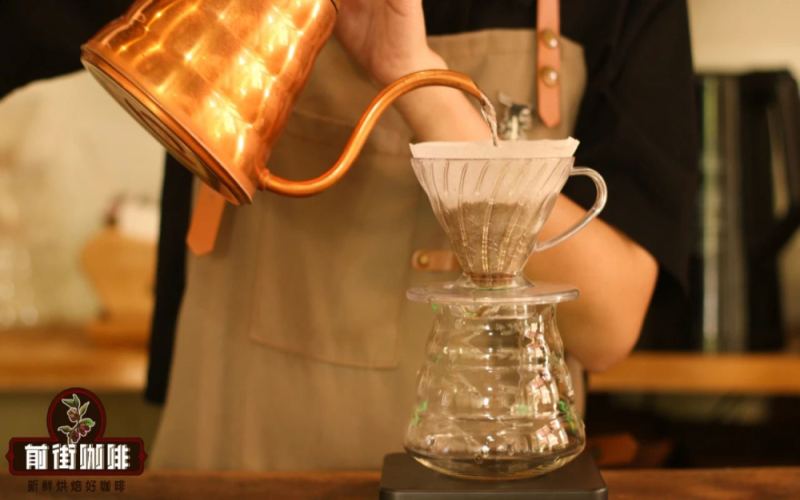
How to Make Pour-Over Coffee for Two | How Should the Coffee-to-Water Ratio for Pour-Over Coffee Be Allocated? What Coffee Strength Does the SCAA (Specialty Coffee Association of America) Recommend?
With the development of the specialty coffee market, single-origin coffee is increasingly recognized by the public, so many coffee enthusiasts are teaching themselves how to brew pour-over coffee at home. As a result, coffee-loving friends often ask, when buying coffee beans at Front Street Coffee, how the coffee-to-water ratio for pour-over coffee should be determined. So in this next article, Front Street [more…]
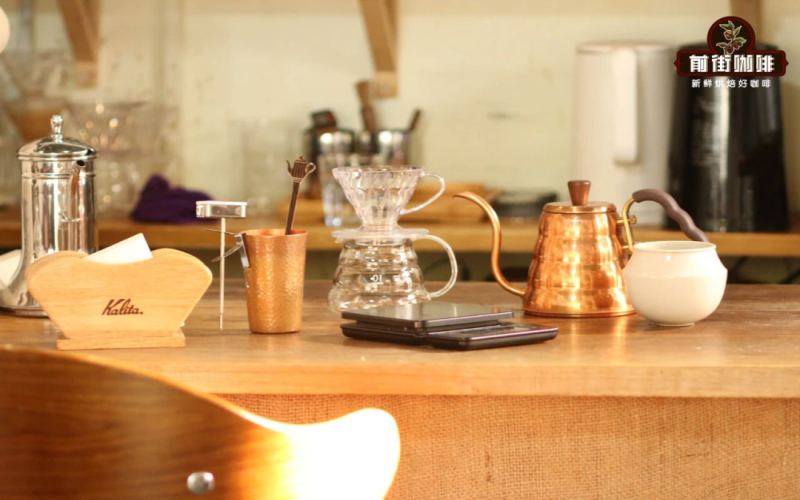
Pour-Over Coffee Basics for Beginners | What Pour-Over Coffee Equipment Do Coffee Beginners Need to Prepare? What Roles Do the Coffee Pot, Coffee Grinder, Powder Sifting Net, and Coffee Dripper Play?
With the rise of the third wave of specialty coffee, more and more people are paying attention to coffee, including how to make a cup of coffee. Front Street Coffee believes that if you want to make coffee at home, the simplest option is pour-over coffee, since the equipment you buy isn't as bulky as an espresso machine and [more…]

Drip Bag Coffee | What Are the Differences and Similarities Between Drip Bag Coffee and Hanging Ear Coffee? How to Brew Drip Bag Coffee? How to Brew Hot Coffee with a Hanging Ear Coffee Bag?
Speaking of drip bag coffee, this reminds Front Street of the convenient and simple hanging ear coffee, but they are not actually the same thing. In terms of steps, drip bag coffee is even simpler than hanging ear coffee—just put it into a clean container and add liquid, such as hot water, cold water or milk. [more…]

Drip Bag Coffee Brewing | How Should Golden Mandheling Drip Bag Coffee Be Drunk? Can Boiling Water Be Used to Brew Drip Bag Black Coffee at Home? How Much Water Should Be Poured?
For more specialty coffee knowledge, please follow: Front Street Coffee (Frontsteet Coffee). If asked which coffee on the Front Street bean list has the highest body, we would definitely answer: Golden Mandheling coffee. This is a high-quality dark-roasted coffee bean from Sumatra, Indonesia, and it not only has [more…]

Exploring Brazil Santos Coffee: Flavor Analysis of a World Specialty Coffee Classic from the Port of Santos
When friends visit and are asked what coffee they'd like, many people reply, "I don't really know much about it—just make anything." This prompted us to come up with the idea of introducing the world's classic famous coffees. The first installment focuses on the representative of Brazil, the world's largest coffee-producing country—Brazil Santos Coffee. It comes from the state of São Paulo and is exported through the port of Santos, and with its No.2, 18-19 screen standard, it has become Brazil's highest-grade coffee. This article will analyze in detail its origin background, quality grading, flavor characteristics, and roasting suggestions, taking you through this classic choice that is mild and balanced, suitable for espresso and flavored coffee, and letting you feel its coffee charm that runs through Brazil's veins like samba. [more…]
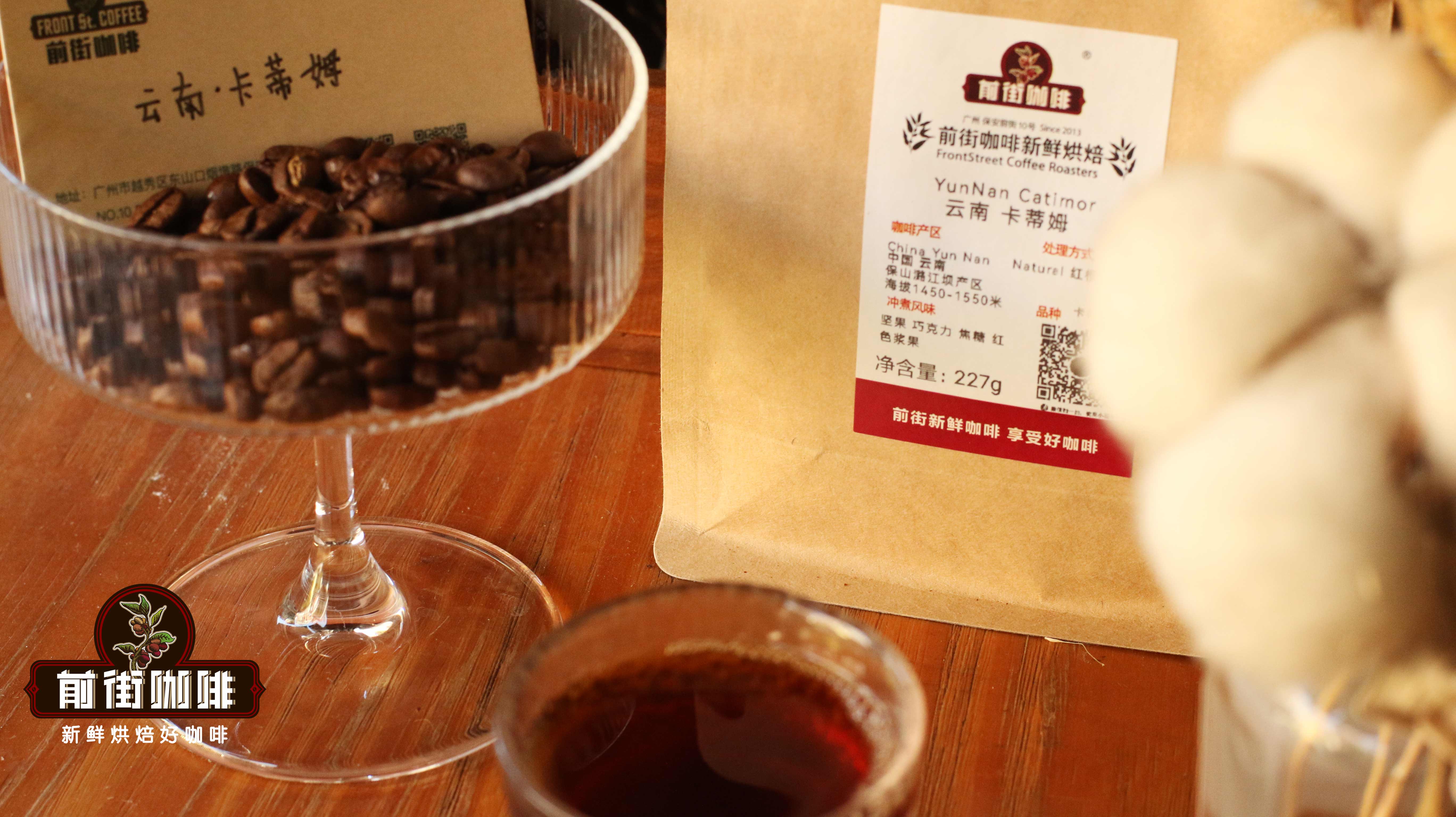
Analysis of Yunnan small-bean coffee varieties: From Catimor to Typica—flavors, origins, and brewing suggestions
Yunnan, as the core coffee-growing region in China, nurtures small-bean coffee that is rich but not bitter, aromatic but not harsh, with a slight fruity note, thanks to its low latitude, high altitude, and abundant rainfall. The most common variety on the market is Catimor, but a small amount of Typica is still grown—for example, Front Street Coffee's estate in Lincang cultivates Typica. This article systematically reviews the variety classification, morphological characteristics, main producing regions, processing methods, and brewing parameters of Yunnan coffee, and includes flavor descriptions of Front Street Coffee's washed Yunnan small-bean, natural Catimor, and 2013 natural Typica, helping enthusiasts gain a comprehensive understanding of Yunnan coffee's past and present. [more…]
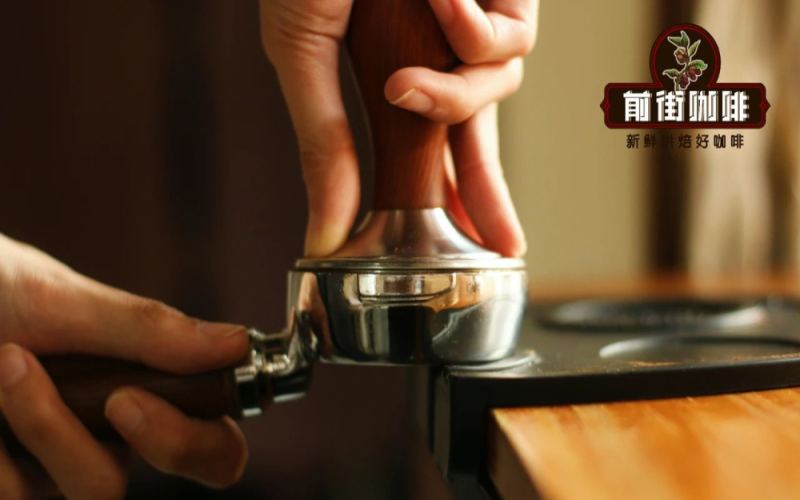
Coffee Shop-Style Latte Tutorial | Is Making Beautiful Latte Art Difficult? Recommended Medium-Dark Roast Specialty Espresso Beans for Lattes
Every coffee shop has slight differences in the milk-to-coffee ratio, beans used, and extraction parameters for their lattes. But in general, a latte is a coffee drink made by mixing a large amount of milk into espresso. Many friends have messaged Front Street Coffee (FrontStreet Coffee) asking. [more…]
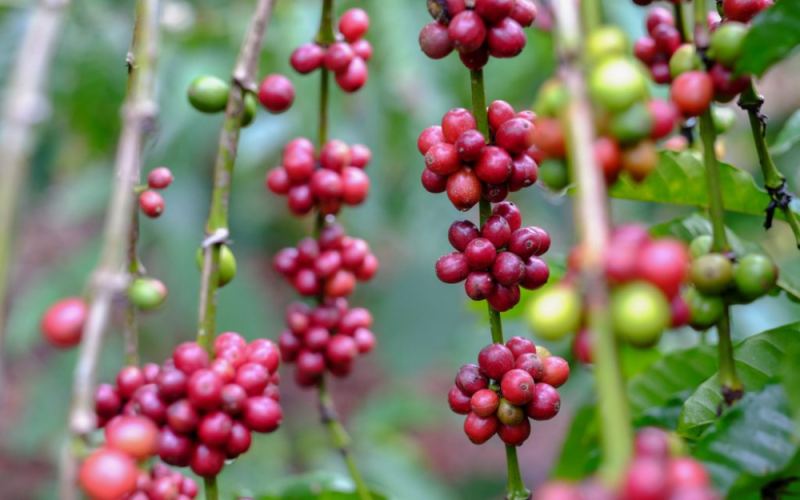
PWN Golden Mandheling Flavor Characteristics | Why Does Pour-Over Indonesian Mandheling Coffee Taste Sour? Is Mandheling a Coffee Variety? Where Does the Mandheling Flavor Come From?
Some friends who dislike acidity and are new to single-origin coffee often tell the barista when they arrive at a café: "I'd like a pour-over coffee that isn't sour." At this point, the barista will usually recommend Mandheling coffee beans. Once it's brewed and they take the first sip, the feedback is always that it's bitter, and some even want to add sugar. [more…]
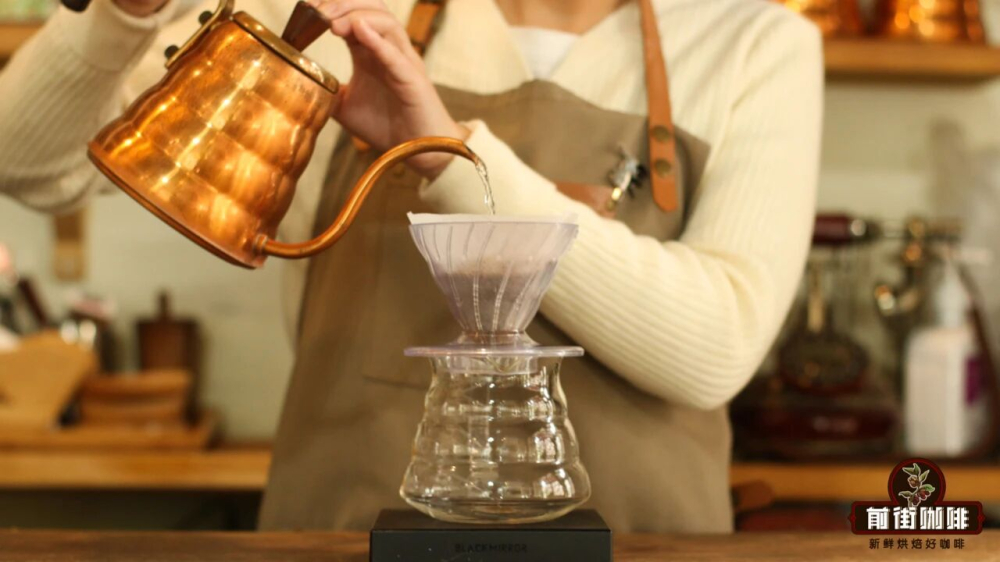
French Press Guide | Is French Press Coffee Suitable for Beginners? French Press vs. Pour-Over: What's the Difference? Comparing the Taste and Mouthfeel of French Press and Pour-Over Coffee
Many friends have complained to Front Street Coffee that "pour-over coffee is so hard to learn" and "I've been brewing for so long and still can't get it right." For those in this situation, Front Street Coffee suggests trying a French press to brew coffee. Compared with pour-over coffee, the biggest feature of brewing with a French press is that it involves far fewer manual actions, reducing a lot of uncertainty [more…]
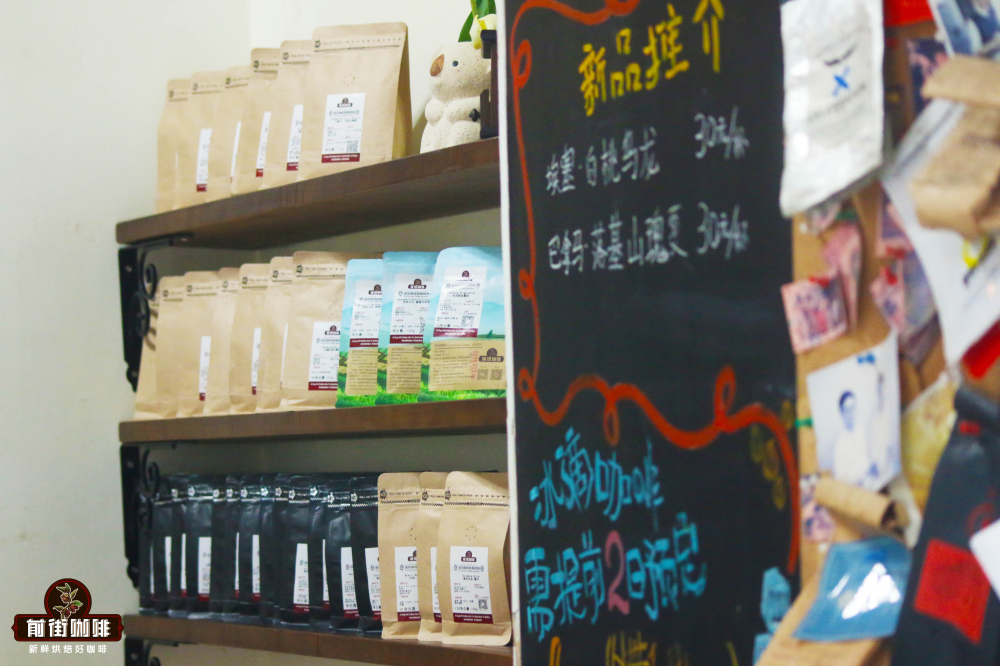
SOE Coffee Making | How Are SOE Beans Different from Espresso Blend Beans? Which Tastes Better, SOE Coffee or Blend Coffee? Which Coffee Beans Can You Choose for Making SOE at Home?
As the habit of drinking coffee gradually integrates into the daily lives of Chinese people, the demand for coffee keeps growing and becoming more refined. In order to create their own distinctive features, major chain brands have successively launched personalized SOE coffee, forming a new trend. What is the difference between SOE and blends? In specialty coffee [more…]
Freshly Roasted Coffee Brand Recommendations: Choose the Right Beans for You by Roast Level
Light-roasted beans often keep the character of their origin and variety in the cup; on the palate you may find citrus, berries, or floral notes, and they drink light and bright, making them suitable for the morning, the afternoon, and moments when you want to focus on the aroma. Medium-roasted beans have steadier sweetness and softer acidity, while dark-roasted beans carry more pronounced roasted, cocoa, and nutty notes. According to the roasting [more…]
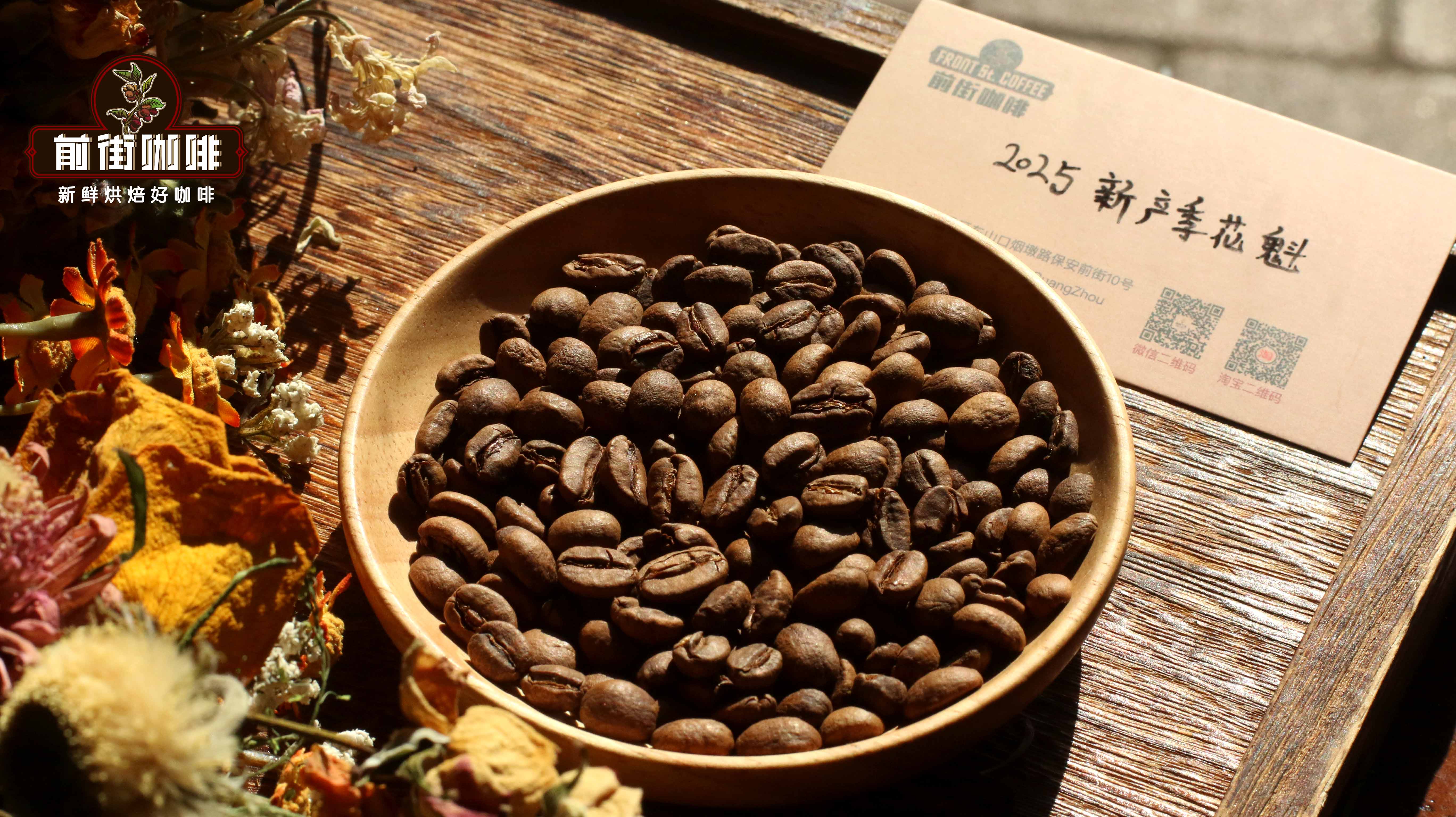
Commercial Coffee Bean Roundup | What to Consider When Buying Coffee Beans for Your Shop? Recommended Specialty Espresso Coffee Beans That Make Great Espresso/Americano/Milk Coffee
Coffee beans on the market are mainly divided into two types: single-origin and blended. Single-origin coffee beans, as the name suggests, refer to coffee beans of the same variety produced from the same estate. For example, Front Street Mandheling coffee with its rich spicy aroma, Front Street Colombia coffee with its dark chocolate and cocoa notes, Front Street Yirgacheffe coffee with its floral and citrus flavors, and so on. Each type of single-origin coffee [more…]
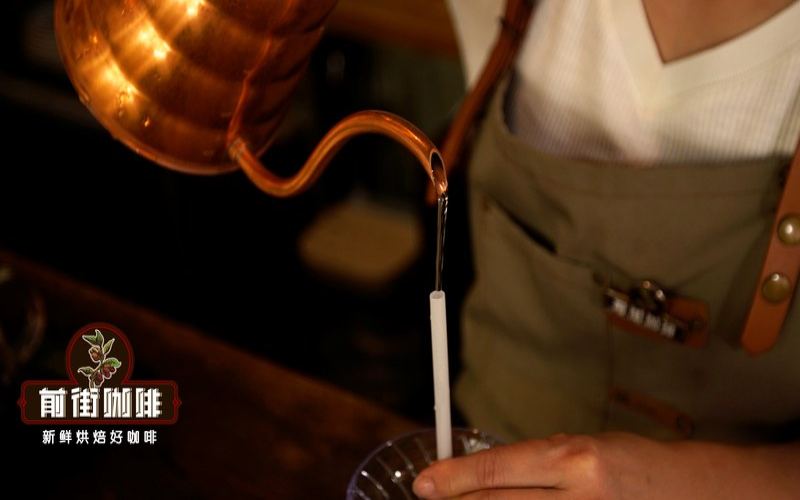
Choosing Yirgacheffe by Roast Level: From Buying Channels to Brewing Methods
The purchasing channels for Yirgacheffe beans are greatly influenced by the roast level. If you prefer bright fruity notes, floral aromas, and a crisp mouthfeel, you can prioritize light-roast single-origin offerings from specialty roasters; if you favor a rounder sweetness with more restrained acidity, look for medium-roast batches; and if you mainly drink espresso, moka pot coffee, or milk-based coffee, you should look for medium-dark roasts. [more…]