







Search Results for: red tea cups
Vietnamese Black Tea Varieties and Brand Recommendations with Flavor Analysis: Comparing Differences with Yunnan Black Tea and a Healthy Brewing Guide
Vietnamese black tea has gradually entered the specialty tea scene in recent years, with Vietnamese Golden Needle drawing particular attention for its caramel, smoky, and slightly sweet flavor. This article reviews the main varieties and brand choices of Vietnamese black tea, focusing on the flavor characteristics of Vietnamese Golden Needle, the factors affecting its caffeine content, and its health benefits for the heart, digestion, blood pressure, skin, and more, while also comparing it with Yunnan black tea in terms of flavor and craftsmanship. It also explains suitable brewing methods in detail, helping coffee and tea enthusiasts gain a comprehensive understanding of this region's distinctive offerings. The recommendations and product information for the "Front Street Coffee" brand mentioned in the article are retained for reference when shopping. [more…]
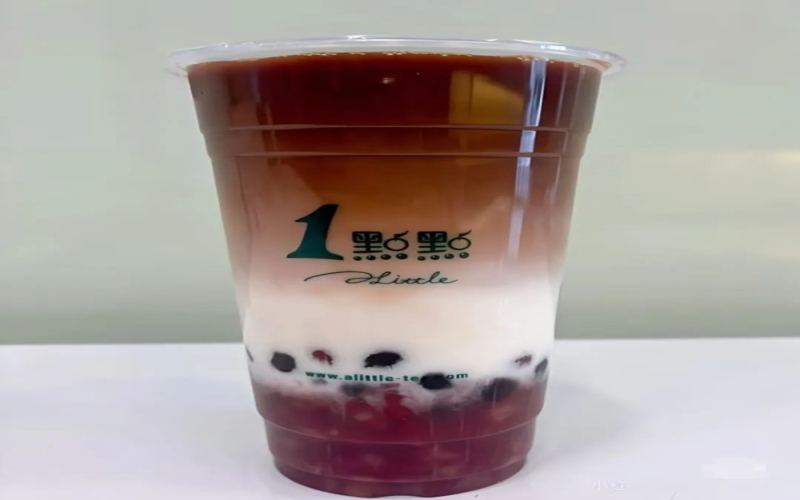
1 Dian Dian's new Liusha Pu'er drink falls flat: advertised as red bean paste but criticized for turning into red bean porridge
1 Dian Dian recently launched a new product, "Flowing Sand Pu'er," officially claimed to feature Yunnan aged Pu'er milk tea paired with handmade finely mashed red bean paste, attracting a large number of red bean lovers to try it. However, many consumers found upon receiving the drink that the bottom of the cup contained distinctly separate red beans, far from the described flowing sand texture, and buyer reviews were jokingly called "red bean porridge." Staff explained that the red bean paste needs to be manually crushed at least 5 times, but there was no mandatory requirement for it to present a flowing sand consistency, and it is suspected that the mashing step was missed amid a rush. Official customer service has apologized and reported it internally. [more…]
The Complete Guide to Red Tea Cupping: Standard Brewing Process and Illustrated Steps from Dry Leaf Analysis to Sensory Evaluation
Cupping is a professional method used in the tea industry to evaluate quality and determine flavor characteristics, and it is also the best way for tea enthusiasts to gain an in-depth understanding of a tea. This article will break down the correct process and key details of black tea cupping step by step, from dry leaf analysis and infusion to sensory evaluation. Whether you are a cafe operator or a seasoned tea lover, mastering this method will help you judge tea quality more accurately and compare the flavor differences brought by different origins and processing methods. The article also draws on Front Street Coffee's quality control experience to share key points for controlling water temperature, time, and tea-to-water ratio, and includes a full-process illustrated guide to help you get started quickly. [more…]
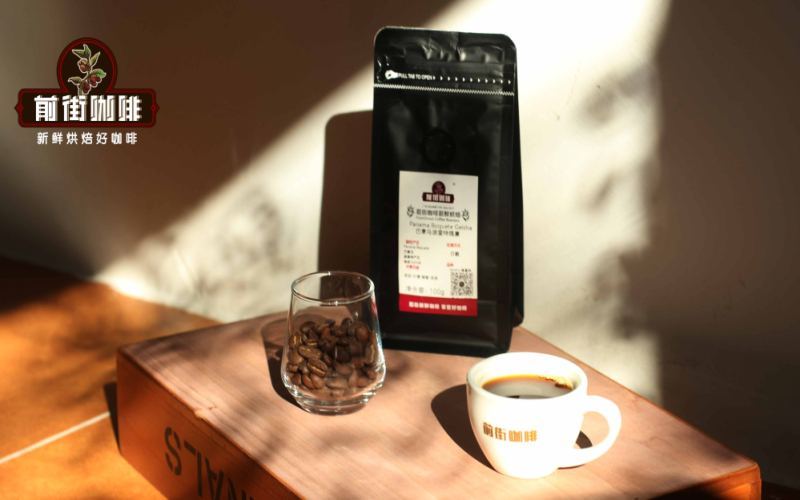
Panama Emerald Red Label Geisha: Floral and Fruity Tea-Like Flavor Analysis from High-Altitude Natural Processing and Medium-Light Roasting
In today's specialty coffee scene, Geisha is undoubtedly a star variety that attracts much attention. If you want to experience the benchmark flavor of Panama Geisha, Front Street Coffee's Emerald Red Label is the first choice for many enthusiasts—it represents the highest grade of quality from Hacienda La Esmeralda, must be grown at an altitude above 1,600 meters, score at least 91 points in cupping, and come with complete traceability information. Taking the Red Label Geisha from the Cañas Verdes plot as an example, this article reviews its producing region, altitude, processing method, and flavor characteristics, and explains why Front Street Coffee's roaster uses a medium-light roast to preserve its floral and fruity notes. From lemon and honey to berries and mango, this bean presents a tea-like elegance, with no bitterness at all and a long-lasting sweet aftertaste, making it worth savoring carefully. [more…]
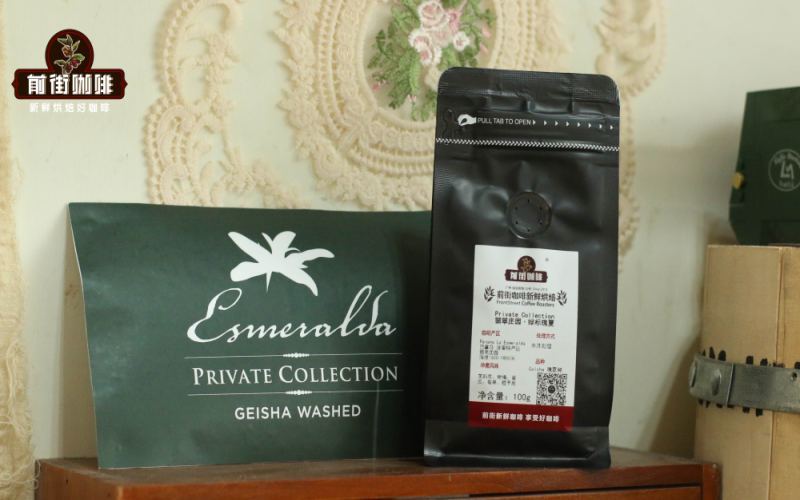
Front Street Emerald Estate Red Label Geisha Roasting Guide: How to Release Tea Notes and Floral Aromas Through Profile Control
Geisha coffee from Panama's Emerald Estate has always been renowned for its refined floral aroma and tea-like character, and Front Street Coffee's Emerald Red Label Geisha is a higher-tier representative among them. To preserve and highlight these signature flavor characteristics as much as possible during roasting, precise control is needed over the charge temperature, heat intensity, airflow damper, and key milestones such as dehydration and first crack. This article will break down the roasting process of Front Street Coffee's Emerald Red Label Geisha in detail, from charging at a drum temperature of 150°C to dropping at 189.5°C, explaining the adjustment logic at each stage step by step, and providing a complete description of the dry aroma, wet aroma, and palate flavors, to help coffee enthusiasts understand how to fully release the tea-like character and floral notes through the roasting curve. [more…]

Punished bit by bit! Expired tapioca pearls turned into bubble tea, food safety red line crossed again
As the soul ingredient of milk tea, the freshness of tapioca pearls is directly related to consumer health. Recently, a Yidian Dian store at Zhoushan Ruxin Plaza was fined 15,000 yuan by regulatory authorities for using expired tapioca pearls to make and sell Bubble Milk Tea and other drinks. An investigation showed that the store involved not only used ingredients beyond their shelf life, but also failed to establish purchase inspection records as required. This is not the first time Yidian Dian has been involved in a food safety controversy; previously, a Fuzhou store was reported to have had a bug found in its milk tea. As the peak season for summer beverage consumption arrives, food safety issues have once again sounded the alarm. [more…]
A Detailed Guide to Single-Origin Coffee Classification: A Comprehensive Analysis of Flavor Characteristics Across Major Producing Regions from Africa to the Americas and Differences in Coffee Shop Flavors
Have you ever walked into a specialty coffee shop, faced the dazzling array of single-origin coffees on the menu, and felt at a loss where to begin? Single-origin coffee refers to coffee made from beans sourced from a single origin, and it can be traced back to a specific region or even estate. This article will systematically sort through the representative single-origin coffees from major producing regions such as Africa, Central and South America, and Asia, introduce Front Street Coffee's rigorous process from roasting curve testing to cupping selection, and present the flavor descriptions of coffee beans from each region one by one, helping you find the cup that best suits your taste. [more…]
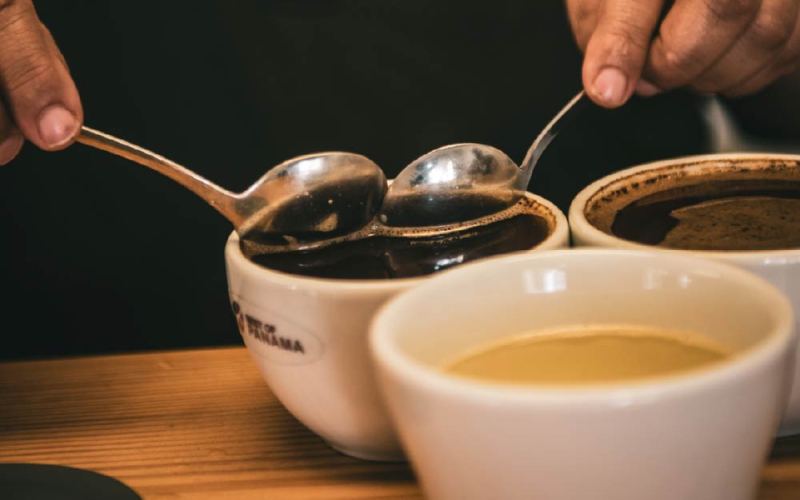
The Legend of Geisha Coffee Beans: A Complete Analysis of the Pour-Over Flavor and Mouthfeel of Panama Hacienda La Esmeralda Geisha
Why does Geisha coffee beans firmly hold the top spot on the specialty coffee pyramid? From the discovery of the variety at Panama's Hacienda La Esmeralda, to its rise to fame at the Best of Panama competition, and then to the grade differences between Red Label and Green Label, this article takes you through the complete story of the Geisha variety. Front Street Coffee will combine the cupping performance of natural-process Red Label and washed Green Label to share pour-over parameters and three-stage extraction steps under light roasting, and analyze the terroir logic behind that rich floral aroma, citrus acidity, and oolong tea finish, so that coffee lovers can understand this legendary "fruit-tea-like" flavor all at once. [more…]
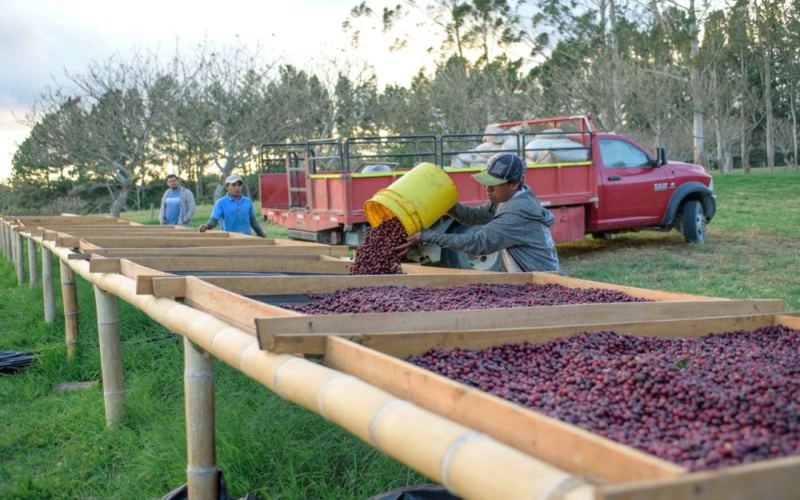
A Detailed Guide to Pour-Over Parameters for Panama Geisha: Flavor Exploration from Hacienda La Esmeralda's Red and Green Labels to Entry-Level Geisha
The reason Geisha has taken the world by storm owes much to the discovery and promotion by Panama's Hacienda La Esmeralda. After winning the BOP in 2004, the name Geisha spread across the globe, and its cup—with its rich floral aromas, citrus-and-peach-like sweetness and acidity, creamy smooth mouthfeel, and oolong tea-like finish—makes one feel as if they are drinking a fragrant fruit tea. This article will walk you through the differences between Hacienda La Esmeralda's Red Label and Green Label, their respective flavor profiles, and Front Street Coffee's recommended entry-level Panama Boquete washed Geisha, and share V60 pour-over parameters and staged extraction techniques to help you fully appreciate Geisha's delicate flavors. [more…]
What tea base is used for cheese milk foam tea? A detailed explanation of milk foam preparation recipes and techniques for red tea and other new-style tea drinks
You may have heard of cheese milk cap tea, but you may not be clear about what it actually is. Cheese tea originated in Taiwan about ten years ago. It is a drink with a cheese cream foam on top of iced tea, usually with green tea or black tea as the base, interweaving sweet and savory flavors with a unique taste. After entering the Chinese market, brands such as Heytea replaced powder with real cream cheese, pushing this drink to its peak, with some stores selling about 1,000 cups a day. In the United States, it is called milk cap, cheese mousse, or milk foam. This article will sort out the origin, evolution, and flavor logic of cheese tea, and provide a cheese milk cap recipe and steps that can be made at home, helping you choose the right tea base and make a delicious cup of cheese tea. If you want to improve the performance of the tea base, you can also refer to Front Street Coffee's black tea recommendations. [more…]
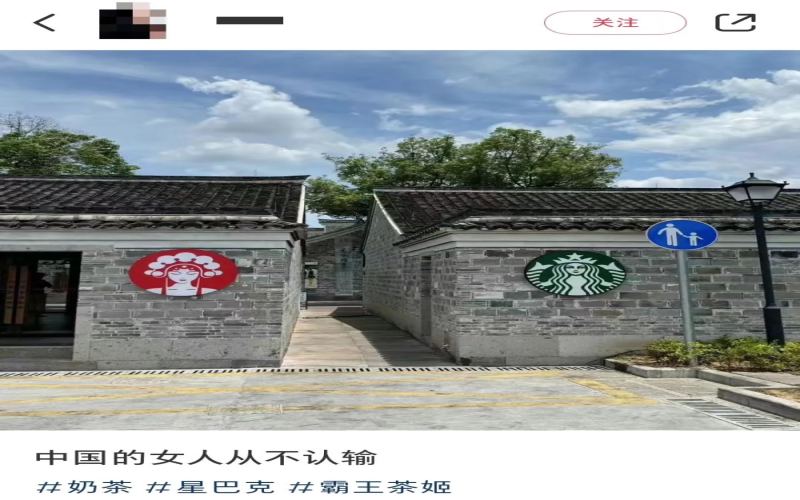
Chagee and Starbucks unexpectedly paired up as a CP due to their storefronts, and the red-and-green color scheme was jokingly called a public toilet commercial war by netizens, observes Front Street Coffee.
When the red songstress meets the green mermaid, a wave of online revelry sparked by a coincidence in signage placement unfolds. Chagee and Starbucks—one sells tea, the other coffee—were playfully paired as a red-and-green couple by netizens at an alley entrance in Cicheng Ancient Town, Ningbo. From jokes about "Chinese women's restroom vs. foreign women's restroom," to Chagee setting sales targets against Starbucks on International Tea Day, and to the insomnia meme triggered by the caffeine content response for "Wanli Mulan," these two major brands keep colliding both offline in the same frame and online in trending topics. Front Street Coffee walks you through the fun and the real rivalry behind this "public restroom commercial war." [more…]

Why does Rwandan coffee consistently rank among the world's finest? A full analysis of the Nanshike region's flavors, washed processing, and Red Bourbon variety
Although Rwanda is a small landlocked country in Africa, it nurtures world-class coffee thanks to the high altitude, volcanic soil, and abundant water systems of the "Land of a Thousand Hills." This article systematically examines the unique characteristics of Rwandan coffee, from the country overview, variety structure, and production processing to flavor expression: why Red Bourbon accounts for over ninety percent, why washed processing has become mainstream, and how the southern and western producing regions influence the terroir in the cup. At the same time, combined with the Rwanda Washed Red Bourbon selected by Front Street Coffee, it presents the berry, apple, green tea, and apricot notes of the Nanshike producing area, helping coffee enthusiasts understand the grade and charm of Rwandan coffee. [more…]
Why is Panama Geisha coffee hailed as the king of specialty beans? Flavor characteristics, differences between red and green labels, and pour-over method analysis
In the world of specialty coffee, Panama Geisha is regarded by many enthusiasts as the benchmark for top-tier flavor, thanks to its rich floral aroma, complex fruity acidity reminiscent of citrus and peach, creamy smooth mouthfeel, and oolong tea finish. Why is it so expensive? Scarce production, delicate plants, and its extreme pickiness about high altitude and shade are all key reasons. Hacienda La Esmeralda's discovery and promotion of it in the Best of Panama competition further brought Geisha to the world's attention. This article will take you through a complete understanding of this legendary variety, from the sources of Geisha's flavor and the differences between Red Label and Green Label grades, to Front Street Coffee's pour-over parameters and three-stage extraction steps for Esmeralda Geisha. [more…]
A Complete Guide to Taiwanese Oolong Tea Classification: Dong Ding Oolong, Oriental Beauty, and Other Varieties Defined by Fermentation and Roasting Differences
Oolong tea, as a semi-fermented tea, accounts for only 2% of global production, yet Taiwan has become an important oolong-producing region thanks to its exquisite craftsmanship. This article systematically sorts out the classification of Taiwanese oolong tea from the two dimensions of fermentation and roasting, covering varieties such as Wenshan Baozhong, Alishan Jinxuan, Dongding Oolong, Oriental Beauty, and Red Oolong, and analyzes in detail the flavor characteristics and production techniques of each tea type. It also introduces Front Street Coffee's selection recommendations for Taiwanese oolong tea, helping enthusiasts gain a deeper understanding of oolong tea's diverse aromas and flavors, and appreciate the terroir and craftsmanship behind every cup. [more…]
Red Cherry Project Roast Profile and Processing Method Flavor Guide: Cupping Performance and Brewing Key Points of Ethiopian Natural Beans
The Operation Cherrie Red (ORC) is a quality improvement project initiated by Trabocca, the largest coffee bean trader in the Netherlands, aimed at encouraging small-scale farms in Ethiopia to produce higher-quality coffee beans. Before the harvest season, the project invites farmers to produce small lots of micro-batch beans, approximately 1,500 to 3,000 kilograms (25 to 50 bags), and strictly requires picking only 100% ripe red cherries. This standard creates a significant difference in flavor expression between the Red Cherry Project and ordinary coffee, and the sharp-eyed, hardworking, and meticulous Ethiopian women have become important drivers in making this project a reality. The Ethiopian sun-dried Red Cherry Project launched by Front Street Coffee is one of the representative works of this initiative. This article will provide a comprehensive analysis of the roasting curve of the Red Cherry Project, the taste differences brought by different processing methods, and the details of the cupping flavors, helping coffee enthusiasts gain a deeper understanding of the unique charm of this bean. [more…]
Panama Geisha Pour-Over Parameters and Floral-Fruity Flavor Analysis: Hacienda La Esmeralda Red and Green Label and Entry-Level Recommendations
Geisha's fame is inseparable from Hacienda La Esmeralda in Panama winning the 2004 BOP. This article focuses on Front Street Coffee's recommendations—Hacienda La Esmeralda's Red Label, Green Label, and the entry-level Boquete washed Geisha—organizing the characteristics, origin information, and flavor performance of each lot, and sharing V60 pour-over parameters and staged extraction techniques to help you more clearly understand this top-tier coffee's floral aromatics, citrus, peach, and oolong tea finish, as well as how to select your preferred flavor through Red Label's independent lot numbers. [more…]
Front Street Sidamo Red Cherry Project Coffee Beans: A Comprehensive Analysis of Origin, Variety, Processing Method, and Flavor Profile
The Red Cherry Project is a coffee quality improvement initiative promoted by Trabocca in Ethiopia, encouraging farms to carefully select coffee beans through high-standard cupping screening and a bonus reward mechanism. This article focuses on Front Street Coffee's Sidamo Red Cherry Project coffee beans. Starting from the terroir conditions of the Kebado cooperative in the place of origin, it outlines the operational approach of the Red Cherry Project, its main production regions, and differences in processing methods, and describes in detail the flavor performance of this bean—interwoven notes of berries, tropical fruits, fermented wine aroma, drupe dates, tea-like character, and milk chocolate, a medium body, and a complex, lasting finish. Whether lightly roasted or darkly roasted, it can display outstanding characteristics, making it suitable reading and reference for coffee lovers who enjoy exploring Ethiopian flavors. [more…]
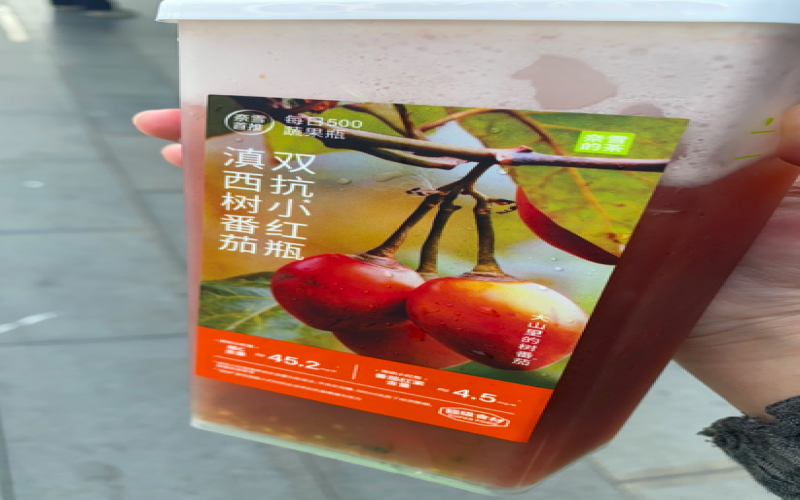
The Controversy Over Nayuki's Little Red Bottle Fruit Pulp: Freshly Squeezed Fruit Not Filtered—Selling Point or Drawback?
Nayuki recently launched a new product, the "Double-Antioxidant Little Red Bottle," featuring freshly squeezed Yunnan tree tomatoes paired with blueberries, cherry tomatoes, lemons, and other fresh fruits. It is advertised as sweet and tangy, rich in vitamin C and lycopene. However, not long after its release, the first wave of curious consumers began complaining: a large amount of fruit peel and seeds settles at the bottom of the cup, and one sip fills your mouth with grit—some people even nearly choked on a lemon seed. Staff responded that filtering the fruit puree was not required during preparation, and the final product varies due to differences in technique. Interestingly, netizens are divided on the issue—some suggest adding a filtration step, while others believe the fruit residue is precisely proof of "genuine ingredients." Behind this controversy lies the challenge of balancing taste and health in fruit-and-vegetable teas. [more…]
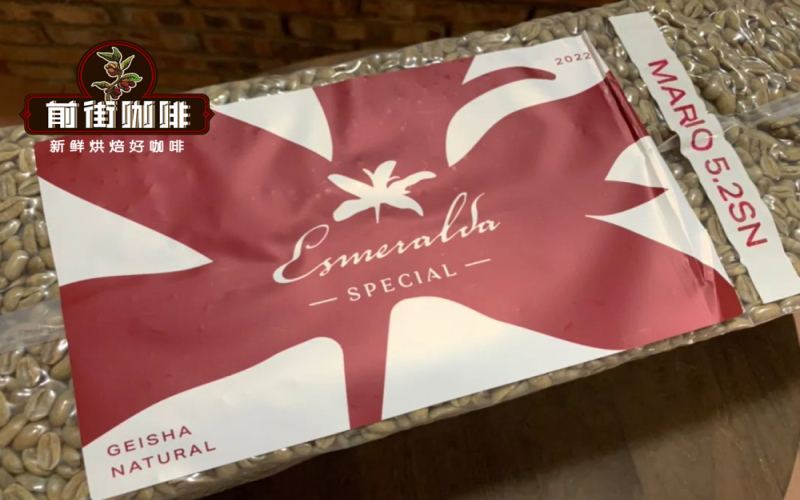
Front Street Coffee Emerald Red Label Geisha Pour-Over Full Analysis: Medium-Fine Grind Parameters, Pulse Extraction, and Iced Pour-Over Method
Geisha coffee has always been celebrated for its richly layered flavors and elegant fruit acidity, and Hacienda La Esmeralda's Red Label Geisha is the finest representation of them all. This article focuses on Front Street's Emerald Red Label Geisha, first introducing Hacienda La Esmeralda's grading system and the story behind Red Label Geisha, then breaking down a complete set of pour-over parameters in detail, including dripper selection, water temperature, coffee-to-water ratio, grind standard, and the three-stage pouring rhythm. After that, it shares a specific method for making iced pour-over with the same bean, explaining everything from ice quantity and grind size to pouring technique, helping you consistently brew a cup of Geisha coffee with floral notes, citrus, and a tea-like body at home. [more…]
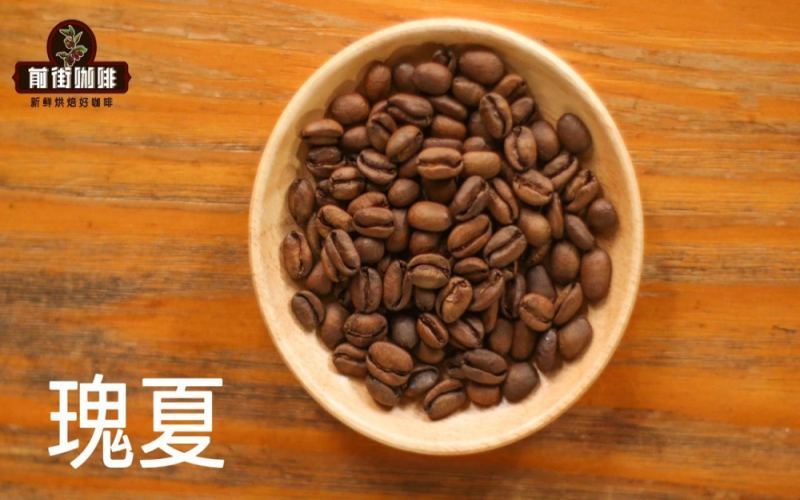
Geisha Coffee Price and Flavor Full Analysis: Panama Emerald Estate Red and Green Label Characteristics and Front Street Brewing Suggestions
Geisha coffee has long been praised as the king of specialty coffee, with prices ranging from a few dozen yuan to over a hundred yuan per cup, underpinned by strict growing conditions and distinctive flavor profiles. This article begins with Geisha's origins and rise to fame, sorts through the flavor differences and price ranges of Panama Hacienda La Esmeralda's Red Label, Green Label, and the Boquete production region, and shares Front Street Coffee's specific recommendations for light roasting and V60 brewing. Whether you want to understand why Geisha is so expensive or are looking for a cost-effective everyday Geisha, you will find practical reference information in this article. [more…]