







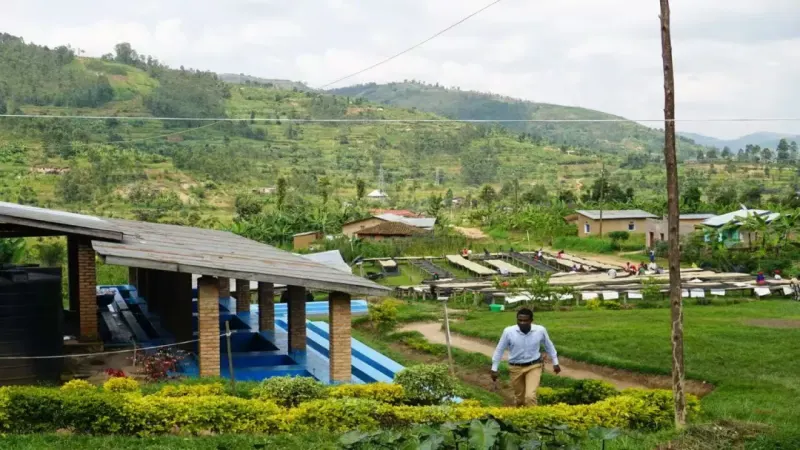
Where are arabica coffee beans grown in Rwanda?
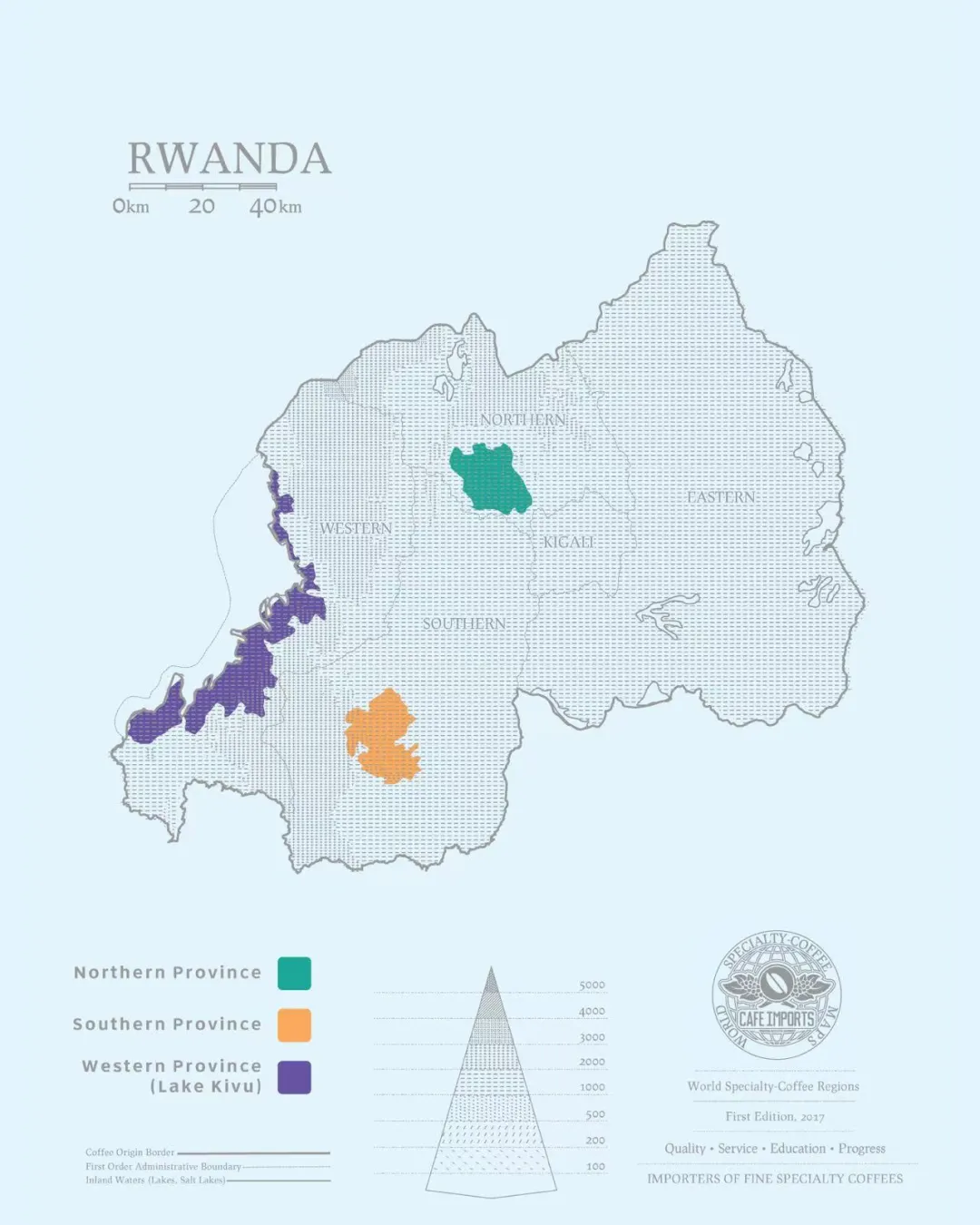
Rwanda, a small landlocked country in central Africa, grows arabica coffee in its southern and western highlands. Altitudes there are higher and temperatures lower than in the east, and the large day-to-night swing slows cherry ripening so the fruit accumulates more sugar. Mineral-rich volcanic soil and abundant water complete the growing conditions.
The country's arabica is dominated by Red Bourbon, which accounts for over ninety percent of plantings, and washed processing has become the mainstream method. Those choices show up in the cup: Front Street's Rwanda Washed Red Bourbon, from the Nyamasheke producing region, carries berry, apple, green tea, and apricot notes.
Although Rwanda is a small landlocked country in Africa, it nurtures some of the world's top coffee thanks to the high altitude, volcanic soil, and abundant water systems of the "Land of a Thousand Hills." This article systematically examines the unique qualities of Rwandan coffee from the national overview, variety structure, and production processing to flavor expression: why Red Bourbon accounts for over ninety percent, why washed processing has become mainstream, and how the southern and western producing regions influence the terroir in the cup. At the same time, combined with the Rwanda Washed Red Bourbon selected by Front Street Coffee, it presents the berry, apple, green tea, and apricot notes of the Nyamasheke producing region, helping coffee lovers understand the grade and charm of Rwandan coffee.
Rwanda National Overview Rwanda is located in central Africa and is a small landlocked country with no coastline, while its surroundings are almost entirely major coffee-producing countries: to the south it borders Burundi, to the east it is adjacent to Tanzania, to the north is Uganda, and to the northwest it neighbors Congo. Because the country's interior is covered with layer upon layer of mountains and has as many as five volcanoes, Rwanda has earned the title "Land of a Thousand Hills." In addition to its continuous mountain ranges, Rwanda also has 23 lakes and numerous rivers, giving it quite superior water resources.
Similar to these neighboring countries, Rwanda also has favorable conditions for growing coffee. It lies south of the equator, and its climate belongs to the temperate and tropical highland type, with an average annual temperature of about 24–27°C, somewhat lower than that of typical equatorial countries; each year there are two clearly defined rainy seasons, with very abundant rainfall.
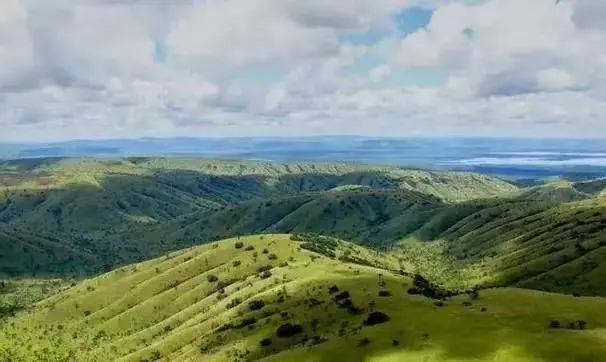
Coffee cultivation is mainly concentrated in the south and west, where the altitude is higher, so temperatures are lower than in the low-lying eastern areas, and the temperature difference between day and night is also greater. Such conditions slow the ripening of coffee cherries, allowing them to accumulate more sugar and thus develop more complex flavors. Coupled with mineral-rich volcanic soil, Rwanda's coffee-growing environment can be described as quite ideal. Rwandan Coffee Varieties The coffee varieties grown in Rwanda mainly include Red Bourbon, Caturra, and Catuai, among which Bourbon has the largest planted area, accounting for more than ninety percent of Rwanda's coffee production. Bourbon was first introduced from Central America to Puerto Rico, entered the Republic of the Congo in the 1930s, and was introduced to Rwanda about twenty years later, gradually becoming the local main coffee variety.
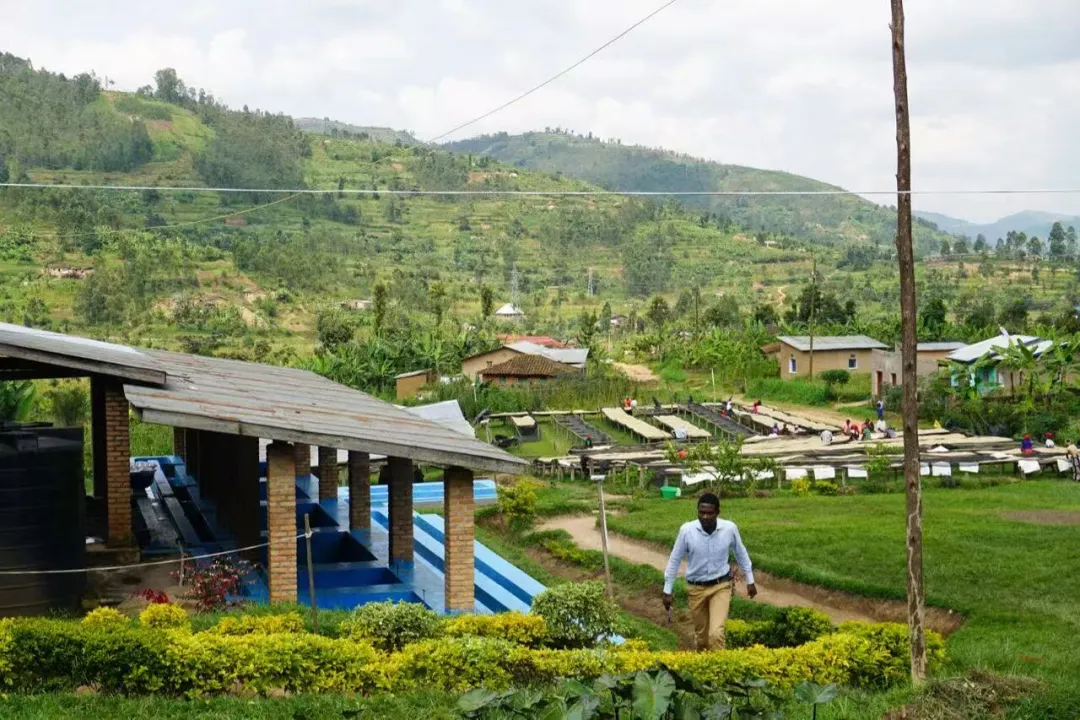
Front Street often shares Bourbon because many varieties around the world are related to Bourbon or evolved from it. It belongs to Arabica and has an excellent flavor performance. However, like Typica, although Bourbon performs outstandingly in cupping, it has relatively weak disease resistance and low yield, so many producing countries that originally relied on Bourbon as their main variety later switched to higher-yielding and easier-to-manage varieties such as Caturra and Catuai. Rwandan Coffee Production and Processing Like most coffee-producing countries in Africa, Rwanda is dominated by smallholder farmers. Under government promotion, coffee gradually shifted from rough handling by farmers themselves to being sent to nearby washing stations for refined washed processing. After 2000, in order to save the coffee industry, which had been severely damaged by civil strife, Rwanda launched the PEARL project (Partnership for Enhancing Agriculture in Rwanda through Linkages project). The project aimed to improve the quality and yield of Rwandan coffee while helping farmers obtain better incomes, thereby creating a virtuous cycle. As the project progressed, dozens of coffee washing plants were built in succession in Rwanda, and since then washed processing has become the mainstream method for Rwandan coffee.
Washed processing can make coffee present a cleaner style because the degree of fermentation is relatively low and stability is relatively high, so the coffee shows more of its own original flavor. The specific process is no different from what Front Street has always shared: first remove immature and defective cherries through flotation, then use a depulper to remove the skin and pulp. Next, the coffee beans still bearing mucilage are left to ferment in a tank, and after fermentation is completed, clean water is used to wash away the remaining mucilage on the bean surface. Finally, the coffee beans with only the parchment layer retained are sent for sun drying, and when the moisture content drops to about 11%–13%, the parchment layer can be removed or the beans can be stored in warehouses awaiting export.
Because the quality of washed coffee is especially outstanding, and because Rwanda itself is rich in water resources, in just over a decade the number of Rwanda's washed coffee processing stations increased to more than 200, all privately owned by green bean exporters or cooperatives. Rwandan Coffee As Front Street said earlier, most of Rwanda's high-quality coffee comes from the south and west, such as the Huye mountainous area and Nyamagabe region in the south, and the Nyamasheke region by Lake Kivu in the west. These areas have higher altitude and abundant rainfall, so the coffee grown there has a more outstanding flavor performance. After multiple cuppings, Front Street ultimately selected the washed Red Bourbon located in Nyamasheke in western Rwanda as a new member of Front Street's daily bean lineup. This bean uses washed processing, the bean variety is Red Bourbon, and it is grown in Rwanda's environmentally excellent Nyamasheke producing region. It can be said to bring together Rwanda's most representative elements, so from it we can also taste the most characteristically Rwandan flavor of terroir.
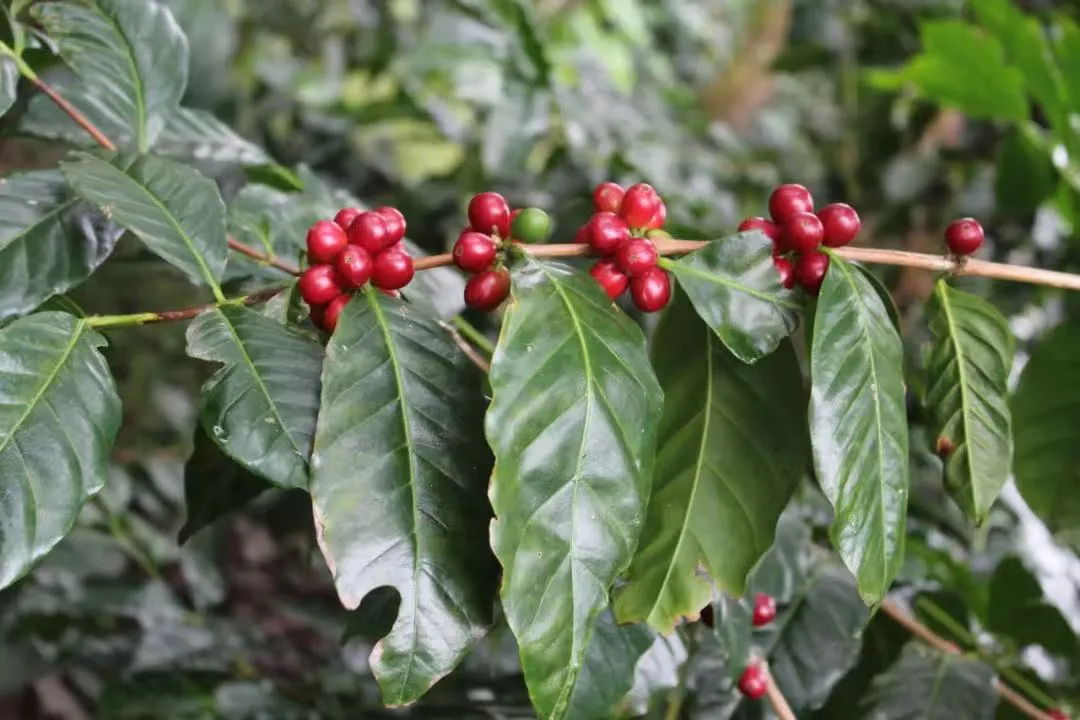
Front Street Coffee: Rwanda Washed Red Bourbon Country: Rwanda Region: Nyamasheke Altitude: 1,500–1,700 meters Variety: Red Bourbon Processing Method: Washed
Flavor: berry, apple, green tea, apricot
In order to better present Rwanda's regional flavor, Front Street used a medium-light roast profile for roasting and conducted cupping 8 hours after roasting was completed. During cupping, Front Street captured from the dry aroma of this bean the fresh fragrance of apple and green tea, as well as a faint floral note, very refreshing. After hot water was poured in, aromas of berry and green tea could be smelled.
When the coffee entered the mouth, what Front Street first felt was the sweet-and-sour note of berries, and then the acidity quickly faded, revealing clear sweet flavors such as apple and apricot. After swallowing, obvious green tea and apple freshness could also be captured in the aftertaste. The taste of the entire coffee is very balanced, the mouthfeel is clean and solid, and it is very comfortable to drink.
- END -
The above content is compiled by CoffeeHunters, a coffee news website.


