







Search Results for: proper

Should Coffee Beans Be Refrigerated or Frozen? Understanding the Science of Freezer Freshness and Proper Everyday Storage
How to properly store coffee beans after bringing them home is a topic many enthusiasts often discuss. Some people habitually put their beans in the fridge, while others worry that moisture will instead harm the quality. After noticing this question in the community chat, Front Street specifically sorted out the principles behind frozen storage and the conditions for its use. Freezing can indeed slow oxidation and lock in flavor, but improper handling can also lead to moisture and flavor transfer issues. This article will explain the purpose of freezing coffee beans, its effect on grinding, the hardware conditions that need to be met, and more practical ways to store coffee beans day to day, helping you keep your beans in good condition at home. [more…]
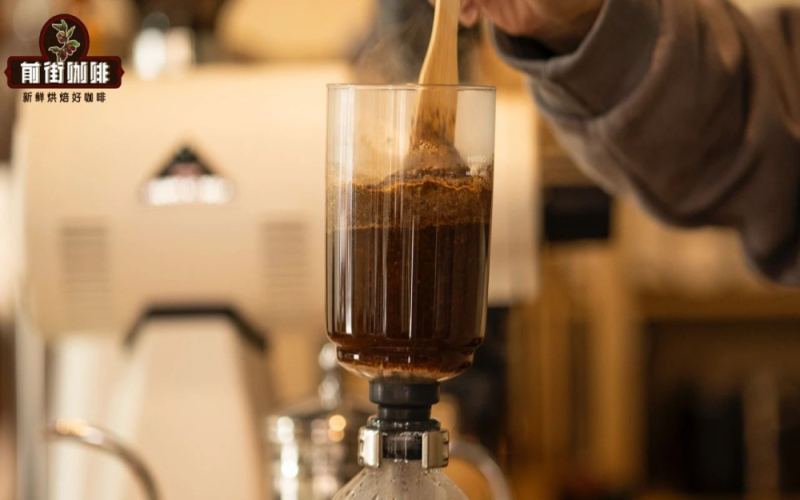
How should a siphon cloth filter be properly maintained? Is air-drying or storing it soaked more suitable?
The unique extraction method of the siphon pot fascinates many coffee lovers, but many people often overlook a key detail—the daily maintenance of the flannel filter cloth. If the filter cloth is not stored properly, it will not only shorten its service life but also affect the flavor performance of the next cup of coffee. Should the filter cloth be dried and stored, or soaked in water? What taboos are there when cleaning? This article will focus on the structure and extraction principle of the siphon pot, explain in detail the cleaning steps and storage methods of the flannel filter cloth after use, and help you consistently brew clean and delicious siphon coffee at home. [more…]
Colombia Finca La Esperanza Coffee Flavor Analysis and Proper Brewing Guide
Located in Pitalito, Huila, La Pradera Farm is run by producer Dionel Chilito and grows varieties such as Caturra, Colombia, and Geisha. Since Dionel's father bought the farm 45 years ago, two generations of the family have cultivated it together. Dionel constantly experiments with different fermentation and storage techniques to improve coffee quality and cupping scores. The Geisha coffee is selectively hand-picked, depulped on the same day, dry-fermented for 36 hours, and then washed three times through channels. This article will walk you through the acidity profile of this coffee and share the authentic brewing method recommended by Front Street Coffee, helping you fully appreciate its layered flavors. [more…]
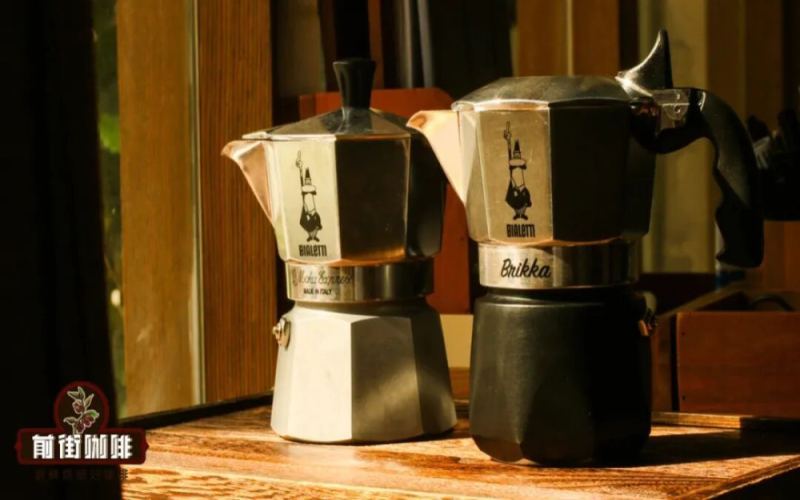
Complete Guide to Moka Pot Cleaning and Maintenance: Proper Cleaning, Gasket Care, and Oxidation Repair for Aluminum and Stainless Steel Pots
Many coffee enthusiasts are familiar with using a moka pot and the brewing techniques involved, but how to properly clean and maintain it afterward is often overlooked. Although Front Street Coffee has shared a great deal of content related to moka pots, it has never systematically covered the topic of cleaning, and as a result, the back office keeps receiving requests for help with pots that have "turned black." What is called blackening is actually spotting caused by oxidation, mostly triggered by improper cleaning. With proper care, a moka pot can last for many years; without it, not only is its lifespan shortened, but it will also absorb odors that affect the flavor of the coffee. This article explains the key points of cleaning by material, teaches you how to disassemble and wash the gasket and filter screen, how to repair an already oxidized pot body, and also recommends Front Street Coffee beans suitable for moka pots. [more…]
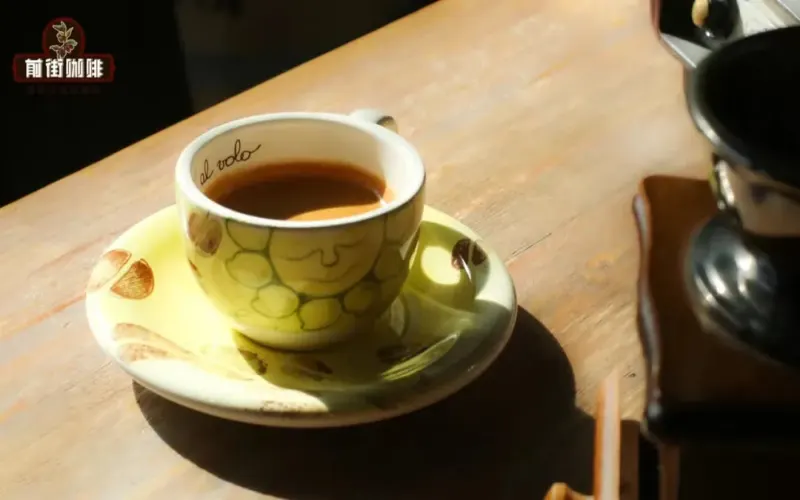
How Should You Drink Espresso Properly? A Detailed Guide to the Brew Ratio, the Origin of Espresso, and the Correct Way to Taste It
Espresso is the foundation of Italian coffee and also an advanced threshold for many coffee lovers. Many people are put off by its intense bitterness the first time they try it, but the problem often lies in the way it is tasted. From the perspective of Front Street, this article sorts through the background of espresso's birth and its historical evolution, explains why it became Italians' daily spiritual fuel, and clarifies the causal relationship between early dark-roasted beans and the one-shot drinking method. At the same time, the article will also guide you through how to properly taste a cup of espresso today, so that you can truly feel its flavor charm rather than only tasting the bitterness on the surface. [more…]
A Detailed Guide to Brazil's Main Coffee Variety Catuai: Flavor Characteristics, Growing Conditions, and the Proper Way to Drink Black Coffee
As the world's largest coffee producer, Brazil is known as the "Coffee Kingdom." Locals treat guests to small cups of strong black coffee called "cafezinho," much like the Chinese serve tea. Among the many Brazilian coffee varieties, Catuai, along with Caturra, Mundo Novo, and Bourbon, is considered one of the four mainstays. This article will introduce in detail the origins of Catuai, its plant characteristics, elevation requirements for cultivation, disease resistance, and flavor profile, while also guiding you through the proper way to enjoy Brazilian black coffee. Front Street Coffee is always dedicated to sharing coffee knowledge, and holds three low-discount events each month so more people can enjoy good coffee at affordable prices. [more…]
Avoid the Six Major Pour-Over Pitfalls: From Bean Selection to Water Quality, Master the Key Points of Proper Extraction
To brew a great cup of coffee, having high-quality beans alone is far from enough. Many enthusiasts inadvertently fall into common traps during the process, causing the flavor to suffer greatly. This article will analyze six easily overlooked mistakes one by one: from confirming whether the coffee beans are fresh, controlling water temperature and water quality, to regularly cleaning equipment, identifying bean quality, and properly storing coffee beans. Each step directly affects the final taste, and even making just one mistake can waste a pot of specialty beans. The article also especially includes practical suggestions from Front Street Coffee to help you consistently reproduce professional-level pour-over at home and stop repeating the same mistakes. [more…]
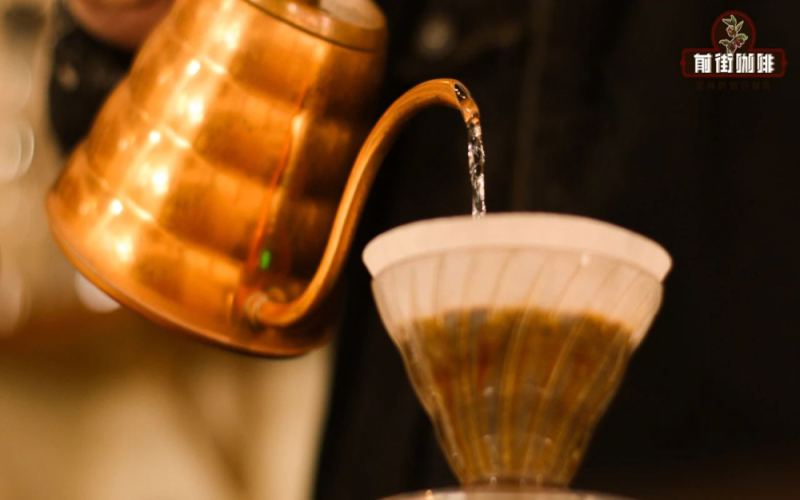
Do freshly roasted coffee beans need resting? How long should coffee beans rest?
After purchasing freshly roasted coffee beans, the question most commonly asked by beginners is: do these coffee beans need to be rested? The answer is: yes. However, in everyday situations, Front Street Coffee often gives a completely opposite answer: "No. The freshly roasted coffee beans you receive can be brewed directly; the time spent in transit is enough [more…]
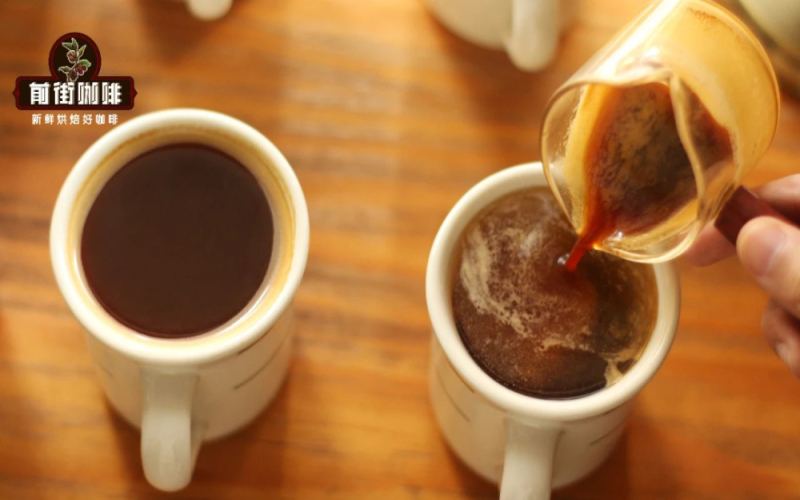
Long Black Flavor Analysis: Differences from Americano, Proper Tasting Methods, and Front Street Espresso Blend Recommendations
Long Black originated in Australia and looks similar to Americano, often making it hard to tell them apart. This article provides a detailed analysis of the essential differences between the two: from the order in which espresso and water are added and the water-to-coffee ratio, to the effect of Crema on mouthfeel, helping coffee enthusiasts understand why Long Black has a richer, fuller flavor. It also introduces the proper way to taste it and recommends Front Street Coffee's classic espresso blend, a dark roast combination of beans from three origins—Brazil, Indonesia, and Vietnam—that easily extracts a rich crema and performs excellently whether made as an Americano or a milk coffee. It can be purchased at the Front Street Taobao store or Tmall flagship store. [more…]
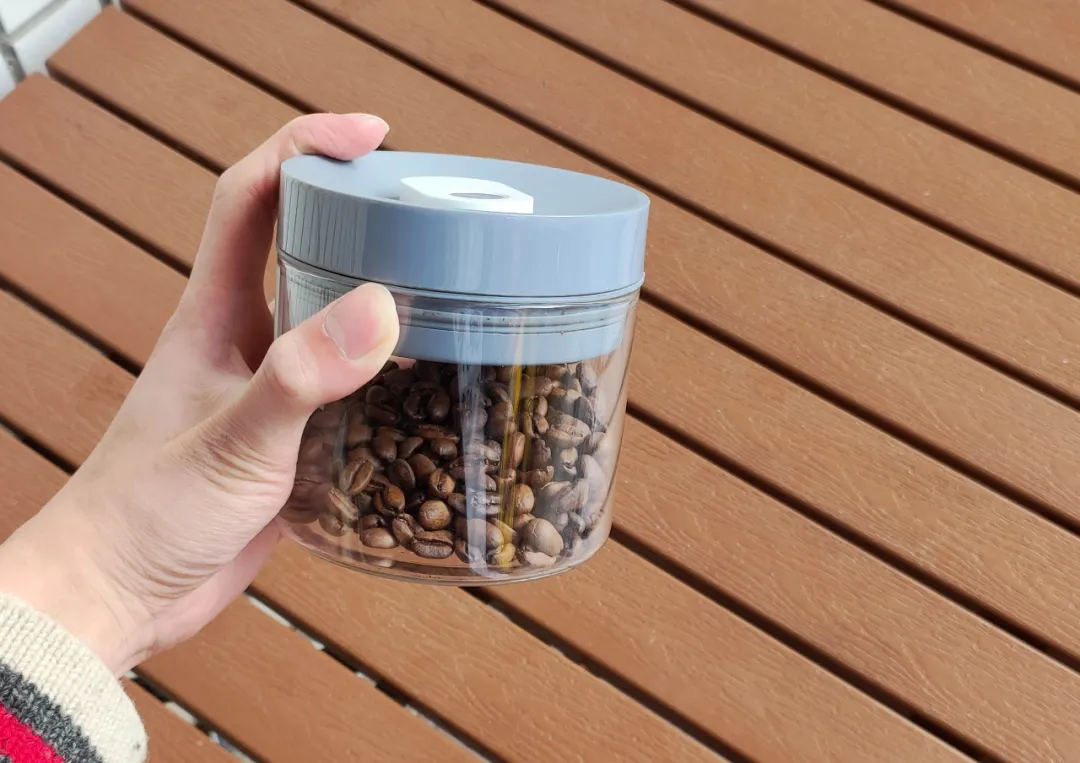
Coffee Grounds Shelf Life | How Long Do Fresh Coffee Beans Last? Can You Still Drink Coffee Beans Past Their Peak Flavor Period? How to Properly Store Coffee Beans?
For more specialty coffee knowledge, please follow: Front Street Coffee (Frontsteet Coffee). Front Street recently noticed that a small number of coffee-loving friends have left their coffee beans unopened for two months, believing that as long as the package is unopened, the coffee beans will not spoil. In fact, it really does not affect the coffee's [more…]
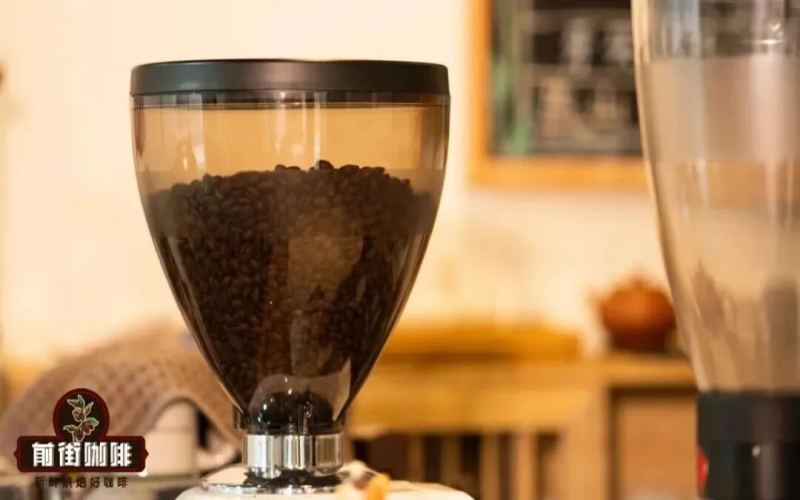
Coffee Storage | Which is fresher: pre-ground coffee or freshly roasted coffee beans? How long is the shelf life of coffee beans? Can proper coffee bean storage methods extend the freshness of coffee?
Front Street recently noticed that some coffee-loving friends have stored their coffee beans unopened for two months, believing that as long as the bag is unopened, the beans won't go bad. In fact, it's true they won't spoil, but this will affect the flavor of the coffee beans. So in this next article, Front Street will explain a bit about cof [more…]
How to Properly Taste Indonesian Mandheling Coffee? A Comprehensive Analysis of Brewing Parameters and Flavor Characteristics
Mandheling is the first impression many people have when they encounter single-origin coffee—full-bodied, slightly bitter, carrying aromas of nuts and chocolate, with low acidity yet not entirely without it. Behind this lies an inseparable connection to Indonesia's unique wet-hulling processing method. This article will start from a tasting of Front Street Mandheling, sorting through Indonesia's coffee history, geographical and climatic conditions, and the flavor origins of Mandheling, while also introducing the correct way to drink it, helping coffee enthusiasts gain a more complete understanding of this classic bean. [more…]
How Should You Store Hand-Drip Coffee Beans Properly? A Full Analysis of the Flavor Characteristics of Twelve Common Single-Origin Beans
The freshness of coffee beans directly determines the flavor profile of a cup of pour-over coffee, and storage method is the key factor affecting freshness. This article approaches the topic from two preservation strategies—green beans and roasted beans—analyzing the three major flavor killers: light, temperature, and oxygen. It also introduces the respective advantages of one-way degassing valve bags and vacuum-sealed canisters, while explaining the difference between a coffee bean's peak flavor period and its shelf life. Finally, it compiles twelve common coffee beans suitable for pour-over and their flavor characteristics, covering the Front Street Coffee everyday drinking series and more distinctive single-origin beans, helping you quickly find your ideal choice based on taste preference. [more…]
How to properly fold a pour-over coffee filter? Master the key steps for a more perfect fit in the dripper
When brewing pour-over coffee, how well the paper filter fits the dripper directly affects the extraction. Many enthusiasts use a pressing technique yet still find that the filter won't sit flush, and the root cause often lies in the folding step. After customers reported this issue at their stores, Front Street Coffee put together a detailed demonstration of the correct way to fold a cone-shaped paper filter. From folding along the seam and pressing the crease to the technique for securing it once it's in the dripper, every step matters. This article reproduces the entire process, explains how to handle specialty filters such as non-woven ones, and shows how to make the filter sit snugly for iced pour-over without wetting it first—so you can brew a consistent, great-tasting cup at home. [more…]
Espresso Tasting Guide: From Proper Drinking Method to a Comprehensive Analysis of Caffeine Content
Espresso serves as the foundation of Italian coffee, known for its high concentration and focused flavor. It can be enjoyed on its own and also forms the base for classic coffee drinks like lattes and cappuccinos. A standard single shot of espresso is about 30 milliliters, contains roughly 100 milligrams of caffeine, and has a concentration of 9% to 11%, far higher than pour-over coffee. Faced with such a powerful cup, many people are unsure how to properly taste it. Starting from the definition of espresso serving sizes and caffeine data, this article breaks down in detail the aroma, mouthfeel, and aftertaste to focus on during tasting, and includes specific steps such as cleansing the palate, stirring, drinking in stages, and closed-mouth aeration. It also recommends two coffee beans—Front Street Coffee's Strawberry Candy and the Classic Italian Blend—to help enthusiasts more fully appreciate the charm of espresso. [more…]
A Complete Guide to Milk Frothing Pitcher Grips for Latte Art: From Proper Posture to Practical Daily Practice
When learning latte art, how to hold the pitcher is often the first confusion beginners encounter. Online tutorial videos each have their own tricks, with grip methods varying widely, easily leading people to mistakenly believe that each pattern corresponds to a dedicated posture, so that constantly switching instead leads to mastering nothing. In fact, no matter which grip, the core goal is only one: keep the pitcher steady while allowing the wrist to move flexibly. This article sorts out the suitable groups and pros and cons of two common pitcher-holding methods, and, for the common dilemma of "the posture is right but the art still won't come out," offers troubleshooting ideas from two directions—espresso quality and milk foam condition—to help coffee lovers take fewer detours in daily practice. [more…]

Espresso Full Guide: Brewing and Extraction, Crema and Flavor, Proper Drinking Methods, and Blend Bean Selection Guide
Espresso in Italian means "made quickly for you," and the whole process from extraction to drinking emphasizes speed. Its most captivating feature is the layer of golden, delicate Crema foam and its intense, full-bodied taste. But the crema is essentially carbon dioxide foam that dissipates quickly over time, so it's best to drink it as soon as possible. To extract an espresso rich in crema, freshly roasted medium-dark roast blended beans are key. Front Street Coffee offers four Italian-style blends, covering different needs such as winey notes, nutty, rich and full-bodied, and high value for money. This article will systematically introduce the Espresso making method, flavor characteristics, proper drinking method, and extraction parameter standards, helping coffee lovers fully understand this small yet profound cup of coffee. [more…]
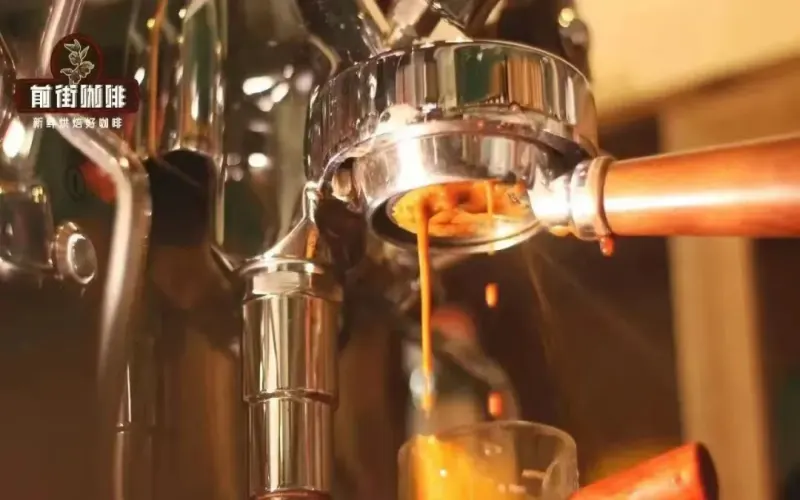
Espresso Coffee Distribution and Tamping Techniques Explained: How Much Tamping Pressure Is Right? Sharing Even Distribution and Tamping Methods
In the process of making espresso, distributing and tamping the coffee grounds are key steps to ensuring extraction stability. Many beginners often wonder: how much force is actually needed to tamp the coffee grounds? Does the amount of force really affect extraction time? In this article, Front Street Coffee will combine experimental data to deeply analyze the actual impact of tamping force on extraction, and share a practical set of techniques for even distribution and proper tamping to help you reduce channeling and make every cup of espresso extract more evenly and stably. Whether you are a beginner or an advanced enthusiast, you can find key points to improve your skills. [more…]
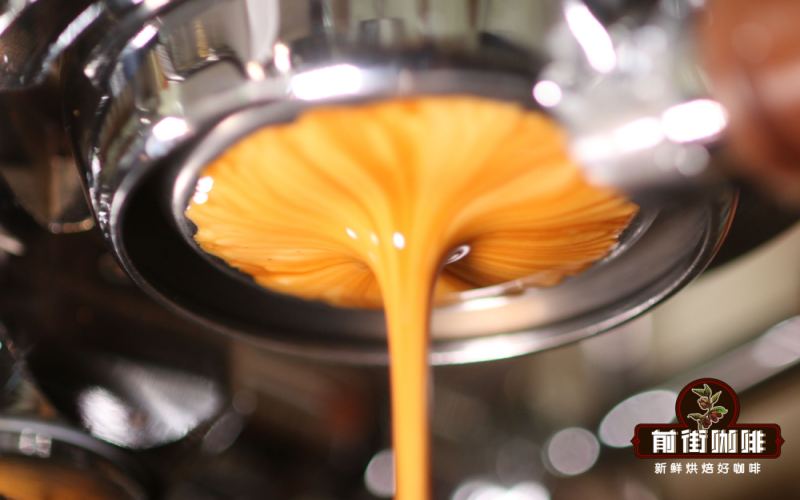
How Long After Roasting Should You Drink Coffee Beans? How Long Is the Resting Period for Espresso Beans? How Do You Rest and Awaken Single-Origin Beans? Can You Brew Coffee Beans That Haven't Rested Properly?
Have you ever had this experience: you buy coffee beans that have been roasted not long ago, can't wait to open them and brew a cup, only to find the extraction is very unstable and the flavor performance is less than ideal. A few days later, when you brew again, it tastes better. What is the reason for this? In this article, Front Street Coffee takes you through what "bean resting" means. Coffee beans [more…]

How to Properly Drink a Long Black | Is a Long Black Just an Americano? What Does a Long Black Taste Like?
Many friends are very curious about long black coffee. On the surface, it doesn't look much different from Americano, which leaves many people confused about the distinction between long black and Americano. Long black is a black coffee that originated in Australia. [more…]