







Search Results for: profile
Guatemala New Oriente Region SL28 Honey Process Coffee: Guayabo Estate Roast Profile and Flavor Review
SL28, a legendary variety originating from Kenya, has now crossed the Atlantic to take root in the New Oriente region of Guatemala in Central America. Front Street Coffee presents the SL28 honey-processed lot from the Guayabo (Guava Plain) estate, located at 1,675 meters in the Suchitán volcanic area and cultivated under full shade throughout. This article will present the full varietal background of SL28, the terroir characteristics of the New Oriente region, and a comparison of two roasting curves by Front Street roasters tailored to the honey-processed bean quality. Through cupping, it reveals the impact of high-heat fast roasting versus extended development time on flavor, and finally provides pour-over parameters and tasting notes. [more…]
Honduran Coffee Regions, Grades, and Caturra Flavor Analysis: From Sherry Cask Fermentation to Roasting Curve Practice
Honduras is an important specialty coffee-producing country in Central America, known for its sherry barrel fermentation process and high-altitude hard beans. This article systematically reviews the country's geography and climate, coffee grading system, and main variety characteristics, with a focus on the flavor performance of varieties such as Caturra. Front Street Coffee, drawing on roasting and cupping practice, compares the cupping and brewing differences between Lychee Orchid and Sherry coffee under different profiles, analyzes the role of barrel fermentation in shaping flavor, and provides coffee enthusiasts with a complete reference from understanding the producing region to extraction application. [more…]
A Complete Guide to Honduran Specialty Coffee: Terroir, Variety Characteristics, and Roasting Guide for Sherry, Lychee, and Orchid Flavors
Honduras, as an important coffee-producing country in Central America, nurtures distinctive specialty coffees thanks to its complex terrain and diverse climate conditions. From High Grown Coffee to Strictly High Grown Coffee, from the classic Bourbon and Caturra varieties to the whisky-sherry barrel fermentation process that has gained great popularity in recent years, Honduran coffee displays rich layers of flavor. In this article, Front Street Coffee will systematically sort out the core knowledge of Honduran coffee, from producing-region geography, variety classification, green bean morphology, and roasting curve design, to the cupping and brewing performance of two distinctive beans, Sherry and Lychee Orchid, helping coffee lovers gain a deeper understanding of the unique charm of this producing region and find the cup that suits their own taste. [more…]

2026 Best-Selling Specialty Arabica Coffee Beans Ranking: Ten High-Value Pour-Over Beans Tested and Recommended
Faced with the dazzling array of coffee beans on the market, consumers often find it hard to judge which one truly suits their taste based on评分表 alone. Rather than repeated trial and error wasting your budget, it's better to refer to a market-tested list of popular options. This article compiles the 2026 hot-selling list of specialty Arabica coffee beans, covering ten beans with distinctive characteristics, from Ethiopia's Huakui and Yirgacheffe, to Indonesia's Mandheling, Colombia's Huila, and Yunnan small-batch and classic Italian blends, each one annotated with roast level, flavor description, and suitable brewing methods. Whether you prefer bright fruity acidity or full-bodied sweet aftertaste, you can find a cost-effective choice suitable for pour-over, cold brew, or espresso in this list. [more…]
Geisha Coffee Beans: Exploring Flavor Differences Between Light and Medium-Dark Roasts and Optimal Roast Levels
Geisha coffee beans are usually presented as a light roast, but what happens to the flavor if they are roasted darker? Front Street Coffee used Panama Hacienda La Esmeralda Green Label Geisha as a sample and conducted comparative tests using two profiles: light-medium roast and medium-dark roast. Through cupping and pour-over, it analyzed the impact of different roast levels on Geisha flavor from multiple dimensions such as aroma, acidity, sweetness, and mouthfeel. This article not only presents detailed experimental data and sensory descriptions, but also explores why Geisha is more suitable for light roasting and how to preserve its signature floral and fruity aroma during roasting. [more…]

A Complete Guide to Ninety Plus 90+ Geisha Coffee Beans: From Profile Processing to the Origin Flavor Story of Barú Estate
In the specialty coffee world, mentioning "90+" always sparks a wave of lively discussion—what new beans have they released? What unconventional processing methods have they used this time? This American green bean company named Ninety Plus, with its original Profile Processing system, started in Ethiopia and went all the way to Panama to establish the 90+ Geisha Estate, redefining the possibilities of Geisha through technology and dedication. The two Geisha coffees currently on sale at Front Street Coffee, Eleta and Juliette, come precisely from this system. This article will provide a complete overview of 90+'s development trajectory, estate stories, bean information, and brewing suggestions, taking you deep into understanding this brand that allows Geisha to surpass Geisha. [more…]
Yunnan Catimor vs. Typica Pour-Over Comparison: A Complete Flavor Analysis from Origin and Variety to Roasting and Extraction
Yunnan, as the earliest coffee-growing region in China, boasts premium production areas such as Baoshan's Lujiangba, yet varietal differences profoundly influence pour-over flavor. This article begins with the historical origins of Catimor and Typica, the terroir of the production areas, and green bean characteristics, then meticulously documents the entire process of Catimor red cherry natural processing. Through multiple rounds of roasting curve cupping and three adjustments of pour-over parameters, it explores how to diminish Catimor's herbal and woody bitterness while preserving its steady fruit acidity and caramel sweetness. The article also compares the flavor trajectories of varieties such as Huaguoshan, making it suitable for pour-over enthusiasts seeking a deeper understanding of Yunnan coffee's varietal characteristics and extraction logic. [more…]
An In-Depth Analysis of the 90+ Coffee Brand: A Complete Guide to Profile Processing and Geisha Pour-Over Flavor
In the specialty coffee world, mention "90+" and discussions instantly heat up—is there a new bean out? Or have they come up with some novel processing method again? In fact, 90+ (Ninety Plus) is the name of an American green coffee company, named for producing only top-tier beans that score above 90 in cupping. From the stunning debut of Ethiopia's Aricha and Beloya to the dazzling Eleta and Juliet of Panama's Geisha estates, 90+ has relied on its original Profile Processing system to control everything from selection and breeding to processing, redefining the upstream standards of specialty coffee. Today, Front Street Coffee takes you through a comprehensive look at 90+'s past and present, its core processing methods, and the pour-over flavors and brewing suggestions for two Geisha coffees. [more…]
Ethiopian Coffee Beginner's Guide: Flavor Analysis of Five Pour-Over Specialty Beans Perfect for Newcomers
Ethiopia, the birthplace of coffee, is renowned for producing specialty beans with rich floral and fruity aromas and bright acidity. For beginners just getting into pour-over brewing, how to choose a bean from the many producing regions and processing methods that is smooth yet distinctive is the key at the entry stage. This article selects five Ethiopian coffee beans with different styles, covering the two mainstream processing methods of washed and natural, from citrus-acidity types to tropical fruit aromas, from creamy berry notes to floral creamy mouthfeel, and then to the classic character of the famous Geisha estate, sorting out one by one their producing regions, altitudes, varieties and flavor characteristics, to help coffee lovers quickly find an entry-level choice that suits their personal taste preferences. [more…]
An In-Depth Look at the Flavor Profile of Brazil's Queen's Farm Yellow Bourbon Pulped Natural Coffee and Its COE Award Journey
The Queen Estate in Brazil's Mogiana region, as a frequent winner at the COE Cup of Excellence, cultivates Yellow Bourbon varieties using the pulped natural process, revealing a complex flavor profile interweaving orange peel spice, roasted hazelnut and cinnamon, citric acidity, and sugarcane sweetness. This article provides a detailed record of the estate's glorious track record in COE competitions from 2000 to 2014, and introduces the Carvalho Dias family's management legacy since 1890. Front Street Coffee's Brazil selection features this 100% Yellow Bourbon pulped natural green bean, taking you to experience the Queen Estate's silky, delicate mouthfeel and lingering finish. [more…]
The Path to Specialty Coffee in a Low-Profile South American Origin: An Analysis of Peruvian Coffee Flavor Characteristics and Washed Processing Taste Profile
In the world coffee landscape, Peru has long remained low-key, yet thanks to its high-altitude growing conditions, rich microclimates, and predominantly washed processing methods, it has gradually become a coffee-producing region that attracts considerable attention in the specialty coffee world. This article systematically reviews Peru's coffee-producing regions, variety composition, and historical development, analyzes the reasons behind its reputation for cleanliness, gentle fruit acidity, and balanced mouthfeel, and, using a washed Geisha from the Cajamarca region as an example, presents the complete flavor expression from cupping to a three-pour hand brew, helping coffee lovers understand the core question of whether Peruvian coffee is acidic and whether it tastes good. [more…]
Yirgacheffe Kochere G2: A Complete Guide to Flavor Profile, Processing Method, and Grind Settings
Yirgacheffe Kochere G2 is a classic among Ethiopian specialty coffees, renowned for its vivid floral aromas and fruity acidity. This article focuses on Front Street Yirgacheffe Kochere G2, outlining its cup profile and flavor performance, its growing region background, and its processing method, while also providing a grinding setting reference. Kochere is located about 25 miles southwest of Yirgacheffe town, where local smallholders deliver their coffee lots to a cooperative for centralized processing. The so-called "Yirgacheffe flavor" is often described as jasmine florals, lemon or lime-like acidity, and peach, almond sweetness, or tea-like notes. This season, Front Street's lot stands out with a particularly pronounced blueberry note in the dry aroma, and after grinding, the whole room fills with blueberry fragrance. The article also introduces Ethiopia's coffee industry and growing elevations to help readers fully understand the source of this bean's flavors and approaches to brewing it. [more…]
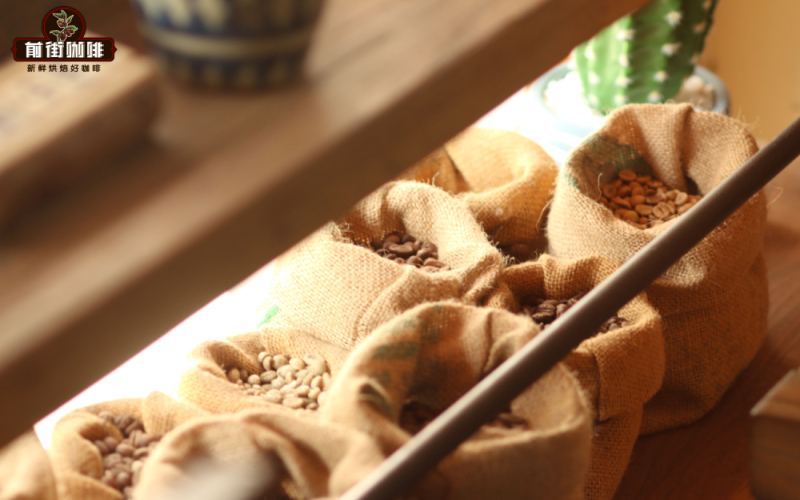
A Complete Analysis of Colombian Coffee Regions, Varieties, and Grading: From Huila Flavor Profiles to Front Street Coffee Roasting and Brewing Guide
Colombia has long been known as the land of "green gold," and its coffee is renowned worldwide for its rich, full-bodied character reminiscent of dark chocolate. With the rise of the fourth wave of specialty coffee, Colombian coffee has revealed a wealth of fruity sweetness and floral aromas, once again drawing in both new and veteran coffee lovers. This article systematically outlines the distribution of Colombia's three major coffee-producing regions—northern, central, and southern—analyzes the core logic of its grading system, which focuses solely on bean size rather than flavor, and provides a detailed introduction to the flavor profiles, medium-roast approach, and V60 three-pour brewing parameters of Front Street Coffee's everyday beans such as Huila, Narino, and Sidra, helping readers gain a comprehensive understanding of the diverse appeal of this South American coffee-producing nation. [more…]
Brazil Minas Coffee Region: A Complete Guide to Pulped Natural Processing, Flavor Profile, and Variety Characteristics
Coffee produced in Brazil's Minas region has now become synonymous with the country's specialty beans. Local research institutions, responding to the relatively dry climate, developed the semi-washed process, which shortens the processing cycle while retaining the sweetness-enhancing advantages of the natural process, and at the same time avoids the unpleasant earthy flavors, making the fruity notes and sweetness more prominent. Coffee from farms around the Minas highlands ranks among the top in quality among Brazilian beans and also has the most considerable output. In recent years, coffee competitions have been subdivided by processing method, giving rise to a variety of flavor profiles, among which semi-washed and natural stand out especially. Front Street Coffee Minas Brazil is fresh and gentle on the palate, with a dry aroma carrying notes of citrus and fruit tea, a wet aroma with the fresh fragrance of black tea, a mouthfeel showing the elegant tonality of jasmine and herbal tea, and a finish like rich, full-bodied oolong tea, making it a rare and stunning work among Brazilian beans. [more…]
Complete unboxing record of the La Marzocco Strada espresso machine: Analysis of the pressure profiling technology in both MP and EP versions
In recent years, variable pressure extraction has become the most closely watched technological direction in the field of espresso machines. From Synesso to Slayer, and then to the Strada launched by La Marzocco, the design of pressure control valves has continuously evolved. This article provides a complete record of the unboxing of the La Marzocco Strada at the illy Coffee University in Shanghai, China, detailing the appearance, structure, and core differences between the Strada MP manual version and the Strada EP electronic version. The MP version directly controls water flow and pressure through an internal mechanical valve, while the EP version uses an electronic gear pump to achieve stepless pressure variation from 0 to 12 BAR and can store pressure profiles. For coffee enthusiasts following the technological development of espresso machines, as well as readers of Front Street Coffee, this unboxing record provides rare hands-on details and firsthand observations. [more…]
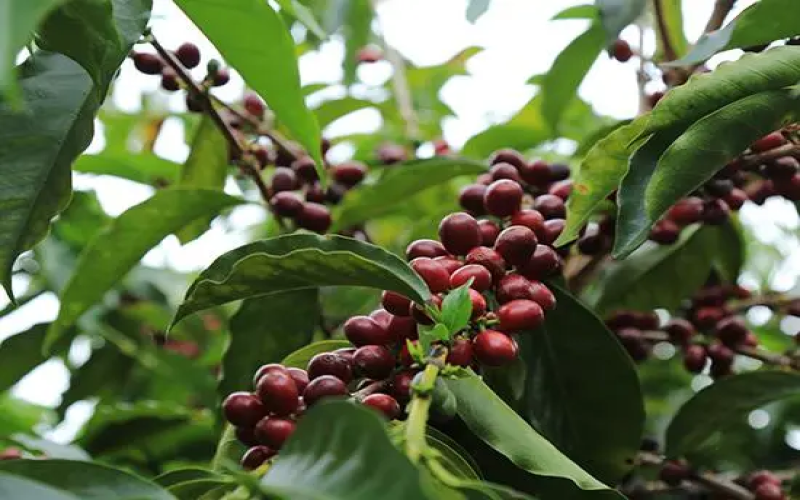
Exploring Panama's Volcán Region: The Birth and Flavor Profile of 90+ Company's Geisha Estate Eleta
Panama has risen to international prominence in the specialty coffee world thanks to the Geisha variety, and the Volcán region, as one of the country's three major coffee-growing regions, though less well known than Boquete, has gradually emerged with its unique terroir. Joseph Brodsky, founder of 90+, established the 90+ Geisha Estate here and launched series such as Eleta Geisha coffee beans. This article will guide you through the terroir characteristics of the Volcán region, the development history of 90+ and its Profile Processing system, as well as the flavor performance of Eleta Geisha and Front Street Coffee's brewing recommendations, making it suitable for readers interested in specialty coffee to read in depth. [more…]
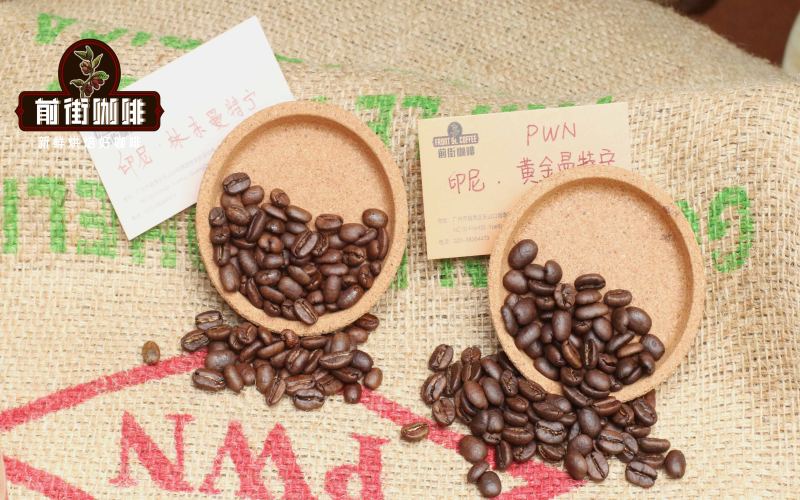
Front Street Wahana Estate Natural Mandheling: Flavor Profile and Brewing Highlights of the Estate Natural Process
Mandheling is a representative variety of Asian coffee, and its unique flavor is inseparable from Indonesia's traditional wet-hulling method. This article focuses on Front Street Coffee's Wahana Estate sun-dried Mandheling, guiding you through the background of this specialty estate in North Sumatra, the distinctive flavor profile of this sun-dried bean, and brewing suggestions for a light roast. From the estate's planting scale to its processing methods, and on to specific brewing parameters, we present this sun-dried Mandheling that overturns traditional impressions in full. [more…]
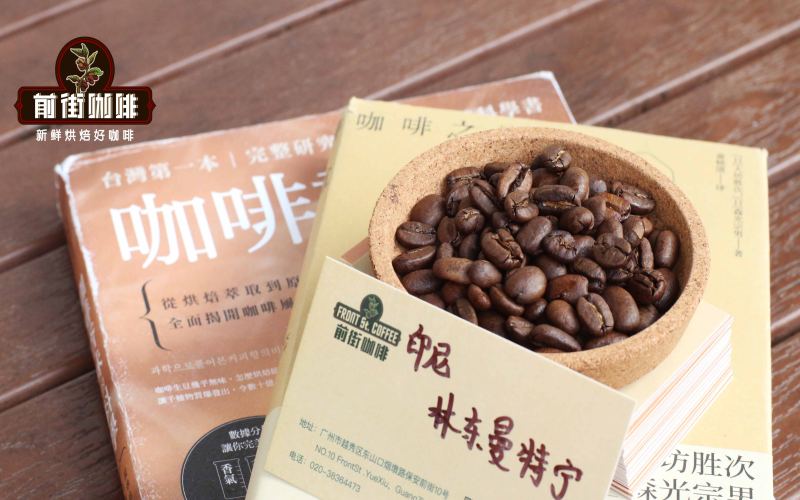
In-Depth Analysis of Indonesian Sumatra Mandheling Coffee Beans: Wet-Hulling Process, Roast Profile, and Brewing Parameters
Mandheling is one of Indonesia's most representative specialty coffees, known for its rich, solid body and its low-acid, agarwood-like flavor. This article focuses on Sumatra Mandheling, introducing its flavor profile, the wet-hulling process, the roasting curve differences between Front Street Coffee's two Mandheling beans (Lintong Mandheling and PWN Golden Mandheling), as well as the drip extraction parameters and brewing techniques for medium-dark roasted Mandheling, helping coffee enthusiasts understand the key stages of this bean from green bean to cup. [more…]
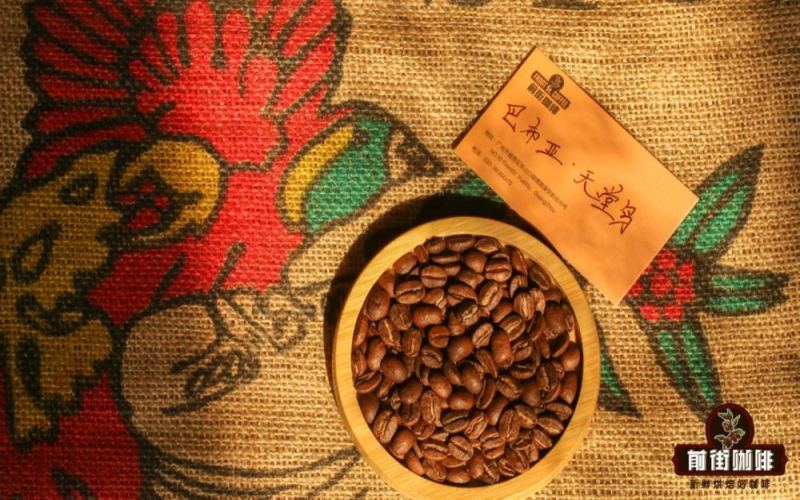
Not a Fan of Sour or Bitter: Sweet Pour-Over Bean Recommendations to Truly Understand "Sweetness"
In the flavor spectrum of coffee, "sweetness" is the most easily overlooked segment. Many people waver between acidity and bitterness, yet fail to realize that in specialty coffee there is an entire route centered on sweetness—smooth, easy to drink, and appealing to all ages. This article explains sweet-tasting beans all at once. Where does coffee's sweetness come from? Coffee's sweetness mainly comes from roasting. [more…]
Authentic Americano Flavor Profile Analysis and Standard Brewing Ratio Guide
As a widely popular coffee category, Americano's taste characteristics and brewing standards have always been a focus of attention for coffee enthusiasts. This article will provide an in-depth analysis of the flavor performance that authentic Americano should have, including the balance of aroma, acidity, bitterness, and sweet aftertaste, while also clarifying the powder-to-water ratio for standard Americano. In addition, the article also compiles the flavor characteristics of several classic coffee beans under the Front Street Coffee brand, covering origins such as Blue Mountain, Mandheling, Mocha, Brazil, and Kenya, helping readers fully understand the making and tasting of Americano from bean selection to extraction ratio. [more…]