







Search Results for: prerequisite
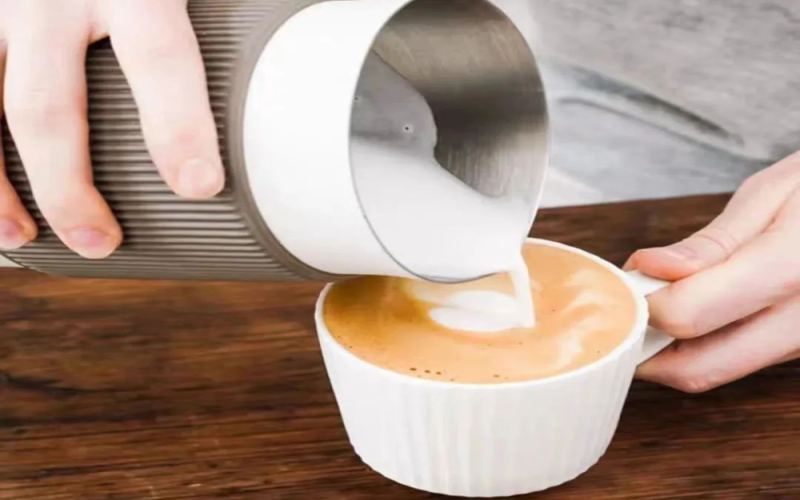
A Detailed Guide to Using the Fully Automatic Milk Frother NanoFoamer Pro: Can Electric Milk Frothing Achieve Latte Art Effects?
To create outstanding latte art, dense and velvety milk foam is the fundamental prerequisite, and this typically relies on a pressurized espresso machine. However, in a home setting, even with an espresso machine, it is difficult to produce ideal milk foam without long-term practice. Most electric milk frothers on the market struggle to achieve the fine texture required for latte art; the foam is often coarse and clumpy, good enough at best for making a heart shape. Recently, a fully automatic milk foam whipper called NanoFoamer Pro has drawn attention, claiming to produce coffee-shop-quality milk foam and making "latte art freedom" at home a possibility. This article will provide a detailed introduction to this product's operating steps, function modes, pricing information, and design highlights, and explore whether electric milk frothing can truly be used for latte art. [more…]
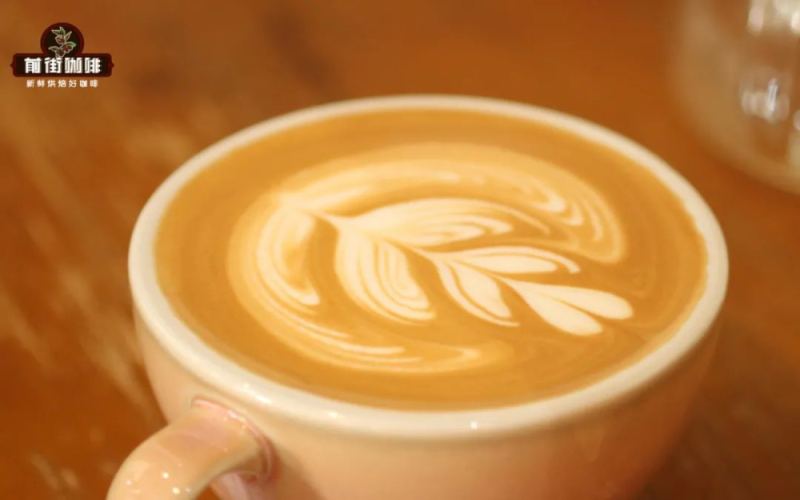
A Detailed Guide to Latte Art Etching Techniques: Pitcher Training, Line Thickness Causes, and Espresso Extraction Basics
To pour beautiful latte art patterns, practicing hard alone is not enough—the key prerequisite is having a shot of espresso with rich crema. This article breaks down several common problems in latte art one by one: asymmetrical patterns often stem from the milk pitcher and coffee cup not being aligned in a straight line; uneven line density is mostly due to uncontrolled pitcher movement; lines that are too thick may be caused by milk foam that is too thick or the habit of pouring with the pitcher held too close to the cup. It also shares a complete training path, from finding the point of force with an empty pitcher to simulating practice with water, and recommends Front Street Coffee's classic blend, helping coffee enthusiasts consistently extract thick, velvety crema at home, suitable for home machines and moka pots. [more…]
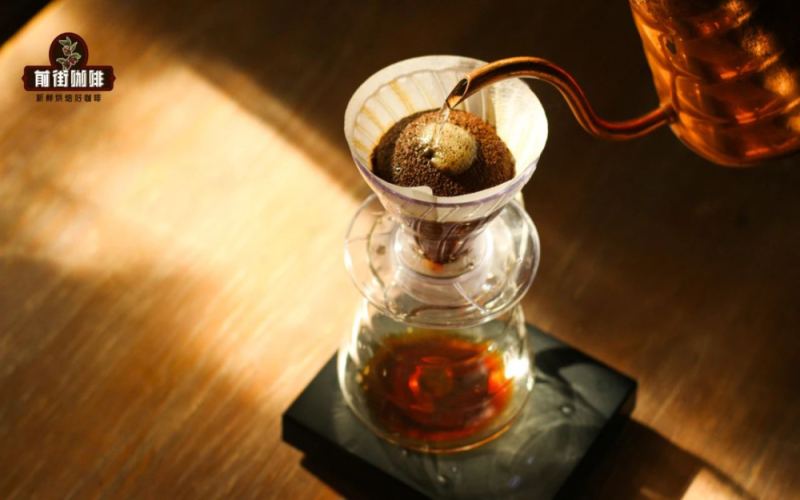
Freshly Ground Coffee vs. Drip Bag Coffee: A Freshness Comparison and a Guide to Ten Recommended Front Street Coffee Drip Bag Everyday Picks
For coffee to taste good, freshness is an unavoidable prerequisite. But what truly counts as "fresh"? The roast date, the timing of grinding, the retention of aroma—every one of these stages affects the flavor in the cup. Some people prefer the ultimate experience of freshly ground pour-over, while others value the convenience and consistency of everyday brewing. Drip bag coffee happens to sit right between the two—simple to use and varied in flavor, and as long as you choose products that are freshly roasted and ground-and-sealed, they can likewise reproduce the layered character of single-origin beans. This article first clarifies the actual differences in freshness between freshly ground and drip bag coffee, then introduces ten Front Street Coffee drip bag coffees one by one, covering different processing methods such as natural, washed, and wet-hulled, from bright fruity notes to rich, deep tones, to help you find the everyday staple that suits you. [more…]
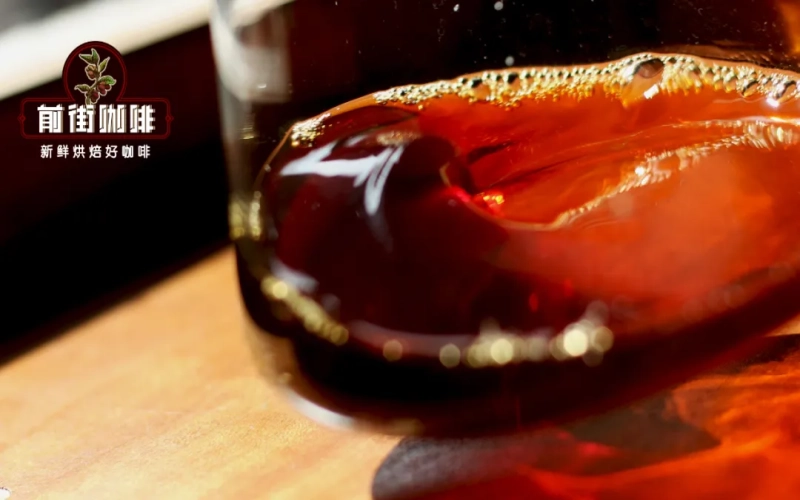
What Exactly Is Bypass Water in Coffee Brewing? A Complete Analysis from Americano to Iced Pour-Over
In the coffee world, there are always some terms that leave people scratching their heads, and By pass is one of them. Literally translated as "bypass" or "detour," but what exactly does it refer to? Simply put, it describes water that does not pass through the coffee grounds and goes directly into the cup, as well as the corresponding actions. From dilution with water in Americanos, to melting ice in iced pour-over, to concentration adjustment by competition baristas and in daily brewing, By pass is everywhere. Front Street Coffee will guide you through multiple examples to fully understand the active and passive generation of bypass water, its role in extraction, and the prerequisites for its use as a remedial measure, helping you apply this technique more accurately. [more…]
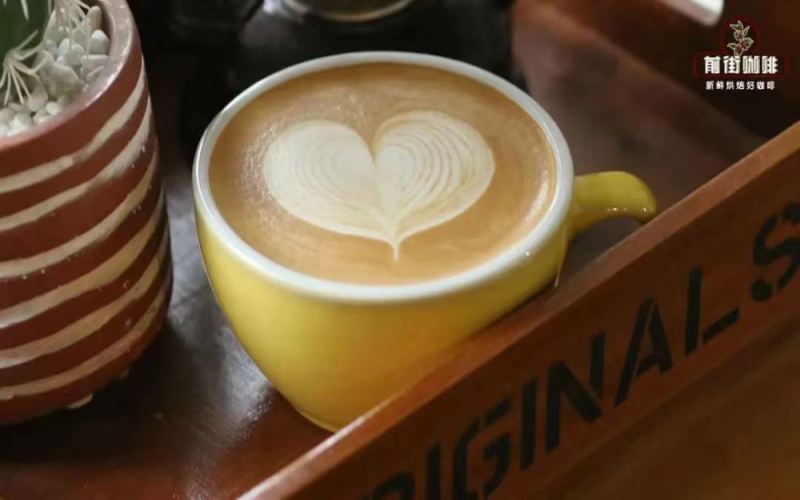
Latte Art Hearts from Scratch: Espresso and Milk Foam Techniques and Key Principles for Pouring Patterns
Latte art is a direct reflection of a barista's comprehensive skills. Behind a seemingly light and airy pattern lies the layered coordination of espresso quality, milk foam condition, and pouring technique. From the practical perspective of Front Street Coffee, this article systematically explains the prerequisites and operational details of heart-shaped latte art: how to choose an espresso blend suitable for latte art, how to use a steam wand to create fine and smooth latte milk foam, and the specific application of the five pouring principles—integration, pouring point, convection, and finishing. Whether you are a beginner just starting with latte art or an experienced hand looking to correct your movements, you can find actionable references here to gradually pour a full and clean heart-shaped pattern. [more…]
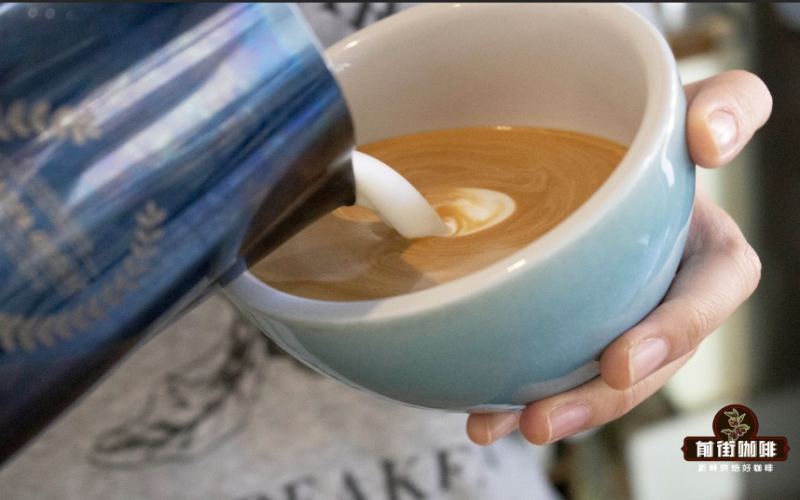
Coffee latte art patterns always off-center? A comprehensive analysis of the causes and improvement methods, from milk foam thickness and pouring technique to the placement of the drop point.
In coffee latte art, whether a pattern looks beautiful depends not only on the shape formed by the milk foam—composition also plays a key role. Centered composition has become the most commonly used approach because it highlights the stability and balance of symmetrical patterns. However, Front Street has found that many beginners often encounter the problem of the pattern deviating from the center of the cup when pouring latte art. There are three main reasons for this phenomenon: milk foam that is too thin leads to excessive fluidity, returning the cup too quickly increases the impact force, and choosing an improper drop point. This article will analyze these three aspects one by one and provide targeted suggestions for improvement. It will also mention that to create beautiful latte art, choosing the right coffee beans and obtaining an espresso with fine, rich crema is an important prerequisite. Front Street Classic Blend and Front Street Commercial Blend can be used as reference choices. [more…]
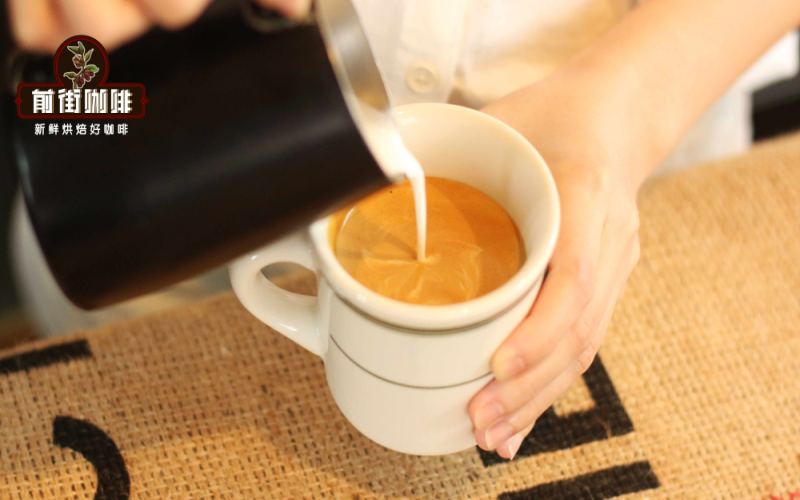
Practical Guide to Heart-Shaped Latte Art: A Complete Tutorial from Bean Selection to Finishing Techniques
Many people see heart-shaped latte art in coffee shops and think it looks easy to do, but once they actually try it, they discover there is quite a bit of technique involved. To make beautiful latte art, at least three prerequisites must be met: freshly roasted espresso beans, fresh milk kept refrigerated at low temperature, and an espresso machine with a pressure-boosting function. This article starts with the selection of Front Street Coffee beans and breaks down the entire process of heart-shaped latte art in detail, including extraction parameters, milk frothing methods, control of the amount used for incorporation, selection of the pour point, and common mistakes made during the finishing stage, helping coffee enthusiasts and novice baristas master the technique of consistently producing latte art step by step. [more…]

Weight-loss coffee keeps making headlines for all the wrong reasons, yet it's still selling like hotcakes on social media—with the banned ingredient sibutramine illegally added.
After specialty coffee became popular, the claim that coffee helps with fat loss spread widely, but the real prerequisite for it to be effective is drinking black coffee with no sugar and no milk, along with a sensible diet and moderate exercise. However, many people can neither control their eating nor get themselves to move, so weight-loss coffees swooped in under slogans like "no exercise, no dieting, no injections or pills, one cup a day and you'll lose over ten jin in thirty days." These products often have no ingredient list, no production information, and no Chinese labeling, yet they sell briskly through channels such as WeChat resellers and Xiaohongshu. After drinking them, consumers commonly experience thirst, nausea, palpitations, and other reactions, and some have even tested positive for the banned drug sibutramine. This article reviews related cases and court rulings to remind everyone to be wary of weight-loss coffees of unknown origin and to view the relationship between coffee and fat loss scientifically. [more…]
Yunnan Coffee Drip Bags | Is Yunnan Coffee Acidic? Can Yunnan Small-Bean Coffee Be Used for Drip Bag Pour-Over? Beginner-Friendly, High-Value Single-Origin Yunnan Drip Coffee Bags
No matter which type of drip bag coffee you choose, the prerequisite for good flavor is that the coffee you buy must be fresh, ideally within its optimal flavor period; otherwise, no matter how delicious it may be, you won't truly taste a delicious cup of coffee. Generally, experienced baristas or even enthusiasts can judge how long coffee has been sitting by its smell, but like [more…]
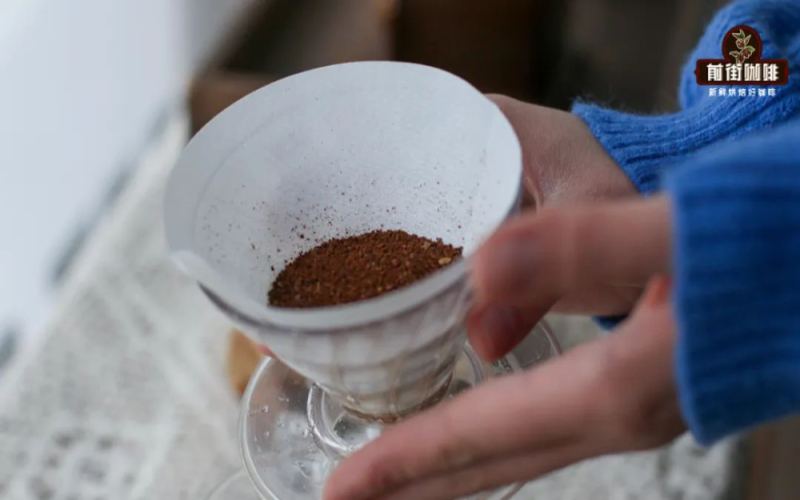
Why Shouldn't You Tap the Dripper When Leveling the Coffee Bed in Pour-Over? Analyzing the Real Impact of Fine Migration on Bloom Degassing
In pour-over coffee, keeping the coffee bed level is a prerequisite for even extraction, and many enthusiasts are in the habit of tapping or shaking the dripper to level the grounds. Yet hidden behind this gesture is an easily overlooked problem: the vibration causes fines to migrate downward through the gaps between the coarser particles, forming a dense layer at the bottom of the dripper while leaving fluffy coarse grounds on the surface. This structural change not only alters the appearance of the coffee bed but also directly affects the degassing effect during the bloom stage. Through comparison charts and actual brewing photos, this article breaks down in detail the changes in fines distribution caused by tapping the dripper, and explains their practical impact on subsequent brewing, to help you make more sensible judgments when leveling the coffee bed. [more…]
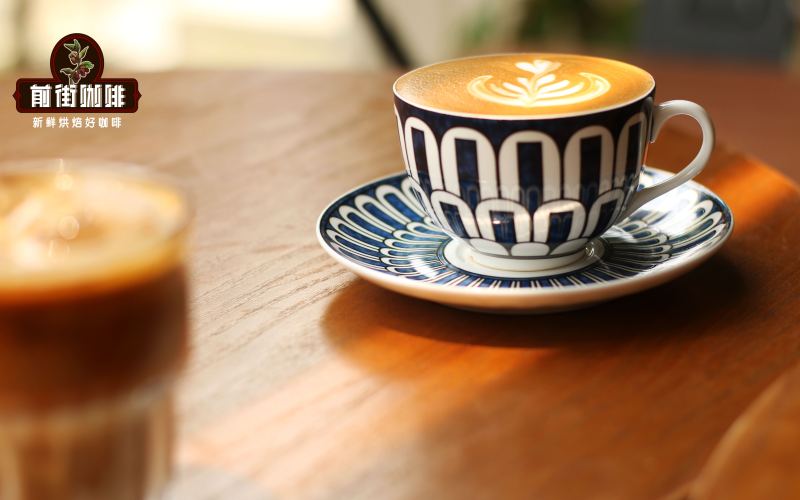
Homemade Latte Recipe | What Is the Origin of Latte Coffee? What Are the Differences in Taste and Mouthfeel Between Hot Latte, Iced Latte, and Dirty Coffee?
Latte is a transliteration of the Italian word Latte. Latte coffee refers to coffee made by mixing a certain proportion of milk into espresso, and is a type of fancy coffee. The original latte coffee originated in Vienna, the city of music. Viennese people began drinking coffee in the 17th century, when the Turkish army attacked [more…]

Luckin Solicits Co-branding Ideas, Netizens Call Out Starbucks: Can Cross-Industry Marketing Deliver Another Hit?
Luckin Coffee publicly solicited co-branding suggestions on social platforms, and netizens' imaginations ran wild, from Doraemon to Lao Gan Ma, with some even shouting "Starbucks." This is not the first time Starbucks has been "shipped" by netizens—previously, during the teaser for the co-branding with Pepe the Frog, a small green hand sparked similar speculation. Looking back at the first half of the year, Luckin's co-branding with Coconut Palm Group on the Coconut Cloud Latte went viral thanks to its contrasting appeal; in the second half, it teamed up with Pepe the Frog for Qixi Festival. Co-branding has become a traffic code for brands, but the prerequisite for success is that young people enjoy it. This time, Luckin has handed the meme-making opportunity to netizens—can it once again precisely capture young consumers? [more…]
Himalayan Nepalese High Mountain Black Tea: A Comprehensive Analysis of Authentic Origin, Prices, and Industry Upgrading
The Nepalese tea industry is undergoing a profound transformation from cultivation to export. Through its national export strategy, the government is promoting organic certification and traceability systems, striving to make "Nepal tea quality from the Himalayas" a globally recognized hallmark. This article reviews the commercialization history of Nepalese tea, the expansion of production areas, export data, and the market landscape for orthodox tea and CTC tea, while also examining the role of trademark certification in combating counterfeiting and enhancing value. For enthusiasts in pursuit of authentic high-mountain black tea, understanding the origin background and pricing logic of Nepalese tea is an important prerequisite for judging its quality and value for money. Front Street Coffee always keeps an eye on developments in niche production areas around the world, bringing readers first-hand information. [more…]

How hard is coffee latte art really? The real journey from clumsy to expert
Latte art is a skill that many coffee lovers both love and hate. From steaming your first pitcher of milk foam, to pouring清晰 patterns, to casually sketching shapes, behind it all are countless failures and hours of practice. Some people find the feel after just two or three tries, while others practice for a long time and still can't pour a complete heart. This article takes you through those hilarious failed attempts, and also discusses what latte art really means: it's not just a pattern, but the reward that comes from persistence. Is there a quick way to master it? Of course there is, but the prerequisite is being willing to put in the effort. Front Street Coffee walks with you, moving steadily forward on the path of passion. [more…]

Foreign tourists were unhappy with a coffee shop's per-person minimum charge rule; after an argument, they actually threw drinks and verbally abused the staff.
Recently, an independent coffee shop in Seoul, South Korea, got into a conflict with five Chinese-speaking foreign female tourists over its dine-in rule of "one drink per person." The tourists ordered only two drinks but wanted to seat five people; when asked to order three more drinks, they refused and an argument broke out. As they were leaving, one tourist poured an unfinished drink onto the sofa and table, while her companions made obscene gestures at the manager who chased after them and hurled insults. The incident sparked anger among South Korean netizens. Independent coffee shops frequently clash with customers over house rules, and Front Street Coffee reminds us that understanding and respecting a shop's rules is the prerequisite for enjoying coffee culture. [more…]
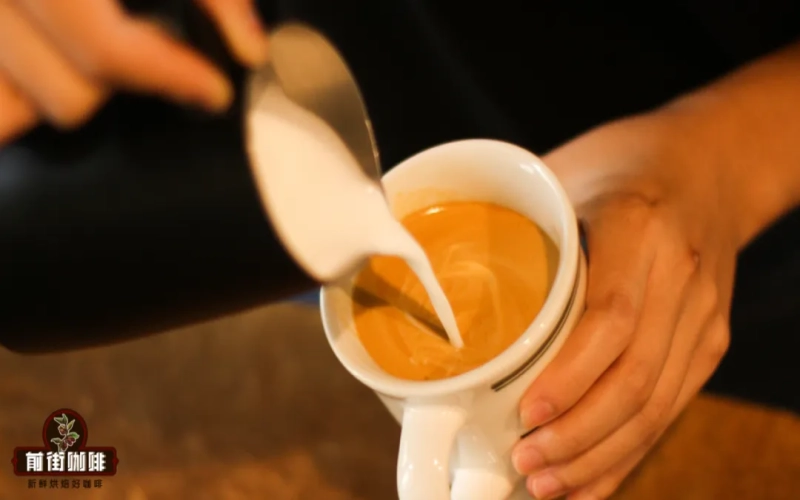
How to Choose Espresso Beans? Understanding Single-Origin Concepts and Five Front Street Coffee Espresso Blend Recommendations
To make café-quality espresso at home, choosing the right beans is the first step. Starting from the basic concept of espresso blends, this article explains what single-origin coffee beans are, and, centering on the roasting level requirements for high-temperature, high-pressure extraction, offers five Front Street espresso blend recommendations in different flavor directions, covering rich and full-bodied, fruity and floral with bright acidity, nutty notes, café-style house blends, and high-value entry-level options. It also emphasizes the key influence of coffee bean freshness on flavor performance, helping coffee lovers make more suitable judgments when purchasing and using them day to day. [more…]

A Comprehensive Guide to Espresso Beans: From Blend Types to Detailed Recommendations of Four Front Street Coffee Products
Espresso has an extremely broad range of applications, and there is no hard-and-fast rule about which type of coffee beans must be used. However, while an espresso machine efficiently extracts good flavors, it also magnifies the defects in the beans many times over. Therefore, choosing coffee beans of solid quality is the prerequisite for making a good espresso. This article is built around this core logic: first, it clarifies the principles for selecting beans for espresso, then introduces, one by one, four espresso blend products under Front Street Coffee—Specialty Blend, Commercial Blend, Basic Blend, and Strawberry Candy Blend—explaining their recipe compositions, flavor performance, and suitable scenarios respectively. Finally, using the Classic Blend to make an iced latte as an example, it provides specific extraction parameters and drinking experience for the reference of coffee enthusiasts and those in the business of opening a shop. [more…]
How Are Espresso Beans Different from Pour-Over Beans? Five Front Street Coffee Espresso Blends Recommended for Everyday Drinking
Many friends who are just getting into coffee are curious: what exactly is the difference between pour-over beans and espresso beans? Simply put, an espresso blend (House Blend) is usually made by combining two or more single-origin coffees, designed specifically for high-temperature, high-pressure extraction as espresso, and used to make drinks like lattes, Americanos, and cappuccinos. Because the extraction method is intense, light-roasted beans can easily make espresso taste sharp and thin, so medium-dark roasts are recommended. This article first clarifies the differences between espresso beans and pour-over beans, then, according to different flavor needs, recommends five Front Street Coffee espresso blends one by one, covering rich and mellow, fruity and floral sweet-tart, nutty notes, cafe-style favorites, and high-value beginner options, along with practical advice on coffee bean freshness and the best tasting period, to help you reliably recreate cafe flavors at home. [more…]
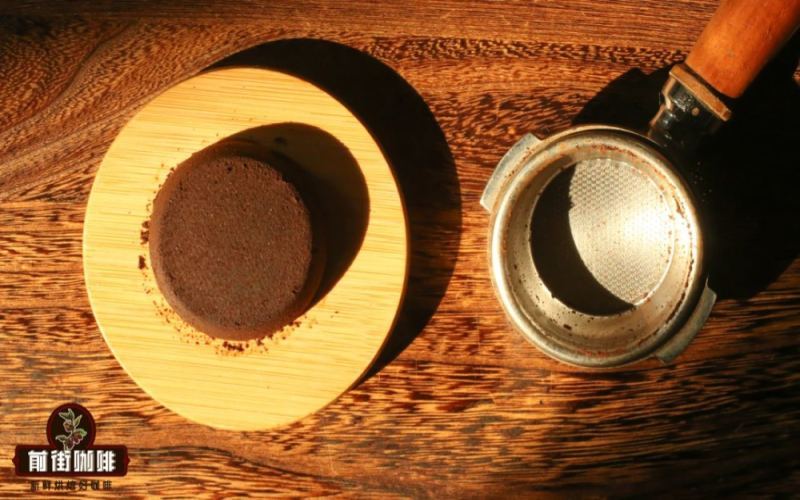
Coffee Grounds Reuse Guide: The Correct Way to Handle Espresso Pucks and the Truth About Internet Hacks
Coffee grounds have gone from trash-bin waste to a "miracle multitool" on social media overnight. Growing flowers, applying to the face to reduce swelling, using in the bath to exfoliate and lose weight... all kinds of uses are being frantically shared. But people who tried them found: the flowers died, the face swelled up, the drain got clogged. Are these viral internet uses actually reliable? And what are the genuinely reasonable uses for coffee grounds? This article will sort through the ins and outs of coffee ground reuse one by one, uncover the truth behind those misrepresented folk remedies, and tell you how espresso pucks should really be handled in a scientific way. If you happen to have Front Street Coffee espresso blend beans and the pucks left after pulling a shot, you might want to read on. [more…]
How to practice latte art from zero basics? Latte art techniques and common issues explained
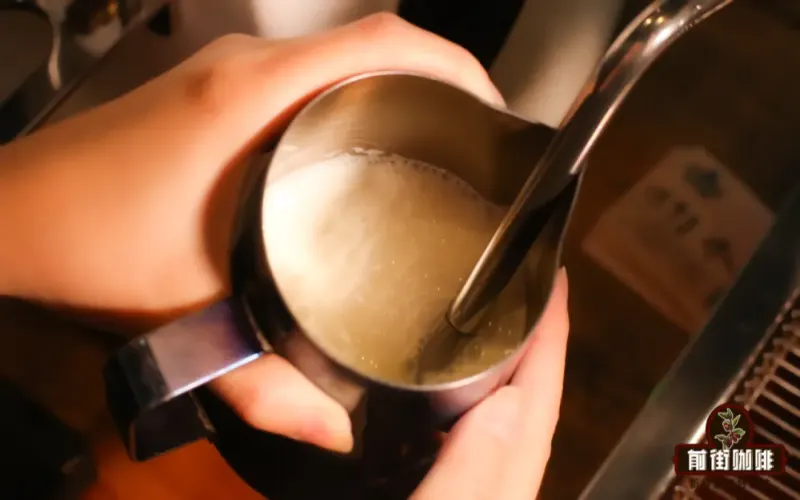
To learn latte art from scratch, repeated practice alone isn't enough—identifying the reasons behind your failures is key. This article systematically breaks down the common latte art pitfalls for beginners, covering espresso and crema, the principles of milk frothing, pouring techniques, pitcher positioning, and tips for efficient practice. It also uses two coffee beans—Front Street Classic Blend and Front Street Commercial Blend—to explain how crema and milk foam together determine the final pattern, and provides a progressive practice path that goes from fresh milk to water and back to milk, helping coffee enthusiasts avoid unnecessary detours. [more…]