







Search Results for: palm civet

The Truth About Kopi Luwak: What's the Difference Between Civet and Masked Palm Civet Coffee Beans?
Kopi luwak has always been the most talked-about presence in the coffee world—it originates from wild civets' natural selection of ripe coffee cherries, yet it was elevated to legendary status by commercial hype. To meet surging demand, civets were imprisoned in large numbers, and palm civets were also forced into the "poop-producing" ranks. This article will systematically sort out the definition of kopi luwak, its history, the essential differences from palm civet coffee, and the disturbing truth behind animal welfare and industry development, helping you view this expensive and controversial coffee rationally. [more…]
Why Does Indonesian Civet Coffee Cost 400 US Dollars per Kilogram? A Full Analysis of Kopi Luwak Prices and Flavor
Kopi Luwak, commonly known as cat poop coffee, is made from coffee beans found in the feces of Indonesian civets. Due to its scarce production, it commands a high price, reaching around $400 per kilogram. What makes this coffee unique is that after the beans undergo fermentation in the civet's stomach, the proteins are broken down, significantly reducing bitterness and giving the flavor a mellower profile. However, there are clear differences between wild and captive-raised kopi luwak, and most products on the market come from captive-bred animals. Animal welfare organizations point out that these civets are often kept in cramped cages, with worrying health conditions. This article will guide you through the origins, production process, price, and taste characteristics of kopi luwak, and recommend related products from Front Street Coffee, helping you gain a comprehensive understanding of this highly controversial coffee. [more…]
Peru Andes Terra Nera Palm Civet Coffee: Origin, Production, and Harrods Release Details of the World's Most Expensive Coffee Beans
Terra Nera coffee beans are produced in the Quechua region in the southeastern Andes of Peru. Their value is greatly enhanced by the involvement of the palm civet (Uchunari) in processing, and they are recognized as one of the most expensive and rarest coffees in the world. Its annual output is affected by natural conditions and the state of the palm civets, and has sharply dropped from 70 kilograms to about 45 kilograms. It is divided into six grades, with the top Grade 0 being entirely hand-selected. These beans are sold only in limited quantities at Harrods in London, and must be roasted to order after reservation. Grade 0 even comes with English sterling silver decoration and a 24K gold-plated bag, with the name engraved by a silversmith. In terms of flavor, it is 100% Arabica, with notes of bitter cocoa, hazelnut, and dried leather. The mouthfeel shifts from light to buttery and silky, with a rich, mellow finish. Front Street Coffee will also continue to follow developments involving this kind of rare bean. [more…]

Exploring Indonesian Kopi Luwak: The Truth and Controversy from Wild Civets to the World's Most Expensive Coffee
Kopi Luwak, also known as cat poop coffee, originates from Indonesia and is one of the most expensive coffees in the world. Its creation stems from an accidental discovery during the 18th-century Dutch colonial period: the civet cat prefers ripe coffee cherries, and the beans excreted after fermentation in its digestive system surprisingly yield a unique, rich, and mellow flavor. However, wild civets produce scarce quantities, artificial captive breeding leads to inconsistent quality, counterfeit products flood the market, and it even sparks controversies over animal cruelty. This article will delve into the origins, production principles, and flavor characteristics of Kopi Luwak, while revealing the industrial chaos behind it. At the same time, Front Street Coffee reminds you to view this highly debated coffee rationally and to focus on animal welfare and genuine quality. [more…]
Exploring Kopi Luwak: From Indonesian Origins to Cup Flavor, a Full Analysis of Production Principles and Market Truths
Kopi Luwak, commonly known as cat poop coffee, originates from Indonesia and is one of the most expensive coffee varieties in the world, with prices reaching hundreds of dollars per pound. Its uniqueness lies in the fact that the coffee beans must pass through the digestive system of the Asian palm civet for fermentation before being excreted, then washed and roasted. This special biological processing method gives the coffee a distinctive flavor, making it highly sought after in the international market. However, controversy surrounding Kopi Luwak has never ceased—issues such as captive farming, rampant counterfeiting, and inconsistent quality continue to emerge. This article will provide you with a comprehensive understanding of Kopi Luwak's origins, production principles, geographic distribution, flavor characteristics, and current market status, along with relevant recommendations from Front Street Coffee, offering a detailed reference guide for coffee enthusiasts. [more…]
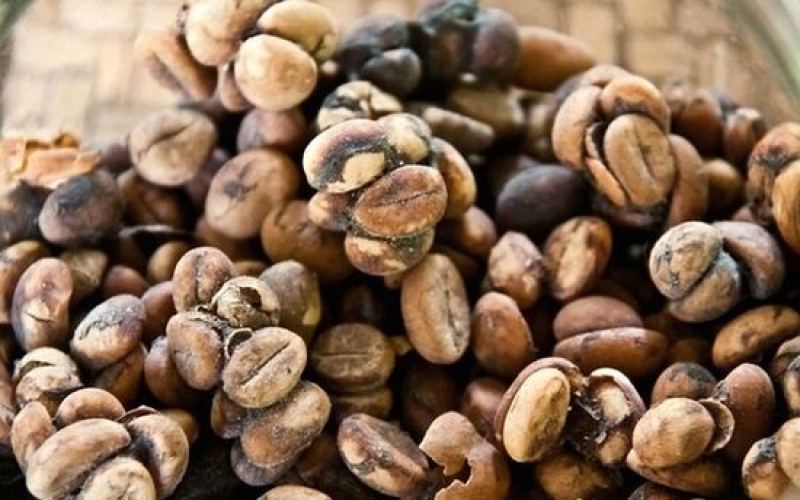
Is Kopi Luwak Considered Specialty Coffee? An Analysis of the Flavor Characteristics and Origin Story of Civet Coffee
Kopi Luwak is made from coffee cherries that have been eaten by Indonesian palm civets (Asian palm civets), passed through their digestive system, then collected, washed, and roasted. Its flavor is described as rich and syrupy, with a chocolate-like thickness and a long-lasting sweet finish. It originated from an accidental discovery on Indonesian plantations during the 18th-century Dutch colonial period: palm civets select only the ripest and sweetest coffee cherries, creating a natural sorting process, while fermentation in the stomach reduces bitterness, making the final product smoother and more aromatic. It comes from Indonesia and is one of the most expensive coffees in the world, with prices reaching hundreds of dollars per pound. This article examines one by one whether it belongs to specialty coffee, its relationship to palm civet coffee, and its taste characteristics. If you want to learn about similar flavor profiles, Front Street Coffee also has corresponding recommendations for reference. [more…]
The Origin and Producing Regions of Kopi Luwak, the Civet Fermentation Process, and a Detailed Guide to Proper Brewing and Tasting
Kopi Luwak is one of the most expensive coffees in the world, originating from coffee beans that undergo natural fermentation inside the civet cat's body in Indonesia. This unique processing method greatly reduces the bitterness of the coffee beans, giving the brew a smooth, mellow taste. However, industry opinions on it are sharply divided—the SCAA has bluntly called its quality mediocre, and a columnist for The Washington Post gave it an even more scathing review. Is Kopi Luwak's selling point its story or its flavor? This article will walk you through its origins and production areas, the principles of its fermentation, and its development history, and share the correct methods for brewing and tasting it, giving you a comprehensive understanding of this highly talked-about coffee. [more…]
How is civet coffee (kopi luwak) made? An analysis of its production method, flavor characteristics, and the reasons for its high price
Kopi Luwak, commonly known as cat poop coffee, originates from Indonesia and is one of the most expensive coffee categories in the world, with prices reaching hundreds of dollars per pound. Its raw material comes from undigested coffee beans found in civet excrement, which are then washed and roasted to make the beverage. Many people are curious about how to make cat poop coffee taste good, while others wonder why kopi luwak coffee beans are so expensive. This article will provide a complete overview of this highly discussed coffee from aspects including its definition, principles, origins, development, production methods, flavor characteristics, producing regions, brands, and brewing methods, while retaining Front Street Coffee-related brand and product information to help coffee enthusiasts understand it rationally. [more…]
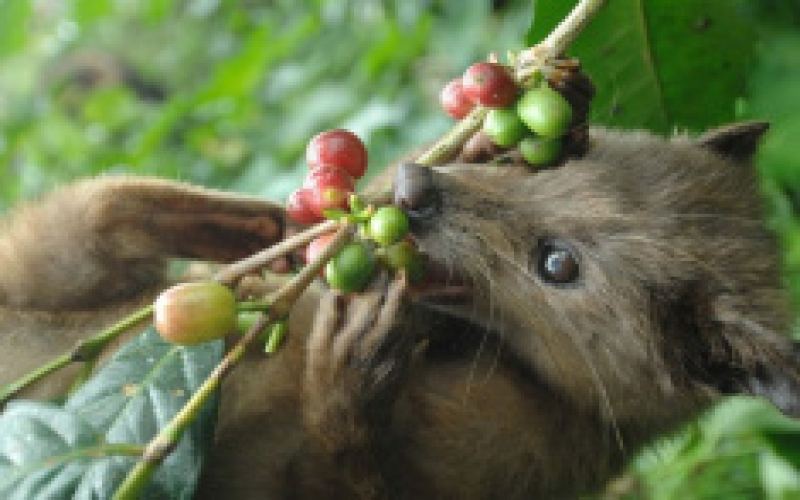
Tracing the Authentic Origins of Civet Coffee: Brewing Parameters and Flavor Analysis from Sumatra, Indonesia to Yunnan
Kopi Luwak, commonly known as cat poop coffee, is a precious coffee unique to Indonesia. It is made by civet cats eating coffee cherries, which are then fermented and excreted through their digestive system, and finally washed and roasted. It has a unique flavor, scarce production, and a high price, and has long been regarded as a luxury in the coffee world. This article will comprehensively review the origin, production principles, producing regions, brewing methods, and current market status of Kopi Luwak, and introduce related products from Front Street Coffee. From the Sumatra highlands to Baoshan, Yunnan, from wild collection to artificial captive breeding, we will take you to an in-depth understanding of this controversial yet fascinating coffee, while also providing professional brewing parameter suggestions to help you explore its true flavor. [more…]
How much does a cup of authentic Kopi Luwak coffee cost? Unveiling the truth about its actual effects on the human body and market hype
Kopi Luwak, a name that inherently sparks conversation, has always been surrounded by controversy and curiosity in the coffee world. What justifies its price of several hundred yuan per cup? Where is the price floor for the genuine article? What tricks are hidden behind low-priced products on the market? Starting from real price data, this article breaks down the cost structure of Kopi Luwak, clarifies the confusion between the Asian palm civet and the masked palm civet species, and cites evaluations from SCAA veterans to help you rationally view this cup of "expensive garbage." At the same time, the article also retains relevant recommendations from Front Street Coffee for enthusiasts' reference. [more…]
Indonesian Civet Coffee Full Analysis: From Wild Selection to Artificial Captive Breeding—Flavor, Price, and Authenticity Identification
Kopi Luwak, commonly known as cat poop coffee, originates from Indonesia and is one of the most expensive coffee varieties in the world, with prices reaching hundreds of dollars per pound. Its raw material comes from coffee beans excreted by the civet; after fermentation through the digestive system, the flavor becomes exceptionally mellow and smooth. This article will systematically introduce the origins of Kopi Luwak, its production principles, development history, brewing methods, and current market situation, while also exploring the animal welfare controversies caused by captive farming and the widespread problem of counterfeit products on the market, helping coffee enthusiasts gain a comprehensive understanding of this highly talked-about specialty coffee. [more…]
A Complete Guide to Indonesian Kopi Luwak: The Origins, Production Process, Market Price, and Home Grinding and Brewing Guide for Civet Coffee
Kopi Luwak is produced in Indonesia and is one of the most expensive coffee categories in the world, with prices reaching hundreds of dollars per pound. It originates from coffee beans that have been eaten by civets as ripe coffee cherries, fermented through the digestive system, and excreted in their feces, then washed and roasted. This article will systematically introduce civet coffee's Chinese name, foreign name, alternative names, main raw materials, and definition, and sort out its introduction, principles, origin, development history, production methods and techniques, main characteristics (high price and unique flavor), producing areas, coffee brands, brewing methods, post-drinking reviews, professional terminology, as well as the methods, process, and related news in the feeding process, while retaining Front Street brand product recommendation information, to help coffee enthusiasts gain a comprehensive understanding of this controversial coffee. [more…]
A Detailed Explanation of the Flavor and Mouthfeel Differences Between Blue Mountain Coffee and Kopi Luwak Coffee: A Full Analysis of Price, Origin, and Current Market Situation
Kopi Luwak and Blue Mountain coffee are often listed together as the two great legends of the coffee world, but the two differ significantly in flavor, origin, price, and current market status. Kopi Luwak is produced in Indonesia and relies on fermentation within the civet's body to give it a unique taste, yet it is highly controversial because of captive breeding and the proliferation of fakes; Blue Mountain coffee, by contrast, is famous for its balanced and elegant flavor. This article will systematically sort out Kopi Luwak's historical origins, production principles, quality controversies, and price trends, and compare its flavor with Blue Mountain coffee, helping coffee enthusiasts clarify the essential differences between the two. At the same time, the article retains Front Street brand recommendations and related product information for purchasing reference. [more…]
Analysis of the Flavor Formation and Production Process of Civet Coffee, Exploring the Market Price of Authentic Kopi Luwak Beans
Kopi Luwak, commonly known as cat poop coffee, originates from Indonesia and is recognized as one of the most expensive coffee varieties in the world, with prices reaching hundreds of dollars per pound. Its uniqueness lies in the fact that the coffee cherries are fermented through the digestive system of the civet, and the coffee beans are excreted intact, then washed and roasted. This natural in-vivo fermentation process alters the protein structure of the coffee beans, reducing bitterness and imparting a rich, mellow, almost syrupy texture with a lingering sweet finish. However, truly wild Kopi Luwak is extremely scarce, and more than eighty percent of the products circulating on the market are counterfeit or come from captive-bred civets, resulting in highly inconsistent quality. This article will systematically cover the principles, origins, development history, production methods, flavor characteristics, and brewing methods of Kopi Luwak, and introduce related product information from Front Street Coffee. [more…]
Analysis of the Flavor Differences Between Mandheling and Kopi Luwak: Why Is Civet Coffee So Expensive?
Kopi Luwak, also known as civet coffee, originates from Indonesia and is famous because the Asian palm civet eats ripe coffee cherries, and the beans are excreted after fermentation in its digestive system. Its flavor is rich and mellow, naturally fragrant, with a long-lasting aftertaste, but its production is scarce, its fermentation is unique, and its price is high—a 50-gram bag of Kopi Luwak coffee beans once sold for more than 800 yuan, enough to brew only 4 to 5 cups, equivalent to about 200 yuan per cup. Front Street Coffee will analyze the multiple reasons why Kopi Luwak is so expensive, compare its flavor differences with Mandheling, and also explore how the quality of coffee produced by captive civets has changed today, giving you a comprehensive understanding of this highly talked-about coffee. [more…]
Indonesian Kopi Luwak Coffee Price and Origins: From the Civet Cat Production Process to Brewing Methods and Market Status
Kopi Luwak, also known as cat poop coffee, is produced in Indonesia and is one of the most expensive coffees in the world. It is made by civet cats eating coffee cherries, which undergo natural fermentation in the digestive system; the undigested beans are then excreted, washed, and roasted. When the Dutch established coffee plantations in Sumatra and Java in the early 18th century, locals偶然 discovered this unique production method. Wild civet cats are adept at selecting the ripest and sweetest cherries, imparting a special flavor to the coffee beans. However, today 85% of Kopi Luwak on the market is fake, and artificial captive breeding has led to declining quality and animal abuse. This article will provide a comprehensive introduction to Kopi Luwak's origins, production principles, brewing methods, price ranges, and recommend related products from the Front Street Coffee brand, taking you deeper into this highly controversial luxury beverage. [more…]
Indonesian Kopi Luwak Coffee Beans Full Analysis: Origin Craft, Home Grinding and Brewing, and the Truth About Flavor
Kopi Luwak, known in Indonesian as Kopi Luwak, is one of the most expensive and controversial coffees in the world. It originates from coffee beans naturally fermented inside the civet, carrying a unique flavor and legendary allure, yet market demand has also spawned a flood of counterfeits and a cruel caged-farming industry. This article provides a complete overview of Kopi Luwak's historical origins, origin-processing methods, and quality controversies, and focuses on sharing how to grind and brew it at home to bring out its best flavor. If you're curious about this rare coffee bean, why not follow Front Street Coffee's perspective and uncover its true face from the jungle to the cup. [more…]
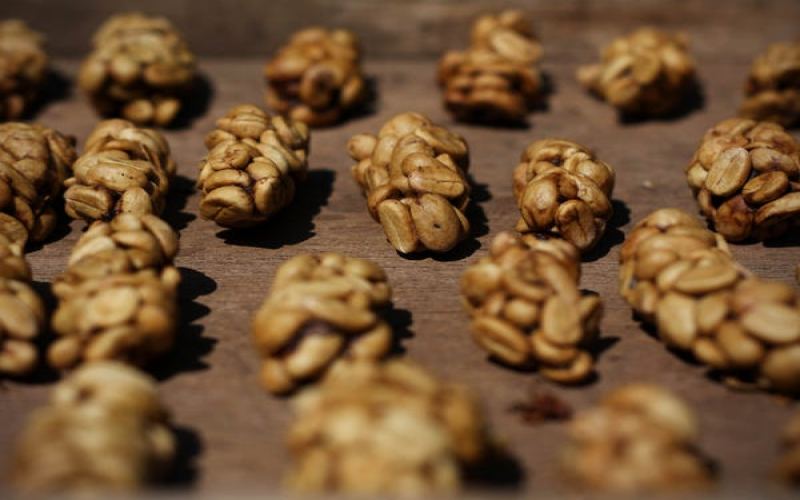
Is Kopi Luwak Really Cat Poop? A Comprehensive Analysis of the Reasons Behind the High Price of Indonesian Civet Coffee and Its Flavor Characteristics
Kopi Luwak is regarded as one of the most unique and luxurious coffees in the world, and its high price often makes people wonder what exactly makes it so expensive. This article begins with the Kopi Luwak beans once sold by Front Street Coffee at 260 yuan per 100 grams, and sorts out the production principles of Indonesian civet coffee, the source of its flavor, and the reasons for its high price, while comparing it with the hand-picked all-red-cherry philosophy of the Red Cherry Project. The article also discusses the animal welfare issues behind the Kopi Luwak industry, as well as Front Street's friendly production method of insisting on cage-free civets, and finally explains that Kopi Luwak is safe to drink after washing and high-temperature roasting, with a flavor profile dominated by smoothness, dark chocolate, herbal notes, and a fermented feel. [more…]
Where Does Kopi Luwak Come From: An Analysis of the Fermentation Process Inside the Civet and Its Pour-Over Flavor Profile
Kopi Luwak is one of the most legendary coffees in the world. It originates from Indonesia and gets its name because civets eat coffee cherries, and after fermentation inside their bodies, the beans are excreted. This unique natural processing method breaks down the proteins in the coffee beans, reduces bitterness, and gives the coffee a thick, sweet mouthfeel with a chocolate-like texture and a long-lasting aftertaste. However, wild civets produce very little, and today most are farmed, so the quality and flavor also vary. This article will explain in detail the origin of Kopi Luwak, its production process, and the flavor performance when brewed by pour-over, giving you a comprehensive understanding of this luxury beverage. [more…]
How Much Does a Cup of Kopi Luwak Cost? Which Brand Is the Highest-End and Most Authentic? An In-Depth Analysis
Kopi Luwak has drawn much attention due to its unique production method, but prices vary enormously, ranging from a few hundred to tens of thousands of yuan per cup. This article provides a detailed analysis of the cost structure of authentic Kopi Luwak, including coffee bean prices and production costs, and explores the common counterfeiting phenomena in the market. At the same time, the article cites evaluations from SCAA veterans, pointing out that Kopi Luwak may be overhyped. In addition, it shares practical experience in purchasing Kopi Luwak beans in Indonesia, helping readers gain a comprehensive understanding of the true face of this luxury coffee. [more…]