







Search Results for: oolong tea brewing
Which type of oolong tea does Tieguanyin actually belong to? Is its caffeine content high? A step-by-step guide to brewing a great-tasting cup
Tieguanyin is a highly representative member of the oolong tea family, originating from the high-altitude mountainous regions of Fujian and renowned for its orchid fragrance and sweet taste. It is a semi-oxidized tea, with an oxidation level between that of green tea and black tea, retaining freshness while adding mellowness. Many tea lovers wonder: does Tieguanyin contain caffeine? The answer is yes, but in moderate amounts, roughly half that of coffee. This article will explore Tieguanyin's varietal characteristics, factors affecting its caffeine content, health benefits, and brewing techniques, along with product recommendations from the Front Street brand, to help you gain a comprehensive understanding of this tea and brew a cup full of floral aroma. [more…]
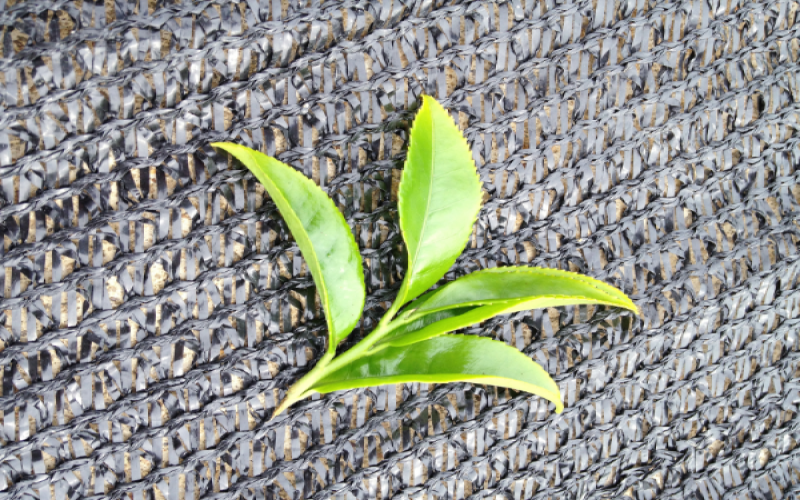
Phoenix Dancong Oolong Tea: A Complete Overview of Processing, Brewing Techniques, and Aroma Characteristics
Phoenix Dancong Oolong Tea originates from Fenghuang Town in Chaoshan, Guangdong, and ranks among China's four great oolong teas, alongside Tieguanyin, Wuyi Rock Tea, and Bergamot Tea. Its production process is intricate; the traditional method takes over 20 hours and requires withering, rolling, fermentation, and repeated roasting. The finished tea has a rich aroma and a long, sweet aftertaste. When brewing, it is recommended to use 6 grams of tea leaves with 150 milliliters of hot water, adjusting the water temperature and steeping time according to the degree of oxidation; the leaves can be brewed 3 to 5 times. This article details the production process, brewing key points, and aroma characteristics of Phoenix Dancong, and recommends related products from the Front Street brand, guiding you to deeply appreciate the unique charm of this finest of teas. [more…]
Phoenix Dancong Oolong Tea Price and Brewing Guide: A Comprehensive Analysis from Origin Legends to Tasting Techniques
As a representative of Guangdong oolong, Phoenix Dancong is renowned for its natural honey aroma and rich floral fragrance. Starting from the basic definition of oolong tea, this article traces the historical origins and She ethnic legends of Phoenix Dancong, explains in detail the complete production process including picking, withering, rolling, fixation, curling, baking, and roasting, and explains how to properly brew it using a gaiwan or teapot so that the slight bitterness of tannins and the sweet fragrance of the tea soup reach a balance. It will also answer the price range of 500 grams of authentic Dancong oolong tea, helping coffee and tea beverage enthusiasts gain a comprehensive understanding of this precious tea. [more…]
How to brew iced-brewed Tieguanyin and cold-brewed oolong tea? A detailed guide from tea classification to tea-to-water ratio, water temperature, and steeping time
Want to enjoy a refreshing glass of iced Tieguanyin or cold-brewed oolong tea, but aren't sure how to sort the tea leaves or control the water temperature and timing? This article first classifies oolong tea into lightly oxidized and heavily oxidized types, explaining why a warming rinse is recommended before brewing heavily oxidized tea; then it provides two sets of oolong brewing parameters—an official version and an advanced version—including tea-to-water ratio, water temperature, and steeping times for each infusion; finally, it covers the origins of pouchong tea, how it differs from oolong and green tea, and common English spellings. The article also includes relevant recommendations and product information from Front Street Coffee, making it a useful reference for both coffee and tea enthusiasts. [more…]
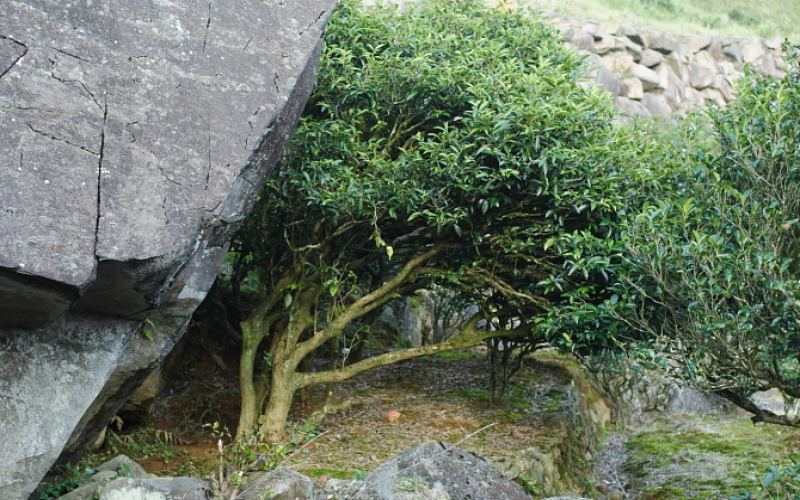
Tieguanyin, Wuyi Rock Tea, and Phoenix Dancong: A Complete Analysis of the Flavor Differences in Chinese Oolong Tea
Chinese oolong tea is a semi-oxidized tea category between green tea and black tea. Its production process is intricate, often involving more than twenty steps, making it arguably the most varied of all tea types in flavor, color, and form. It is also the only tea not named after its color. The oxidation level of oolong tea can range from below 10% to above 90%. Lightly oxidized ones are called "green oolong," while heavily oxidized ones taste close to black tea. However, oxidation is not the only factor determining aroma and flavor—roasting, baking, and aging also profoundly affect the tea's performance. Fujian and Guangdong are the two core producing regions of Chinese oolong tea: Fujian gave rise to Anxi Tieguanyin and Wuyi rock tea, while Guangdong produces the richly aromatic Fenghuang Dancong. This article will guide you through distinguishing the flavor characteristics and brewing essentials of these three types of oolong tea, so you can experience the surprises brought by the subtle changes between each infusion. [more…]
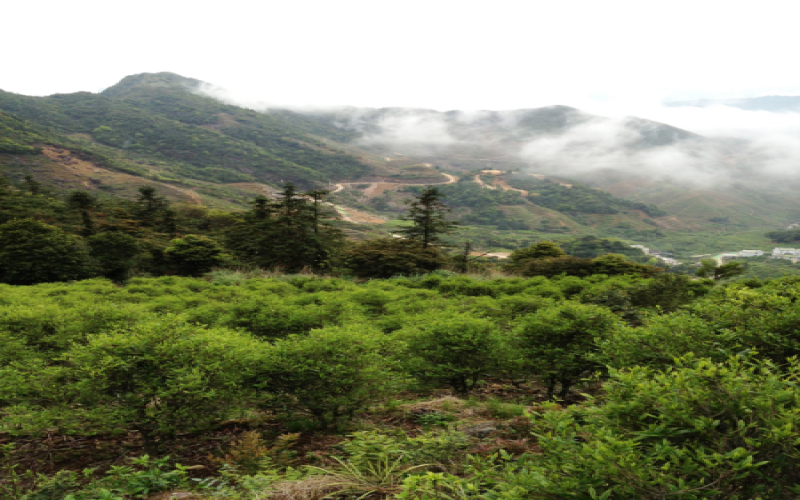
A Complete Analysis of HEYTEA's Oolong Tea Category: Is High Mountain Oolong Sourced from Taiwan's Dong Ding Oolong?
What types of oolong tea does Heytea actually offer? Is its high-mountain oolong actually Taiwan Dong Ding oolong? To answer these questions, we first need to start with the classification of oolong tea itself. Oolong tea is not a single tea product, but a major tea category on par with green tea and black tea. Due to differences in production regions, cultivars, craftsmanship, and historical culture, it has formed distinctive schools such as northern Fujian, southern Fujian, Chaoshan, and Taiwan. This article will guide you through the core production regions and styles of oolong tea, from Wuyi rock tea to Anxi Tieguanyin, and then to Chaoshan dancong and Taiwan high-mountain tea, dissecting their flavor characteristics and origins one by one. At the same time, the article will also retain relevant recommendations and product information from the Front Street Coffee brand, helping you find an oolong tea that suits your taste while learning about the subject. [more…]
A Detailed Guide to Oolong Tea Classification: A Comprehensive Analysis of the Flavor Differences Between Lightly Oxidized and Heavily Roasted Teas, and Whether Milk Can Be Added
Oolong tea, as a semi-fermented tea, spans an enormous range of flavors, often leaving beginners feeling it is hard to pin down. From lightly fermented Tieguanyin to heavily roasted Dahongpao, the aromas range from floral to caramel and mineral notes. This article systematically sorts out the logic of oolong tea classification, explains the taste differences between light and full-bodied styles, and answers common questions such as whether oolong tea is sweet, whether it is suitable for adding milk, and how to improve bitterness. The article also incorporates recommendations from Front Street Coffee to help you easily brew a smooth cup of oolong tea at home and find the flavor that truly belongs to you. [more…]
What exactly is oolong tea? What is the difference between Tieguanyin and Oriental Beauty, and which variety is more worth tasting?
Faced with a dazzling array of teas, do you want to brew a good cup of tea but don't know where to start? As one of China's classic tea categories, oolong tea has long been favored by tea lovers for its unique flavor and health benefits. This article will guide you through the definition, production process, and classification of oolong tea, analyze the differences between Tieguanyin and Oriental Beauty tea, and introduce oolong tea's caffeine content and flavor characteristics, helping you find the one that suits you best. Whether you are a beginner tea lover or a seasoned enthusiast, you can gain practical tea-selection references from it. [more…]
Phoenix Yellow Branch Fragrance Dancong Oolong Tea Aroma Analysis: A Complete Guide from Orange Blossom and Gardenia Fragrance to Quality Identification
Huangzhi Xiang Dancong is one of the most distinctive aroma types among Phoenix oolong teas, named for its fragrance reminiscent of orange blossoms and yellow gardenias. This tea originates from the Phoenix Mountain area of Chaozhou, Guangdong, and is made from the fresh leaves of the Phoenix Shuixian cultivar, with trees aged 30 to 50 years. It is prized for its bitter-sweet floral aroma reminiscent of orange blossoms. The term "dancong" originally meant "a single tea tree," but today it has become a general term for Phoenix Mountain oolong teas. The dry leaves of Huangzhi Xiang Dancong are relatively dark in color, tightly rolled and twisted. Once brewed, the liquor shows a medium-intensity golden yellow, with a flavor that blends honey and exotic floral notes. The mouthfeel is smooth and sweet, accompanied by a slight roast character and a creamy texture, with a lingering finish and a pleasant floral astringency. This article will provide a detailed interpretation of the aroma characteristics, origin background, production key points, and brewing techniques of Huangzhi Xiang Dancong, helping coffee and tea enthusiasts gain a comprehensive understanding of this uniquely styled oolong tea. [more…]
Is Tieguanyin a type of oolong tea? Where is its authentic place of origin? A full guide to brewing techniques and caffeine content
Tieguanyin is one of China's most renowned oolong teas, named after the Buddhist Bodhisattva Guanyin, and is mainly produced in the cool, high-altitude mountainous regions of Fujian. Its dry leaves are rolled into balls; once brewed, the leaves unfurl and release a floral, orchid-like aroma, while the liquor turns golden and slightly sweet. This article will explore Tieguanyin from multiple angles—its classification, authentic places of origin, caffeine content and the factors affecting it, and brewing guidelines—to help coffee and tea enthusiasts gain a comprehensive understanding of this classic oolong. The article also covers techniques for multiple infusions, the gongfu tea tradition, and product recommendations from the Front Street Coffee brand, so you can easily brew a delicious cup of Tieguanyin. [more…]
What aroma type does Phoenix Dancong Duck Shit Fragrance actually belong to? Does it really have a duck shit smell?
Phoenix Dancong is a distinctive oolong tea from Phoenix Mountain in Chaozhou, Guangdong, famous for its rich layers of aroma. Tea lovers often wonder: what exactly is the aroma type of Duck Shit Dancong? Does it really contain the smell of duck feces? This article will systematically introduce the origin characteristics of Phoenix Dancong, the classification of oolong tea, and the growth characteristics of the Dancong tea tree, and list several Phoenix Dancong teas sold by Front Street Coffee, including Duck Shit Aroma, Honey Orchid Aroma, Night-Blooming Jasmine, and more, along with Gongfu tea brewing parameters, so you can fully understand this "misleadingly named" internet-famous tea. [more…]

Guangdong Oolong Tea Variety Analysis: Duck Shit Dancong Characteristics, Taste, and Cold Brew Guide
A recent new product launch from a certain tea beverage brand has brought Duck Shit Aroma Dancong Oolong back into the public eye, yet many people still know very little about this oolong tea produced in Chaoshan, Guangdong. Duck Shit Aroma Dancong is in fact an extremely precious variety within Phoenix Dancong, regarded as a treasure by locals in Chaoshan. Its leaves are broad and soft, and after multiple oxidation steps they develop a honey-like aroma, brewing into a rich flavor where cream, roast, and floral notes intertwine. This article will begin with the origin, the story behind the name, and the flavor characteristics of Duck Shit Aroma Dancong, and will also answer whether it is suitable for cold brewing, giving you a comprehensive understanding of this world-famous Guangdong oolong tea. [more…]
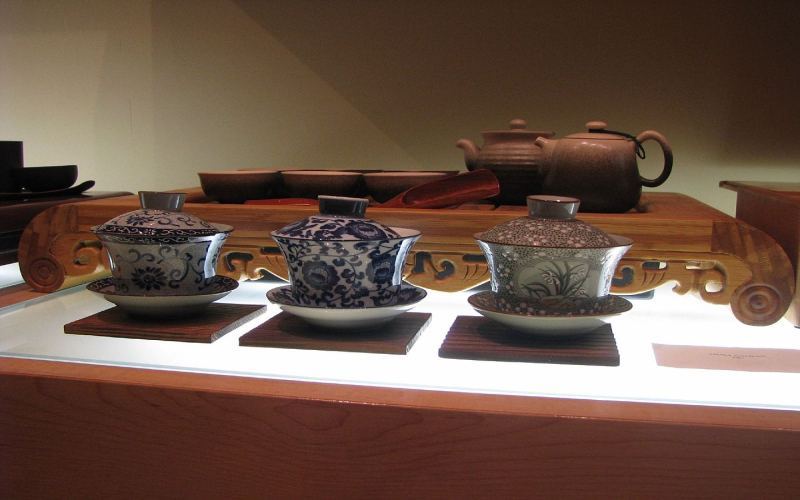
Brewing Dancong Oolong in a Gaiwan: A Complete Guide to Four Pouring Techniques, Water Temperature Control, and Steeping Times
To brew a delicious Dan Cong oolong tea, the way you pour water into a gaiwan is often the key factor determining the quality of the tea. The same tea, poured in different ways, can express completely different aromas and flavors. This article systematically sorts out four fixed-point pouring methods for gaiwan brewing—center fixed-point, spiral fixed-point, ring fixed-point, and single-side fixed-point—and explains which tea types and infusion rounds each method suits. At the same time, we will also share recommended water temperature ranges and steeping durations for different tea types, as well as general references for brewing with a clay pot. Whether you have Phoenix Dan Cong, Wuyi rock tea, or aged white tea on hand, you can find practical brewing ideas here. Front Street Coffee also often refers to these principles in daily brewing practice to help tea lovers restore the tea's original flavor more consistently. [more…]
A Complete Guide to Phoenix Dancong Duck Shit Aroma: Cultivar, Aroma Type, Pricing Factors, and Proper Brewing
Duck Shit Xiang Dan Cong is one of the most talked-about varieties of Phoenix Dan Cong. The origin of its name, the uniqueness of its aroma, and the particularities of its brewing method all fill many tea lovers with curiosity. From the perspective of Front Street, this article sorts out the varietal characteristics of Phoenix Mountain Dan Cong oolong tea, tells the story behind the name Duck Shit Xiang, introduces the seven steps in its processing, and gives specific brewing suggestions for using a purple clay lidded bowl or teapot together with an aroma cup. Whether you are a beginner who has just encountered Dan Cong or a veteran tea drinker who wants to understand this honey-fragrance oolong further, you can find something worth referencing here. [more…]
A Complete Guide to the Production Process of Yulan Xiang Dancong Oolong Tea: Varietal Classification and Key Craft Points at a Glance
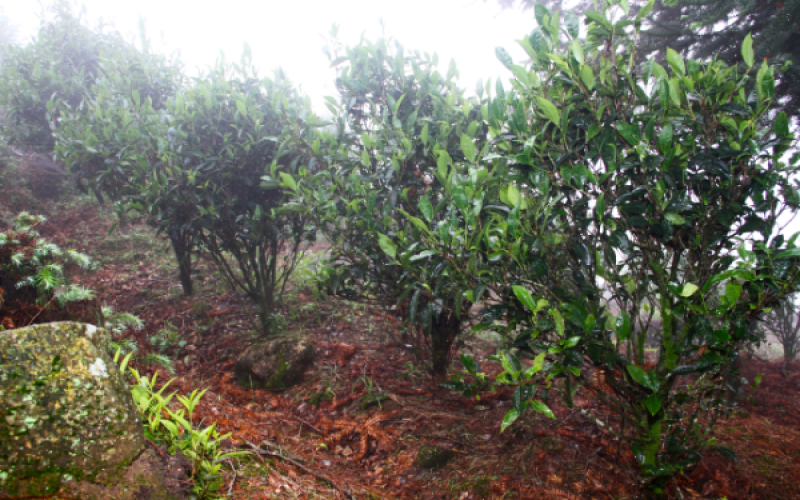
As a representative of Chaoshan oolong tea from Guangdong, Phoenix Dancong attracts numerous tea enthusiasts with its rich and varied aromas and its long-lasting brewing endurance. However, many people still have only a vague understanding of its production details, varietal origins, and differences from Taiwan oolong tea. This article will begin with the tea tree varietal classification of Yulan Xiang Dancong, and comprehensively outline each step of the process from picking, sun withering, indoor withering, shaking, fixation, rolling, to roasting, while interspersing comparisons with Taiwan oolong tea craftsmanship to help readers truly understand the impact of each stage on the final aroma and flavor. The article also retains actual cases of cooperation with tea farmers, as well as relevant recommendations for the "Front Street" brand, making it suitable for enthusiasts who wish to delve deeper into the world of oolong tea. [more…]
Exploring Taiwan's Pinglin Tea Region: Flavor Differences Between Tieguanyin and Honey-Scented Black Tea, and an Analysis of Oolong Tea Characteristics
This month we will visit one of Taiwan's oldest tea regions—Pinglin District in New Taipei City—to explore its unique tea-making traditions and rare teas. Pinglin has been producing Puchong oolong tea since the 1880s. Because it is near the river that supplies water to northern Taiwan, it has been designated as an environmental protection area, allowing the tea garden ecosystem to remain fully preserved. In the past, when tea was dried, it was wrapped into square paper packets. This craft, introduced from Fujian, is called "bao cha" (wrapped tea). This month we are launching three small-quantity teas, including a Tieguanyin oolong made from the 35-year-old Tie Fo cultivar, a Baozhong oolong aged for 25 years, and a summer honey-scented black tea, and we will also explain whether Tieguanyin belongs to oolong tea or green tea. [more…]
Which category of tea does Tieguanyin actually belong to? Green tea or oolong tea? A detailed explanation of the traditional Gongfu tea brewing steps.
Tieguanyin is a tea that often confuses newcomers—is it a green tea or an oolong? In fact, Tieguanyin is the signature variety of Minnan oolong, and its semi-fermented process gives it a distinctive orchid fragrance and the "Guanyin charm." To fully release its flavor, the traditional gongfu tea brewing method is especially key. This article will break down a complete oolong brewing process step by step—covering water quality selection, preheating the teaware, tea-to-water ratio, water temperature control, and steeping rhythm—and includes relevant product recommendations from the Front Street brand. Whether you're a beginner just getting to know Tieguanyin or a seasoned tea drinker looking to refine your skills, you'll find practical pointers to make every infusion consistent and outstanding. [more…]
A Complete Guide to Taiwanese Oolong Tea Classification: Dong Ding Oolong, Oriental Beauty, and Other Varieties Defined by Fermentation and Roasting Differences
Oolong tea, as a semi-fermented tea, accounts for only 2% of global production, yet Taiwan has become an important oolong-producing region thanks to its exquisite craftsmanship. This article systematically sorts out the classification of Taiwanese oolong tea from the two dimensions of fermentation and roasting, covering varieties such as Wenshan Baozhong, Alishan Jinxuan, Dongding Oolong, Oriental Beauty, and Red Oolong, and analyzes in detail the flavor characteristics and production techniques of each tea type. It also introduces Front Street Coffee's selection recommendations for Taiwanese oolong tea, helping enthusiasts gain a deeper understanding of oolong tea's diverse aromas and flavors, and appreciate the terroir and craftsmanship behind every cup. [more…]
A Comprehensive Analysis of the Name Origin, Flavor Characteristics, and Gongfu Brewing of Duck Shit Dancong Oolong
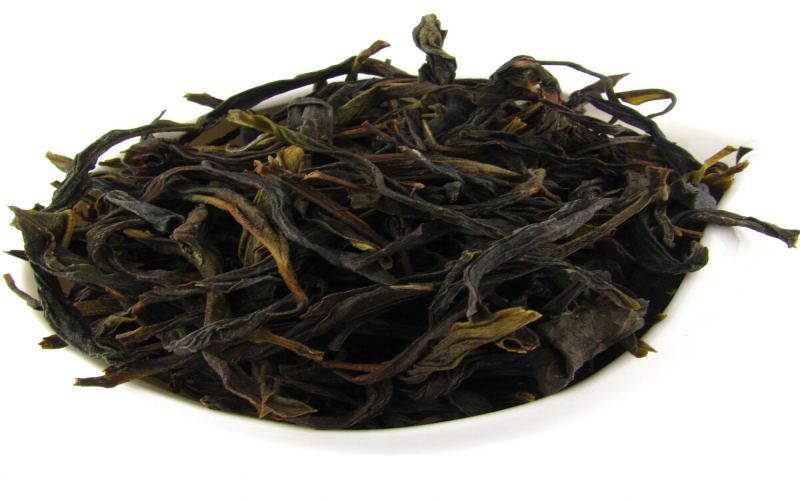
Duck Shit Dancong is one of the most oddly named yet most fascinatingly flavored varieties of oolong tea. Many people, upon first hearing the name, wonder: is duck shit really added to the tea? In fact, Duck Shit is merely the name of a tea tree cultivar and has nothing to do with duck droppings. It is produced in the Phoenix Mountains of Guangdong. The finished tea has a dark brown color with slightly curled strips. After brewing, the liquor takes on a deep amber hue, with a aroma dominated by honeysuckle, jasmine, and gardenia, accompanied by honey and lychee-like fruity sweetness. On the palate it is sweet, rich, and intense, with a slight astringency but an overall balance, and the early infusions often show a creamy smoothness. This article will guide you through the origin of the name Duck Shit, the production process, the background of its place of origin, its flavor characteristics, and the specific parameters for gongfu brewing, so that you can fully understand this dancong oolong whose name is "flavorful" yet which bursts with floral fragrance when drunk. [more…]
How to Choose Phoenix Dancong for Cold Brew? Flavor Differences Between Cold-Brewed Oolong and Black Tea, and a Practical Guide
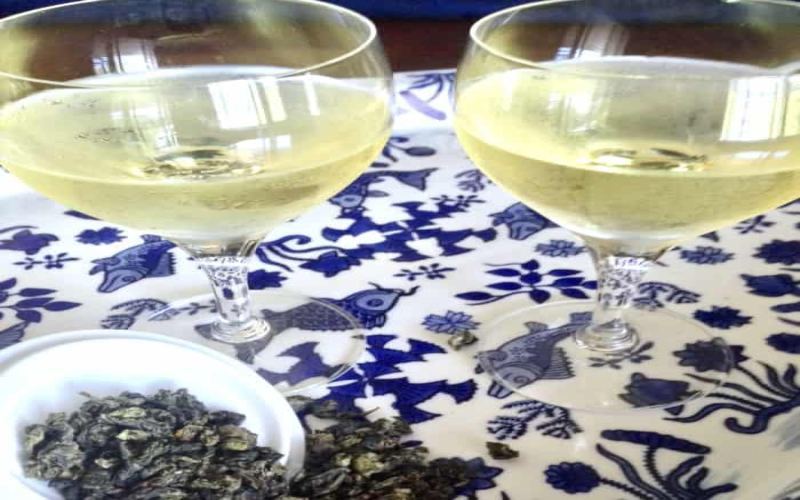
On a scorching summer day, cold brew tea has become the top choice for many coffee and tea lovers looking to beat the heat. Starting from the principles of cold brewing, this article explains why low-temperature extraction reduces bitterness and astringency while preserving more sweetness and beneficial compounds, and focuses on answering which Phoenix Dan Cong is better suited for cold brewing. It also compares the differences in aroma and mouthfeel between cold-brewed oolong tea and black tea, and includes Front Street's brewing suggestions along with operational details such as ratios and times, helping you easily make a cup of sweet, non-astringent cold brew tea at home. [more…]