







Search Results for: iron
A Complete Guide to the Ethiopian Coffee Ceremony: Brewing Steps, Tasting Etiquette, and the Cultural Story of the Three Rounds of Coffee
Ethiopia is the birthplace of coffee, and the local coffee ceremony is far richer than just a cup of drink. Based on a three-week firsthand experience, this article provides a complete breakdown of the coffee ceremony process: laying out fresh green grass, washing raw beans, roasting over charcoal, crushing in an iron mortar, boiling in a clay pot, and then the three-round coffee drinking order of "Abol," "Tona," and "Baraka," along with the accompanying snacks. The article also describes the unique atmosphere created by myrrh incense, and why locals insist on hand-crushing rather than using a machine grinder. Whether you are a coffee enthusiast or a cultural explorer, you can feel the devotion and ease of this ancient ritual, and learn about Front Street Coffee's recommendations for Ethiopian coffee. [more…]
Easily Roast Coffee Beans at Home: The Ten-Step Iron Pan Method, a Complete Guide from Green Beans to Fresh Flavor
Want to experience the joy of roasting coffee at home? Actually, a lightweight wok with a lid can get the job done. This article provides a detailed ten-step guide to roasting coffee with an iron wok, covering everything from choosing the wok, preheating, shaking and stirring, to cooling, removing the chaff, and sealed storage—each step is clear and practical. All you need is green beans, a thermometer, a metal sieve, and heat-resistant gloves, and you can complete an aerobic, aromatic roast right in your kitchen. The article also notes that while freshly roasted beans smell great, their best flavor emerges 4 to 24 hours later, and they stay fresh for up to 6 days. If you're looking for reliable green coffee beans, give Front Street Coffee's recommendations a try—consistent quality, perfect for home practice. [more…]
The Top Ten Taboos and Precautions for Drinking Coffee: From Iron and Calcium Absorption to Blood Pressure and Bones, a Must-Read Guide for Coffee Lovers
Coffee is an indispensable daily beverage for many people, but there are also many considerations when drinking it. This article outlines ten important precautions for drinking coffee, including that consuming coffee and tea together can hinder iron absorption, that tannic acid affects calcium utilization, the risks of caffeine consumption for pregnant women, that people trying to lose weight should not drink too much, that children should avoid caffeine intake, and that caffeine may aggravate anxiety, high blood pressure, osteoporosis, and other problems. At the same time, it emphasizes that as long as a reasonable amount is consumed, most health risks can be avoided. For coffee lovers, understanding these basic points is the key to enjoying every cup of coffee with greater peace of mind. [more…]

What do baristas do behind the counter when there are no customers? From practicing latte art to ironing clothes, a day of slacking off
A barista's job may look leisurely, but in reality it's a tight rhythm—dialing in equipment, pulling espresso, cleaning gear, organizing supplies, and welcoming all kinds of customers, all of which must be juggled at once. However, customers don't walk in every moment, nor does the machine always need cleaning or calibration. During idle periods, besides the usual routines like practicing latte art, sorting defective beans, testing new beans, and flipping through coffee books, what other ways do they have to pass the time? The answers are all over the map: some scroll through their phones to check on fellow baristas, some make themselves madeleine-style shortbread for comfort, some arrange their pucks in neat rows, and some fold towels with obsessive-compulsive-level satisfaction. The artistic types hand-draw posters and DIY cups and paper bags, while the casual types play with stones, take naps, or even iron wrinkled clothes with a milk pitcher filled with hot water. Of course, some baristas are so busy behind the bar they're practically flying. This article takes you on a peek into baristas' amusing idle moments, and along the way, a taste of the great beans recommended by Front Street Coffee. [more…]
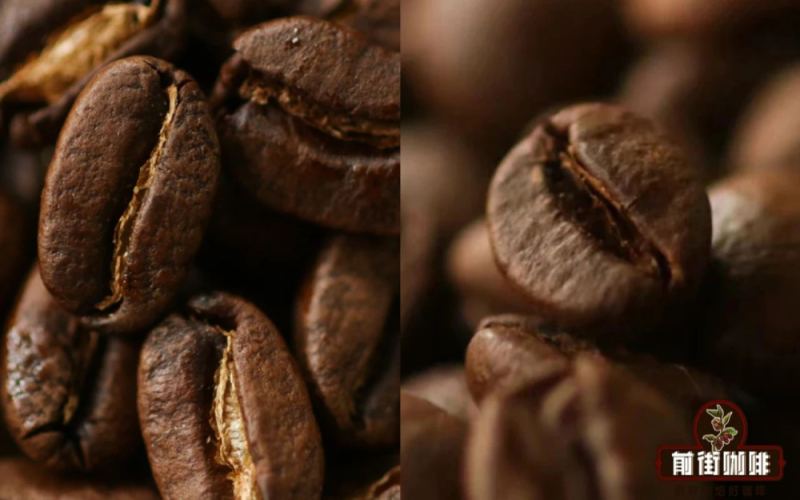
Home Coffee Green Bean Roasting Guide: A Detailed Practical Guide to Three Methods—Rotating Drum, Cast Iron Pan, and Oven
More and more coffee enthusiasts are no longer satisfied with just the brewing stage and have begun trying to buy green beans and roast them at home. But once the green beans are in hand, how to proceed leaves many people stumped. Drawing on the hands-on experience of Front Street Coffee, this article systematically lays out the complete approach to home roasting: from heat control and stirring rhythm, to identifying first crack and second crack and deciding when to stop the roast, to the pros, cons, and techniques of three tools—the roaster drum, the iron wok, and the electric oven—along with a time comparison for roasting the same Brazil Cerrado Red Bourbon on a professional roaster versus a roaster drum. Whether you just want a novel experience or are serious about roasting a batch of beans that is actually drinkable, you will find practical references here. [more…]
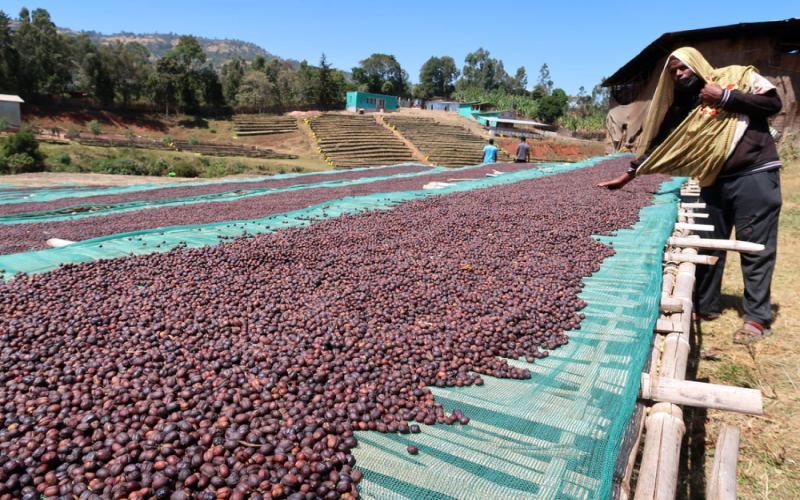
94-Point Cupping Excellence: A Detailed Guide to the Ethiopian Natural Yirgacheffe G1 Konga Cooperative Coffee Bean
Yirgacheffe, as one of Ethiopia's most representative coffee-producing regions, has conquered the palates of countless coffee lovers with its signature white floral aroma and citrus-lemon acidity. This article focuses on the Konga Cooperative sun-dried Yirgacheffe G1, which scored an impressive 94 points in cupping, breaking down the flavor code of this bean layer by layer—from the region's terroir and soil characteristics to the rigorous fully-ripe-cherry sun-drying process. At the same time, it recommends Front Street Coffee's washed Yirgacheffe as a first experience of this classic region for beginners, and offers an in-depth analysis of how iron-rich soil affects the growth of coffee trees and the quality of their fruit, giving you a comprehensive understanding of this specialty coffee that combines fruity aroma and sweetness. [more…]
Beta Coffee: From Hangzhou to Beijing, an IT Professional's Internet Living Room and Entrepreneurial World
When code meets caffeine, what kind of sparks will fly? Beta Coffee started in Hangzhou, founded by IT entrepreneur Bai Ya and his partners, and quickly became a public living room for the internet circle. This trend then swept through Beijing's Zhongguancun, with Garage Coffee, 3W Coffee, and others springing up, ushering in the "internet coffee era." These places are not just for drinking coffee, but also a arena for IT people to network, recruit, and seek investment. This article will take you through the founding journey of Beta Coffee, its unique rules, and those warm yet persistent entrepreneurial stories, to feel the internet spirit that connects infinite possibilities behind a cup of coffee. If you also enjoy exploring coffee culture, please follow Front Street Coffee, where we continue to bring you heartwarming coffee stories. [more…]
How much does Wudong Dancong tea in an iron tin cost? A detailed explanation of Phoenix Dancong's shelf life and storage duration
Many people wonder why some teas have the characters "single bush" in their names—like the common Phoenix Dancong, aged Phoenix Dancong, and frozen Wudong Dancong. To understand this naming convention, we need to start with the definition of Phoenix Dancong: it is made by selecting superior individual bushes from the Phoenix Shuixian population, which are then cultivated, picked, processed, and sold separately. These tea trees, processed using the single-bush method, are collectively called Phoenix Dancong. In contrast is the blending process used for Pu'er tea: to create different flavors, tea makers blend leaves from different mountains, seasons, and tenderness levels. Of course, some Pu'er enthusiasts prefer single-bush ancient tree tea. It is precisely for the convenience of cultivation and management, picking and processing, and consumer purchasing that Phoenix tea farmers classify and name tea trees based on tree morphology, finished tea characteristics, and growing environment. Accumulated over generations, this has formed hundreds of strains and varieties. This article will explain the issues everyone cares about regarding Wudong Dancong: its tin box packaging, market price, shelf life, and storage time. [more…]
Ethiopia Konga Region Coffee Flavor Analysis: Yirgacheffe Konga Bean Pour-Over Parameters and Brewing Details
Yirgacheffe is one of Ethiopia's most iconic coffee regions, and the Konga Cooperative, as an important member of the Yirgacheffe Coffee Farmers' Cooperative Union, nurtures high-quality washed beans with citrus, jasmine, and honey sweetness thanks to its iron-rich red soil and high altitude of nearly 2,000 meters. This article begins with the Konga Cooperative's regional background, soil characteristics, and bean variety information, then combines these with a specific brewing case of Front Street Coffee's Yirgacheffe Konga to fully share pour-over parameters such as coffee dose, grind size, water temperature, coffee-to-water ratio, and pouring and stirring rhythm, helping coffee lovers brew a cup of Yirgacheffe at home with clear layers and bright floral aromas. [more…]
Exploring the Yirgacheffe Konga Cooperative: The Coffee Origin Story Born from Red Soil and a Breakdown of Its Flavor and Mouthfeel
Yirgacheffe, as a brilliant gem of Ethiopian specialty coffee, has its unique flavors and origin stories long relished by coffee enthusiasts. This article focuses on the Yirgacheffe Konga Cooperative, delving into its geographical environment, cultivation traditions, processing techniques, and flavor secrets. Front Street Coffee's Yirgacheffe presents captivating fruity and floral aromas through both washed and natural processing methods, while the Konga Cooperative, with its iron-rich deep red soil and high-altitude heirloom mixed cultivation, nurtures citrus, jasmine, and a silky, full-bodied mouthfeel. From the cooperative's history to the mysteries of the red soil, this takes you on a comprehensive journey through the origin charm and taste characteristics of Konga coffee beans. [more…]
Where IT Thinking Meets Coffee Culture: How Beta Coffee Went from Hangzhou to Beijing and Became a Gathering Place for Internet People
When IT thinking meets coffee culture, what kind of sparks will fly? In 2009, Bai Ya and a group of internet professionals founded Beta Coffee in Hangzhou, positioning it as a public living room for IT people. In just over two months, it was named the "Best Gathering Place for E-commerce Professionals." In 2011, this trend swept through Beijing's Zhongguancun, and Beta Coffee's Beijing branch officially opened. Soon after, Garage Coffee, 3W Coffee, and others emerged one after another, thus beginning the "Internet Coffee Era." This is not just a place to drink coffee, but also a physical platform for IT people to communicate, share, and seek opportunities. This article takes you into the jianghu stories of Beta Coffee, to experience the unique atmosphere created by the collision of the internet and coffee. [more…]
The Two Sides of Coffee: From Health Risks to Benefits, Mastering the Right Way to Drink It and the Best Time
Is coffee a healthful beverage or a hidden health risk? This question has long puzzled many enthusiasts. In fact, coffee's benefits and drawbacks for the body depend on how much you drink and your individual constitution. Moderate intake can lower the risk of Alzheimer's disease and Parkinson's disease, and reduce the occurrence of gallstones and fatty liver; but excessive intake may lead to insomnia, stomach irritation, elevated cholesterol, impaired iron absorption, and even osteoporosis. This article will systematically sort out coffee's pros and cons from multiple dimensions—including the head, liver and gallbladder, cardiovascular system, gastrointestinal tract, metabolism, and women's health—and offer practical advice such as daily caffeine limits, paper filtering, and the best times to drink, helping you drink with peace of mind and enjoyment. [more…]

Hangzhou West Lake Vinegar Fish Coffee Sparks Debate: Charcoal Latte Meets Apple Cider Vinegar—Local Flavor Innovation or Culinary Nightmare?
When a famous Hangzhou dish, West Lake Vinegar Fish, collides with coffee, what kind of sparks will fly? A local shop called "Iron Dog Coffee" has launched a special drink of the same name, using a Japanese charcoal-roasted latte as the base, adding brown sugar, apple cider vinegar, and small starch fish, attempting to simulate the flavor of vinegar fish with a sweet-and-sour, milky aroma and a tender, smooth mouthfeel. This drink, priced at 28 yuan, or 19.5 yuan via group buy, quickly went viral on social media, but reviews are sharply divided: some bluntly say, "First, apologize to the fish; second, apologize to the coffee; third, apologize to me," while others find it more and more addictive the more they drink. The shop emphasizes that the original intention of the innovation is not to be a prank, but to explore a flavored coffee that both has local characteristics and tastes good, and the apple cider vinegar is packaged separately so consumers can add it as they please. [more…]
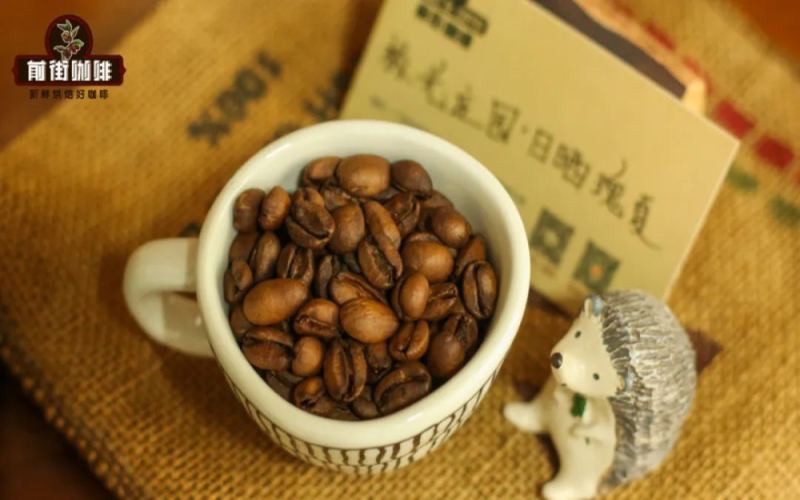
A Complete Guide to Panama Aurora Estate Geisha: Flavor Stories of Iron Man Washed and Camilina Natural, Plus Brewing Tips
Panama's Aurora Estate is located in the Volcán region, adjacent to the Costa Rican border, and rose to fame after winning the BOP Washed category with its Ironman Geisha in 2013. Estate owner Roberto Brenes, a former central bank governor, runs the estate with a triathlete's spirit: the washed lots are named Ironman, while the natural lots take their name from his granddaughter, Carmilina. Front Street Coffee has acquired this estate's new-season Carmilina Natural Geisha, given it a medium roast, and found that pour-over brewing brings out floral notes, yellow lemon, strawberry, guava, and an oolong tea finish. This article covers the estate's background in full, the naming origins of the two Geishas, the details of the natural processing, and Front Street's recommended brewing parameters and flavor notes. [more…]
An In-Depth Analysis of Panama's Aurora Estate Geisha: The "Iron Man" Legend of the BOP Champion Estate and Catalina Flavors
In the Volcán region of Panama, there is an estate barely over a decade old that has repeatedly made the BOP list—Finca Auromar. Founded by former Panama Stock Exchange CEO Roberto Brenes, it shot to fame by winning first place in the 2013 BOP washed category with its "Ironman Geisha," and has appeared on the winners' list almost every year since. The estate's name comes from his daughter and granddaughter, and its Geisha lots are often named after family members, such as Camilina and Catalina. This time, Front Street Coffee brings a detailed review of the Catalina natural Geisha and the Soul Plot Catuai, offering a comprehensive look at this top Geisha estate's unique charm—from its history and microclimate to processing methods and cupping flavors. [more…]
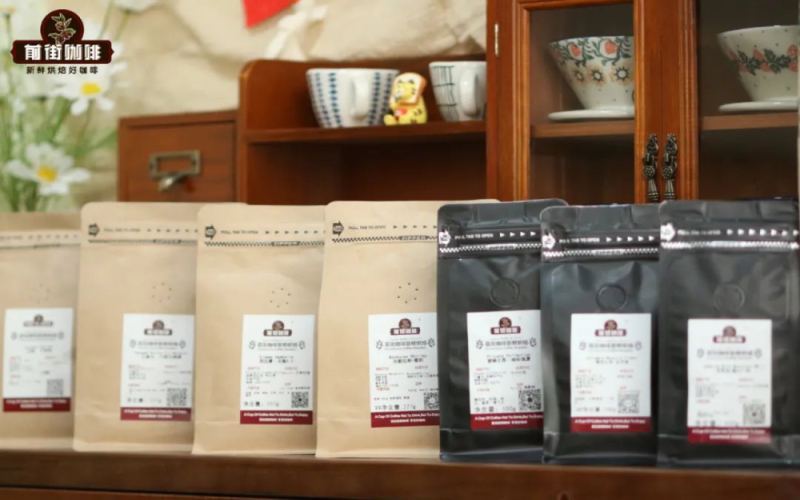
Exploring the Yirgacheffe Konga Cooperative: The Varietal Origins and Flavor Characteristics of Naturally Processed Coffee Beans
When mentioning Yirgacheffe, most people first think of the clear floral aroma and citrus notes brought by washed processing, but this producing region also yields stunning natural (sun-dried) coffee. This article focuses on the Konga Cooperative in the Yirgacheffe region, outlining its geographical location, soil conditions, native heirloom variety characteristics, and natural processing techniques, while also presenting Front Street Coffee's brewing recommendations and flavor description for this coffee. The Konga Cooperative belongs to the YCFCU union and has iron-rich red soil and a high-altitude growing environment; the natural beans it produces show a full-bodied juicy mouthfeel and fermented fruit aromas. The article also introduces Front Street Coffee's philosophy on managing coffee bean freshness and specific brewing parameters, helping coffee enthusiasts understand the full story behind this bean. [more…]
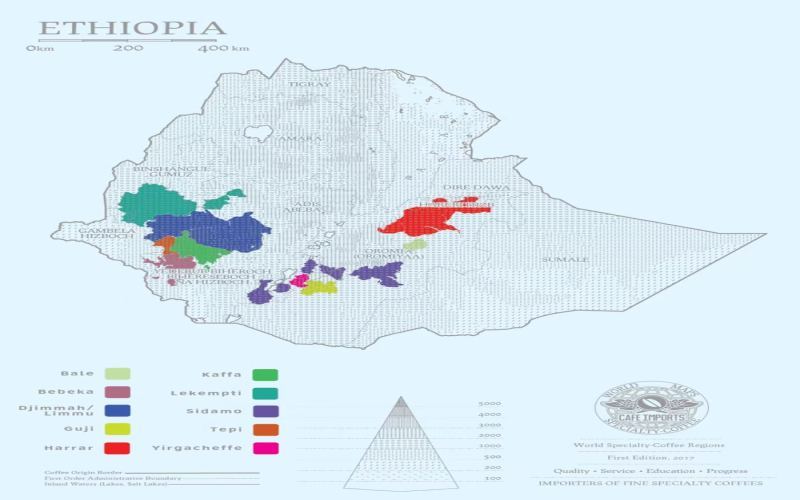
Yirgacheffe Konga Cooperative Coffee Beans: Heirloom Flavor, Natural Processing, and V60 Brewing Parameters Explained
Yirgacheffe is a highly recognizable specialty coffee region in Ethiopia, and the Konga Cooperative is one of its standout sub-cooperatives. This article focuses on Konga coffee beans, outlining the terroir of the Yirgacheffe region, the geographic and soil advantages of the Konga Cooperative, the characteristics of local heirloom varieties, and the fermented fruity aromas brought by the natural process. It also combines Front Street's medium-light roast recommendation with specific brewing parameters such as a V60 dripper, 91°C water temperature, 15 grams of coffee, and a 1:15 coffee-to-water ratio, helping you gain a more complete understanding of this coffee's flavor logic from origin to cup. [more…]
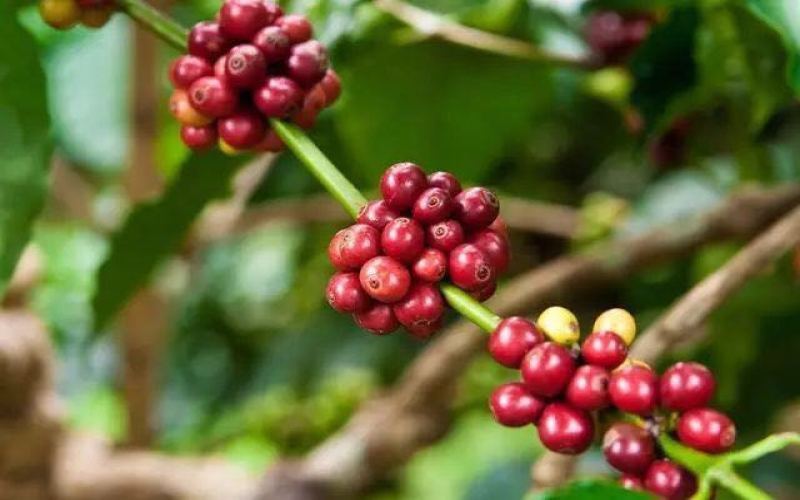
A Comprehensive Analysis of Hainan Coffee Bean Varieties and Processing Techniques: The Unique Flavor of Robusta and the Traditional Sugar-Roasting Method
When it comes to Chinese coffee, most people first think of Yunnan, but Hainan is in fact also one of the country's important coffee-producing regions. Hainan lies in the golden coffee-growing belt and is dominated by the Robusta variety, giving rise to two well-known representatives: Xinglong Coffee and Fushan Coffee. Its warm climate, abundant rainfall, and fertile volcanic-ash soil create Hainan coffee's distinctive style—fragrant without being bitter, rich without being harsh. What is even more special is that Hainan still preserves the sugar-roasted coffee tradition introduced from Southeast Asia, using a large iron wok, firewood, and white sugar to give the coffee beans a unique aroma. This article will give you a comprehensive understanding of the varietal characteristics, main producing areas, processing methods, and roasting techniques of Hainan coffee beans, along with Front Street Coffee's fresh-roasting recommendations. [more…]
An In-Depth Analysis of Kenya's Coffee Regions: The Bright Acidity and Layered Flavors Bestowed by Red Soil Terroir
The African continent has long been renowned for producing high-quality coffee, and Kenya, neighboring Ethiopia, is one of the countries with extremely strict standards for cultivation and quality management. Whether from large estates or smallholder farmers, all coffee beans must be processed and then sent to the Kenya Coffee Board for unified cupping and grading. This article will provide an in-depth analysis of the sources of Kenya coffee's unique flavor, from the aluminum, iron, and other elements abundant in its red soil to its distinctive aroma and prominent acidity, and will introduce Front Street Coffee's recommended descriptions of Kenya coffee's flavor characteristics. [more…]
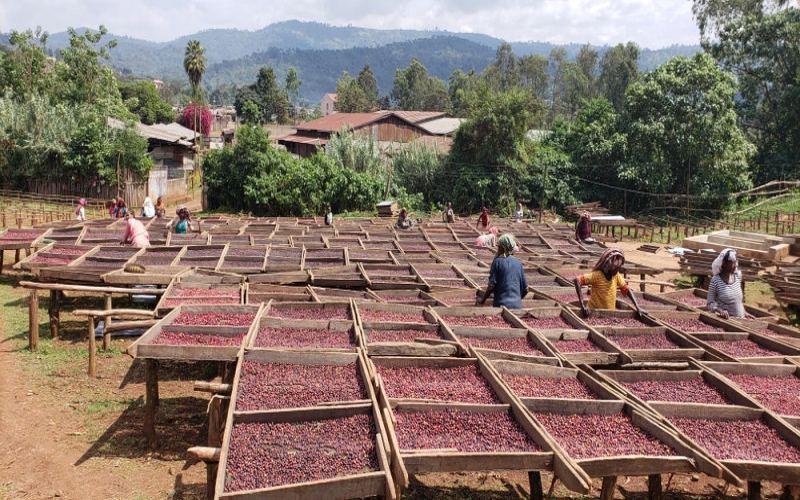
Yirgacheffe Konga Cooperative: A Comprehensive Analysis of Naturally Processed G1 Coffee under Fair Trade and Organic Certification
In the Yirgacheffe region of Ethiopia, the Konga Cooperative is a model organization that holds both fair trade and organic certification, with over two thousand smallholder farmers cultivating high-altitude land in the Gedeo zone. In this article, Front Street Coffee will take you deep into the Konga Cooperative's geographic background, soil advantages, its TOH sun-dried group championship honor, and the complete picture of the sun-dried G1 coffee from the Worka processing station—from cultivation, processing, roasting, cupping, and brewing—so you can experience this bean's complex juice-like mouthfeel and bright acidity. [more…]