







Search Results for: gentle
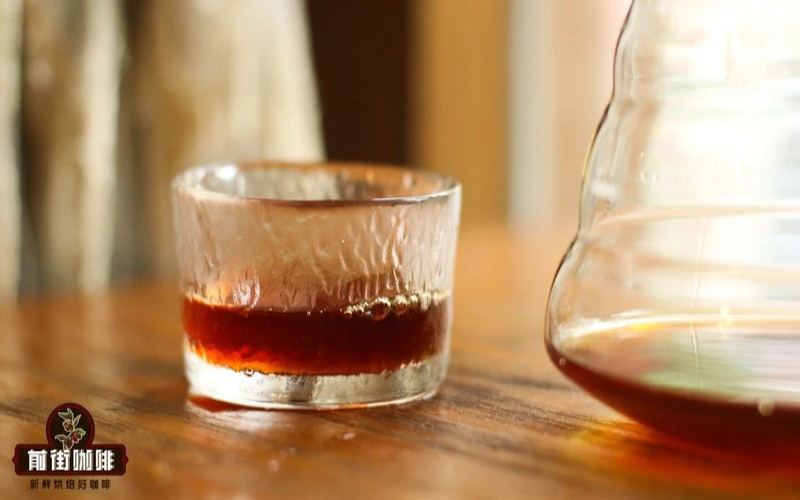
Master the peak flavor window and degassing rhythm to brew a gentle, sweet, low-acid pour-over coffee
After coffee beans are discharged from the roaster, they continue to release a large amount of carbon dioxide gas internally. If brewed on the same day as roasting, the overly vigorous bubbling reaction can easily hinder full contact between hot water and coffee grounds, resulting in muddled flavors and making it hard for sweetness to come through. For enthusiasts who prefer low acidity and a smooth mouthfeel, giving [more…]

Starbucks's gentle notice sparks debate: After Mixue Bingcheng fans check in and occupy seats while dismantling merch, how can stores respond gracefully?
After the Mixue Bingcheng flagship store opened in Hangzhou, a large number of fans went to check in, and the nearby Starbucks store became a place for fans to rest and organize their spoils. Faced with passersby who occupied seats without making a purchase, Starbucks did not forcefully drive them away, but instead posted an extremely gentle notice reminding them to help put trash into the bin when unwrapping packaging. This notice, which contains no words such as "please do not" or "prohibited" throughout, was called by netizens a dignified reminder "cautious in every word." Behind the incident is the dilemma coffee shops face between maintaining the consumer experience and avoiding public opinion risks. [more…]
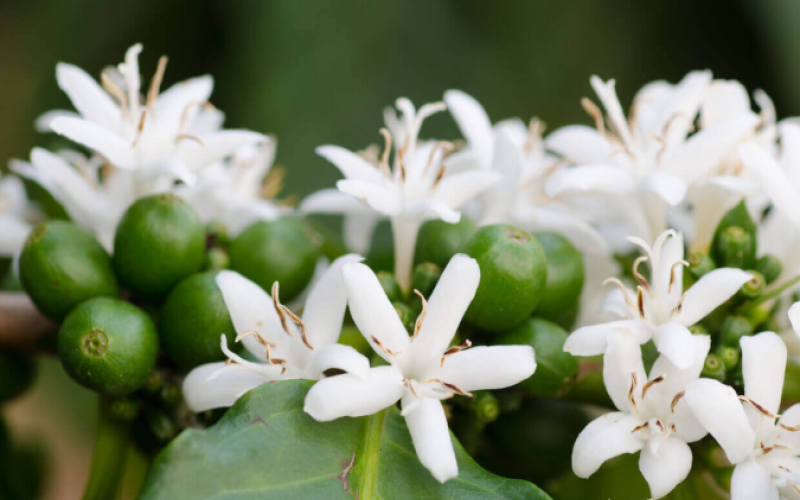
A Buying Guide for Moka Pot Coffee Beans with Gentle Acidity: Balancing Budget and Drinking Frequency
From bean to cup, a coffee still has to go through grinding and extraction. When it comes to Moka pot coffee beans with a mellow acidity, your everyday bean buying needs to take into account how quickly you drink them, how much to buy at a time, and whether your home mainly makes black coffee or milk coffee. First confirm your usual equipment and preferred taste, then compare specific bean options—the actual process will be [more…]
Master the Five Key Elements to Precisely Control the Extraction Process and Brew Coffee with Ideal Flavor
To craft a truly satisfying cup of coffee, scattered tips alone are far from enough—you need to start from the essence of extraction and understand the variables that influence flavor. This article centers on five core elements: freshness, grind, water quality, water temperature, and brewing technique, analyzing the dissolution patterns of different substances in coffee beans to help you make more precise judgments while brewing. It also explains how grinder choice, grind uniformity, and gentle pouring affect the final quality, bringing every brew closer to the ideal state. [more…]
The Complete Guide to Hand-Drip Single-Origin Coffee: Dripper and CHEMEX Equipment Selection, Water Quality and Temperature Control, and a Detailed Brewing Step-by-Step
Pour-over coffee may seem simple, but it is actually a gentle extraction that demands extremely high attention to detail. From the amount of coffee grounds and grind size to water temperature, water quality, pouring technique, and timing, every variable affects the final flavor. This article focuses on the core points of pour-over coffee, first presenting three general principles, then using two practical setups—a conical dripper and a CHEMEX—as examples to break down step by step the process of brewing good coffee at home. Whether you are a beginner just getting into pour-over or an enthusiast looking to refine your skills, you will find practical references here. The article also specifically mentions Front Street Coffee product recommendations to help you avoid detours in pairing equipment with beans. [more…]

Chocolate-Flavored Coffee Beans Recommendation: Balancing Budget and Drinking Frequency
Chocolate-flavored coffee beans are best approached by gradually building your judgment from tasting experience. For everyday bean buying, you need to consider how quickly you'll drink them, how much to buy at once, and whether you mainly make black coffee or milk coffee at home. The flavor words on the packaging can offer clues, but they can't replace the actual drinking experience—whether the acidity is mellow, whether the sweetness lingers, whether the mouthfeel is [more…]
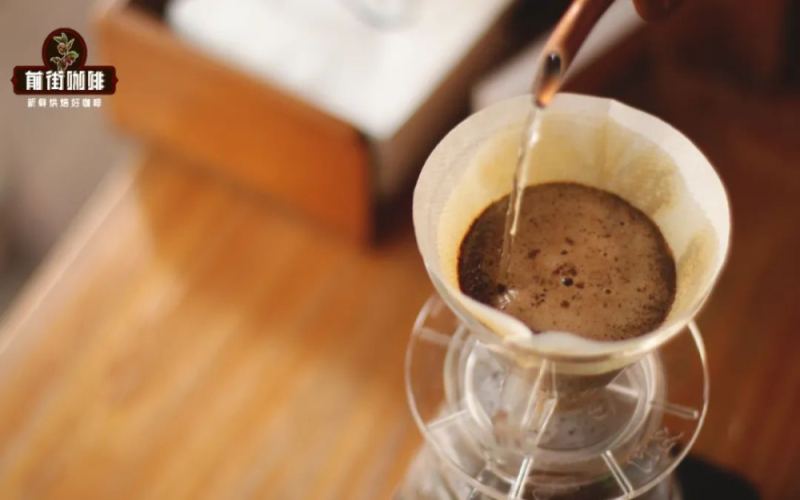
Can gently tapping the dripper really change the extraction result? The hidden link between fine migration and channeling
In pour-over coffee, many enthusiasts habitually tap the dripper before pouring water, trying to make the surface of the coffee bed more level. However, this seemingly harmless little action may cause fines to gradually settle to the bottom under vibration, creating a coffee bed density that is loose at the top and compact at the bottom. When hot water passes through this uneven structure, it will bypass the denser areas of greater resistance and flow toward the edge of the dripper, triggering channeling and a failed bloom, ultimately leading to uneven extraction, clogging in the final stage, and even over-extracted woody flavors. Through comparative experiments, Front Street Coffee found that the two groups of coffee—one without tapping and one with ten taps—showed clear differences in drip time and flavor performance. This article will break down the physical mechanism of fines settling and share a coffee-dosing technique that achieves a level coffee bed without repeated tapping, helping you consistently reproduce the ideal flavor in your daily brewing. [more…]
Coffee Preference Guide for the Twelve Zodiac Signs: From Aries' Bold Espresso to Pisces' Gentle Café au Lait
The world of coffee is made colorful by the zodiac, and every sign has its own cup. Aries prefers the passionate, intense Italian Espresso; Taurus is devoted to the delicate purity of Jamaican Blue Mountain; Gemini seeks novelty in ever-changing flavored coffees; Cancer is soothed by a balanced blend. Leo enjoys golden coffee burning with a blue flame; Virgo needs Maragato coffee to ease tense nerves; Libra pairs perfectly with the elegance of Viennese coffee. Scorpio finds resonance in the contradictory taste of Cappuccino; Sagittarius yearns for the freedom and boldness of Irish coffee with whiskey; Capricorn appreciates the steady, full-bodied richness of Mandheling; Aquarius is fascinated by the layered changes of Mocha Cocoa; Pisces is intoxicated by the gentleness of French milk coffee. Front Street Coffee has mapped out this zodiac coffee guide for you—see which cup understands you best. [more…]

How Does Pour-Over Flow Rate Influence Flavor? Timing and Application of High vs. Low Flow Rates
What flavor differences do variations in pouring speed actually create during pour-over coffee brewing? Many enthusiasts hold misconceptions about flow rate—for example, believing that a slow pour is necessarily gentle and a fast pour is inevitably aggressive—when in fact the degree of turbulence is the real key to judging gentleness versus boldness. Moreover, because kettle spout diameters and water control abilities differ from person to person, there is no universal standard for what counts as a fast or slow pour. In this article, Front Street Coffee will guide you past these two misconceptions, teach you how to measure your own pouring rate with a digital scale, and analyze in detail how different flow rates affect extraction time, water level height, and the final taste, while also offering practical advice on when to increase the flow and when to switch to a slower pour, helping you find the pouring rhythm that suits you best. [more…]
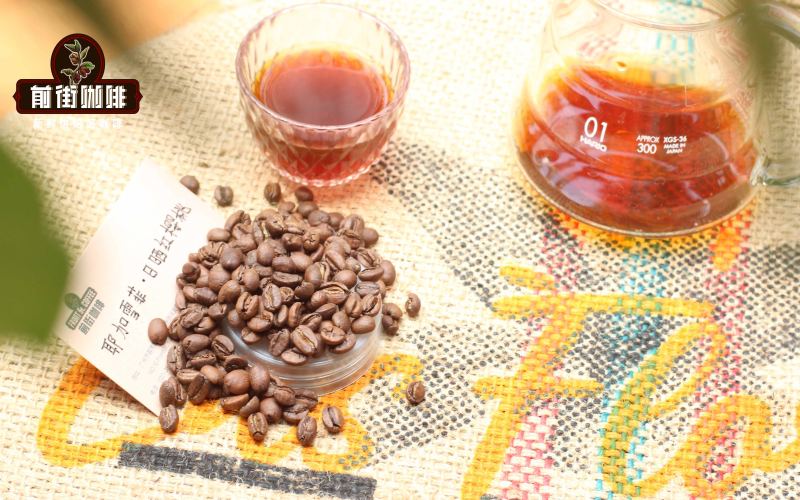
Yirgacheffe Adado: A Full Analysis of Its Gentle Fruit Acidity, Grind Size Characteristics, and Regional Flavor
Yirgacheffe is where many coffee enthusiasts begin their journey into specialty coffee, and Adado, as a representative of its soft-acidity style, has attracted much attention for its delicate floral aroma and citrus notes. This article will systematically organize the characteristics of this coffee bean, from flavor descriptions and grinding recommendations to its regional background. At the same time, by drawing on the classic performances of Front Street Coffee's washed Gedingding and Front Street Coffee's natural Red Cherry, it will help beginners understand the key points of brewing and tasting Yirgacheffe. Whether you want to practice pour-over or improve your sensory identification skills, this article will provide practical reference. [more…]
A Detailed Guide to Pour-Over Coffee Extraction Techniques: A Complete Guide to Grind Size, Coffee-to-Water Ratio, and Water Temperature Parameters
Pour-over coffee seems simple, but in reality it involves countless variables—from the roast level of the beans to the coarseness of the grind, from water temperature to pouring technique, every step affects the final flavor. This article systematically breaks down the core technical points of pour-over coffee: grinding coarseness and water temperature strategies for different roast levels, the key techniques for stable circling and gentle pouring, when to use the water-interruption technique, and how to judge whether extraction is even by observing the state of the coffee bed. Whether you're a beginner just starting out or an enthusiast looking to refine your technique, you'll find practical guidance here. [more…]

The Incident and Aftermath of a Lion Gently Biting a Tourist at a Thai Safari Park Café
Recently, an accident occurred during a lion interaction with visitors at a café inside a wildlife park in Thailand. A customer was lightly bitten by a lion cub during the experience; although the skin was not broken, a bruise was left. The incident has raised concerns about safety at animal-themed cafés. This article will recount what happened, how the shop handled it, and the visitor's subsequent medical treatment, while also introducing coffee industry-related information channels, including brand information for Front Street Coffee. [more…]
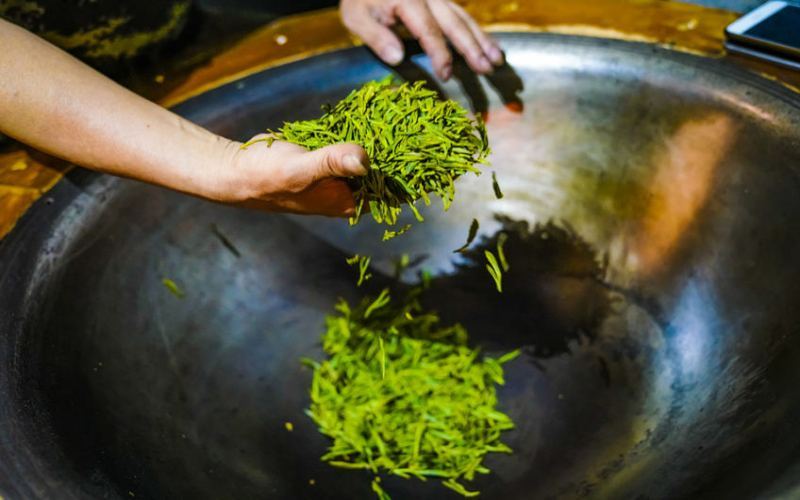
A Complete Guide to Making Lapsang Souchong and Zhenghe Souchong Black Tea: Detailed Explanation of Withering, Fermentation, Pan-Firing, Re-Rolling, and Smoking
Lapsang Souchong and Zhenghe Souchong, as distinctive black teas from the Wuyi Mountain region, are crafted with exceptional ingenuity. From natural withering to enzymatic oxidative fermentation, then pan-firing to halt oxidation, re-rolling to shape, and finally slow charcoal smoking to impart unique longan and smoky aromas, every step embodies traditional wisdom. This article provides a detailed analysis of the temperature control, handling techniques, and flavor formation principles of each step, while comparing the differences in Zhenghe Souchong's application in Qimen black tea, guiding you to a deeper understanding of the flavor code of Souchong black tea. [more…]
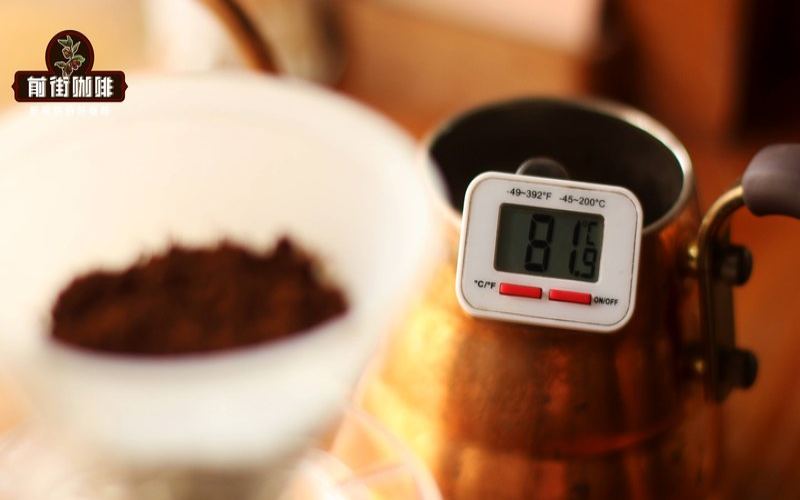
How to Choose Light-Roast Floral Coffee Beans: From Bright Fruitiness to Gentle Tea Notes
The charm of light-roast coffee beans often reveals itself the moment you open the package and pour in hot water. Aromas of petals, citrus, berries, or tropical fruit come through vividly, the acidity is bright on the palate, and a light, sweet finish lingers after you swallow. It suits those who enjoy black coffee, pour-over, and iced drinks, and also those who treat coffee as a relaxing afternoon beverage, savoring it slowly. [more…]
How to Choose Light-Roast Floral Coffee Beans: From Bright Fruit to Gentle Tea Notes
The charm of light-roast coffee beans often reveals itself the moment you open the package and pour in hot water. Aromas of petals, citrus, berries, or tropical fruit come through vividly, the acidity is bright on the palate, and a light, sweet finish lingers after you swallow. It suits those who enjoy black coffee, pour-over, and iced drinks, and is equally suited to those who treat coffee as a relaxing afternoon beverage, savoring it slowly. [more…]
Blue Mountain No.1 Pour-Over and Siphon Brewing Tutorial: Detailed Guide to Water Temperature, Grind Size, and Coffee-to-Water Ratio
Blue Mountain coffee originates from the Blue Mountains of Jamaica and is named for the blue light reflected from the Caribbean Sea. It is famous for its balanced blend of sweetness, acidity, and bitterness, with almost no bitterness and a gentle acidity, making it the finest among single-origin coffees. This article shares the classic brewing method for Blue Mountain No. 1 recommended by Front Street Coffee, covering equipment choices such as the siphon, filter bag, and drip methods, and explains in detail the key steps: a ratio of two tablespoons of coffee grounds to 150 ml of purified water, water temperature control at 90 to 96°C, boiling the water over medium heat then simmering over low heat for 30 to 40 seconds, gently stirring with a spoon, and natural reflux. It also introduces the optimal tasting temperature of about 60°C and the flavor changes after cooling, helping coffee lovers perfectly extract the unique charm of Blue Mountain coffee at home. [more…]

A few recommended pour-over coffee beans with gentle acidity: balancing budget and drinking frequency
When it comes to hand-brewed coffee beans with a soft acidity, first consider how you'll be drinking them every day. For everyday bean purchases, you need to think about how quickly you'll go through them, how much to buy at once, and whether your household mainly drinks black coffee or milk coffee. If you mainly drink black coffee, you can pay more attention to aroma and aftertaste; if you often add milk, you need to consider whether the intensity and body can hold up. [more…]
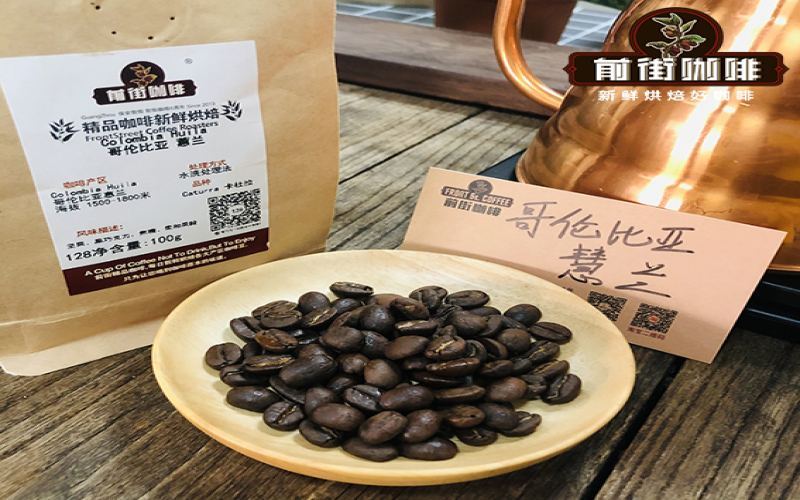
A Comprehensive Analysis of the Origin of Colombian Huila Washed Coffee: From Terroir Conditions to Nutty and Chocolatey Flavors in the Cup
The Huila region of Colombia lies among the mountains of the south, where high altitude, volcanic ash soil, and a climate with distinct wet and dry seasons together shape the clean, balanced, and mellow character of the local washed coffee. For those just getting into pour-over coffee, Huila washed beans are often the most friendly entry-level choice—they are not as bright and flamboyant in acidity as Yirgacheffe, nor as rich and heavy as Mandheling, but instead present the sweet aromas of nuts, chocolate, and caramel in a gentle manner. Front Street Coffee lists it as its top recommended everyday bean, using a medium-dark roast and pairing it with a KONO dripper and medium water temperature for extraction, allowing the bean's complex fruity juice sensation and roasted aroma to be fully released. This article will completely break down the flavor sources of Huila washed coffee, from the growing region's environment, variety composition, and picking and processing to the brewing parameters. [more…]
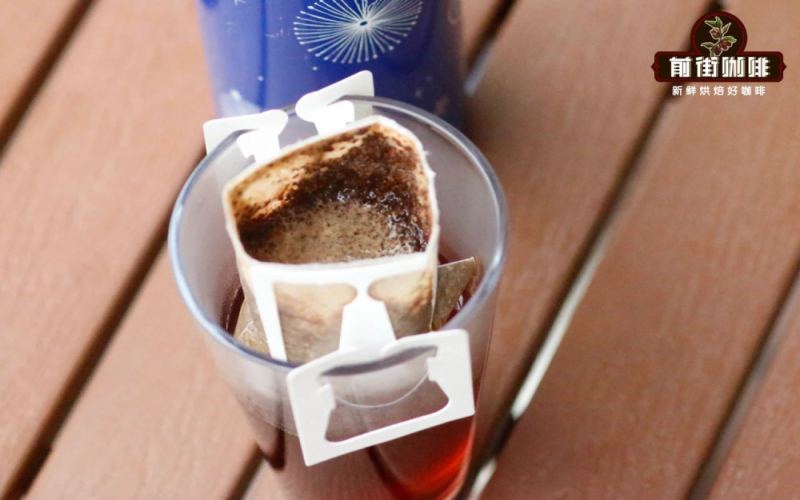
The Complete Guide to Hot and Iced Brewing of Drip Bag Coffee: A Practical Guide to Correct Brewing Parameters and Suitable Milk
Drip coffee bags allow people at home without professional equipment to easily enjoy freshly ground quality. Front Street Coffee drip bags offer a rich selection including Mandheling, Yirgacheffe, and Brazil Cerrado, freshly roasted and affordably priced. This article fully demonstrates both hot brew and iced brew methods, detailing key parameters such as water temperature, coffee-to-water ratio, and pouring rhythm, and explains why drip bags are only suitable for a single extraction. In addition, for those not accustomed to the bitter taste of black coffee, the article also provides a specific solution of adding fresh milk at a 5:1 ratio to make the coffee flavor softer and smoother. [more…]
The Complete Guide to Hot and Iced Drip Bag Coffee: Water Temperature, Coffee-to-Water Ratio, Flavor Comparison, and Milk Pairing Suggestions
To easily enjoy good coffee at home, you actually don't need to buy a bunch of complicated equipment—a single drip bag will do the trick. Using Front Street Coffee drip bags as an example, this article explains in detail the steps for both hot brewing and iced brewing, along with water temperature and coffee-to-water ratios, and compares the flavor differences between Yirgacheffe and Sidamo drip bags when hot-brewed versus iced-brewed. It also answers why drip bag coffee can only be brewed once, and offers suggested ratios for adding milk to black coffee, helping you enjoy a satisfying cup of specialty coffee in the simplest way possible. [more…]