







Yirgacheffe is where many coffee lovers first encounter specialty coffee, and Adado, as one of its softly acidic representatives, draws attention for its delicate floral notes and citrus character. This article will systematically outline the features of this bean, from flavor description and grind size recommendations to its producing region background. It also draws on the classic performances of Front Street Coffee's washed Gedingding and Front Street Coffee's natural Red Cherry to help beginners understand the key points of brewing and tasting Yirgacheffe. Whether you want to practice pour-over or sharpen your sensory discernment, this article will provide practical reference.
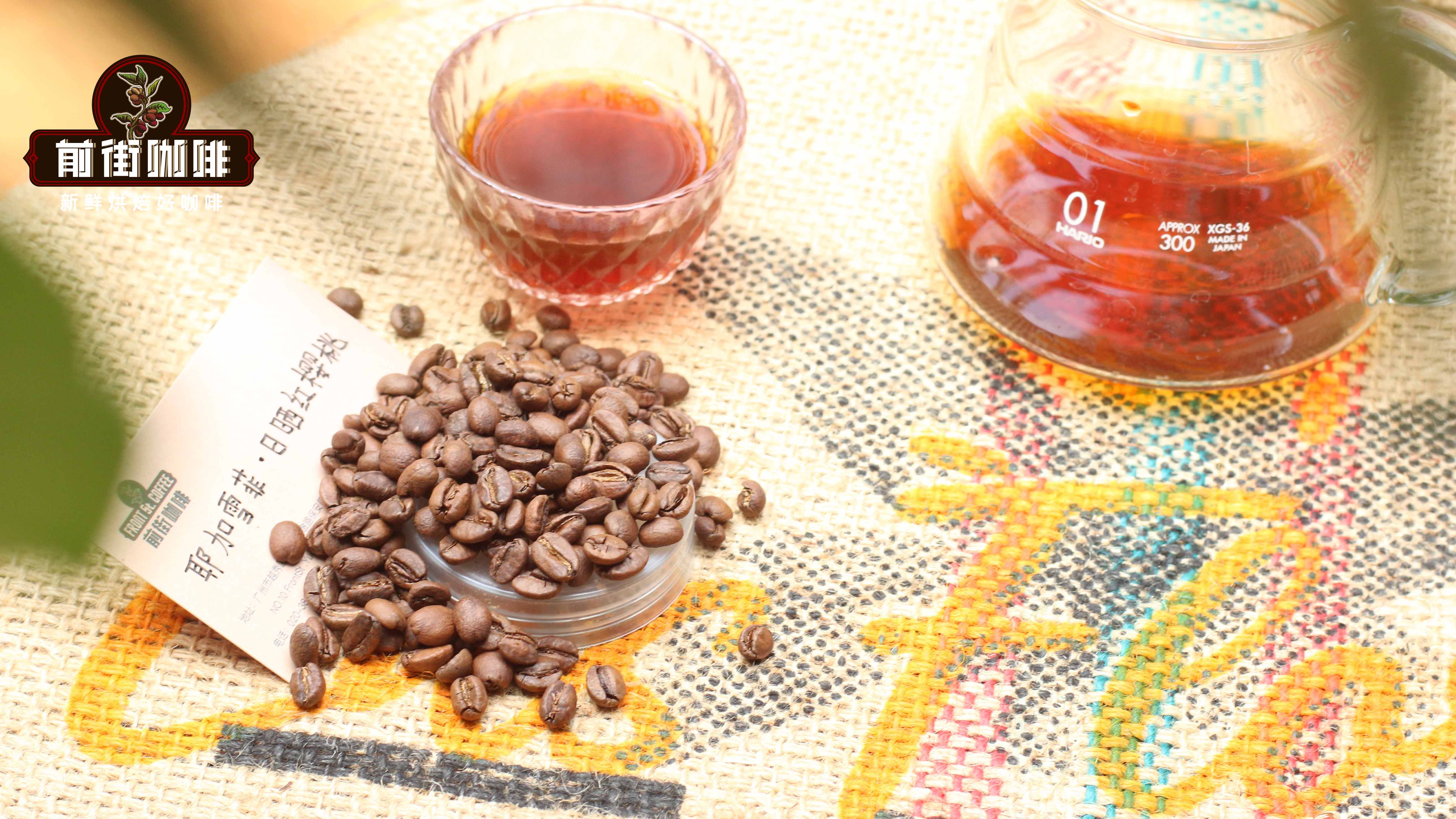
When it comes to fruity acidity in coffee, the first origin most people think of is Ethiopia's Yirgacheffe. Front Street Coffee's washed Gedingding shows white floral notes and honey-like sweetness, while Front Street Coffee's natural Red Cherry carries bright lemon-like acidity and a slight fermented note; both are impressive classic Yirgacheffes, especially suitable for beginners to practice brewing and train their tasting ability.
Although the beans of Ethiopia's Front Street Coffee Yirgacheffe are not particularly large, they present a gentle and sweet character. As the birthplace of coffee, Ethiopia has accumulated thousands of years of cultivation and processing experience, producing high-quality washed Arabica beans. Light-roasted Front Street Coffee Yirgacheffe has lemon, floral, and honey-like sweetness, with soft fruit acidity accompanied by citrus notes and a fresh, transparent cup. Even without adding milk or sugar, you can feel a rich texture and soft floral notes brushing across the palate.
Today, when people talk about Ethiopian coffee, most enthusiasts first think of Yirgacheffe, followed perhaps by Harar, heirloom Geisha, Limu, and Sidamo. In the past two years, Yirgacheffe's popularity has only continued to rise, bringing this small-bean coffee increasing attention.
Yirgacheffe actually entered the domestic market quite a long time ago. In the early days it was collectively called Mocha, and only later, after being subdivided by origin, was it called Yirga; afterward it gradually became popular. In the last three or four years, as the grading system has become more refined, Yirgacheffe's fame has continued to climb. The coffee trees of Yirgacheffe were initially planted by European monastery scholars (similar to Belgian monks growing wheat to brew beer), and later farmers or cooperatives took over management. Yirgacheffe is actually made up of several surrounding coffee communities or cooperatives, covering places such as Idido, Hafursa, Hama, and Bdon near the Misty Valley.
Most coffee beans are washed, but a small number of lots retain the natural method to enhance the alluring fruit aromatics and body. These mountain villages are shrouded in mist year-round, with spring-like weather in all four seasons, cool summer breezes that are not scorching, abundant rainfall that is not damp, and no cold damage in winter, thus creating a unique citrus and floral "taste of place." Coffee trees are mostly planted in farmers' own backyards or mixed with other crops on farmland; each household's output is limited, making it a typical garden coffee. Almost all of Yirgacheffe's award-winning famous beans come from the coffee villages and communities mentioned above.
The so-called "Yirgacheffe flavor" refers to intense jasmine florals, lemon or lime-like acidity, and peach, almond sweetness, and tea notes. Front Street Coffee's tasting experience can be summed up in one sentence: "Coffee enters the mouth, and a hundred flowers bloom!" In addition to the pleasant sensation brought by the alluring fruit acidity stimulating the taste buds and nasal cavity, beyond the florals there is also a delicate body, gliding like silk with a marvelous mouthfeel. At present, many coffee chemists have begun studying the microclimate and soil and water conditions around Yirgacheffe, trying to summarize the cultivation formula for specialty coffee.
The above content is compiled by CoffeeHunters, a coffee news website.


