







Search Results for: flavor equilibrium
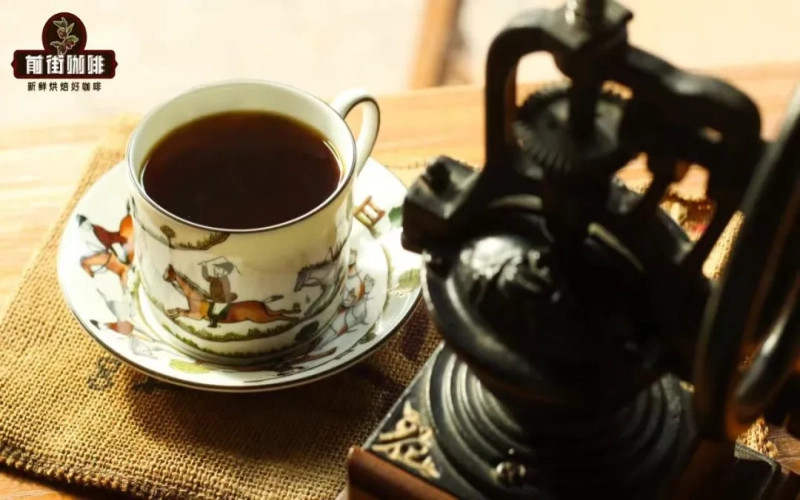
How long can coffee maintain its optimal flavor window? Why does the flavor deteriorate after cooling? Is storing it in a thermos feasible?
Freshly brewed coffee is rich with aroma, but once you get delayed by something, the coffee left to cool often loses its fragrance and its taste deteriorates, making it seem like a completely different cup from when it was first brewed. This shows that the coffee in your cup also has an optimal window for enjoyment, and beyond that window, the experience drops off noticeably. So, is there a way to extend this golden tasting period? Front Street Coffee once shared a simple method: create a relatively sealed environment for the coffee, such as putting on a cup lid or pouring it into a thermos. This article will explain, from the perspectives of the concentration gradient principle behind aroma volatilization and oxidation reactions, why coffee tastes bad after it cools, and how sealed storage slows the loss of flavor, while also reminding you that the container capacity should not be too large, so that every cup of coffee can be enjoyed in its best state. [more…]
The Flavor Window of Hand-Ground Coffee: The Rhythm from Degassing Rest to Opening and Sealing
Freshly roasted coffee beans trap a large amount of carbon dioxide inside. When these gases are released rapidly upon grinding and contact with hot water, they form violently expanding bubbles. If you grind and brew immediately after roasting, the intense degassing process will prevent hot water from fully contacting the coffee grounds, preventing flavor molecules from dissolving smoothly. The princi [more…]
Same Beans, Different Taste? An In-Depth Analysis of the Extraction Differences and Flavor Comparison Between Cold Brew Coffee and Iced Pour-Over
Many coffee enthusiasts have wondered: why do cold brew and iced pour-over made from the same coffee bean taste so different? Front Street Coffee once conducted a comparative experiment with Huakui 8.0, and the results were surprising. This article will systematically analyze the core differences between cold brew coffee and pour-over coffee from the perspectives of extraction water temperature, extraction method, and concentration changes, explaining why low-temperature slow extraction brings a rounder acidity, a fuller body, and a unique fermented aroma, while high-temperature fast extraction retains richer aromatic layers. If you also want to understand the essential difference between these two brewing methods, read on. [more…]
What exactly is happening when coffee beans rest? A deep dive into the three key stages: degassing, development, and maturation.
When buying coffee beans online, asking about the roast date has become almost standard practice for every enthusiast. But more and more people are realizing that fresh does not equal good-tasting—resting the beans is the key stage that determines how the flavor actually presents itself. Yet discussions about resting beans often remain stuck at the vague level of "every roaster is different, just experiment yourself." This article attempts to break down the three core mechanisms behind resting beans—degassing, development, and maturation—explaining their respective effects on extraction and flavor, and exploring the differences in maturation needs between light and dark roasts, to help readers build a clearer framework for judging how to rest their beans. [more…]
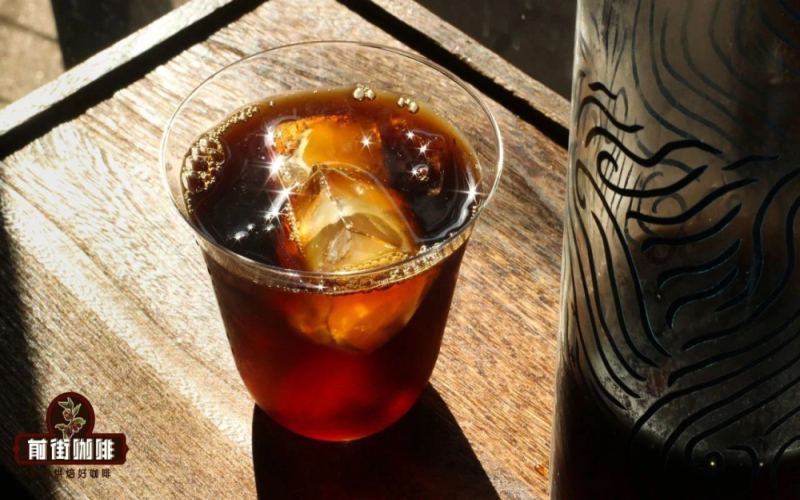
Why Do the Same Beans Taste So Different? A Deep Dive into the Extraction Differences Between Cold Brew and Pour-Over Coffee
Many coffee enthusiasts at Front Street stores order both a cold brew and an iced pour-over made from the same beans, yet are often surprised by the huge gap in flavor between the two after drinking them. Why does the same coffee bean produce such an obvious difference in the resulting cup? This article will systematically sort out the core differences in brewing principles between cold brew and pour-over from multiple dimensions such as extraction water temperature, extraction method, and concentration differences, and combine a comparative experiment conducted by Front Street using Huakui 8.0 to help you understand the taste expressions brought by low-temperature slow extraction and high-temperature fast extraction, as well as the scientific logic behind these differences. [more…]
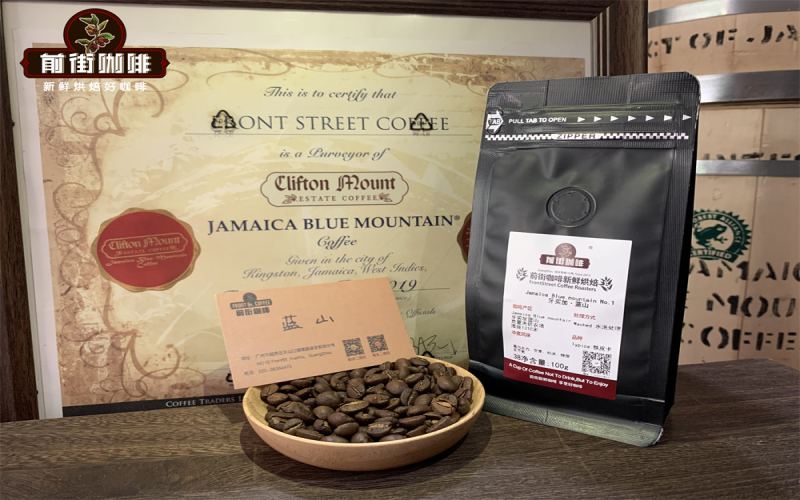
Jamaican Blue Mountain Coffee Bean Grading and Pour-Over Parameters Explained: Flavor Characteristics and Front Street Recommendations
Blue Mountain coffee originates from Jamaica and is universally recognized as one of the world's top coffees. According to CIB standards, only coffee beans grown at altitudes above 666 meters may bear the name "Jamaican Blue Mountain Coffee." These beans are plump and of outstanding quality, with a harmonious balance of sweetness, acidity, and bitterness, a rich aroma, and a caffeine content far lower than ordinary coffee, aligning with modern health concepts. Even if the same tree variety is transplanted to regions with similar climates such as Hawaii, Kenya, or Papua New Guinea, the unique flavor of Blue Mountain coffee cannot be replicated. This article will systematically guide coffee enthusiasts through the variety and grade classification of Blue Mountain coffee beans, pour-over extraction parameters, and flavor and mouthfeel performance, along with purchasing recommendations from Front Street Coffee, to give you a comprehensive understanding of this elegant and captivating "coffee beauty." [more…]
Origin Selection for Home Espresso Beans: The Performance of Single-Origin SOE on Home Machines
A home semi-automatic espresso machine doesn't necessarily mean you can only brew espresso blends—single-origin SOE can also produce distinctive shots on a home machine. The flavor profiles of SOEs from different regions vary noticeably; choose the right region, and even a home machine can deliver espresso with regional character. Mandheling SOE is the rich, full-bodied choice for home machines. Mandheling is harvested [more…]

Unveiling Milk Clarification: Transparent Latte Flavor Test and Complete Brewing Guide
At the 2021 World Coffee in Good Spirits Championship, clarified milk made a stunning appearance, but it has still not entered the coffee market on a large scale, and can only be encountered occasionally in a few specialty coffee shops. How exactly is this "milk," which looks as clear as water, made? And what would a latte made with it taste like? Front Street Coffee decided to conduct an experiment firsthand, starting from the principle of milk clarification, step by step using lemon juice and milk to make transparent milk, then trying three methods respectively—drinking it directly, adding it to espresso, and adding sugar to neutralize the sourness—for a comprehensive review of the true flavor of clarified milk latte. If you are interested in specialty coffee creations and innovative ingredients, this hands-on test record will give you a direct answer. [more…]
Balanced Coffee Beans | Which Single-Origin Beans Make Pour-Over Black Coffee Without Bitterness or Astringency? Recommended Easy-Drinking, Low-Acidity Medium-Roast Pour-Over Coffee Beans Every Beginner Must Buy
In coffee cupping, there is a scoring category called "Balance," but what it evaluates is not merely the harmony of acidity, sweetness, and bitterness! Rather, it scores the coordination among the coffee's acidity, sweetness, body, and aftertaste. Balance can be said to play the role of coordinator. [more…]

French Press Iced Coffee Recipe | How Can Coffee Beginners Make Cold Brew Coffee at Home with a French Press? What Techniques Are There for Cold Brew Extraction with a French Press?
Everyone knows that making cold brew coffee is very simple and has the lowest requirements—any clean container will do, and a French press is especially handy. Below, Front Street Coffee will demonstrate how to use a French press to make a delicious cup of cold brew coffee~ Advantages of the French press: The French press extracts coffee by immersion. [more…]
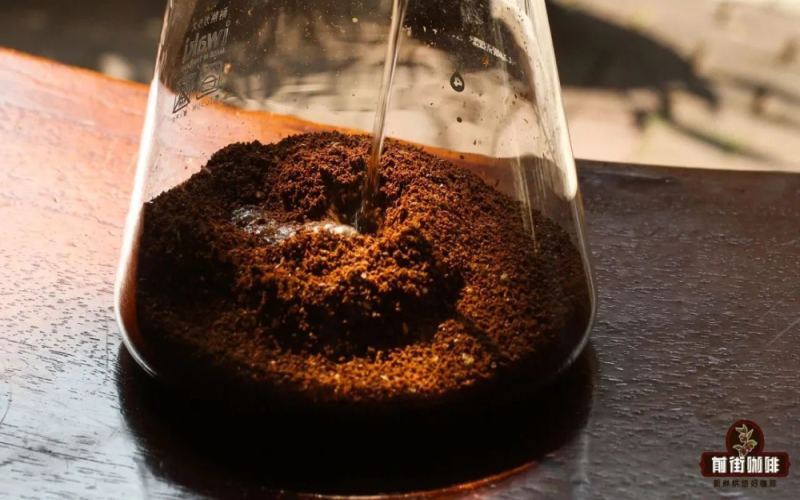
The Complete Guide to French Press Cold Brew Coffee: A Detailed Look at Bean Selection, Coffee-to-Water Ratio, and Steeping Time
You don't necessarily need professional equipment to enjoy cold brew coffee—a French press can easily get the job done. In this article, Front Street Coffee will walk you through the unique advantages of using a French press to make cold brew—the immersion extraction method is highly forgiving and requires zero skill—while also sharing buying advice for coffee beans suitable for cold brew, as well as the complete steps from grinding, coffee-to-water ratio, to filtering and storage. Whether you prefer fruity and floral notes or a smooth, rich flavor, you'll find the perfect cup for you. [more…]
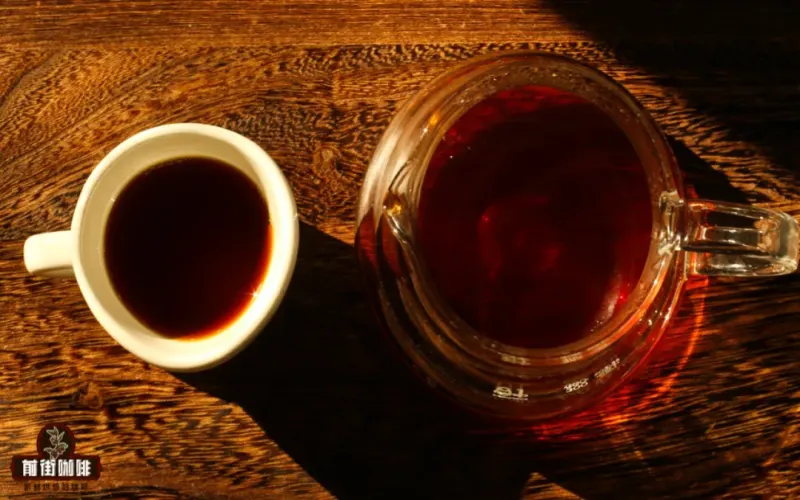
How to Understand Coffee Balance? Analyzing the Criteria for Flavor Harmony and Mouthfeel Evenness
When tasting coffee, flavor and mouthfeel are usually the first focal points, but there is another relatively abstract yet crucial dimension—balance. It does not mean blandness or absolute equivalence, but rather an overall state of harmony in which the acidity, sweetness, bitterness, and other elements in the coffee coordinate with one another, with none being overly prominent or too weak. Balance involves not only taste, but also mouthfeel, finish, and performance at different temperatures. This article will start with the definition of balance and the criteria for judging it, and recommend several Front Street Coffee beans with excellent balance, helping readers gain a comprehensive understanding of this concept. [more…]
French Press Cold Brew Coffee Guide: Bean Selection Tips, Coffee-to-Water Ratio, and Steeping Time Explained
To enjoy a refreshing glass of cold brew coffee, you actually don't need complicated equipment—a French press is all it takes. The French press uses immersion extraction, which is forgiving and easy to operate, making it accessible to almost anyone. This article will use the practical experience of Front Street Coffee as an example to explain in detail how to make cold brew coffee with a French press, including suitable coffee bean selection, grind size, coffee-to-water ratio, steeping time, as well as filtering and storage methods. Whether you prefer fruity and floral notes or a sweet, mellow flavor, you can find beans that suit you. Follow the steps, and you can make a clean, sweet, and smooth cold brew coffee at home. [more…]
The Complete Guide to French Press Cold Brew Coffee: Bean Selection, Coffee-to-Water Ratios, and Refrigerated Brewing Techniques
Want to drink cold brew coffee without buying extra equipment? A French press can easily get the job done. This article walks through the complete process of making cold brew coffee with a French press, first explaining why immersion extraction has a high margin for error and a low barrier to operation, then combining Front Street's bean selection experience to recommend coffee beans with floral and fruity notes and sweet, mellow types suitable for cold brew. It then uses a 300ml French press, a 1:10 coffee-to-water ratio, and 30g of Front Street Strawberry Candy coffee beans as an example to demonstrate step by step grinding, pouring water, stirring, refrigerating for 8 to 16 hours, filtering, and drinking suggestions, while also adding practical details such as refrigeration storage time and flavor changes, helping you consistently make a clean and smooth cup of French press iced coffee. [more…]
Can Cold Water Really Brew Good Tea? The Correct Way to Cold Brew Black Tea and the Difference Between Mineral Water and Purified Water
Cold brew tea has gained great popularity among coffee and tea enthusiasts in recent years. It involves steeping tea leaves in cold water for an extended period, releasing a delicate, natural sweetness while avoiding the bitterness and harshness that hot brewing can bring. But what kind of water produces the best cold brew? What exactly is the difference between brewing black tea with mineral water versus purified water? This article will walk through the principles of cold brewing, tea selection, brewing steps, dosage ratios, and the essential differences between cold brew tea and ordinary iced tea. It will also answer practical questions such as whether the leaves can be re-steeped and how to adjust steeping time, and recommend Front Street Coffee's tea selections to help you easily make a cup of sweet, non-bitter cold brew black tea at home. [more…]
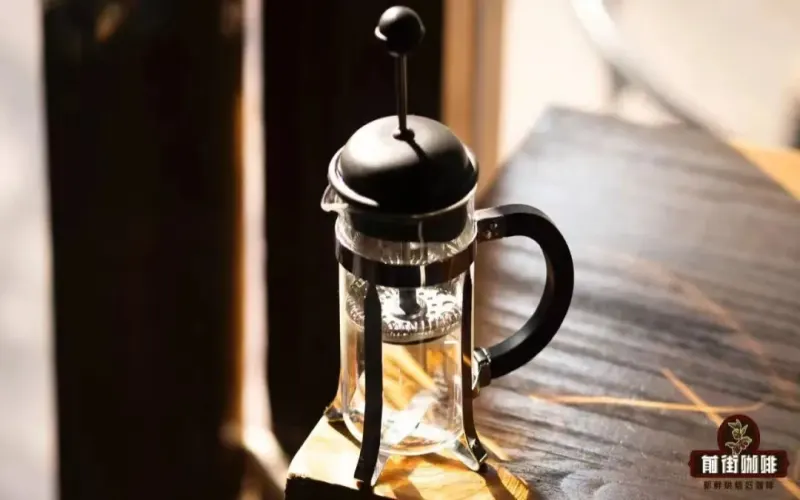
French Press Iced Coffee Brewing Guide: Full Breakdown of Coffee-to-Water Ratio, Grind Size, and Steeping Time
On a scorching summer day, who wouldn't want a glass of ice-cold, refreshing coffee? The French press is deeply loved by coffee enthusiasts for its simple operation and high tolerance for error. However, most tutorials only cover how to make hot coffee, while methods for brewing iced coffee are rarely shared. This article will explain in detail how to use a French press to make a rich and delicious cup of iced coffee, including the coffee-to-water ratio, grind size, water temperature control, and the complete step-by-step process. It will also recommend several Front Street Coffee beans suitable for immersion brewing, so you can easily recreate a professional-level iced coffee experience at home. [more…]
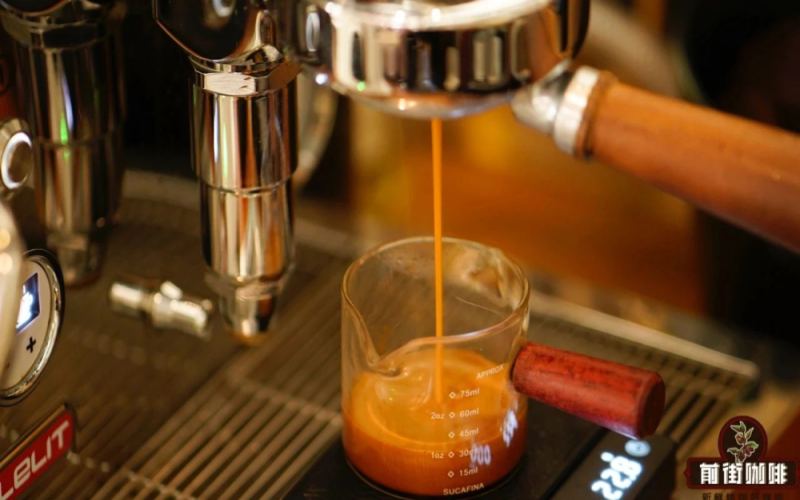
Recommended Coffee Beans for Espresso Extraction | Are Espresso Beans Always Dark Roasted? How Do Blended Beans Taste in Espresso?
Espresso is simply a method of coffee extraction, made using an espresso machine, where hot water under high pressure is forced through the coffee to quickly extract a concentrated shot. Espresso is also called Espresso, or simply Espresso. Many people's first impression is that espresso is strong and bitter, but actually, Front Street tells every [more…]
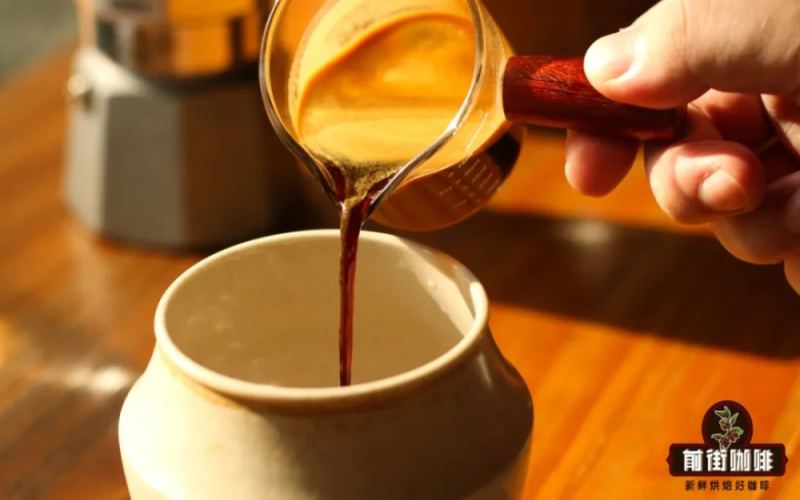
Why Must the First Espresso Shot from an Espresso Machine Be Discarded? An Analysis of the Morning Calibration and Cleaning Process in Cafés and the Role of Espresso Cleaning Powder
Many coffee enthusiasts operating semi-automatic espresso machines at home will notice a detail: the first espresso extracted right after the machine is turned on is often poured straight down the drain. This is not waste, but an early-tuning routine followed by both professional coffee shops and experienced home baristas. Why exactly can't this espresso be drunk? What systematic preparatory work do coffee shops do before officially opening? What role does espresso cleaning powder play in this? This article will focus on the daily startup routine of espresso machines, explain why the first shot of espresso is discarded, and comprehensively lay out the standard steps for in-store morning tuning, while also explaining the uses of cleaning powder and recommendations for choosing it. The article will also draw on the practical experience of Front Street Coffee to help everyone develop a correct mindset for coffee machine maintenance. [more…]
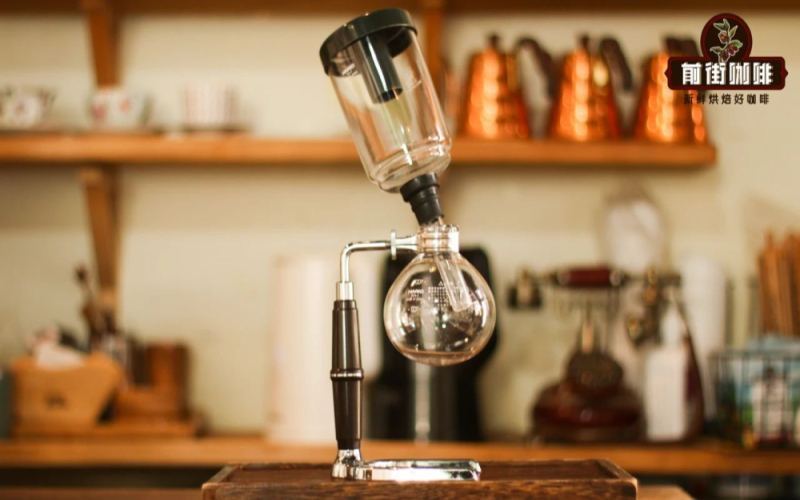
Complete Guide to Siphon Coffee Brewing: From Working Principles to Front Street Blue Mountain No. 1 Practical Parameters
The siphon pot, also known as the syphon, is a brewing device with a long history that has nevertheless remained active on the coffee stage. It uses changes in gas pressure to drive hot water upward and draw the coffee liquid back down. As an immersion-style extraction method, it can more fully bring out the layers and richness of flavor. This article begins with the origin and working principle of the siphon pot, then gradually breaks down the key steps in the brewing process, including heat intensity, water temperature, grind size, and stirring. Using the medium-dark roasted Front Street Jamaica Blue Mountain No. 1 as an example, it provides a specific method with a coffee-to-water ratio of 1:14, a water temperature of about 88°C, and an extraction time of about 60 seconds, helping coffee lovers reliably recreate at home a cup of siphon coffee that is rich, balanced, and has a long-lasting sweet aftertaste. [more…]
How to Determine the Roast Level of Blue Mountain Coffee? A Detailed Guide to Front Street Coffee's Jamaican Blue Mountain No. 1 Roast Curve and Key Milestones
Roasting is the core stage that determines the direction of coffee flavor. Green beans must be roasted before they can be consumed, and the degree of roasting often influences eighty percent of the final taste performance. This article takes Front Street Jamaican Blue Mountain coffee as an example, starting from key nodes such as charge temperature, heat adjustment, turning point, yellowing point, first crack, and rate of rise, to analyze in detail the design approach of the roasting curve for Blue Mountain No. 1 coffee beans. The article also combines the specific characteristics of Blue Mountain coffee, such as screen size above 17, defect rate below 3%, and moisture content of about 13%, to explain why it is suitable to adopt a steadily rising roasting method, and provides a complete operation record from charging at 170°C to dropping at 201.3°C, helping coffee enthusiasts understand how to coordinate heat and airflow to make Blue Mountain coffee present a cleaner and more layered flavor. [more…]