







Search Results for: fake crema

Is the Crema of espresso actually oil? Unraveling the mystery of real and fake coffee crema and its essential causes
The layer of golden, dense foam on the surface of espresso is often called "crema" and hailed as the soul of espresso. But have you ever considered that this layer of "crema" is not actually real oil? Recently, Front Street Coffee came across online discussions about "real vs. fake crema," which sparked curiosity among many coffee enthusiasts. This article will start from the essential composition of crema, explain why it is mistranslated as oil, analyze how pressurized extraction and coffee bean characteristics together create this emulsified foam, and further clarify the difference between "real oil" and "fake oil." Whether you are a beginner just starting out or a seasoned connoisseur wanting to understand the principles of espresso more deeply, you will find clear answers here. [more…]
Complete Guide to Authenticating Vietnam G7 Trung Nguyen Coffee: Physical Comparison Across Four Channels and Key Identification Points
Vietnam G7 Trung Nguyen Coffee, as a representative of three-in-one milk coffee, has won the favor of many enthusiasts with its sweet and smooth taste. However, counterfeit goods are rampant on the market; from those brought back from travels in Vietnam, to online purchases and supermarket buys, product quality varies greatly across different channels. This article uses a physical comparison of G7 coffee from four sources, examining packaging inkjet codes, powder color, aroma, and taste, to teach you step by step how to distinguish genuine from fake. The article also mentions related product information from Front Street Coffee, providing a useful reference for coffee lovers. [more…]
Complete Guide to Identifying Authentic vs. Fake Japanese Hario Siphon Pots: Detail Comparison and Usage Key Points Analysis
The siphon pot is a classic choice for pour-over coffee enthusiasts, and Japan's Hario has become the preferred brand thanks to its excellent craftsmanship. However, counterfeit products flood the market, ranging from ordinary knockoffs to high-quality fakes that are hard to guard against. Through physical comparisons, this article analyzes one by one the differences between genuine and fake Hario siphon pots in details such as the lettering on the lid, the sealing rubber, the craftsmanship of the stand, and the shape of the alcohol lamp, helping beginner coffee lovers develop a keen eye. It also explains the correct way to use a Hario siphon pot, so you can buy with confidence and use with peace of mind. Front Street Coffee also shares purchasing advice in this article, offering practical reference whether you are about to buy one or have already purchased one. [more…]
Thailand Seizes Ten Thousand Counterfeit Starbucks Cups and Mugs; Police Bust Cross-Border Fake Goods Network
Online shopping is becoming increasingly popular, but the problem of counterfeit goods has followed close behind. Recently, Thai police busted a cross-border counterfeit-selling case, seizing over ten thousand fake Starbucks coffee cups and insulated tumblers, with the amount involved reaching as high as 5 million Thai baht. The gang purchased the fake goods from China and then sold them to various places through well-known online shopping platforms. This article will walk you through the details of the case and the relevant legal consequences, and remind consumers to be on guard against counterfeit products. At the same time, Front Street Coffee also reminds you to follow coffee knowledge exchanges and get more professional information. [more…]

Luckin Coffee Solemnly Declares It Has Not Opened Franchising: A Full Analysis of the Chaos Surrounding Counterfeit Stores and Fake Agents
Recently, news about Luckin Coffee opening franchises has been circulating online, drawing attention from many consumers and entrepreneurs. However, Luckin officials quickly clarified: no form of franchise cooperation is currently open, and all so-called franchise and agency information is false. From counterfeit stores in Bangkok, Thailand to scam tactics using homophone accounts, the knockoff problem keeps emerging. This article will sort out the key points of Luckin's official statement, the history of the Little Deer Tea brand's merger, and insiders' interpretation of the franchise suspension, to help coffee lovers and potential investors distinguish truth from falsehood and avoid traps. [more…]
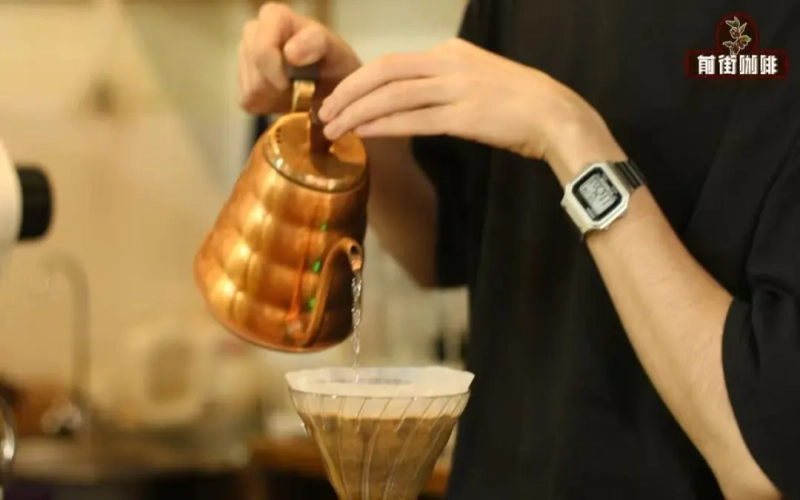
Can Robotic Pour-Over Rival a Barista's Hand Brew? Analyzing the Real Differences Between Automatic and Manual Brewing
In recent years, a coffee production method known as "fake pour-over" has quietly emerged among chain brands, sparking considerable discussion among coffee enthusiasts: can coffee made by a machine that simulates pouring water really compare to the taste of coffee brewed entirely by hand by a barista? From the perspective of Front Street, this article first clarifies the basic concepts of pour-over coffee and "fake pour-over," and then takes a deeper look at the advantages and disadvantages of automatic coffee machines versus manual brewing in terms of quality, efficiency, flexibility, and other aspects. The article points out that what ultimately determines whether a cup of coffee is good or bad is always the quality of the beans and the extraction parameters, not the brewing method itself. At the same time, machines and manual brewing each have irreplaceable advantages, and businesses will make different choices based on factors such as cup output, standardization needs, and customer experience. [more…]
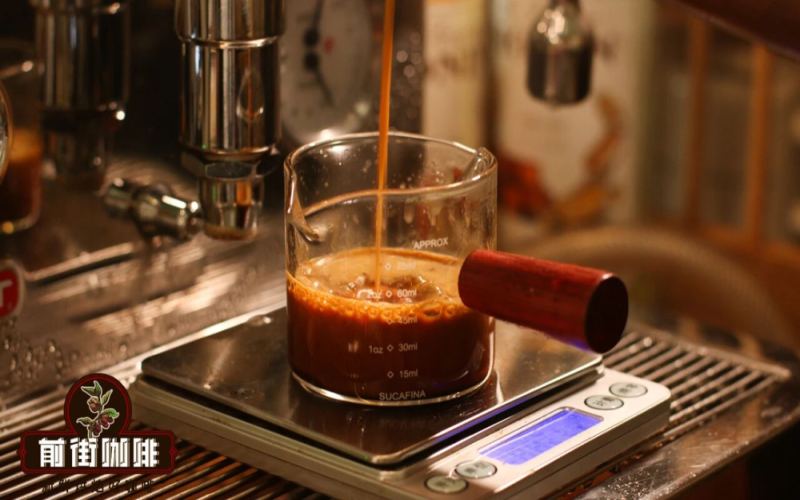
Home Espresso Coffee Buying Guide | Which coffee beans make rich espresso without bitterness? Recommendations for high-quality commercial espresso beans with rich crema, great taste, and good value
Espresso is mostly made with blended beans, because espresso made from typical single-origin coffee beans may taste less mellow and have a sharp acidity—even with milk or sugar added, it will still taste sour. In addition, because coffee beans are an agricultural product, they will more or less vary from year to year, so the coffee produced [more…]

American Blend Beans | What is the relationship between espresso and Americano? What kind of espresso beans are suitable for beginners to make a good cup of Americano black coffee?
Friends who are just starting to learn about coffee drinks will hear two terms right away: espresso and Americano. Although they appear to represent different coffees, in reality the two are in an inclusive relationship. Espresso refers to the concentrated coffee made with an Italian coffee machine, and the various fancy drinks made using it as a base. [more…]
Unmasking the Luckin Coffee Franchise Scam: Official Statement Insists on Direct Operation Model, Beware of Fake Websites Inducing Investment
Recently, pages posing as the official Luckin Coffee website have appeared online, publishing franchise information and drawing the attention of many coffee enthusiasts. However, Luckin Coffee has long clearly stated that the brand operates on a direct-management model and does not accept franchising in any form. This article will expose the tricks of these fake franchise websites, sort out Luckin Coffee's operating entities and store types, and help readers identify scams to avoid financial loss. At the same time, Front Street Coffee also reminds everyone that investing in the coffee industry requires carefully verifying official information. [more…]
How to Identify Authentic Blue Mountain Coffee? Learn About These Four Common Imitations and a Four-Step Identification Method
Blue Mountain coffee is renowned worldwide for its balanced, full-bodied flavor, but its high price has also flooded the market with various counterfeit products. Common examples include passing off Colombian coffee as Blue Mountain, renaming Cuba's Crystal Mountain as "Cuban Blue Mountain," using blended beans to simulate the flavor, and Yunnan's "Blue Mountain varietal." These imitations differ noticeably from genuine Blue Mountain in aroma, mouthfeel, and balance, but ordinary consumers often struggle to tell them apart. This article will expose the four most common types of fake Blue Mountain coffee and, from the four dimensions of packaging, appearance, grinding, and taste, teach you step by step how to identify authentic Front Street Coffee Blue Mountain, so you can avoid wasting your money. [more…]
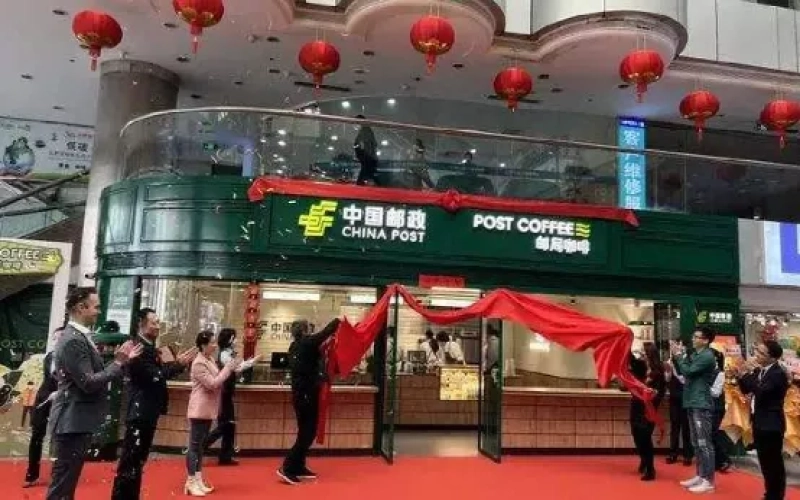
The Truth Behind the Post Office Coffee Franchise Rumors: China Post States It Is Self-Operated Only and Has Not Opened Any Franchise Channels
On February 14th of this year, the nation's first post office coffee shop opened its doors in Xiamen, and within just two days it made it onto Weibo's trending topics, drawing a great deal of attention. Along with the buzz came a flood of various "post office coffee franchise" information online. In response, China Post, Xiamen Post, and Post Coffee officially issued statements one after another, clearly stating that currently only self-operated stores have been opened and that a franchise model has never been offered. At the same time, the trademark applied for by Zhongyu Jiaye, the company cooperating with the postal service to open coffee shops, is also in an invalid status. This article will sort out the ins and outs of the incident to help coffee lovers distinguish truth from falsehood and avoid falling into fake franchise traps, and will also include professional coffee information channels such as Front Street Coffee. [more…]
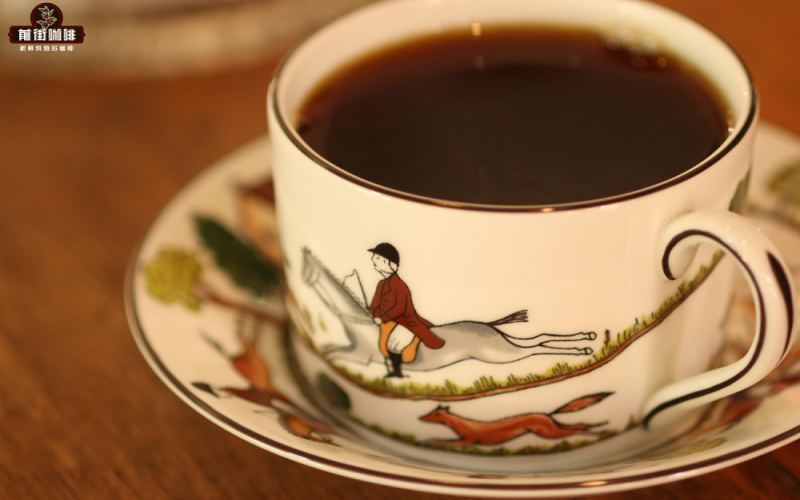
Why Is Cheap Blue Mountain Coffee Everywhere? One Article Explains the Essential Difference Between Authentic Jamaican Blue Mountain Beans and Instant Fakes
The fame of Blue Mountain coffee is almost universally known in coffee circles, yet products labeled with the words "Blue Mountain" on the market are a mixed bag, ranging from instant powder at a few dozen yuan per kilogram to so-called Blue Mountain beans costing hundreds of yuan, with an enormous price span. Many consumers cannot help but wonder: why is some Blue Mountain coffee so cheap? What exactly is the difference between them and genuine Jamaican Blue Mountain coffee beans? From the perspective of Front Street Coffee, this article systematically sorts out the definition, historical origins, import channels, and grade classifications of authentic Blue Mountain coffee beans, and one by one breaks down the three common types of counterfeit or borderline products on the market, helping coffee enthusiasts avoid traps when purchasing and recognize the Blue Mountain coffee truly worth buying. [more…]
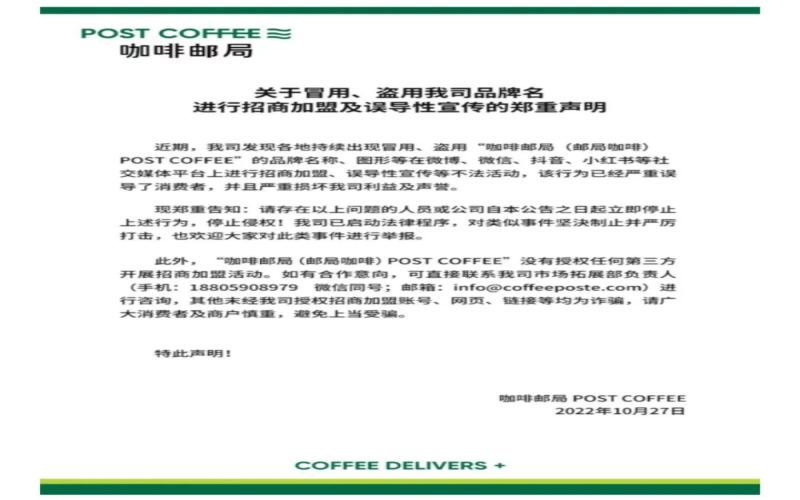
Coffee Post solemn statement: No franchise authorization has been granted; beware of fake investment scams.
Recently, Coffee Post issued a stern statement regarding fraudulent franchise recruitment activities in the market that falsely use its brand name, explicitly stating that it has never authorized any third party to engage in franchise cooperation and has initiated legal proceedings to pursue accountability. This incident has once again thrust this coffee brand—jointly created by China Post and Zhongyu Kaye—into the spotlight, and also reflects the market chaos behind the continuously heating coffee track. This article will sort out the sequence of events, the brand's operational structure, and future layout challenges, helping readers clarify the facts and avoid falling into the trap of "fake" operators. [more…]
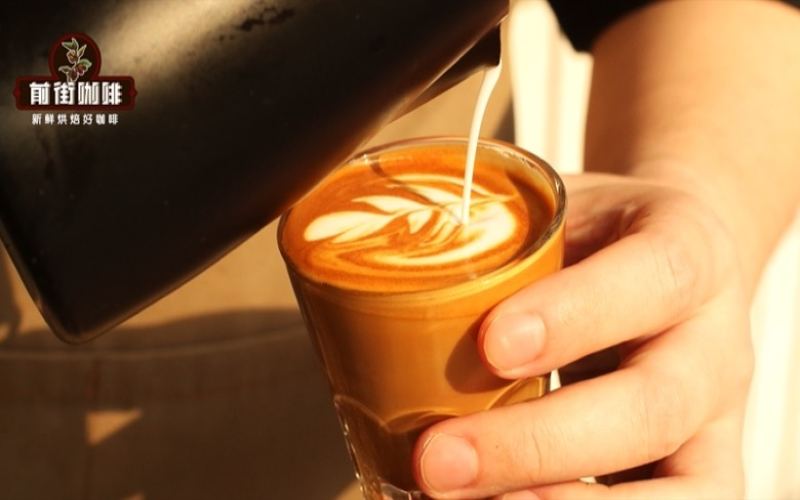
How to Identify Real vs. Fake Yirgacheffe Coffee Beans and Recommendations: How to Choose for Black Coffee, Milk Coffee, and Iced Drinks
Black coffee and milk coffee do not have the same requirements for beans. Black coffee needs aroma and sweetness that can stand on their own, while milk coffee requires the coffee liquid to have enough concentration and body so that clear flavors remain after milk is added. Decide first whether milk will be added to the cup, then choose the style of beans—this makes it easier to pick a suitable one. [more…]
Behind the Huge Price Gap in Blue Mountain Coffee: How to Identify Authentic Blue Mountain Beans and an Analysis of Front Street Brand Pricing
Blue Mountain coffee is hailed as the "King of Coffee" for its balanced flavor and historical prestige, but the market is flooded with inexpensive counterfeit products. In this article, Front Street Coffee walks you through the definition of authentic Blue Mountain coffee beans, their grading system, and their import history, as well as the purchasing channels and prices for the Front Street brand. We also break down three types of "Blue Mountain coffee" that are obviously fake at a glance—including instant coffee, flavored blends, and ultra-low-priced products—to help you avoid consumer traps and tell the real from the fake. [more…]
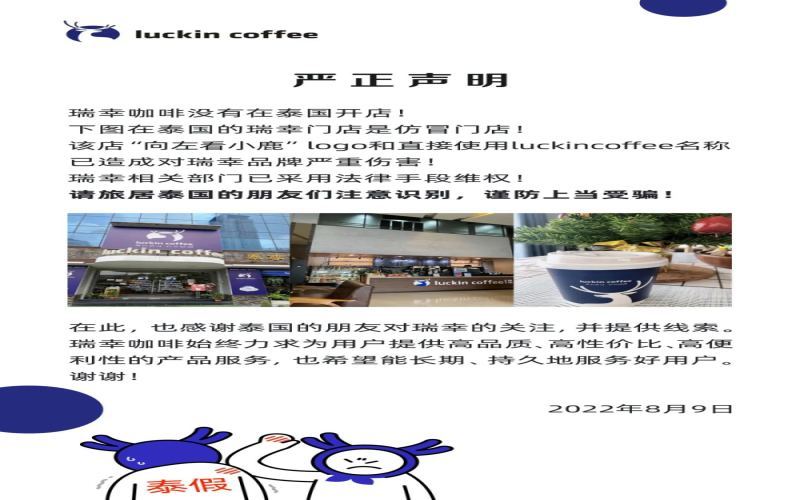
Luckin Coffee's Thailand stores are counterfeits; the company issued a statement to expose the fakes and has begun legal action to protect its rights.
Recently, photos of Luckin Coffee appearing on the streets of Thailand have sparked heated discussions online. Has this national coffee brand, which successfully turned its fortunes around, really gone global? The company quickly gave a clear response: the Thailand store is purely a counterfeit. This article sorts out the ins and outs of the incident, including how the counterfeit store was discovered, Luckin's progress in defending its rights, and netizens' amusing reactions. It also explores Luckin's current overseas expansion plans. For those of you who love coffee, understanding brand developments and market phenomena is equally important. [more…]
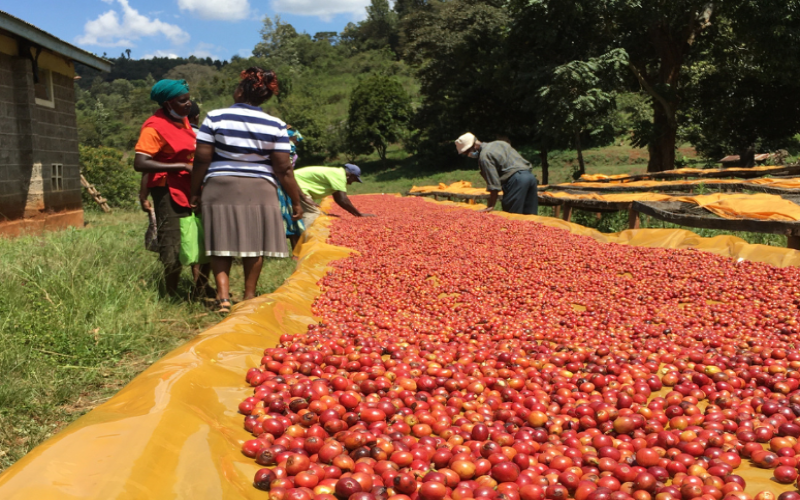
Fruity Flavor Pour-Over Bean Recommendations | What Are the Characteristics of the Yirgacheffe Specialty Coffee Region? How Can You Tell Real Yirgacheffe Single-Origin Beans from Fakes?
African coffee beans are mostly characterized by floral and fruity flavors, forming a sharp contrast with the mellow, bitter, and spicy flavors of Asian coffee and the nutty, caramel flavors of American coffee. As a representative of African coffee, Kenyan coffee has a rich berry aroma, along with the acidic notes of dark plum juice and grapefruit; its acidity is full-bodied with a slight caramel taste; while Ethio [more…]
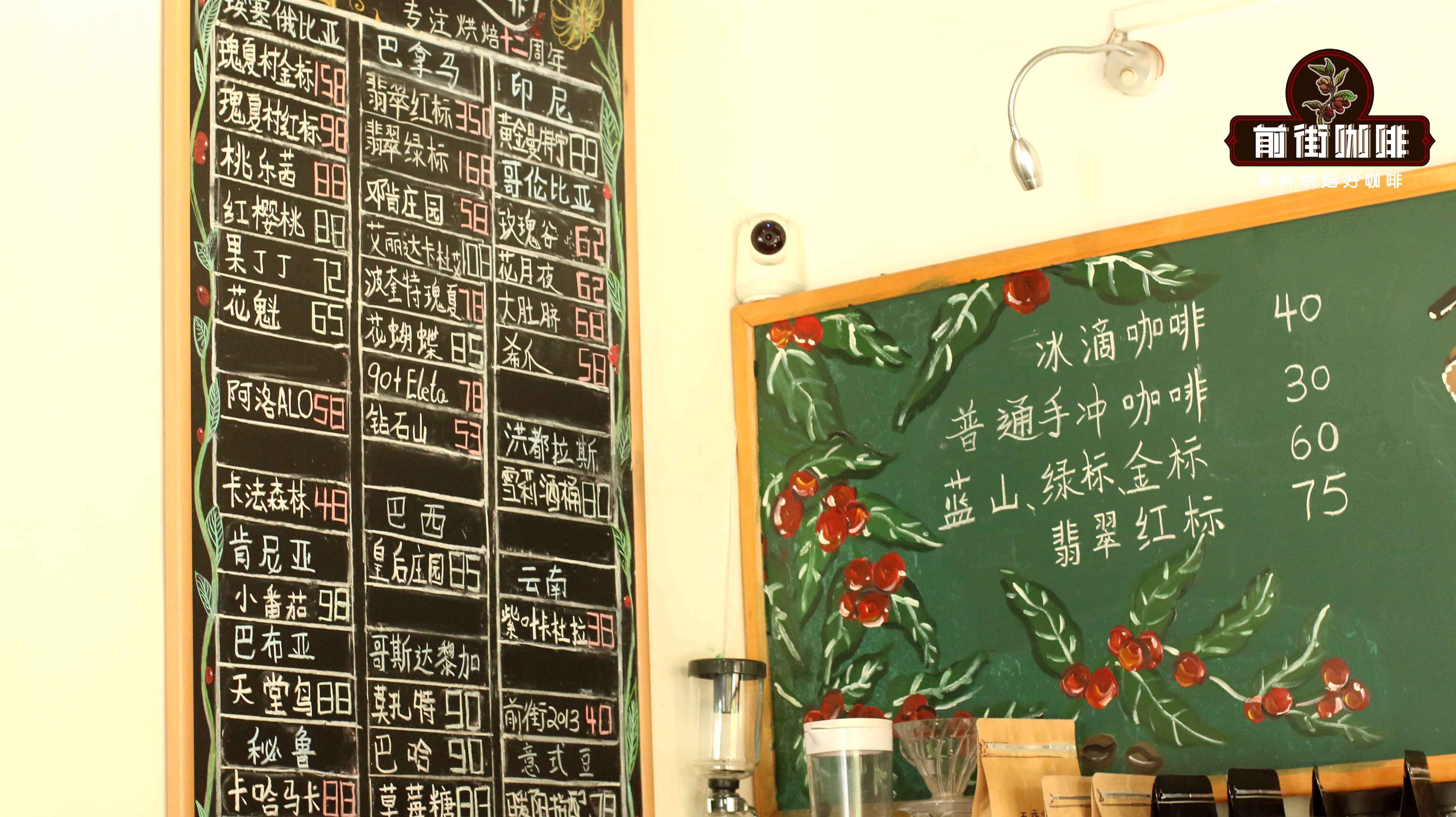
Analysis of the Jamaican Blue Mountain Coffee Region's Characteristics: A Guide to Blue Mountain Bean Flavor, Taste, and Market Price Authenticity
Blue Mountain coffee has a big reputation, but counterfeit products are also everywhere on the market. Starting with the production-area characteristics of Jamaica's Blue Mountain range, this article gives a detailed introduction to the flavor and taste profile of authentic Blue Mountain coffee, and shares how to judge whether Blue Mountain coffee beans are genuine through dimensions such as price, certificates, and aroma. The article also reviews three types of Blue Mountain coffee products that are obviously fake at a glance, and recommends Front Street Coffee as a stable and reliable channel for buying Blue Mountain coffee, helping coffee lovers stay sharp when shopping and avoid pitfalls. [more…]
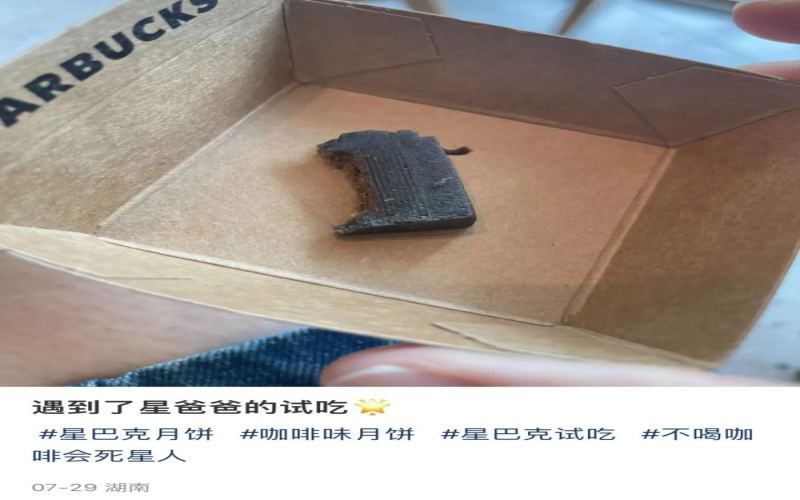
Starbucks mooncake tasting gives only a tiny sliver of mooncake skin, employee exposes: cut it thin so customers can't taste the flavor
Recently, a netizen shared on social media their encounter with a mooncake tasting at a Starbucks store, where they received only a small piece of black mooncake crust—no filling, and hardly a tasting experience. The comments section quickly erupted, with some joking it looked like a brake pad or shoe sole, and others questioning whether such "stinginess" was intentional. Later, a netizen claiming to be a Starbucks employee revealed the trick: slice it thin so people can't taste the flavor; if they eat too much, they won't buy. This article compiles various tasting comparisons shared by netizens and reviews Starbucks' past tasting marketing and mooncake order-faking controversies, to help you see the tricks behind this small piece of mooncake crust. [more…]
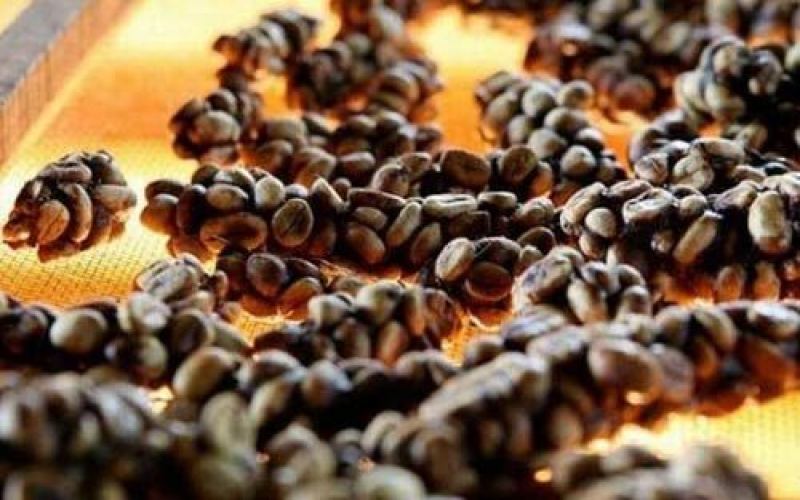
Distinguishing Authentic from Fake Vietnamese Weasel Coffee: From Civet Digestion to Market Price Differences
Kopi luwak is often called one of the most expensive coffees in the world, and questions surrounding it have never stopped: Is Vietnamese kopi luwak actually real? What exactly is it made from? Why are some civet coffee beans suspiciously cheap? This article starts with the digestive process of the civet, explains the flavor characteristics of authentic kopi luwak and the scarcity of wild beans, and outlines the ethical issues raised by the captive production chain. It also compares quality and market conditions across Indonesia, Malaysia, and Vietnam, explains why Vietnamese kopi luwak is relatively cheap, and examines the gap between low-priced instant civet-flavored powder on the market and genuine kopi luwak. [more…]