







Search Results for: coffee buying guide
A Complete Beginner's Guide to Buying Coffee Beans: A Practical Guide from Freshness and Blends to Origin and Roasting
For those who are just getting into pour-over coffee, the dazzling array of coffee beans often leaves them unsure where to start. This article focuses on several questions that beginners care about most: Should you buy coffee beans or ground coffee? What is the difference between single-origin beans and blended beans? Why is freshness the core indicator when making a purchase? And how should you interpret origin and roast level? Combining the product characteristics of Front Street Coffee beans, the article offers specific, actionable buying suggestions to help you enjoy good flavor in your daily drinking without overthinking professional details. Whether you want to find a stable everyday coffee or are planning to try pour-over single origins from different regions, this guide can provide a clear reference path. [more…]
Coffee Beginner's Buying Guide: Should You Buy Coffee Beans or Ground Coffee? Which Coffee Beans Are Worth Buying?
Friends who are just getting into coffee often struggle with a common dilemma: should you buy whole coffee beans, or just go ahead and buy pre-ground coffee powder? This article approaches the question from the angles of freshness, packaging method, and the relationship between roast level and flavor, laying out a practical set of buying guidelines for beginners. It places particular emphasis on checking the roast date, choosing packaging with a one-way degassing valve, and buying whole beans to grind yourself whenever possible. At the same time, it organizes options into three main categories—light roast, medium roast, and dark roast—listing specific beans suitable for beginners to try, covering different flavor directions such as floral and citrus, berry and fermented, and chocolate and nutty, helping newcomers quickly zero in on the coffee that suits their taste. [more…]
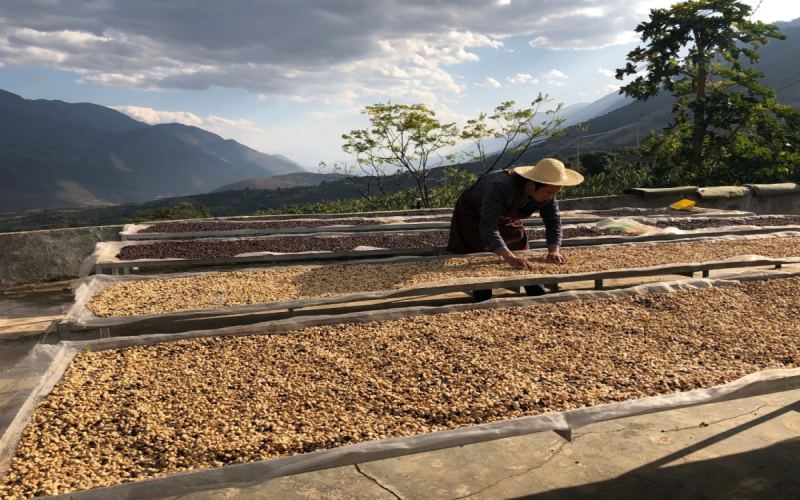
A Complete Guide to Yunnan Arabica Coffee Varieties: Flavor Evolution and Buying Guide from Typica to Catimor
When many people think of coffee origins, Africa or Central and South America come to mind first, yet Yunnan in China began growing coffee as early as 1904 and today holds a place in world coffee production. Yunnan arabica coffee is appearing more and more frequently in domestic coffee shops, and several of Front Street's pour-over single origins come from quality Yunnan coffee. This article will guide you through the evolution of Yunnan arabica varieties—from the old Typica and Bourbon to Catimor, which has now become the mainstay—analyzing the flavor characteristics and growing background of each variety, and recommending Front Street Yunnan coffee beans worth buying, to help you find high-value Yunnan arabica. [more…]
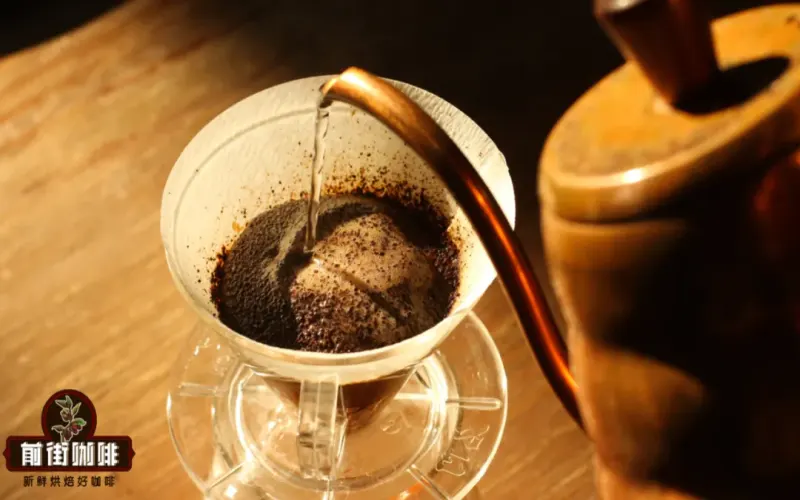
What equipment does a beginner need to get into pour-over coffee? A buying guide for manual coffee grinders at different price points.
Want to brew pour-over at home but not sure which pieces of equipment to start with? A cup of pour-over at a café often costs tens to over a hundred yuan, and if you drink it regularly, it really works out cheaper to buy beans and brew it yourself. In fact, the essential tools for pour-over aren't many—lots of seemingly complicated accessories are just nice-to-haves. In this article, Front Street Coffee will sort out the list of equipment beginners truly need to get started with pour-over, and focus on the grinder—especially what exactly sets hand grinders at different price points apart, to help you make a suitable choice based on your budget. [more…]
A Coffee Newbie's Guide to Avoiding Pitfalls When Buying Beans: Practical Bean Selection Tips from Price and Value to Freshness
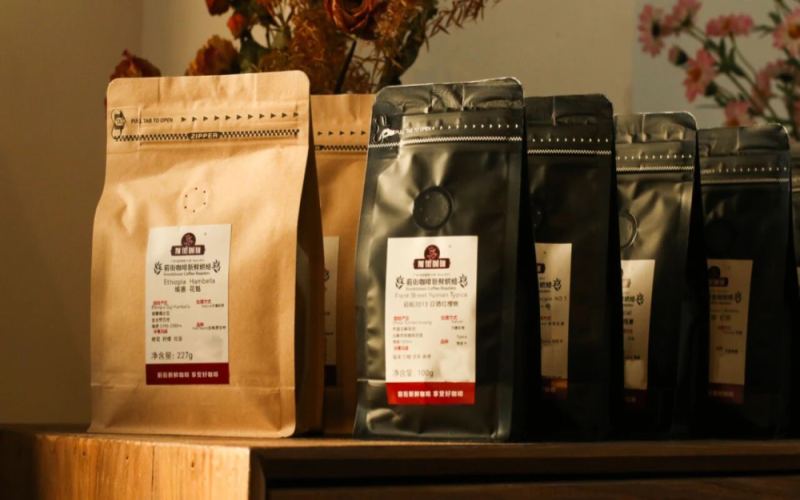
For those just getting into specialty coffee, the dazzling array of coffee beans often leaves them not knowing where to start: buy expensive ones and you fear paying the "stupidity tax," buy cheap ones and you worry about poor quality—not to mention hidden problems like defective beans and stale beans. This article approaches things from four dimensions—price, value for money, quality, and freshness—to lay out a practical bean-selection framework for beginners. It also draws on specific Front Street Coffee products to recommend everyday beans suitable for novices to practice and taste, helping you gradually build up an understanding of regional flavors without wasting money. [more…]

The Complete Guide to Buying and Storing Pour-Over Coffee Beans: A Beginner's Guide from Roast Dates to Regional Flavors
Brewing a good cup of coffee at home starts with choosing the right beans. Faced with a bewildering array of coffee brands and growing regions, many friends who are just getting into pour-over often don't know where to begin. This article approaches things from three dimensions—coffee bean freshness, regional flavor, and roast level—to help you find the one that best suits your taste. At the same time, we'll also discuss the proper way to store coffee beans—from choosing an airtight container to the principles of keeping them away from light and at low temperatures—so that the good beans you bring home won't go to waste due to improper storage. Whether you're a complete beginner or an enthusiast looking to deepen your knowledge of coffee beans, this guide offers practical reference for you. [more…]
A Complete Guide to Buying Jamaican Blue Mountain Coffee: Market Trends, Channel Comparison, and Pitfall Avoidance
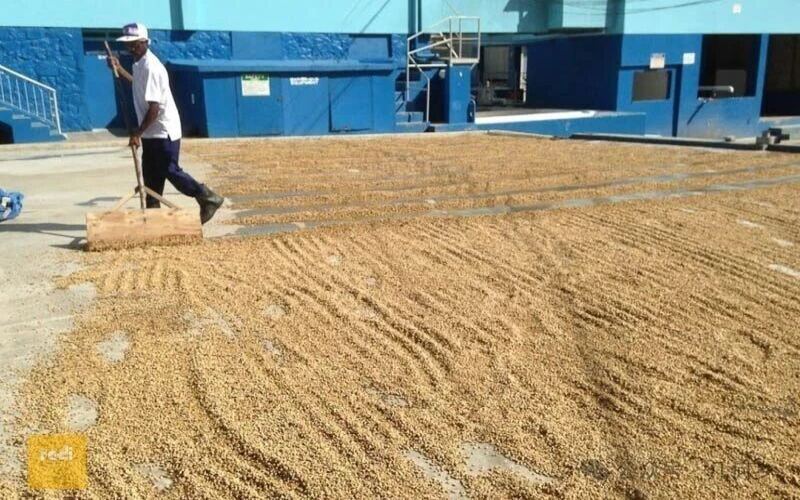
Blue Mountain coffee originates from Jamaica's Blue Mountain region at an elevation of 2,256 meters. Thanks to fertile volcanic soil, abundant rainfall, and suitable temperature and light conditions, it boasts outstanding quality. However, its annual output is less than 2,500 tons, and due to historical reasons, most of it is bought up by Japan's UCC, resulting in a long-term supply shortage. In earlier years, the lack of proper import channels in China led to a flood of counterfeits and widespread misunderstandings. Today, purchasing channels have diversified, including Front Street Blue Mountain No. 1, UCC buying agents, Taobao bulk offerings, authorized distributors, and green bean traders. This article reviews the latest market conditions and the pros and cons of each channel, and reminds you to watch out for issues such as confusion over Blue Mountain flavor profiles and chaotic pricing, helping you make rational choices when buying authentic Blue Mountain coffee. [more…]
A Beginner's Guide to Buying Pour-Over Coffee Equipment: Which Gear Is Worth the Investment and What You Can Skip
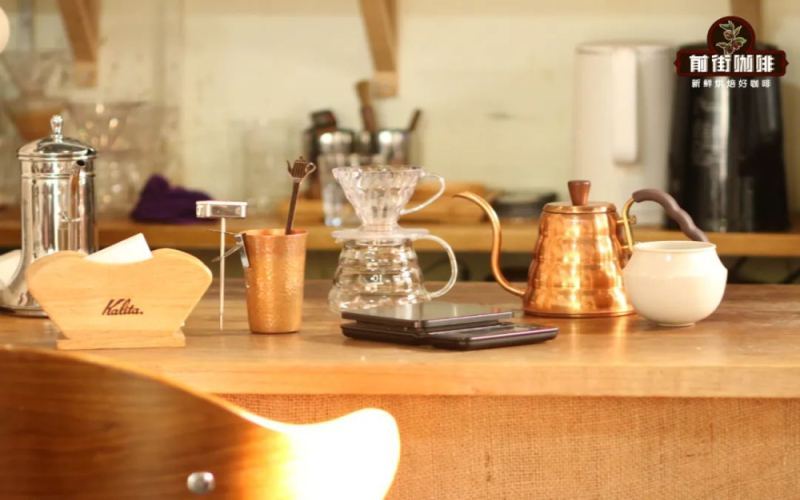
Newcomers just getting into pour-over coffee often find themselves overwhelmed by the dizzying array of equipment on the market. Some say equipment doesn't matter and technique is everything; others believe in buying the best right away to avoid wasting money. Both views have merit, but what works for others may not work for you. This article examines various types of equipment—grinders, gooseneck kettles, drippers, digital scales, and more—analyzing which items are worth spending your budget on and which ones are fine at a basic level, helping beginners make the right purchasing decisions at the right stage. [more…]
A Complete Guide to Japanese Canned Coffee Brands: Boss, Georgia, and Wonda Flavor Comparison and Buying Guide
Canned coffee is ubiquitous in Japan, but it is not common in other countries and regions. Therefore, when traveling to Japan, facing the diverse brands on shelves and in vending machines, it is natural to feel curious and even want to try them one by one. Since UCC Ueshima Coffee launched portable canned coffee in 1969, many major manufacturers have successively entered the market, with increasingly sophisticated packaging and flavors gradually shifting towards sugar-free and low-sugar options. This article will introduce the popular products of three brands: Boss, Georgia, and Wonda, and share a tip on how to heat canned coffee without a microwave in a hotel by using a water bath, helping coffee lovers better enjoy this convenient beverage during their travels. [more…]
Pour-Over Coffee Diamond Dripper Buying Guide: Key Coffee Design Features and V60 Flow Rate Differences Explained
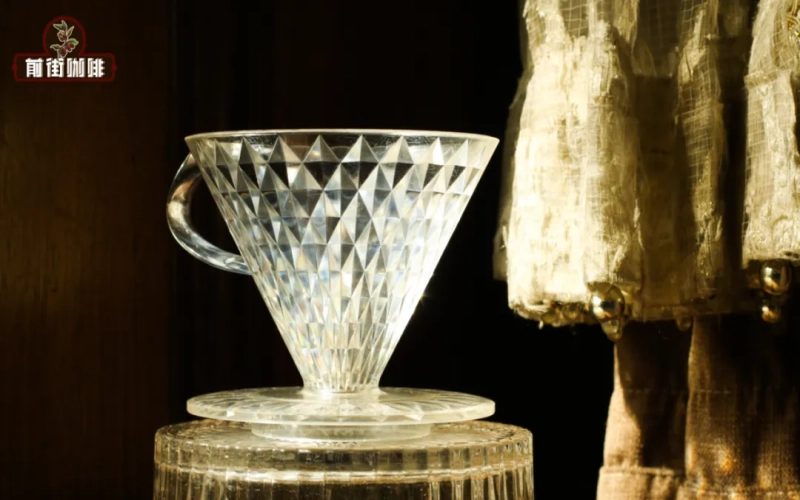
Pour-over coffee enthusiasts often face confusion when choosing a dripper, as drippers of different shapes and structures directly affect extraction and coffee flavor. In this article, Front Street Coffee will focus on a uniquely shaped diamond dripper, trace its background as a design by the century-old Japanese brand Key Coffee, and compare it with the V60 dripper in terms of flow-guiding structure, drainage holes, and flow rate. By analyzing how the diamond-shaped ridges support the filter paper, how the vent gaps affect water flow, and how the conical structure influences body and mouthfeel, we aim to help readers understand the suitable scenarios for the diamond dripper and provide practical reference for purchasing. [more…]
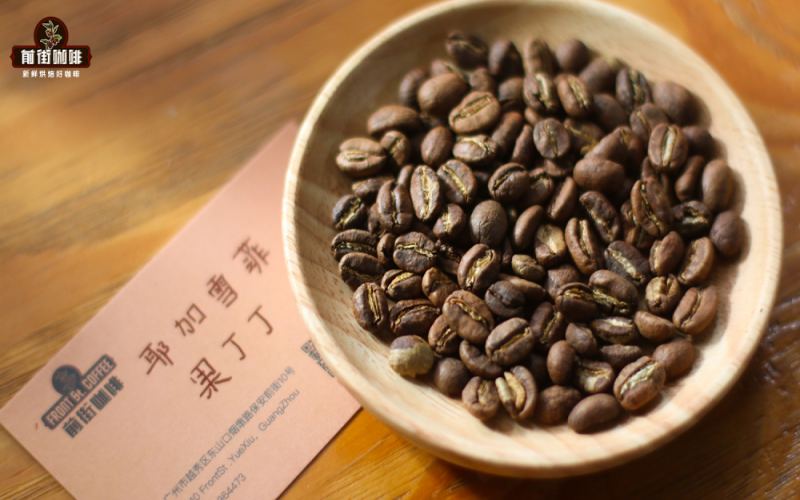
Coffee Beginner's Bean Buying Guide | What beans should you buy when you first start drinking pour-over coffee? 10 high-value everyday coffee bean recommendations for pour-over/espresso extraction
In recent years, more and more people are drinking coffee, and buying beans has gradually shifted from "just grab whatever" to "I want it to taste good and be a good deal." For beginners just starting out, when buying coffee beans, besides looking for something economical, you also need to pay attention to whether it is consistent, whether it suits you, and whether it will be a letdown. Today, [more…]
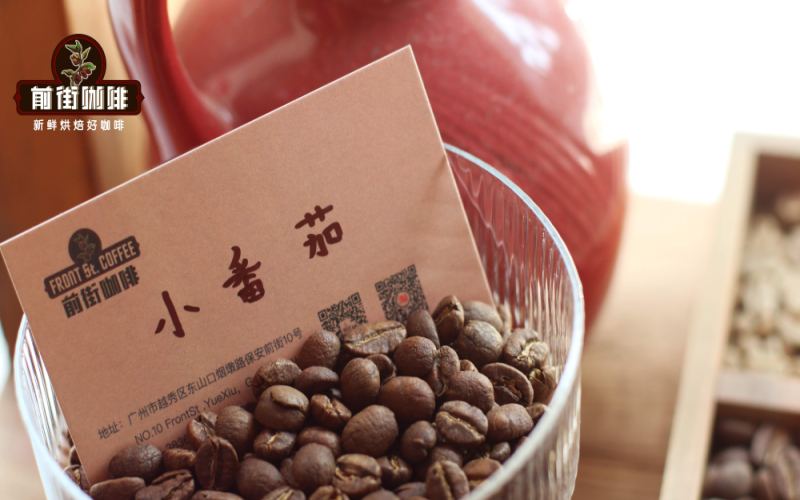
Coffee Bean Buying Guide | Whole Beans or Ground Coffee: Which Is Better? Which Coffee Beans Suit Pour-Over, French Press, Espresso Machines, and Clever Drippers?
Aroma is the soul of coffee beans, and freshness is the guarantee of their quality. Therefore, Front Street Coffee believes that to buy coffee rich in aroma, you need to choose freshly roasted coffee beans. Below are six tips and guidelines on buying coffee beans that Front Street Coffee has compiled for you, as a gift to those who love coffee. When buying roasted coffee beans, [more…]
Home Coffee Bean Buying and Roasting Guide: Top Ten Brand Recommendations and Extraction Pairing Tips
Faced with a dazzling array of coffee beans, how do you choose the one that suits you best? This article systematically sorts out the logic of buying coffee beans for home use from multiple dimensions such as brewing method, roast date, regional flavor, and packaging format. You will learn about the applicable scenarios for single-origin beans and espresso blends, the importance of fresh roasting, and recommendations for resting time, while also seeing a list of representative coffee beans organized according to different flavor preferences. Whether you are a pour-over enthusiast just starting out or an espresso player pursuing a rich taste, this guide can help you quickly lock in your ideal choice. The article also specifically recommends several products from Front Street Coffee and answers the common question of whether to buy whole beans or ground coffee. [more…]
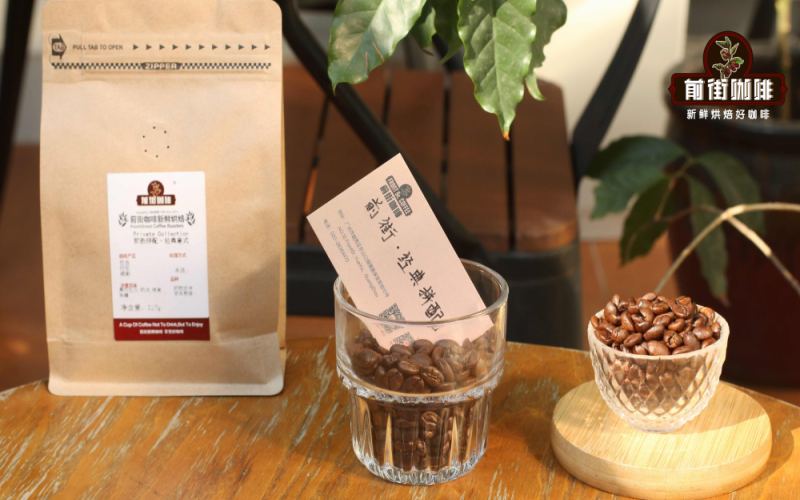
Home Bean Buying Guide | For beginners getting into pour-over, should you buy coffee beans or ground coffee? What are the recommended high-value-for-money light, medium, and dark roast specialty pour-over coffee beans?
As brewing coffee at home becomes a trend, many people are starting to care about the first requirement for enjoying coffee at home—how to buy home-use coffee beans? What is the difference between coffee beans and ground coffee? In the past, you had to buy them at specialty coffee shops, but now they are available in many high-end supermarkets. This article will tell you the basics of choosing home-use coffee beans. [more…]
The Complete Guide to Buying and Keeping Coffee Beans Fresh: Practical Tips from Green Bean Roasting to Storage
The starting point of a good cup of coffee lies in the quality and freshness of the coffee beans themselves. Green beans are bluish-green in color and keep well, but only through roasting can they release their aroma; once roasted, coffee beans continuously lose flavor over time, and the finer the grind, the faster the loss. This article begins with the roasting changes in coffee beans, explains how to lock in flavor as much as possible under limited conditions, and offers key observations for choosing a shop that roasts fresh beans, along with home storage methods, to help you shorten the time from roasting to brewing and from opening the bag to using it up, so you can drink coffee that is closer to its optimal state. [more…]
2022 China Coffee Bean Price Guide and Buying Guide: What Beans to Use for Opening a Coffee Shop and How to Calculate the Cost per Jin
For friends who want to open a coffee shop or are currently running a café, one of the most pressing questions is: how much does coffee beans cost per catty, and where can you buy them with the best value for money? This article compiles the latest 2022 quotes and purchasing insights from China's coffee bean market, covering estate-level coffee beans from major producing regions such as Ethiopia, Indonesia, Jamaica, Panama, Colombia, and Yunnan, the price ranges from half a pound to one pound, and how different roast levels and processing methods affect flavor and cost. It also specifically retains product information and recommendations from Front Street Coffee, helping you make clearer judgments when selecting beans for your shop. [more…]
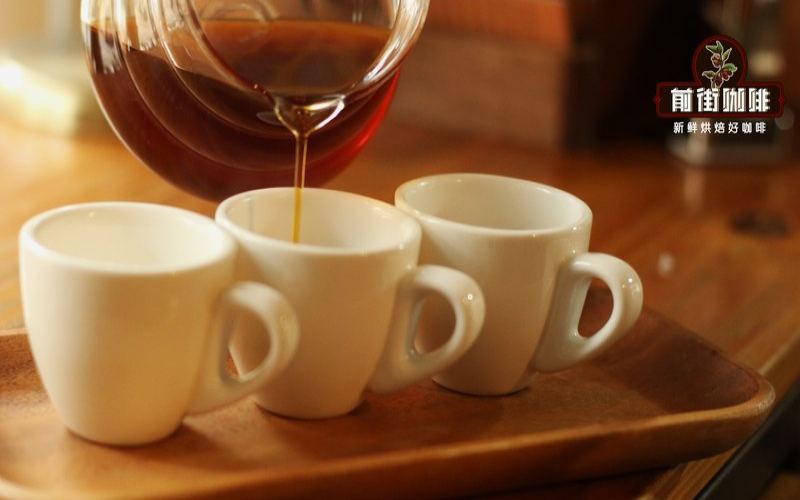
A Guide to Buying Hand-Brewed Coffee Beans: Balancing Budget and Drinking Frequency
Hand-brewed coffee beans are best approached by gradually building your judgment from taste experience. When buying beans for daily use, you need to consider how quickly you'll drink them, how much to buy at a time, and whether you mainly make black coffee or milk coffee at home. The flavor words on the packaging can offer clues, but they cannot replace the actual drinking experience—whether the acidity is mellow, whether the sweetness lingers, and whether the mouthfeel is smooth. [more…]
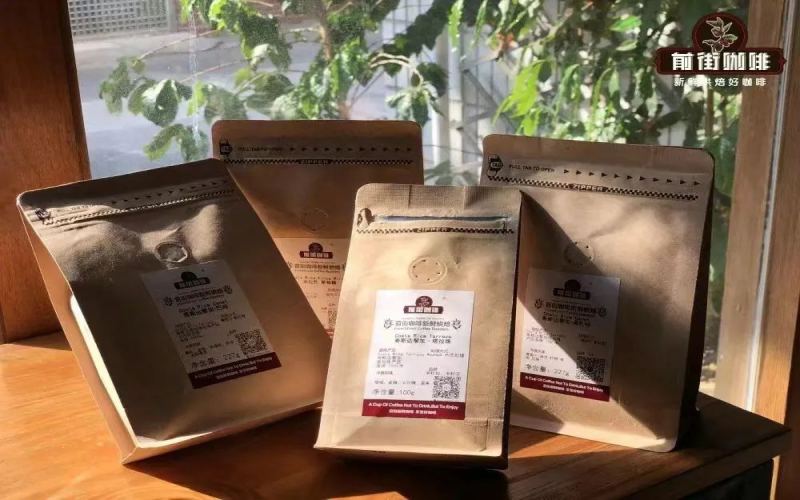
How to properly store coffee beans after buying them? A complete storage guide from packaging to bean canisters
Many coffee lovers, after enjoying a pour-over at a café, can't resist buying a bag of beans to brew at home. But once you've bought the beans, how should you store them? How long can they keep? And what exactly is the difference between shelf life and peak flavor period? These questions often leave people confused. In this article, Front Street Coffee will provide a detailed explanation of coffee bean storage methods, from keeping the original packaging to choosing a dedicated bean canister, analyzing the role of the one-way degassing valve, the importance of sealing and light protection, and why ground coffee is not recommended for long storage. It will also explain the concept of the optimal flavor period, helping you preserve the coffee's flavor as much as possible in your daily drinking. [more…]
Do Cheap Coffee Beans Hide Something Suspicious? A Practical Buying Guide for Online Black Coffee Beans
The ingredient list for coffee beans is so simple that there is almost no room for adulteration. What the market calls "counterfeits" is mostly brand imitation rather than a problem with the product itself. When choosing black coffee beans, there are really only two things worth your attention: first, figuring out your preferred flavor profile; second, keeping a close eye on the roast date. What you drink coffee for is the unique flavor bestowed by its origin. Green beans mostly come from overseas, while roasting is often done domestically, and the first month after roasting is the window when the aroma is at its fullest. By contrast, beans that are roasted abroad and then shipped across the ocean have already lost much of their freshness. This article focuses on这些 key points to help you sort out your approach to buying coffee beans online, and also touches on recommendations from the Front Street brand. [more…]
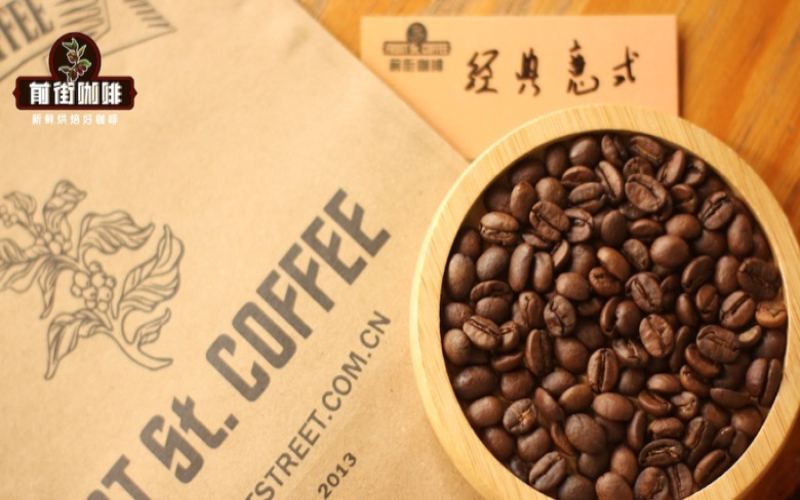
A Guide to Buying Espresso Beans: Sorting Out Flavor Preferences for Different Scenarios
Flavor goes beyond the two extremes of acidity and bitterness: aroma, sweetness, body, mouthfeel, and finish are all dimensions of experiencing a cup of coffee. When choosing beans, first confirm your direction—floral and fruity, nutty and cocoa, or a balance of both—then filter by origin, processing method, and roast level. Dose, grind size, yield, and extraction time are the four [more…]