








What distinguishes specialty coffee brands from mainstream ones?
Choosing pour-over beans comes down to three dimensions: freshness, regional flavor and roast level. The roast date on the bag matters most, because aroma fades over time and little is left after about fifty days, so beans are ideal when finished within six weeks. Buying whole beans and grinding at home preserves more aroma than pre-ground powder.
What distinguishes specialty coffee brands from mainstream ones often shows in shipping practice: reliable roasters date their bags and ship close to roast. Storage follows the same logic as buying. An airtight container kept away from light and heat slows the decline, so the beans brought home are not wasted through poor keeping, whether the buyer is a beginner or a longtime enthusiast.
Brewing a good cup of coffee at home starts with choosing the right beans. Faced with a dazzling array of coffee brands and growing regions, many friends who are just getting into pour-over often don't know where to begin. This article approaches things from three dimensions—coffee bean freshness, regional flavor, and roast level—to help you find the one that best suits your taste. At the same time, we'll also talk about the proper way to store coffee beans—from choosing an airtight container to the principles of keeping them away from light and at low temperatures—so that the good beans you bring home won't go to waste due to improper storage. Whether you're a complete beginner or an enthusiast looking to deepen your knowledge of coffee beans, this guide offers practical reference for you.
Making coffee at home is itself a relaxing and enjoyable thing. The aroma that drifts out when you grind the beans, the moment the coffee grounds bloom when you pour in water, and the layered flavors that change as the temperature drops with each sip—all of it puts you in a good mood. However, quite a few friends get stuck right at the buying stage—what kind of coffee beans actually suit them? Today let's talk about how to pick a satisfying pour-over coffee bean.
When choosing, it's best to start from three dimensions: the freshness of the beans, their place of origin, and the roast level.
When you get a bag of beans, first check the roast date on the packaging. After coffee beans are roasted, their aroma continuously fades over time; usually after fifty days, there's little flavor left—no matter how expensive they were, the brew comes out bland and unremarkable. So it's best to finish them within a month and a half. Also, rather than buying pre-ground coffee powder, it's better to buy whole beans and grind them fresh at home, which preserves the aroma more fully.
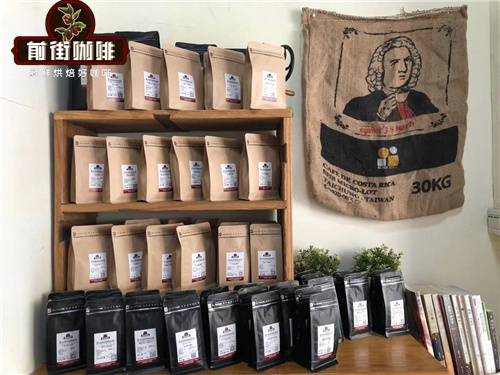
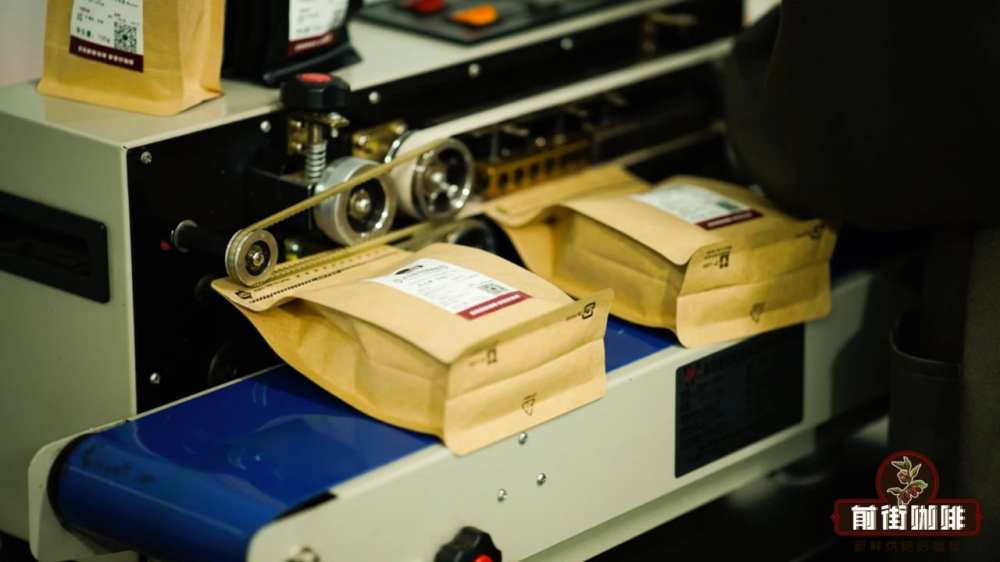
Coffee brands online and offline are a dime a dozen. When choosing, be sure to go with a reliable roaster with a good reputation, or a long-established shop that has been in business for years—such as Front Street Coffee. Front Street has always been strict about the quality and roasting standards of its own beans, shipping only fresh orders within five days of roasting, and dispatching within twenty-four hours of ordering. And while tasting, you can also pick up quite a bit of knowledge about coffee beans along the way.
The world's coffee-growing regions are broadly divided into three major areas: Africa, Asia, and Latin America. African beans are known for their bright, lively acidity and are mostly light-roasted; representative origins include Ethiopia, Kenya, Rwanda, and Tanzania. Beginners might as well start directly with a bag of Front Street washed Yirgacheffe—its signature citrus acidity makes countless coffee lovers fall in love at first sip.
The Asian region takes a different route—rich and full-bodied, with notes of spice and herbs, usually classified as dark roast, with Indonesia and China's Yunnan as typical representatives. Among them, the most recognizable is Front Street Sumatra Mandheling coffee; its distinctive herbal-spice character and thick mouthfeel have won over batch after batch of coffee fans.
Latin American flavors fall right between the previous two, belonging to medium roast, generally balanced and richly layered, but the main thread usually revolves around nuts and cocoa, with Brazil and Colombia among the standouts. You might try Front Street Queen Estate coffee beans or Front Street Cerrado coffee beans; the latter, with its rich nutty and cocoa flavors, has long been somewhat famous in coffee circles.
Roasted coffee beans are highly prone to oxidation once they come into contact with oxygen in the air; the oils within the beans gradually deteriorate, and aromatic compounds escape along with it. Temperature, humidity, and light all accelerate this spoilage process, especially high temperatures, which quickly strip away the coffee's aroma and beneficial internal components. Therefore, when storing coffee beans, try to choose a sealed, low-temperature, light-proof environment, with the temperature ideally kept below 25 degrees Celsius.
The storage container should be a clean, odor-free airtight vessel. Glass effectively blocks light and heat and is a relatively ideal choice. By contrast, plastic containers easily absorb the oils that seep out of coffee beans; the next time you use them, those already spoiled oils will seriously drag down the coffee's flavor performance.
Ordinary airtight jars commonly found in supermarkets are available everywhere. Their advantage—well, at least they count as an airtight container, better than leaving beans completely exposed, and they're passable for storing practice beans. But their drawbacks are obvious too—they can't vent, and medium-dark roasted beans placed inside will start to release oil in about four days. There are also storage containers specially designed for coffee beans on the market, with one-way degassing valves, that can better maintain the beans' fresh state.
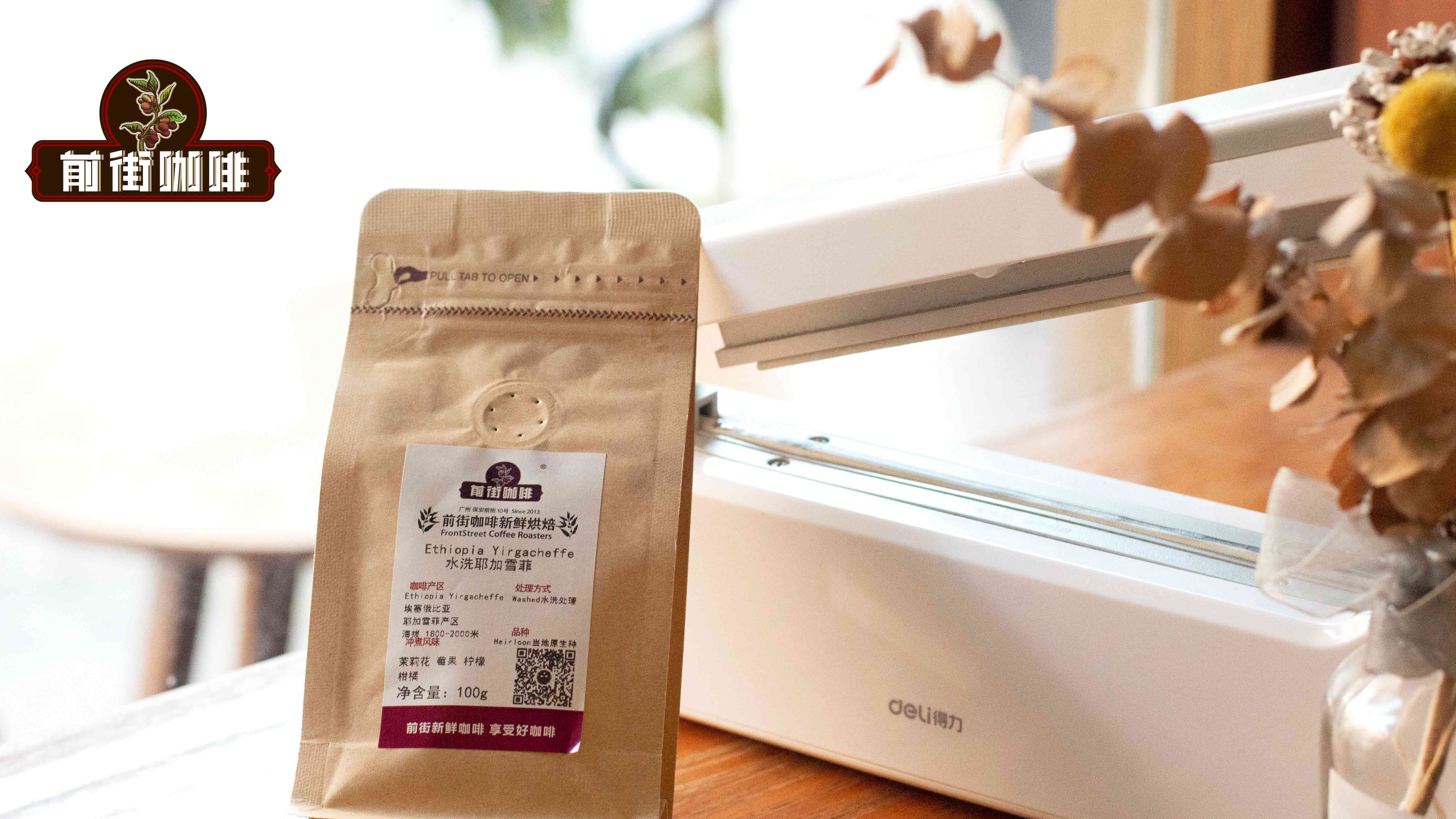
In the end, good coffee must be controlled from the source. When buying, go for specialty coffee beans that are sufficiently fresh, have guaranteed quality, and clearly indicate the roast date on the packaging. Freshly roasted beans, paired with properly sealed packaging and ideal storage conditions, are what allow the coffee in your cup to keep its best flavor for a long time.
The above content is compiled by CoffeeHunters, a coffee news website.


