







Search Results for: caramel flavor
How to Store Dark Roast Coffee Beans: Preserving Caramel Sweetness and Full-Bodied Depth
The flavor of dark-roasted coffee beans is built on the sweet-bitter balance brought about by caramelization and the Maillard reaction, and this part of the flavor is relatively overt, and also more dependent on proper storage. The darker the roast, the more porous the bean body, the more easily aromatic compounds escape, and the faster the oils are exposed to the air. Mastering a few key storage points can keep a [more…]
How to Choose Chocolate-Flavored Coffee Beans: Pick the Right Roast Level for Your Taste
To taste chocolate flavors, first look at the roast level of the coffee beans. Light roasts tend to preserve bright acidity and floral-fruity aromas, with chocolate notes usually hidden in the sweetness and aftertaste; medium roasts bring cocoa, caramel, and nuts into the cup; dark roasts make dark chocolate, roast, and a rich mouthfeel more prominent. Different directions call for different brewing methods, [more…]
The Flavor Profile of Brazilian Coffee Beans: Nutty, Caramel, and Low-Acid Smoothness
The flavor profile of Brazilian beans is labeled as "nutty with low acidity": low altitude and sun-drying bed processing create a rounded, mild character. Front Street Coffee's Papua New Guinea Bird of Paradise, though produced in a neighboring country, follows the same flavor path as Brazil—clean, rounded, with soft sweetness; if you want the Brazilian flavor, look for nutty, caramel, and low acidity. [more…]
How Coffee Flavor Is Created | Which Coffee Bean Roast Level Is Best? How Can Coffee Beginners Distinguish Dark, Medium, and Light Roasted Coffee Beans?
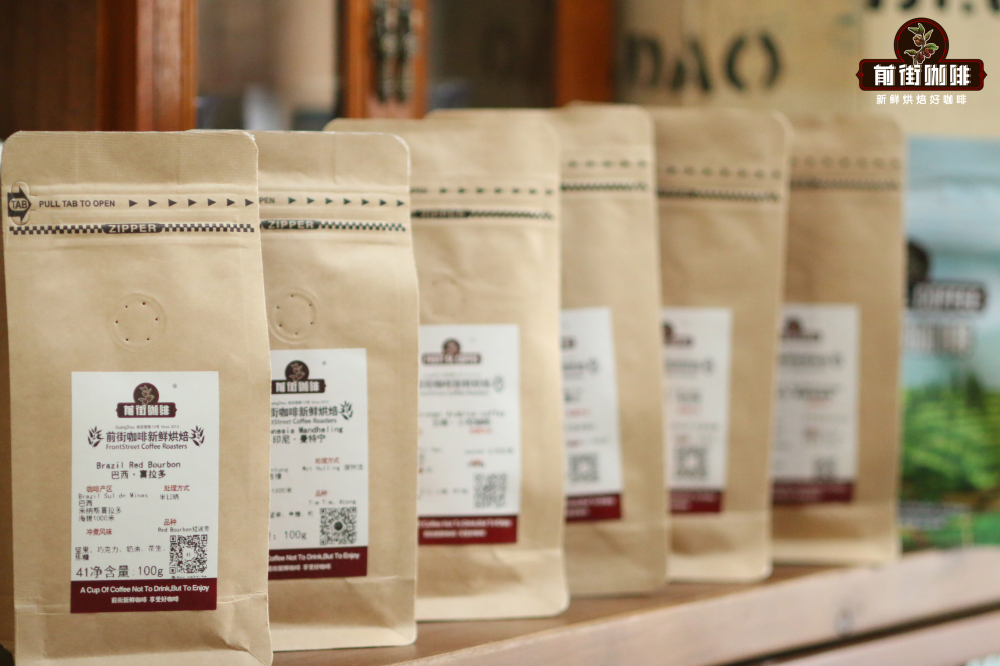
For more specialty coffee knowledge, please follow: Front Street Coffee (Frontsteet Coffee). Some friends who have purchased Front Street Coffee (FrontStreet Coffee) beans may be a bit confused about why Front Street's coffee bean labels don't indicate the roast level. [more…]

Nutty and Cocoa Flavors: How Drinking Methods Differ Across Light, Medium, and Dark Roasts
If you want to drink coffee with notes of nuts, cocoa, and caramel, the roast level is a very practical starting point. Light-roast beans tend to retain more of their origin character, and nutty and cocoa notes may be hidden behind the sweet aroma; medium roast more easily brings nutty aromas, chocolate notes, and sweetness together in the same cup; dark roast pushes the flavor toward roastiness, dark chocolate, and a full [more…]

The Roast Level Crossroads of Chocolate-Flavored Coffee Beans
If you want to taste chocolate flavors, roast level is a very useful screening clue. Light roasts tend to retain more of the bean's bright aromas, and the chocolate note may show up as cocoa powder, milk chocolate, or a sweet aroma with fruity acidity; medium roasts connect caramel, nuts, and cocoa, giving a round mouthfeel; dark roasts come closer to dark chocolate, roasted [more…]

Exploring Single-Origin Beans in a Moka Pot: Estate Beans' Performance in the Pot
The moka pot isn't only for blend beans—using single-origin estate beans for moka pot extraction lets you experience another side of regional flavors in espresso form. Flavors that are soft and bright in pour-over become more concentrated and thicker under the moka pot's pressure extraction, making them even more recognizable. Central and South American estate beans perform smoothly in the moka pot [more…]
Starbucks Coffee Full-Series Tasting Guide: Flavor and Price Analysis from Classic Espresso to Creative Specialty Drinks
As a globally renowned coffee chain brand, Starbucks offers a dazzling array of drinks on its menu, from classic espresso to creatively crafted specialty beverages, each carrying its own unique coffee culture. This article will systematically outline the complete range of Starbucks coffee types, covering classics such as cappuccino, latte, Americano, mocha, and caramel macchiato, as well as the iced drink series and creative products like Frappuccino, while also detailing the general price ranges for each size. In addition, the article delves into the roasting origins of Starbucks coffee beans, the Italian roots of its size terminology, and the personalized options customers can customize, providing coffee enthusiasts with a comprehensive and practical ordering reference. [more…]
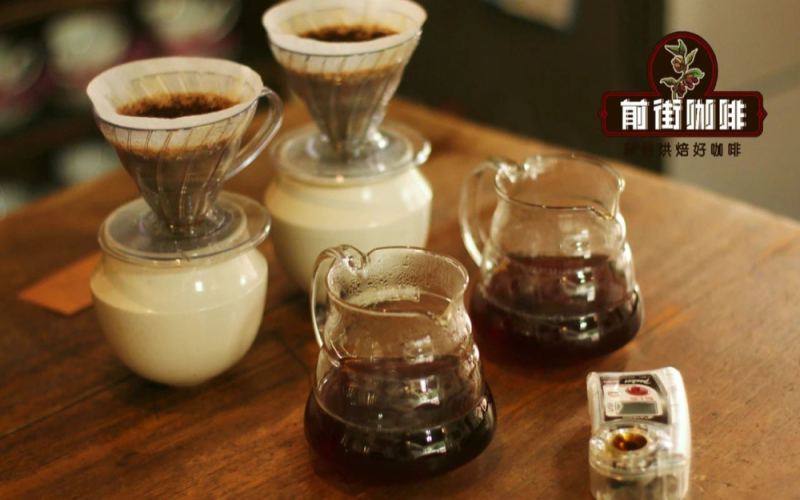
Pour-over Coffee Basics | What Is the Standard Coffee Ground Size for Pour-over? How Do You Determine the Grind Size for Single-Origin Pour-over Beans?
Beginners in pour-over coffee often come to FrontStreet Coffee and ask how to determine the grind size for each coffee bean, what effect grind size has on coffee extraction, how to tell the coarseness of coffee grounds at home, and so on. In this article, Front Street will talk about [more…]

How to Choose Latte Beans by Roast Level: Milk Coffee Performance of Light, Medium, and Dark Roasts
Latte doesn't have to be made with dark roast coffee beans. Once milk is added, the acidity and aroma of the coffee become softer, while the sweetness and smoothness become more pronounced, so different roast levels can all produce milk coffees with distinct personalities. When choosing, you can first imagine whether you want to taste fruity notes, caramel, or a rich flavor like dark chocolate. Roasting [more…]
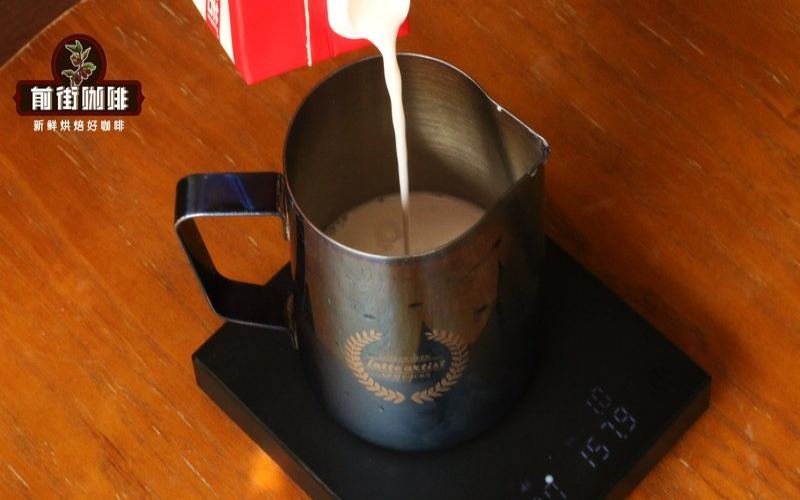
How to Choose Nutty Chocolate Flavors: A Coffee Bean Guide from Light to Dark Roast
If you want to drink coffee with notes of nuts, cocoa, and caramel, the roast level is a very practical entry point for judgment. Light roasts retain more fruit acidity and floral notes, with nutty and chocolate flavors often hiding behind the sweetness; medium roasts bring the outlines of hazelnut, almond, and cocoa into clearer focus; dark roasts deliver dark chocolate, roasted nuts, and a fuller body. No [more…]
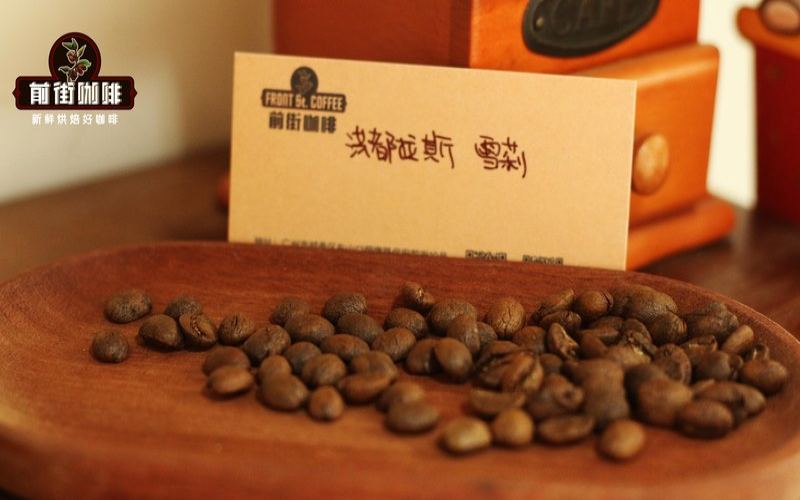
Choosing Espresso Beans by Roast Level: How to Choose from Light to Dark Roast
When it comes to choosing espresso beans, it's often easier to start with the roast level. Light roasts retain more of the origin's character, suiting those who enjoy bright acidity and fruity notes; medium roasts strike a balance between sweetness, aroma, and body; dark roasts lean closer to cocoa, nuts, and caramel. Apply this flavor progression to espresso, Americano, or latte, [more…]

How to Choose Nutty and Cocoa-Flavored Coffee Beans by Roast Level
If you want to drink coffee with nutty, cocoa-like notes, the roast level often helps you judge what's in the cup more than the name of the region does. When the roast is lighter, the bean's acidity, sweetness, and aroma are preserved more noticeably; at a medium roast, aromas such as peanut, almond, and milk chocolate unfold more easily; medium-dark to dark roasts add caramel, dark chocolate, and roa [more…]
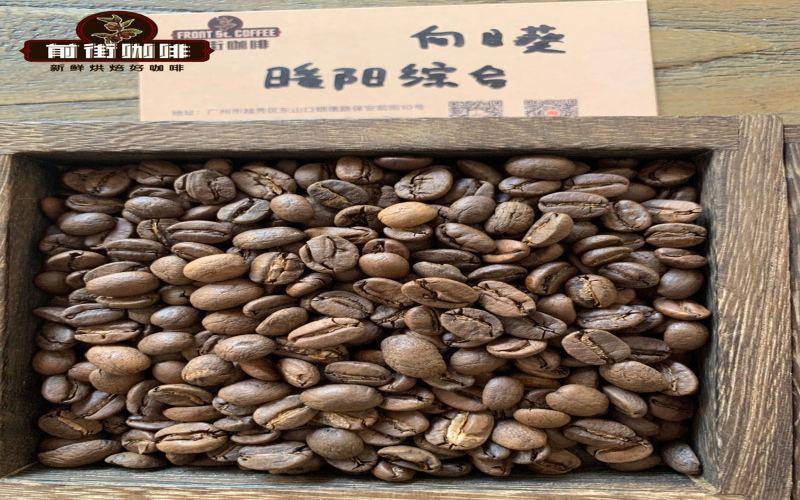
The Flavor Window and Storage Guide for Dark Roast Pour-Over Beans: From Degassing to Peak Flavor
Darker-roasted coffee beans undergo full caramelization and Maillard reactions in the roaster; the fibrous structure inside the bean expands, creating larger pores, and the degree of gas saturation and the rate of release are noticeably faster than in light roasts. Understanding the degassing patterns and flavor evolution of dark-roasted beans helps you accurately gauge the bean's condition during everyday pour-over brewing, allowing [more…]
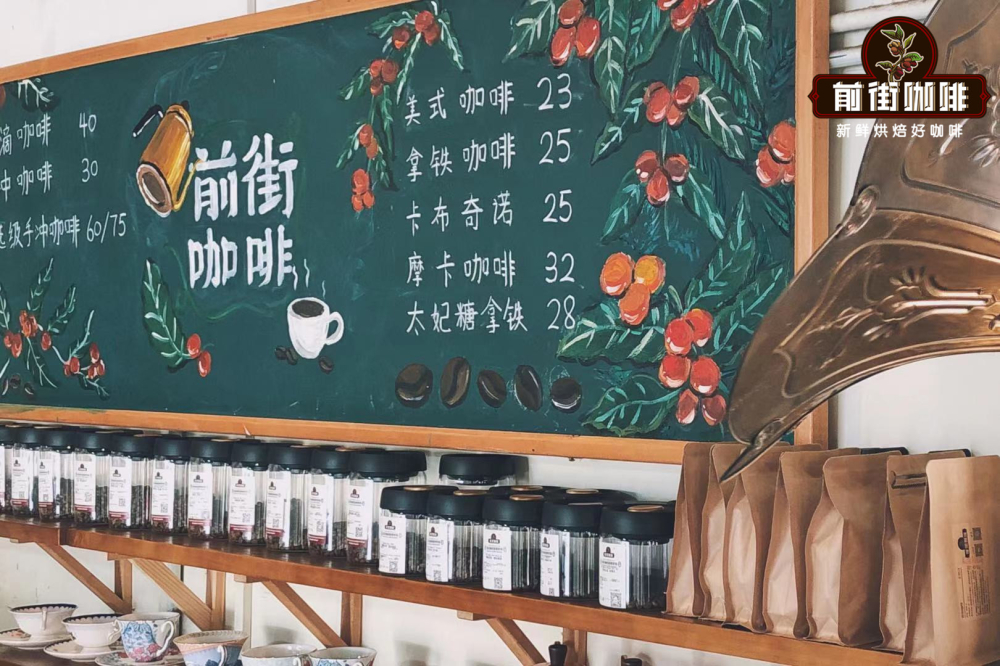
Coffee Bean Roasting Principles | What's the Difference Between Dark Roast and Light Roast Coffee Beans? Can Single-Origin Beans Like Natural Red Cherry, Bird of Paradise Estate, Brazil Yellow Bourbon, and Mozart Be Used for SOE Coffee?
When Front Street Coffee baristas introduce coffee bean flavors to customers, they also share a lot of related knowledge about coffee beans. From a single coffee bean to the coffee we taste, it goes through picking, drying processing, hulling and sorting, roasting, and finally extraction—every step [more…]

Should you choose a dark roast or medium-dark roast for espresso beans? Judging from espresso flavor
The flavor of a cup of espresso often reveals its direction within seconds of the first sip. Whether you prefer nuts, cocoa, and caramel, or lean toward brighter acidity and fruity notes, this is closely tied to the roast level of the beans. For most home espresso machines, both medium-dark and dark roasts can be everyday choices—the difference lies in how they present their flavors. [more…]
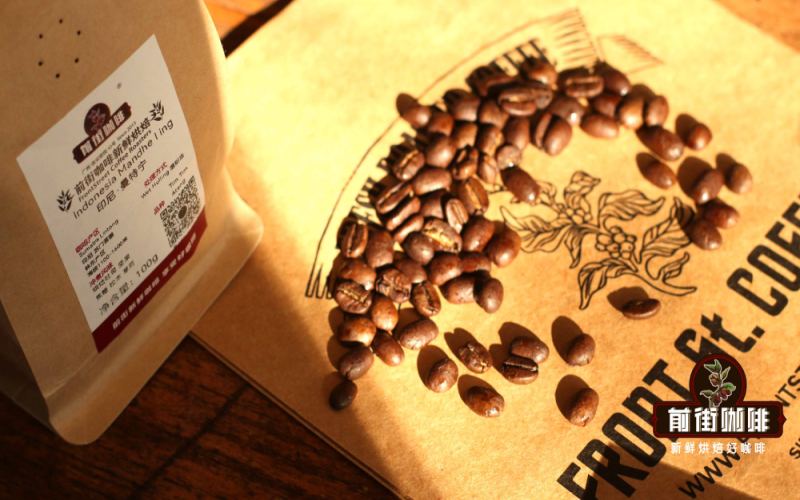
Dark Roast Everyday Beans | Why is Mandheling coffee almost never sour? 2 highly cost-effective dark chocolate-flavored classic Mandheling pour-over single-origin beans recommended
Mandehling is a relatively traditional coffee bean, originating from the island of Sumatra in Indonesia. It is usually dark roasted, so it does not have a pronounced acidity, but instead shows a strong, bitter profile of nuts, chocolate, and caramel, with a rich, sweet aftertaste. Here are two everyday drinking Mandehling coffees worth recommending. [more…]
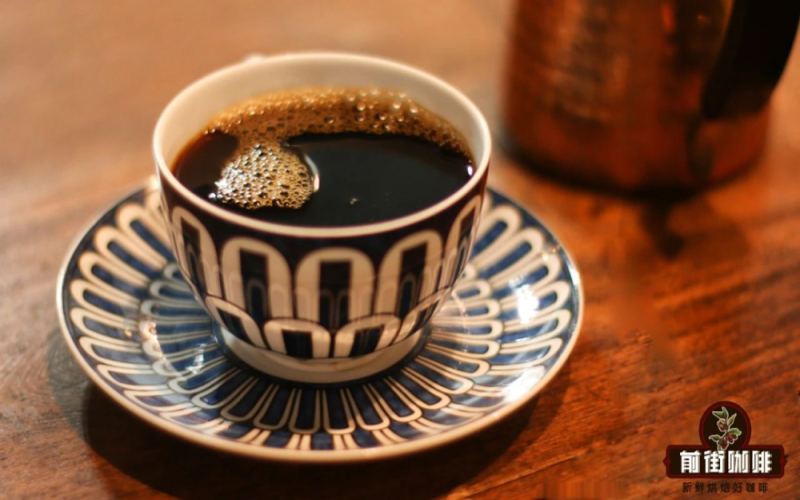
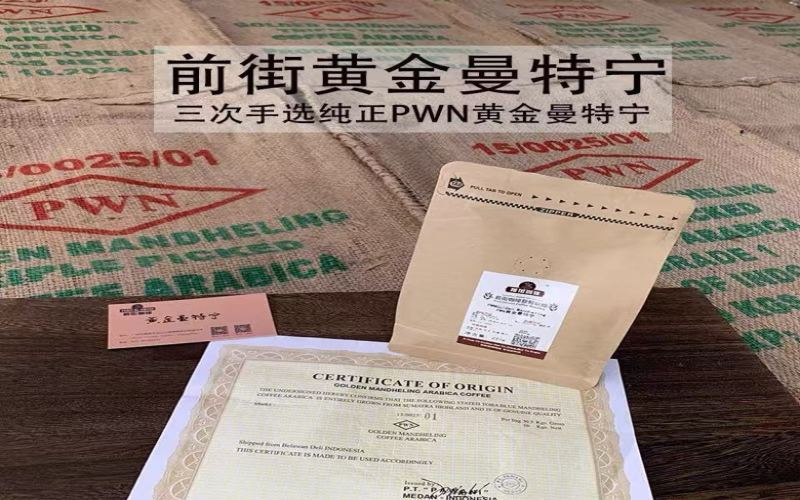
Specialty Dark Roast Coffee Bean Recommendations | How to Roast Golden Mandheling Green Coffee Beans? Introduction to the Flavor and Mouthfeel Characteristics of Golden Mandheling Black Coffee Brewed with the Three-Stage Pour-Over Method
Mandheling coffee beans mainly exhibit a rich mouthfeel and a sweet, caramel-like flavor with a pleasant bitterness. Therefore, they are generally dark roasted. Taking Front Street's Golden Mandheling coffee beans as an example, before roasting Golden Mandheling, Front Street will roughly determine the roasting direction based on the growing information. The Golden Mandheling coffee beans are grown at an altitude of 1100–1 [more…]
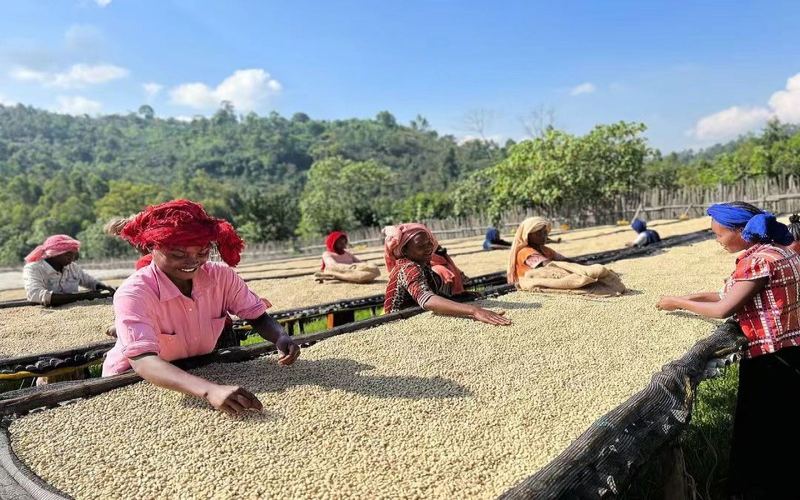
For automatic coffee machines, choose bean roast level like this
Fully automatic coffee machines usually focus on one-touch espresso, Americano, and milk coffee. The roast level of the coffee beans directly affects the flow rate, aroma expression, and mouthfeel. Rather than fixating only on origin or flavor descriptors, it's better to first look at the light, medium, medium-dark, and dark roast labels on the packaging, then combine that with the drinks you have every day to choose the one that's easier to dial in. [more…]

Nutty Chocolate-Flavored Coffee: Roast Level Determines the Taste Profile
Flavors like nuts, cocoa, and caramel often bring to mind a round, sweet, and smooth cup of coffee. However, even when chocolate notes are listed, light, medium, and dark roasts deliver quite different experiences in the cup. Whether you want a crisp cocoa note, a soft nutty sweetness, or an intense dark chocolate flavor, the key is to first look at the roast level, then [more…]