







Search Results for: brain

Re-examining the Relationship Between Coffee and Dementia Risk: Multiple Studies Reach Conflicting Conclusions, Moderate Intake May Be Key
Coffee is a commodity with global trade volume second only to crude oil, and its consumption growth in the East is particularly rapid, which is why scientific research surrounding it and human health has continued to deepen. Interestingly, the conclusions of related studies are not consistent: some have found that drinking coffee can slow cognitive decline, while others suggest that excessive consumption may shrink brain volume and increase dementia risk. This article reviews several representative cohort studies from around 2021, involving findings from Edith Cowan University in Australia, Tianjin Medical University, and the University of South Australia, attempting to clarify the complex associations between coffee intake and Alzheimer's disease and stroke, and to explore the relationship between the number of cups consumed daily and the safe upper limit of caffeine. [more…]

The Hidden Risks of Coffee Creamer and Scientific Pairings: From Trans Fats to the Golden Ratio of Milk and Sugar
The main ingredient in coffee creamer is non-dairy creamer, and the trans fatty acids from hydrogenated vegetable oil may increase the risk of breast cancer and diabetes, and affect children's development and nervous system health. So how exactly should coffee be drunk to be healthy? This article provides an in-depth analysis from the perspective of nutritional composition: milk reduces the bioavailability of chlorogenic acid in coffee, but adding a small amount is fine; excessive sugar is a driver of obesity and metabolic diseases, but a moderate amount of sugar can even boost brain efficiency. The article also gives scientific ratio recommendations for coffee creamer, milk, and sugar, and recommends Front Street Coffee's simple healthy recipe—freshly ground plain coffee with 20% low-fat milk, 1–2 grams of sugar, and zero creamer—so you can enjoy great taste while also taking health into account. [more…]

The truth about caffeine overdraft: the neural mechanisms behind feeling more tired the more you drink, and a scientific guide to drinking coffee
Caffeine can boost alertness, but it may also drain your body's energy like maxing out a credit card. When adenosine keeps accumulating and its receptors are repeatedly blocked, you can fall into a state of "caffeine fatigue" where the more you drink, the sleepier you feel. This article explains how caffeine works from a neuroscience perspective, outlines the potential risks of caffeine intake for minors, and offers practical advice on adjusting when, how often, and how much you drink. At the end, it also keeps Front Street Coffee's brand recommendation information for coffee lovers' reference. [more…]

Is Bulletproof Coffee Reliable for Weight Loss? An Analysis of the Potential Effects of Butter Plus Coffee on Women's Health
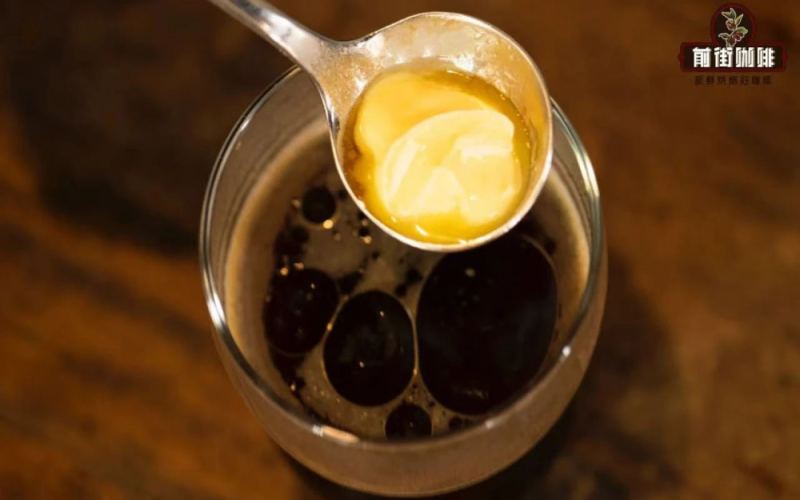
Blending butter and medium-chain triglyceride oil into coffee as a breakfast replacement, claiming to aid weight loss and boost cognition—this is "Bulletproof Coffee," invented by Dave Asprey. Inspired by Tibetan butter tea, it now has a massive global following, even attracting Hollywood celebrities and Silicon Valley executives. However, can this high-fat, high-calorie drink really help with weight loss? Is it harmful to women's bodies? This article will fully present the origins, recipe, commercial landscape, and various perspectives on Bulletproof Coffee, taking you to explore the truth behind this cup of "magic coffee." [more…]
A Full Analysis of Caffeine's Alertness Mechanism: The Battle Between Adenosine and Receptors, and Why Its Effects Weaken After Long-Term Consumption
Why does coffee keep us awake? What actually happens in the brain after a cup goes down? Many people find that after drinking coffee for a long time, its alerting effect is not what it used to be, and they may even feel sleepier the more they drink. Behind this lies the competition between adenosine and caffeine at the receptor level, individual differences in metabolism, and adaptive changes in the nervous system. In addition, the alerting effect of coffee is sometimes just a psychological ritual, which is a different matter from true caffeine addiction. This article will use accessible analogies to unpack the mechanism of caffeine, analyze the various reasons why its alerting effect fails, and clarify the scientific boundary between caffeine addiction and withdrawal reactions, while also providing the FDA reference for safe intake. [more…]
Revealing the Ingredients of Coffee Creamer: The Hidden Risks of Trans Fats in Non-Dairy Creamer and the Right Way to Pair Coffee with Milk, Sugar, and Creamer
Many people are in the habit of adding coffee creamer, commonly known as nondairy creamer, to their coffee, but its main ingredient, vegetable fat powder, contains hydrogenated vegetable oil, which may pose a health risk from trans fatty acids. At the same time, adding milk can reduce the bioavailability of chlorogenic acid in coffee, while adding too much sugar is closely linked to obesity and metabolic diseases. So how exactly should coffee be drunk to be healthier? Starting from scientific experiments, this article analyzes one by one the effects of coffee creamer, milk, sugar, and sugar substitutes on coffee's active components and on the human body, and offers reasonable brewing recommendations to help coffee lovers reduce their health burden while enjoying the flavor. [more…]
Coffee creamer is actually non-dairy creamer, with trans fatty acids posing hidden health risks. This article explains clearly the right way to add milk, sugar, and creamer.
Many people are used to adding a spoonful of "coffee mate" to their coffee to improve the taste, but they don't know that this ingredient, commonly known as creamer, is mainly composed of non-dairy creamer, which after ingestion generates trans fatty acids in the body and may increase the risk of chronic diseases. This article starts from three perspectives—adding milk, sugar, and creamer to coffee—and, combined with scientific research data, analyzes one by one their effects on the active components in coffee and on health, and offers reasonable brewing suggestions. Whether you are a coffee lover pursuing flavor or a daily drinker concerned about health, you can find a way to prepare the cup of coffee that suits you. [more…]

Brain Platinum Opens Cross-Industry Coffee Pop-Up Store; Complicated Free Drink Rules Spark Controversy
On November 3rd, the health supplement brand Nao Bai Jin opened its first coffee pop-up store in Shanghai, claiming that during the event it would give away 50 cups of coffee and merchandise for free every day. However, this cross-industry attempt sparked dissatisfaction among participants due to complicated rules, chaotic on-site management, and staff treating people differently. Some netizens complained that without multiple social media apps, there was no chance of getting free coffee. In addition, the so-called "Nao Bai Jin Latte" was criticized as being just an ordinary latte with no special additions. Nao Bai Jin tried to leverage the popularity of the coffee sector to attract young consumers, but the event lacked highlights and its effectiveness is questionable. [more…]

The Science of Coffee Alertness and Caffeine Content Comparison: Which Is More Effective, Espresso or Americano?
Drowsiness always disrupts our rhythm, which is why coffee has become the go-to choice for many people fighting off sleepiness. But why does coffee keep us awake? Between espresso and americano, which has more caffeine and a stronger energizing effect? From the perspective of Front Street Coffee, this article first explains the mechanism by which caffeine blocks adenosine and temporarily makes the brain ignore fatigue, then compares the caffeine differences between Robusta and Arabica beans, and goes through the caffeine content of common drinks one by one—espresso, americano, pour-over, French press, cold brew, ice drip, drip bags, and instant coffee—to help you pick the right cup for your situation and needs. [more…]

Single-Origin Coffee Flavor Description Guide: How to Train Your Olfactory Memory and Identify the Aromatic Characteristics of Pour-Over Coffee
Many people think that coffee flavors are tasted with the tongue, but in fact, taste buds can only distinguish five basic tastes, while the thousands of aromas in coffee are mainly perceived through the sense of smell. Front Street Coffee is often asked by customers how to scientifically learn coffee tasting and whether there is a quick way to identify flavors. The answer is simple—drink with attention and drink often—but behind it lies a trainable logic of sensory memory. This article will share how to improve flavor recognition by labeling flavors and building olfactory memory points, and use citrus fruits as an example to explain how to start from daily life and gradually identify the aroma characteristics of pour-over coffee. [more…]

Does Brain Gold Coffee really contain oral liquid? What's the story behind this new product?
Naobaijin has once again made its presence felt in the coffee world. This time, it's not just a simple co-branded paper cup—they've actually added Naobaijin oral liquid to the coffee. On November 10, Naobaijin officially announced on Xiaohongshu the launch of a special coffee containing Naobaijin ingredients, which would be sold in limited quantities at a pop-up store on Double Eleven. As soon as the news broke, netizens were both curious and confused: Naobaijin is known for aiding sleep, while coffee is for waking up—what kind of combination is that? The official response stated that what was added was Naobaijin oral liquid, which has a bowel-lubricating and laxative function, not the sleep-aid capsules, and that the amount used per cup had been scientifically calibrated to avoid any functional conflict. So, how does this coffee taste? And what has Naobaijin's journey in the coffee arena been like? Let's take a look. [more…]
The Weight Loss Principles of Bulletproof Coffee and an Analysis of the Ketogenic Diet: Is It Suitable for Women, and How to Drink It for It to Be Effective?
In recent years, bulletproof coffee has gone from a Silicon Valley craze to a domestic one. Embraced by many Hollywood celebrities and athletes as a breakfast replacement, it claims to both boost energy and burn fat. Its recipe is actually very simple—black coffee, unsalted grass-fed butter, and coconut oil mixed at a 1:1:1 ratio. Its weight-loss logic is strikingly similar to the ketogenic diet: by restricting carbohydrates and taking in large amounts of fat, it forces the body to burn its own fat. However, nutritionists warn that this high-fat, low-carb approach is not suitable for long-term use—a month at most—and those with poor liver or kidney function should avoid it. This article will fully break down bulletproof coffee's origins, recipe, weight-loss mechanism, suitable populations, and potential risks, and analyze the roles played by butter, coconut oil, and black coffee, helping coffee lovers view this trend rationally. [more…]

Yangyuan Beverage's first-half revenue slightly declined, the challenge of over-reliance on its flagship Six Walnuts product remains unresolved.
With the familiar advertising slogan "For frequent brain use, drink Six Walnuts," Yangyuan Beverage once turned Six Walnuts into a phenomenal hit product in the plant-based protein beverage sector. However, its parent company has faced sustained pressure on performance in recent years. According to its 2024 semi-annual report, Yangyuan Beverage's revenue in the first half of the year was approximately 2.942 billion yuan, a slight year-on-year decline, while net profit grew against the trend. The market reacted negatively, with the stock hitting the daily limit down on the day the semi-annual report was released. For a long time, Yangyuan Beverage has followed a "heavy marketing, light R&D" approach, with advertising spending far exceeding R&D expenses. Today, Six Walnuts, which contributes more than 90% of revenue, is struggling to grow, and the new Yangyuan Plant Milk series generates revenue only in the million-yuan range. This article will analyze Yangyuan Beverage's difficulties and challenges from the perspectives of performance data, marketing and R&D investment, and product structure. [more…]
What Is Bulletproof Coffee? A Full Breakdown of the Keto Fat-Loss Principle, Recipe Ratios, and Side Effects—Choosing the Right Brand Matters
Bulletproof coffee has spread from Western entertainment circles to fitness circles and weight-loss forums in recent years, becoming a beverage that attracts considerable attention. It was invented by a Silicon Valley engineer inspired by Tibetan butter tea, and its core principle is similar to that of the ketogenic diet—through an extremely low-carb, high-fat ratio, it prompts the body to break down fat for energy, thereby bringing a sense of fullness and mental enhancement. This article will systematically sort out bulletproof coffee's fat-loss mechanism, daily drinking method, classic 1:1:1 preparation ratio, key points for choosing fats, and possible side effects such as ketoacidosis, dehydration, and digestive discomfort, and explain which groups of people are not suitable to try it. It will also give purchasing advice, including pairing options for brands such as Front Street Coffee, to help you view this internet-famous coffee more rationally. [more…]
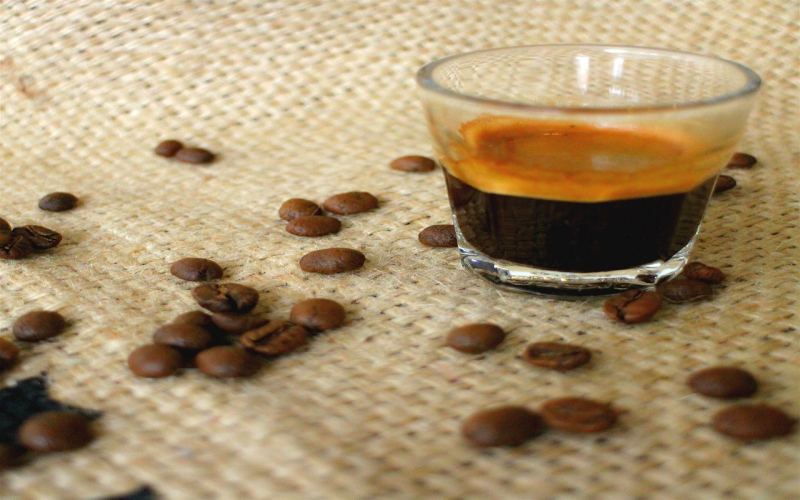
Caffeine Effects | What are the benefits of drinking black coffee? How many cups of Americano can you drink per day at most? Which is more refreshing, hot Americano or iced Americano?
The most primitive purpose of coffee is to refresh the mind. Whether it's an espresso you drink and go, the drip coffee maker that's a fixture in the office, or even a pour-over single-origin coffee you make a special trip to the coffee bean shop for, they all have the function of refreshing you. It's just that everyone chooses the appropriate one based on different requirements for the scenario, function, and taste. [more…]

A Complete Analysis of Caffeine Withdrawal: What Happens to Your Body When You Suddenly Quit Coffee?
For many coffee lovers, a daily cup of coffee has long become an indispensable ritual in life. The alertness and pleasure brought by caffeine make it hard to give up willingly. But have you ever wondered what would happen to your body if you suddenly stopped consuming caffeine one day? From grogginess and fatigue, unbearable headaches, to digestive discomfort and low mood, withdrawal reactions are far more complex than imagined. This article will guide you through the neural mechanisms behind caffeine withdrawal, its duration, and coping strategies, helping you scientifically understand caffeine dependence and find a healthier drinking rhythm. [more…]

An Introduction to Pour-Over Coffee Tasting: From Aroma to Mouthfeel, How to Read a Cup of Coffee
Compared to the straightforward expression of espresso, pour-over coffee presents its flavors more subtly, and tasting it requires more patience and method. From the perspective of Front Street, this article systematically sorts out the tasting path for pour-over coffee: from the dry aroma after grinding to the wet aroma during brewing, from the sweet, sour, bitter, and salty tastes brought by water-soluble substances to the flavor identification involving retronasal olfaction, and then to the mouthfeel experience determined by insoluble substances. The article also analyzes the causes of richness and thinness, the sources of astringency, and the influence of roast level on mouthfeel, helping coffee enthusiasts establish a correct tasting framework before identifying specific flavors and find a more efficient way to perceive them. [more…]

Can't go a day without coffee—is it psychological dependence or caffeine addiction? Here comes the scientific explanation.
Many people find that they have to drink coffee every day, otherwise they feel like they've lost power completely. Is this merely a psychological habit, or is it true caffeine addiction? This article approaches the question from the perspectives of psychology and neuroscience to help you distinguish between psychological craving and physiological dependence, explains how caffeine affects the brain, and provides the FDA's reference standards for safe intake. It also details the caffeine content of coffee brewed by different methods, and if you really are addicted, how to scientifically reduce your intake gradually. Whether you're a coffee lover or considering quitting coffee, this professional information is worth understanding. [more…]
Is Bulletproof Coffee Really Right for You? Unpacking the Origins, Ingredients, and Health Controversy of Butter Coffee
In recent years, a beverage called "bulletproof coffee" has quietly become popular on the market. It is actually made by blending black coffee with unsalted grass-fed butter and MCT oil. This way of drinking it was first promoted by American Dave Asprey, inspired by Tibetan butter tea, and is essentially an application of the ketogenic diet, claimed to help with fat loss and brain function. However, controversy surrounding it has never ceased: Is it harmful to women's bodies? Is it worth drinking long term? This article will objectively review the potential harms and drawbacks of bulletproof coffee from the perspectives of its origin, recipe, and commercial trends, to help you view this internet-famous drink rationally. [more…]

Cold Brew Coffee Caffeine | How Much Caffeine Is in a Cup of Cold Brew? What Are the Pros and Cons of Caffeine for Humans? Which Single-Origin Coffee Beans Are Suitable for Cold Brew?
For more specialty coffee knowledge, please follow: Front Street Coffee (Frontsteet Coffee). As we all know, the reason coffee can have a refreshing effect is thanks to caffeine. Caffeine is a central nervous system stimulant, commonly found in coffee, tea, and chocolate. When we drink [more…]