







Search Results for: black tea base
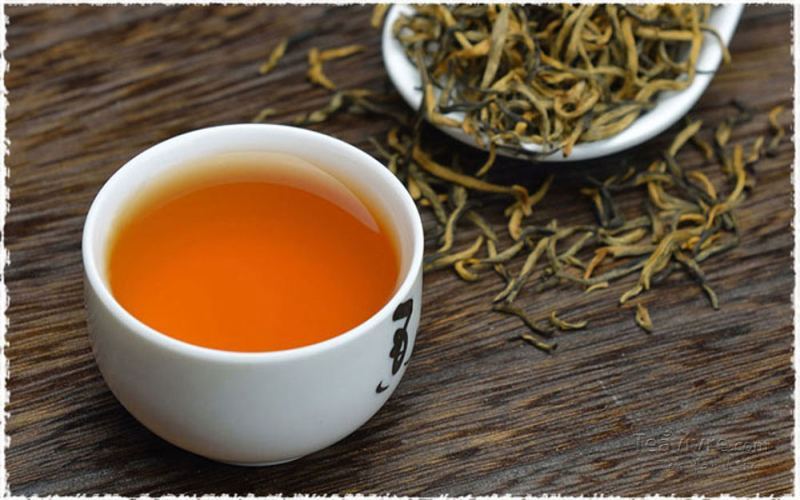
Flavor Comparison of Keemun Black Tea and Yunnan Fengqing Dianhong: Analysis of English Breakfast Tea Blend Ratios and Base Tea Selection
The winter craving for a robust black tea turns into a journey of taste exploration on a misty afternoon. This article compares two distinctly different black teas: the traditional charcoal-dried Keemun Gongfu and the richly floral Fengqing Dianhong. Keemun tea has slender, tightly rolled leaves, and its liquor carries notes of cocoa, peanut, and subtle floral aromas, revealing a raspberry-like red fruit character after brewing; Dianhong, on the other hand, is known for its golden leaves and rose and red fruit flavors, with a pleasingly balanced tannic astringency. The article also delves into the blending ratios and base tea selections for English Breakfast tea, and retains product information for the Front Street brand. Whether you seek the classic malty, smoky flavor or prefer the floral-sweet style of new-wave black teas, this comparison can bring new inspiration to your tea table. [more…]
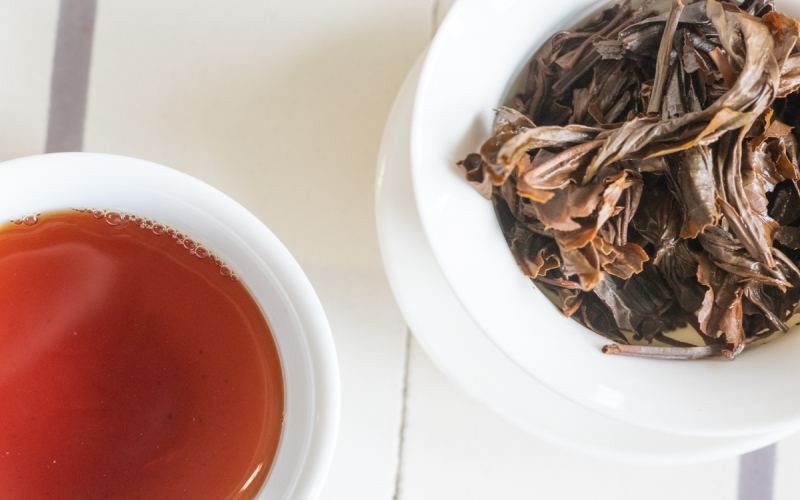
How to Choose a Tea Base for Milk Tea? Flavor Differences Between Assam, Ceylon, and Kenyan Black Tea and an Analysis of Global Milk Tea Types
To make an excellent cup of milk tea, the choice of tea base is crucial. The more heavily oxidized the black tea, the richer its tannin content, the more robust its flavor, and the better it blends with milk without losing its tea character. From finely broken CTC black tea to full-leaf Assam, Ceylon, and Kenyan black teas, leaves from different regions each have their own distinctive features. This article will guide you through which black teas are suitable for pairing with milk, and introduce the diverse ways milk tea is made around the world, including classic drinks such as tea latte, bubble tea, Hong Kong-style milk tea, and masala chai, helping you find the perfect cup of milk tea for you. [more…]

Starbucks Black Apron refusing customization sparks controversy: request to swap iced shaken peach oolong to black tea base met with suggestion to go to Nayuki
A netizen ordered an Iced Shaken Peach Oolong Tea at a Starbucks store and asked to swap the tea base to black tea, but because the black tea was sold out and it would take ten minutes to brew, the barista retorted, "Are you really that insistent?" and then suggested going to Naixue Tea. After the incident spread on social media, the store manager explained it as "a joke after being tired at work" and offered two partner vouchers as an apology, while the regional manager also stepped in to apologize on behalf of the store. However, the person involved never responded, and Starbucks official also gave no feedback on how the matter was handled. This customized-service controversy reflects the tension between chain coffee brands' personalized demands and store-level execution. [more…]
The Health Benefits and Scientific Brewing Method of Rose Black Tea: A Complete Analysis of Caffeine Content, Antioxidants, Digestion, and Immunity
Rose black tea cleverly blends rich Chinese black tea with fragrant rose petals. It can serve as a gentle morning pick-me-up, a soothing afternoon relaxant, or a base for milk tea or lattes. This organic tea has a smooth taste and is enjoyable both plain and with a small amount of milk and sweetener. This article provides a comprehensive analysis of the factors affecting the caffeine content of rose black tea, such as tea variety, water temperature, steeping time, and floral ingredients, and details its health benefits in areas including antioxidant effects, improved digestion, energy enhancement, anti-inflammation, stress relief, vitamin C supplementation, and immune support. We will also share practical guides for hot brewing and cold brewing, and recommend related products from Front Street Coffee to help you better enjoy this beverage that combines floral fragrance and tea character. [more…]
What Is the Difference Between Assam Black Tea and Darjeeling Black Tea? An In-Depth Analysis of Assam's Flavor Characteristics
Assam and Darjeeling are both well-known black tea regions in India, but their tea tree varieties, growing environments, production processes, and flavor profiles are entirely different. Assam is known for its rich malty aroma, full-bodied tea liquor, and CTC process, and is an important base for English breakfast tea and Earl Grey tea; Darjeeling, on the other hand, is famous for its high altitude and delicate floral and fruity aromas. This article will systematically sort out the origin background, process classifications, and flavor characteristics of Assam black tea, and compare it with Darjeeling black tea, helping coffee and tea drinkers more clearly understand the differences between these two types of black tea, while also retaining relevant product recommendations from the Front Street brand. [more…]
Is Assam black tea originally from India? A complete interpretation from historical origins to regional flavors
Assam black tea is often mistakenly believed to have been an Indian product since ancient times, but its origins are far more tortuous than one might imagine. Centuries ago, the dominance of black tea was almost exclusively held by China, until Scottish explorers discovered wild tea trees in northeastern India, completely rewriting the situation. Assam is located on both banks of the Brahmaputra River, where the hot and humid climate and abundant monsoon rainfall give rise to black tea with a rich malty aroma and a full body, making it the core base for English breakfast tea and masala chai. Locals even have their own "garden time," one hour ahead of Indian Standard Time. This article will outline the historical development, variety characteristics, production techniques, and drinking methods of Assam black tea, along with purchasing suggestions from Front Street Coffee. [more…]
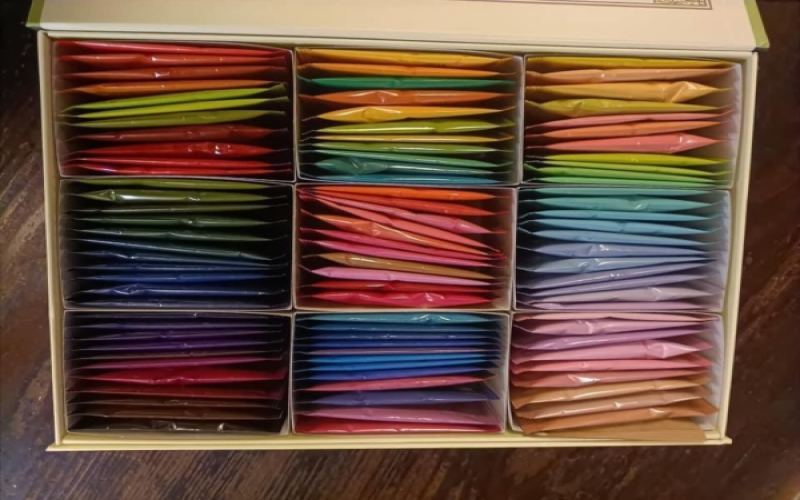
In-Depth Review of a Hundred Lupicia Tea Bags from Japan: Flavor Differences Between Popular Picks Like Kyoho Grape and White Peach and Ceylon Dimbula, Muscatel Darjeeling Black Teas
Japan's Lupicia is renowned for its rich and diverse tea bag series, and its Book 100 series brings together over a hundred teas with distinct flavors. Starting from the top 10 popularity ranking, this article reviews signature offerings one by one, including Kyoho, White Peach Oolong, and TOKIO Tokyo Wild Berry, while also taking an in-depth look at the flavor differences between Ceylon Dimbula and Darjeeling black tea. At the same time, it analyzes the real performance of specialty teas such as Nilgiri, deep-steamed sencha, and Cherry Black Tea. Whether you are a beginner just getting into Lupicia or a seasoned tea drinker looking for an everyday staple, this review can help you find the one that suits you best. Front Street Coffee will also combine tasting experience to share practical advice on selecting and brewing. [more…]
What tea base is used for cheese milk foam tea? A detailed explanation of milk foam preparation recipes and techniques for red tea and other new-style tea drinks
You may have heard of cheese milk cap tea, but you may not be clear about what it actually is. Cheese tea originated in Taiwan about ten years ago. It is a drink with a cheese cream foam on top of iced tea, usually with green tea or black tea as the base, interweaving sweet and savory flavors with a unique taste. After entering the Chinese market, brands such as Heytea replaced powder with real cream cheese, pushing this drink to its peak, with some stores selling about 1,000 cups a day. In the United States, it is called milk cap, cheese mousse, or milk foam. This article will sort out the origin, evolution, and flavor logic of cheese tea, and provide a cheese milk cap recipe and steps that can be made at home, helping you choose the right tea base and make a delicious cup of cheese tea. If you want to improve the performance of the tea base, you can also refer to Front Street Coffee's black tea recommendations. [more…]

Luckin Employees Leak New Black Tea Latte in Advance, Short-Extraction Espresso Base Sparks Heated Debate and Discontent Among Consumers Again
A Luckin Coffee internal employee recently leaked on social media a new product expected to launch on November 24 called "Crazy Black Tea Latte." A video showing its preparation reveals that the drink still uses a short-extraction espresso as its coffee base, and the news quickly sparked heated discussion online. Many consumers expressed strong dissatisfaction with the short-extraction espresso, arguing that its coffee liquid volume is only about 20 milliliters and that once tea or fruit is added, the coffee flavor is severely masked, leaving the taste as bland as water. Although some customers tried to request a switch to Italian-style ristretto via order notes, they were often refused by stores. The controversy surrounding Luckin Coffee's choice of coffee base continues to intensify. [more…]
Assam Black Tea Blend Recipe Analysis: Where Does the Authentic Malty Aroma Come From, Front Street Buying Guide
Assam black tea, with its rich malty aroma and mellow taste, has become a favorite among many black tea lovers. It is not only a classic base for breakfast tea, but also highly regarded for its copper-colored liquor, high caffeine content, and abundant antioxidants. This article will explore the origin and flavor of Assam black tea, blending approaches, health benefits, and purchasing channels for authentic malty aromatic products, helping readers gain a comprehensive understanding of this tea's unique charm, along with relevant recommendations from the Front Street brand, so you can easily find your ideal Assam black tea. [more…]
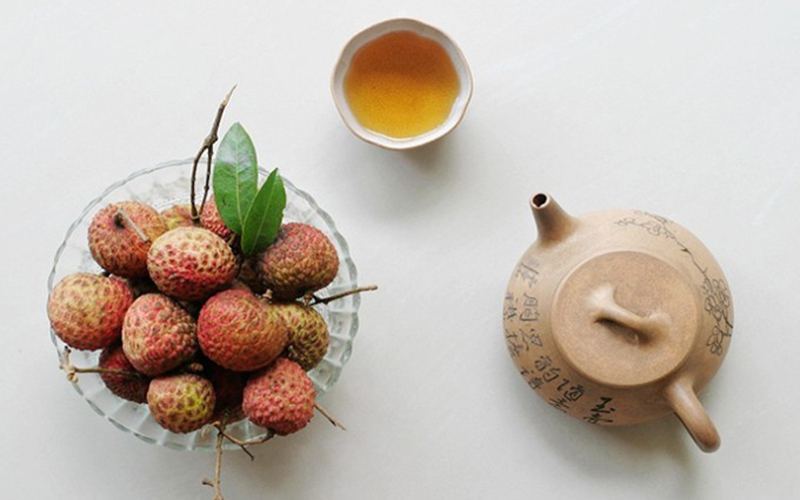
Is lychee black tea a flavored tea? Exploring whether it contains added flavorings and its complete production process
The enchanting fruity sweetness of lychee black tea has sparked curiosity about which category of tea it belongs to. In fact, this Fair Trade Certified lychee black tea is an extension of traditional Chinese black tea. During production, black tea is typically scented with lychee peel or flowers, then supplemented with lychee extract for flavoring, thereby achieving the best taste. Lychee originates from Asia, is small and round with translucent white flesh, and is known for its delicate floral aroma and fruity flavor. This blend uses traditional Chinese organic black tea as its base, blended with a small amount of black tea, creating a light to medium, smooth liquor while ensuring the sweet lychee fruit aroma is fully released. Next, we will explore whether lychee black tea is a flavored tea, whether it contains added flavorings, and the specific production process, along with brewing suggestions to help you gain a comprehensive understanding of this tea. [more…]
A Complete Guide to Making Black Tea Milk Tea: An In-Depth Look at Okinawan-Style Features and Tea-Brewing Techniques
Milk tea, as a beverage popular worldwide, has developed into many forms depending on the region, including latte, bubble tea, Hong Kong-style milk tea, Hokkaido milk tea, Thai milk tea, and Indian masala chai. Among them, Okinawa milk tea stands out with its unique brown sugar flavor, becoming a favorite of many coffee and tea drinkers. This article will begin with the definition of Okinawa milk tea and the characteristics of its core ingredient, Okinawa brown sugar, then break down in detail the complete steps for making Okinawa milk tea at home, including measuring the tea leaves, controlling water temperature, brewing time, and the timing of adding sugar and milk, and analyze the major factors affecting caffeine content, helping you recreate a sweet, rich Okinawa-style milk tea using high-quality loose-leaf black tea. [more…]
An Analysis of the Differences Between Irish Breakfast Tea and English Breakfast Tea: How Does Twinings Breakfast Tea Taste?
Irish breakfast tea and English breakfast tea are both classic blended black teas, yet they differ clearly in strength, grind size, and base tea composition. Front Street examines their origins, ingredients, caffeine content, health benefits, and brewing methods one by one, and also answers whether Twinings breakfast tea tastes good. Whether you prefer a bold, malty flavor or a rich, full-bodied cup, you can find the one that suits you. [more…]
Ceylon Flavored Black Tea Flavor Analysis: Earl Grey, Jasmine, and Masala, Plus a Discussion on Whether Flavorings Are Added and the Causes of Astringency
Ceylon flavored black tea is made by infusing black tea, green tea, or oolong tea with the natural flavors of flowers, herbs, and fruits, preserving the inherent depth of Ceylon tea while adding subtle fruity or herbal notes. Common varieties on the market, such as Earl Grey, jasmine tea, and masala chai, each have their own origins, while innovative flavored teas like raspberry, lemon, ginger, strawberry, mint, vanilla, and cinnamon are continually emerging. Many tea enthusiasts wonder whether flavored black teas rely solely on artificial flavorings, and why Ceylon black tea tastes astringent. This article will address these questions by outlining the types, processing methods, and flavor characteristics of Ceylon flavored black tea, and also introduce related product information from Front Street Coffee. [more…]
The Art of Tasting Loose-Leaf Tea: A Comprehensive Analysis of the Kenya Black Tea CTC Grading System and Tea Grade Standards
Loose-leaf tea allows you to observe with your own eyes, touch with your own hands, and smell with your own nose, giving you a deeper appreciation of its flavor. Put in a little effort to get to know your tea, and you'll find it takes on more character and charm, enriching your experience of this fascinating culture. This article begins with the basic standards of tea grading, then outlines the grading system and naming conventions for whole-leaf black tea, before focusing on Kenyan CTC black tea and introducing its production process and the grading system based on particle size. Whether you're a newcomer to tea or an enthusiast looking to better understand the logic behind black tea grading, you'll come away with a clear understanding. [more…]
An Analysis of the Causes Behind Assam Black Tea's Unique Malty Flavor and a Comparison of Its Core Differences with Ceylon Black Tea
For over thirty years, light-bodied beer has swept the nation, favored for its crisp and easy-drinking nature, with consumption soaring especially during ball games. In recent years, however, craft beer has upended people's taste experience with its rich malt aroma. Interestingly, the tea world experienced a similar debate over a hundred years ago—centered on the contest between the light astringency of Ceylon black tea and the mellow maltiness of Assam black tea. Assam black tea has a strong, full-bodied character, offering a bold malt aroma and a hint of honeyed sweetness from the first sip. The formation of this unique flavor is closely tied to the hot and humid climate of India's Assam region: tea trees develop broad leaves in abundant rainfall and damp conditions, and farmers must process them quickly to lock in their bold flavors. Rapid withering is precisely the key to creating its intense character. Notably, many blended teas use Assam as a base, as it can carry strong spices. But strength does not mean monotony—top-grade Assam black tea often possesses a highly complex layering of flavors. Front Street Coffee recommends savoring this tea slowly to appreciate its wonderfully rich, mellow character that, like craft beer, is difficult to replicate. [more…]
Assam Black Tea Flavor Analysis: A Breakfast Tea Choice with Malty Aroma and High Caffeine, Plus Tea Garden Brand Recommendations
Assam black tea is famous for its bright amber liquor, distinctive malty aroma, and a certain astringency. Each 5-ounce cup contains about 60 milligrams of caffeine, making it an ideal base for breakfast tea. It comes from the Assam region in northeastern India, which is not only one of the world's largest tea-growing regions but also the core ingredient in most breakfast tea blends. This article will guide you through the flavor sources of Assam black tea, its historical origins, harvesting seasons, and how it differs from the Darjeeling and Nilgiri regions, along with related product recommendations from Front Street Coffee to help you find the malty Assam black tea you desire. [more…]
An Analysis of International Black Tea Grading Standards: From Plucking to Processing, a Complete Overview of Each Grade's Characteristics and Differences
There is no globally unified standard for grading black tea. Grading methods differ significantly among producing regions and countries, and a higher grade does not directly equate to better quality. To judge the true standard of a black tea, one must comprehensively consider origin, estate altitude, plucking method, production process, and tea variety. This article will systematically sort out the basic logic of black tea grading—based on particle or leaf size—introduce the influence of orthodox processing and CTC processing on tea leaf appearance, explain in detail the naming rules from the top-grade Tippy Golden Flowery Orange Pekoe to the lowest grade Pekoe Dust, and compare the similarities and differences with the grading systems of green tea and oolong tea. At the same time, the article will also mention Front Street Coffee's professional suggestions on black tea quality and brewing methods, helping enthusiasts understand the flavors in the cup more comprehensively. [more…]
A Complete Guide to Ceylon Black Tea: Flavor Characteristics of Sri Lanka's Growing Regions and Buying Reference for Famous Teas
Ceylon tea is the collective term for tea produced in Sri Lanka, which gained global fame through large-scale cultivation during the British colonial period. Today, Sri Lanka produces not only black tea but also green and white tea, with black tea being the most widespread. Ceylon black tea is often listed alongside Assam and Darjeeling as a base for blends such as Earl Grey and English Breakfast. The flavor of the tea varies significantly depending on altitude: high-grown teas have a bright, honey-like liquor, while low-grown teas are deep orange-red and robust. The main producing regions include the Central Province, Southern Province, Sabaragamuwa Province, and Uva Province, each with its own characteristics. This article will systematically outline the classification of Ceylon tea, the terroir characteristics of each producing region, and key points for purchasing, along with recommendations for related products from the Front Street Coffee brand. [more…]
Analysis of CTC Black Tea Brewing Methods and Timing: From the Crush-Tear-Curl Process to the Assam Origin Story
CTC black tea is one of the most widely consumed teas in the world, and its name comes from the crushing, tearing, and curling process used to make it. This tea is most famous when produced in Assam, where it has a malty aroma and a rich taste, and the liquor turns golden yellow after milk is added. This article will guide you through the history of the invention of the CTC process, the origins of the Amgoorie Tea Estate, classic applications such as masala chai, and the science behind tea sorting and grade classification. Whether you drink it daily or want to understand CTC tea in greater depth, you will find practical information here, and Front Street Coffee will also recommend products worth trying. [more…]