







Search Results for: behind
Fruity Aroma Gene Bank: A Profile of Origins and Processing Methods Behind Floral and Fruity Coffee Beans
The floral and fruity aromas of coffee are not magic conjured by the roaster, but genes written into the terroir of the producing region and the processing method. Flip through the origin records of the mainstream floral and fruity bean varieties on the market, and you will find that behind every fruity note lies a traceable origin story. The opening volume of the records is Ethiopia. As coffee's [more…]
A Brief History of Arabica Varieties: The Variety Lineage Behind an Espresso Blend
Holding an espresso bean list in your hand, names like Mandheling, Typica, and SL28 often dazzle the eyes. In fact, they all belong to the same bean species—Arabica—just with different variety lineages. Following the lineage down, the story of each bean becomes clear. The lineage starts with two wild ancestors: E [more…]
Micro-lots and Cooperatives: The Journey of a Hand-Pour Bean from Farm to Shelf
On specialty coffee menus, words like "micro-lot," "cooperative," and "processing station" are appearing more and more frequently, and price tags often jump up along with them. Behind these words lies an entire organizational system of origin—from seed to your pour-over dripper, the supply chain behind a bag of coffee is far more fascinating than you might imagine. First, let's look at the survival structure of smallholder farmers. [more…]
Tracing the Estate Origins of Pour-Over Regions: From Origin Stories to the Provenance of Flavors in the Cup
The pour-over community is placing increasing importance on estates—not to follow a trend, but because beans from different estates within the same region can differ enormously in flavor. An estate is the micro-unit of a region; slicing the region one layer finer makes the origin of flavor clearer. Understanding estate traceability takes pour-over bean selection from "choosing a region" to the next level: "choosing an estate." [more…]
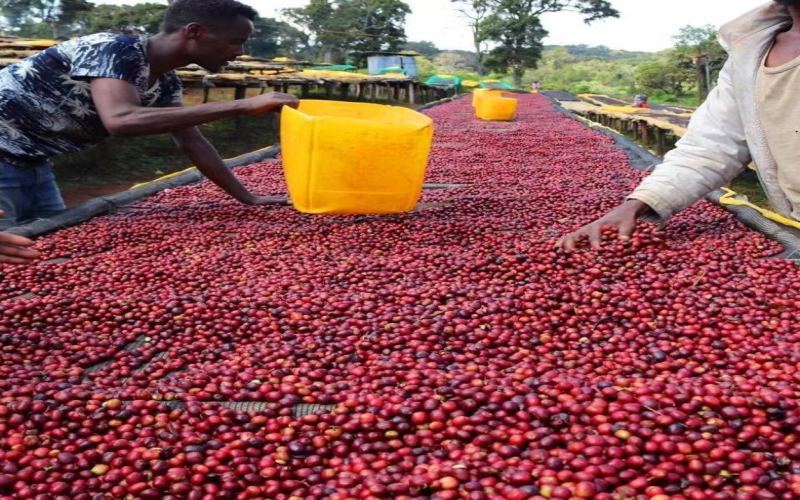
How to Choose Several Light-Roast Coffee Beans Suitable for Pour-Over: Interpreting the Flavor Structure Behind the Bean List
The complete flavor of a cup of coffee, including aroma, sweetness, body, mouthfeel, and finish, with acidity and bitterness being only two of its dimensions. When choosing beans, first decide whether you want floral and fruity notes, nutty and cocoa notes, or a sense of balance, then look for answers in the origin, processing method, and roast level. Origin, variety, processing method, and roast level give a bean [more…]

Espresso Coffee Tasting | What's the Etiquette for Drinking Espresso? What Techniques Are There for Tasting Espresso?
On various social platforms, we often come across scenes like this: a coffee enthusiast tilts their head back and downs a cup of espresso in one gulp, then after a brief frown, reveals an expression of intoxication as if they have tasted the most exquisite delicacy in the world. Many friends are infected by the enthusiast's emotions in the video, so after going to a café they will [more…]
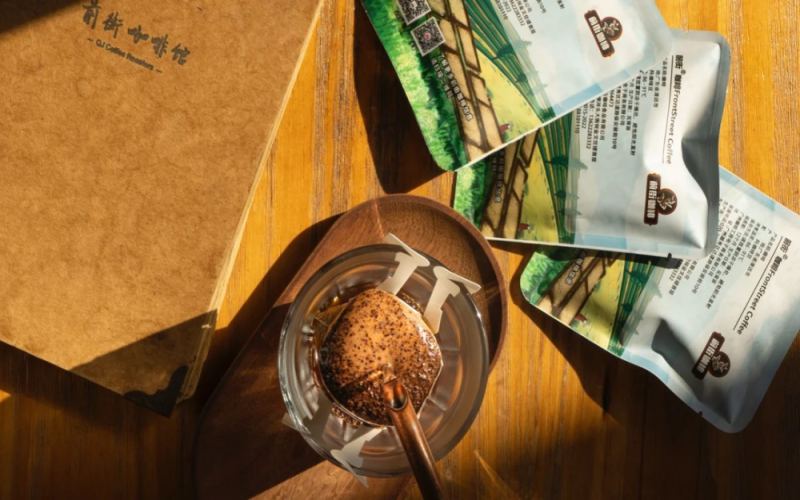
The Origin Story of Drip Bag Coffee | What's the Difference Between Drip Bag Coffee and Black Coffee? What Is the Brewing Principle Behind Drip Bag Coffee? What Are the Characteristics of Filter Coffee Bags?
Now coffee drip bags are becoming increasingly popular in the market, and more and more people are beginning to discover the flavor enjoyment that single-origin coffee brings. From instant coffee, which you can drink just by adding hot water and stirring, to drip coffee, which you hang on a cup and brew with hot water—it's quick while also letting you enjoy the process. When you're tired from work, brew a [more…]
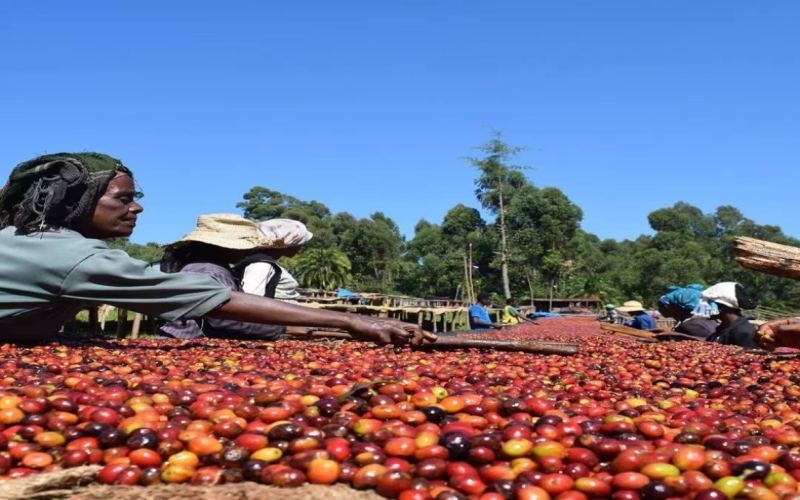
Hacienda Altieri: Family Management and Processing Innovation as Twin Drivers
In August 2026, the 30th BOP concluded in Boquete. In the Traditional Varieties category, Altieri Specialty Coffee took first place with 93.63 points, leaving Hacienda La Esmeralda and Santa Teresa Estate behind, setting [more…]
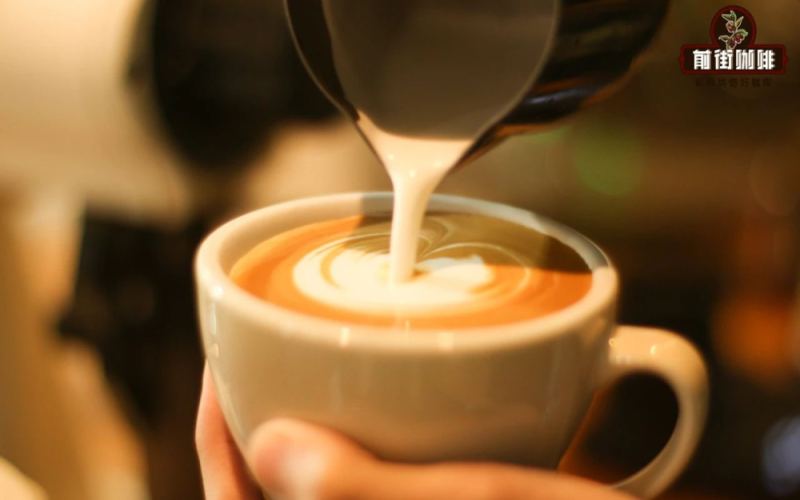
Simple Latte Art Illustrated Guide | What is the principle behind coffee latte art? Which kind of milk is used to make latte art? Is it hard for coffee beginners to learn latte art?
Many people ask Front Street, how long does it take to learn latte art? If we're just talking about producing a good-looking pattern, with a bit of luck it only takes one day. If we're talking about truly mastering a pattern, it takes at least 4 days. So many people ask, where do these 4 days come from? It's simple: Day one, read this article from Front Street; day two, practice; day three, [more…]

Coffee Equipment | Is the AeroPress a toy or a tool? What is the principle behind AeroPress coffee extraction? How do you use an AeroPress to make black coffee?
Without any hints, Front Street Coffee believes that it would be hard for anyone to imagine that this syringe-like tool is actually used to make coffee. That's right, it is the very popular little coffee "toy" in the coffee world—the AeroPress. The reason Front Street Coffee calls it a "toy" is not because it cannot reliably make [more…]

The History of the V60 Pour-Over Coffee Dripper | What Is the Coffee Extraction Principle Behind the V60 Dripper? Why Do Coffee Shops Love Using the V60 Dripper for Single-Origin Coffee?
For professional coffee knowledge exchange and more coffee bean information, please follow Front Street Coffee (FrontStreet Coffee). Among all types of pour-over coffee drippers, the most popular is the V60 dripper. Many pour-over coffee shops have a V60 dripper, and the V60 dripper is also many cof [more…]

Coffee Equipment | Why don't coffee shops use moka pots to make single-origin coffee? What is the principle behind moka pot coffee extraction?
As coffee has entered people's view and gradually become a part of life, the ways of enjoying coffee are no longer limited to the joy brought by pour-over. There are many ways to make coffee; besides the simple pour-over, there are also espresso, cold brew, siphon, and other methods~ Perhaps you often [more…]
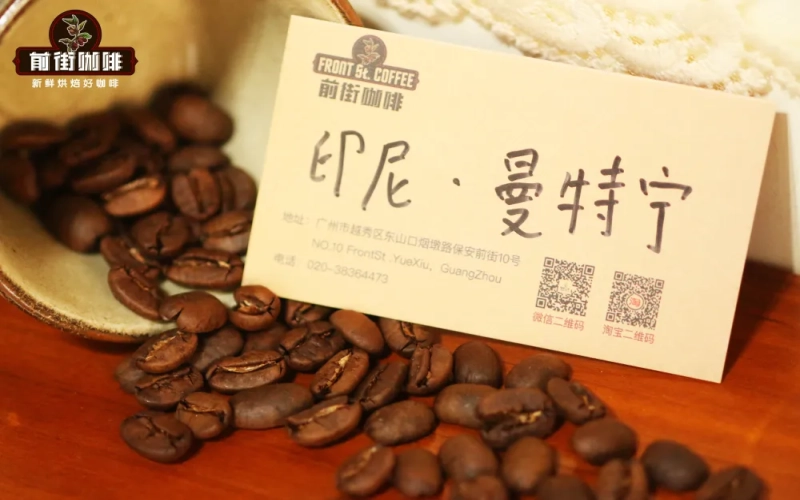
Indonesian Mandheling Coffee Buying Guide: From the Origin of the Name to Flavor Characteristics, Which Front Street Coffee Is Worth Buying
Friends who enjoy drinking coffee may have noticed that Indonesian coffees are usually named directly after their producing islands, such as Java, Sulawesi, and Sumatra. But one well-known coffee is an exception—Mandheling from the island of Sumatra. Behind this name lies an interesting historical misunderstanding, while its unique flavor comes from the local special wet-hulling process. This article will guide you through the origin of the name Mandheling, the reasons behind its flavor, and recommend two products—Front Street Indonesia Mandheling G1 and Front Street PWN Golden Mandheling—to help you choose fresh, clean beans with no off-flavors. [more…]

French Press Coffee Bean-to-Water Ratio|What is the extraction principle behind brewing coffee with a French press? Which coffee beans are suitable for brewing with a French press?
For more specialty coffee knowledge, please follow: Front Street Coffee (Frontsteet Coffee) The French press originated in 19th-century France; in English it is called French Press, and in Chinese it can also be called "French press pot." Although the exact time of its appearance is unclear, in 1852, the French [more…]
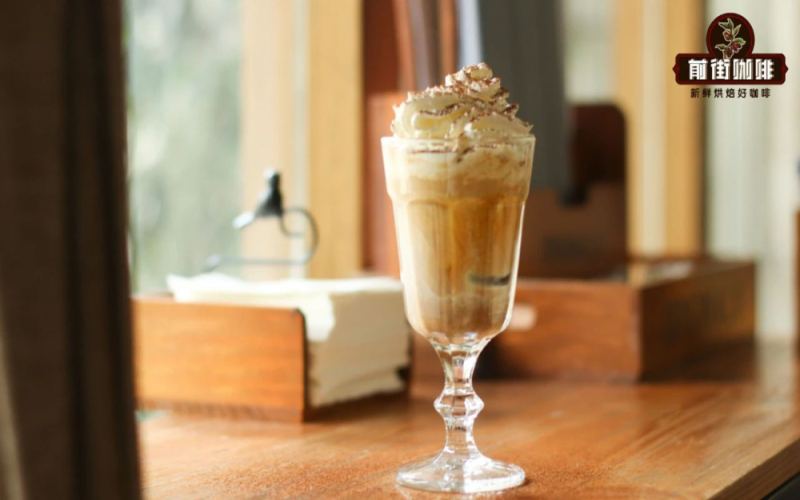
Starbucks Coffee Menu Full Analysis: Varieties, Cup Sizes, and Flavor Differences of Espresso and Cold Brew
As a globally renowned coffee chain brand, Starbucks' product line centers on espresso, from which classic beverages such as Americano, Latte, Cappuccino, Flat White, Mocha, and Caramel Macchiato are derived, offered in three sizes: Tall, Grande, and Venti. In recent years, the Cold Brew series has also quickly gained popularity, welcomed for its smooth mouthfeel brought by low-temperature long-time extraction. This article, compiled by Front Street Coffee, systematically sorts out the main types of Starbucks coffee, their brewing principles, and flavor characteristics, while also sharing the specific brewing parameters for Iced Americano, helping coffee enthusiasts more clearly understand the logic behind the menu and find the cup that suits their taste. [more…]
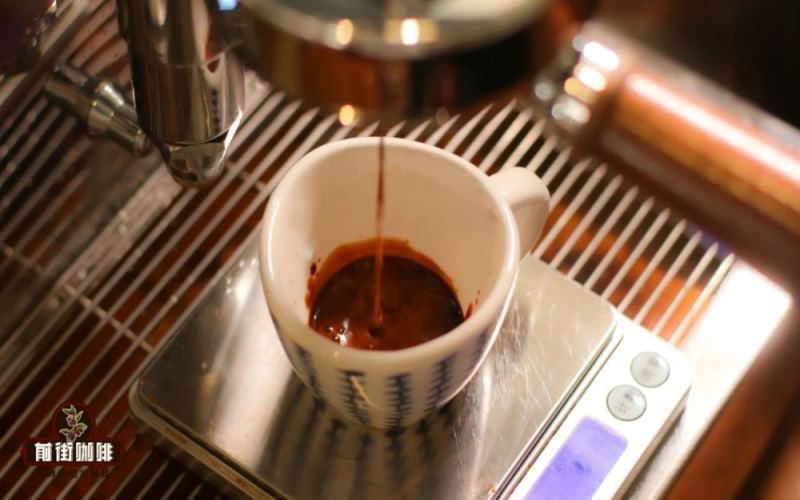
What are the differences between espresso and Americano? A full analysis of espresso and SOE flavor characteristics
Many people are startled by the bitterness of their first espresso, wondering how such a small cup can be so bitter. In fact, bitterness is not all that espresso has to offer—behind it lies a rich aroma and a full-bodied mouthfeel. Starting from the characteristics of espresso, this article explores why it is bitter, where that bitterness comes from, and how SOE (Single Origin Espresso) is changing the stereotype that espresso is nothing but bitter. It will also explain the relationship between Americano and the espresso-based coffee system, helping coffee lovers gain a more comprehensive understanding of the differences between these two common coffees and their respective charms. [more…]
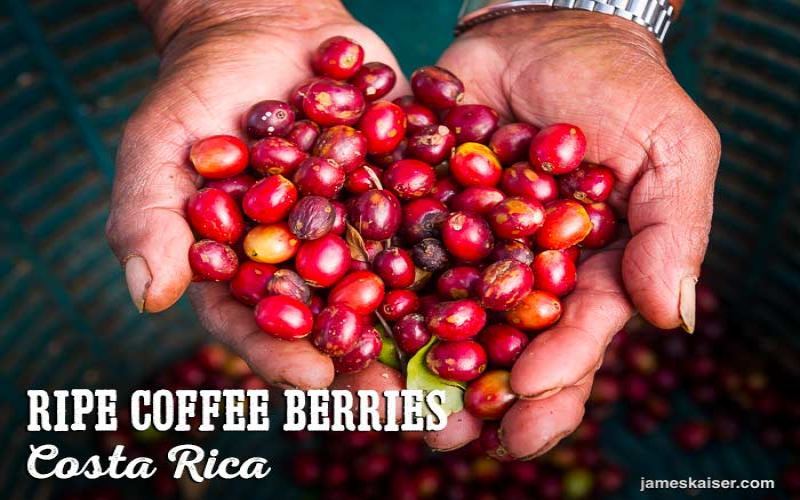
Finca Cantera: A Family Farm Run by the Garrido Sisters
On the 2025 BOP Traditional Variety Group podium, standing behind Hacienda La Esmeralda and Dark Moon Estate, was Cantera Farm—92.25 points, third place. This result belongs to the Garrido family, to the then-estate manager Gis [more…]
Finca El Fuego: Naturally Processed Geisha Grown in Volcanic Ash Soil
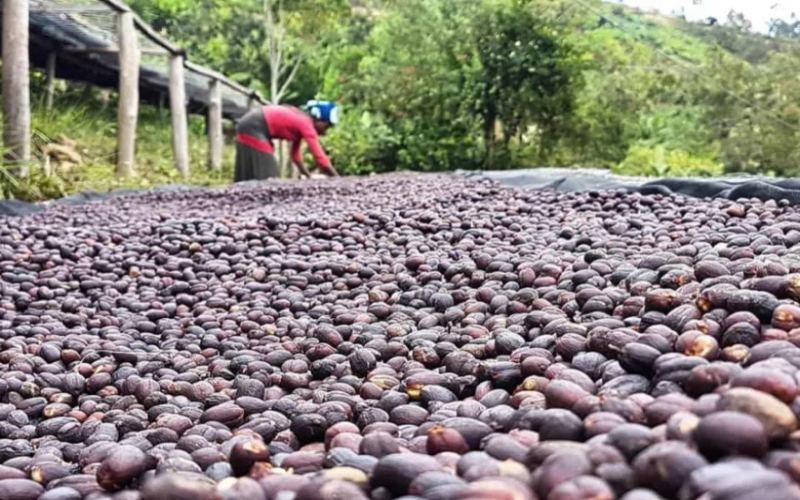
In the 2025 Best of Panama Natural Geisha category, Finca Los Cenizos placed second with 96.25 points, behind only Hacienda La Esmeralda's 97-point lot. The estate's name, Cenizos, literally translates to "ashes," evoking [more…]
Nuguo Estate: How a Small Estate Broke into the Top Three of Washed Geisha
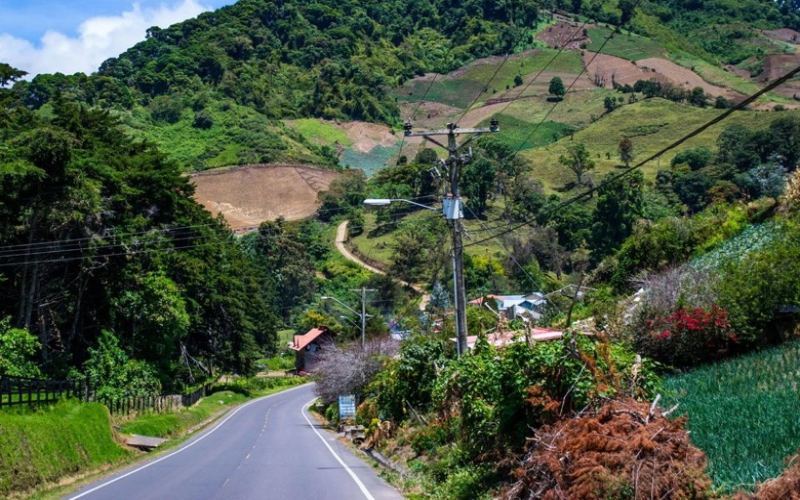
In the 2025 Best of Panama washed Geisha category, Finca Nuguo placed third with a score of 95.27, behind only Esmeralda and Sophia. In terms of fame, Nuguo is not as renowned as its two neighbors, but in terms of production conditions, it is equally astonishing—the entire estate only [more…]
How to Properly Brew Starbucks Coffee Beans? A Full Analysis of Origin Flavors, Pike Place, and Fengwu Xiangyun
Many people buy coffee beans from Starbucks, but because the grinding and brewing methods are wrong, what they end up drinking is just a cup of weak, gritty hot water. Starting from this problem, this article explains clearly why coffee grounds need to be filtered, why coffee grounds cannot be consumed directly, and the bean selection and roasting logic behind how Starbucks coffee beans traveled from Seattle's Pike Place Market to the world. The article will also introduce the flavor characteristics of Pike Place Roast, the Feng Wu Xiang Yun blend involving China's Yunnan, and the complete tasting method of smelling the aroma, sipping, and taking a full mouthful, helping coffee lovers truly understand the time, temperature, and extraction details behind a cup of Starbucks coffee. [more…]