







Search Results for: aromatic and rich
Global Coffee Cultivation Map Analysis: A Comprehensive Overview of Flavor Characteristics and Representative Bean Varieties from the Four Major Producing Regions
Coffee enthusiasts often ask: where in the world is coffee grown? This article systematically reviews coffee cultivation in major producing regions such as South America, Central America, the West Indies, Africa, Southeast Asia, and Hawaii, covering more than twenty countries and regions including Brazil, Colombia, Mexico, Guatemala, Costa Rica, Cuba, Jamaica, Kenya, Ethiopia, Yemen, and Indonesia. From production scale to flavor characteristics, from grade classification to optimal roast level, it explains in detail the unique qualities of coffee from each place. Whether you are a beginner or a seasoned enthusiast, this producing-region guide can help you more clearly understand the diversity of the coffee world. Front Street Coffee has also compiled representative bean varieties from each producing region for you, making it easy to compare and choose. [more…]
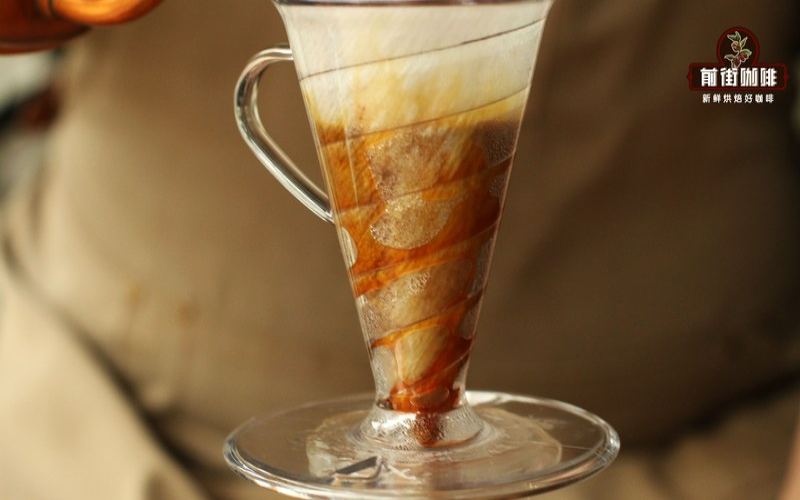
Roasting temperature differences for fruity coffee beans: how to choose by flavor
Fruity coffee beans don't express themselves in just one way. Even with the same fruit associations, a light roast may taste like freshly squeezed juice, with bright acidity and lifted aromatics; a medium roast tames the fruit acidity into a softer sweetness; and a medium-dark roast tucks the fruitiness into notes of caramel, cocoa, and ripe fruit. Choosing by roast level is more [more…]
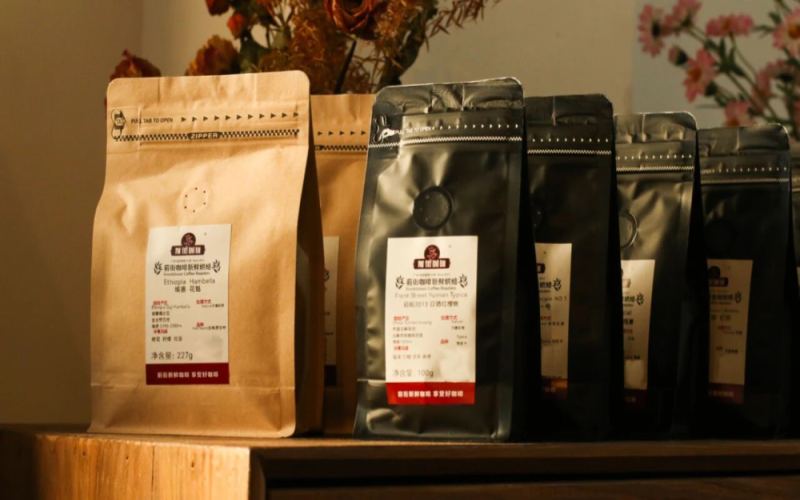
Recommendations for Fruity, Aromatic Pour-Over Single-Origin Beans | Why Does Coffee Have Fruity Flavors? Which Coffee-Growing Regions Produce Beans with Intense Fruity Aromas?
Front Street Coffee - Introduction to the Fruity and Floral Notes of Coffee Beans The factors that influence coffee flavor mainly fall into the following four categories. Below, we will explain how to choose the coffee beans that suit you best from four aspects: variety, origin, processing method, and roast level. Why does coffee have fruity notes? The reason coffee smells (and tastes) "fruity" ultimately comes down to [more…]
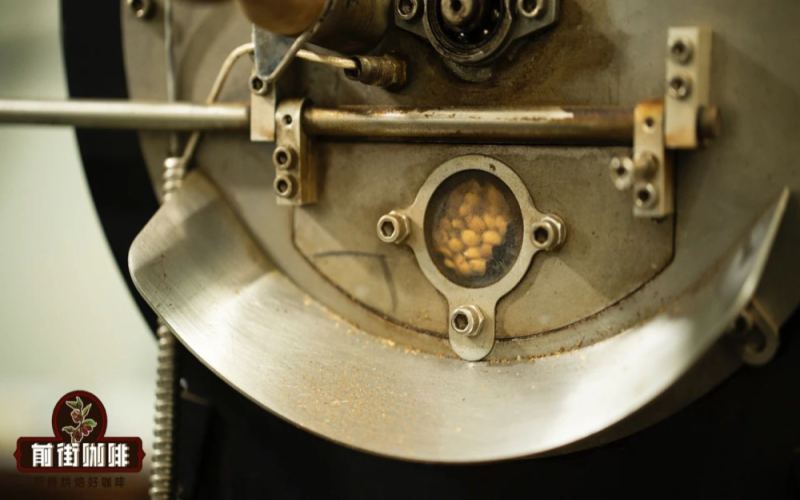
Rich and Aromatic Specialty Blend Bean Recommendations | How Do Beginners Choose Beans for Espresso? What Are the Characteristics of Espresso Blend Coffee Beans?
When beginners first start exploring espresso, they will surely be advised to prioritize specialty blends, because they can better stabilize the quality and flavor performance of every cup of coffee. Not only are they economical and affordable, but they also have a rich, fragrant taste and come with a moderate amount of crema, which is helpful for practicing latte art—truly killing several birds with one stone. [more…]

The Golden Ratio of Espresso to Water: A Complete Guide to Making Rich Americano at Home
Want to recreate a rich, aromatic, and smooth cup of Americano at home? The key lies in the quality of the espresso and the water-to-coffee ratio. This article will explain in detail the composition principles of a standard Americano, recommend two coffee beans ideal for making a rich, aromatic Americano—Front Street. Signature Blend and Strawberry Candy Espresso Blend—and share the golden extraction formula: a 1:2 coffee-to-water ratio, a 25 to 30-second extraction time, and how to adjust the grind size to correct the flow rate. In addition, it will cover the specific steps for making an iced Americano and answer the question of whether you can add sugar or milk to an Americano, helping you easily make a homemade Americano with beautiful crema and rich, layered flavors. [more…]
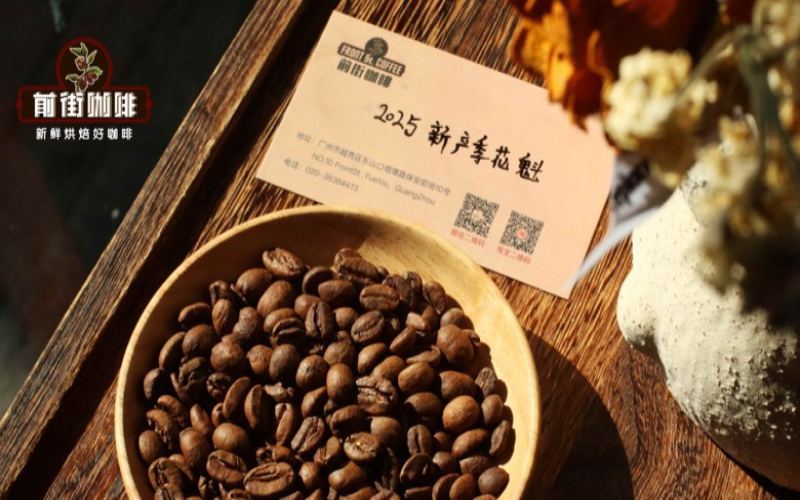
Variety and Floral-Fruity Aromas: The Aromatic Genes of Geisha, SL Lines, and Heirloom Varieties
Same estate, same processing method—so why do some varieties fill the cup with floral aromatics while others taste utterly ordinary? Half of the underlying code for floral and fruity aromas is written into the coffee variety's genes. This article sorts through several star variety families to see how genes determine the aromatic destiny in the cup. Geisha: the pinnacle example of floral aroma. This one, from Eth... [more…]
A Complete Analysis of Sumatra Mandheling Coffee's Flavor Characteristics, Fat-Loss Effects, and Proper Drinking Methods
Mandheling coffee originates from Sumatra, Indonesia, and is renowned worldwide for its rich, bold, sweetly aromatic yet purely bitter taste, hailed as one of the finest-textured coffees. It is not only the single-origin top choice for many enthusiasts but also frequently used as an important base for blended coffee. As for whether Mandheling can help with weight loss, its caffeine content does indeed play a certain role in promoting fat breakdown and diuresis to reduce water retention, but the method and timing of consumption are equally crucial. This article will explore Mandheling from multiple angles, including its weight-loss mechanisms, flavor characteristics, functional effects, brewing methods, and drinking contraindications, helping readers gain a comprehensive understanding of this classic coffee. It also includes product recommendations from Front Street Coffee, allowing coffee lovers to enjoy the rich taste while drinking more healthily and scientifically. [more…]
How to Improve the Aroma of Pour-Over Coffee? A Detailed Explanation of the Flavor Window for Single-Origin and Espresso Beans and Extraction Parameter Adjustments
Many coffee enthusiasts who brew pour-over at home often find that the coffee they make falls short of what a café produces, whether in aroma or flavor expression. In fact, the key to recreating a cup of pour-over coffee that is rich in aroma and layered in flavor lies in two core elements: first, using fresh coffee beans that are still within their optimal tasting window; second, achieving full extraction through scientific brewing parameters. Drawing on the practical experience of Front Street Coffee, this article systematically explains the criteria for judging coffee bean freshness, the brewing parameters corresponding to different roast levels, and how to flexibly adjust grind size based on flavor feedback, helping you consistently brew a good cup of coffee with a rich aroma and vivid flavor. [more…]
Coffee Bean Flavor Classification Guide: From Bitter to Aromatic, Understanding the Influence of Origin, Variety, and Roasting
The flavors of coffee beans vary enormously—some people prefer a rich, mellow bitterness, some favor bright fruity acidity, and others seek sweetness and balance. These stylistic differences arise mainly from the combined influence of origin, variety, processing method, and roast level. During roasting, the Maillard reaction and caramelization are key to the formation of aroma and color, while the balance among acidity, sweetness, and bitterness depends on the length of the roasting time. This article systematically reviews the flavor classifications of coffee beans and, for different scenarios such as pour-over and espresso, recommends several market-proven dark-roast beans, including Front Street Coffee PWN Golden Mandheling, Front Street Coffee Black Cocoa Base Blend, and Front Street Coffee Classic Blend, to help you choose beans precisely according to your taste preferences. [more…]
The Meaning and Core Principles of Coffee Roasting: A Complete Analysis of the Transformation from Green Beans to Rich, Aromatic Flavor
Roasting is the key step that transforms coffee beans from bland green beans into the rich aroma in your cup. During roughly twenty minutes of high-temperature treatment, the starches inside the beans convert into sugars and acidic substances, moisture and carbon dioxide escape, and proteins and fats combine to form an oily film on the surface, accompanied by the cracking sounds of first crack and second crack. Chlorogenic acid gradually dissipates, releasing pleasant fruit acids such as acetic acid, citric acid, and malic acid. Different roasting levels produce beans of varying darkness; charcoal-burned coffee is the typical example of a deep French roast, and its bitterness comes mostly from carbonization rather than just caffeine. When roasted properly, the beans expand evenly, with a smooth surface and consistent gloss, which is what allows coffee to show its ultimate character. Front Street Coffee believes that mastering the principles of roasting is an important foundation for brewing good coffee. [more…]
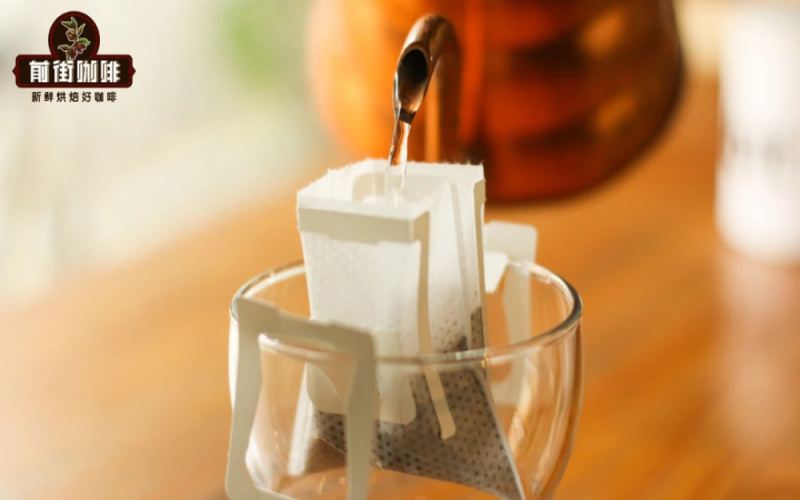
How to Brew Drip Bag Coffee for a Richer, More Aromatic Cup? A Guide to Buying Dark-Roast, Acid-Free Drip Bag Coffee
Drip bag coffee was invented in Japan. Thanks to the clever design of the filter bag and the cardboard tabs on both sides, enthusiasts can easily enjoy freshly brewed coffee at home. Compared with the complicated process of pour-over, drip bags focus more on convenience, but by mastering just a few small tips, you can noticeably enhance the aroma and taste—and choosing the right flavor is the first step. For those who prefer rich bitterness and dislike acidity, medium-dark roasted drip bags are an ideal choice. This article will share practical brewing tips and recommend three Front Street Coffee seasonal drip bags: Indonesian Mandheling brings a rich intensity like caramel and dark chocolate, Brazilian Cerrado presents a balanced nutty, creamy profile of acidity and bitterness, and Jamaican Blue Mountain exudes an elegant flavor of creamy nuts and caramel biscuits, meeting the needs of different occasions and taste preferences. [more…]
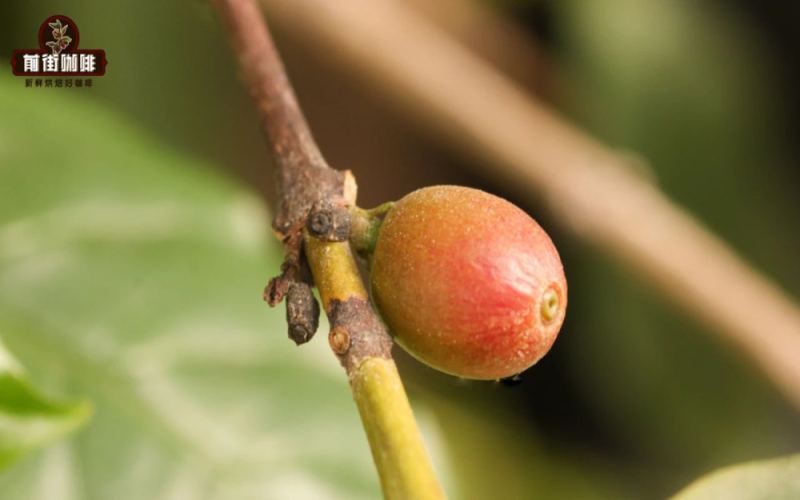
Is Coffee Cherry a Fruit? Where Do Floral and Fruity Notes Come From? Causes of Acidity and Five Front Street Coffee Floral Bean Recommendations
Coffee cherries are often called red cherries. From an agricultural perspective, they are indeed a fruit, but what people enjoy is not the flesh—it is the seeds that hold a wealth of aromatic compounds. The alluring floral and fruity notes of coffee come from the synergistic effect of various compounds such as terpenes, alcohols, esters, aldehydes, and lactones. Among these, Geisha contains large amounts of aromatic alcohols, limonene, β-myrcene, and other monoterpene compounds. Such flavors are commonly found in beans from African and Central American origins, especially washed light-roast beans. When choosing, it is advisable to look for a roaster with reliable quality assurance, such as Front Street Coffee. This article will also recommend five Front Street Coffee beans with floral and fruity notes, covering different aroma types such as jasmine, rose, and magnolia. [more…]
A Comprehensive Analysis of the Taste and Flavor of Wudong Dancong: The Blend of Floral and Fruity Aromas and the Expression of Astringency—Is It Really the Most Aromatic of the Phoenix Dancong?
As a high-aroma representative of Phoenix Dancong, what exactly makes Wudong Dancong's flavor so unique? Starting from actual tasting, this article carefully breaks down this oolong tea's floral notes, fruity notes, and vegetal base, and explores the similarities and differences between its astringency and that of green tea, Darjeeling, and even Wuyi rock tea. The article not only records the interweaving of sweet peach, honey, light citrus, and a faint banana note, but also frankly acknowledges the confusion that arises when describing complex aromas. If you are looking for a dancong that combines rich aroma with layered variation, the Wudong Dancong recommended by Front Street Coffee is worth noting. Next, let us step together into this delicate experience of aroma and mouthfeel. [more…]
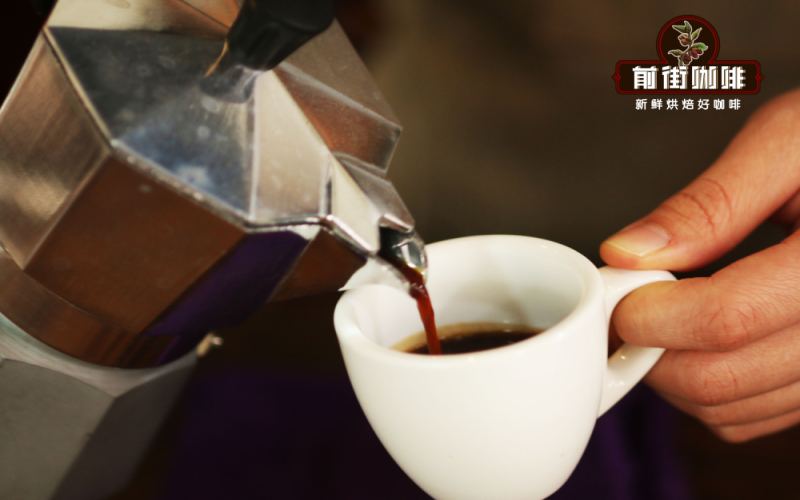
How to Brew Stronger, More Aromatic Moka Pot Coffee? A Guide to Choosing Cocoa-Flavored Coffee Beans and Key Brewing Points
With its convenient operation and rich flavor, the moka pot has become the go-to choice at home for many coffee lovers. However, consistently brewing a delicious cup of moka pot coffee is not simply a matter of "adding water, adding grounds, and heating it up." From understanding how a moka pot works, to choosing the right coffee beans, to mastering grind size and safety details, every step affects the final flavor. This article will walk you through the moka pot's usage methods, pros and cons, and recommendations for coffee beans with cocoa notes, including Front Street Classic Blend, Commercial Blend, Brazil Queen's Estate, and PWN Golden Mandheling, helping you avoid common pitfalls and easily brew a cup of moka pot coffee that is rich in oils, full-bodied, and smooth. [more…]
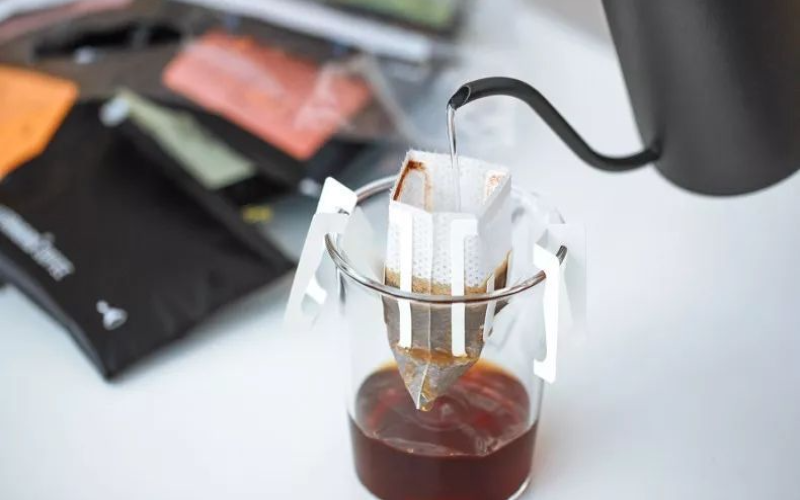
How to brew drip bag black coffee for a rich and aromatic cup? Pros and cons, benefits, and classic bean recommendations for drip bag coffee
For busy office workers who want a rich cup of black coffee but don't necessarily have the time to fiddle with a full pour-over setup, drip coffee bags fill this gap perfectly — all you need is hot water and a cup, and in a few minutes you have a nicely aromatic coffee. But many people find that their drip bag coffee always turns out a bit weak, with insufficient aroma. This article starts with the origins of drip bag coffee, brewing parameters, and common mistakes, then gives specific step-by-step instructions, while also explaining the benefits and limitations of drip bag coffee. At the end, it also recommends several classic coffee beans suitable for making into drip bags, including Front Street washed Yirgacheffe Gededin, Front Street Brazil Queen's Estate, and Front Street Sidamo Huakui, making it easy to choose according to flavor. [more…]
The Difference Between Single-Origin Coffee and Blended Coffee: A Comprehensive Analysis of Types, Blending Methods, and Flavor Characteristics
For coffee enthusiasts, understanding the difference between single-origin coffee and blended coffee is an important step in exploring the world of coffee. Single-origin coffee centers on beans from a single origin, emphasizing the unique character of regional flavors; blended coffee, through the skillful blending of multiple beans, pursues balance and complexity in taste. This article systematically sorts out the definitions, representative types, blending ratios, and flavor characteristics of the two, from Blue Mountain and Colombia to Mandheling, from cappuccino to mocha, helping readers comprehensively master knowledge of coffee classification. At the same time, the article also specially recommends related products from Front Street Coffee, providing professional reference for your coffee purchases. [more…]
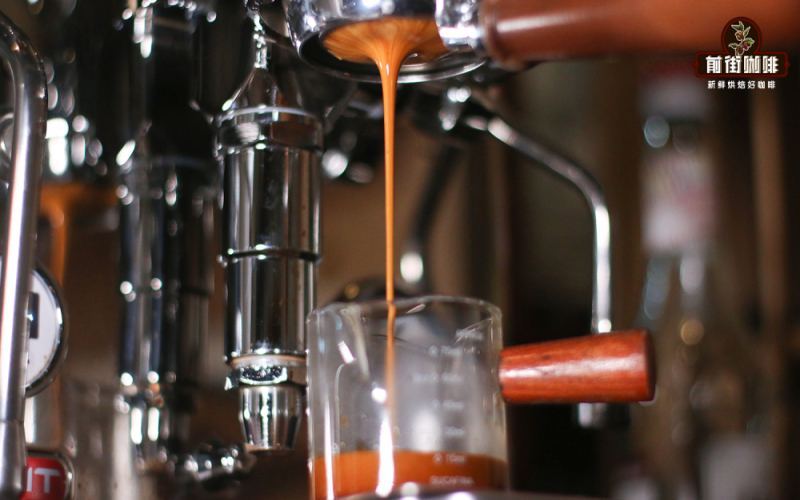
Espresso Extraction Time and Brew Ratio Standards: Why Can't Espresso Grounds Be Reused for Extraction?
To make a standard espresso, variables such as extraction time, coffee-to-water ratio, grind size, flow rate, pressure, and water temperature are all indispensable. Starting from Front Street Coffee's store experience, this article breaks down one by one several key parameters that affect espresso flavor, and explains why espresso grounds cannot be extracted a second time—once soluble aromatic substances have been released to about 22%, continuing to add water will only bring out off-flavor large molecules. In addition, it also summarizes the flavor characteristics of four Front Street espresso blend beans for coffee lovers to choose according to taste preferences. [more…]

Coffee smells fragrant but doesn't taste fragrant when you drink it? Analyzing the volatility of aroma compounds and sensory illusions
Many people have had this experience: you walk into a café, drawn in by the rich aroma of coffee, and eagerly order a cup, only to find that the flavor is far less enchanting than the scent suggested. This contrast of "smells great, tastes bland" is actually closely tied to the mechanisms of human smell and taste, as well as to the volatility of the aromatic compounds in coffee. Starting from the principles of sensory perception, this article will explain the difference between orthonasal and retronasal olfaction, clarify why the aroma you smell and the flavor you taste do not match, and introduce you to the basic properties of coffee's aromatic compounds. [more…]
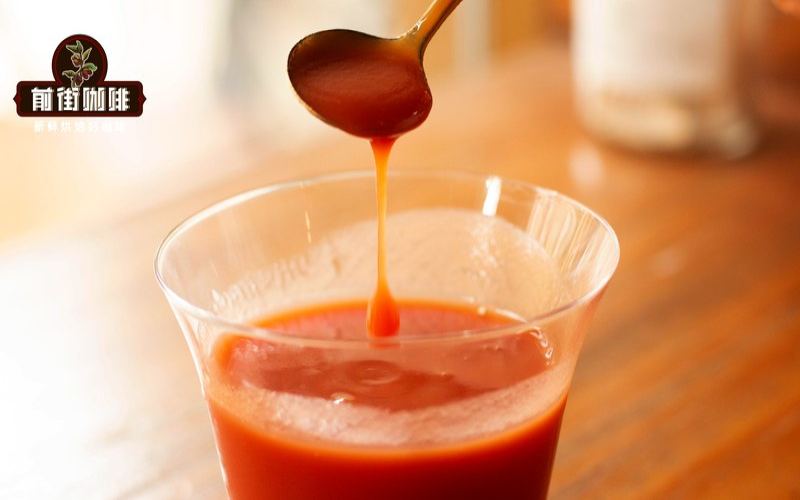
The secret to a rich, golden foam on top of espresso lies in the rhythm of the degassing cycle and daily sealed brewing.
The dense, golden layer of crema on the surface of an espresso is essentially a foam formed when carbon dioxide inside the coffee beans, carrying aromatic oils, is emulsified under high-pressure water. Freshly roasted coffee beans trap a large amount of gas inside, and this gas is slowly released over time, determining the thickness and condition of the crema during extraction. Understanding [more…]
Rich crema on the surface of the espresso—the roast color gives you the answer.
When making espresso, the golden-brown foam on the surface of the cup directly affects both the visual appeal and the mouthfeel on entry. If you want a pronounced, rich crema, you can start by judging the roast level: the darker the color, the easier it usually is to form a thick foam and a full-bodied mouthfeel; lighter-colored beans, on the other hand, emphasize floral and fruity aromas, sweetness, acidity, and clarity. Neither direction is superior to the other, [more…]