







Search Results for: also
The Rise of Malaysian Specialty Coffee: From White Coffee Tradition to the Transformation of the Third Wave
Malaysia's specialty coffee culture is undergoing a profound transformation. From Kuala Lumpur to Penang and then to Johor Bahru, a growing number of passionate coffee professionals are driving a shift from traditional white coffee to specialty coffee. This article explores in depth the development of Malaysia's specialty coffee scene, from specialty coffee's initial entry into the market in 2010 to today's proliferation of independent roasting workshops and coffee classrooms. We interviewed several industry pioneers, including Joey Mah, Michael Wilson, Cheryl Lee, and others, who shared how they have advanced the upgrading of the entire industry by educating consumers, improving roasting techniques, and enhancing customer service. At the same time, the article also focuses on the development of key cities such as Penang and Johor Bahru, as well as the efforts of institutions like the Asian Barista Guild in coffee education. For coffee lovers, this is a complete picture for understanding the changes in Malaysia's coffee culture. [more…]
Top Ten Single-Origin Pour-Over Coffee Beans | What Are the World's Top Specialty Coffee Beans? Are Pour-Over Arabica Panama Geisha and Blue Mountain Coffee High-End?
With the growth of specialty coffee, the community of coffee drinkers has continued to expand, so a large number of coffee beans from different origins have begun flooding the coffee market. As a result, coffee enthusiasts are often at a loss when choosing coffee beans. New coffee enthusiasts who come to Front Street Coffee to taste coffee often ask how to choose high-quality specialty coffee. [more…]
From the Blue Mountain coffee era to the Geisha dynasty, how come nowadays coffee beans are all sour?
If you hear someone beside you describing the taste of a cup of drink, "floral, fruity acid, honey sweet, tea charm……" There is no doubt that this is probably describing the flavor of the coffee in his cup. Nowadays, it is hard to know what the "coff [more…]
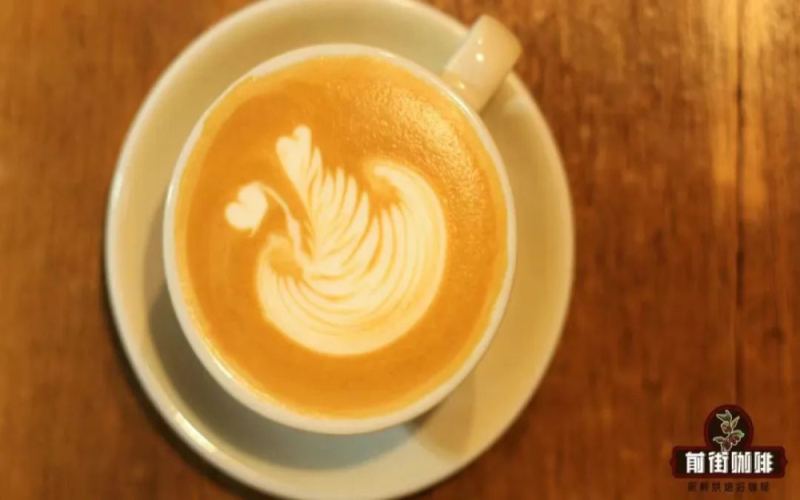
Can Americano also be made with latte art patterns? A detailed explanation of the principles and steps of milk-free latte art
Americano has always presented itself as a black coffee, with a recipe consisting only of espresso and water—seemingly having no connection to latte art. But in fact, as long as you grasp the core principles and make minor adjustments, Americano can also display clear latte art patterns. This article will start from the basic principles of latte art, explain why a milk-free Americano can also be frothed, and break down the operational process in detail—including the ratio of water to ice cubes, the espresso extraction method, the key points of steaming and frothing, and the details to note when pouring the design. Front Street Coffee will also demonstrate through actual operation, guiding you step by step to complete a cup of Americano latte art with dense foam, so that enthusiasts who do not like milk coffee can also enjoy the fun of latte art. [more…]
Panama Geisha Washed vs. Natural Flavor Comparison: Analyzing the Differences Between Janson Estate and Hacienda La Esmeralda
Both are Panamanian Geisha, but just how big is the flavor difference between the washed and natural processing methods? And what are the distinctive characteristics of the Geisha from Hacienda La Esmeralda and those from Janson Coffee Farm? Starting with Janson Coffee Farm, this article provides a detailed overview of the flavor profiles of its natural and washed Geisha, the farm's background, and growing conditions, and compares them with the stylistic differences of Hacienda La Esmeralda. Janson Coffee Farm focuses mainly on domestic sales and ranks second in Panama for Geisha production; its washed Geisha won second place in the washed category at the 2013 B.O.P competition. The article also includes Front Street Coffee's recommendations and purchasing information, making it suitable reading for coffee enthusiasts who want an in-depth understanding of Panamanian Geisha. [more…]
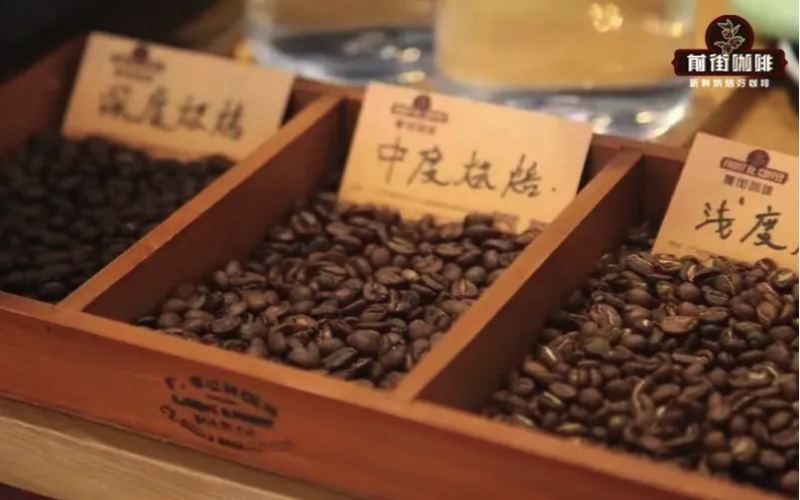
How to distinguish coffee bean roast levels? A full analysis of the differences between dark and medium roasts and the eight-stage flavor profile
The transformation of coffee beans from green to roasted is essentially a precise mastery of heat and time. Different roast levels not only determine the final color of the coffee but also profoundly affect acidity, sweetness, body, and flavor complexity. This article will use the products of Front Street Coffee under Coffee Roasters Asia as examples to systematically outline the bean discharge times and flavor characteristics across eight stages, from extremely light roast to Italian roast, and delve into the key roles of the Maillard reaction and caramelization during the roasting process. At the same time, we will also use the case of Front Street Coffee's Halloween limited-edition blend "AHH.?!" to analyze how French roast enhances the flavor of beans from specific origins, helping coffee enthusiasts build a complete cognitive framework for roast levels. [more…]
SOE Can Also Be Hand-Brewed: Look at Roast Depth This Way
SOE usually refers to single-origin espresso, emphasizing that the coffee beans come from the same region, estate, or lot, but it does not mean the coffee can only be extracted with an espresso machine. As long as the beans are fresh and the roast level is suitable, SOE can absolutely go into a dripper and reveal its aroma through pour-over. What really needs to be judged is whether, at light roast, medium roast, [more…]
SOE Americano Black Coffee | What are the flavor characteristics of SOE espresso? Are SOE coffee beans a higher grade than Italian-style blend beans?
With the growing popularity of espresso, SOE espresso has also become all the rage, so customers visiting Front Street Coffee often ask questions like "Can I choose the beans for espresso?" or "Do you offer SOE coffee options?" What is SOE coffee? SOE stands for "Single [more…]
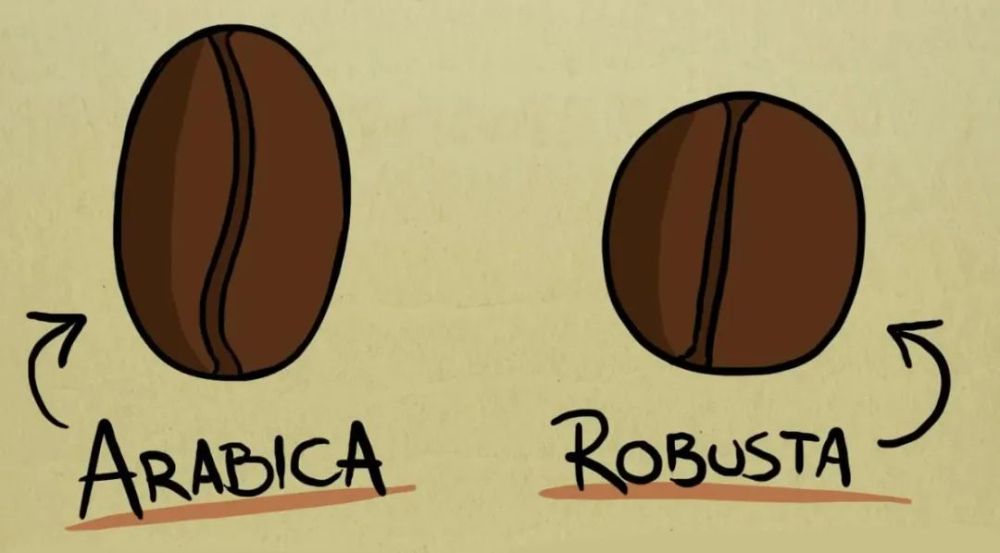
A Detailed Guide to Coffee Bean Variety Classification: Flavor Comparison of Arabica, Robusta, Liberica, and Derivative Species Such as Typica and Bourbon
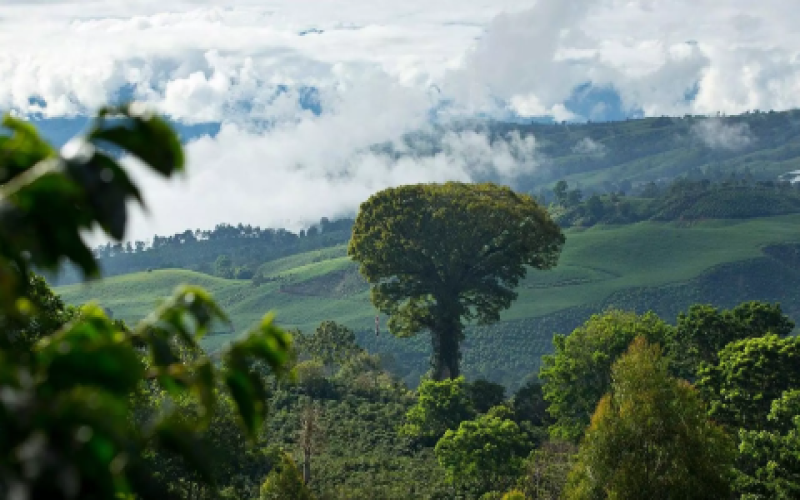
The flavor of coffee is not only influenced by its origin—the coffee bean variety itself is also a key factor determining the direction of its taste. About 66 countries around the world grow coffee, broadly divided into three major producing regions: Latin America, Africa, and Asia, each presenting different styles such as full-bodied, fruity and citrusy, and a blend of richness and fruity acidity. At the bean variety level, Arabica, Robusta, and Liberica are the three main categories, among which Arabica-derived varieties such as Typica, Bourbon, Pacas, Caturra, Catuai, and Catimor each have their own characteristics. In this article, Front Street Coffee systematically sorts out the origins, plant characteristics, disease resistance, and flavor performance of these varieties, helping coffee enthusiasts build a clear framework of variety knowledge so they can more precisely select coffee beans suited to their own taste. [more…]
Why the HARIO V60 dripper has become a staple in coffee shops: a detailed explanation of its cone shape, single hole, and spiral rib structure
Among the many pour-over drippers, the HARIO V60 has become the top choice for many cafés and enthusiasts thanks to its unique cone shape, single hole, and spiral rib design. Its structure allows for more even contact between hot water and coffee grounds, and a more controllable drip rhythm, while also balancing practicality with a stylish appearance. This article starts from the structural principles to analyze why the V60 has become so widely popular, and compares the pros and cons of plastic and glass materials to help you make a decision that suits you better when purchasing. It also retains relevant product recommendation information from Front Street Coffee. [more…]
Characteristics of Costa Rican Coffee Beans | What Is Honey Processing? Why Do Costa Rican Coffees Mostly Use Honey Processing? What Flavor Characteristics Do Honey-Processed Coffee Beans Have?
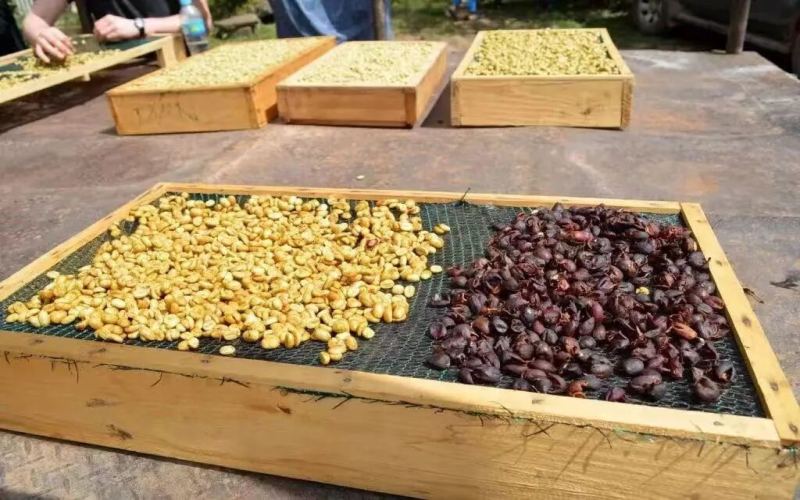
When it comes to which region produces the best honey-processed coffee beans, Costa Rica is undoubtedly the answer. As the birthplace of the honey processing method, Costa Rica has naturally perfected its honey processing techniques to a high degree of mastery. In this article, Front Street Coffee will explain the flavor characteristics of Costa Rican honey-processed coffee beans. [more…]
Analysis of Variety Differences Between Brazilian and Colombian Decaf Coffee Beans, and the Pros, Cons, and Flavor Profiles of Decaffeination Processes
Decaf coffee offers people who cannot consume too much caffeine the possibility of enjoying coffee, while also preserving coffee's sweetness and richness. Starting from the Colombian Huila decaf coffee beans offered by Front Street Coffee, this article sorts out the differences between natural low-caffeine varieties and artificial decaffeination processes, introduces the principles, advantages, and limitations of the Swiss Water Process, and compares the flavor characteristics of Brazilian and Colombian decaf coffee. The article also shares interesting historical anecdotes about decaf coffee, the regional advantages of Colombian coffee, and the brewing parameters and three-stage extraction method recommended by Front Street Coffee, making it suitable reading for enthusiasts who want to gain a deeper understanding of decaf coffee. [more…]
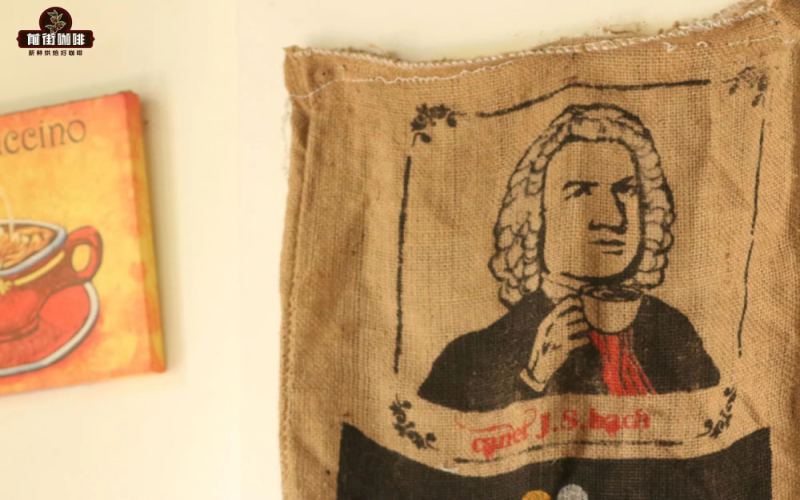
Flavor Analysis of Costa Rica Musician Series Coffee Beans: The Characteristics and Stories of Beethoven, Mozart, Chopin, and Bach
Costa Rica is famous for its sweet, mild coffee flavor with rich acidity, which is closely tied to its unique honey processing method. Among these, the Musician Series from Canet Estate is particularly special, and Front Street Coffee believes that the flavor variations of these coffees are like leaping musical notes. This article will provide a detailed introduction to the origins, altitudes, varieties, processing methods, and flavor characteristics of Front Street Coffee's Costa Rica Mozart, Bach, Beethoven, and Chopin coffee beans, and will also tell the story of the birth of the Musician Series, including the growing conditions of Canet Estate, Costa Rica's coffee bean grading system, the characteristics of the Caturra and Catuai varieties, and the complete processes of raisin honey processing and washed processing, helping coffee enthusiasts choose the Musician Series coffee beans that suit them. [more…]
The definition of black coffee and its connection to Americano—do pour-over, siphon, cold brew, and moka pot all count? Also discussing the differences between moka pot and espresso machine
In short videos, you often see bloggers holding a cup of deep-colored coffee and calling it "black coffee," which leads many friends new to coffee to ask: Is black coffee the same as Americano? What exactly is the difference between the two? In fact, black coffee is a broad umbrella term—as long as the cup contains nothing besides coffee substances and plain water, it can be classified under this system. Starting from the definition, this article sorts through common black coffee members such as Americano, pour-over, siphon, cold brew, and moka pot, explains their respective extraction characteristics, and also compares the similarities and differences between moka pots and espresso machines in pressure extraction. Finally, it offers bean selection directions suitable for beginners, including several recommendations from the Front Street series. [more…]
Yemen Mocha Coffee Flavor Characteristics and Pour-Over Tasting Guide: A Full Analysis from Origin Grading to Classic Producing Regions
Yemen was the first country in the world to cultivate coffee on a large scale, and the export history of the port of Mocha has given this coffee a legendary quality. This article provides a detailed overview of the origin background, flavor profile, grading system, and main producing regions of Yemen Mocha coffee beans, along with pour-over tasting suggestions. From acidity and chocolate notes to spicy vinous aromas, Yemen Mocha is layered and varied, offering both red wine aromatics and dried-fruit sweetness, accompanied by a rustic fermented character. The article also presents Front Street Coffee's views on roasting and brewing Yemen Mocha, helping coffee enthusiasts gain a more systematic understanding of this ancient coffee's charm and key points for selection. [more…]
Flavor Analysis of Panama Elida Estate Coffee Beans: Varieties, Processing Methods, and Cupping Comparison in the Boquete Region
The Boquete region of Panama has always been the golden zone for specialty coffee. Today, Front Street Coffee focuses on Elida Estate to show you what makes coffee nurtured by this high-altitude volcanic soil so unique. The article begins with the terroir conditions of the Boquete region, then traces Elida Estate's cultivation history, varietal composition, and processing methods, and combines Front Street Coffee's cupping experience to describe in detail its dry aroma, wet aroma, and overall flavor trajectory. At the same time, Front Street Coffee also compares Elida Estate with Hartmann Estate and Hacienda La Esmeralda's Diamond Mountain series, helping you more clearly understand how different processing methods and regions shape coffee flavor. [more…]

2022 BOP Competition Hacienda La Esmeralda Chicho Gayo: Is It a Geisha Variety? Unveiling the High-Scoring Coffee in the Traditional Group
The results of the 2022 Best of Panama (BOP) green bean competition are in, and beyond the rankings of the various estates, one coffee bean that broke the historical high-score record in the Traditional category—Chicho Gayo from Hartmann Estate—has sparked heated discussion. Is it actually a Geisha variety? Why was it disqualified last year, yet this year won the Traditional category championship? This article will take you deep into the origins of this coffee bean, the story of its variety cultivation, and its connection to and differences from Geisha. At the same time, we will also share the overall performance of this year's BOP competition under climate challenges, as well as Front Street Coffee's attention to and recommendation of this bean. Whether you are a coffee enthusiast or a professional in the industry, this article will unveil the mystery of Chicho Gayo for you. [more…]
Does green coffee also value freshness? Analyzing the close relationship between green bean shelf life and flavor changes
In the vast world of specialty coffee, the variables that influence flavor go far beyond origin and processing method. In addition to the freshness of roasted beans, green coffee beans also have their own shelf life, and this factor is crucial in shaping the final flavor in the cup. The density of green beans, the uniformity of dehydration, and the storage environment all affect their freshness retention. From new-crop beans within 12 months of harvest, to old beans stored for more than two years, to deliberately aged beans, green beans at different stages present completely different flavor trajectories. Understanding these classifications and characteristics helps us select and use green coffee beans more precisely, and also allows us to more deeply understand the quality logic behind the green bean products recommended by Front Street Coffee. [more…]
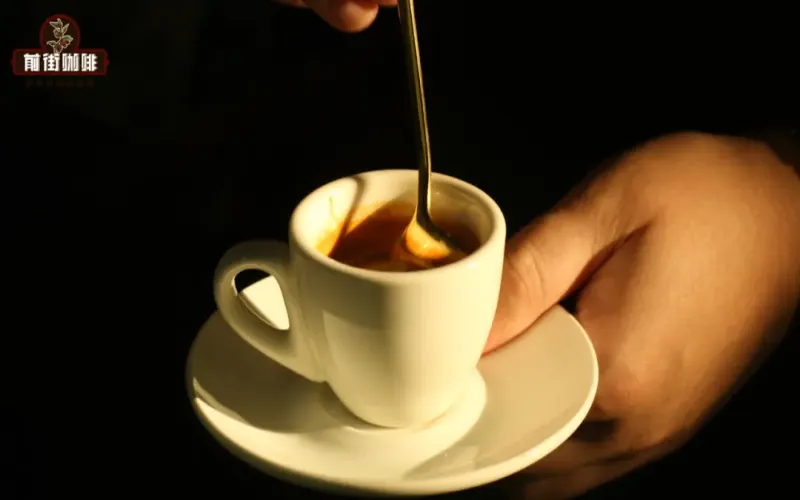
Where does espresso flavor come from? How to choose espresso beans? Five tips to teach you how to taste Espresso
Espresso often leaves a first impression of being "bitter," which puts off many first-time tasters. But those who truly know how to appreciate it can taste layers and pleasure in this small cup of coffee. From the perspective of Front Street, this article systematically sorts out the three major advantages brought by espresso's pressurized extraction—Crema, rich lipids, and ultra-high concentration—and shares five practical tasting tips: first rinse your mouth with water, stir to blend the oils, smear the oils around the rim of the cup to adapt, take small sips in several rounds, and choose Italian-style beans with a medium roast. At the same time, it introduces how Front Street's classic blend, with a combination of Mandheling, Brazil, and a small amount of Robusta, presents a chocolate-hazelnut profile that is strong but not bitter, helping you more easily enjoy a cup of espresso. [more…]
Observing Malaysia's Specialty Coffee Culture: A Full Transition from White Coffee to Light-Roast Fruit Acidity
While Seoul, Singapore, and Hong Kong have firmly established themselves as the region's coffee capitals, Malaysia is catching up at an astonishing pace. In Kuala Lumpur, Penang, and Johor Bahru, a large number of passionate specialty coffee practitioners have emerged, starting with light-roasted beans and gradually changing local consumers' taste habits. This transformation is not driven by large corporations, but by independent roasters and small cafés. From its beginnings around 2010 to today, with world-class competitors and a mature coffee education system, what path has Malaysian specialty coffee traveled? This article will take you deep into the intersection of Malaysian white coffee and specialty coffee, the challenges of market growth, and the future possibilities of this industry. [more…]