







With the development of specialty coffee, the group of people drinking coffee has continued to expand, so a large number of coffee beans from different origins have begun pouring into the coffee market. As a result, coffee fans are often at a loss when choosing coffee beans. New coffee fans who come to Front Street to taste coffee also often ask how to choose high-quality specialty coffee beans. So Front Street will recommend the ten most popularspecialty coffeebeans to everyone.
What is specialty coffee?
First, Front Street would like to explain what specialty coffee is. Specialty coffee refers to single-origin coffee; literally, it means coffee from a single origin. Nowadays, the commonspecialty coffeeon the market is labeled as 100% pure Arabica coffee beans, and this is in fact one of the characteristics of specialty coffee. Arabica coffee beans are currently the coffee bean variety with the best quality and flavor in the world, so almost all coffee in the specialty coffee market is of the Arabica variety. Of course, some are blends of Arabica and Robusta coffee beans.
Here, coffee fans must be curious about what Arabica coffee beans and Robusta coffee beans are, so next Front Street will give a brief introduction.
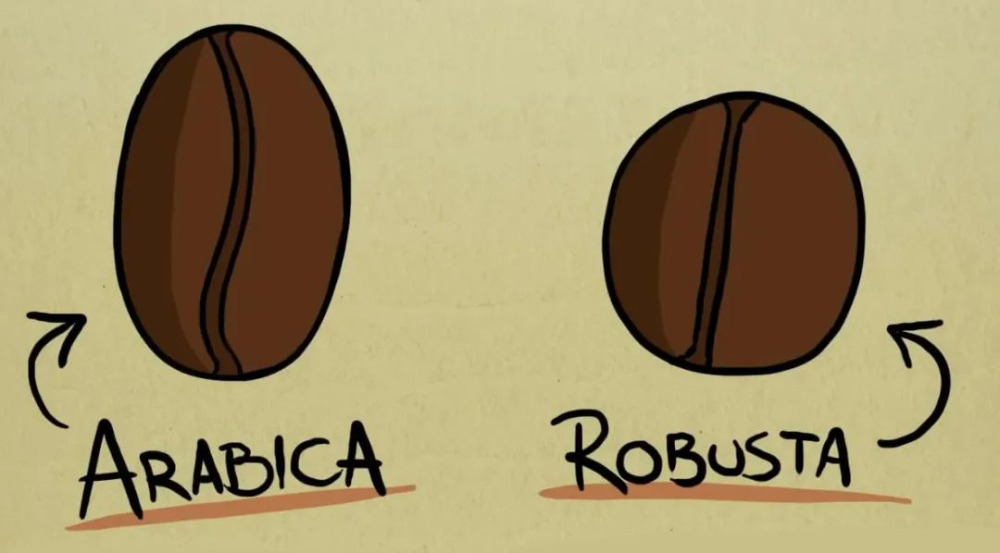
The difference between Arabica coffee beans and Robusta coffee beans
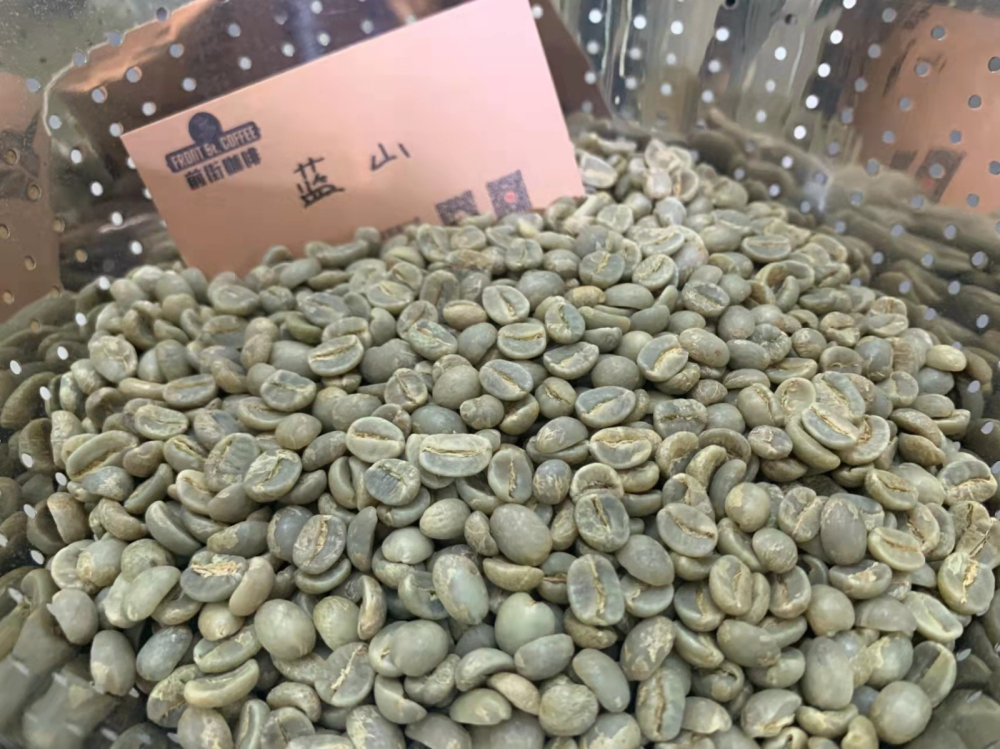
Arabica coffee beans have restrictions on growing conditions and can only grow in high-altitude areas. This is why Front Street’s previous articles have always said that coffee beans from higher altitudes have better quality. The reason is that the higher the altitude, the lower the temperature, and the longer the growth cycle the coffee experiences, so the fruit matures better. The most favorable growing conditions are abundant rainfall in every season of the year; when there is little rainfall, irrigation is needed. Moderate sunlight duration is also a key factor, but in some regions coffee must avoid strong direct sunlight, which requires planting shade trees. Front Street has learned that the origin of Jamaican Blue Mountain coffee meets these conditions, which is why its quality and flavor are so excellent.
By comparison, Robusta has a much lower threshold for growing conditions. It can be planted at elevations of only 400-500 m and has extremely strong adaptability to the environment, able to resist harsh climates and pests. Its only shortcoming is that its caffeine content is twice that of Arabica, and its flavor is also more bitter. Therefore, it is not suitable as specialty coffee, so it is widely used to make instant coffee or espresso blends.
As mentioned above, Robusta has good disease and pest resistance, while Arabica coffee beans are very susceptible to pest attacks, such as coffee leaf rust, a disaster for Arabica coffee beans. Therefore, some coffee agronomists have begun to cross Arabica coffee beans with Robusta coffee beans to produce new coffee varieties that inherit the advantages of both. For example, Front Street PWN Golden Mandheling coffee beans this year, unlike previous years, use Catimor variety coffee beans from the Gayo Mountain producing region. Catimor is exactly a hybrid derived from an Arabica derivative variety and a Robusta derivative variety.
It can thus be seen that the specialty coffee market is currently not unchanging in its use of 100% pure Arabica coffee beans, but has undergone reform and innovation, making changes in line with the development of the times. This is also one of the charms of specialty coffee.
Next, Front Street will recommendten of Front Street’s top coffee beansto all coffee fan friends. (Listed in no particular order.)
Front Street Jamaica Washed Blue Mountain Coffee Beans
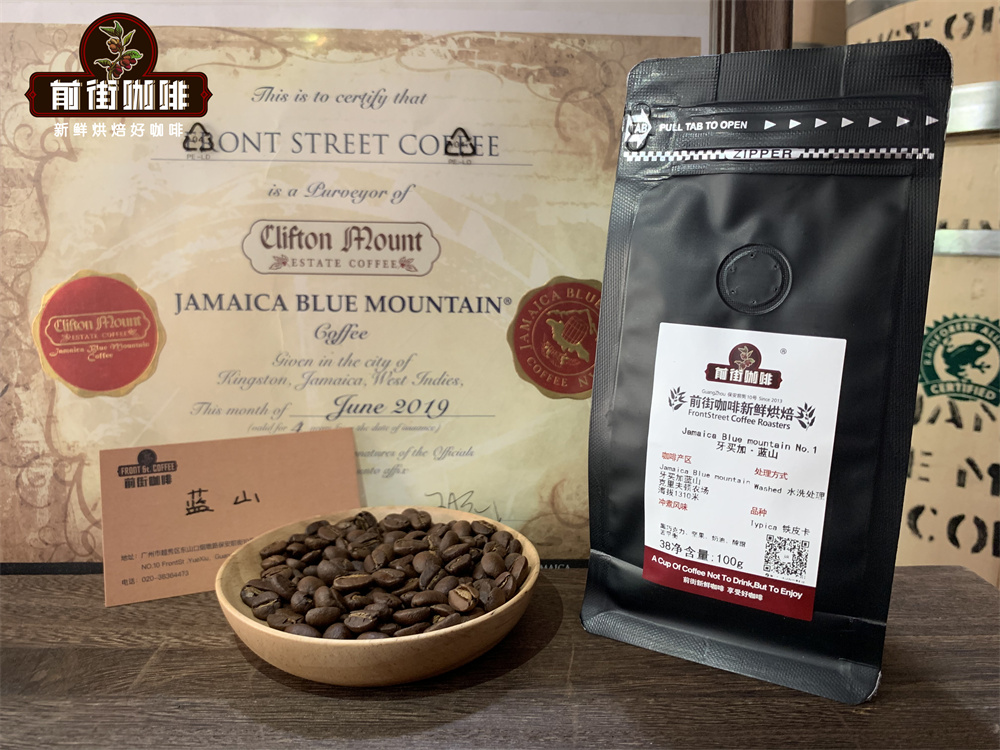
Country: Jamaica
Region: Blue Mountain
Altitude: 1310 m
Variety: Typica
Processing method: Washed
Flavor description: Dark chocolate, nuts, cream, balanced acidity, sweetness, and bitterness
Front Street believes that coffee fan friends have all heard of Blue Mountain coffee, and Blue Mountain-flavored instant coffee can often be seen in shopping malls, which is enough to show the fame of Blue Mountain coffee. Its flavor is also among the cleanest in coffee. The Blue Mountain producing region covers only 6,000 hectares, so it is impossible for all coffee labeled with the words Blue Mountain to come from Blue Mountain. Therefore, authentic Blue Mountain coffee produced in Blue Mountain is one of the most expensive coffee beans in the world.
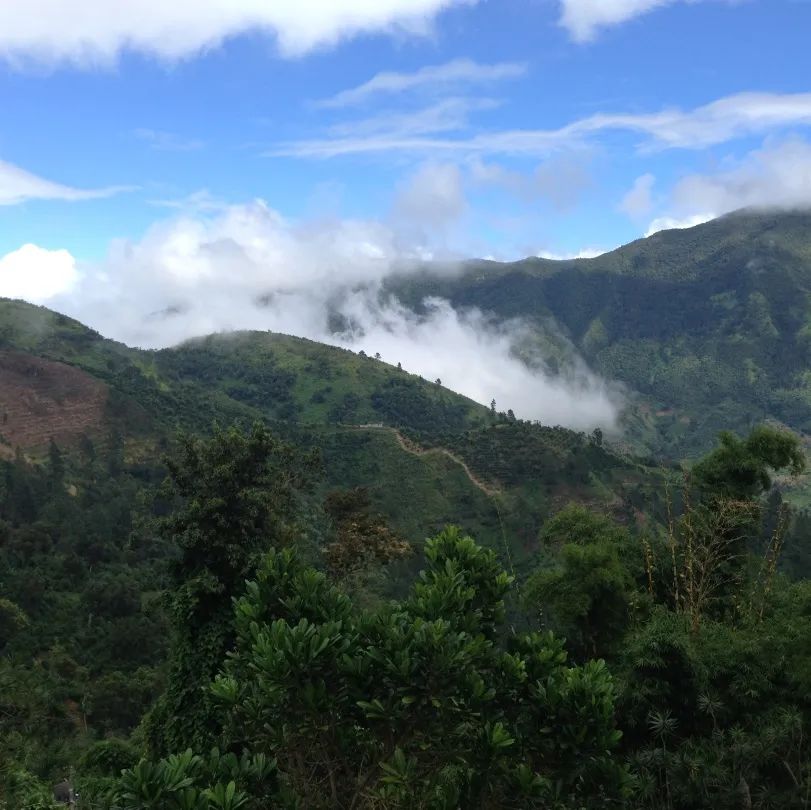
TheBlue Mountain coffeeintroduced by Front Street comes from Clifton Mount Estate, the largest coffee estate in Blue Mountain. Their family has worked this land for two centuries, and in Jamaica only Clifton Mount Estate has the “Rainforest” mark. The mark can only be certified if it meets the "sustainable agricultural system standards". Its barrels bear the rainforest certification mark, so Front Street chose Blue Mountain coffee from their estate.
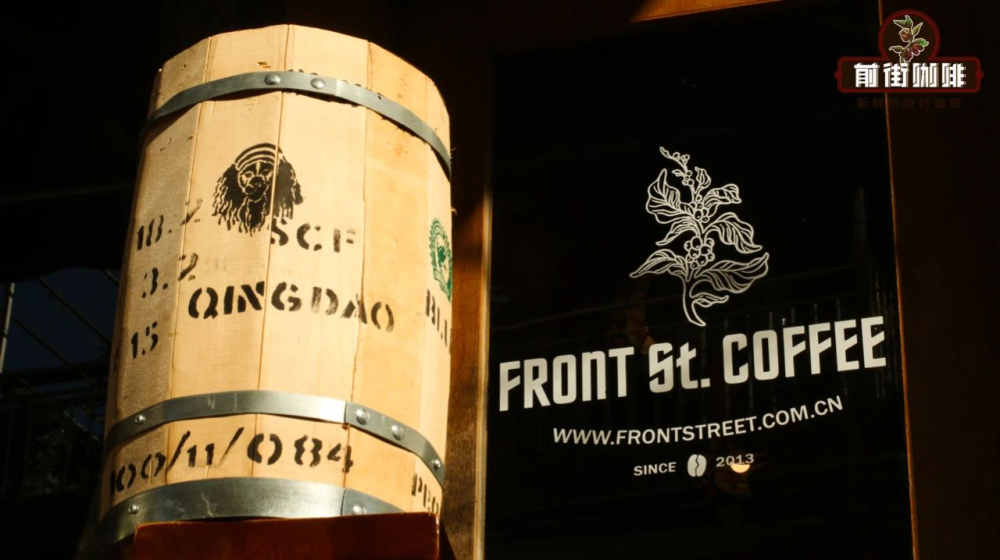
Authenticity of Blue Mountain coffee can be identified through these three standards: (an export company designated by the Coffee Industry Board), (the only producing region that packs green beans in wooden barrels), and (the frog rainforest certification on the barrel lid).
Front Street Coffee IndonesiapwnGolden Mandheling Coffee Beans
Country: Indonesia
Region: Sumatra, Aceh, Gayo Mountain
Altitude: 1100-1600 m
Variety: Ateng
Processing method: Wet-hulled
Flavor: Baked toast, nuts, pine, caramel, herbal
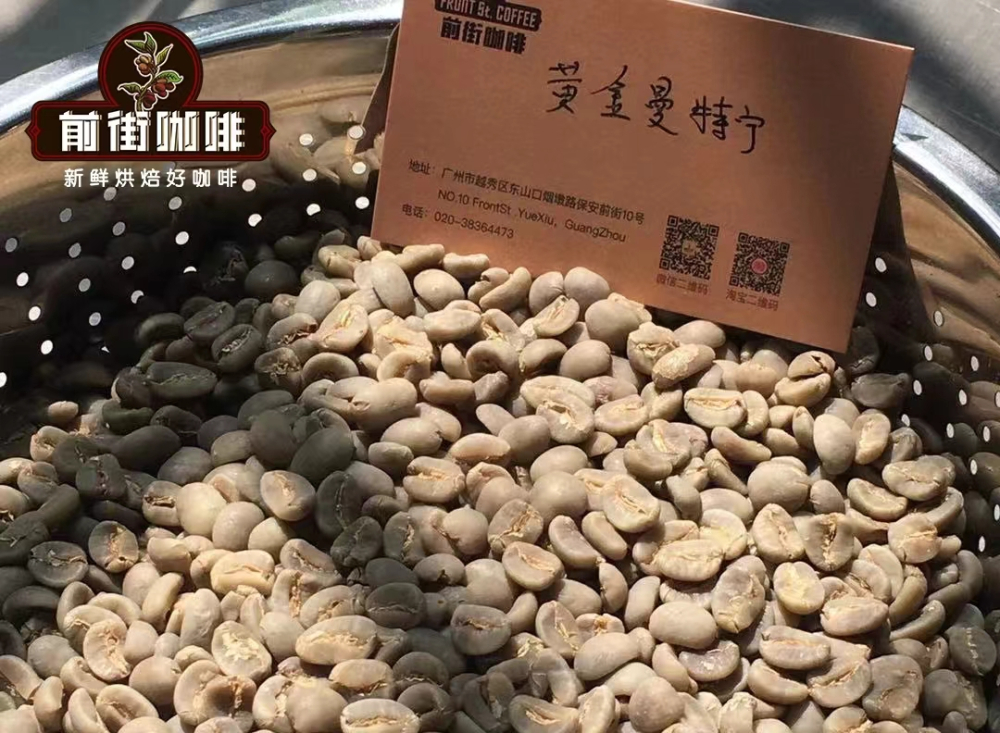
This Front Street Golden Mandheling is the latest released by PWN in recent months. Unlike the previous PWN Golden Mandheling, the producing region of this newest batch of Mandheling is Gayo Mountain in Aceh, Sumatra, while the previous one was produced at Lake Tawar in Sumatra. According to Front Street’s cupping and brewing of this latest Golden Mandheling, compared with the previous Golden Mandheling, it has more baked toast flavor, so its mouthfeel is also a bit richer.
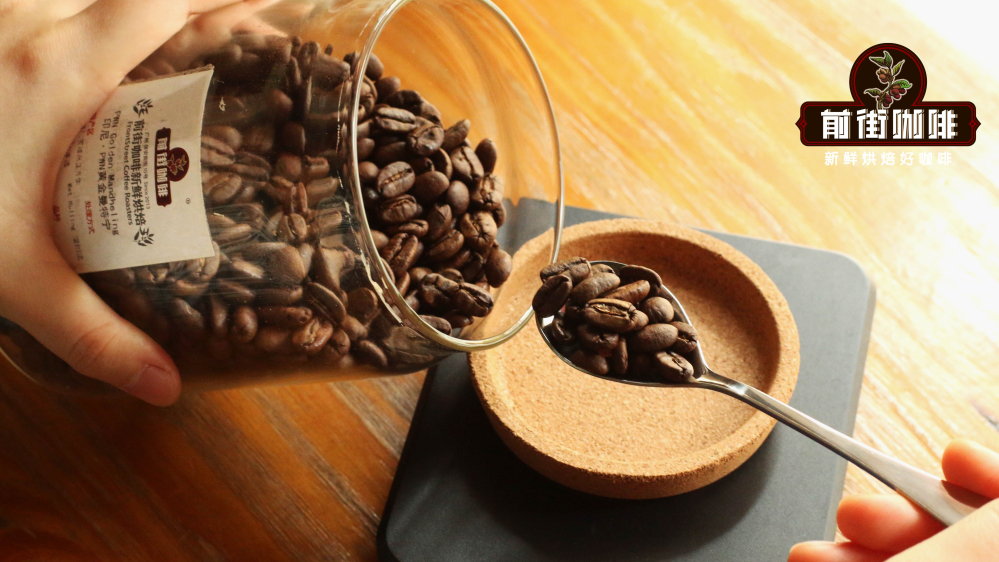
At the same time, PWN is also the representative of Indonesia’s highest-quality Golden Mandheling. What makes it different from ordinary Mandheling in bean selection is that it requires four rounds of manual sorting to remove defective beans, and only the remaining high-quality coffee beans can be sent to the processing plant. Therefore, undesirable off-flavors and earthy flavors are washed away in the flavor, making it cleaner to drink while still retaining Indonesia’s distinctive herbal flavor. The flavor is so wonderful that it is unforgettable.
Indonesian Mandheling is also one of the most representative coffees in the current coffee market. Front Street considers it the richest and fullest in flavor among coffee varieties, so it has been introduced for all coffee fan friends to taste.
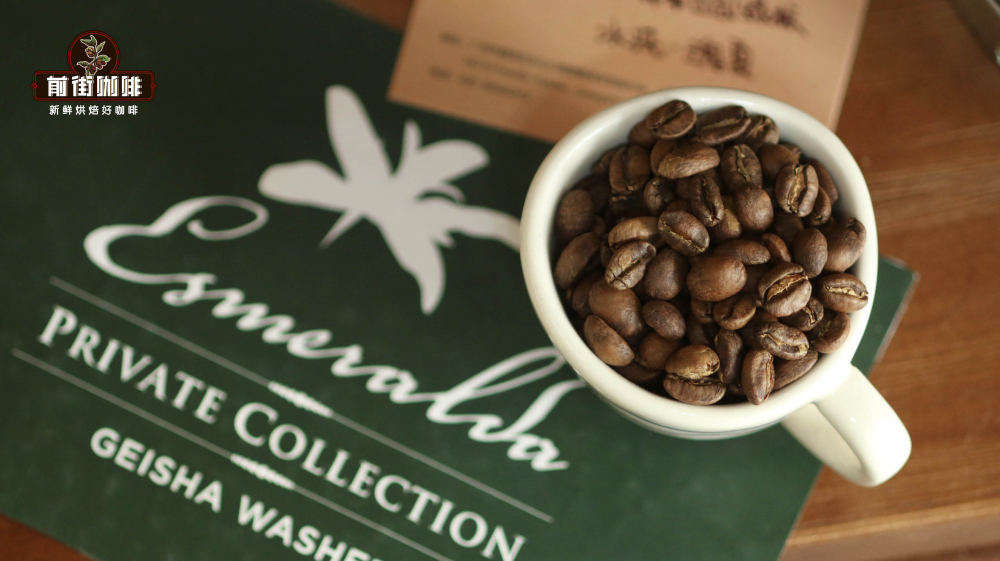
Front Street Panama Hacienda La Esmeralda Red Label Geisha Coffee Beans
Country: Panama
Region: Boquete (Hacienda La Esmeralda)
Altitude: 1700 m
Variety: Geisha
Processing method: Natural
Flavor: Rose, honeysuckle, sweet potato, grapefruit, lemon, black tea, sucrose
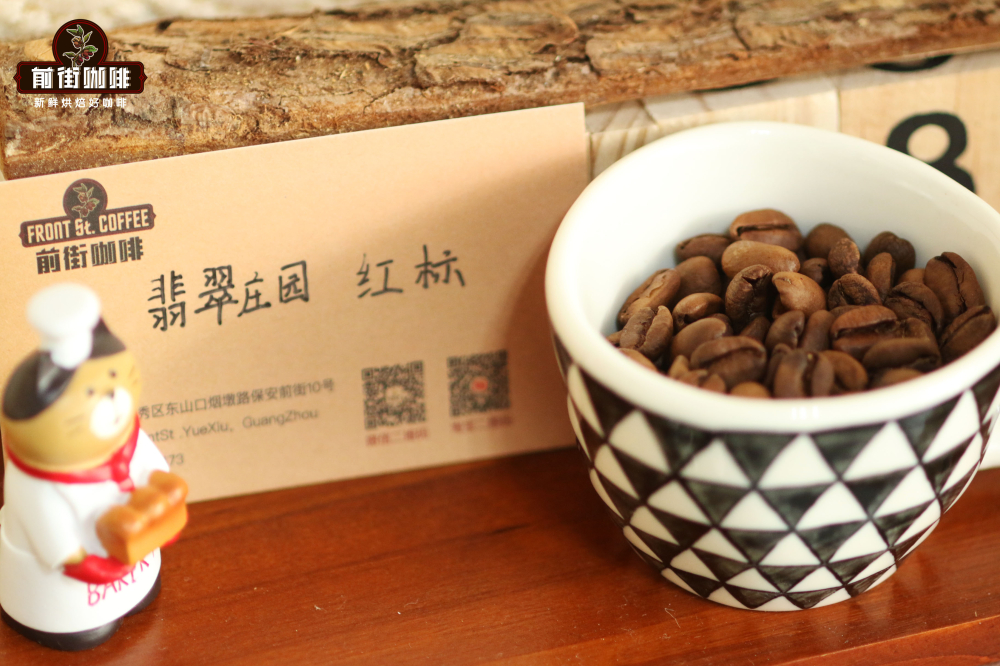
Among the most popular coffees in recent years, Geisha coffee certainly has a place. The most famous thing about Geisha coffee is undoubtedly Hacienda La Esmeralda, which brought Geisha coffee to prominence. When Hacienda La Esmeralda first discovered Geisha, it felt that its flavor was different from the flavor of coffee from Panama’s producing regions. Geisha leaned more toward orange and floral notes, so they began to study it and enter it into competitions. Geisha did not disappoint everyone’s expectations and won the championship in a coffee competition, thereby becoming famous. Hacienda La Esmeralda therefore also classified the Geisha coffee trees produced according to the microclimates of different plots, namely the Red Label Geisha, Green Label Geisha, and Blue Label Geisha that can be seen in Front Street’s shop.
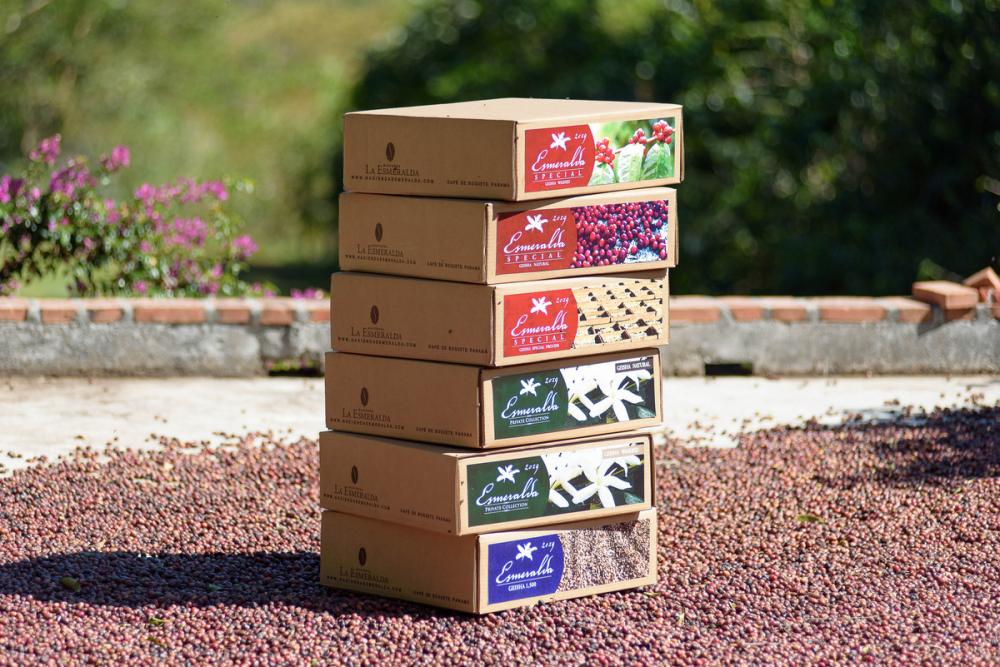
Among these three, Red Label Geisha is the most expensive, because its coffee beans are selected from Geisha coffee fruit grown in the highest-altitude areas of Hacienda La Esmeralda, and are traced down to specific producing plots. They are coffee beans that scored above 90 in cupping for Hacienda La Esmeralda’s auction, so their quality can be said to be extremely high, and naturally the price is higher too.
Although Green Label and Red Label Geisha coffee beans are from the same altitude, the difference is that Green Label is a blend of beans from two areas of Hacienda La Esmeralda and did not participate in the auction, so it is also cheaper in price. Blue Label Geisha is made from a blend of coffee fruits grown at a lower altitude and from three plots of Hacienda La Esmeralda, so it is the most affordable of the three.
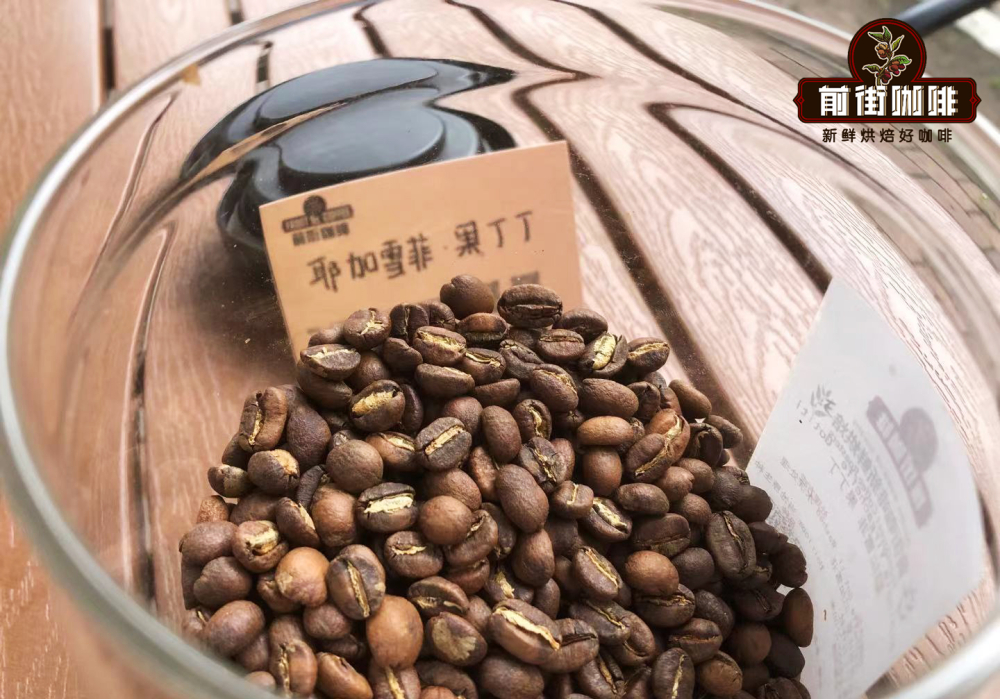
Front Street Ethiopia Washed Gotiti Coffee Beans
Country: Ethiopia
Region: Yirgacheffe
Altitude: 1900-2300 m
Variety: Local heirloom varieties
Processing method: Natural
Flavor: Citrus, black tea, floral, cream, caramel, almond
Ethiopian coffee is certainly indispensable among coffees occupying market share in the coffee market. Among them, coffee from Ethiopia’s Yirgacheffe producing region is loved by coffee fans around the world for its unique citrus-lemon notes and pleasant fruit acidity. Front Street’s previous articles also mentioned that Yirgacheffe was originally a small town within Ethiopia’s Sidama producing region, but was distinguished because of its unique flavor. This is enough to prove how special its flavor is.
According to Front Street’s understanding, the Gotiti Cooperative in the Yirgacheffe producing region was originally part of the Worka Cooperative under the Yirgacheffe Coffee Farmers Cooperative Union (YCFCU). Later, as people pursued traceability of green coffee beans, “single origins” were unearthed one by one by coffee hunters around the world. In 2012, Gotiti, with about 300 farmer members, independently established the “Gotiti Cooperative.” Gotiti village was the earliest village area to be independently established, and many small farmers were also members of the original Worka Cooperative, so their coffee production techniques are naturally excellent.
Therefore, Front Street brings this washed Gotiti coffee bean from Yirgacheffe to coffee fan friends for tasting. Coffee fans who like citrus-lemon acidity must not miss it. This Gotiti uses the washed processing method, which also makes its mouthfeel fresher and brighter, and the washed process can also better highlight its flavor characteristics.
Front Street Ethiopia Sidama Huakui Coffee Beans
Country: Ethiopia
Region: Hambela
Altitude: 2250-2350
Variety: Local heirloom varieties
Processing method: Natural
Flavor: Rose, cream strawberry, citrus, passion fruit, oolong tea
The well-known specialty coffee bean Huakui comes from Ethiopia’s Guji producing region. Guji was originally part of the Sidama producing region, and later became an independent coffee producing region because of its outstanding flavor, but many people still classify Huakui coffee beans as belonging to the Sidama producing region. Front Street has tried coffee beans from many coffee producing regions in Ethiopia, including Yirgacheffe, which stands alongside Sidama as one of Ethiopia’s two major specialty coffee producing regions. Front Street compared coffee beans from Yirgacheffe and Sidama and could clearly taste their respective flavor characteristics. Both are Ethiopian beans, and the most basic point is that their fruit acidity is relatively bright. The acidity of Yirgacheffe coffee beans leans toward citrus-lemon notes and also carries a bit of jasmine floral aroma, while the acidity of Sidama coffee beans leans toward strawberry jam and passion fruit notes and also carries a bit of creaminess.
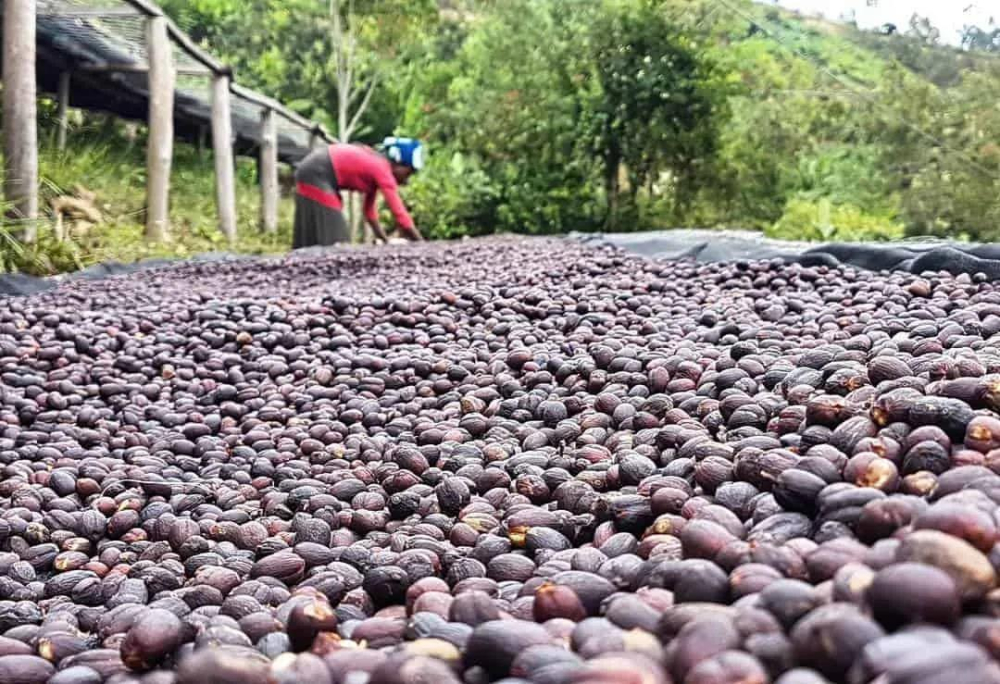
Huakui first entered the view of coffee fans in 2017, when Ethiopia’s DW Green Bean Company sent their coffee beans to the TOH (the Taste Of Harvest) competition hosted by the African Coffee Association, where the natural batch of coffee beans won the TOH Ethiopia championship in one fell swoop. This batch of green beans was introduced that year by the Beijing green bean trader “Hongsun International”, and because of its championship status, it was named “Huakui.”
Front Street Coffee Ethiopia Natural Red Cherry
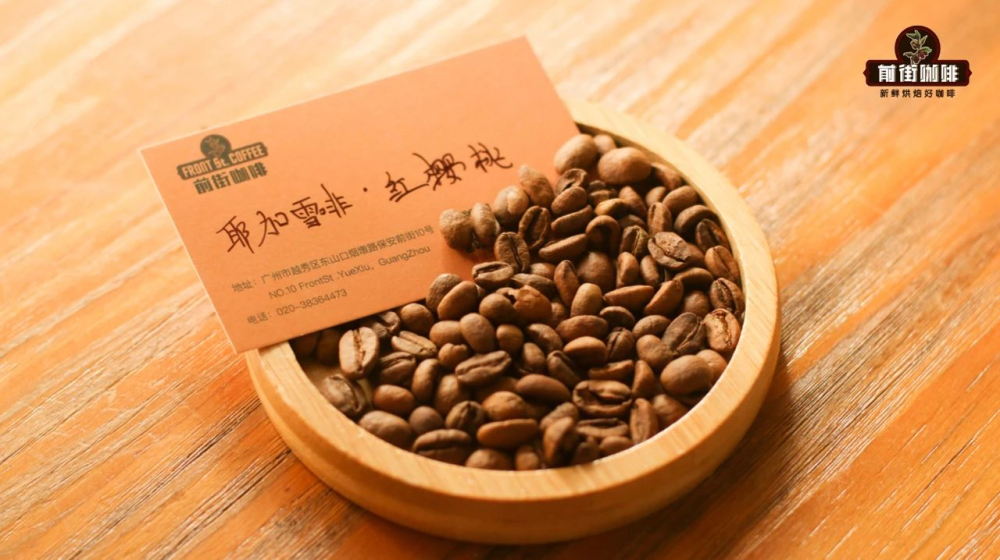
Country: Ethiopia
Region: Yirgacheffe
Altitude: 2300 m
Variety: Local heirloom varieties
Processing method: Natural
Flavor: Berries, lemon, strawberry, fermented wine aroma
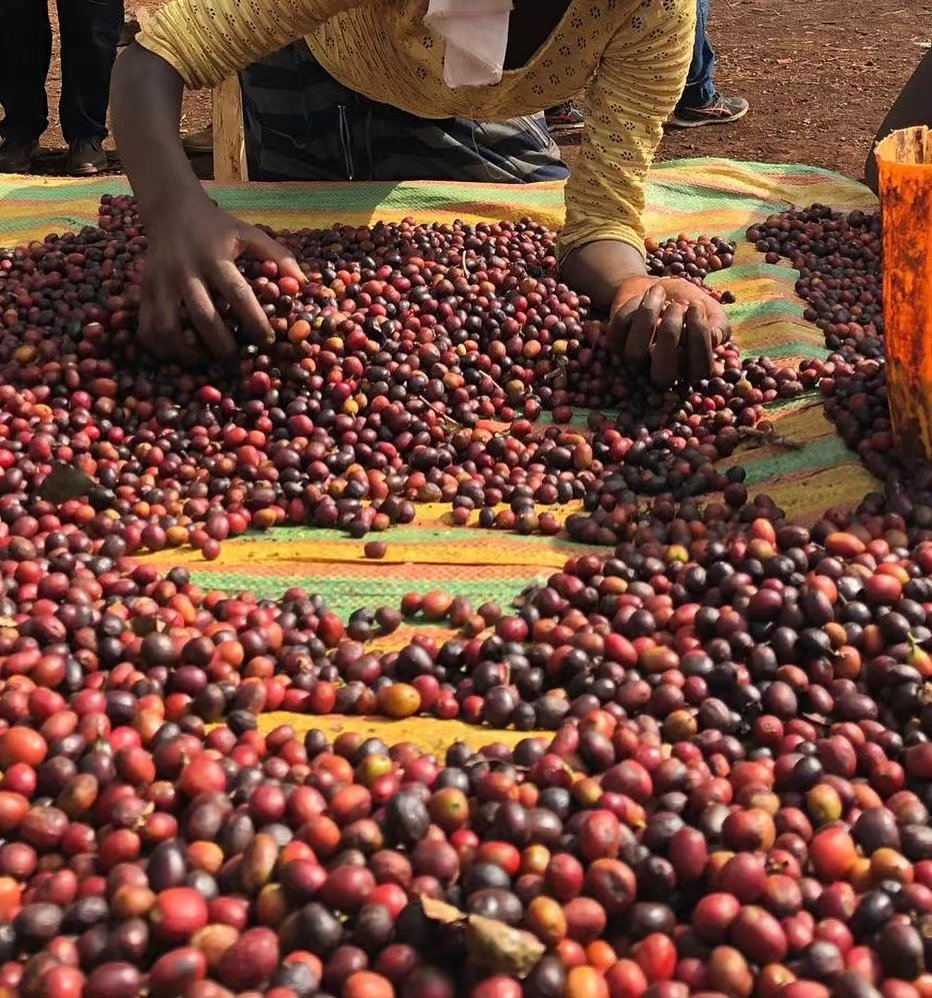
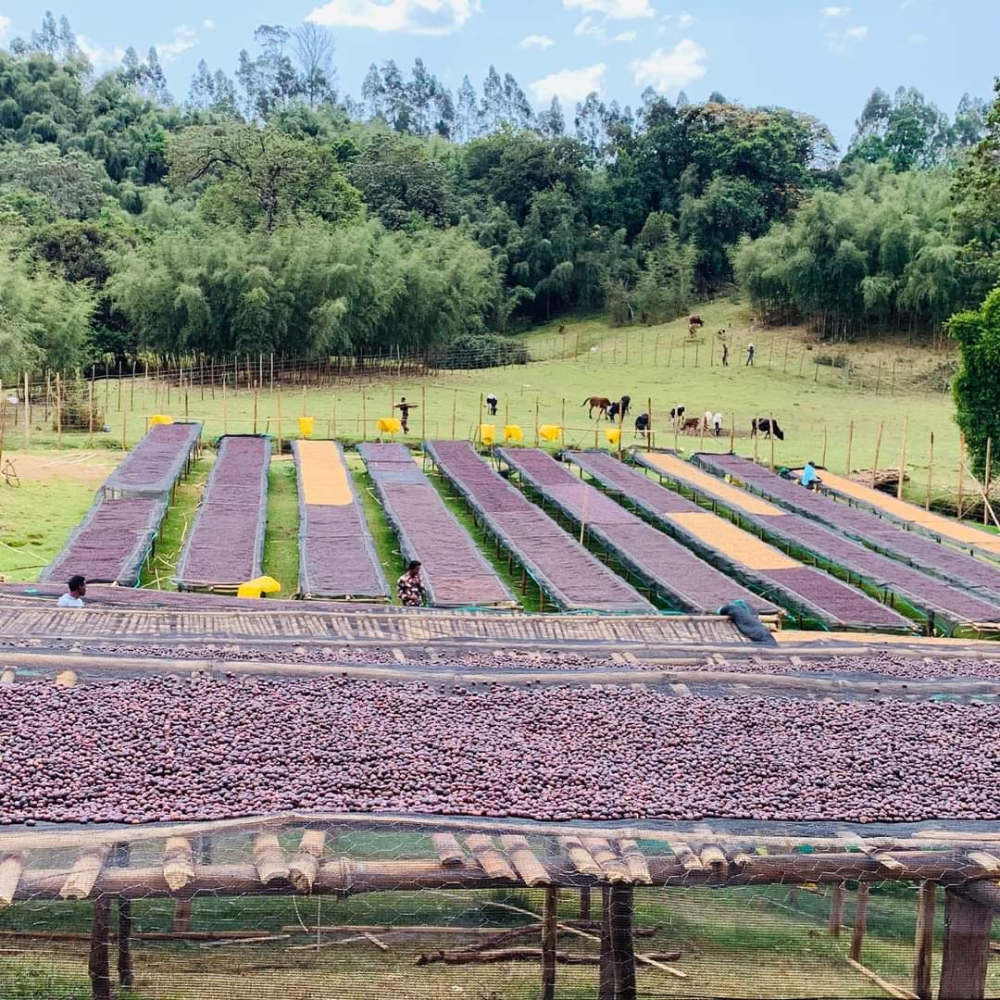
This Front Street coffee bean also comes from Ethiopia. Its difference from the two beans mentioned above is that this coffee bean originates from the “Red Cherry Project” led by the Dutch company Trabocca, with half of the funding sponsored by the Dutch government. Since 2005, it has cooperated with many small coffee cooperatives, encouraging and assisting producers to improve washed, semi-washed, natural, or other experimental processing methods as much as possible in order to enhance coffee quality. Before each harvest season, Trabocca invites selected smallholder producer organizations/producers to participate in producing micro-lot coffee, with 100% ripe red coffee cherries carefully selected by hand in stages (hence the name Red Cherry Project). This can also create a win-win situation: farmers provide high-quality coffee beans, and Trabocca purchases them at high prices, which also allows consumers to taste high-quality coffee beans.
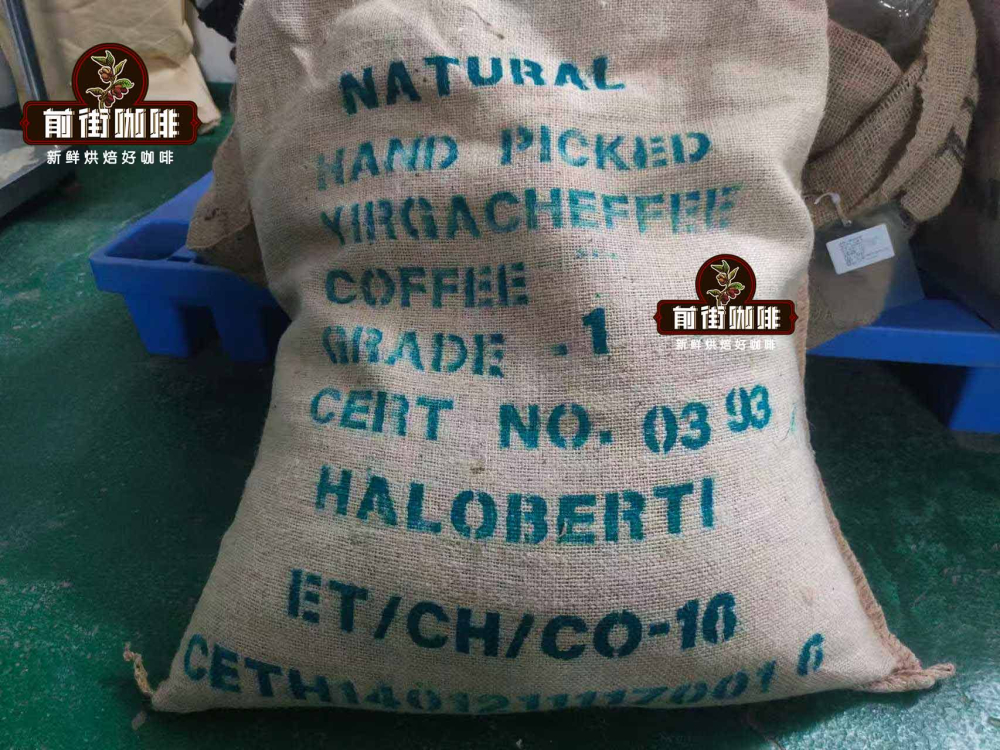
The coffee beans from the Red Cherry Project are similar in spirit to kopi luwak, except that Red Cherry involves manually selecting 100% ripe, high-quality coffee fruit, while kopi luwak involves civets using their keen sense of smell to select the sweetest and ripest high-quality coffee fruit.
The quality of 100% ripe coffee fruit is naturally also excellent. Therefore, Front Street has introduced this Red Cherry coffee bean for all coffee fan friends to taste. Its flavor performance is no worse than the two Ethiopian coffee beans above, and compared with washed coffee beans, this natural Red Cherry also carries the fermented flavor of natural processing.
Front Street Coffee Brazil Fazenda Rainha Coffee Beans
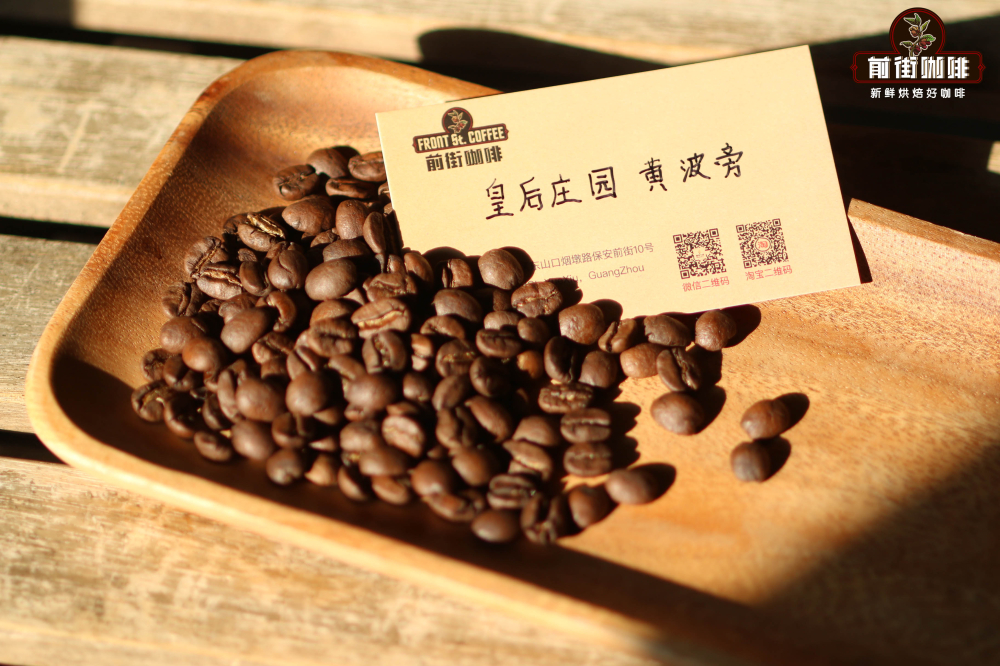
Country: Brazil
Region: São Paulo State (Fazenda Rainha)
Altitude: 1400-1950 m
Variety: Yellow Bourbon
Processing method: Semi-natural / Natural
Flavor: Nuts, cream, peanut, fermented fruit, sucrose
Front Street believes that experienced coffee fan friends are no strangers to Fazenda Rainha. Fazenda Rainha is owned by the renowned and respected Carvalho Dias family. The four major estates under Carvalho Dias have won awards every year since the first Brazil COE competition in 1999, winning more than 12 times in 7 years. In 2004, they even took the championship, 9th place, 11th place, and so on. Many estates large and small in Brazil have hoped for years to place and win awards but found it difficult, yet the estates under this family have carried off many awards year after year. For example, Fazenda Rainha also enjoys a brilliant record: runner-up in 2000, third place in 2001, and 29th place in 2005. Up to now, Fazenda Rainha has won awards 3 times.
Therefore, this coffee bean’s flavor performance is absolutely not poor either. Naturally, Front Street would not let such an excellent coffee bean pass by, so it has also been introduced for Front Street’s coffee fan friends to taste. The flavor performance of this Brazil Fazenda Rainha coffee bean is also a very pure American-style coffee profile of nuts and cream.
Front Street Coffee Colombia Sidra Coffee Beans
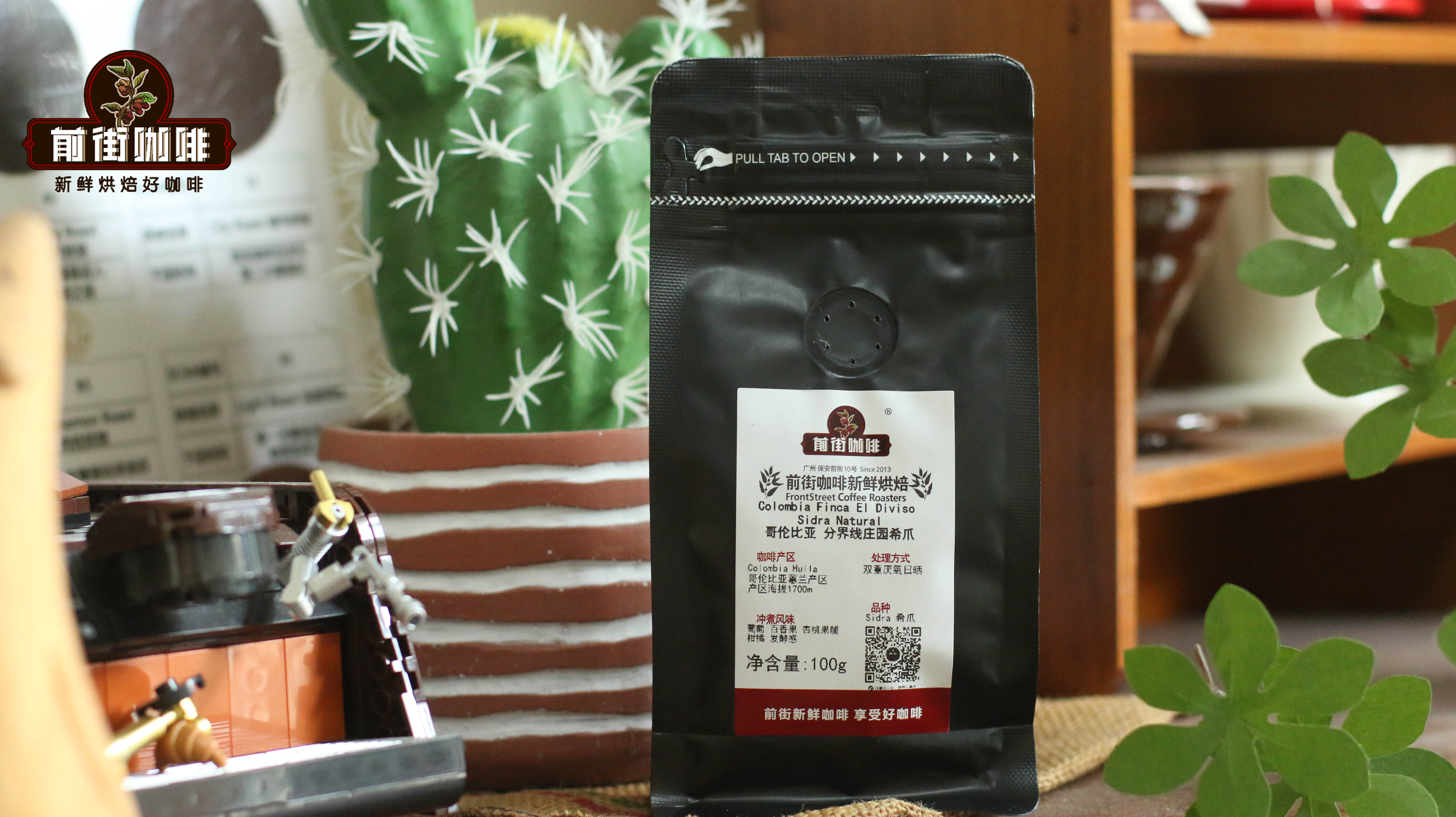
Country: Colombia
Region: Huila
Altitude: 1700 m
Variety: Sidra
Processing method: Double anaerobic natural
Flavor: Passion fruit, grape, dried apricot, citrus, fermented aroma
Front Street Coffee (FrontStreet Coffee) has several particularly popular Colombian coffees, among which this Sidra is especially popular. As soon as the coffee bean can is opened, there is an aroma of grapes and fermentation rushing out, rich and wonderful, with a full juice-like flavor. Furthermore, Front Street, so Front Street also recommends it as one of Front Street’s top ten must-drink coffee beans for all coffee fan friends to taste.
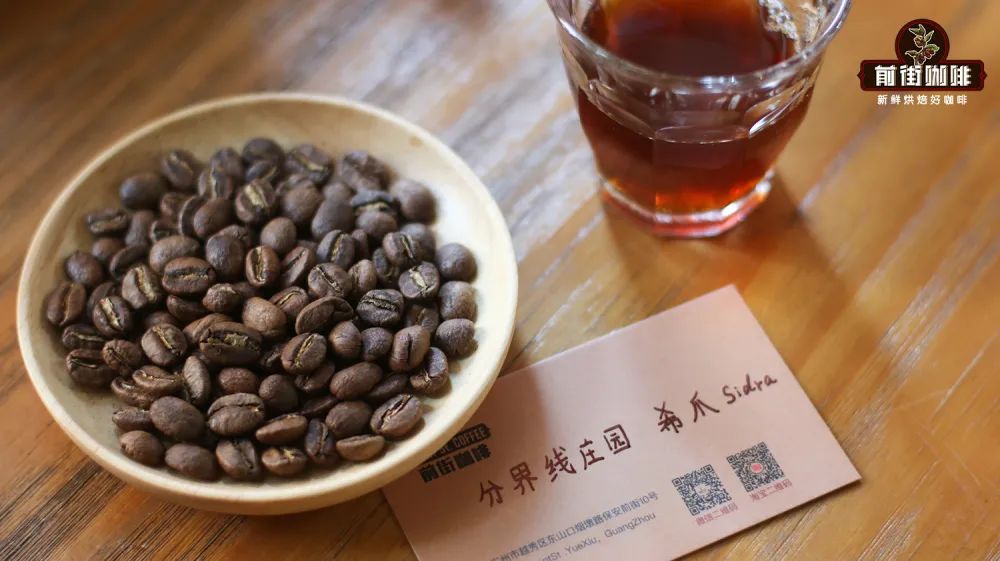
According to Front Street’s understanding, the double anaerobic fermentation process used for this coffee bean has been a relatively commonly used processing method in recent years. It imitates the red wine process. The process is to inject carbon dioxide into a sealed container to expel the oxygen inside. In an oxygen-free environment, the decomposition rate of sugars in the coffee mucilage is slowed, and the pH value also decreases more slowly, extending the fermentation time and thereby developing better sweetness and a more balanced flavor.
Front Street Coffee Honduras Sherry
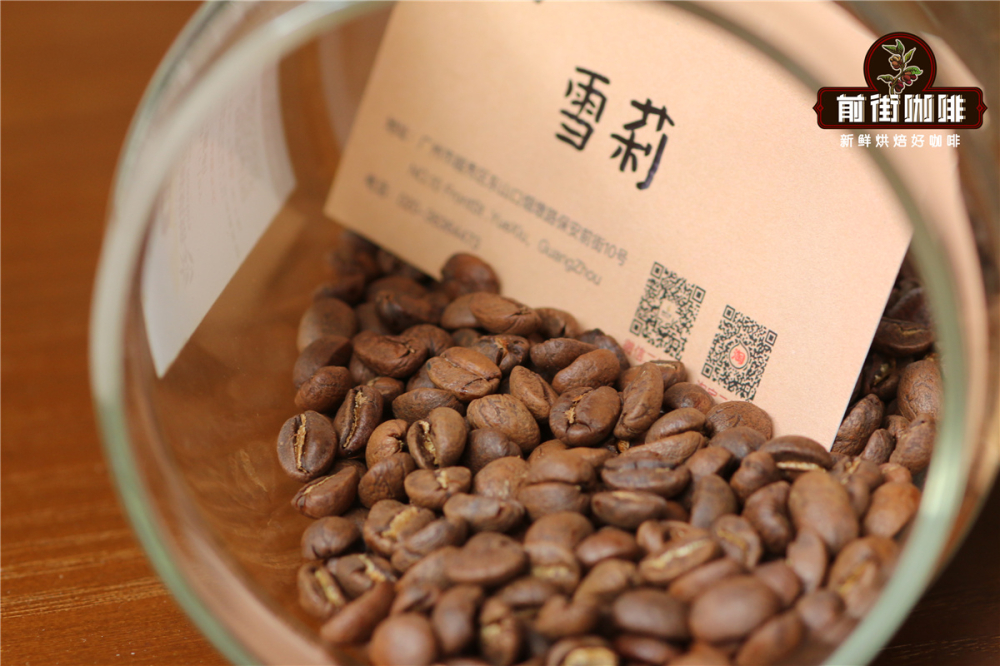
Country: Honduras
Region: Marcala (Moca Estate)
Altitude: 1500-1700 m
Variety: Caturra, Catuai, Pacas
Processing method: Refined washed + whiskey barrel fermentation
Flavor: Vanilla, cream, fermented wine aroma, dark chocolate
This Front Street Honduras Sherry coffee bean is also one of Front Street’s most popular coffees processed with special processing methods. It is fermented in whiskey barrels, so its flavor also has a fermented wine aroma. Therefore, this coffee bean is very popular among coffee fan friends who like to drink alcohol, so Front Street also recommends this coffee bean to everyone as one of Front Street’s top ten coffee beans.
Front Street Coffee Kenya Little Tomato Coffee Beans
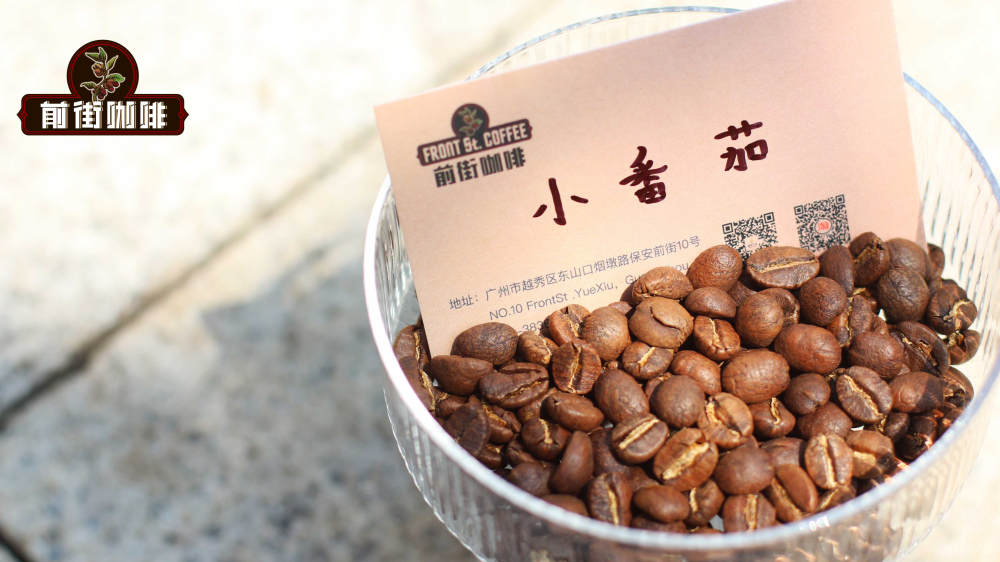
Country: Kenya
Region: Thika (Asali Processing Plant)
Altitude: 1750 m
Variety: SL28, SL34
Processing method: K72 washed
Flavor: Cherry tomato, smoked plum, snow pear, caramel, plum
Kenya is also one of the most representative coffee producing regions in Africa. Although it is right next to Ethiopia and is also famous for its excellent bright acidity, it differs from the citrus-lemon acidity of Ethiopian coffee beans and instead has a distinctive cherry tomato acidity. This is also why it stands out among many specialty coffee beans.
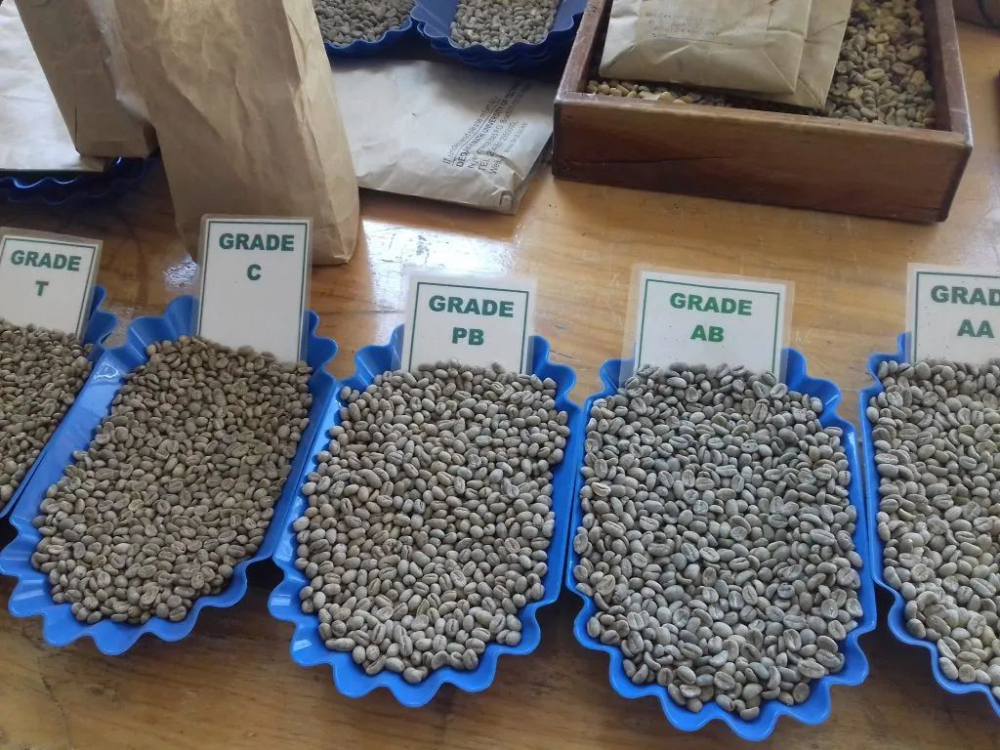
The unique acidity of Kenyan specialty coffee is closely related to its outstanding processing method. In general washed processing, ripe coffee fruit is selected, the skin and pulp are removed, and then it is soaked in a fermentation tank to remove mucilage. This process rarely exceeds 36 hours, but Kenya’s fermentation time is as long as 72 hours. After that, it is dried until the moisture content reaches 12%. Front Street believes that Kenya’s unique washed processing method can better enable Kenyan coffee beans to express bright acidity and a full, juicy mouthfeel.
The above are Front Street’s recommendations for all coffee fan friends:the top ten coffee beans andrelated brief information. If you want to learn more about related coffee producing region information, you can also read it in Front Street’s other related articles.
For more specialty coffee knowledge, please follow: Front Street Coffee (Frontsteet Coffee)
The above content is compiled by CoffeeHunters, a coffee news website.

