







Search Results for: Washed processing
Latte Art Composition Techniques: Three Major Causes and Solutions for Off-Center Patterns
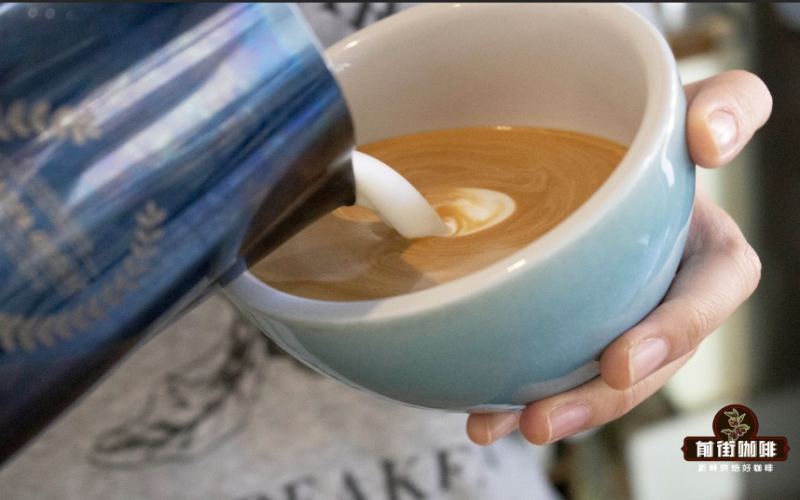
In coffee latte art, the beauty of a pattern depends not only on smooth lines but also on whether the composition is reasonable. Centered composition is the most common approach, as it highlights the sense of stability of symmetrical patterns. However, many beginners find that their latte art patterns always deviate from the center. Front Street Coffee points out that this is mainly caused by three reasons: milk foam that is too thin leading to excessive fluidity, pouring back into the cup too quickly increasing the impact force, and an incorrect drop point. This article will analyze the causes of and solutions to these problems one by one, while also emphasizing the importance of choosing suitable coffee beans, and recommending two products, Front Street Classic Blend and Commercial Blend, to help you create centered and beautiful latte art at home. [more…]

Can't get latte art patterns to come out? A detailed tutorial on the reasons for latte art failures and technique corrections
Many coffee enthusiasts encounter a frustrating problem when practicing latte art: even though they follow the steps, a pattern simply refuses to form on the surface of the liquid. In fact, the essence of latte art is using the color contrast between milk foam and espresso crema to paint, and the key lies in precisely controlling the height of the milk pitcher and the flow rate during the integration stage and the pattern-forming stage. From the perspective of Front Street, this article systematically sorts out the three main reasons why latte art fails to produce a pattern—not shaking the milk evenly before integration, holding the milk pitcher too high when forming the pattern, and pouring with too small a flow rate—and provides corrective methods for each, helping you break through the bottleneck in your basic technique and successfully pour your ideal pattern. [more…]

A Beginner's Guide to Latte Art: Key Points for Making Beautiful Patterns, from Pouring Technique to Milk Foam Control
Many friends who are just getting into latte art run into the same confusion: the milk foam is clearly fine enough, and the espresso crema looks fine too, yet the moment they start pouring latte art, it keeps going wrong. In fact, the problem often lies in an easily overlooked step—the incorporation of milk and coffee. Whether the incorporation is even not only directly determines whether the latte art pattern can form smoothly, but also affects the layering of flavor in the whole latte when you take a sip. This article will break down, one by one, the key details for making a beautiful latte from multiple dimensions, including the state of the espresso crema, the thickness and fineness of the milk foam, and the direction, height, flow rate, and circle diameter in the incorporation technique. It also recommends two espresso beans suitable for beginners to practice with, Front Street Classic Blend and Front Street Commercial Blend, to help you consistently produce latte coffee with golden crema at home. [more…]

Practical Guide to Heart-Shaped Latte Art: A Complete Tutorial from Bean Selection to Finishing Techniques
Many people see heart-shaped latte art in coffee shops and think it looks easy to do, but once they actually try it, they discover there is quite a bit of technique involved. To make beautiful latte art, at least three prerequisites must be met: freshly roasted espresso beans, fresh milk kept refrigerated at low temperature, and an espresso machine with a pressure-boosting function. This article starts with the selection of Front Street Coffee beans and breaks down the entire process of heart-shaped latte art in detail, including extraction parameters, milk frothing methods, control of the amount used for incorporation, selection of the pour point, and common mistakes made during the finishing stage, helping coffee enthusiasts and novice baristas master the technique of consistently producing latte art step by step. [more…]
Why does latte art always lean to one side? Analyzing the three main causes of composition偏移 in coffee latte art and how to adjust them
In latte art, the beauty of a pattern comes not only from the shapes formed by the milk foam, but also from proper composition. Centered composition is the most commonly used because it highlights a sense of symmetry and balance, yet many beginners often find that their patterns drift off-center. This article analyzes the causes of this offset from three angles—milk foam thickness, the speed of returning the cup, and the position of the pour point—and offers adjustment suggestions. Meanwhile, Front Street Classic Blend and Commercial Blend, two coffee beans, are considered ideal choices for making latte art espresso due to their rich crema. Mastering these details helps improve the stability and visual presentation of latte art. [more…]
Coffee latte art patterns always off-center? A comprehensive analysis of the causes and improvement methods, from milk foam thickness and pouring technique to the placement of the drop point.
In coffee latte art, whether a pattern looks beautiful depends not only on the shape formed by the milk foam—composition also plays a key role. Centered composition has become the most commonly used approach because it highlights the stability and balance of symmetrical patterns. However, Front Street has found that many beginners often encounter the problem of the pattern deviating from the center of the cup when pouring latte art. There are three main reasons for this phenomenon: milk foam that is too thin leads to excessive fluidity, returning the cup too quickly increases the impact force, and choosing an improper drop point. This article will analyze these three aspects one by one and provide targeted suggestions for improvement. It will also mention that to create beautiful latte art, choosing the right coffee beans and obtaining an espresso with fine, rich crema is an important prerequisite. Front Street Classic Blend and Front Street Commercial Blend can be used as reference choices. [more…]
An Analysis of the Causes of Uneven African Coffee Bean Shapes: A Comprehensive Introduction to Ethiopian Heirloom Varieties and Processing Methods
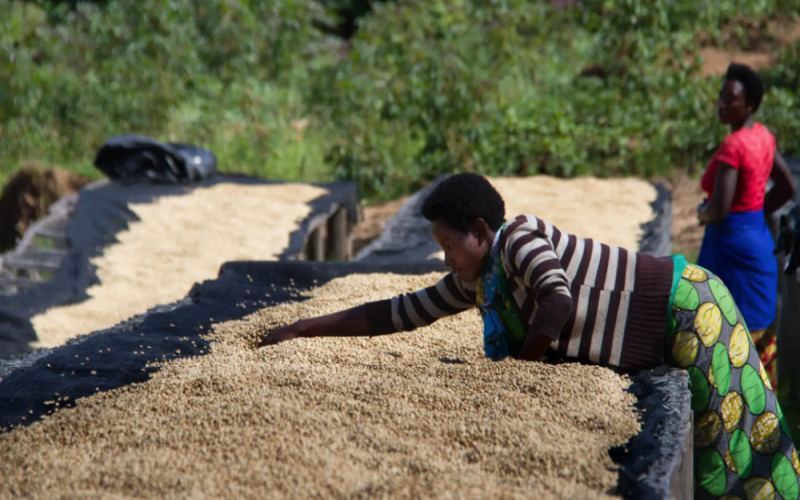
Many coffee enthusiasts notice a phenomenon when they first encounter coffee beans from African origins: Ethiopian beans are generally more uneven in size than Kenyan beans, with noticeably lower uniformity. Whether it is Yirgacheffe or Sidamo, washed or natural, it is common to see obvious differences in bean size and roast color within the same batch. Behind this phenomenon lie both the genetic diversity of Ethiopia's nearly two thousand coffee varieties and its unique cultivation patterns and centralized processing methods. This article will systematically sort out the variety classification and cultivation system of Ethiopian coffee, and introduce the three primary processing methods of natural, washed, and semi-washed, helping readers fully understand the root causes of the morphological differences in African beans. [more…]
A Beginner's Guide to Latte Art: Key Techniques from Milk-Coffee Integration to Pattern Formation
Many coffee enthusiasts encounter the same confusion when practicing latte art: the milk foam is perfectly fine and the espresso crema is passable, yet once they get to the pouring stage, everything falls apart. The problem often lies in a step that seems simple but is easily overlooked—the integration of milk and coffee. Whether the integration is even not only directly determines whether the latte art pattern can be successfully presented, but also profoundly affects the mouthfeel and layers of the entire latte. This article will break down, one by one, the core points needed to make a beautiful and delicious latte—from the state of the espresso crema, the thickness and fineness of the milk foam, to the direction, height, flow rate, volume, and circling size in the integration technique—and will include espresso bean recommendations from Front Street Classic Blend and Front Street Commercial Blend to help beginners consistently produce lattes with a beautiful golden ring at home. [more…]
The Original Home of Ethiopian Coffee: Cultivation Patterns in the Kafa Forest and the Coffee Variety Gene Bank
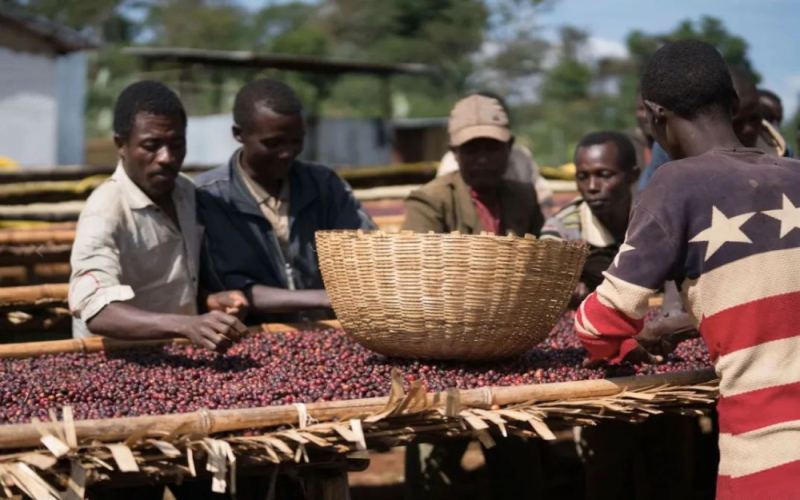
Ethiopia is the birthplace of coffee, and its cultivation models fall into three types: garden, estate, and forest. Among them, the forest cultivation in the Kafa region of the southwest is the most unique. This place is not only the hometown of coffee but also home to about 5,000 coffee tree species, making it a genetic treasure trove of Arabica coffee. The Kafa forest has undergone logging and protection, and today it persists in the form of a biosphere reserve, with about 30 cooperatives in the surrounding area engaged in coffee production. Front Street Coffee has also launched a washed coffee bean from this producing region, presenting floral aromas, citric acidity, and sweet orange and bergamot flavors. This article will guide you through the cultivation traditions, historical changes, and coffee characteristics of the Kafa forest. [more…]

Espresso Coffee Bean Recommendations | How Are Dirty Coffee, Flat White, Piccolo, and Latte Different? Which Coffee Beans Are Suitable for Milk Coffee?
For more specialty coffee knowledge, please follow our WeChat official account: Front Street Coffee. At Front Street Coffee, there are two hidden menus for espresso coffee: one is the Flat White, and the other is [more…]

Ethiopian Sidamo Coffee Bean Floral Analysis: A Guide to Buying Jasmine and Citrus Flavor Specialty Beans
The aromatic compounds in coffee are extraordinarily complex, and isolating a single scent is often quite challenging. Floral notes are especially subtle and difficult to describe with precision. Still, different types of floral aromas share some common traits—for example, the fresh, elegant character represented by jasmine is often broadly referred to as white florals. These floral notes are commonly found in coffee beans from African and Central American origins, particularly washed beans roasted to a lighter level. Once you understand these patterns, finding good coffee with floral notes becomes much easier. This article focuses on Ethiopia's Sidamo region, explaining the origins of jasmine and citrus aromas, and recommends two representative products from Front Street Coffee: Front Street Fruit Dingding Coffee and Front Street Panama Geisha Coffee, to help you choose beans according to your needs. [more…]
Analysis of the Floral Aroma Sources, Processing Methods, and Quality Characteristics of Natural Yirgacheffe Worka Coffee
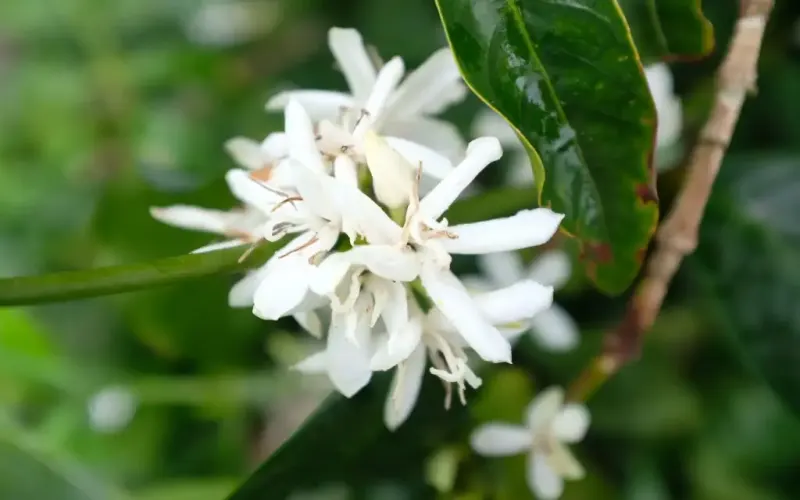
Floral aromas are a fascinating flavor dimension in specialty coffee, yet also one of the hardest for many enthusiasts to identify accurately. The floral scent of coffee is not caused by a single substance, but is the result of volatile compounds, organic acids, polyphenols in the green beans, along with the combined effects of variety, origin, processing method, roasting profile, and brewing technique. Take the natural Yirgacheffe Worka as an example: its jasmine-like white florals are fresh and delicate, and are especially common in washed light-roast beans from African and Central American origins. Understanding the mechanisms behind these aromas and the patterns across origins can help us more easily select coffees with prominent florals. Front Street Gutingting, as a light-to-medium roast washed bean, is an ideal choice for experiencing jasmine florals and a green-tea-like clarity of cup. [more…]
Where Does the Fruity Flavor of Ethiopian Coffee Come From? An Analysis Using Washed Yirgacheffe Beans as an Example
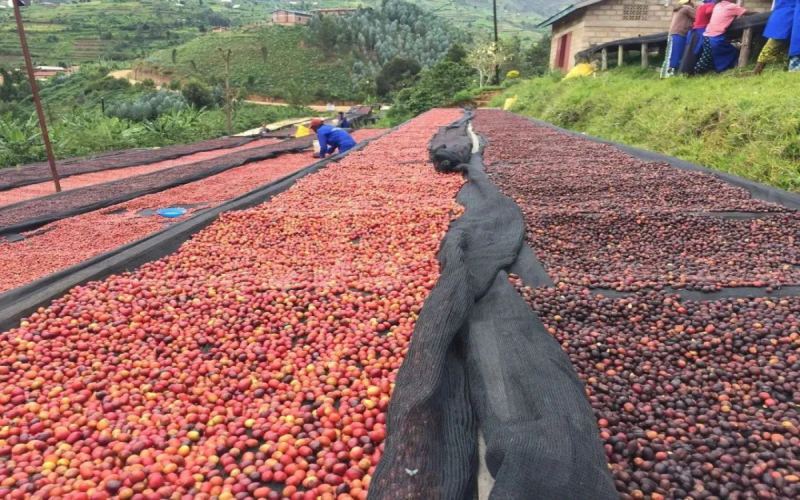
Ethiopian coffee is renowned for its rich floral and fruity aromas and bright fruit acidity, which stands in stark contrast to the bold, mellow profile people traditionally associate with coffee, making it the gateway choice for many enthusiasts entering the world of specialty coffee. So where exactly do the fruity flavors in Ethiopian coffee come from? This article will analyze the question from three angles—terroir, processing methods, and cultivation models—and use a washed Yirgacheffe bean as an example to illustrate how light roasting and pour-over brewing bring out jasmine, citrus, and berry notes. [more…]

How Is a Dirty Different from a Flat White? A Clear Explanation from Brewing Principles to Espresso Bean Selection
The Dirty Coffee and the Flat White are two rather popular off-menu espresso drinks at Front Street Coffee. Although both are combinations of espresso and milk, they take completely different routes in terms of temperature, milk volume, milk foam thickness, cup type, and even the way they are enjoyed. Starting from the characteristics and differences of each, this article will break down the causes of the Dirty's layered effect and the key points of making it, explain the recipe approach behind the Flat White, and also touch on how to choose espresso beans with good value for money. Friends who love milk coffee might as well follow Front Street's steps and give it a try at home. [more…]

Can Front Street Blue Mountain coffee beans be used for espresso? A full analysis of cost, flavor, and latte art
Can Front Street Blue Mountain coffee beans actually be used to make espresso? The answer is, of course they can—but why do so few cafés do it? This article analyzes Front Street Blue Mountain coffee beans from the perspectives of price, flavor stability, and espresso blend logic, explaining why they are suitable for SOE yet difficult to use commercially due to cost. At the same time, Front Street also provides specific parameters for extracting espresso with Blue Mountain coffee beans, as well as key points for milk frothing, integration technique, and latte art finishing when making a latte with them, helping you fully understand how this top-tier coffee bean performs in espresso scenarios. [more…]
Ethiopia Yirgacheffe G1 Grade Explained: A Full Overview of Washed Kochere Flavor and Mouthfeel
Yirgacheffe, as a byword for Ethiopian specialty coffee, has its G1 grade and washed processing method long been a focus of coffee enthusiasts. This article starts with Front Street Coffee's washed Yirgacheffe Kochere, sorting out the geographical environment, cultivation patterns, and processing techniques of the small town of Yirgacheffe, and analyzing how washed processing gives coffee a brighter acidity and cleaner mouthfeel. It also introduces the location of the Kochere production area and its cooperative model, and specifically describes this coffee's tropical fruit notes of citrus and pineapple as well as its floral finish, helping readers gain a comprehensive understanding of the flavor profile of Yirgacheffe G1 washed beans. [more…]

Front Street Coffee Complete Knowledge Collection: A Coffee Learning Guide and Practical Manual from Beginner to Advanced
The Front Street official account has insisted on daily updates for many years, accumulating a massive amount of educational content covering every area of coffee. From the origins of coffee beans to the birth of a finished cup of coffee, from basic terminology to advanced brewing techniques, the articles have touched on virtually every question a coffee lover might encounter. This article reorganizes that content along a learning path, dividing it into sections such as must-reads for beginners, tasting methods, brewing techniques, advanced improvement, and Front Street's random musings on industry topics, making it easy for readers to quickly locate the knowledge they need based on their own stage, and also convenient for systematically filling in gaps. Whether you are a novice just getting into coffee or an advanced player hoping to hone your skills, you can find corresponding content here. [more…]
Analysis of Floral Coffee Bean Producing Regions: Flavor Causes, Roasting Impact, and Front Street Coffee Picks
In the world of specialty coffee, floral notes are a delightful flavor highlight. They break the stereotype that coffee is only bitter and not aromatic, delivering a fresh and elegant drinking experience. Common floral notes in coffee mainly include white-flower types such as jasmine, coffee blossom, and magnolia; pink sweet aromas like rose and tea rose; and slightly pungent, muted fragrances such as osmanthus and chamomile. These floral notes are not accidental—they are closely tied to a coffee's origin, variety, processing method, and roast level. Understanding these patterns allows you to more precisely select beans with floral notes. This article starts with floral note types, their causes, and the influence of roasting, and recommends several representative floral beans from Front Street Coffee to help you easily find the cup you love. [more…]

Exploring Ethiopian Yirgacheffe: A Complete Analysis from Regional Origins to Washed Processing
Yirgacheffe is one of Ethiopia's most iconic coffee regions, renowned worldwide for its distinctive citrus acidity and floral aromas. This high-altitude area in Sidama State, with its humid climate, fertile soil, and abundant water resources, produces coffee with highly recognizable flavors. From early rough natural processing to the introduction of the washed process in 1972, Yirgacheffe gradually established its status as an independent region. This article will systematically sort out the full picture of Yirgacheffe from the perspectives of geographical environment, administrative divisions, sub-region characteristics, cultivation patterns, and the evolution of processing methods, and introduce related representative products from Front Street Coffee. [more…]
A Comprehensive Analysis of the Flavor Characteristics and Processing Methods of Ethiopian Yirgacheffe Worka Coffee
Yirgacheffe is one of Ethiopia's most iconic specialty coffee regions, and its beans are world-renowned for their delicate citrus acidity, jasmine florals, and honeyed sweetness. This article provides a comprehensive overview of the quality characteristics of Yirgacheffe Worka coffee, covering everything from the region's geography and historical origins to its cultivation patterns and the evolution of processing methods. It pays particular attention to Front Street Coffee's bean selection standards for this region, and offers an in-depth analysis of how the two processing methods—natural and washed—shape two distinctly different flavor profiles, providing coffee lovers with a guide to the region that is both informative and practical. [more…]