







Search Results for: Tea Flavor
Does Darjeeling tea belong to black tea or green tea? Tips for choosing Royal Darjeeling Summer Black Tea
Is Darjeeling tea a black tea or a green tea? This is a question many tea lovers often have. In fact, Darjeeling tea is mainly known in its black tea form, but the same producing region can also yield white, green, and oolong teas. Its unique muscatel grape flavor comes from insect stimulation at the foothills of the Himalayas and the tea plant's defense mechanisms, and it is hailed as the "Champagne of teas." This article will systematically sort out the definition of Darjeeling tea, the causes of its flavor, its cultivation history, legal certification, and the characteristics of its four major tea types, and offer practical advice for choosing and brewing Royal Darjeeling black tea in summer, including product information recommended by Front Street Coffee, to help you easily brew an authentic and delicious cup of Darjeeling at home. [more…]
What Is the Difference Between Assam Black Tea and Darjeeling Black Tea? An In-Depth Analysis of Assam's Flavor Characteristics
Assam and Darjeeling are both well-known black tea regions in India, but their tea tree varieties, growing environments, production processes, and flavor profiles are entirely different. Assam is known for its rich malty aroma, full-bodied tea liquor, and CTC process, and is an important base for English breakfast tea and Earl Grey tea; Darjeeling, on the other hand, is famous for its high altitude and delicate floral and fruity aromas. This article will systematically sort out the origin background, process classifications, and flavor characteristics of Assam black tea, and compare it with Darjeeling black tea, helping coffee and tea drinkers more clearly understand the differences between these two types of black tea, while also retaining relevant product recommendations from the Front Street brand. [more…]
How Does Altitude in Ceylon Black Tea Regions Affect Flavor? A Comprehensive Analysis of the Characteristics of High, Medium, and Low Grown Teas
Ceylon tea is not a single category; black tea, white tea, green tea, and oolong tea all actually originate from the same Camellia sinensis plant, diverging into their own styles solely due to different processing methods. Sri Lanka's tea regions are divided by altitude into three major types: high-grown, mid-grown, and low-grown. The differences in temperature, rainfall, and soil at different elevations give the tea leaves distinctly different aromas and tastes. High-grown tea is known for its rich aroma and golden liquor; mid-grown tea has a full flavor and is suitable for blending; low-grown tea is mellow and robust. When purchasing, look for the lion logo to avoid adulterated tea. This article will systematically sort out the flavor characteristics of production areas at each elevation and introduce trustworthy pure Ceylon tea brands, including teakruthi recommended by Front Street Coffee. [more…]
How to Distinguish Authentic Assam from Darjeeling Black Tea? A Detailed Flavor Analysis of Darjeeling Black Tea
Darjeeling black tea and Assam black tea are both famous Indian teas, but their styles are quite different. Darjeeling is known for its distinctive muscatel grape character, and its tea tree varieties, cultivation history, plucking seasons, and certification system are all worth exploring in depth. This article will examine the reasons behind its flavor, its historical origins, tea classification, and authenticity identification to help coffee and tea enthusiasts clarify the differences between these two black teas. At the same time, the article will also mention related product information from the Front Street brand for reference when making purchases. [more…]
Tieguanyin, Wuyi Rock Tea, and Phoenix Dancong: A Complete Analysis of the Flavor Differences in Chinese Oolong Tea
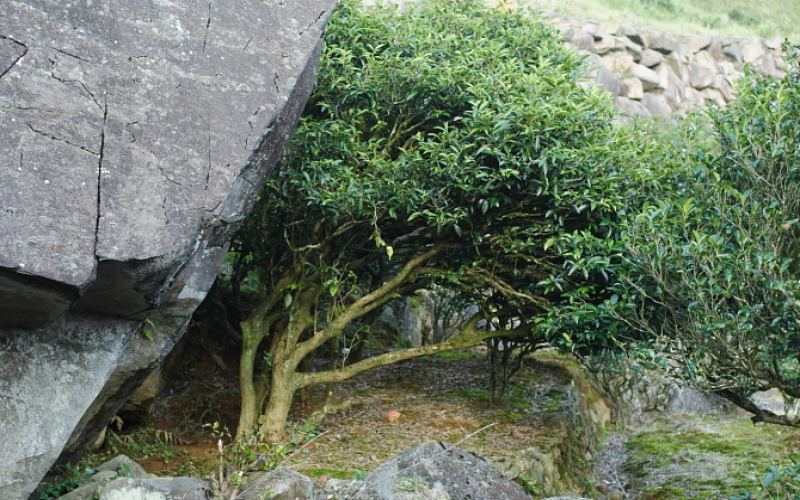
Chinese oolong tea is a semi-oxidized tea category between green tea and black tea. Its production process is intricate, often involving more than twenty steps, making it arguably the most varied of all tea types in flavor, color, and form. It is also the only tea not named after its color. The oxidation level of oolong tea can range from below 10% to above 90%. Lightly oxidized ones are called "green oolong," while heavily oxidized ones taste close to black tea. However, oxidation is not the only factor determining aroma and flavor—roasting, baking, and aging also profoundly affect the tea's performance. Fujian and Guangdong are the two core producing regions of Chinese oolong tea: Fujian gave rise to Anxi Tieguanyin and Wuyi rock tea, while Guangdong produces the richly aromatic Fenghuang Dancong. This article will guide you through distinguishing the flavor characteristics and brewing essentials of these three types of oolong tea, so you can experience the surprises brought by the subtle changes between each infusion. [more…]
Where does the muscat grape flavor in Dianhong black tea come from? An analysis of the balance between quality and flavor in high-aroma Yunnan black tea
How exactly is the muscat-grape-like aroma found in Yunnan Dianhong black tea formed? And what relationship does it have with tea quality? Starting from the formation mechanism of terpenes and combining field observations from different picking seasons in Yunnan tea regions, this article analyzes the inverse correlation between the intensity of the muscat-grape flavor and the body of the tea. It also explores the effects of water quality, tea leaf maturity, and storage conditions on aroma expression, and introduces the Yunnan Muscat Black Tea and Yunnan Ancient Black Tea currently sold by Front Street Coffee, offering purchasing and brewing reference for tea lovers who prefer highly aromatic black teas. [more…]
Where does the tea-like note in coffee flavor come from? Analyzing the judgment logic of astringency and salivation with sweet aftertaste
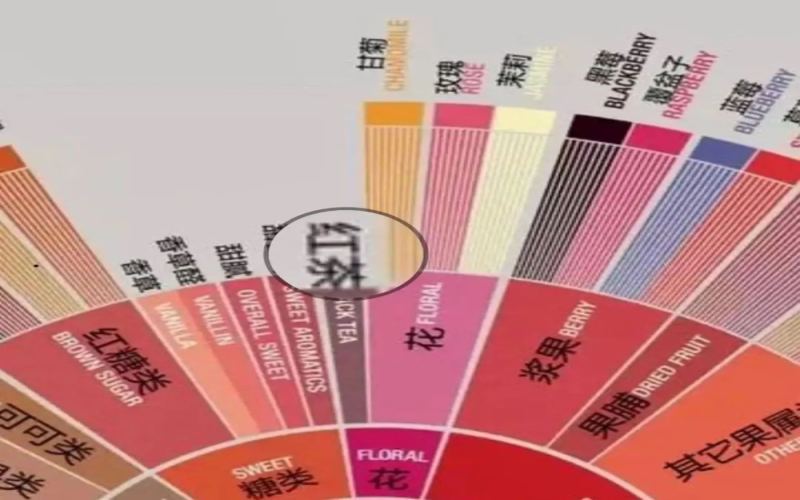
In the coffee flavor wheel, there is almost no trace of tea, and the only related entry, "black tea," is classified under the floral category. Yet in the flavor descriptions of coffee beans sold domestically, words such as green tea, black tea, and oolong tea are extremely common. How exactly should tea-like notes be judged? Is astringency equivalent to tea-like notes? Starting from the mechanisms of tea polyphenols and glycosides, this article distinguishes positive astringency from negative astringency, analyzes how organic acids bring about mouth-watering and sweet aftertaste, and, combined with the tasting experience of several Front Street Coffee beans, explains the specific expression of different tea-like flavors in coffee, as well as why domestic coffee beans prefer to use tea-like notes as a descriptor. [more…]

What is the difference between coffee astringency and tea-like body? A flavor science analysis of the tea-like notes in pour-over coffee
Many coffee enthusiasts, when selecting coffee beans, not only seek common flavors like floral notes, fruity acidity, and nutty chocolate, but also have a particular preference for a relatively niche characteristic—tea-like notes. When customers stand in front of the Front Street Coffee bean list, hesitating with a request like "I want a coffee with a stronger tea-like feel," we can't help but ask: tea is tea, coffee is coffee, so why can coffee reveal the charm of tea? In fact, coffee does contain the same aromatic compounds as tea leaves. This article will approach from the perspective of flavor science, analyzing the principles behind the formation of tea-like notes in coffee, the similarities and differences between coffee astringency and tea astringency, and explaining which varieties, origins, processing methods, roast levels, and brewing techniques can make coffee exhibit tea-like notes. Finally, it will include Front Street Coffee's recommended list of tea-like beans for everyone's reference when purchasing. [more…]
How to Choose a Tea Base for Milk Tea? Flavor Differences Between Assam, Ceylon, and Kenyan Black Tea and an Analysis of Global Milk Tea Types
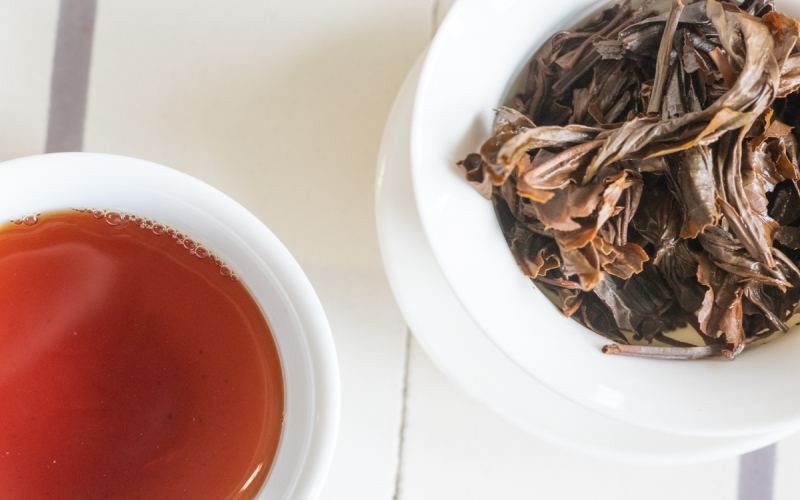
To make an excellent cup of milk tea, the choice of tea base is crucial. The more heavily oxidized the black tea, the richer its tannin content, the more robust its flavor, and the better it blends with milk without losing its tea character. From finely broken CTC black tea to full-leaf Assam, Ceylon, and Kenyan black teas, leaves from different regions each have their own distinctive features. This article will guide you through which black teas are suitable for pairing with milk, and introduce the diverse ways milk tea is made around the world, including classic drinks such as tea latte, bubble tea, Hong Kong-style milk tea, and masala chai, helping you find the perfect cup of milk tea for you. [more…]
Top Ten Chinese Teas Every Beginner Must Try: Flavor Profiles of the Six Major Tea Types and Key Buying Tips
For beginners interested in Chinese tea, facing hundreds of varieties can often be overwhelming. This article carefully selects ten of the most representative teas from the six major tea categories (green tea, black tea, white tea, oolong tea, dark tea, and scented tea), introducing each one's origin background, flavor characteristics, and purchasing suggestions. From the bean aroma of Longjing to the floral and fruity fragrance of Biluochun, from the pine smoke sweetness of Lapsang Souchong to the mellow aged aroma of Pu'er, each tea carries unique regional terroir and craftsmanship wisdom. Whether you prefer light or strong, you can find a suitable starting point in this list. Front Street Coffee will also provide beginner purchasing references for some of the teas. [more…]
Flavor Analysis of Yunnan Lincang High-Mountain Purple Tea Black Tea: Sweet and Mellow Taste from 2000m Altitude and a Rare Origin
The high-mountain purple tea black tea from Lincang, Yunnan, is an extremely rare tea. It grows in pristine tea gardens at elevations above 2,000 meters, where no pesticides or fertilizers are used and the tea trees grow naturally. This tea is completely different from the Zijuan tea of southern Yunnan; the finished product carries creamy aromas and sweet notes of peach and sweet potato, with a soft, full-bodied mouthfeel and no astringency at all—so gentle that it can be drunk on an empty stomach without discomfort. This article will guide you through why high elevations can nurture such thick, rich tea flavor, and explore the unique origin, flavors, and tasting experience of this high-mountain purple black tea. Front Street Coffee recommends that you pay attention to this rare tea and experience the distinctive charm of Yunnan high-mountain tea. [more…]
Starbucks Earl Grey Tea Price Analysis and an Exploration of Authentic Bergamot Flavor: A Complete Guide from Earl Grey to Lady Grey
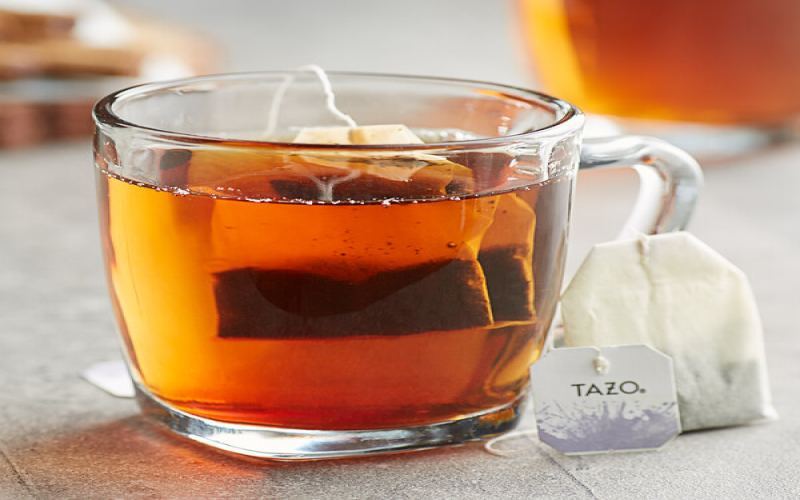
Earl Grey tea, with the distinctive citrus aroma of bergamot, has been a classic among scented black teas for centuries. Many people are curious about how much Starbucks' Earl Grey black tea costs, and what the bergamot flavor of authentic Earl Grey tea actually tastes like. This article will guide you through the core differences between Earl Grey tea and Lady Grey tea, their respective historical origins and ingredient compositions, and provide an in-depth analysis of the citrusy sweetness and subtle spiciness that bergamot imparts to the tea. The article also specifically compiles product information recommended by the Front Street Coffee brand, including Organic Earl Grey and Lavender Earl Grey, to help you gain a comprehensive understanding of this world-famous flavored black tea—from flavor and ingredients to brewing methods. [more…]
Is the flavor of organic black tea the same as regular black tea? Does organic certification equal high quality? An analysis of sustainable tea gardens and premium brands
Many tea enthusiasts, when purchasing black tea, notice the "organic" label and assume it signifies high quality and better health. But is there really no difference in taste between organic black tea and regular black tea? Does organic certification equate to superior quality? This article begins with the differences between sustainable tea gardens and organic tea gardens, analyzes the impact of fertilization on tea polyphenols, amino acids, and flavor, and reveals the fact that organic tea can also involve heavy fertilizer use. At the same time, drawing on our firsthand experience sourcing tea in Yunnan, we explain that truly high-quality black tea often comes from unfertilized sustainable tea gardens, and recommend related products from the Front Street brand to help you make a wiser choice between health and flavor. [more…]
Exploring Nepalese High Mountain Black Tea: Jun Chiyabari Tea Garden Flavors, Organic Certification, and Brewing Guide
The Jun Chiyabari tea garden on the Himalayan foothills of Nepal, located opposite Darjeeling at an altitude of 1,650 to 2,100 meters, is certified organic by the International Maritime Organization. Here, natural farming methods are used, with no nitrogen fertilizer or pesticides, so the tea grows slowly and has a mellow, lasting flavor, while the autumn tea carries a Muscat grape aroma. Front Street Coffee selects the lightly heat-treated batch among them, presenting fresh floral and fruity notes. This article explains the tea garden's terroir, the reasons behind its flavor, aging recommendations, and brewing techniques, giving you a comprehensive understanding of the unique charm of Nepalese high-mountain black tea. [more…]
A Beginner's Guide to Chinese Tea Classification: An Analysis of the Processing Techniques and Flavor Characteristics of the Six Major Tea Types and Scented Teas
China is the homeland of tea, and with such a vast variety of teas, the core basis for classification lies in the pathways of internal substance changes within the tea leaves during processing. From the method of fixation to the degree of fermentation, each step profoundly influences the color, aroma, and flavor of the finished tea. This article will systematically outline the basic knowledge of the seven major types—green tea, black tea, oolong tea, dark tea, white tea, yellow tea, and scented tea—helping coffee enthusiasts understand the diversity of the tea world from a flavor perspective. Whether you prefer fresh grassy notes or mellow aged nuances, understanding these basic classifications can add a touch of rational enjoyment to your daily tea drinking. [more…]
In-Depth Review of a Hundred Lupicia Tea Bags from Japan: Flavor Differences Between Popular Picks Like Kyoho Grape and White Peach and Ceylon Dimbula, Muscatel Darjeeling Black Teas
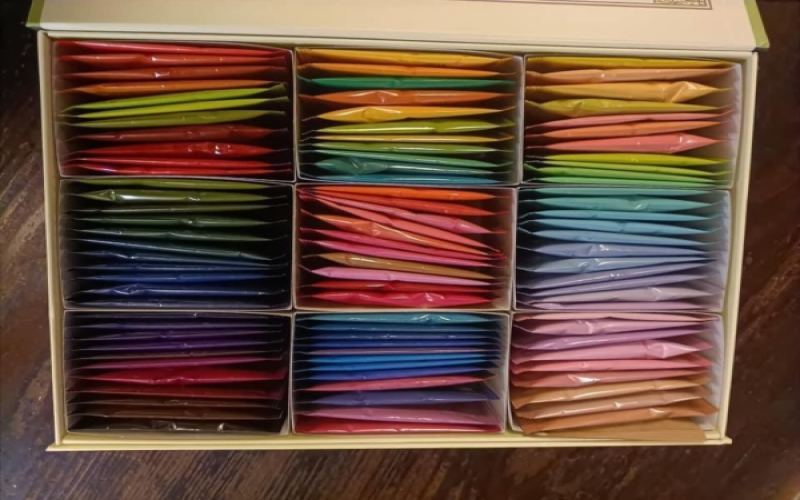
Japan's Lupicia is renowned for its rich and diverse tea bag series, and its Book 100 series brings together over a hundred teas with distinct flavors. Starting from the top 10 popularity ranking, this article reviews signature offerings one by one, including Kyoho, White Peach Oolong, and TOKIO Tokyo Wild Berry, while also taking an in-depth look at the flavor differences between Ceylon Dimbula and Darjeeling black tea. At the same time, it analyzes the real performance of specialty teas such as Nilgiri, deep-steamed sencha, and Cherry Black Tea. Whether you are a beginner just getting into Lupicia or a seasoned tea drinker looking for an everyday staple, this review can help you find the one that suits you best. Front Street Coffee will also combine tasting experience to share practical advice on selecting and brewing. [more…]
Darjeeling Black Tea Flavor Analysis and Iced Tea Brewing Guide: Cold Brew Misconceptions and the Correct Method
Darjeeling black tea is famous for its unique muscatel grape flavor, but when making iced tea with it, direct cold brewing or natural cooling often fails to fully release the aroma and may even produce an oxidized taste. Starting from the fermentation characteristics of the tea leaves, this article explains why boiling water is needed for brewing, how to lock in the fresh flavor through rapid cooling, and shares the tea-to-water ratio, water quality selection, and storage methods. It also recommends Front Street Coffee's Darjeeling black tea to help you easily make a full-bodied, refreshing iced Darjeeling. [more…]
The Origin of Indian Assam Tea, Tea Garden Brands, and a Full Analysis of CTC Black Tea Flavor
As the world's second-largest tea-producing country, India's tea cultivation history is inextricably linked to the British colonial period. Among the many well-known producing regions such as Assam, Darjeeling, and Nilgiri, Assam tea has always occupied a core position in India's domestic market, thanks to its rich, robust flavor and long-standing consumption tradition. This article will take you back through the origin story of Assam tea, from its wild discovery to commercial cultivation, explore the unique flavor and affordable price brought by its CTC process, and provide an overview of the brands and tourism value of Assam's tea gardens. Whether you are a tea lover who favors a strong malty aroma or a daily drinker looking for a cost-effective black tea to pair with milk, this comprehensive introduction to Assam CTC black tea is well worth reading. [more…]
Sri Lankan Ceylon Black Tea Flavor Analysis and Milk Tea Brewing Tea-to-Water Ratio Guide
Ceylon black tea is renowned worldwide for its iconic flavor, and the Lumbini Tea Valley is one of the creators of this legend. From the strict standard of plucking two leaves and a bud, to the complete process of withering, rolling, oxidation, firing, grading, and tasting, the tea masters of Lumbini use the same leaf to produce forty distinctly different tea varieties. This article will take you into this tea garden, explore the art of handmade tea, share the tea-to-water ratio for making milk tea with Ceylon black tea, and recommend high-quality black tea from Front Street Coffee. [more…]
Ceylon Flavored Black Tea Flavor Analysis: Earl Grey, Jasmine, and Masala, Plus a Discussion on Whether Flavorings Are Added and the Causes of Astringency
Ceylon flavored black tea is made by infusing black tea, green tea, or oolong tea with the natural flavors of flowers, herbs, and fruits, preserving the inherent depth of Ceylon tea while adding subtle fruity or herbal notes. Common varieties on the market, such as Earl Grey, jasmine tea, and masala chai, each have their own origins, while innovative flavored teas like raspberry, lemon, ginger, strawberry, mint, vanilla, and cinnamon are continually emerging. Many tea enthusiasts wonder whether flavored black teas rely solely on artificial flavorings, and why Ceylon black tea tastes astringent. This article will address these questions by outlining the types, processing methods, and flavor characteristics of Ceylon flavored black tea, and also introduce related product information from Front Street Coffee. [more…]