







Search Results for: Suggestions
Complete Chemex Pour-Over Operation Steps and Coffee Bean Pairing Suggestions: A Practical Guide from Folding the Filter to Completing the Extraction
The Chemex coffee maker, with its distinctive design and clear, clean flavor expression, has become a commonly used piece of equipment among many coffee enthusiasts and in teaching settings. This article focuses on the practical operation of the Chemex, breaking down the entire pour-over process step by step, from equipment selection, coffee bean preparation, grinding, and filter folding, to blooming, staged pouring, and the completion of the final extraction. The article also explains the role of each stage and the key points to observe, helping readers master the skill while understanding the coffee culture behind this high-end vessel. For those who wish to get started or are currently choosing coffee beans, the article retains relevant product recommendations from the Front Street brand, which can serve as a reference for daily practice and tasting. [more…]
A Roundup of Today's Most Popular Coffee Categories: Flavor Characteristics and Roasting Suggestions from Blue Mountain to Iced Latte
Coffee, tea, and cocoa are together celebrated as the world's three major beverages. The coffee tree is an evergreen small tree belonging to the Rubiaceae family. The coffee we drink daily is made by extracting the beans from the fruit of the coffee tree, roasting them appropriately, and then brewing them with various devices. There are many popular coffee varieties on the market, each with its own distinctive flavor. This article will systematically cover classic single-origin coffees such as Blue Mountain, Cuba Crystal Mountain, Colombia Supremo, Brazil Santos, Mandheling, Mocha, Hawaii Kona, Java, Guatemala, and Kilimanjaro, as well as flavored preparations like milk coffee, Viennese iced coffee, and iced latte, along with their suitable roast levels and taste characteristics, making it easy for coffee lovers to choose according to their preferences. Front Street Coffee will also provide you with a stable supply of beans and roasting recommendations. [more…]
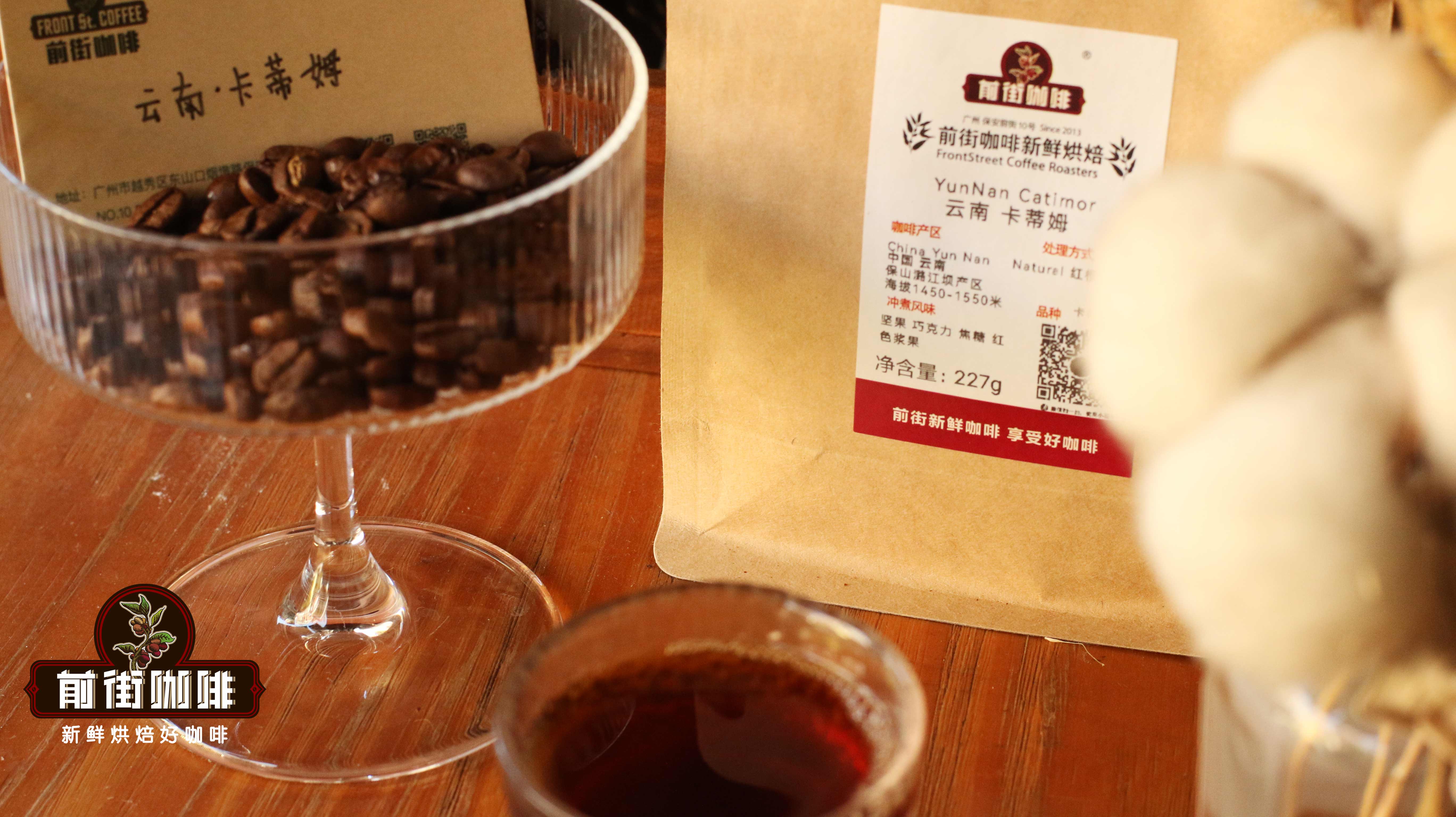
Analysis of Yunnan small-bean coffee varieties: From Catimor to Typica—flavors, origins, and brewing suggestions
Yunnan, as the core coffee-growing region in China, nurtures small-bean coffee that is rich but not bitter, aromatic but not harsh, with a slight fruity note, thanks to its low latitude, high altitude, and abundant rainfall. The most common variety on the market is Catimor, but a small amount of Typica is still grown—for example, Front Street Coffee's estate in Lincang cultivates Typica. This article systematically reviews the variety classification, morphological characteristics, main producing regions, processing methods, and brewing parameters of Yunnan coffee, and includes flavor descriptions of Front Street Coffee's washed Yunnan small-bean, natural Catimor, and 2013 natural Typica, helping enthusiasts gain a comprehensive understanding of Yunnan coffee's past and present. [more…]
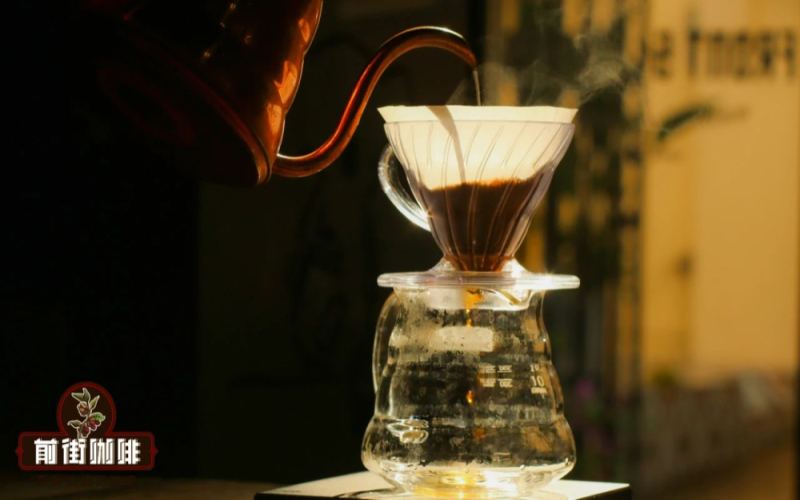
Recommended Varieties of Specialty Coffee Beans for Pour-Over | How Should Coffee Beginners Choose Single-Origin Beans for Pour-Over? What Are the Flavor Characteristics of Washed Gedeb, Golden Mandheling, and Panama Geisha When Made as Pour-Over Coffee?
More and more friends are now joining the ranks of pour-over coffee enthusiasts, and with so many coffee beans to choose from, many are once again struggling with choice paralysis. Generally speaking, the coffee beans used for pour-over coffee are single-origin beans. Single-origin beans refer to beans from a single region (from one estate/cooperative, or from multiple estates/cooperatives within a single origin). [more…]
Blue Mountain Coffee Beans Pour-Over Extraction Tutorial and Flavor Blending Ideas Sharing
Jamaican Blue Mountain coffee is renowned for its balanced and elegant flavor, and only by mastering the proper brewing method can its charm be fully released. Using a siphon pot as an example, this article breaks down in detail the pour-over extraction steps for Blue Mountain coffee beans, explaining the key points of operation step by step, from equipment preparation to pouring water and stirring, to reflux and decanting. At the same time, for everyday drinking needs, it provides a highly practical DIY blending formula for Blue Mountain flavor, helping coffee enthusiasts recreate the classic Blue Mountain taste while keeping costs controllable. The article also combines the product characteristics of Front Street Coffee beans to offer bean selection and pairing suggestions, making it suitable as a reference for readers who wish to gain a deeper understanding of Blue Mountain coffee brewing and blending. [more…]
Choosing Yirgacheffe by Roast Level: From Buying Channels to Brewing Methods
The purchasing channels for Yirgacheffe beans are greatly influenced by the roast level. If you prefer bright fruity notes, floral aromas, and a crisp mouthfeel, you can prioritize light-roast single-origin offerings from specialty roasters; if you favor a rounder sweetness with more restrained acidity, look for medium-roast batches; and if you mainly drink espresso, moka pot coffee, or milk-based coffee, you should look for medium-dark roasts. [more…]

Yirgacheffe G1 Coffee | What are the characteristics of washed Yirgacheffe single-origin beans? Light roast daily coffee bean recommendations for experienced coffee lovers who brew pour-over
For more specialty coffee knowledge, please follow our WeChat official account: Front Street Coffee (FrontStreet Coffee). For washed coffees, Front Street feels they're like a breeze in summer, refreshingly cool and soothing! When talking about washed coffees, how could we not mention Ethiopia's Yirgacheffe? [more…]

How to Make an Ideal Iced Latte? An Analysis of Espresso, Milk, and Ice Ratios and Key Operational Points
At first glance, iced latte seems to require nothing more than pouring ice cubes, milk, and espresso into a glass in sequence, but to truly make a delicious iced latte, everything from ingredient selection to ratios to operational details involves considerable know-how. This article focuses on three key aspects: first, how to choose the right coffee beans and milk; second, the reasonable proportions among espresso, milk, and ice cubes; and third, the operational details to pay attention to during extraction and assembly. The article uses specific data as examples to illustrate the approach to ratios and offers flexible adjustment suggestions to help coffee enthusiasts make a well-balanced iced latte at home. [more…]

Exploring Brazil Santos Coffee: Flavor Analysis of a World Specialty Coffee Classic from the Port of Santos
When friends visit and are asked what coffee they'd like, many people reply, "I don't really know much about it—just make anything." This prompted us to come up with the idea of introducing the world's classic famous coffees. The first installment focuses on the representative of Brazil, the world's largest coffee-producing country—Brazil Santos Coffee. It comes from the state of São Paulo and is exported through the port of Santos, and with its No.2, 18-19 screen standard, it has become Brazil's highest-grade coffee. This article will analyze in detail its origin background, quality grading, flavor characteristics, and roasting suggestions, taking you through this classic choice that is mild and balanced, suitable for espresso and flavored coffee, and letting you feel its coffee charm that runs through Brazil's veins like samba. [more…]

Coffee Resting Guide | What Is Coffee Resting? How Long After Roasting Should You Drink Fresh Coffee Beans? How Many Days of Resting Do Coffee Beans of Different Roast Levels Need?
Friends who brew their own coffee may already have some concept of bean resting. It doesn't matter if you haven't heard of it before—below we'll explain why coffee needs resting and how long it should rest. When everyone is brewing coffee, the moment water touches the coffee grounds, the coffee begins to bubble and swell, "watching the coffee slowly [more…]
Yirgacheffe Region Full Analysis: Grading System, Native Varieties, and Washed vs. Natural Flavor Comparison
Yirgacheffe is a name that cannot be overlooked on the global specialty coffee map, and almost every single-origin coffee shop reserves a place for it. This high-altitude town located in the Sidama region of southern Ethiopia—what exactly is it about this place that has captured the taste buds of countless coffee lovers? From the perspective of Front Street Coffee, this article systematically sorts out Yirgacheffe's production region background, grading logic, variety characteristics, and the flavor differences brought by the two major processing methods, washed and natural, and also includes specific recommendations and brewing suggestions for Front Street's Yirgacheffe series products, helping you gain a comprehensive understanding of this classic production region from beginner to advanced level. [more…]
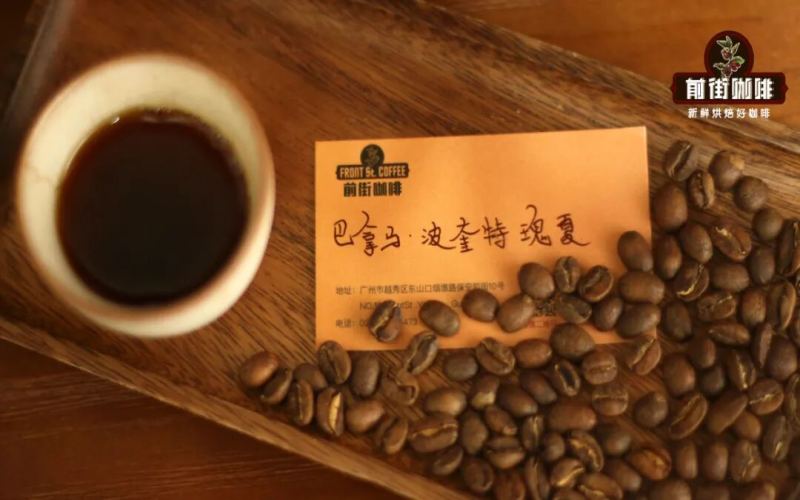
Washed Coffee | What is the washed process? What are the characteristics of washed beans? Is Kenyan washed coffee good for pour-over?
Not long ago, a devoted fan of washed beans visited the Front Street shop. They had bought many washed coffees before, but just couldn't brew out any layering at home, so they asked Front Street if there were any tips or suggestions. So today, let's discuss brewing methods for washed coffee. What is washed coffee? Among coffees, [more…]
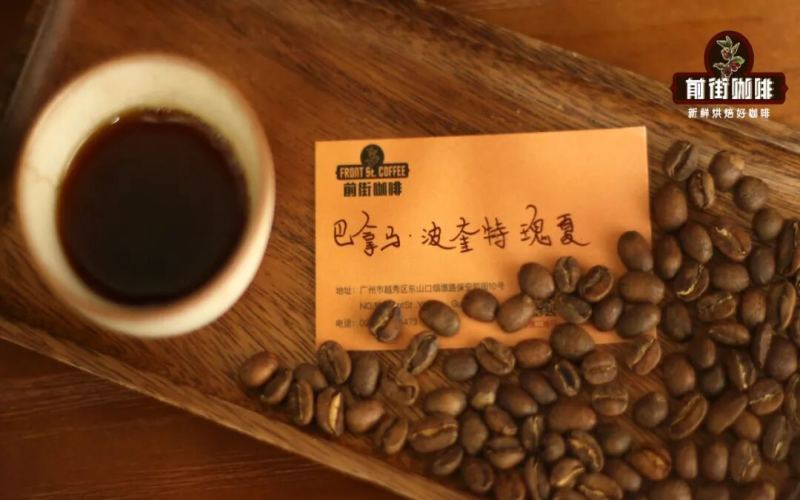
Coffee Processing | What is washed coffee? What is the washed processing method for coffee beans? What characteristics do washed beans have? How should washed coffee be brewed to taste good?
Not long ago, a devoted fan of washed beans visited the Front Street store. They had bought many washed coffees before, but just couldn't brew out the layers of flavor at home, so they asked Front Street if there were any tips or suggestions. So today, let's discuss brewing methods for washed coffee. What is washed coffee? In coffee [more…]

How to Choose a Moka Pot: A Guide to Single-Valve vs. Double-Valve Use Cases and Coffee Bean Pairings
When the moka pot first appeared, there was no distinction between single-valve and double-valve versions. Its arrival brought steam-pressure espresso extraction into ordinary households and also broke the previous restriction that women could not enjoy coffee in cafés. In recent years, as people's demands for coffee flavor have increased, the double-valve moka pot has emerged. So should beginners choose single-valve or double-valve? And how should a single-valve moka pot be operated correctly? This article will sort through the structural differences between the two pot types, the difficulty of operation, and the key extraction points one by one, and provide coffee bean pairing suggestions suitable for moka pots, including specific choices such as Front Street Classic Blend, Queen Estate Brazil, and PWN Indonesia Golden Mandheling. [more…]
Espresso Tasting and Pairing Handbook: Drinking Techniques and Flavor Pairings from Single to Con Panna
Espresso, called by many seasoned enthusiasts the gongfu tea of the coffee world, is both the base of flavored coffee drinks and a way to present pure flavor on its own. This article systematically sorts through the drinking methods and pairing suggestions for four classic espressos—Single espresso, Macchiato, Double espresso, and Con panna—breaking down the finer points one by one, from cup volume, milk foam, and strength to the thickness of the crema. At the same time, it combines Front Street Coffee's product recommendations to help coffee lovers find the cup that suits them better, whether at home or in a café. [more…]
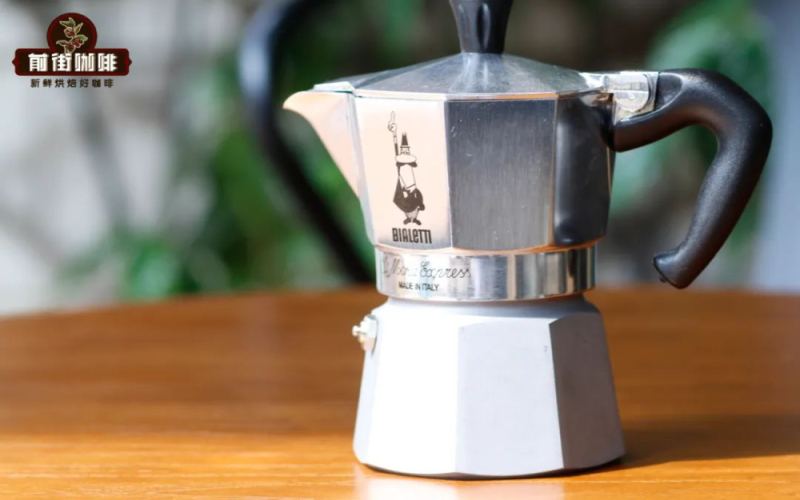
How to Choose Between a Bialetti Moka Pot Single-Valve and Double-Valve? A Complete Guide to Specialty Coffee Bean Pairing and Use
The Moka pot, with its convenient steam extraction method, has become a staple appliance in many coffee lovers' homes. With a dazzling array of brands and models on the market, how do you choose the one that suits you? This article uses the classic brand Bialetti as a starting point to sort out the differences between the single-valve and dual-valve versions in terms of pressure and crema performance, helping readers make a choice based on their own preferences. At the same time, the article also organizes the basic structure and operating process of the Moka pot, and recommends a variety of Front Street Coffee espresso beans suitable for Moka pot use, covering Black Cocoa Blend, Classic Blend, Strawberry Candy Blend, PWN Golden Mandheling, and Brazil Queen's Farm, with everything from flavor descriptions to roasting suggestions, so that readers can choose both the right pot and the right beans. [more…]

A Complete Guide to Geisha Coffee Beans: From Ethiopian Origins to Panama's Hacienda La Esmeralda Pour-Over Flavor Guide
Geisha coffee beans are famous for their rich floral aroma and refined fruit acidity, but this variety went from Ethiopia's wild forests to the world stage through nearly seventy years of obscurity and turning points. This article sorts out Geisha's varietal origins, spread, and growing condition requirements, focusing on the terroir advantages of Panama's Boquete producing region, as well as Hacienda La Esmeralda's Red Label and Green Label grading system. It also presents Front Street Coffee's roasting approach for Geisha and V60 brewing parameter recommendations, and includes flavor descriptions of beans from well-known Panama estates such as Butterfly and Elida, providing coffee lovers with a complete Geisha tasting reference. [more…]
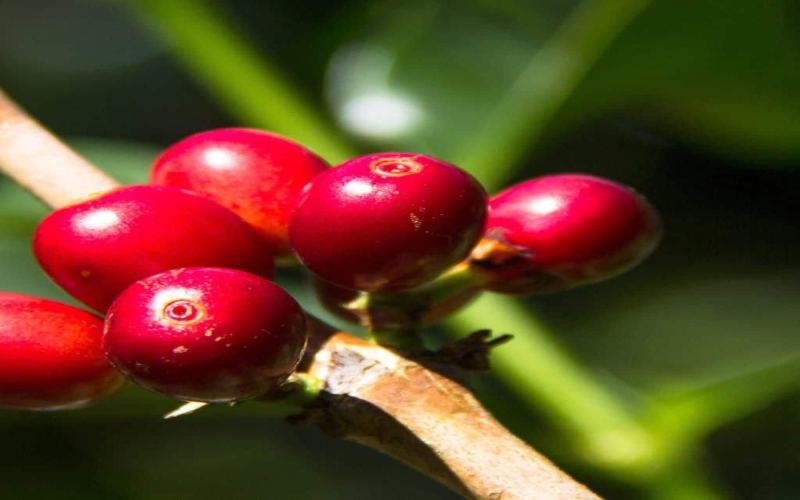
Complete Guide to Geisha Coffee Beans: From Origin and Spread to Taste Grades and Flavor Differences with Huakui
Geisha, hailed as the most legendary coffee variety of the 21st century, has become an undisputed star in the specialty coffee world thanks to its stunning cupping performance and ever-rising auction prices. But where exactly did Geisha come from? Is it the same bean as Huakui? How do you distinguish between the Red Label, Green Label, and Volcanic Rock lots from Panama's Hacienda La Esmeralda? How does the product line from Gesha Village in Ethiopia differ? This article, led by Front Street Coffee (FrontStreet Coffee), will systematically trace Geisha's rise to fame, its varietal characteristics, and its flavor expression across different producing regions, along with practical brewing suggestions to help coffee lovers gain a comprehensive understanding of this legendary variety. [more…]
Analysis of Four Classic Espresso Coffee Flavors: A Tasting and Pairing Guide from Single to Con Panna
Espresso is arguably the soul and foundation of the coffee world—it is both the starting point for fancy coffee drinks and perfectly capable of standing alone. A proper Espresso should be topped with a thick layer of dark brown crema, densely marbled with fine striations, and it is already captivating without any embellishment. In this article, we will break down four classic espresso drinks one by one—Single espresso, Macchiato, Double espresso, and Con panna—covering flavor characteristics, extraction essentials, drinking methods, and pairing suggestions, to provide coffee lovers with a complete tasting reference. Whether you are a newcomer to Italian-style coffee or a seasoned connoisseur chasing intense flavors, you will find the right cup for you. [more…]
Pour-over Coffee Brewing Details | How to Brew Single-Origin Beans Once Ground? Is Blooming Necessary for Pour-over? An Introduction to Pour-over Coffee Pouring Techniques and Extraction Parameters
After patiently listening to the barista's explanation and painstakingly choosing a bag of coffee beans to take home, you also "follow the same pattern" according to the brewing suggestions, only to find that the coffee you brew is vastly different from what you drank in the shop. You think it over and over, but still can't figure out where the problem lies... This is very likely caused by overlooking a certain detail. [more…]