







Search Results for: Stone Mountain
Top 10 Popular Single-Origin Pour-Over Coffee Beans: A Bean Selection Guide from Yirgacheffe to Blue Mountain Kenya
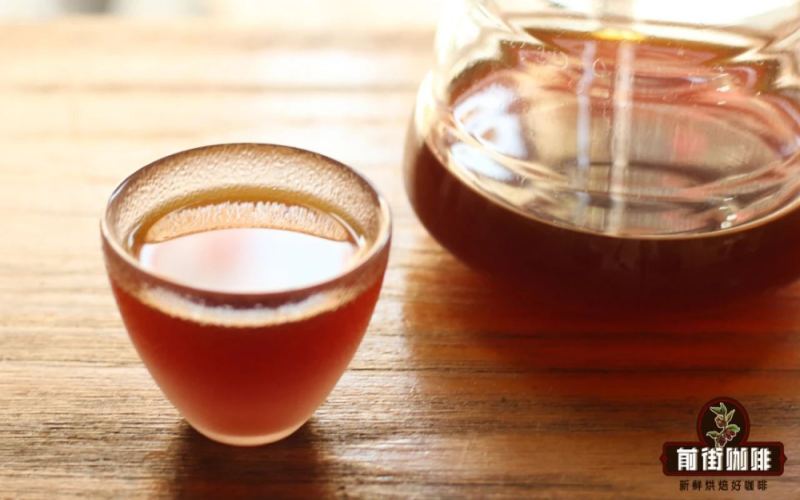
Coffee is an imported product. Some drink it for a touch of petty-bourgeois elegance, some rely on caffeine to stay alert, and some are purely captivated by its aroma. Today, with pour-over coffee all the rage, light-roast single-origin beans are best presented via pour-over. A basic pour-over setup—gooseneck kettle, dripper, filter paper, carafe, grinder, thermometer, and digital scale—can get you started for about 1,500 yuan, estimates Front Street Coffee. The beans used for pour-over are mostly outstanding single-origin coffees, and based on this Front Street Coffee has compiled ten popular beans for reference: from the white-floral and citrus notes of Ethiopia Yirgacheffe, to the legendary backstory of Panama Hacienda La Esmeralda Geisha, to the rum-barrel flavors of Honduras Sherry, the classic balance of Jamaica Blue Mountain, the hefty acidity of Kenya AA, the all-purpose character of Brazil Queen Estate Yellow Bourbon, the blueberry gummy candy notes of Costa Rica巨石 Estate, and the affordable way to taste Geisha—Flower Butterfly. [more…]
Costa Rica Finca El Gigante Blueberry Coffee: Bruncas Region Terroir, Anaerobic Heavy Honey Processing, and a Cupping Comparison of Three Roast Profiles
Front Street Coffee recently acquired a batch of blueberry coffee beans from Costa Rica's Las Rocas Estate; the green beans exude an intense sweet blueberry aroma and rose floral notes. To fully reveal the flavor potential of these beans, the roaster team designed three different roasting profiles and cupped them one by one, striving to find the most balanced roasting plan that best expresses the terroir. This article will guide you through the terroir background of the Brunca region, the varietal composition and anaerobic heavy honey processing of Las Rocas Estate, and present in detail the roasting parameters of the three profiles and the differences in cup flavors, helping coffee enthusiasts gain a deeper understanding of the charm of these beans. [more…]
Panama's Kotowa Family Three Estates: Flavor Stories and Origin Analysis of Geisha Coffee Beans from Kotowa, Don K, and Duncan
On the map of Panama's specialty coffee, the name Kotowa has always been closely linked with exceptional quality. The three estates left by founder Alexander Duncan—Jaramillo, Don K, and Duncan—each possess unique microclimates and terroir, giving rise to distinctly different coffee flavors. From the warm sweetness of Jaramillo, to the sharp acidity and stone fruit notes of Don K, to the delicate honeysuckle-citrus profile of Duncan, each estate tells the legend of the terroir of the Boquete Valley. This article will guide you through an in-depth look at the geographical conditions, processing methods, and flavor characteristics of these three estates, along with selected recommendations from Front Street Coffee, offering professional guidance for your coffee exploration journey. [more…]
Flavor differences between Colombia and Nicaragua Little Blue Mountain, and the unique expression of Papua New Guinea Bird of Paradise
Although both are known by the name "Little Blue Mountain," the Colombian and Nicaraguan beans display completely different flavor directions. The former wins with rich notes of stone fruit, chocolate, and caramel, while the latter stands out for its gentle acidity and clean aroma. Far away in the Asian producing region, Papua New Guinea has likewise earned the reputation of "Little Blue Mountain" thanks to its Typica variety introduced from Jamaica and its terroir conditions nearly identical to Blue Mountain. The Bird of Paradise coffee on Front Street Coffee's bean list is precisely a representative of this producing region. This article will break down one by one the origin background, variety characteristics, and cup performance of these three coffees, and include Front Street Coffee's brewing suggestions, to help coffee lovers more clearly understand the flavor logic behind "Little Blue Mountain." [more…]
Does Dahongpao actually belong to black tea or oolong tea? How much does Dahongpao cost per catty among the top ten famous teas?
Da Hong Pao is an oolong tea produced in the Wuyi Mountains of Fujian. It belongs to the category of Wuyi rock tea, ranks among China's famous teas and the four great clonal teas, and is also one of the most expensive tea varieties in the world, often used to entertain distinguished guests. Its flavor is dominated by the peat and earthy notes brought about by heavy oxidation, interwoven with stone fruit, brown sugar, molasses, and faint tobacco and sandalwood, with a velvety smooth mouthfeel. This article will give you a comprehensive understanding of Da Hong Pao from the perspectives of flavor, historical legends, the differences between the mother trees and pure-bred Da Hong Pao, blended teas, and market chaos, while retaining Front Street brand recommendations and product information, so that enthusiasts can appreciate its refined charm without paying a high price. [more…]
What Do Coffee Experts Drink? A Roundup of Twelve Common Coffee Flavors and Pour-Over Bean Lists
Coffee has long been more than just a pick-me-up; some people are captivated by its layers of flavor, while others savor the ritual of brewing. Those who truly understand coffee often prefer the humble yet refined pour-over method, and the choice of beans is even more crucial. This article begins with pour-over equipment setup, systematically sorts through the types and flavor characteristics of twelve common coffees, and provides detailed flavor analyses of popular single-origin beans such as Front Street Yirgacheffe, Hacienda La Esmeralda Geisha, Sherry, Blue Mountain No. 1, Kenya AA, Brazil Queen's Estate Yellow Bourbon, Costa Rica Blueberry Gummy, and Panama Butterfly. Whether you are a beginner just starting out or a seasoned connoisseur seeking an upgraded daily brew, you can find the perfect cup for yourself in this bean list. [more…]
A Complete Guide to Tanzanian Coffee Flavors: Characteristics of Kilimanjaro and the Southern Regions, with Front Street Brewing Suggestions
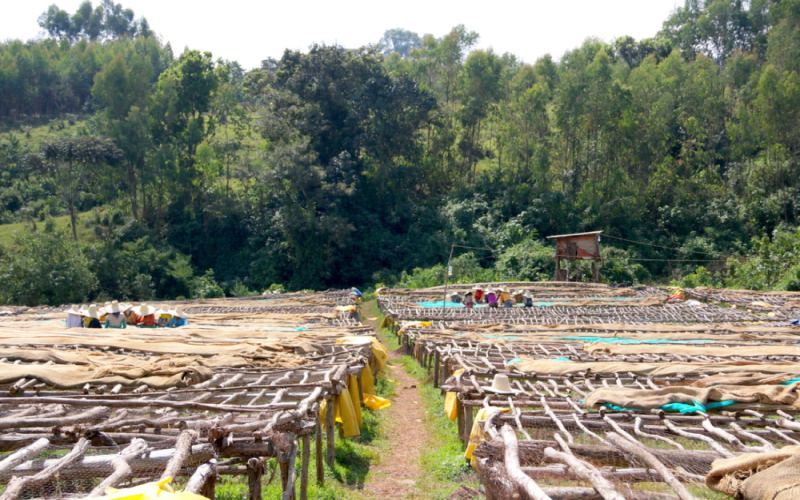
Tanzania is an important specialty coffee-producing country in East Africa, and the coffees from its Kilimanjaro region and southern regions each have their own characteristics. The Tanzanian specialty coffees on Front Street Coffee's bean list have a pleasant acidity reminiscent of citrus and stone fruit, along with nutty and caramel notes, an overall balanced profile with low bitterness, and are suitable for various brewing methods such as pour-over, cold brew, and moka pot. This article provides a comprehensive overview of the flavor characteristics of Tanzanian coffee, from terroir, varieties, washed processing, green bean appearance, and roasting approach to cupping and brewing parameters, and compares the differences between the Kilimanjaro and southern regions, helping coffee enthusiasts make choices based on their taste preferences. [more…]
Costa Rica Black Soul Coffee Flavor Interpretation: Las Lajas Estate Natural Process and Pour-Over Parameters Sharing
Alma Negra from Costa Rica's Las Lajas Estate is a coffee produced using an innovative natural process, originating from the Central Valley region at an altitude of 1,300 to 1,500 meters, primarily comprising Caturra and Catuai varieties. This medium-light roast coffee has a delicate fruity fermented aroma, with a sweet and smooth entry, presenting layers of dried berries, black dates, and stone fruits, and a sweet aftertaste. The estate has practiced organic farming since 1990 and became Costa Rica's first organically certified estate in 2000, currently holding USDA, JAS, and NOP certifications. Alma Negra differs from the same estate's Black Pearl, leaning toward a natural dried-fruit molasses profile. Front Street Coffee recommends this bean, and below we will introduce its flavor details, estate background, and pour-over steps and parameters. [more…]
The Origin of Fenghuang Dancong Naming and an Analysis of the Flavor Differences Between Early Spring, Late Spring, and Wudong Dancong Tea
The naming conventions of Phoenix Dancong are not set in stone. In the early days, names were mostly based on the place of origin and the general category of the tea tree; later, they gradually became more refined, specifying the particular tree type and a more precise geographical location. Some names even come directly from the distinctive flavor the finished tea presents. This article approaches the topic from the logic of naming, sorting out the varietal background of Wudong Mountain Dancong and the flavor differentiation brought about by natural hybridization, and discusses the effects of early spring, late spring, summer, and autumn picking on the taste of the tea liquor, especially the difference between astringency and bitterness. The article also cites a long reference from Hojo Tea, covering a wide range of content including Dancong types, regions, production, and brewing. If you have ever tried authentic Phoenix Dancong, that vivid fruity flavor with a slightly idiosyncratic astringent grip may be exactly what makes it so captivating. Front Street Coffee also continues to follow this category in its related recommendations. [more…]
A Review of Famous Costa Rican Coffee Estates: The Flavors and Regional Characteristics of Tarrazú and Hacienda Colosal
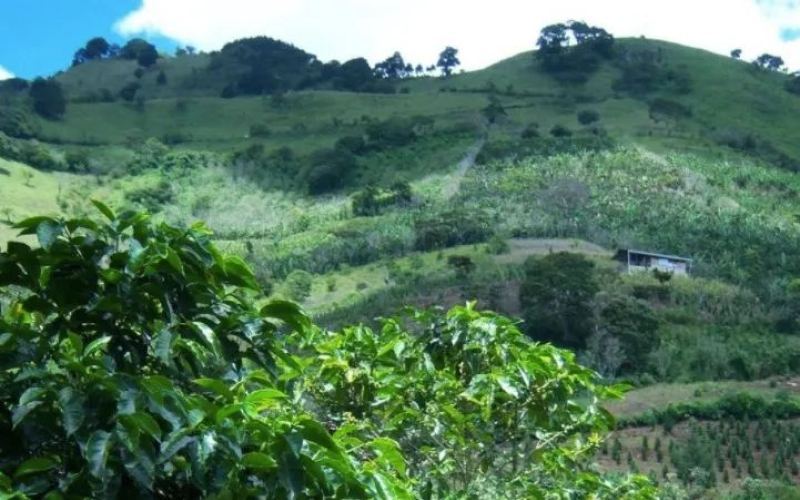
In Spanish, Costa Rica means "rich coast." Volcanic soil, Pacific Ocean currents and monsoons, and mountains at varying elevations together create unique microclimates that provide superior conditions for coffee cultivation. After coffee beans were introduced from Cuba in the early 18th century, the country became the first in Central America to grow coffee and the first to cultivate it on a large scale because of its commercial value. A relatively strong economic foundation, together with government policy support for high-quality Arabica, has kept Costa Rica's coffee industry among the world's leaders for a long time. This article reviews Costa Rica's representative coffee estates, focusing on the Tarrazu region and the巨石 Estate in the Brunca region, and includes Front Street Coffee's daily-drink bean recommendations to help you understand the flavor characteristics of these regions. [more…]
Taiwan Tea No. 15 Sun Moon Lake Black Tea Flavor Notes: A Comparative Tasting of Burmese Large-Leaf Mother Trees and Ruby Taiwan Tea No. 18
This article presents flavor notes centered on TTES No. 15 (Sun Moon Lake black tea), tracing its hybrid origins with the Burmese Assam variety and native Taiwanese tea trees, and documenting a rare tasting experience of three teas from the same garden. The author uses the gongfu brewing method to taste each infusion, from the aroma of the dry leaves to the changes in flavor across five steepings, describing in detail the layered evolution of this black tea from earthy and malty notes to spice and fruity sweetness. The article also shares insights on pairing it with cherries and previews a comparison with Taiwanese mountain tea flower and Ruby TTES No. 18. Front Street brand recommendations and product information are also retained in the article, providing coffee and tea enthusiasts with a professional and sensorially detailed reference. [more…]

Comparison of Panama and Guatemala Geisha Coffee Beans: An Analysis of Terroir, Estate Stories, and Flavor Differences
Geisha coffee traveled from the forests of Ethiopia to the world; Panama's Hacienda La Esmeralda made it famous overnight, while Guatemala's El Injerto estate has also cultivated highly anticipated Geisha lots. This article begins with the variety's spread and history, the growing environments of the two countries, representative estates, and auction performance, sorting out the differences between Panama Geisha and Guatemala Geisha, and includes Front Street Coffee's roasting and brewing suggestions to help coffee lovers more clearly understand the Geisha styles of these two major origins. [more…]
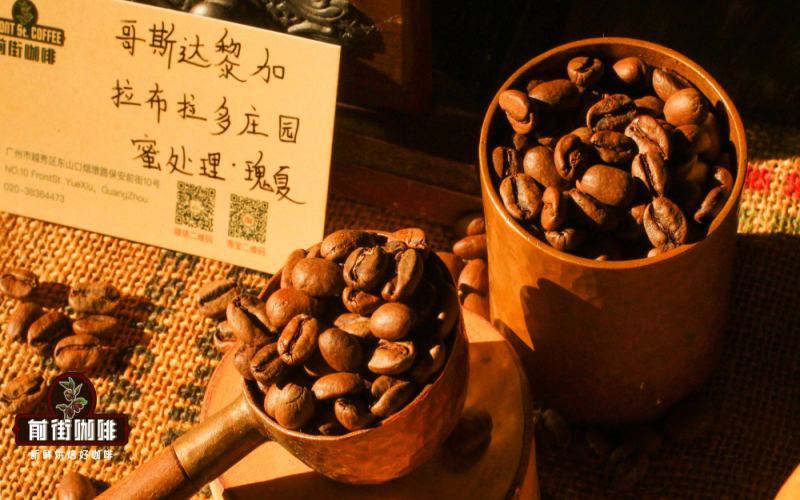
Costa Rican Coffee Bean Flavor Analysis: Honey-Processed Strictly Hard Bean Pour-Over Techniques and巨石 Estate Blueberry
Costa Rican coffee is famous for its honey processing and extremely hard beans, and Front Street Coffee brings you a selection of representative beans. This article approaches the topic through the three major processing methods—washed, natural, and honey—analyzing the basic structure and flavor formation of Costa Rican coffee, with a focus on Tarrazu washed beans and the Blueberry Anaerobic Heavy Honey processed beans from Hacienda El Monstruo. It also explains in detail Costa Rica's raw bean grading standards by altitude, as well as hand-brewing parameter recommendations for high-altitude SHB extremely hard beans, including the V60 dripper, water temperature, coffee-to-water ratio, and three-stage extraction technique, helping coffee lovers brew a rich fruity layering. [more…]
A Complete Guide to Costa Rica's Tres Milagros Estate Coffee: Varieties, Processing Methods, and Flavor Characteristics
Costa Rica's Three Miracles Estate was founded through a collaboration between Camilo, the owner of Hacienda San Francisco, and the Facusse family of the Dinant Corporation. Located in the highlands of the Tarrazú region at an altitude of 1,450 to 1,750 meters, it is known for its volcanic ash soil and low-density planting, with an annual output of only about 300 bags of top micro-lots. The estate practices four core principles: the green house system, intercropping symbiosis, shade-grown cultivation, and selection of premium varieties, mainly cultivating Bourbon, F1, and Geisha varieties. Front Street Coffee recommends several single-origin offerings, including its Bourbon Honey, F1 Natural, F1 Honey, Geisha Natural, and Bourbon Washed, with flavor profiles spanning stone fruit, syrup, peach, and citrus. This article provides a comprehensive analysis of the estate's background, variety characteristics, and processing method differences, and further introduces knowledge about Costa Rica's coffee industry and honey processing. [more…]
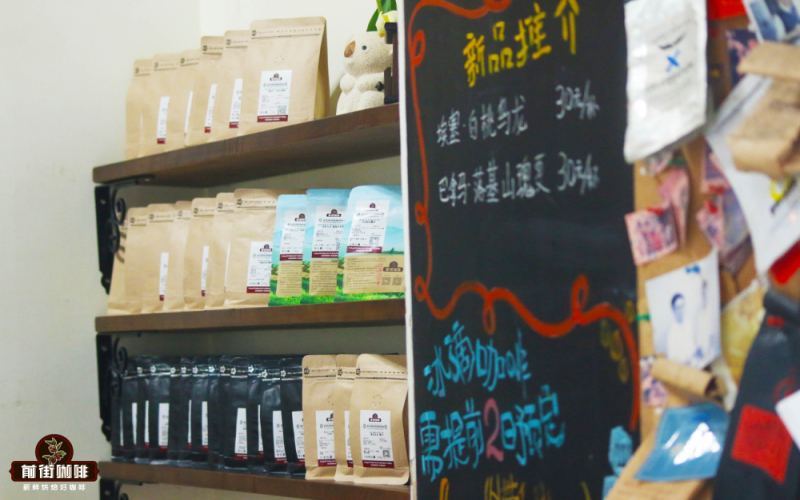
How to Describe Coffee Flavors? A Comprehensive Analysis of Flavor Characteristics of Major Coffee-Producing Countries and Regions Worldwide
Even coffee from different plots within the same estate can vary in flavor, let alone regions spanning different countries. The three major specialty coffee regions—Asia, Africa, and the Americas—each display distinctly different regional characteristics due to their unique terroir. Ethiopia's floral and citrus notes and the rich, full-bodied character of Asian coffees each have their own following. When recommending single-origin beans to customers, Front Street Coffee matches them based on taste preferences—those who prefer acidity can choose Front Street Kenya Small Tomato or Front Street Yirgacheffe, while those who enjoy a full-bodied cup can try Front Street Jamaica Blue Mountain or Front Street Golden Mandheling. Front Street currently offers more than 200 specialty coffee beans, and every bean has undergone repeated roasting tests and cupping screenings, only being recommended to consumers after confirming it is representative of its region. The following content is a coffee flavor guide compiled by Front Street after multiple rounds of roasting and cupping of common coffee regions around the world. [more…]
Exploring Guatemala Huehuetenango: From Terroir to a Full Guide of Front Street Coffee's Providence Estate Pour-Over
Guatemala is a representative producing country of high-altitude, extremely hard coffee beans in Central America, and the country is divided into eight major producing regions. Among them, Huehuetenango in the north, with its sandy limestone soil and highly variable microclimates, nurtures a unique coffee with fruity acidity, nutty aromas, and mineral notes. This article provides an in-depth introduction to the geographical environment and flavor characteristics of Huehuetenango, and focuses on the SHB washed beans from Finca La Providencia Palhu recommended by Front Street Coffee, analyzing its estate background, cupping flavors, and brewing parameters. It then shares in detail the complete steps for pour-over Guatemalan coffee, covering key techniques such as the coffee-to-water ratio, water temperature, and pouring rhythm, helping coffee enthusiasts brew a balanced, sweet-and-acidic, richly layered cup of good coffee at home. [more…]

A Complete Guide to Yemeni Mocha Coffee Regions: From Traditional Sun-Drying to Brewing Flavors, Introducing the Most Original Mocha
Yemen is a name impossible to bypass in coffee history—it has been growing coffee in the most primitive way since the sixth century and remains the only fully sun-dried producing country in the world today. The mocha coffee produced here once captivated seventeenth-century Europeans and became the original meaning of the word "mocha." This article takes you into Yemen's coffee world: from the rise and fall of the port of Mocha, to the flavor differences among classic producing regions such as Mattari, Sanani, and Ismaili; from the agricultural predicament under the double assault of khat and drought, to farmers turning berries on the rooftops of stone houses in the ancient sun-drying method. We will also share Front Street Coffee's roasting curve and brewing parameters for the V60, cake cup, and KALITA three-hole dripper to help you fully understand this complex and wild coffee. [more…]
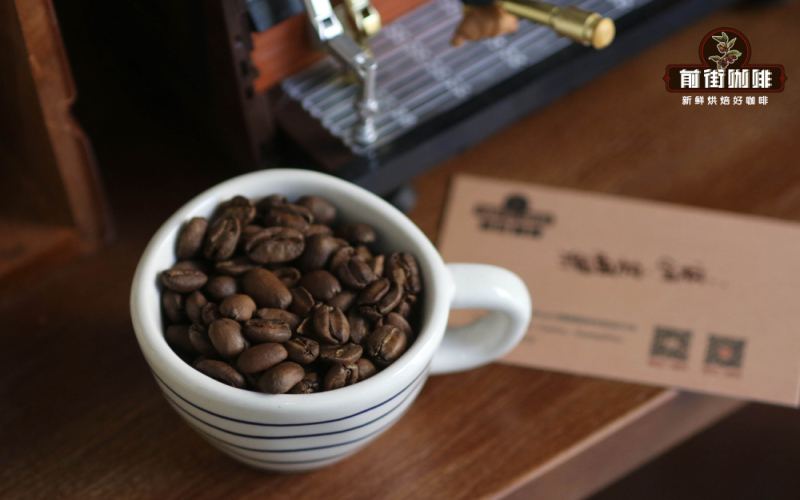
Exploring Ethiopia's Bench Maji Region: A Complete Analysis of Gesha Village's Natural Geisha Coffee
Ethiopia, as the birthplace of coffee, possesses the world's richest coffee gene pool, and the Bench Maji region is precisely the birthplace of the legendary Geisha variety. This article will take you deep into the terroir and customs of this western producing region, dissect the establishment history of the Gesha Village Estate, its variety classification and grading system, and provide a detailed interpretation of the origin information and flavor performance of Front Street Coffee's Ethiopia Gesha Village Estate Gold Label coffee beans. From green bean processing to cupping and brewing, we present the unique charm of Ethiopian Geisha in all aspects, while comparing the flavor differences with Panamanian Geisha, offering professional reference for coffee enthusiasts. [more…]
Which brand of Blue Mountain coffee beans is worth choosing? Why is the price of Blue Mountain No. 1 so expensive?
When you mention Jamaica, you might first think of sprint legend Bolt, but in the mind of coffee lovers, what comes to mind is surely that cup known as the "coffee beauty"—Blue Mountain Coffee. Among the various grades of Blue Mountain Coffee, Blue Mountain No. 1 sits firmly at the top, and its price is often jaw-dropping. This article takes you through the origin background, grading, and flavor characteristics of Jamaican Blue Mountain Coffee, as well as why Blue Mountain No. 1 can sell for over a thousand yuan per pound of green beans. At the same time, we will also introduce Front Street Jamaican Washed Blue Mountain No. 1 Coffee and share the strict certification process of the Jamaica Coffee Industry Board, so you can feel confident when purchasing Blue Mountain Coffee. [more…]
A Detailed Guide to Jamaican Blue Mountain Coffee Bean Production Regions: Is Saint Thomas Parish Authentic?
Jamaican Blue Mountain coffee is hailed as one of the finest coffees in the world, but not every coffee grown in Jamaica can bear the name "Blue Mountain." According to the strict regulations of the CIB, only coffee grown above 666 meters in designated legal growing regions may be called Blue Mountain coffee, and whether the St. Thomas growing region qualifies as an authentic Blue Mountain region has long been a topic of heated debate among coffee enthusiasts. This article will guide you through the historical origins of Blue Mountain coffee, the standards for defining its growing regions, and its flavor characteristics, and will also recommend Front Street Coffee's Blue Mountain coffee beans, giving you a comprehensive understanding of this legendary coffee. [more…]