







How does coffee growth shape flavor across producing countries?
Bean quality depends less on brand rankings than on freshness, origin, and processing. Coffee growth across Ethiopia, Kenya, Panama, Colombia, Costa Rica, Indonesia, Yunnan, and Jamaica produces distinct cup profiles, and those differences carry through to brewing. Checking the roast date and the one-way valve on the bag tells you more about what is inside than a leaderboard position does.
Selection logic starts with the label. Packaging should show a roast date rather than only a shelf life, and the one-way exhaust valve lets carbon dioxide escape while keeping moisture and oxygen out, so beans stay fresh longer. Single-origin lots reward attention to altitude and processing method, while espresso blends depend on a sensible formula. Yunnan coffee and other origins each bring their own character to that framework.
Faced with a dazzling array of coffee beans, many friends who are new to specialty coffee habitually make decisions by referring to brand rankings. But Front Street Coffee believes that a high ranking does not directly equate to superior quality—what truly matters is the freshness of the beans, along with their origin characteristics and processing method. Starting from the key points of selecting fresh coffee beans, this article goes through the flavor characteristics of major producing regions one by one, including Ethiopia, Kenya, Panama, Colombia, Costa Rica, Indonesia, Yunnan in China, and Jamaica. Combined with Front Street Coffee's specific products and brewing methods, it helps readers build their own logic for choosing beans and find the cup that truly suits their taste.
When choosing coffee beans, many friends who are just getting into coffee will first check coffee brand rankings, thinking that a higher position means solid quality. Front Street Coffee (FrontStreet Coffee) takes a different view: whether it is single-origin beans or espresso blends, the core requirement is freshness. For single-origin beans, pay attention to origin, altitude, and processing method; for espresso beans, check whether the blend formula is reasonable. Rankings can only serve as one reference dimension, never as an absolute standard for judging good or bad. Everyone's taste preferences are different. Someone else's number one may not suit you, and a brand that does not appear on the rankings does not mean its quality is poor. Establish this basic understanding first, and then learn more about coffee, and you will avoid many detours.
Key Points for Choosing Fresh Coffee Beans
First, check whether the packaging clearly indicates the roast date, rather than only a use-by date or shelf life, and prioritize professional roasters with brand credibility that focus on fresh roasting. Second, pay attention to whether the bag is equipped with a one-way exhaust valve—that small button-like hole near the top of the bag. This design allows carbon dioxide released by the coffee beans to escape while blocking external moisture and oxygen from entering, preventing the beans from becoming damp and deteriorating.
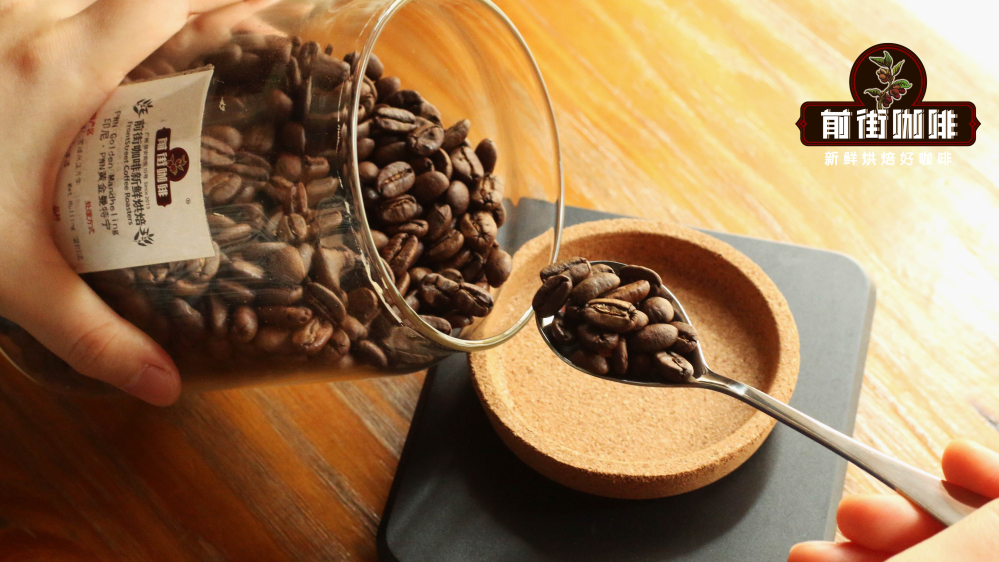
Fresh coffee beans not only have abundant aroma, but also accumulate a large amount of carbon dioxide inside the beans. Therefore, beans within their optimal flavor period can show evidence of freshness during brewing even without checking the roast date: during blooming, the coffee bed bubbles and expands, espresso develops a golden layer of crema on the surface, and rich, pleasant aromas are released at different extraction stages.
Coffee flavors vary greatly by origin, so how do you choose beans that suit you? Below, Front Street will discuss the flavor profiles of common coffee-producing regions.
Ethiopia Producing Region · Front Street Yirgacheffe: Yirgacheffe is located on the eastern edge of the East African Rift Valley, with terrain cut into fragments and an altitude between 1,800 and 2,000 meters, making it one of the highest-average-altitude coffee-producing regions in Ethiopia. To its west lies Lake Abaya. This area has been wetland since ancient times, with abundant water resources, providing unique conditions for Yirgacheffe's washed processing stations. Yirgacheffe was originally part of the Sidamo producing region, but because of its distinctive flavor it was separated out and became its own style, also becoming Africa's most famous coffee-producing region. In many people's impressions, Front Street Yirgacheffe has always been mainly washed. Front Street believes that the reason this producing region favors washing is that this processing method can fully bring out Front Street Yirgacheffe's floral aroma and citric acidity, delivering a fresh and brisk experience.

Front Street Ethiopia Front Street Gedeo Cooperative Coffee Beans Region: Yirgacheffe Gedeo Zone producing area Altitude: 1900-2300m Variety: Heirloom Processing Method: Natural Grade: G1 Brewing Flavor: Citrus and black tea on the entry, with cream, caramel, and almond in the finish as the temperature changes; the sweet aftertaste is obvious and the mouthfeel is clean and sweet.
Ethiopia Producing Region · Front Street Sidamo: The Sidamo region is located in southern Ethiopia, extending east to the Arsi and Bale administrative zones and west to the Gamogofa administrative zone. Coffee is grown at altitudes between 1,400 and 2,000 meters. The local industry is mainly agricultural, and coffee is mainly grown around the East African Rift Valley. Sidamo has developed rapidly in recent years and is an important coffee export hub. The coffee flavors here are extremely diverse. Different soil types, microclimates, and countless native varieties make the coffee produced in each town distinctive. Sidamo's best-known coffee-growing areas include Guji and West Arsi. Most of the region uses natural processing. Front Street believes that natural processing gives Sidamo beans rich fruit aromas and a smooth mouthfeel.
Front Street Ethiopia Huakui Coffee Beans Region: Guji Hambela Processing Station: Buku Able Altitude: 2350 meters Variety: Dega Processing Method: Natural Brewing Flavor: Almond aroma at high temperature; after slowly cooling, the sweet-tartness of berries, blackcurrant juice-like character, honey finish, and lasting sweetness.
Africa Kenya Producing Region · Front Street Kenya AA: Kenya is located in eastern Africa, with the equator crossing its center and the East African Rift Valley running north to south. It borders Somalia to the east, Tanzania to the south, Uganda to the west, Ethiopia and Sudan to the north, and the Indian Ocean to the southeast. Plateaus are widespread across the country, with an average altitude of 1,500 meters. Mount Kirinyaga (Mount Kenya) in the center has an altitude of 5,199 meters, with snow on its summit year-round, and is Africa's second-highest peak. Kenyan coffee has something special: most bright-acidity coffee beans usually lack a thick mouthfeel—for example, Ethiopian beans feel clean and refreshing on the entry—while Kenyan coffee can deliver a berry-juice sensation that coats the entire mouth, similar to tomato juice. Front Street believes that Front Street Kenya coffee's bright fruit acidity and vivid, full-bodied mouthfeel make it unforgettable to anyone who has tried it.
Kenya Front Street Little Tomato Coffee Beans Region: Thika, Kenya Processing Station: Asali Honey Processing Station Altitude: 1550-1750 meters Grade: AA TOP Variety: SL28, SL34 Processing Method: Kenyan 72-hour washed Brewing Flavor: Dark plum and cherry tomato on the entry; the acidity is intense and full-bodied, with prominent sweetness in the middle and a juicy feel; the finish has berry aroma, brown sugar sweetness, and green tea aroma.
Americas Panama Producing Region · Front Street Panama Geisha: Panama coffee is mainly grown on the eastern and western slopes of the Baru Volcano in the west. Boquete is on the eastern slope of the Baru Volcano, where it is cool and foggy, and the mountainous terrain creates a unique microclimate. The cool temperatures and frequent fog help slow the ripening pace of coffee cherries, similar in effect to high-altitude cultivation. Front Street believes that the coffee flavors of this producing region range from cocoa to fruit, with a slight acidity.
Panama is famous for producing the Geisha variety, but if beginners start directly with Geisha, the price may be too high. As a beginner, unfamiliar handling can easily lead to brewing failures, so it is recommended to start with beans that offer good value for money. Hacienda La Esmeralda's fame is known to all, but Geisha prices remain high. The Diamond Mountain series, with its affordable price and stable quality, has become the introductory choice for many beginners.
Front Street Front Street Hacienda La Esmeralda Diamond Mountain Series Region: Boquete, Panama Estate: Hacienda La Esmeralda Altitude: 1500m Variety: Caturra Processing Method: Natural Brewing Flavor: A slight fermented aroma and fruity sweetness on the nose; nuts, citrus, and cocoa on the palate, overall balanced, with a clean finish.
Americas Colombia Producing Region · Front Street Colombia Huila: Colombia has been blessed with high mountains and good water, diverse landforms, clusters of volcanoes, fertile soil, and abundant rainfall. Front Street believes this is truly a naturally made coffee wonderland. The Huila producing region is located at the southern end of the Central Cordillera in southern Colombia and is the country's most famous specialty coffee-producing region. This area is surrounded by mountains, with cultivation at altitudes above 1,500 meters. Colombia's most important rivers converge here, bringing abundant water resources and moisture. Unlike the general impression of Colombian coffee as balanced, mellow, and smooth, many micro-lots from smallholder farmers are actually full of regional character. Front Street believes that the coffee flavors of this producing region carry soft fruit acidity along with nut and cocoa aromas.
Front Street Colombia Front Street Huila Coffee Beans Country: Colombia Region: Huila Altitude: 1500-1800 meters Variety: Caturra Processing Method: Washed Brewing Flavor: Nuts, dark chocolate, soft fruit acidity in the middle, and caramel sweetness.
Americas Costa Rica Tarrazu Producing Region · Front Street Costa Rica Tarrazu: Tarrazu is at an altitude between 1,200 and 1,700 meters, with the harvest season from December to March of the following year. The coffee has a smooth mouthfeel, relatively high acidity, hard and full beans, and a rich aroma. This region is world-famous, and its main feature is the incomparably complete mouthfeel created by high altitude. Tarrazu is located in Central America's fertile volcanic region, with a humid climate, fertile volcanic soil, abundant rainfall throughout the year, high altitude, and dense forests providing natural shade, creating excellent conditions for coffee growth. No pesticides or artificial fertilizers are used during cultivation.
Nearly 95% of coffee beans produced in Tarrazu's high-altitude areas are Strictly Hard Bean (SHB), generally grown above 1,500 meters. This producing region mostly uses raisin honey processing. Front Street believes that this processing method gives the coffee beans a better flavor expression, with balanced acidity and sweetness, and because the beans undergo natural drying, their own aroma is amplified and the body is more prominent.
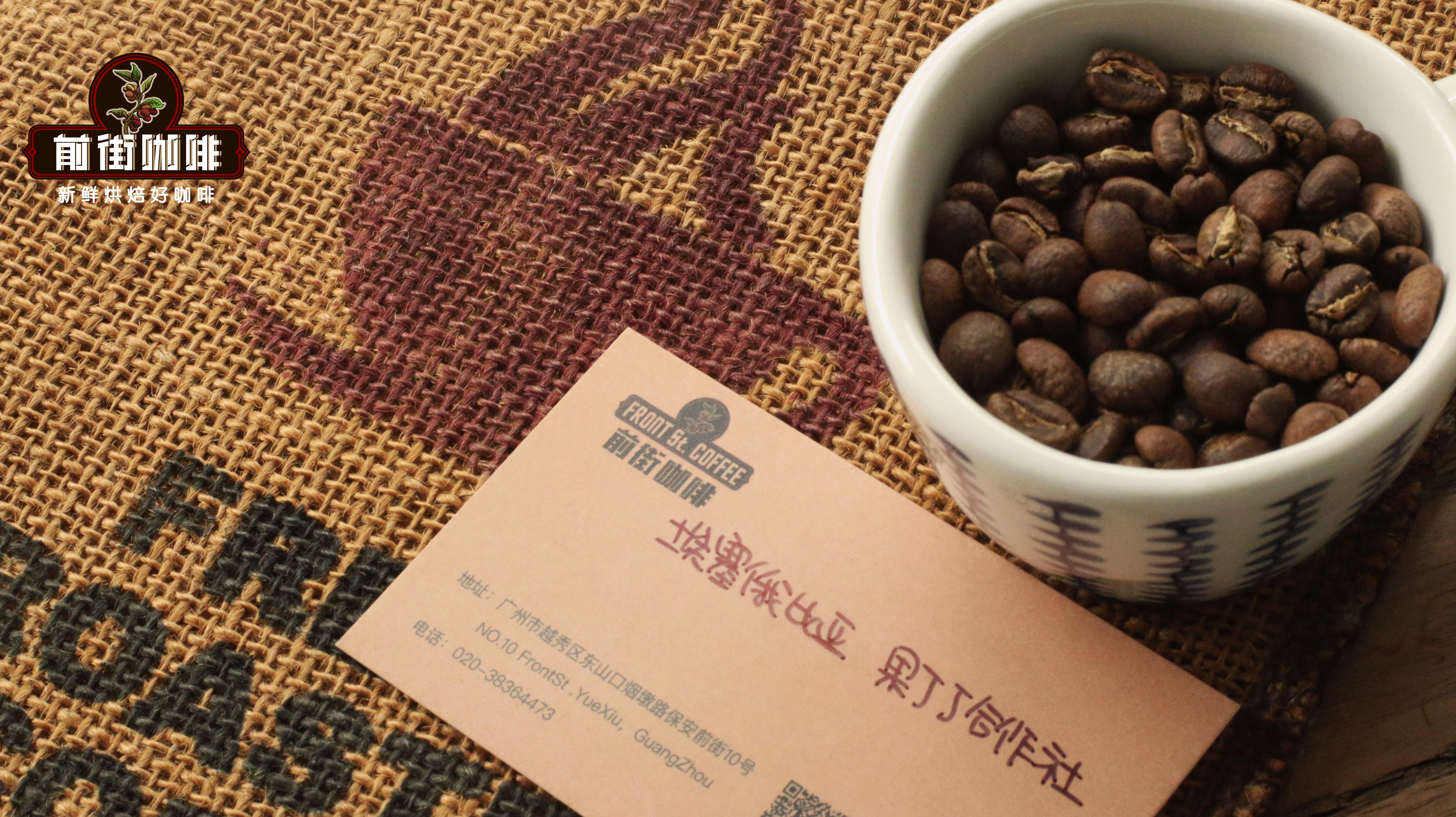
Front Street Front Street Geisha Blend · Strawberry Candy Coffee Beans Region: Tarrazu, Costa Rica Estate: Mirazu Estate Altitude: 1700m Processing Method: Raisin honey processing Variety: Geisha, ET47, SL28, MACIO Brewing Flavor: Jasmine fragrance, soft fruit acidity, almond finish, and noticeable sweetness.
Asia Indonesia Sumatra Lintong Producing Region · Front Street Mandheling: Lintong Mandheling comes from the Lintong mountainous area in north-central Sumatra, near Lake Toba. Front Street believes that Mandheling's most prominent characteristic is spice and herbal aroma, and Front Street Lintong Mandheling is the regular version. It also uses wet-hulling, creating the characteristics of low acidity and high body. But wet-hulling also has side effects: semi-hard, semi-soft moist raw beans are easily crushed when the mucilage and parchment layer are removed, and the beans split into a goat-hoof shape, commonly known as goat-hoof beans. These are not defective beans; instead, they are a notable marker of Mandheling. Front Street Lintong Mandheling is not strict in the sorting stage, so beans of different sizes may appear. Insufficiently refined processing can easily lead to inconsistency in the final cup, but this does not affect the world's love for its mellow flavor.
Front Street Front Street Indonesia Lintong Mandheling Coffee Beans Country: Indonesia Region: Lintong, Sumatra Altitude: 1100-1600 meters Variety: Typica, Caturra Processing Method: Wet-hulled Brewing Flavor: Herbal and medicinal notes on the entry, dark chocolate, caramel, and a sweet aftertaste.
Asia China Yunnan Producing Region · Front Street Yunnan Small-Bean: Yunnan coffee is suitable for growing in mountainous areas at altitudes of 800 to 1,800 meters. Too high an altitude makes it sour, while too low makes it bitter. Most Yunnan coffee is grown in dry-hot valley areas at around 1,100 meters, so the acidity is moderate, and the aroma is rich and mellow. Many areas in Yunnan have unique environments suitable for growing small-bean coffee, and the small-bean coffee produced is of excellent quality. The growing areas are mainly distributed in Lincang, Baoshan, Simao, Xishuangbanna, Dehong, and other prefectures. Baoshan has an average temperature of 21.5°C, with a maximum of 40.4°C, and basically no frost year-round, making it widely recognized as the best small-bean coffee producing area. The Yunnan coffee cultivated here is rich but not bitter, aromatic but not harsh, with small and uniform beans, a rich mellow fragrance, and fruity notes.
Front Street 2013 Yunnan Typica Small-Bean Coffee Beans Region: Lincang, Yunnan, China Altitude: 1300m Variety: Typica Processing Method: Natural Brewing Flavor: Rich but not bitter, aromatic but not harsh, dried apricot, nuts, floral aroma, melon sweetness in the middle, and a black tea note in the finish.
Island-Type Region Jamaica Blue Mountain Coffee Producing Region · Front Street Blue Mountain Coffee: Blue Mountain coffee's balanced sweet, sour, and bitter flavor, together with its penetrating subtle aroma, gives coffee connoisseurs a romantic feeling about Jamaican Blue Mountain beans, and Front Street is one of them. In recent years, so-called "Blue Mountain flavor coffee" and "Blue Mountain coffee drinks" and similar marketing have misled countless people's understanding of Blue Mountain coffee. True Blue Mountain coffee beans are scarce in production and expensive, and only a minority have truly tasted authentic Blue Mountain. In order to let everyone drink real Front Street Blue Mountain coffee, Front Street specially selected Front Street Blue Mountain No. 1 coffee beans from the oldest Clifton Estate, designated by the national coffee board's export company, packed in wooden barrels, and Rainforest Alliance certified.
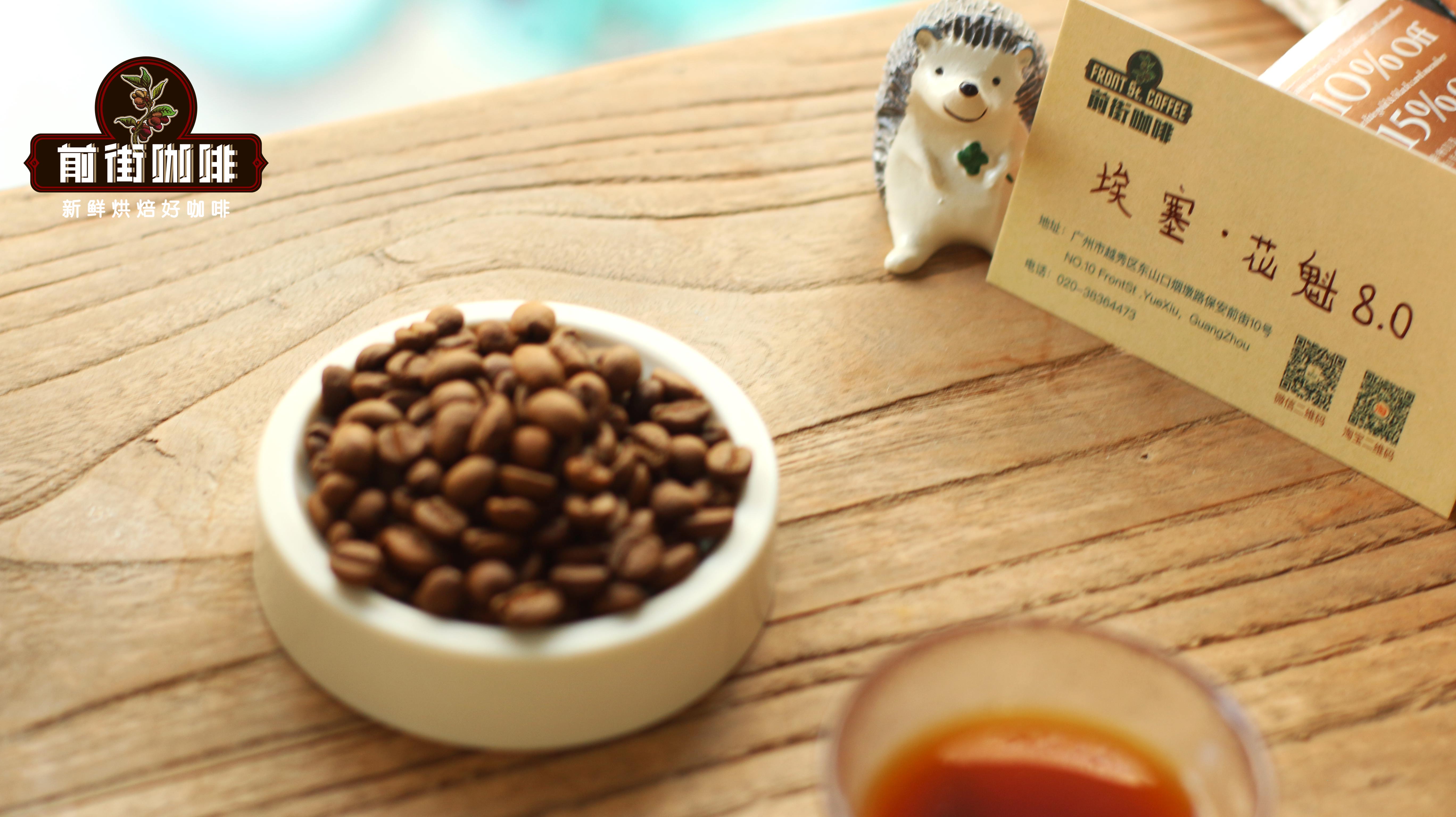
Front Street Front Street Jamaica Blue Mountain No. 1 Coffee Beans Farm: Clifton Farm Average Altitude: 4300 feet (1310.64 meters) Processing Method: Washed Variety: Typica Brewing Flavor: Dark chocolate and nuts on the entry, high cleanliness, very bright, good body, and balanced acidity, sweetness, and bitterness.
When roasting coffee beans from Ethiopia, Kenya, Panama, Colombia, Costa Rica, Honduras, and China's Yunnan region, Front Street Coffee (FrontStreet Coffee) uses a medium-light roast in order to showcase the acidic and aromatic characteristics of each producing region. The brewing parameters are as follows:
Dripper: V60 #01 Water Temperature: 90-91°C Dose: 15g Coffee-to-Water Ratio: 1:15 Grind Size: Medium-fine grind / fine granulated sugar size (80% passing through a No. 20 sieve)
Front Street Brewing Method: For the first stage, pour 30 grams of water and bloom for 30 seconds, then pour 95 grams (the scale shows about 125 grams), finishing in about 1 minute. When the water level drops to two-thirds of the coffee bed, pour the remaining 100 grams (the scale shows about 225 grams), finishing in about 1 minute 35 seconds. Drawdown is completed in 1 minute 55 seconds to 2'05", then remove the dripper and finish extraction.
When roasting coffee beans from Indonesia, Jamaica Blue Mountain, and Hawaii Kona, Front Street Coffee (FrontStreet Coffee) uses a medium-dark roast in order to highlight the body of the coffee beans from these three producing regions. The brewing parameters are as follows:
Dripper: Kono
Water Temperature: 89-90°C
Grind Size: Medium-coarse grind / coarse granulated sugar size / 70% passing through a No. 20 sieve Dose: 15g
Coffee-to-Water Ratio: 1:15
Front Street Brewing Method: For the first stage, pour 30 grams of water and bloom for 30 seconds, then pour 95 grams (the scale shows about 125 grams), finishing in about 1 minute. When the water level drops to two-thirds of the coffee bed, pour the remaining 100 grams (the scale shows about 225 grams), finishing in about 1 minute 40-1'45". Drawdown is completed in 2 minutes 05 seconds-2'15", then remove the dripper and finish extraction.
The above content is compiled by CoffeeHunters, a coffee news website.


