







Search Results for: Pronounced

Recommendations for Pour-Over Coffee Beans with Pronounced Sweetness and Rich Fruit Aroma: Balancing Budget and Drinking Frequency
From bean to cup, a coffee still has to go through grinding and extraction. When choosing hand-brewed coffee beans with pronounced sweetness and rich fruity aromas for everyday drinking, you need to consider how quickly you'll finish them, how much to buy at once, and whether your household mainly drinks black coffee or milk-based coffee. First confirm your usual brewing equipment and preferred taste, then compare specific beans, and put them to the test in practice. [more…]
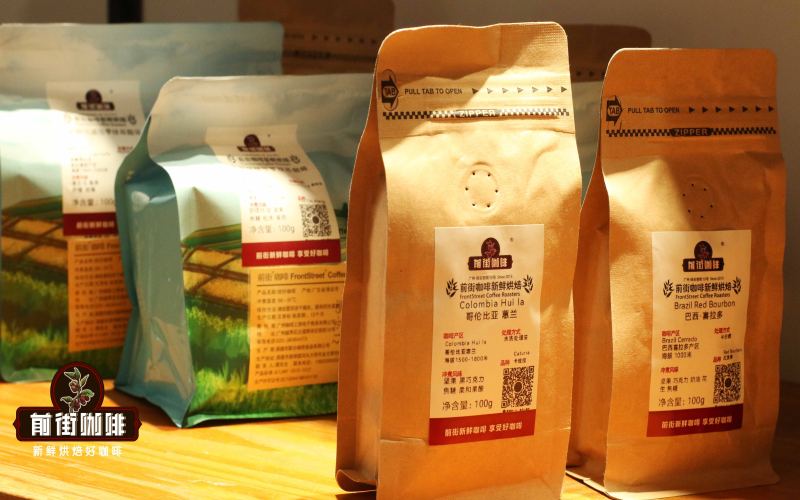
Medium-Dark Roast Coffee Beans | Which Hand-Brew Coffee Tastes Less Sour: Yirgacheffe, Brazil, or Colombia? 6 Cocoa-Flavored Specialty Single-Origin Hand-Brew Coffee Beans Recommended
Coffees from different regions, processing methods, varieties, and roast levels present different flavor profiles, so there is a suitable option for many people, whether they love acidity or not. Many people think that acidic coffee tastes rather sharp, so they start looking for high-quality coffee beans with a non-acidic taste. As consumers, then, what can we [more…]
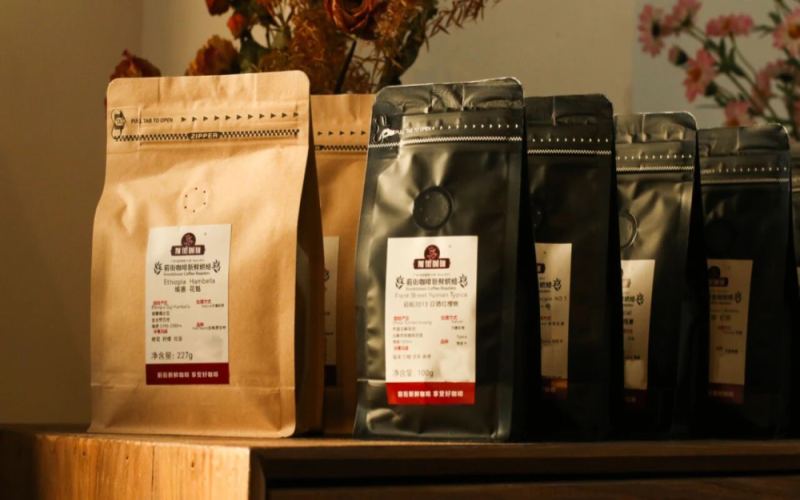
Factors Influencing Coffee Flavor | Why Do Coffee Beans Have Fruity Flavors? Recommended Specialty Pour-Over Coffee Beans with Pronounced Sweetness and Rich Fruity Aromas
Front Street Coffee - Introduction to the Floral and Fruity Aromas of Coffee Beans. The main factors affecting coffee flavor are the following four, and below we will explain from the four aspects of variety, origin, processing method, and roast level how to choose the coffee beans that suit you. Why does coffee have fruity notes? The reason coffee smells (and tastes) "fruity" ultimately comes down [more…]
Recommendations for Coffee Beans with Pronounced Sweetness | Where Does Coffee Sweetness Come From? How to Describe the Coffee Flavor of Natural Yirgacheffe? Is Brazilian Coffee Only Bitter?
For more specialty coffee knowledge, please follow our WeChat official account: Front Street Coffee (FrontStreet Coffee). Everyone has different perceptions and preferences when it comes to the taste of coffee. Some friends think of coffee as that rich, fragrant, bitter brew, while others love coffee with a tangy acidity, and still others [more…]
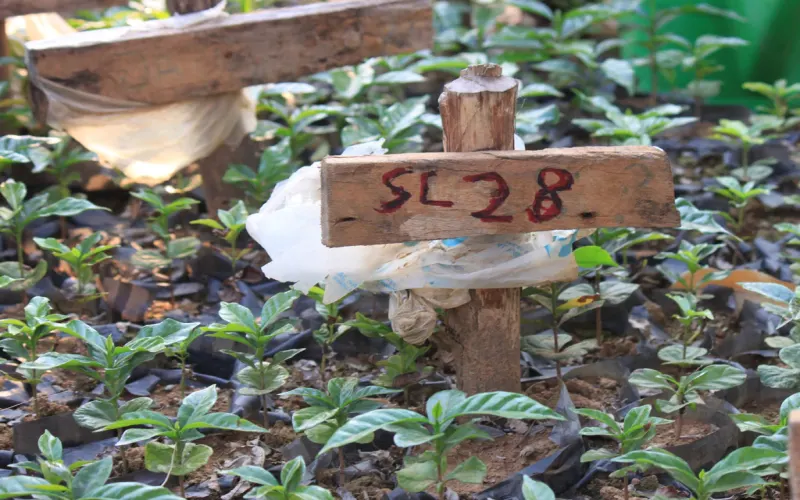
Recommendations for pour-over beans with pronounced sweetness and rich fruity aromas | What factors influence Kenyan coffee flavor? Are berry-flavored single-origin coffee beans suitable for beginners?
When it comes to acidic coffee, many people may only think of Ethiopia's Yirgacheffe, Huakui, or Panama's Geisha, but they don't know that Kenyan coffee also has a rich sweet-and-sour aroma and a juice-like mouthfeel. Kenyan coffee is usually processed using the double washed method, with varieties being SL28 and SL34. [more…]
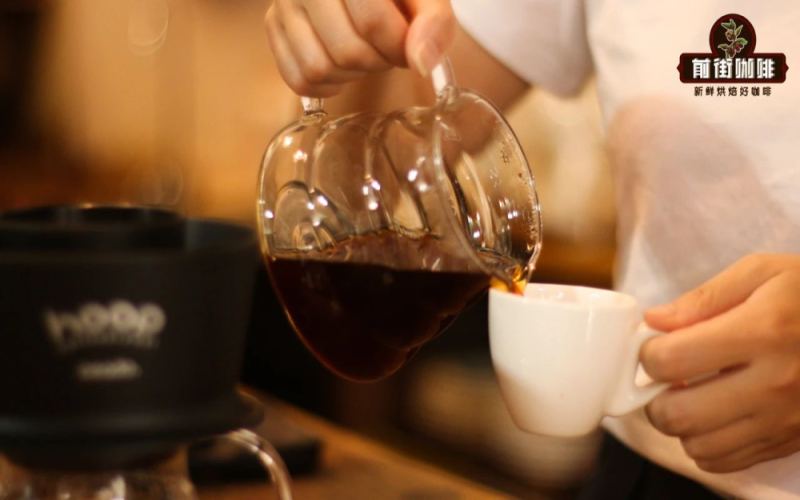
Which coffees are neither sour nor bitter on entry yet leave a long, lingering sweet finish? A curated selection of coffee beans with a standout sweet aftertaste
Many people use "sweet aftertaste" to describe the pleasant mouthfeel of a good cup of coffee, but how exactly does sweet aftertaste differ from sweetness? The aroma, flavor, and mouthfeel that linger in the mouth after swallowing are what we call the finish, and sweet aftertaste is precisely a bitter-then-sweet taste bud experience within that finish. The degree of roast has a significant impact on sweet aftertaste: lightly roasted beans are bright and acidic yet have a short finish, while dark roasted beans are rich and full-bodied with a more lasting sweet aftertaste. This article will guide you through understanding the relationship between sweet aftertaste and the finish, and recommend four coffees with pronounced sweet aftertaste—Front Street PWN Golden Mandheling, Front Street Brazil Queen's Manor, Front Street PNG Bird of Paradise, and Front Street Jamaica Blue Mountain No. 1—analyzing their flavor layers and sources of sweetness one by one. [more…]
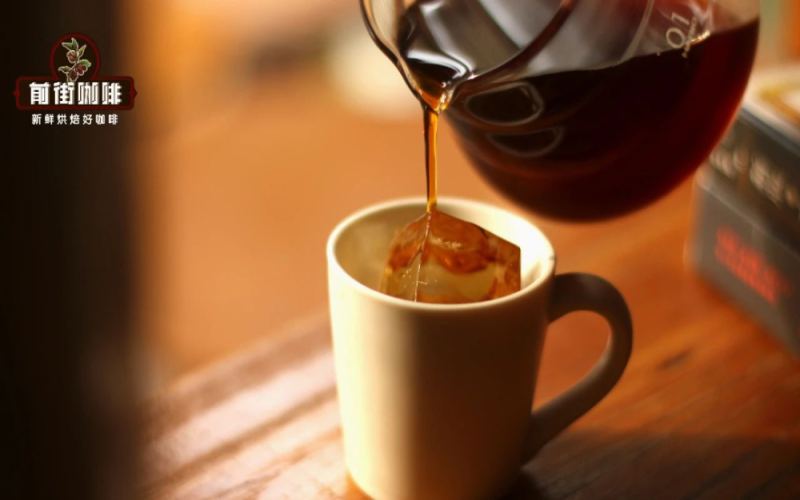
Cold Brew Coffee | How long can homemade cold brew coffee be stored? What is the flavor and mouthfeel of cold brew? Single-origin coffee bean recommendations for a cold brew with pronounced fruity sweetness
Cold Brew Coffee is exactly what it sounds like. Put ground coffee into room-temperature water, let it steep and extract for 12 hours, then filter out the grounds—what's left is cold brew coffee. Compared with regular hot-brewed coffee, it has a noticeably stronger coffee taste, less bitterness, and a smoother mouthfeel. [more…]
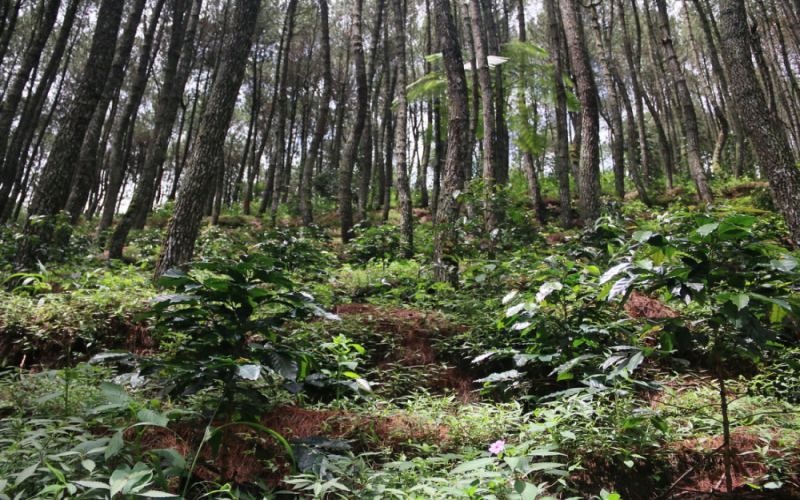
Mantenin SOE Introduction | Is Dark-Roasted Mantenin Suitable for Espresso and Americano? Recommended Indonesian Coffee Beans with Pronounced Cocoa Flavor
Have you ever tried Front Street Mandheling coffee? Have you noticed that the coffee beans are quite large, with a dark surface and a rich, intense roasted aroma, offering a mellow and full-bodied taste? All of this comes down to its growing region and roast level. Strictly speaking, only Arabica coffee beans from the Lake Toba area of Sumatra, Indonesia, can truly be called [more…]
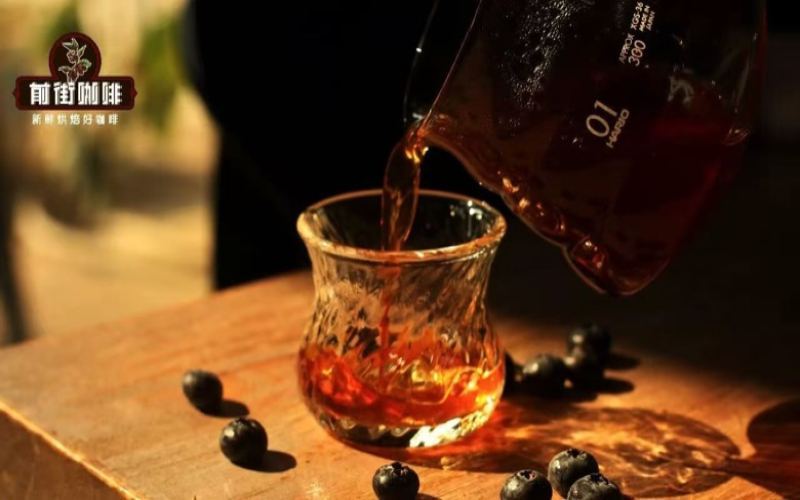
Pour-over, pronounced sweetness, rich fruity aroma—how to choose: how to taste layers in a single bean
Different brewing devices have different requirements for the same coffee beans: pour-over values whether the aroma is clear, espresso machines focus on concentration and sweetness, and a moka pot requires coordination among pressure, heat, and the coffee bed. Choosing beans without considering the brewing device can easily lead you astray, and the parameters also need to be adjusted as the roast level changes. The flavor of pour-over is the result of multiple factors叠加: origin, [more…]
Recommend coffee beans with a pronounced berry flavor: balancing budget and drinking frequency
Coffee beans with a noticeably berry-like flavor aren't something you can nail down just by memorizing a few names. When buying beans day to day, you need to consider how quickly you'll drink them, how much to buy at once, and whether your household mainly makes black coffee or milk coffee. What's genuinely useful for reference is the sweet-to-sour ratio on the palate, the body's thickness or thinness, and the aftertaste once the coffee cools—then, combined with your brewing habits, choose [more…]
Americano Water Temperature Comparison | What Are the Taste and Flavor Characteristics of Americanos at Different Temperatures? How to Make an Americano and How Much Iced Water to Add to Espresso
Whether Americano tastes better hot or iced is just like whether tofu pudding should be savory or sweet—it splits coffee lovers into two camps. At times like this, there are always onlookers who say: it's clearly just espresso mixed with water, so isn't iced and hot the same? Actually, it really isn't! What is Americano? Americano originated during World War II. [more…]
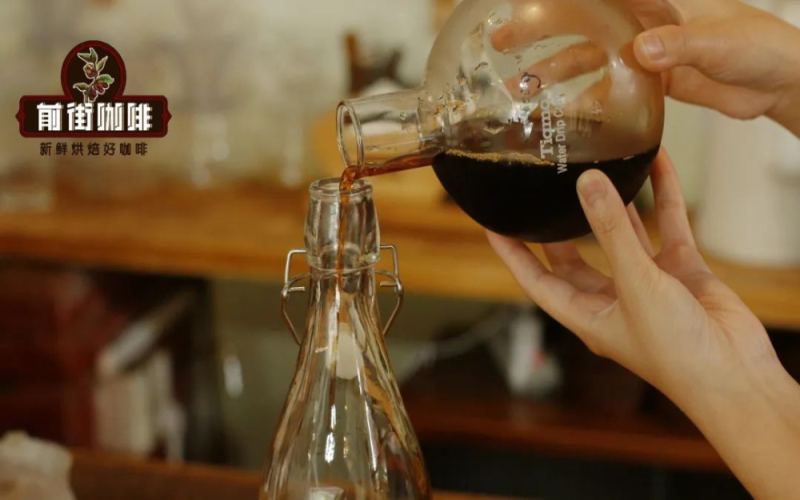
Types of Iced Coffee | How Are Cold Drip, Cold Brew, and Iced Americano Different? How to Make Cold Drip at Home? Which Single-Origin Beans Are Recommended for Cold Drip Coffee with Pronounced Fruity Notes and Strong Sweetness?
There are many kinds of iced coffee, including the iced Americano and iced latte that sell well in many coffee shops, as well as iced pour-over, cold brew, cold drip... Regarding cold drip coffee, aside from the fact that it is often compared for being "more expensive," its long production time and unique taste and mouthfeel also add a lot of mystery to this coffee. [more…]
Is Golden Mandheling really not sour? A full analysis of flavor changes under different roast levels and the authentic taste
Many people, upon thinking of Golden Mandheling, conjure up an impression of richness and full body, with pronounced bitterness and only faint fruity acidity. This perception is in fact closely tied to the fact that most Golden Mandheling on the market is medium-dark roasted, including the widely popular Front Street PWN Golden Mandheling, which is also presented as medium-dark by default. Yet judged by the green beans themselves, Golden Mandheling is actually a coffee bean with extremely high acidity. As the roast level moves from light to dark, its fruity acidity undergoes a marked transformation from strong acidity, to acidity, to weak acidity. This article will walk you through the flavor differences of Front Street Golden Mandheling under medium-dark, medium, and medium-light roasts, helping you find the cup that best suits your taste. [more…]
Comparison of Two Iced Pour-Over Coffee Methods: Why the Flavor Difference Is So Pronounced When Ice Is Added First Versus Last
As the weather warms up, iced pour-over coffee has once again returned to the attention of coffee lovers. In this article, Front Street Coffee uses Ethiopian sun-dried Red Cherry coffee beans as an example, employing a Hario V60 dripper, to compare two iced pour-over brewing methods—adding ice cubes before extraction, and pouring the brewed coffee over ice after extraction is complete. Under the premise that both use identical parameters such as coffee-to-water ratio, water temperature, and grind size, the final flavor profiles turn out to be worlds apart. The article documents in detail the brewing steps and flavor descriptions of both methods, and analyzes the reasons behind the differences from the perspective of the V60 dripper's layered extraction characteristics. If you also want to make a richly layered, sweet and full-bodied iced pour-over at home, why not follow along with Front Street and see exactly how these two methods differ. [more…]
How can you make pour-over coffee show a more pronounced sweetness? Which coffee beans with prominent sweetness should you choose?
Many people think that black coffee is only bitter and sour, but in fact a good cup of coffee can also bring a surprising sense of sweetness. This sweetness does not come from added sugar, but from the transformation of flavor compounds in coffee beans after roasting and from olfactory perception. Starting from Front Street's analysis of the components of green coffee beans, this article explains the principle behind the generation of sweetness, and recommends coffee beans with sweet aroma styles such as honey, sucrose, and caramel according to roast level. Finally, taking Ethiopia Huakui as an example, Front Street shares a pour-over plan that increases the extraction of sweet and sour substances within a limited time by adjusting the pouring method and flow rate, helping you brew a coffee with rich layers and a prominent sense of sweetness. [more…]

Panama Kotowa Duncan Estate Natural Caturra Introduction | What Are Some Recommended Specialty Pour-Over Coffee Beans with Rich Fruity Aromas and Pronounced Sweetness?
This Panamanian Kotowa Estate specialty coffee bean boasts a rich tropical fruit aroma. In its dry fragrance, it presents delicate pink floral notes and intense fruity aromas, primarily fruits such as cranberry, dried fruit, and grapes. After breaking the crust and skimming off the grounds, the coffee greets the palate with flavors of ripe cherries, prunes, and honey-like [more…]
High-Sweetness, Low-Acidity Single-Origin Pour-Over Beans | What Factors Affect Coffee Sweetness? 4 Recommended Specialty Pour-Over Beans with Pronounced Sweetness and Rich Fruity Aromas
When we say coffee is sweet, besides referring to the sweetness on the palate, we are actually also referring to the sweet aroma on the nose. So from a tasting perspective, only an acidic coffee with a sweet, fragrant base can be considered a high-scoring flavor experience, and to make coffee appropriately sweet and sour, roasting plays a key role. From the moment a coffee bean begins to be heated as green beans until [more…]

Does Steaming Milk Too Hot Make a Latte Taste Worse? Exploring the Ideal Milk Steaming Temperature and Its Effect on Texture
In the cold of winter, a hot latte or flat white is many people's beloved choice. Many customers ask for "the milk to be steamed hotter," but baristas often insist on the widely accepted steaming range of 55°C–65°C. Why does milk coffee, once the temperature rises, instead become scalding, less sweet, and coarse in mouthfeel? The core reason lies in protein denaturation and changes in lactose sweetness. Starting from the principles of milk foam formation, this article explains why milk above 70°C leads to difficulty in latte art, separation of foam and coffee, and accelerated foam collapse, and points out that 68°C is already the peak temperature. It also shares the experimental conclusion of Front Street Coffee: 60°C–70°C is the range where lactose sweetness is most pronounced. Finally, it offers practical suggestions, such as using preheated ceramic cups to slow cooling, so that milk coffee maintains its best flavor at a suitable temperature. [more…]
A Guide to Brewing Dark Roast Coffee for Sweet Aftertaste: Grind, Water Temperature, and Technique for Jamaica Blue Mountain No. 1
Brewing a cup of dark roast coffee with pronounced sweet aftertaste is no simple task—many enthusiasts run into problems of excessive bitterness or insufficient sweetness. Drawing on Front Street's brewing experience, this article first breaks down how sweet aftertaste forms: sweetness only gradually emerges after bitterness fades, so the coffee itself must contain enough sugars and sweet-aroma compounds. Then, using the excellent-quality Front Street Jamaica Blue Mountain No. 1 coffee as an example, it shares a complete brewing recipe: 15g of grounds, a 1:14 coffee-to-water ratio, 89°C water temperature, an Ek43 grind setting of 10.5, and a Kono dripper, using a three-pour method with a slower flow to extend extraction, ultimately presenting black chocolate and nutty aromas, with the finish turning into a maple-syrup-cream-like sweetness. [more…]
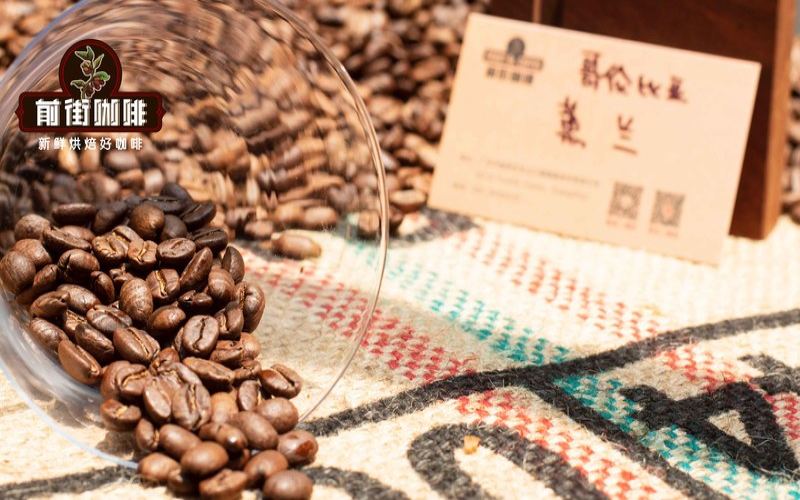
Berry-scented coffee beans, choose your roast level like this
If you want coffee beans with a pronounced berry flavor, start by looking at the roast level, then compare origin and processing method. Light roasts are more likely to retain bright aromas like strawberry, blueberry, and red berry, with a sweetness reminiscent of fresh fruit flesh; medium roasts rein in the acidity and develop notes of fruit jam, smoked plum, or brown sugar; medium-dark roasts let the berry notes blend with cocoa and cara- [more…]