







Search Results for: Proactive Cupping
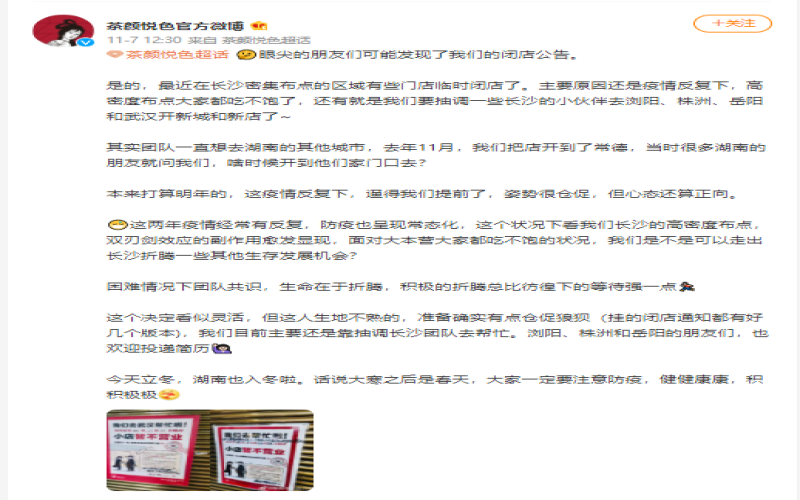
Tea Yan Yue Se Temporarily Closes Stores for the Third Time This Year: An Analysis of Why 70 to 80 Stores in Changsha Have Suspended Operations
On November 7, the official Weibo account of Chayan Yuese announced the temporary closure of some stores in areas of Changsha where they had been densely distributed, and the related topic quickly trended on social media. On November 10, the brand further responded, saying that this was already the third round of concentrated temporary store closures this year: staying put for Chinese New Year at the beginning of the year, the resurgence of the pandemic at the end of July, and this latest adjustment. As a tea beverage brand that started in Changsha, Chayan Yuese's move has drawn widespread attention—against the backdrop of repeated pandemic outbreaks and intensifying industry competition, is its proactive contraction after dense store distribution and reassignment of staff to Liuyang, Zhuzhou, Yueyang and other places for research and site selection a stopgap measure to cope with the crisis, or is it building strength for the next round of expansion? This article sorts through the timeline and background of the three store closures and reviews founder Lü Liang's cautious attitude toward brand expansion. [more…]

Uni-President Assam Milk Tea prioritizes the sugar-free original flavor first—can 0 sugar and 0 sugar substitutes preserve the classic taste?
The bottled milk tea market is undergoing a health-oriented transformation. Uni-President Assam Milk Tea has launched its first sugar-free original flavor version, highlighting "true 0 sugar," meaning it contains no sucrose, sugar substitutes, or carbohydrates, and in particular explicitly avoids acesulfame potassium, sucralose, erythritol, and aspartame. The new product has the same 500ml capacity as the classic version and retails for about 3.6 yuan. Although its ingredients still include food additives, white granulated sugar and glucose syrup have been removed. Energy per 100 milliliters has dropped from 230 kilojoules in the classic version to 58 kilojoules, a significant reduction in sugar. In recent years, ready-to-drink tea and sparkling water have diverted some bottled milk tea consumption, while freshly made new-style tea drinks have also taken away younger customers. Uni-President's move is both a response to the sugar-reduction trend and a proactive innovation in the face of market competition. However, the technical difficulty of 0-sugar milk tea lies in balancing taste. Whether it can retain Assam's classic flavor after removing sugar will test the brand's research and development strength. [more…]
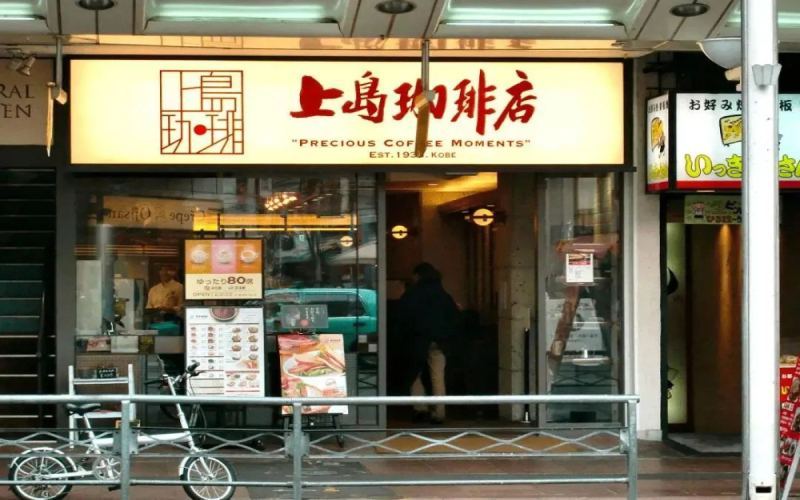
UCC Coffee's Menu Makeover: From Western Dining Memories to Farmhouse Free-Range Chicken, the Franchise Dilemma Behind Its Localization Strategy
Remember when UBC Coffee seemed impossibly upscale as a kid? That chain brand, which once embodied the first Western dining experience for the post-70s and post-80s generations, has now quietly transformed itself. From bitter melon and pork rib soup paired with pasta in Guangdong outlets, to farmhouse free-range chicken and steamed sea bass on Shanghai menus, UBC Coffee's degree of localization leaves even KFC and Pizza Hut in the dust. Is this proactive innovation or a desperate act of self-rescue? After franchisees pay their fees, headquarters washes its hands of them; membership cards are not valid across regions; and service standards vary wildly from store to store. As competition among large chain brands reaches a fever pitch, and independent coffee shops and some chain brands face a predicament, UBC Coffee has chosen a down-to-earth path of transformation. This article will walk you through how this former high-end Western restaurant has incorporated Chinese cuisine elements, and the survival logic behind its coffee-and-food pairing strategy. [more…]
A Comprehensive Analysis of Coffee Cupping Methods: Flavor Evaluation Differences Between the Brazilian Method, SCAA, and Front Street Coffee's Pour-Over Cupping
Cupping is a core method used in the coffee industry to objectively evaluate coffee flavor and quality, and it is also an important part of barista training. This article systematically reviews the significance and operational logic of cupping, and compares in detail three approaches: the Brazilian cupping method, the SCAA standard cupping method, and the pour-over cupping method recommended by Front Street Coffee. The article points out that Brazilian cupping focuses on identifying defects and is a negative evaluation; SCAA cupping emphasizes positive assessment of aroma and flavor; while the cupping method used by Front Street Coffee simulates daily brewing equipment and is closer to actual cafe output. The three methods each have different emphases in roast level, extraction method, and evaluation items, and understanding these differences helps roasters and coffee professionals judge coffee quality more accurately. [more…]
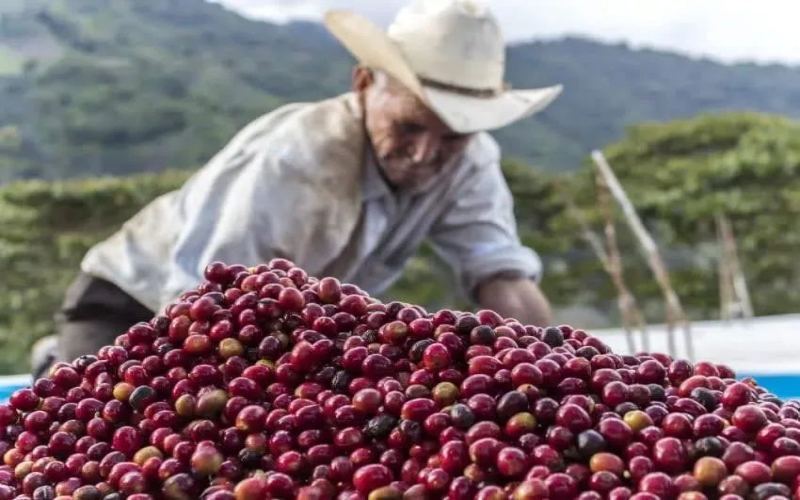
Honduran Coffee Bean Grading System, Flavor Characteristics, and the Stories Behind the Geographical Indications of Eight Major Producing Regions
Honduras, as an important coffee-producing country in Central America, has seen its coffee industry undergo a transformation from rudimentary processing to specialty-grade refinement. This article will guide you through Honduras's coffee bean grading standards, the distribution of its six major regions and eight sub-regions of western coffee, as well as the country's first government-protected geographical indication system. At the same time, we will also share Front Street Coffee's brewing recommendations for Honduras's Sweet Orange Estate, helping coffee enthusiasts better savor the unique flavors of this Central American origin. [more…]
Rwanda Bourbon Coffee Flavor Analysis: Fruity Sweetness, Washed Processing, and Butare Region Characteristics
Rwanda is known as the "Land of a Thousand Hills," and its Arabica coffee has been renowned worldwide for its unique fruity sweetness and grassy aroma since the 1920s. This article focuses on Front Street Rwanda Bourbon specialty coffee, describing its flavor from dimensions such as quality grading, recommended roast level, bean plumpness, acidity, and balance, and provides a detailed introduction to the growing altitude, Bourbon heirloom variety, and washed processing method of the Butare region. It also traces the development of Rwanda's coffee industry under government support and the promotion of cooperatives, as well as the highlight moment in 2008 when Rwandan washed Bourbon won the COE championship at the SCAA annual competition, offering you a comprehensive understanding of this African specialty coffee that combines soft richness with regional character. [more…]

Guatemalan Coffee Generates Nearly a Billion Dollars in Annual Foreign Exchange, South Korea Free Trade Agreement Officially Takes Effect
In the 2022-2023 coffee year, Guatemala's coffee industry generated US$944 million in export revenue, firmly maintaining its position as the country's leading agricultural export. Although export value declined compared to the previous year due to international price fluctuations and the El Niño phenomenon, the industry remains optimistic about the outlook for 2024. At the same time, Guatemala has officially joined the free trade agreement between South Korea and the Central American countries, injecting new momentum into coffee exports. The president of Anacafé predicts that coffee production in the 2023-2024 coffee year is expected to reach 4 million quintals, and Guatemala's coffee competitiveness and position in the international market will be further enhanced. [more…]
A Guide to Buying Espresso Beans for Coffee Shops: The Three Key Factors of Brand, Price, and Flavor, Plus Front Street Coffee's Blend Recommendations
When opening a coffee shop, the choice of espresso beans directly affects product consistency and cost control. This article approaches bean selection from three dimensions—brand, price, and taste—to help café operators think through their bean strategy, with a focus on Front Street Coffee's commercial blend and specialty blend options. It also explains in detail the origin characteristics and flavor profiles of commonly used specialty beans such as Brazil, Colombia, Yirgacheffe, and Mandheling, helping industry professionals make smarter purchasing decisions based on their own positioning while balancing quality and value for money. [more…]
Front Street Peruvian Coffee: Comprehensive Analysis of Origin Flavor, Processing Methods, Grind Size, Taste, Price, and Annual Production
Peru is best known for its two major coffee-producing regions, Chanchamayo and Cusco, while the northern region also produces distinctive organic coffee. These organic beans are shade-grown; although yields are relatively low, the quality often reaches specialty grade—the shaded environment slows the ripening of the coffee cherries, allowing the beans to accumulate richer natural compounds, resulting in more outstanding flavor complexity and relatively lower caffeine content. Other high-quality coffee-producing regions in Peru include Chasimayo, Norte, and Puno. Coffee grown under natural conditions typically commands export prices 10% to 20% higher, mainly shipped to the United States and Japan. In the mid-1970s, Peru's annual coffee production was about 900,000 bags, and it has since steadily climbed to about 1.3 million bags. Front Street Coffee takes you through a comprehensive look at Peruvian coffee's flavor, processing methods, grinding recommendations, taste profile, price trends, and production overview. [more…]
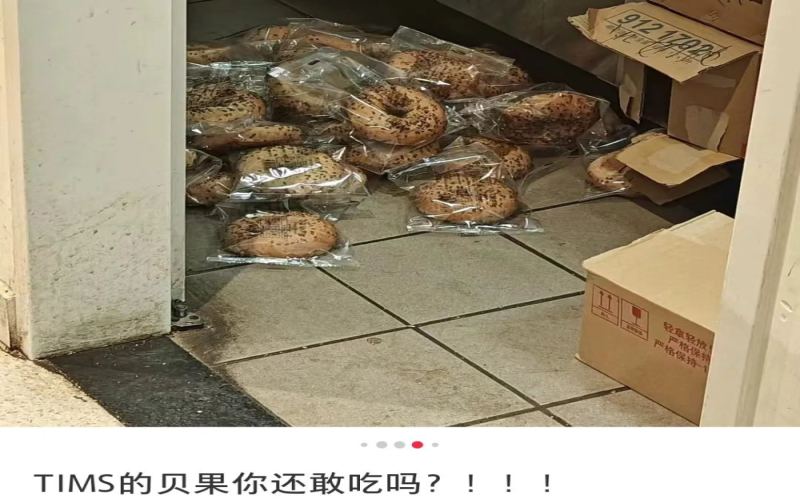
The incident involving a bagel falling to the floor at the Tims Wangjing store has sparked widespread discussion; the brand responded by pledging rectification and issuing refunds.
Recently, a consumer in Beijing exposed on social media that the Tims coffee outlet in Wangjing had bagels meant for sale piled directly on the floor, with the store environment in disarray, sparking widespread attention. Multiple netizens followed up in discussion, with some questioning the brand's hygiene management and others offering rational analysis of the differences between individual stores and the overall standard. The person in charge of the Tims store subsequently responded, saying that the items had been accidentally spilled and that staff had been too shorthanded at the time to clean up promptly, and promised to strengthen staffing and optimize the procurement process. The original poster later updated that they had received a proactive apology from the brand, a refund, and feedback on corrective measures. The incident reflects the quality control and operational management challenges that chain coffee brands face amid rapid expansion. [more…]

American Coffee with Milk Rejected by Store? Inconsistent Statements from Manner Employees Confuse Consumers
A cup of Americano with a splash of milk—this seemingly trivial request has recently stirred up quite a commotion on social media. Some consumers report that after buying a hot Americano at a Manner outlet and asking for milk, they were flatly refused by the barista, even though the same request had never been a problem before. What's even more puzzling is that different stores and different employees give completely opposite answers—some say it's fine to add milk, while others explicitly say it's not allowed. Does the brand have a unified policy? Can consumers enjoy a consistent customization experience? This debate reflects the real tension between standardization and personalization faced by chain coffee brands. [more…]

Manner Pineapple Iced Americano's single shot sparks debate, loyal customers question brand's new product development capability
Manner's recently launched pineapple-flavored iced americano abandoned the sparkling water recipe that had often been criticized before, switching to still water instead. It was expected to restore its reputation, but instead sparked a new round of controversy because the standard serving contains only one shot. Many customers reported that the drink tasted weak, and even when staff proactively asked whether they would like a free extra shot, the experience still showed no noticeable improvement. From the green tonic to the pineapple americano, a string of disappointments has led loyal users to begin questioning Manner's R&D capabilities, and the trust that once had them blindly rushing to try new products is gradually being eroded. This article compiles customer feedback and market reactions to present the real reviews behind this new cup. [more…]
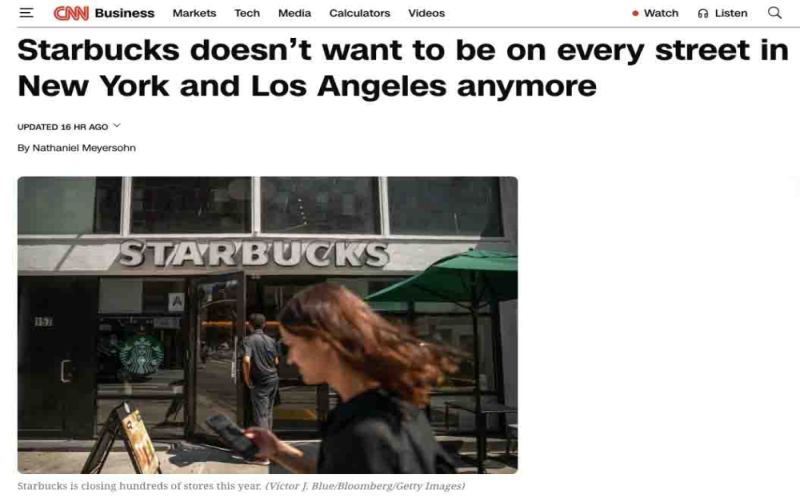
Starbucks Shuts Down About 400 Urban Stores Across the U.S., Shifting Strategic Focus to Suburbs and Store Experience Upgrades
Starbucks is undergoing a profound strategic adjustment. According to foreign media reports such as CNN, this coffee chain giant has closed about 400 stores across the United States, mainly concentrated in core areas of major metropolises such as New York and Los Angeles. New CEO Niccol has made it clear that the company will no longer pursue high-density coverage of urban stores. At the same time, Luckin Coffee is actively expanding in New York, having already opened 9 stores and continuing to scout locations, including some small-format grab-and-go stores that Starbucks has vacated. Starbucks responded that intensifying competition, the spread of remote work, population loss in major cities, and rising operating costs are the main reasons for the adjustment; in the future, it will increase its focus on suburban markets and plans to renovate 1,000 stores within a year to enhance the spatial experience. [more…]
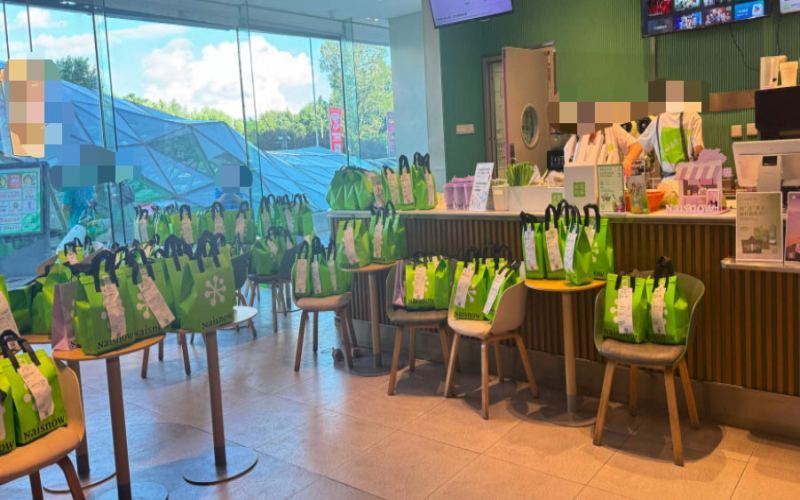
A JD rider entered a Bawang Chaji bar counter to help with packing, sparking heated discussion among netizens over food safety regulations.
Yesterday, the topic of "the first cup of milk tea in autumn" sparked widespread attention on social platforms, with orders at chain tea beverage brand stores surging, and some stores surpassing a thousand cups in sales within a short period. Under the pressure of the order surge, a scene appeared at a Certain Tea store where a JD delivery rider entered the bar area to assist with packing. After the video circulated, it triggered polarized discussions among netizens. Some praised the rider's goodwill in proactively helping, while others questioned whether non-store employees entering the operation area complies with food safety regulations. Surrounding bar operation permissions, health certificate requirements, and store management systems, various viewpoints clashed, and the incident quickly became a hot topic of discussion. [more…]

Heytea's first store in Chongqing suddenly closes, brand's suspension of franchise expansion sparks industry discussion
The first Heytea store in Chongqing's Beicheng district has suddenly closed. This store, which had been highly popular since opening in 2018, was once regarded as a landmark presence for the brand in the Chongqing market. The closure surprised many loyal customers, and Heytea's subsequent internal email announcing the suspension of business partnership applications caused even more waves in the tea beverage industry. From the end of its first Chongqing store to the successive closures or suspensions of stores in Zibo, Xuecheng, Binhu and other places, and then to the company's proactive halt of franchise expansion, Heytea's series of moves have sparked widespread discussion about brand strategy adjustment, store quality control, and the competitive landscape of the industry. [more…]

Luckin Coffee interviews frequently trend on social media: job seekers labeled negatively, recruitment standards spark controversy
Recently, Luckin Coffee has hit the trending topics twice in a row over interview-related incidents, sparking widespread discussion. One job applicant said that after failing an interview, she was labeled "timid and weak," which was completely at odds with her performance that day; another 26-year-old woman was rejected for being too old. The poster also revealed that Luckin staff had called her demanding she delete the post, and after she refused, they turned to contacting her family. These incidents have drawn public attention to this chain coffee company, whose store count has now surpassed 20,000, and the issue of inconsistent hiring standards under its two models—directly operated and joint-venture—has gradually come to light. [more…]
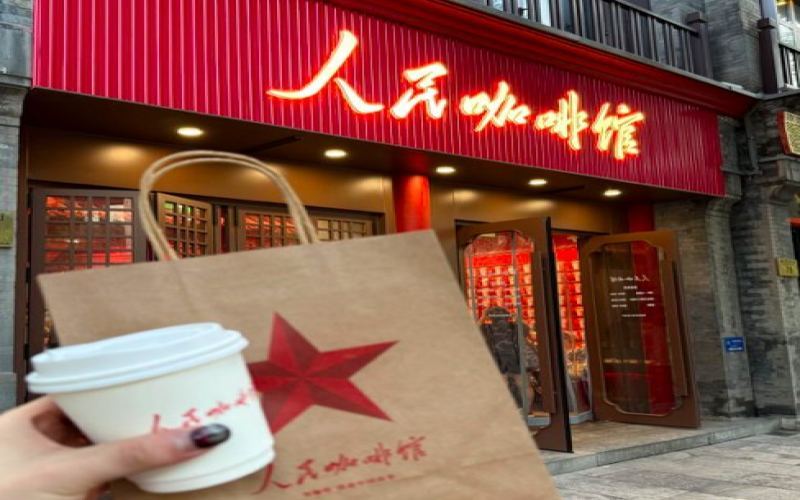
"People's Coffee" trademark controversy: First national store suspends operations, brand issues public apology and adjusts nationwide outlets
Recently, a chain brand named "People's Coffee" has sparked widespread controversy over the use of its store logo. Media pointed out that there are discrepancies between its trademark registration and actual use, which may mislead the public and damage the public value of the word "People." Subsequently, the brand "Yaochao People's Coffee" issued a statement of apology, promising comprehensive rectification, and unifying all mainland China stores under the name "Yaochao People's Coffee." Meanwhile, the first nationwide store, the Shanghai Sihang Warehouse branch, has suspended operations, and the Beijing Qianmen branch has also changed its signage and lowered drink prices. The incident continues to escalate, triggering in-depth public discussion on business ethics and legal compliance. [more…]
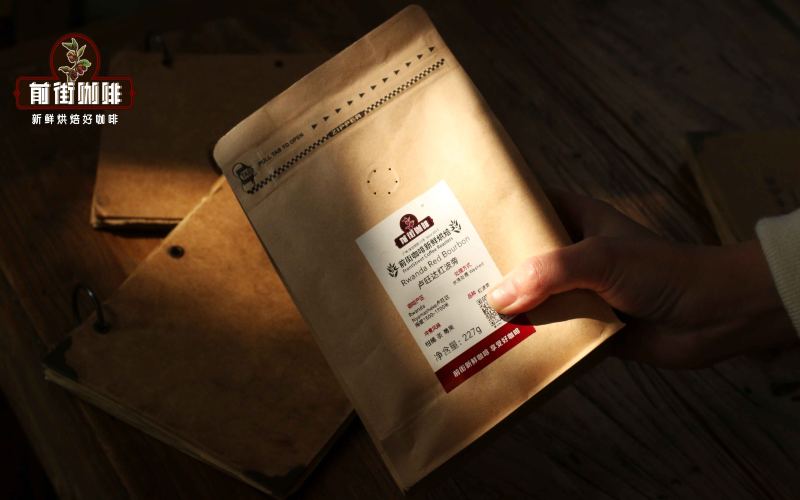
Flavor Analysis of Rwandan Coffee Regions: Bourbon Variety, Washed Processing, and the Unique Taste of the Land of a Thousand Hills
Although Rwanda is a small country in Africa, its high altitude, fertile volcanic soil, and suitable climate give rise to Arabica coffee with a uniquely tropical character. Its Bourbon varieties are known for their rounded bean shape, soft yet rich aroma, and fruity sweetness, while the washed process makes the quality consistently outstanding. The Huye mountain region in the south and the Nyamasheke area by Lake Kivu in the west present diverse profiles—floral and citrusy in one, juicy and aromatic in the other—owing to differences in terroir. Front Street Coffee's Rwandan washed Red Bourbon comes from Nyamasheke, at an altitude of 1,500 meters, where the Red Bourbon variety undergoes washed processing and delivers a clean, bright flavor. This article will guide you through Rwanda's coffee-growing regions, variety characteristics, processing methods, and cup profile. [more…]
2018 Panama BOP Auction Concludes: Natural Geisha Sets a Record High of $803 per Pound, Hacienda La Esmeralda Crowned Double Champion
The results of the 2018 Best of Panama (BOP) auction have been officially revealed. The natural Geisha shattered the historical record with a staggering price of $803 per pound, becoming this year's top lot. Elida Estate, with its double victory in both the washed and natural Geisha categories, became the first "double champion" in BOP history. This year's auction not only witnessed the continued dominance of the Geisha variety but also reflected the profound impact of reduced production in the Panama region on the scale of the competition. Front Street Coffee takes you through a comprehensive review of the highlights and changes of this world-class green bean event. [more…]
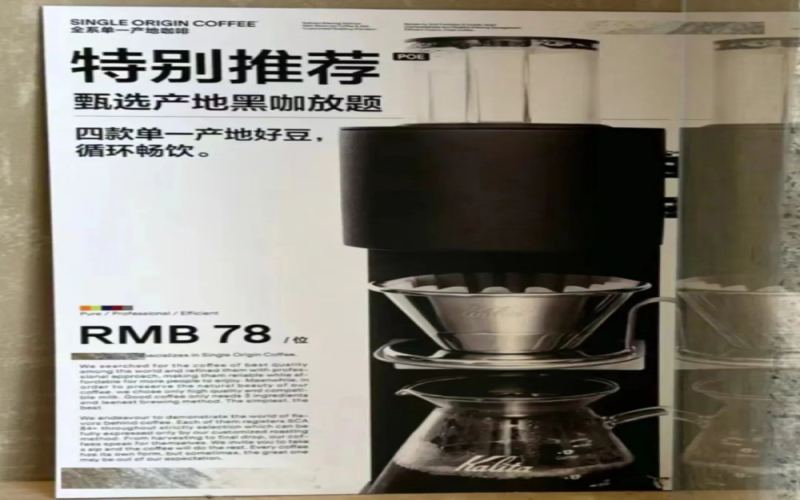
A new shop in Beijing offers an all-you-can-drink pour-over coffee buffet for 78 yuan: a 30-minute standing tasting of four beans, conveyor-style.
Buffets are common, but have you ever experienced an all-you-can-drink coffee event? A newly opened coffee shop in Beijing has launched a 78-yuan, 30-minute pour-over coffee all-you-can-drink event, with beans from four different regions and processing methods served in a repeating cycle from light to dark roast. Customers stand at the bar to taste, forming a unique "human wall" scene. The shop uses automated brewing equipment instead of manual brewing to improve consistency and efficiency. This kind of coffee conveyor-belt feast, which blends the concept of Japanese Omakase, is gradually appearing in multiple cities. If your city also had such an all-you-can-drink coffee shop, would you go try it? [more…]