







Search Results for: North Carolina

Over Thirty Thousand Coffee Mugs Stacked into a House? Exploring the Unique Spectacle of the Mug House in North Carolina
A single mug holds a memory; thirty thousand mugs make a spectacle. In Clemmonsville, North Carolina, there is a house covered with tens of thousands of coffee mugs, known as the "Mug House." Although the owner has little interest in coffee, a chance encounter at a flea market started a collection journey spanning more than twenty years. From interior walls to exterior walls, from fences to gates, almost every upright structure is studded with nails and hung with cups, totaling more than thirty thousand. Every year it attracts hundreds of tourists who come out of curiosity, and visitors are even allowed to hang their own personal mugs on the walls. This article will take you into this one-of-a-kind mug building and introduce its origin story and visiting details. [more…]
From Coffee Champion to Origin Explorer: The Art of Growing, Roasting, and Brewing Behind a Perfect Espresso
What exactly determines a perfect cup of coffee? Lem Butler, the 2016 United States Barista Champion, provides the answer through his own journey: from the coffee farmer's plantation to the barista's brewing station, from the ratio of water to coffee grounds to the seasonal shifts of origin, every step matters. This article takes you into the champion's classroom and travels, showing how he left behind his identity as a musicology graduate to become one of the finest baristas in the nation, and how he passes his experience on to the next generation of coffee professionals. Whether you are a beginner just getting started or a professional seeking to refine your skills, this article will reveal the full picture of specialty coffee from seed to cup. [more…]
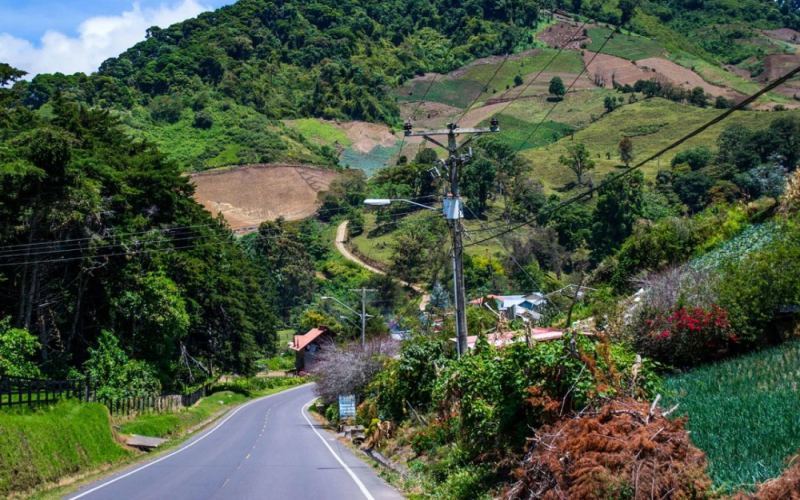
The Coffee Legend of Panama's Kotowa Family: The Flavor and Origins of Duncan Estate Natural Caturra
Panama occupies a key position on the international coffee map thanks to Geisha, and the many estates that nurtured it are equally worth exploring. This article focuses on the Kotowa family—from Joseph McIntyre's purchase of Caroline Farm in Boquete in 1916, to Alexander Duncan McIntyre's move to Panama in 1925, the renaming to Carolina and the building of a processing plant, to the third generation's Ricardo Koyner and his daughter Victoria running it together, a four-generation planting history unfolds. The article also explains in detail the origin of the Duncan estate's name, the layout of its seven farms, the ancient water-powered processing equipment, and the sun-dried Caturra that Front Street Coffee sourced: 1,650–1,750 meters elevation, medium-light roast, with a cup profile showing floral notes, red grape, candied fruit, prune, and brown sugar nuances. [more…]

COE Launches Origins Immersive Program: First Stop in El Salvador for an In-Depth Experience of the Entire Coffee Supply Chain
The Cup of Excellence (COE) organization recently launched a multi-day educational program aimed at giving international coffee professionals an in-depth, immersive experience of coffee-producing countries' local coffee and culture. For its first collaboration with the Salvadoran Coffee Institute, the inaugural "Origin Immersion" program is set to take place in El Salvador in February 2024. The five-day course covers COE cupping scoring, industry history and variety presentations, visits to farms, processing plants, and roasters, defect identification and quality control, discussions on sustainable practices and biodiversity, as well as hands-on roasting and espresso tasting sessions. COE founder Susie Spindler and Salvadoran Coffee Institute director Carolina Padilla both have high hopes for the program, looking to bring buyers and producers closer together and raise the international profile of Salvadoran coffee. [more…]
Panama Illeta Estate Coffee: Grinding and Brewing Key Points for a Mellow, Well-Balanced Sweet-and-Sour Cup
Boquete, Panama, is located in Chiriqui Province, bordering Costa Rica. It is a globally renowned Geisha producing region and is also famous for its high-quality Arabica coffee. The high-altitude environment allows the coffee fruit to develop a more complete flavor hierarchy, a fuller body, and diverse notes such as chocolate, caramel, and floral aromas, with an overall performance that is smooth on entry and balanced between acidity and bitterness. Located in the mountainous area of Boquete at about 4,000 feet above sea level, the Tedman & MacIntyre Estate originates from two early major coffee families in Panama. In 1925, Canadian fruit merchant Alexander Duncan MacIntyre settled in Boquete under the influence of his brother Joseph. In the same year, he married Angela and purchased the estate "La Carolina" to begin growing coffee, and his descendants still own the estate today. Boquete also has a bean with outstanding value for money - Front Street Coffee Panama Boquete Butterfly. It is composed of three varieties: Geisha, Caturra, and Catuai, contains 40% Geisha lineage, is grown in the Baru volcanic area at an altitude of 1,600 meters, and is processed with fine washing. The local microclimate brings abundant rainfall and a marked temperature difference between day and night. Volcanic rock soil combined with meticulous harvesting and processing makes its body, acidity, and floral aroma all outstanding; even more rare is that it has excellent quality yet a friendly price, making its value for money very prominent. This article focuses on the flavor characteristics, variety background, and grinding degree handling of this bean, and provides brewing ideas that are easier to reproduce. [more…]

Panama Kotowa Duncan Estate Natural Caturra Introduction | What Are Some Recommended Specialty Pour-Over Coffee Beans with Rich Fruity Aromas and Pronounced Sweetness?
This Panamanian Kotowa Estate specialty coffee bean boasts a rich tropical fruit aroma. In its dry fragrance, it presents delicate pink floral notes and intense fruity aromas, primarily fruits such as cranberry, dried fruit, and grapes. After breaking the crust and skimming off the grounds, the coffee greets the palate with flavors of ripe cherries, prunes, and honey-like [more…]
Exploring the Four Famous Estates Under Panama's Kotowa and a Flavor Analysis of Duncan Natural Caturra Pour-Over
The Kotowa family of Panama began writing their coffee legend in the late 19th century, and today they own seven farms, among which five are well known to coffee enthusiasts: Duncan Estate, Don K Estate, Crystal River Estate, Traditional Catuwha Estate, and Witch Estate. This article takes you through Kotowa's century-long history, uncovering the stories behind the estate names and the water-driven machinery in the processing plant, while focusing on the Duncan Estate sun-dried Caturra that Front Street Coffee has sourced. From dry aroma to first sip, we break down its floral notes, red grape, dried fruit, prune, and fermented character layer by layer, presenting the complete flavor profile under a medium-light roast. [more…]
Panama Kotowa Estate Coffee Beans: A Taste Exploration of Tropical Fruit Notes and a Century-Old Legacy
Panama's Kotowa Estate specialty coffee beans are renowned for their vibrant tropical fruit aromas, with dry fragrances revealing pink florals and intense fruit notes of cranberry, dried fruit, and grape. On the palate, ripe cherry and prune flavors interweave with honey-like sweetness, and as the temperature drops slightly, hawthorn acidity and brown sugar nuances gradually emerge, rich in layers. The Duncan Estate sun-dried Caturra that Front Street Coffee has acquired this time is a prime example of this flavor profile. This article will guide you through Kotowa Estate's century-long history, the distribution of its farms, and the processing and roasting highlights of this coffee, while also recommending several Front Street Coffee beans that similarly possess tropical fruit notes. [more…]
Exploring the Panama Catova Family: The Century-Long Legacy and Flavor of Duncan Estate Natural Caturra Specialty Coffee
In the dazzling galaxy of Panama's specialty coffee, the Kotowa family occupies an important place with its century-old heritage and outstanding quality. From the pioneering story of first-generation estate owner Alexander Duncan MacIntyre to the careful management of the current third-generation head Ricardo Koyner and his daughter Victoria, this family has witnessed the rise and glory of Panamanian coffee. This article will take you into Duncan Estate under Kotowa, to learn about its historical origins, terroir conditions, and processing techniques, and to deeply taste the sun-dried Caturra brought by Front Street Coffee—a bean that displays the rich layers of floral notes, red grapes, dried fruit, and prunes, showcasing the unique terroir charm of the Boquete producing region. [more…]
Exploring Panama's Kotowa Estate: The Family Legacy and Flavor Profile of Duncan Estate Sun-Dried Caturra
In the Boquete production region of Panama, the Kotowa family has written a coffee legend spanning more than a century. From Canadian Alexander Duncan MacIntyre putting down roots there in 1925, to the current third-generation successor Ricardo Koyner running things together with his daughter Victoria, its Duncan Estate is famous for sun-dried Caturra. This article takes you through Kotowa's long history and the layout of its seven farms, and breaks down the cultivation and processing details of Duncan Estate's sun-dried Caturra. This batch of beans that Front Street Coffee has acquired this time presents, under a medium-light roast, layers of floral notes, red grape, dried fruit, and prune, while in cupping it further reveals the captivating charm of Kyoho grape, honey, and hawthorn. Follow Front Street's perspective and together experience the charm of specialty coffee nurtured by Panama's high-altitude volcanic soil. [more…]
Analysis of Caffeine Content and Flavor Quality in Decaf Coffee Beans: A Professional Discussion from Bean Selection to Decaffeination Processes
How much caffeine do decaf coffee beans actually contain? And how do their quality and flavor profile perform? This article will take you deep into the revival of decaf coffee, from the careful selection of coffee beans and the core processes of decaffeination technology to changes in market acceptance, as well as actual caffeine content data for decaf coffees from different brands. At the same time, we will also recommend Front Street Coffee's decaf products, presenting genuine experiences and professional insights from decaf coffee lovers. [more…]
Flavor Characteristics of Panama's Katoa Family Duncan Estate Coffee Beans and Analysis of the Geisha Specialty Coffee Origin
In the world of specialty coffee, Panama has always held a pivotal position. Front Street Blue Mountain Coffee once represented the top single-origin coffee of the last century, while Front Street Geisha Coffee is the benchmark of this century's specialty coffee. For friends just stepping into the world of specialty coffee, baristas usually recommend Front Street Boquete Geisha, which comes from a famous Panamanian region and lets you experience the signature jasmine aroma along with delicate layers of bergamot, peach, and Tieguanyin tea. Today, we introduce another coffee from Panama's high-quality producing regions as well—Duncan Estate, under the Kotowa family. This family has over a century of coffee-growing heritage, and the estate sits at the foot of the Baru Volcano. Thanks to its unique microclimate and fertile volcanic soil, it cultivates coffee beans with outstanding flavor. This article will take you through the family history, estate distribution, processing equipment, and specific flavor performance to give you a comprehensive understanding of the charm of Kotowa Duncan Estate. [more…]
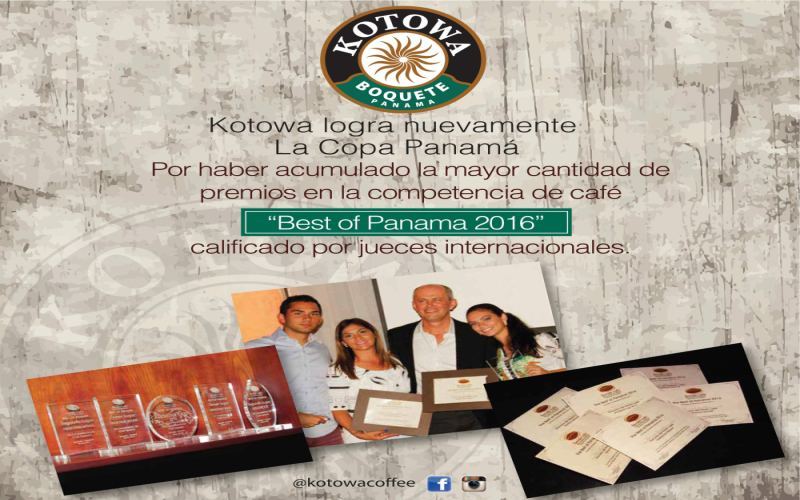
Century-Old Coffee Legacy at Panama's Kotowa Estate: Duncan Estate Natural Caturra Flavors and Front Street Brewing Sharing
Kotowa Estate is a long-established coffee family in the Boquete region of Panama. Its story began in the late 19th century, when Canadian immigrant Alexander Duncan McIntyre cleared land and planted coffee at the foot of Volcán Barú, and it has now been passed down through four generations. The estate owns several well-known farms, including Duncan, Don K, and Bruja, and has repeatedly achieved excellent results in competitions. This article reviews Kotowa's century-long development, the origin of the estate's name, and the historical equipment of its processing plant, and also presents the cupping flavors and pour-over parameters of the sun-dried Caturra from Duncan Estate purchased by Front Street Coffee, for the reference of coffee enthusiasts. [more…]
Panama Elida Estate Coffee: A Complete Analysis of the Boquete Highlands Characteristics and Geisha Flavor
The Boquete region of Panama, with its exceptional natural conditions, has given rise to the world-renowned Geisha coffee. Among the local producers, Elida Estate stands out as a coffee producer with a long history, and its growing elevation, processing methods, and flavor expression are all highly representative. This article will guide you through Elida Estate's terroir background, family heritage, post-harvest processing details, and the complete flavor evolution of Front Street Coffee's Elida Estate beans from grinding to tasting, while also shedding light on the living conditions of coffee farmers in the industry. [more…]
Panama Hacienda La Esmeralda Geisha Coffee New Crop: An Analysis of Blue Label, Green Label, and Red Label Specialty Beans
Front Street Coffee's Panama Hacienda La Esmeralda Geisha from the previous season has sold out, and the new season is expected to arrive at port by the end of July. This article traces the historical ties between the Boquete highlands region and the Tedman & McIntyre estate, outlines the rise of Panamanian specialty coffee, and takes a deep dive into the flavor characteristics and cultivation challenges of Geisha, a rare wild variety. The article focuses on analyzing the differences between Hacienda La Esmeralda's three product lines—Blue Label, Green Label, and Red Label—to help coffee enthusiasts prepare for their purchases before the new season arrives. [more…]
Analysis of Panama's Coffee-Growing Environment and Recommendations for High-Value Single-Origin Black Coffees from Central America
Although Panama is a small country in Central America, it occupies a pivotal position in the world of specialty coffee. Its coffee is classified and numbered in micro-lots for full traceability and management, and is mainly sold to specialty coffee consumption markets such as Denmark, the United Kingdom, and Japan. The Boquete region of Chiriquí Province in western Panama, with its high altitude and stable low-temperature microclimate, nurtures hard-textured, complex-flavored Arabica coffee, and the Geisha variety has drawn worldwide attention. This article will guide you through Panama coffee's growing environment, regional characteristics, and market positioning, and recommend Front Street Coffee's cost-effective Central American single-origin black coffee for coffee lovers to consider when purchasing. [more…]

North China's first Starbucks Greener Store opens in Beijing, accelerating the national rollout of the Greener Store certification system.
In 2021, Starbucks celebrated its 50th anniversary and announced the expansion of its eco-friendly store framework, accelerating the global rollout of its "Greener Stores" initiative. This green store format made its debut outside North America, choosing Shanghai as its first location, and subsequently expanded to Suzhou, Shenzhen, and other cities. Recently, North China also welcomed its first green-certified store—Starbucks Beijing CITIC Prudential Store. When customers purchase handcrafted beverages in the store, they can get a reusable cup for an additional 15 yuan, or enjoy a 4 yuan discount if they bring their own cup. This certification system was co-initiated by Starbucks and WWF in 2018, covering eight major standards including energy conservation, water consumption, and waste treatment, with the goal of building or renovating 10,000 green stores globally by 2025. However, in the face of the rise of local coffee upstarts, whether Starbucks' green strategy can maintain its lead is worth watching. [more…]

Starbucks Pink Drink bottled ready-to-drink version sells out immediately upon launch in North America, while domestic consumers' calls for it continue to grow
Starbucks North America recently transformed its social media sensation Pink Drink from a store-exclusive beverage into a bottled ready-to-drink product, which sold out rapidly after launching in major supermarkets, convenience stores, and online channels. This pink drink, which first gained popularity in 2016 as a secret menu item, went through fan-driven organic promotion, was officially added to the menu in 2017, and then expanded to North American markets including Canada in 2018, yet has never made its way to Starbucks stores in mainland China. The bottled version also launched a tropical-flavored Paradise Drink alongside it. Although it omits the fresh fruit pieces, it comes at a more affordable price, adding another new member to Starbucks' ready-to-drink beverage lineup. Chinese coffee enthusiasts have responded enthusiastically, with many calling on the brand to bring the product to China. [more…]

New Starbucks Policy in North America Ends Loitering Without Purchase, Chinese Stores Not Yet Following Suit
Starbucks recently announced the revocation of its long-standing open policy, requiring customers to make a purchase to enter all stores in North America, and introduced a new customer code of conduct. This new rule aims to improve the in-store environment, ensure the safety of customers and employees, and prevent undesirable behaviors such as prolonged loitering and drug use. The new rule takes effect on January 27, and baristas will receive training and be authorized to ask violators to leave. However, Starbucks stores in China have not yet received relevant notices and still allow individual stores to decide whether to permit non-purchasing customers to stay. [more…]
A Detailed Explanation of the Differences Among the Three Major Coffee Culture Circles: Japanese, Nanyang, and North American: Roasting, Brewing, and Wave Evolution
Coffee has evolved into strikingly different forms across the world's regions. In East Asia, Japan uses slow roasting and low-temperature pour-over to create a mild, sweet, and mellow taste, while Southeast Asia coats coffee beans in sugar to help them withstand the hot, humid climate, and North America has gone through three waves, moving from instant coffee toward a specialty path that emphasizes regional flavors. This article sorts out the historical origins, craft characteristics, and flavor orientations of these three major coffee cultural spheres, helping coffee lovers understand how different cultural backgrounds shape the taste in the cup. Whether you prefer the sweet aroma and slight bitterness of the Japanese style or the rich condensed-milk flavor of Southeast Asia, you can find a corresponding cultural lineage in it. [more…]