







Search Results for: New Caledonia Coffee
KOUANDJI Estate, New Caledonia, South Pacific: The Rare Legend of Bourbon Pointu Leroy Coffee Beans
In the Melanesian archipelago of the South Pacific, New Caledonia is like a vibrant oasis, hiding one of the world's rarest, most expensive, and most unusual coffees. KOUANDJI Estate is located at the foot of the mountains about 25 kilometers southeast of the capital, Nouméa, and is dedicated to reviving the region's nearly vanished coffee-growing industry. The estate cultivates "Leroy," also known as Bourbon Pointu, named for the pointed ends of its fruit. Its caffeine content is only half that of ordinary Arabica, and its yield is extremely low—even the French presidential palace must purchase it in limited quantities. Front Street Coffee has always paid attention to such niche, rare bean varieties. This article will take you deeper into the story behind its historical origins, variety characteristics, and unique flavor. [more…]
A Complete Analysis of Bourbon Coffee Varieties: From Historical Spread to the Flavors of Red, Yellow, Pink, Pointed Bourbon, and Pacas Mutants
Bourbon coffee is one of the oldest varieties in the Arabica family, originating from Réunion Island and enjoying equal fame with Typica. Its cherries ripen to a bright red, and when grown at high altitudes it offers elegant aromas, bright acidity, and often a vinous character. Over centuries, Bourbon spread from the Indian Ocean to Brazil, Central and South America, and Africa, giving rise to numerous variants such as Yellow Bourbon, Pink Bourbon, Pointed Bourbon, and Pacas. This article traces the historical spread of Bourbon, explains the origins, cultivation status, and flavor characteristics of each variant, and retains relevant recommendations from Front Street Coffee, offering a comprehensive look at this classic coffee species. [more…]
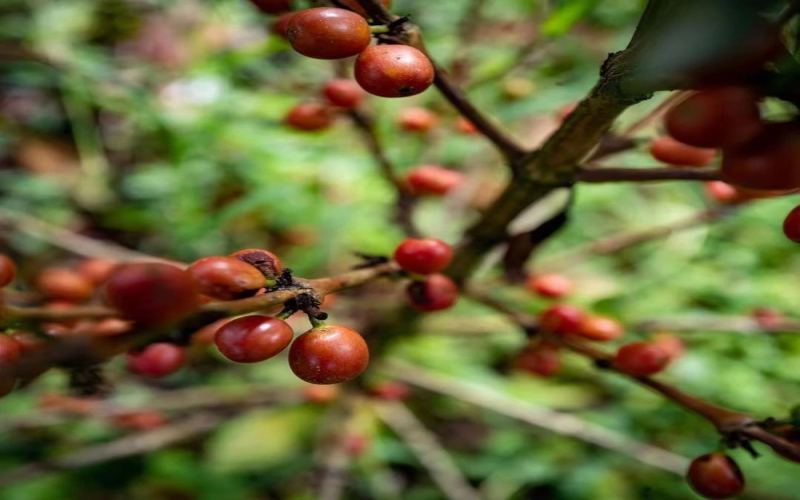
A Complete Analysis of the Pink Bourbon Coffee Variety: From Genetic Traits and Cultivation Challenges to the Flavors of Colombian and Guatemalan Growing Regions
Pink Bourbon is an extremely rare member of the Bourbon family, bred from a cross between Yellow Bourbon and Red Bourbon. Because recessive genes interfere with each other, its yield is extremely low, and it remained little known for a long time. This article will systematically review the growing conditions and variety origins of Pink Bourbon, introduce its current cultivation status and cupping flavors in Colombia and Guatemala, and further explain the historical spread of the Bourbon variety from Réunion Island to the rest of the world, as well as the characteristics of common variants such as Red Bourbon and Yellow Bourbon. At the end, Front Street Coffee's V60 pour-over parameters and brewing steps are included to help coffee enthusiasts better showcase Pink Bourbon's fresh, multi-layered flavor performance. [more…]
A Complete Guide to Bourbon Coffee Beans: From Red, Yellow, and Pink to Pointed Bourbon—Varietal Characteristics, Spread History, and Price Reference
Bourbon coffee beans are one of the oldest varieties of the Arabica species, originating from Réunion Island (formerly known as Bourbon Island) and arising as a mutation of Typica. After centuries of spread and natural mutation, the Bourbon family has given rise to numerous varieties of different colors and forms, including Red Bourbon, Yellow Bourbon, Pink Bourbon, and Pointed Bourbon. This article will systematically review the origin and spread of Bourbon coffee, explain in detail the discovery process, flavor characteristics, and current cultivation status of each variety, and introduce the taste performance and brewing suggestions of the Bourbon series products under Front Street Coffee, helping coffee enthusiasts gain a comprehensive understanding of this classic variety. [more…]
The Past and Present of Brazilian Red Bourbon Coffee Beans: From Bourbon Island to South Minas, How to Choose Between Pour-Over and Espresso
Red Bourbon is one of the oldest Arabica varieties, spreading from Bourbon Island in the Indian Ocean across Latin America and Africa through the hands of missionaries and traders. This article traces how Red Bourbon took root in Brazil, explaining in detail the terroir conditions of the South Minas region, the characteristics of the semi-washed processing method, and the logic behind green bean grading. It also combines the roasting curve and brewing data of Front Street Coffee's Brazil Red Bourbon to offer specific parameter recommendations for pour-over, French press, and AeroPress. Whether you want to understand the spread of the Bourbon variety or are looking for an everyday staple bean with high sweetness, low acidity, and nutty-chocolate notes, this article can serve as a reference. [more…]
The Past and Present of Brazilian Red Bourbon Coffee Beans: From Variety Propagation to Cerrado Pour-Over Flavor and Roast & Brew Analysis
Brazilian Red Bourbon is one of the oldest varieties in the Arabica family. Setting out from Réunion Island, it spread to Africa and Latin America through the hands of missionaries, and finally took root in Brazil. This article systematically reviews the full picture of Red Bourbon, from variety characteristics, producing regions, and dissemination history to semi-washed processing and grading systems; and using the Cerrado Sul de Minas producing region as an example, it analyzes Front Street Coffee's roasting curve and cupping performance, with specific parameters for pour-over and espresso blends attached, helping coffee enthusiasts understand the charm of this balanced bean variety and the key points of brewing. [more…]
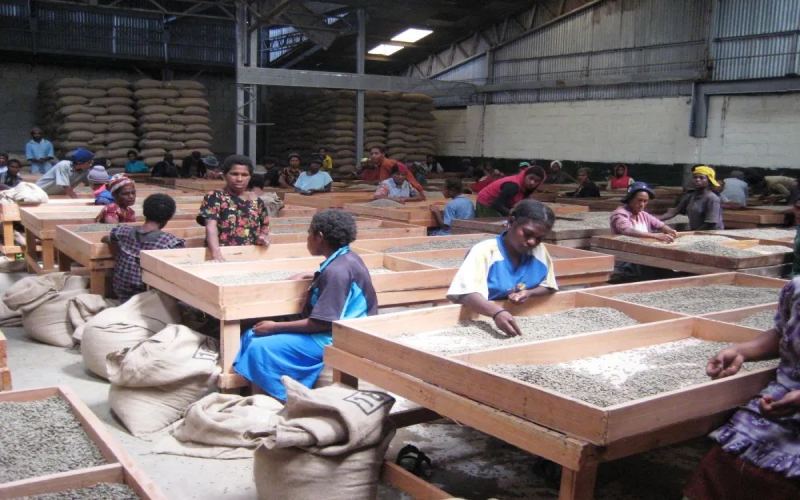
Oceanian Coffee Beans | How Are Papua New Guinea Coffee Beans Graded? What Flavor Characteristics Does the Sigri Estate Bird of Paradise Coffee Have?
You may not be very familiar with Papua New Guinea as a coffee origin, but Front Street Coffee believes that Front Street Papua New Guinea coffee stands out uniquely among the many coffees. Papua New Guinea is located in the southwestern Pacific, along the Pacific Ring of Fire, and is part of a volcanic geological zone with fertile volcanic soil, making it [more…]
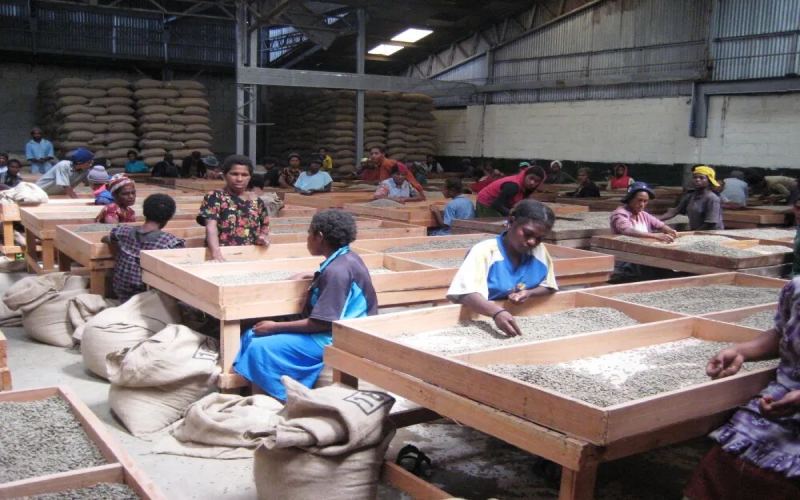
PNG Coffee Grades | How Are Papua New Guinea Coffee Beans Graded? What Are the Characteristics of Sigri Estate Bird of Paradise Washed Coffee?
You may find the coffee origin of Papua New Guinea a bit unfamiliar, but Front Street Coffee believes that Front Street Papua New Guinea coffee stands out as a unique presence among coffees. Papua New Guinea is located in the southwestern Pacific, along the Pacific Ring of Fire, and is geologically volcanic, with fertile volcanic soil, making it [more…]
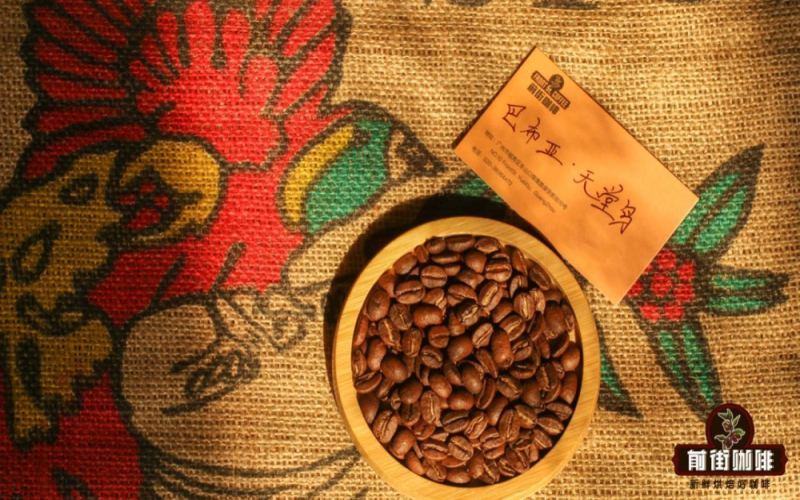
Papua New Guinea Bird of Paradise Coffee Beans: Little Blue Mountain Flavor, the Sigri Estate Story, and Brewing Methods
Although Papua New Guinea is not a widely known coffee origin, its volcanic soil and rainforest climate nurture coffees that are bright, sweet-tart, and full of floral and fruity aromas—a style all its own, completely distinct from neighboring Indonesia. This article will guide you through the history, growing regions, and grading system of Papua New Guinea coffee, with a special focus on Front Street Coffee's Sigri Estate Bird of Paradise coffee beans. We'll break down their flavor characteristics, the estate's story, and Front Street's recommended brewing parameters and techniques—perfect for coffee lovers eager to explore the diversity of the Asia-Pacific growing regions. [more…]

Will new-style coffee follow in the footsteps of new-style tea drinks and fall into irrational involution? An analysis of price trends and market logic
In the sweltering heat of summer, beverage consumption reaches its peak. On street corners and in alleys, young people are holding either tea drinks or coffee. But upon closer observation, one will find that new-style tea drinks and coffee are embarking on entirely different development trajectories: brands like Heytea and Nayuki are cutting prices, while Luckin Coffee and Starbucks are raising them. The coffee sector's popularity is soaring, with giants such as Huawei, Li-Ning, and China Post making cross-industry forays, intensifying competition to a fever pitch. At the same time, new-style coffee is increasingly resembling milk tea, with ingredients like cheese, matcha, and brown sugar crystal boba appearing frequently. This prompts the question: will new-style coffee repeat the mistakes of irrational involution in the new-style tea drink sector? This article will analyze from perspectives such as price changes, market positioning, and product innovation, and bring professional observations from Front Street Coffee. [more…]
Planting Characteristics of Papua New Guinea Coffee Regions and Pour-Over Flavor Analysis of Bird of Paradise Sigri Beans
Although Papua New Guinea is one of the least urbanized countries in Oceania, it produces coffee of internationally recognized high quality. Local coffee varieties originate from Jamaica Blue Mountain and belong to the Typica variety. They are mostly grown in highlands at altitudes of 1,300 to 1,800 meters. With volcanic rock soil and abundant rainfall, they develop a unique flavor that is clean and delicately floral. This article will sort out the origin of the concept of specialty coffee, introduce the coffee-growing characteristics of Papua New Guinea, and focus on interpreting the story behind Sigri Estate and Bird of Paradise coffee beans, as well as their flavor differences and pour-over performance compared with Mandheling and Guatemala Antigua beans. [more…]
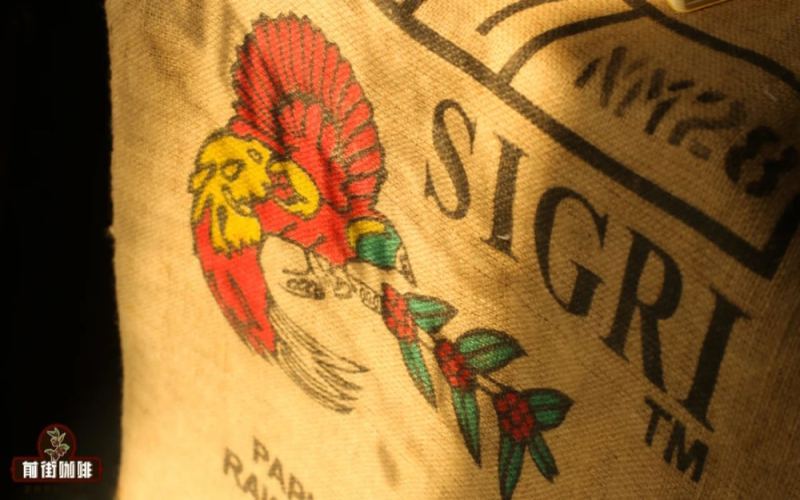
Papua New Guinea Bird of Paradise Estate PB Peaberry Specialty Coffee Brewing Parameters and Front Street Coffee Pour-Over Recommendations
Papua New Guinea is the largest island nation in the South Pacific. Its signature coffee, Bird of Paradise, shares a deep connection with Blue Mountain coffee due to its Typica lineage, and it is often called "Little Blue Mountain." Front Street Coffee once compared the two: Blue Mountain pour-over presents a rich, full-bodied dark chocolate and caramel profile, while Papua New Guinea coffee, within its full body, carries a touch of fruity acidity, each with its own distinctive character. This article will systematically sort out the background knowledge of this coffee-producing country from the perspectives of geographical environment, coffee history, producing region distribution, washed processing, and grading system, with a key introduction to the Typica AA coffee beans from the Bird of Paradise estate. At the end, it includes the medium-dark roast approach given by Front Street Coffee, a Kono dripper paired with 88°C water temperature, 15 grams of coffee at a 1:15 coffee-to-water ratio, and a staged pouring plan, helping enthusiasts recreate at home this bean's toasted bread sweetness, nutty sweetness, and subtle fruity acidity layers. [more…]
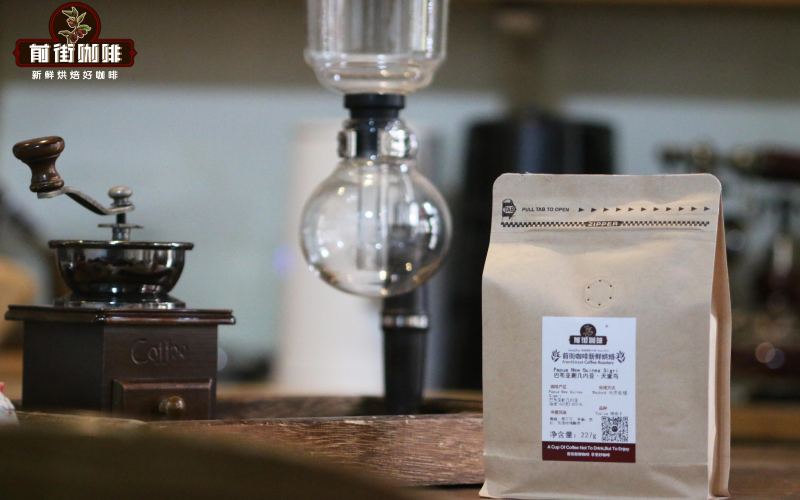
Papua New Guinea Bird of Paradise Coffee Beans: The Flavor Code from Jamaican Blue Mountain Introduction to Sigri Estate
Papua New Guinea is both a familiar and unfamiliar origin for coffee lovers. Many people have heard of Front Street Papua New Guinea coffee, yet few have actually tasted it. Those who have often compare it to the flavor of "Front Street Blue Mountain Coffee Beans," which is why it has earned the nickname "Little Blue Mountain." To investigate the origin of this name, Front Street specifically acquired and listed this coffee. This article will provide a comprehensive interpretation of the unique charm of Papua New Guinea Bird of Paradise coffee beans, covering its cultivation history, industry challenges, estate background, varietal characteristics, processing methods, and Front Street's roasting and brewing recommendations. [more…]
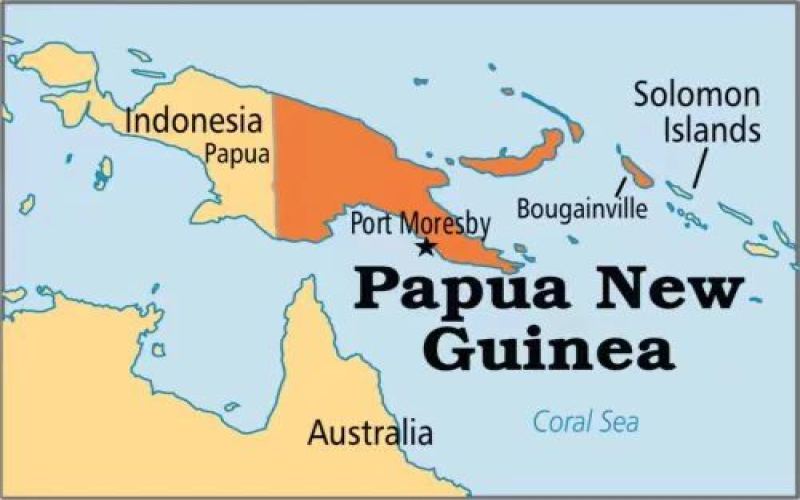
Why is Papua New Guinea coffee called Little Blue Mountain? Flavor differences from Jamaican Blue Mountain and an analysis of Bird of Paradise Estate
Papua New Guinea coffee is often called "Little Blue Mountain" by enthusiasts, a description rooted in both historical origins and similarities in terroir. This article begins with the Papua New Guinea coffee offered by Front Street Coffee, tracing the country's coffee introduction and cultivation history, industry fluctuations, and the reasons behind inconsistent quality, while providing a detailed analysis of Front Street's Papua New Guinea · Bird of Paradise Estate—including origin information, variety characteristics, washed processing methods, roasting recommendations, and brewing parameters—to help you understand its similarities to and differences from Jamaican Blue Mountain. [more…]
Papua New Guinea Bird of Paradise Coffee Beans: The Origins of the "Little Blue Mountain," Terroir of the Producing Region, and Front Street Brewing Method
In Papua New Guinea, the largest island nation in the South Pacific, a coffee often called "Little Blue Mountain" is produced—Bird of Paradise. It carries Blue Mountain lineage because Typica was introduced from Jamaica in 1931, and thanks to the volcanic soil of the Waghi Valley and a three-time washed fermentation process, it presents a cup profile that combines bright fruit acidity, floral and fruity aromas, and full body. Through multi-region comparison and cupping selection, Front Street Coffee has listed the AA-grade washed beans from Bird of Paradise Estate and offers brewing suggestions using a medium-dark roast and a Kono dripper. This article will outline Papua New Guinea's geographical environment, coffee history, producing region distribution, grading and naming rules, as well as the cultivation and processing details of Bird of Paradise Estate, to help coffee enthusiasts gain a comprehensive understanding of this "Little Blue Mountain." [more…]
Papua New Guinea Bird of Paradise Estate Coffee Beans: Where Does the "Little Blue Mountain" Flavor of the Typica Variety Come From?
Papua New Guinea coffee is often dubbed "Little Blue Mountain," but few people have truly tasted it. For this reason, Front Street Coffee has specially introduced Front Street Papua New Guinea Bird of Paradise Estate coffee beans, sorting through everything from the region's terroir and cultivation history to variety characteristics. Bird of Paradise Estate is located in the Waghi Valley of the Western Highlands Province, at an altitude of about 1,500 meters, and is known for its Typica variety and washed processing. Its cup profile presents nutty notes, cocoa, gentle fruit acidity, and a caramel finish. This article will guide you through why coffee from this island nation combines richness with fruit acidity, as well as Front Street's roasting and brewing recommendations. [more…]
Exploring New Zealand's Coffee Culture: Why Flat White Became World-Famous
New Zealand is not only famous for its wine; its coffee culture is equally captivating. Local travel itineraries often feature food and wine themes, and private guides can take you to find the best cafes in the city. If tourists are quite knowledgeable about coffee, travel agencies can even provide a detailed explanation of New Zealand coffee terminology. Among the many coffee varieties, flat white is widely recognized as a New Zealand invention, known for its lesser amount of milk and textured microfoam, and it has gained fame on the world coffee stage. Many New Zealanders and Australians go to major cities like London and New York to open cafes, which has indirectly promoted the popularity of flat white in the UK, the US, and elsewhere. Front Street Coffee believes that understanding the origin and characteristics of flat white is an important gateway to appreciating New Zealand's coffee culture. [more…]

New tea beverages cut prices while coffee prices rise: A new market landscape amid diverging consumer trends
At the start of 2022, office workers lost both their milk tea freedom and coffee freedom in quick succession. But then new-style tea drink brands proactively cut prices, with Heytea and Nayuki even offering cups for 9 yuan, while coffee brands such as Starbucks and Luckin raised prices one after another due to rising raw material costs. Behind this divergence—one cutting prices, the other raising them—lies the reality that consumers are returning to rationality, the traffic dividend for new-style tea drinks is fading, and the coffee market is still in its early stage of expansion. This article sorts out the logic behind the price divergence between the new-style tea drink and coffee industries, and looks ahead to the future market landscape. [more…]

Analysis of Papua New Guinea Coffee Bean Varieties and Growing Environment: From Typica Introduction to Bird of Paradise Estate
Although Papua New Guinea is not the most dazzling name in the coffee world, it has earned the title of "Little Blue Mountain" by virtue of its variety lineage similar to Jamaican Blue Mountain and its superior island growing conditions. From the perspective of Front Street Coffee, this article sorts out the introduction history, variety composition, and growing environment of Papua New Guinea coffee, and provides an in-depth introduction to the characteristics of the Typica variety and the region's unique three-time washed fermentation process. The article will also share the Bird of Paradise Estate coffee beans introduced by Front Street Coffee, covering the origin background, roasting curve, cupping data, and brewing parameters, offering coffee enthusiasts a comprehensive presentation of the terroir charm of this island coffee. [more…]
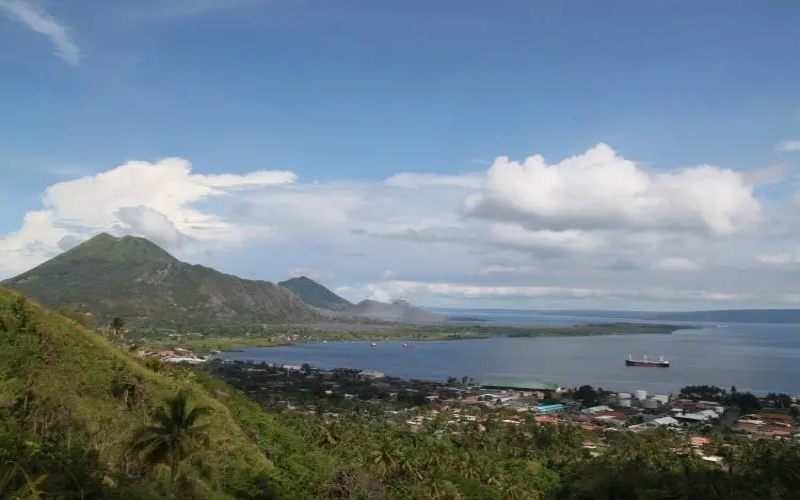
Papua New Guinea Coffee: Why Is It Called the "Little Blue Mountain"? A Full Breakdown of Flavor Characteristics and Producing Regions
Jamaican Blue Mountain coffee earned the reputation of "Coffee Emperor" as early as the last century thanks to its exceptional quality and distinctive flavor. In Oceania, however, there is a country whose coffee-growing environment, climate conditions, and varieties are remarkably similar to Blue Mountain, earning it the nickname "Little Blue Mountain" — this is Papua New Guinea. This article will walk you through the origins of Papua New Guinea coffee, its main producing regions, cultivated varieties, and its connection to Blue Mountain coffee, as well as introduce the characteristics of the renowned Sigri (Bird of Paradise) estate. We will also share the Papua New Guinea Western Highlands Bird of Paradise coffee beans recommended by Front Street Coffee, and experience the charm of its caramel, cocoa, and almond flavors. [more…]