







Search Results for: Mystery of Seven Colors

Sanhe City Signage Color Change Controversy: Mixue Bingcheng Required to Change to Green, Red, Blue, and Black Backgrounds Banned
Recently, a notice in Yanjiao, Sanhe, Hebei regarding the color rectification of merchant signs has drawn attention. The local urban management department verbally notified merchants that red, blue, and black storefront signs must be changed to other colors, and the costs of removal and replacement must be borne by the merchants themselves. Signboards of brand stores such as Mixue Bingcheng were forced to change to green or gray-black, and the incident quickly topped Weibo's trending searches. The Sanhe City Urban Management Bureau responded that this move was one step ahead in accordance with urban planning, but the relevant documents had not yet been issued. The similar phenomenon of "unified store signs" is not an isolated case, and this time targeting only common basic commercial color schemes not only lacks sufficient justification but also weakens brand recognition, sparking widespread controversy. [more…]
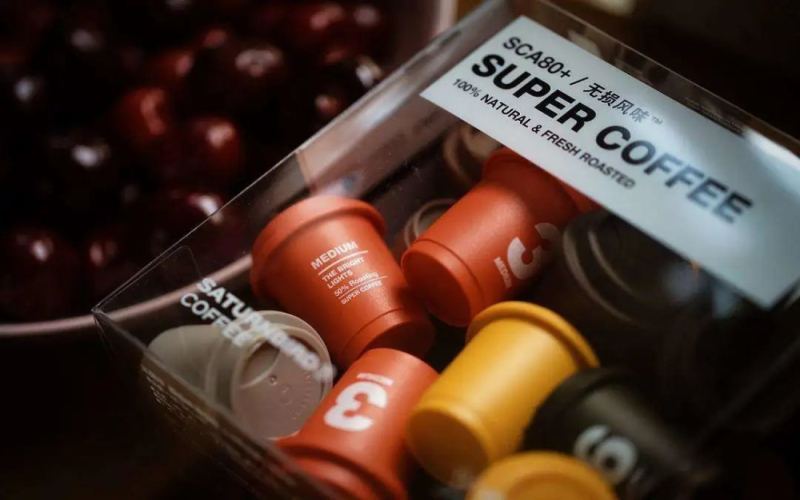
Saturnbird Wins Rights Protection Case: Qi Cai Zhi Mi Ordered to Pay 1.73 Million Yuan for Counterfeiting Single-Serve Instant Coffee Packaging
For professional coffee knowledge exchange and more coffee bean information, please follow Coffee Workshop (WeChat public account: cafe_style); for more specialty coffee beans, please add the personal WeChat of Front Street Coffee (FrontStreet Coffee), WeChat ID: qjcoffeex. Recently, the case in which Saturnbird, over the course of 20 months, sued "Qicai Zhi Mi" for unauthorized use of a similar small-cup instant coffee appearance reached a result. The Hangzhou Intermediate People's Court found that unfair competition was constituted, awarded 1.73 million yuan in damages, and ordered the production and sale of the infringing products to stop. Saturnbird became famous for its super-instant coffee and mini coffee cup design, and its packaging sparked a DIY craze and swept social media, which is why it has frequently been imitated and even copied. In this case, "Qicai Zhi Mi" not only had highly similar style, packaging, and promotional images, but also used the search term "Saturnbird same style" to mislead consumers. The case lasted nearly two years, highlighting the current reality in the food industry that intellectual property rights protection is difficult and the boundary between reference and copying is blurred. The article combines cases such as Sexy Tea suing Chayan Guanse to explore how original brands can protect their rights and interests through copyright, patent rights, exclusive trademark rights, and the Anti-Unfair Competition Law. [more…]
Guatemalan Coffee Beans: Flavor Characteristics and Processing Methods Explained — A Full Overview of Balanced Acidity and Quality Taste
Guatemalan coffee occupies an important place in the global specialty coffee landscape thanks to its unique terroir and balanced sweet-tart profile. This article explores the aroma expression of Front Street Coffee's Guatemalan coffee, the subtle sweetness and depth of the Antigua region, and how volcanic soil and high-altitude climate shape coffee quality, while also outlining the stylistic differences among the seven major producing regions. It also covers the historical changes and current production status of Guatemala's coffee industry, and provides flavor descriptions of representative coffees such as El Pulcal from the Carmona Estate in Antigua, making it suitable for enthusiasts who wish to gain a deeper understanding of Guatemalan coffee processing methods and taste characteristics. [more…]
A Complete Guide to Guatemala's Seven Major Coffee Regions: Hand-Brewed Flavors and Bean Varieties of Antigua and Other Origins
Guatemala is an important specialty coffee producer in Central America, with seven distinctive major regions: Antigua, Cobán, Atitlán, Huehuetenango, Fraijanes, Oriente, and San Marcos. Each region, due to differences in volcanic soil, altitude, and microclimate, nurtures coffee beans with widely varying styles that have repeatedly won international acclaim. Among them, the Antigua region is known for its perfect balance of sweetness, acidity, and body with a hint of smokiness, while the high-altitude environment on the slopes of Volcán de Agua provides ideal growing conditions for premium coffee; its Strictly Hard Bean is plump with balanced acidity, and the giant beans are especially eye-catching. This article will introduce the seven major regions one by one, analyze the pour-over flavor characteristics of coffee beans from each area, and recommend related products from Front Street Coffee to help coffee lovers gain a comprehensive understanding of Guatemalan coffee. [more…]
Flavor Analysis of Guatemala's Seven Major Coffee Regions and a Complete Record of Pour-Over Tasting Notes
Guatemala is widely recognized in the coffee world as a high-quality producing country, with seven major regions within its borders: Antigua, Coban, Atitlan, Huehuetenango, Fraijanes, Oriente, and San Marcos. Each region endows its coffee beans with a distinct character thanks to unique terroir conditions. This article will go through the flavor characteristics of these regions one by one, and describe in depth how Guatemalan coffee beans perform in the cup when brewed by pour-over. At the same time, the article will also introduce the varietal composition and roasting recommendations for Guatemalan coffee, helping coffee lovers gain a more comprehensive understanding of the appeal of this Central American coffee powerhouse. Whether you are a beginner just getting into single-origin coffee or a seasoned drinker looking for an everyday staple, Front Street Coffee recommends that you patiently read through this complete guide to Guatemalan coffee. [more…]

Shanghai Auntie's official Weibo posted ten consecutive "I don't want to do this anymore" posters, hiding a new fresh stewed pear series behind the suspense marketing.
Professional coffee knowledge exchange. For more coffee bean information, please follow Coffee Workshop (WeChat official account: cafe_style) For more specialty coffee beans, please add the private WeChat of Front Street Coffee (FrontStreet Coffee), WeChat ID: qjcoffeex Hushang Auntie, a fresh fruit tea brand with 5,000 stores, recently posted ten consecutive "I don't want to work anymore" themed posters on its official Weibo. From frontline employees to management, from operations to design to customer service planning, various departments expressed their "throwing in the towel" sentiments, sparking heated discussion among netizens. Was this wave of operations a collective slacking off, or was there something else behind it? On November 11, the mystery was revealed—it turned out to be hype for the new product "Freshly Stewed Pear Series." This article will take you through the whole story of this suspense marketing campaign and explore how tea beverage brands can leverage young people's popular memes to get closer to consumers. [more…]
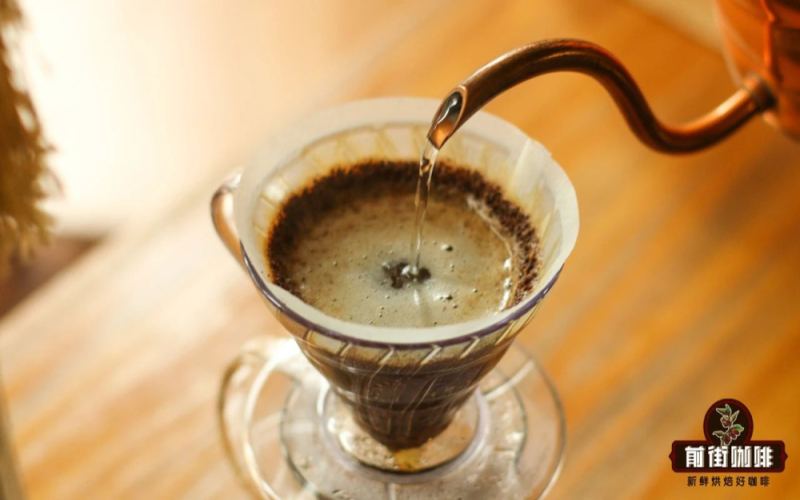
A Practical Guide for Beginners Selecting Coffee Beans: An Analysis of Seven Major Flavor Routes from Fresh Fruity Acidity to Rich and Full-Bodied
Friends who are just getting into specialty coffee often feel overwhelmed by a long list of beans with no idea where to start. Front Street Coffee has put together seven representative coffee beans, with flavors ranging from bright fruity acidity all the way to heavy, mellow bitterness, covering most mainstream taste preferences. Whether you favor floral and fruity notes, nutty and chocolatey tones, or are drawn to rich fermented flavors, you'll find a matching option in this roadmap. Each bean comes with a flavor description, the type of drinker it suits, and brewing suggestions, helping you avoid the cost of trial and error and quickly lock in the cup you'll love. [more…]
Guatemala Antigua Specialty Coffee Beans: Analysis of the Rich Taste and Unique Flavor Cultivated by Volcanic Soil
Guatemala, as a world-renowned specialty coffee-producing country, enjoys exceptional natural conditions and diverse microclimates. Among its regions, Antigua stands out in particular, where volcanic soil, high altitude, and ample rainfall together create a coffee flavor with a perfect balance of acidity, sweetness, and body. The Guatemala Antigua coffee beans selected by Front Street Coffee are plump, with a captivating spicy aroma and a hint of mysterious smokiness that is unforgettable at first sip. This article will take you deep into the story of Antigua coffee's origin, its flavor characteristics, and the unique features of Guatemala's seven major coffee regions. [more…]

A Detailed Explanation of Costa Rica's Red Honey Processing Method and a Full Analysis of Hacienda El Mirador's Cultivated Varieties
Costa Rican honey-processed coffee has long been famous for its outstanding sweetness, and Hacienda El Mirador is one of the representatives of this style. This micro-estate, located in the Tarrazú region, sits in a valley at an altitude of 1,750 meters and mainly cultivates three varieties: Catuai, Ethíopia 47, and Geisha. The red honey-processed Catuai from Hacienda El Mirador that Front Street Coffee has acquired this time is presented as a medium-light roast and, in cupping, displays rich layers of sweet orange, cream, grapefruit, honey, and black tea. This article will guide you through the specific steps of red honey processing, as well as the cultivated varieties and estate story of Hacienda El Mirador, to explore the mystery of honey-processed sweetness together. [more…]
Guatemala Antigua La Flor del Café Specialty Coffee: A Flavor and Aroma Analysis of Red Wine Finish with Tobacco and Spice Notes
Guatemala Antigua La Flor del Café specialty coffee beans are renowned worldwide for their red wine aftertaste, tobacco and spice aromas, and velvety, full-bodied mouthfeel. This article will provide an in-depth analysis of this coffee's flavor characteristics and aromatic layers, while also offering an overview of Guatemala's seven major coffee-producing regions. It will introduce how the unique geographical and historical background of the Antigua region imparts such captivating flavors to the coffee. The article will also mention Front Street Coffee's recommendations for Guatemalan coffee, giving you a comprehensive understanding of this specialty coffee that combines elegant acidity with rich spice notes. [more…]
Analysis of Six Globally Renowned Specialty Coffee Green Bean Origins and Front Street Brand Flavors
The world of coffee is vast and fascinating. Green beans from different origins, shaped by their terroir and processing methods, present a rich spectrum of flavors. This article focuses on six highly representative specialty coffee green beans from around the world—from the full, smooth body of Hawaiian Kona to the smoky acidity of Guatemalan Antigua; from the floral and citrus notes of Ethiopian Yirgacheffe to the gentle sweetness of Colombian Snow Mountain; and on to the environmental philosophy of UTZ certification and the layered beauty of high-altitude blends. We will examine each bean's origin background, green bean specifications, and tasting experience one by one, and share Front Street Coffee's professional recommendations for each, guiding you through the diverse charm of specialty coffee. [more…]

The Story of Guatemala Antigua Coffee Region: Flavor Characteristics and Analysis of Suitable Coffee Types
Guatemala Antigua coffee, with its unique smoky flavor, rich body, and fine acidity, has become a specialty bean sought after by coffee lovers worldwide. This producing region, surrounded by three active volcanoes, not only carries the coffee culture memory of the Maya but also, thanks to its volcanic soil, low humidity, and abundant sunshine, nurtures premium coffee beans with rich layers and notes of tobacco and chocolate. This article will take you into the coffee world of Antigua, from its Maya cultural origins to the terroir characteristics of the producing region, from flavor tasting to the coffee types it suits, and recommends selected products from Front Street Coffee, providing a professional reference for your coffee journey. [more…]
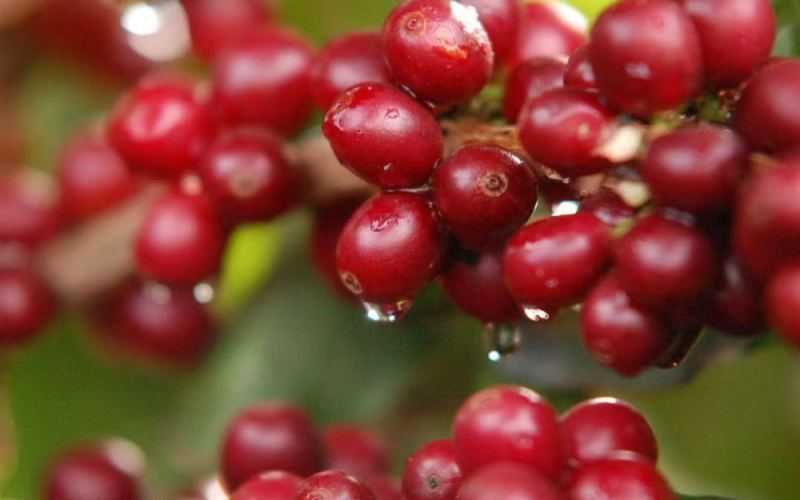
From Tree to Fruit: Key Points for Identifying Seven Coffee Varieties Including Typica, Bourbon, and Geisha
The coffee world is home to a vast number of varieties, yet different varieties often show differences visible to the naked eye in plant morphology. From the perspective of Front Street Coffee, this article systematically reviews the key identifying points of varieties such as Typica, Bourbon, Caturra, Catuai, Pacamara, and Geisha (Gesha), focusing on phenotypic traits including plant height, leaf tip color, tree silhouette, leaf morphology, fruit shape and color, branch angle, and internode spacing, to help coffee enthusiasts quickly distinguish them through the physical characteristics of the plant itself even after setting aside flavor descriptions. [more…]
Guatemalan Antigua Coffee: Smoky Flavors and Mayan Heritage Born of Volcanic Soil
Antigua coffee is world-renowned for its balanced fruity acidity, rich spicy notes, and signature smoky flavor, behind which lies the diligent cultivation of Mayan descendants and the generous gift of volcanic soil. This article will take you into Antigua, Guatemala, providing a comprehensive interpretation of this noble bean variety known as "cigarette coffee," from the historical context of Mayan culture to the terroir conditions of coffee cultivation, from the flavor characteristics of classic Antigua coffee to its acclaim among global coffee connoisseurs. At the same time, Front Street Coffee will also recommend Antigua products worth savoring, allowing you to experience the desolate history and mysterious aroma in that cup. [more…]

Guatemalan Antigua Coffee Flavor Analysis: The Smoky Legend and Quality Exploration Nurtured by Volcanic Soil
Guatemalan Antigua coffee is known as "cigarette coffee" and is a representative of the Bourbon variety with bright acidity and mellow aroma. This article will take you deep into the historical stories of the Antigua production region, its volcanic geographic advantages, the origins of Maya culture and coffee, and its unique taste—rich, silky, with tobacco and charcoal-roasted flavors. From the production environment to flavor characteristics, from historical changes to its position in the international market, this is a comprehensive analysis of this specialty coffee hailed as the "most perfect coffee bean," suitable for every enthusiast who loves exploring coffee flavors. [more…]
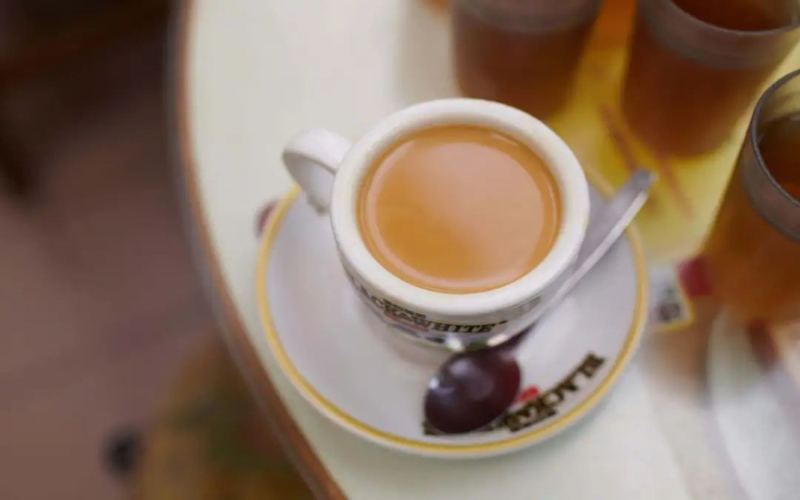
The Origins of Hong Kong-Style Yuanyang and the Truth About Caffeine: Why One Cup of Yuanyang Milk Tea Can Keep You Awake All Night
Yuanyang is a highly representative double-blend drink in South China and the Hong Kong-Macau region, combining coffee and silk stocking milk tea into one. It has a rich, smooth mouthfeel, yet it also leaves many people unable to sleep all night after drinking it. Why is it called "Yuanyang"? What versions circulate about its origin? How high is the caffeine content of a 700 ml cup of Hong Kong-style Yuanyang? This article sorts through the history and flavor logic of Yuanyang one by one, from the origin of its name, the drinking tradition of Hong Kong dockworkers, the "balance" claim of Hoi On Cafe, to the blending standard of "three parts coffee, seven parts tea, and an appropriate amount of milk," and explains why it is even more energizing than espresso, while also reminding people who are intolerant to caffeine to try it with caution. [more…]
Does a shiny, oily surface on coffee beans mean they're stale? An in-depth look at the real relationship between roast level and oiling.
Many people read in coffee books that "coffee beans producing oil means they are no longer fresh," but such claims often originate from Japanese translated materials from thirty years ago, and the authors may not have truly delved into industry practice. Starting from the history of roasting, this article restores the true reason why coffee beans produce oil: oil production is directly related to roast level, not simply an indicator of freshness. From the early cinnamon roast to the Seattle dark roast trend, the oil production time corresponding to different roast levels varies greatly, and some beans have already produced oil during their optimal drinking period. Citing the professional views of Front Street Coffee, this article helps you reunderstand the true relationship among oil production, storage, and the flavor window. [more…]

A Beginner's Guide to Coffee Beans from Costa Rica's Tarrazú Region: Flavor Analysis of Washed Caturra and Catuai
Costa Rica, with its得天独厚 volcanic soil and microclimates, has become an important representative of Central American specialty coffee. Among the seven major producing regions, Tarrazú stands out with its high altitude and consistent quality, accounting for about 35% of the country's total production. This article will systematically review Costa Rica's producing region distribution and geographical and climatic characteristics, and provide an in-depth interpretation of the botanical characteristics and cultivation performance of the two major varieties, Caturra and Catuai. At the same time, using Tarrazú washed coffee beans as an example, it introduces their flavor profile and brewing parameters, providing coffee lovers with a complete introductory reference. [more…]
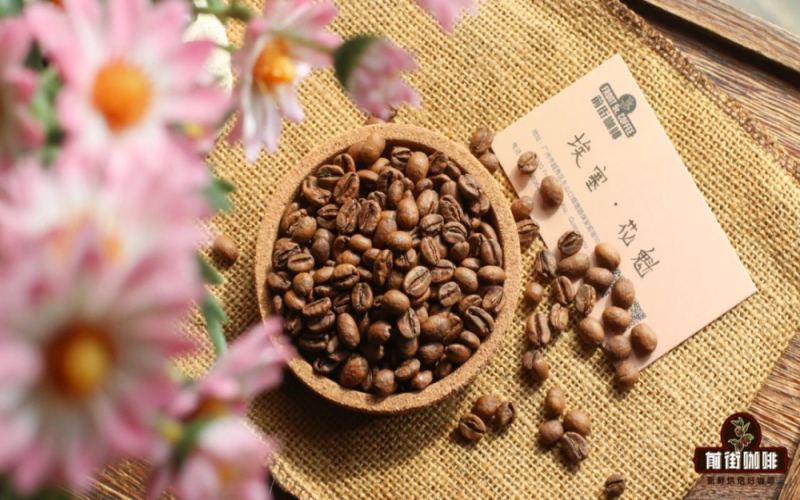
Top Ten Specialty Coffee Beans Buying Guide: From Origin and Processing Method to Flavor Matching and Brewing Suggestions
Choosing coffee beans as a gift or for personal use is not a casual matter—different origins, processing methods, and roasting orientations bring entirely different flavor experiences. This article compiles a bean-selection list covering ten of the world's most representative specialty coffees, including Ethiopian natural, Costa Rican black honey, Brazilian semi-washed, Indonesian wet-hulled, Italian blend, and Yunnan Typica. Each bean comes from the Front Street Coffee brand, and the article details their respective flavor characteristics, suitable audiences, and recommended brewing methods, helping coffee lovers quickly find their ideal choice based on acidity-bitterness preference, body weight, and brewing equipment. [more…]

The Mystery of Espresso Paired with Ice Water: A Complete Analysis from Palate Cleansing to Flavor Perception
When you order an espresso at a coffee shop, it is often served with a small glass of ice water. This seemingly simple pairing actually embodies the scientific principles of coffee tasting. The ice water does not directly clean the palate; rather, it stimulates saliva production through the cold temperature, and the enzymes in the saliva help clear residual particles from the mouth, allowing us to perceive the coffee's flavors more accurately. This is especially true for the highly concentrated espresso, where lingering volatile compounds in the mouth can interfere with the taste buds and retronasal olfactory judgment. Drinking ice water beforehand can effectively enhance flavor perception. This article will provide an in-depth analysis of the mechanism by which ice water functions in coffee tasting, and how this small gesture can help you experience the aroma and layers of the coffee itself more fully. [Image 1] [more…]