







Search Results for: International Coffee Day
An In-Depth Analysis of Tanzania's Coffee Bean Grading System and the Flavor of the Kilimanjaro Region
Tanzanian coffee is grown in the fertile soils of the East African Rift Valley, structured around bright acidity and medium body, interwoven with blackcurrant, sweet citrus, and floral notes, suitable for both hot and iced drinks. This article systematically reviews its washed processing characteristics, estate bean grading logic, and transportation aging risks, explains in detail the terroir of core producing regions such as Kilimanjaro, Moshi, and Arusha, and introduces representative brands such as Africafe and Tanica Cafe as well as the cultural origins of the "coffee gentleman." It also focuses on industry developments such as Tanzania's promotion of domestic sales and the addition of six new coffee-producing regions, providing coffee enthusiasts with a comprehensive and professional guide to the producing region. [more…]
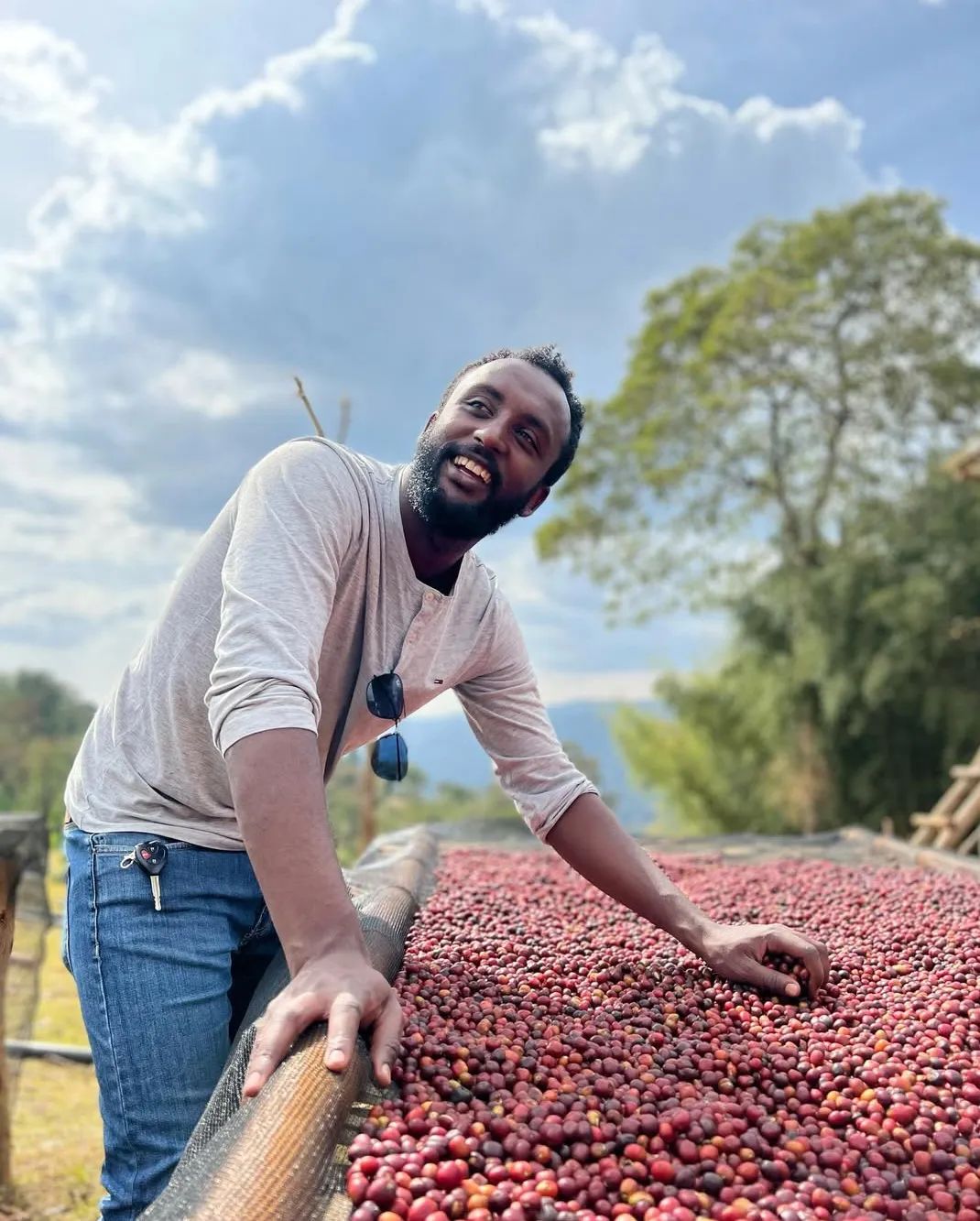
Ethiopian Sidamo Bensa Elto Coffee Beans | An Introduction to Sidamo Elto Coffee Beans and Their Flavor Characteristics
If there are any names that cannot be avoided in the Ethiopian specialty coffee scene in recent years, Front Street Coffee believes that Tamiru of Alo Coffee and Eliyas Dukamo of Elto Coffee must be among them. Whether in international competitions [more…]
The Varietal Characteristics of Yunnan Pu'er Small-Bean Coffee and Its Path to Industry Rise
Pu'er, a city that changed its name because of Pu'er tea, is now entering the public eye with a new identity as the "Coffee Capital of China." The Tropic of Cancer passes through it, placing it on the same latitude as Cuba, the kingdom of coffee, and its exceptional climate conditions make it an ideal growing region for Arabica coffee. From Nestlé's arrival and layout in 1988 to today, when international giants such as Starbucks and Kraft are competing to purchase its beans, Pu'er's coffee industry has gone through more than thirty years. Through vivid details such as coffee farmer Zhang Kui's cultivation story, technical assistance from international experts, and cup quality control, this article presents the varietal advantages, current state of the industry, and future business opportunities of Pu'er Arabica coffee, while also introducing Front Street Coffee's continued attention to and recommendations for Yunnan coffee. [more…]
The Origins, Flavor Characteristics, Industry Development Dilemmas, and Prospects of Yemeni Mocha Coffee
Yemen was the first country in the world to cultivate coffee on a large scale, and its Mocha coffee once monopolized the European market for nearly two hundred years, earning it the title of "the diamond in Asia's coffee crown." However, in recent years, Yemen's coffee production has continued to decline, quality standards are lacking, the export structure is monolithic, and the industry faces numerous difficulties in its development. This article will take you back through the historical origins of Mocha coffee, analyze the natural and cultural factors behind its unique flavor, and review the current state and future prospects of Yemen's coffee industry. For coffee lovers, understanding Yemeni Mocha is an indispensable lesson in comprehending the world of coffee. Front Street Coffee will also recommend Yemeni Mocha products worth tasting. [more…]
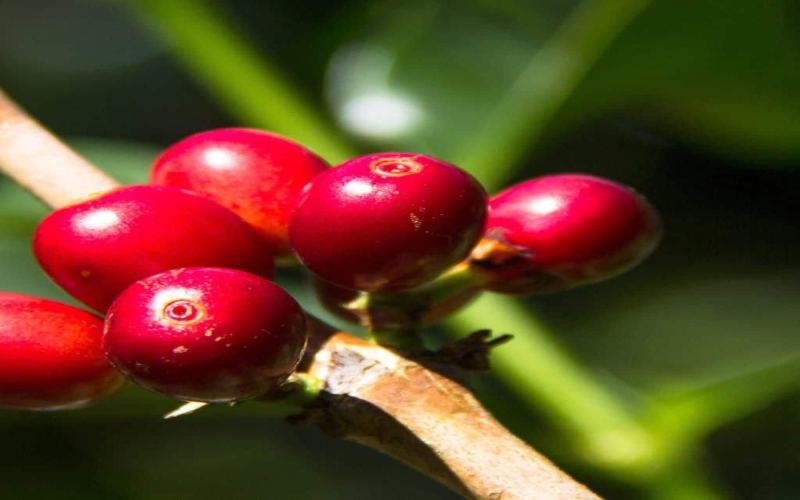
Complete Guide to Geisha Coffee Beans: From Origin and Spread to Taste Grades and Flavor Differences with Huakui
Geisha, hailed as the most legendary coffee variety of the 21st century, has become an undisputed star in the specialty coffee world thanks to its stunning cupping performance and ever-rising auction prices. But where exactly did Geisha come from? Is it the same bean as Huakui? How do you distinguish between the Red Label, Green Label, and Volcanic Rock lots from Panama's Hacienda La Esmeralda? How does the product line from Gesha Village in Ethiopia differ? This article, led by Front Street Coffee (FrontStreet Coffee), will systematically trace Geisha's rise to fame, its varietal characteristics, and its flavor expression across different producing regions, along with practical brewing suggestions to help coffee lovers gain a comprehensive understanding of this legendary variety. [more…]
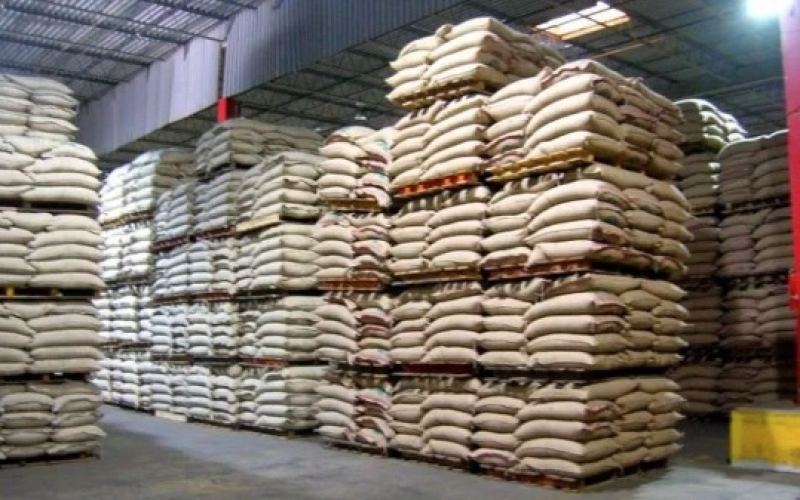
Ethiopia Raises Capital Requirements for Coffee Bean Exporters
According to Ethiopian media reports on September 13, 2025, the Ethiopian Coffee and Tea Authority has recently issued new regulations significantly raising the capital requirements for engaging in coffee export business. Under the latest Coffee Mark [more…]
Tracing the Origins of Jamaica's Premium Blue Mountain Coffee Brand: JABLUM Characteristics and Blue Mountain Coffee Bean Price Reference per Jin
JABLUM, the premium Blue Mountain coffee, is a long-established authentic Blue Mountain brand from Jamaica, produced by Mavis Bank Coffee Company, accounting for forty percent of the nation's Blue Mountain coffee output annually. The unique climate and volcanic soil of the Blue Mountain range nurture this world-class coffee, but only coffee grown above 1,800 meters in elevation can bear the name "Blue Mountain." Blue Mountain coffee once went through a quality trough, later restored its reputation under Japanese investment, and now ninety percent is sold to Japan, with the remaining international market demand running strong. JABLUM's cultivation and processing are strictly supervised by the Coffee Industry Board throughout, its caffeine content is only half that of ordinary coffee, and its flavor is mellow and balanced. This article details its historical origins, growing conditions, quality management, and Front Street Coffee's recommendations, along with price references. [more…]
Are Yunnan Pu'er coffee beans really unsalable? An analysis of the price per kilogram of small-bean coffee and the market truth
In April of this year, Yunnan's coffee industry was overshadowed by rumors of "unsold coffee beans," which once made coffee farmers and industry insiders uneasy. But what is the truth? The main production area of Pu'er has only 3,000 to 4,000 tons of coffee beans left, including some of poor quality. Truly high-quality beans are still in short supply, and quality is the most worrying issue behind this storm. This article takes an in-depth field visit to Pu'er, sorting out the quotation trends for small-bean coffee, the ins and outs of the unsold rumor, and the real situation of intermediaries and coffee farmers amid this price fluctuation, and talks with "Coffee Madman" Liu Minghui to restore the current situation and future of Yunnan coffee. [more…]
Finca Sophia: The Path of a High-Altitude Rising Star to the BOP Podium
At the 2025 Best of Panama, Finca Sophia took two of the top spots at once: second place in the washed Geisha category (96.25 points) and third place in the natural Geisha category (96.25 points). For an estate established only in 2008, [more…]

Hacienda Santa Teresa: A Strong Contender of Traditional Varieties at the Foot of Baru Volcano
In the 2026 BOP Traditional Varieties category, the champion belongs to Altieri Estate, the runner-up is Hacienda La Esmeralda, and the third place is a batch that entered with 92.38 points—it comes from Finca Santa Teresa, owned by Ezequiel [more…]
Nuguo Estate: How a Small Estate Broke into the Top Three of Washed Geisha
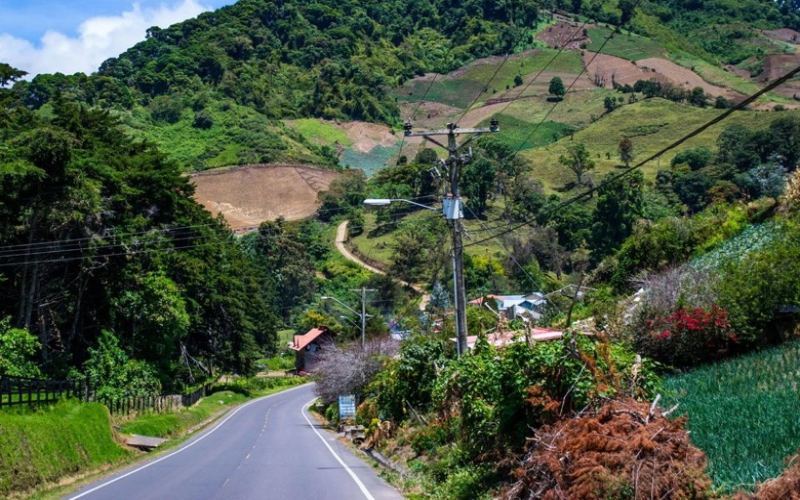
In the 2025 Best of Panama washed Geisha category, Finca Nuguo placed third with a score of 95.27, behind only Esmeralda and Sophia. In terms of fame, Nuguo is not as renowned as its two neighbors, but in terms of production conditions, it is equally astonishing—the entire estate only [more…]
Yunnan Arabica Coffee Recommendations | What Varieties of Yunnan Arabica Coffee Beans Are There? Yunnan Coffee Bean Characteristics and Flavor Review
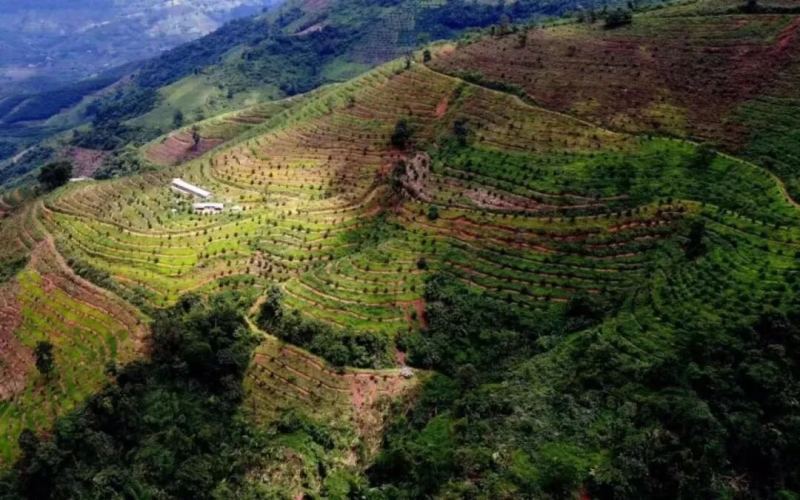
Front Street Coffee has learned that most people, when they first get into specialty coffee, start with Africa's Yirgacheffe or Sidamo regions in Ethiopia, and when it comes to Asian coffee, most people first think of Indonesia's Mandheling coffee beans. But with the rise of the domestic goods trend, Yunnan coffee from China has begun [more…]
Yunnan Coffee | Where is China's coffee-producing region? Why is Yunnan suitable for growing Arabica? What are the characteristics of Yunnan coffee varieties?
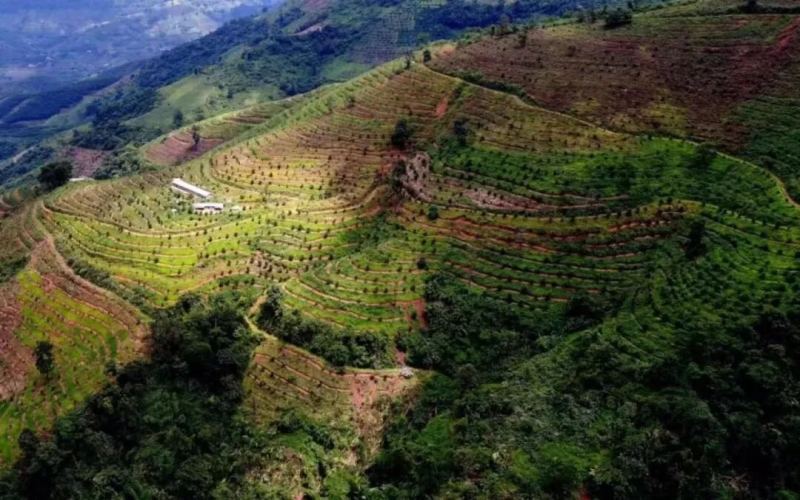
Front Street Coffee has learned that most people, when they first get into specialty coffee, start with Africa's Ethiopian Yirgacheffe or Sidamo regions, while when it comes to Asian coffee, most people first think of Indonesia's Mandheling coffee beans. But with the rise of the domestic goods trend, Chinese Yunnan coffee has begun [more…]
Rwanda Coffee: The Bourbon Sweetness of the Land of a Thousand Hills
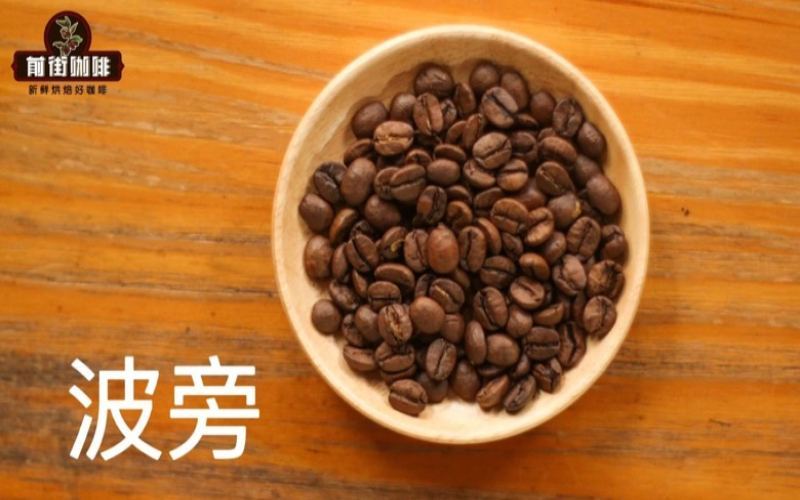
On the map of East African coffee, Kenya's bold fruit acidity and Ethiopia's floral aromas have long been famous, while Rwanda, a small landlocked country tucked between the two, is like a quiet overachiever, quietly winning fans with its delicate sweetness and cleanliness. This country, known as the "Land of a Thousand Hills," has planted Bourbon varieties across its rolling mountains. [more…]

SOE Coffee | Why does switching to SOE coffee beans at a café cost extra? What makes SOE coffee more expensive than espresso?
When you go to a café and want to order an Americano or a milk coffee, you're often faced with two options: the default espresso blend, or the SOE that costs extra. At this point, some people might wonder, why is this "SOE" more expensive than the blend? What exactly makes it cost more? What exactly is SOE coffee? [more…]
Characteristics of Premium Mandheling | Why is Golden Mandheling cleaner and free of off-flavors compared to Lintong Mandheling? Recommendations for high-value, great-tasting, non-bitter Indonesian Mandheling pour-over coffee beans
Indonesia has been on the coffee-planting path since the Dutch started it in the 17th century, and to this day Indonesia's coffee enjoys a pivotal position internationally. But if you were to ask which Indonesian specialty coffee is the most famous, many people would probably think of Sumatra Mandheling. So what exactly is Mandheling? Does it taste good? How do you choose a high-value [more…]
Yunnan Arabica Coffee Characteristics | Is Yunnan Coffee Specialty Coffee? Is Yunnan Bean Good for Pour-Over? High Cost-Performance Yunnan Single-Origin Bean Recommendations
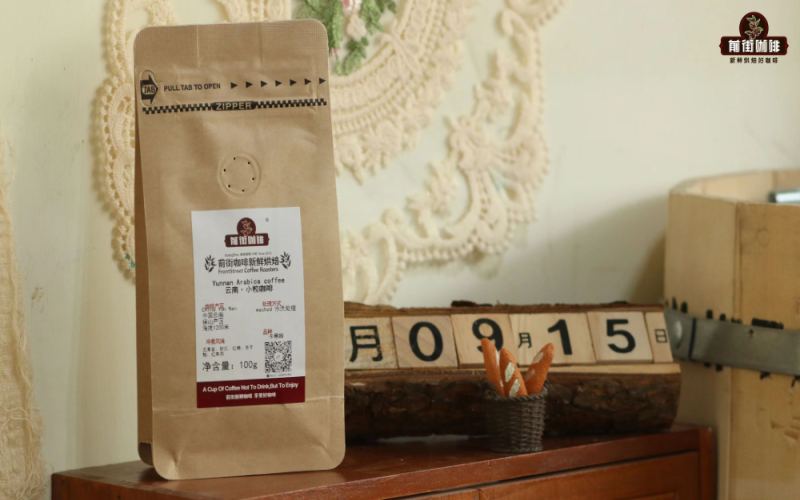
Many people know that China is the hometown of tea, with a long history of tea drinking and a profound tea culture. In Yunnan, China, there are also many high-quality tea-producing regions, especially for Pu'er. But did you know that Yunnan is not just about tea—it also has coffee beans? Yunnan's coffee planting area is also quite large, making it China's largest coffee [more…]

Espresso Italian-style coffee bean making tutorial | How many milliliters is a standard espresso? Is there a big difference between single and double shots? What is the coffee-to-milk ratio for a hot latte?
For more specialty coffee knowledge, please follow: Front Street Coffee (Frontsteet Coffee). Espresso is now commonly used as the base for espresso-based drinks, such as the familiar latte, cappuccino, and mocha. Their difference lies in the varying ratios of espresso to milk, which creates different flavors. [more…]

Specialty Coffee in China | What coffee variety is Yunnan small-batch coffee? Recommended Yunnan single-origin specialty coffee beans that are great for pour-over
When it comes to coffee cultivation, people may first think of famous coffee-growing regions such as Africa and Central and South America. In fact, Yunnan in China had records of coffee cultivation as early as 1904, and today it has even ranked among the world's coffee producers. "Yunnan small bean" is appearing more and more frequently in domestic coffee shops, [more…]

Specialty Coffee | What is the difference between specialty coffee and commercial coffee? What is the SCA definition of specialty coffee? Characteristics of specialty coffee and cupping score
In coffee history, the specialty coffee wave and its three waves form the basic understanding people have of coffee. People often compare and contrast specialty coffee beans with commercial coffee beans, as if the two were opposites. So what are the differences and connections between them? To understand the differences between the two, we must first understand specialty coffee's [more…]